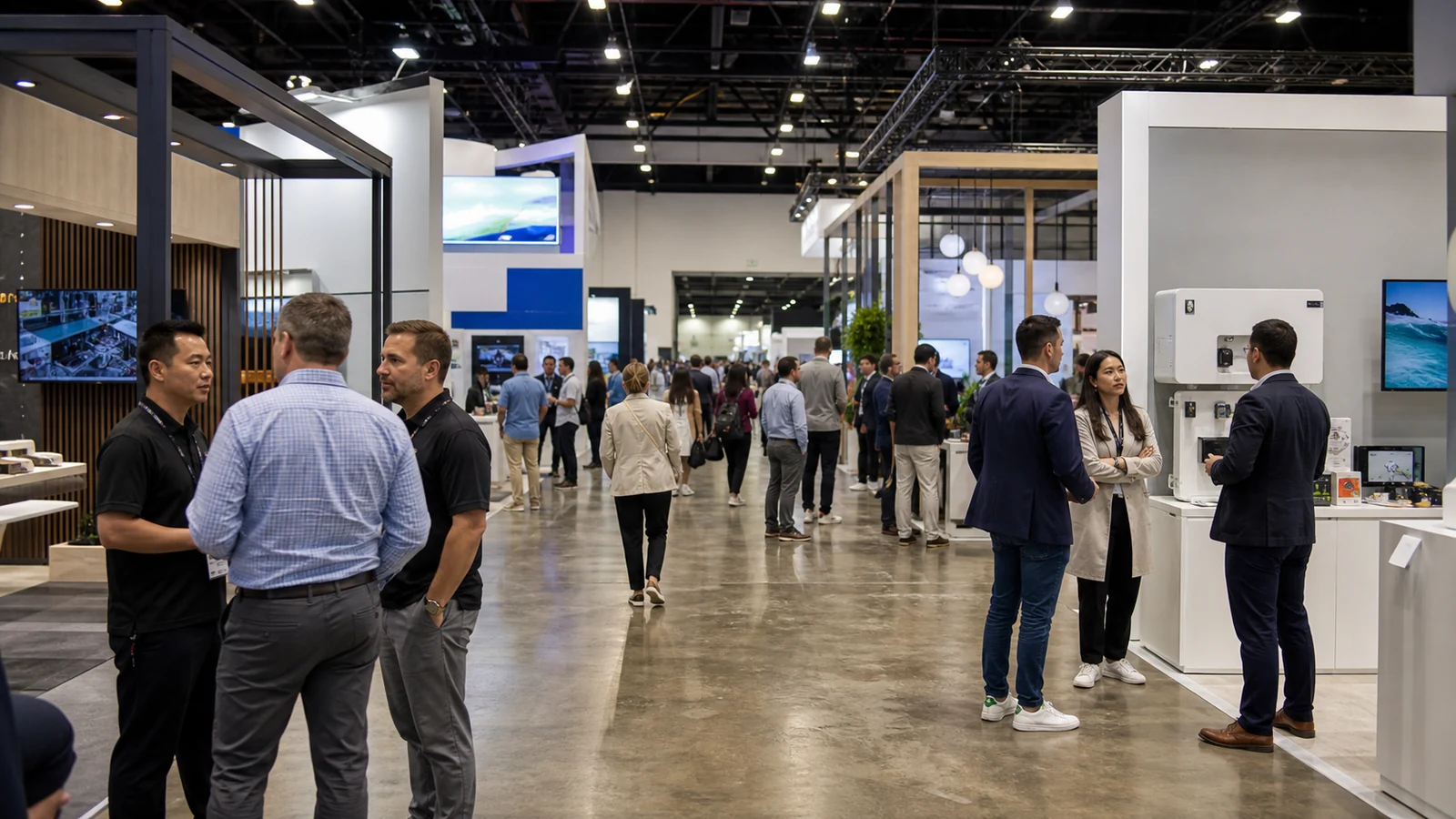
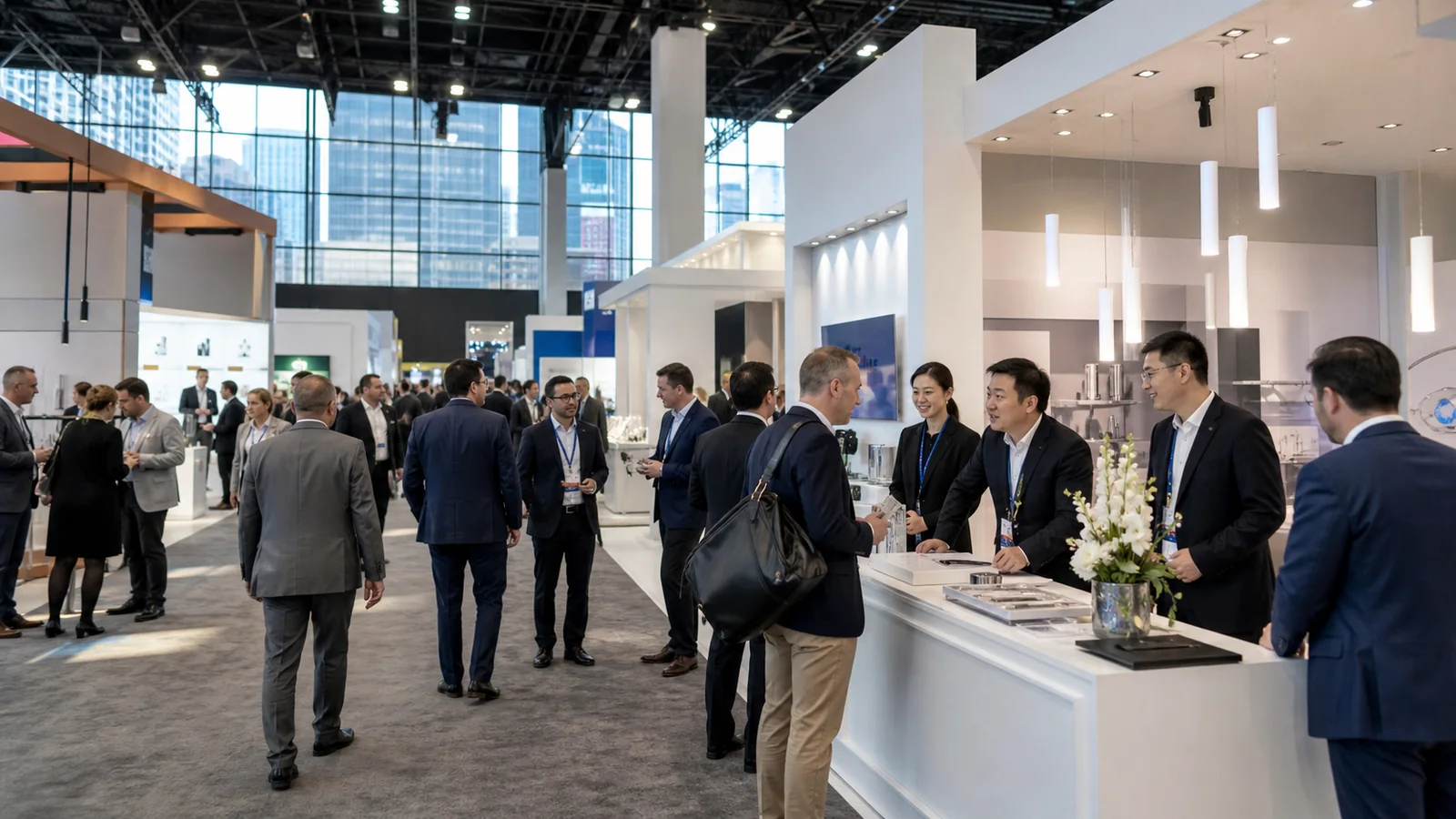
ASD Market Week can put a consumer-products supplier in front of discount retailers, boutiques, convenience stores, e-commerce sellers, distributors, and other wholesale buyers in one trip. That range is useful, but it also creates the show's main risk: a broad audience does not rescue a broad product pitch. This guide explains the 2027 dates, who shops the show, which products fit, and what you should have ready before you exhibit.
ASD Market Week 2027 at a glance
| Item | 2027 information |
|---|---|
| March edition | March 2–4, 2027 |
| August edition | August 3–5, 2027 |
| Venue | Las Vegas Convention Center |
| City | Las Vegas, Nevada |
| Current hall listing | North and Central Halls |
| Event type | B2B wholesale merchandise trade show |
| Frequency | Twice a year |
| Organizer | Emerald |
The organizer marks both 2027 date ranges as subject to change. Its current dates page shows 9:00 a.m.–6:00 p.m. show hours for the March 2–4 edition, but you should recheck the event page before booking travel and freight. August hours and detailed move-in schedules should also be treated as pending until the event-specific materials are released.
What ASD Market Week is
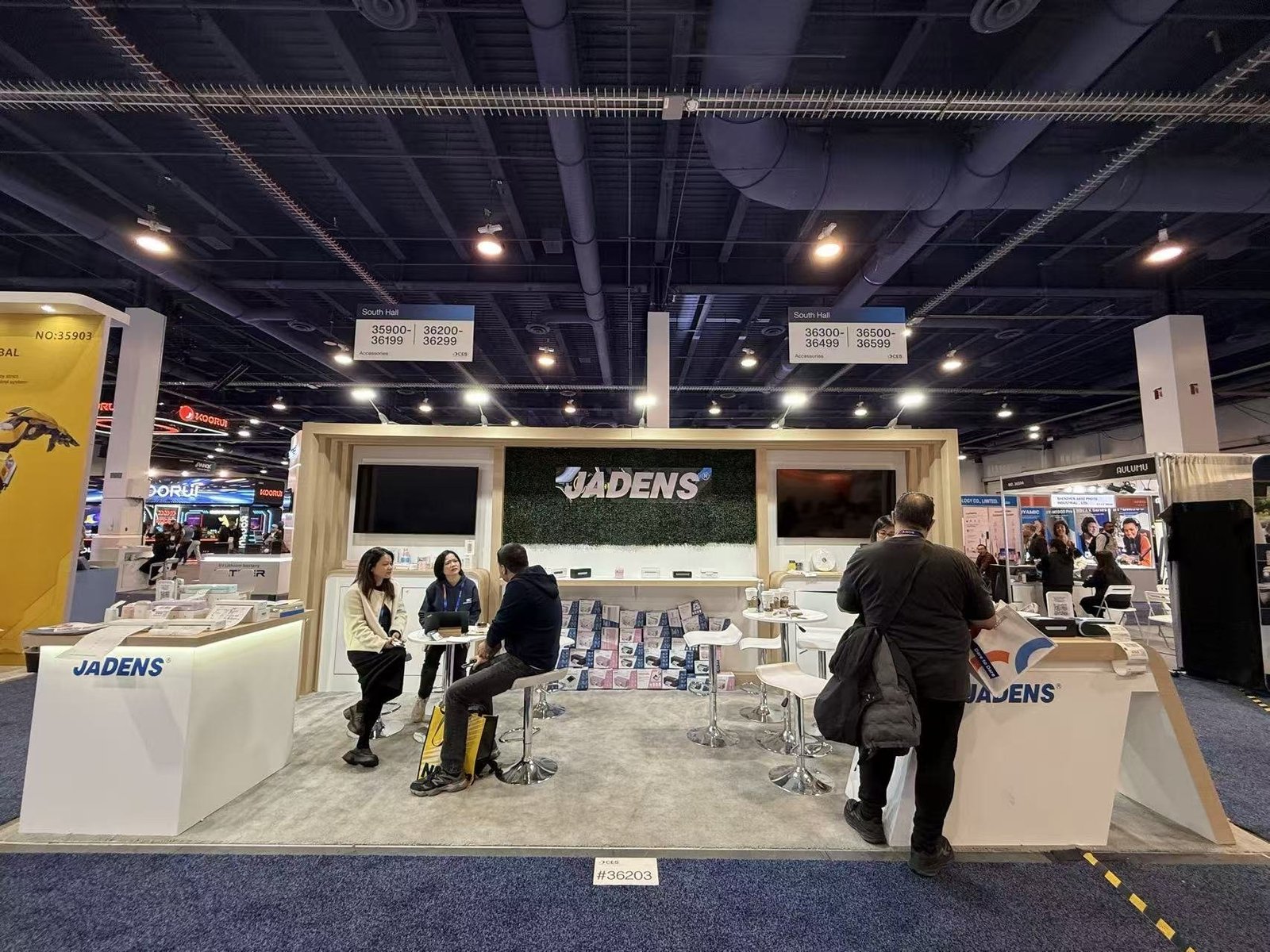
ASD is short for Affordable Shopping Destination. The show is built around wholesale merchandise discovery and order writing rather than consumer shopping. Its floor brings together established brands, importers, distributors, closeout suppliers, private-label sources, and other vendors across a wide mix of retail categories.
The official floor structure groups more than 19 product categories into several neighborhoods. These include Gift + Home, General Merchandise + Closeouts, Toy, Cash + Carry, Fashion, Beauty, and SourceDirect. The exact placement matters. A buyer working through beauty, a gift-store owner, and a closeout merchant may all walk the same event, but they are solving different inventory problems.
ASD currently promotes 30,000 attendees, buyers from 80 countries, and more than 1,000 VIP buyers each year. Treat these as organizer marketing figures, not a promise about your edition or your booth traffic. The better question is whether your target accounts shop your category and whether your offer makes sense in their retail economics.
Who the buyers are
ASD lists a wide range of buyer types, including discount and off-price retailers, department stores, dollar stores, gift and souvenir shops, convenience stores, grocery and drug stores, boutiques, e-commerce sellers, importers, distributors, hardware and home-improvement stores, resorts, museums, toy stores, and specialty retailers.
That list should not become your target list. Pick one primary buyer profile before you plan the booth. “Independent retailer” is still too vague. A convenience-store buyer needs compact products, quick turns, clear margins, and easy replenishment. A boutique may care more about visual identity, exclusivity, and a curated assortment. A distributor will ask whether the pricing leaves room for another margin layer and whether you can support a territory.
Write down the account you most want, the store type, the likely price band, the first order you can realistically support, and the reason the item deserves shelf space. Then use that definition to choose products, staff the booth, and qualify visitors.
Is your product a good fit for ASD
A product is a stronger fit when a retail buyer can understand it quickly, see a believable resale opportunity, and place or discuss a wholesale order without waiting for basic commercial information. The show can suit gifts, home goods, toys, fashion accessories, beauty items, convenience products, general merchandise, closeouts, and other consumer products represented in the official categories.

Fit is not just a product category. You also need workable wholesale pricing, case packs, minimums, delivery timing, inventory or production capacity, packaging, product data, and a clear sales channel. If your item requires a long engineering review, months of technical qualification, or a complex capital approval, a general wholesale merchandise event may not be the best place to make that sale.
Do not assume “high margin” means you can raise the suggested retail price until the math looks attractive. Buyers compare similar products, landed cost, shelf space, expected turns, markdown risk, returns, and freight. Show the actual commercial structure and explain what makes the sell-through case credible.
Choose the right neighborhood before choosing the booth
ASD's breadth makes floor placement a commercial decision. Start with the buyer who should find you, not the label that sounds most flattering.
Gift + Home covers products such as décor, garden, gourmet, pet, seasonal, souvenir, party, and promotional merchandise. General Merchandise + Closeouts includes housewares, electronics, hardware and tools, office supplies, opportunity buys, sporting goods, and other broad categories. Toy covers collectibles, games, novelty, plush, and toys. Fashion and Beauty have their own category logic, while Cash + Carry includes jewelry and gifts-to-go.
If Halloween costumes and coordinated party ranges are the core of your line, compare the Halloween & Party Expo product and audience guide before choosing between a broad merchandise market and a more focused event.
SourceDirect deserves separate consideration. The organizer positions it around global factories, private label, and international manufacturers. If your main conversation is custom manufacturing rather than selling a finished branded assortment, SourceDirect may align better—but only after you compare its current buyer program, exhibiting terms, and floor location with the main ASD neighborhoods.
Ask the sales team for the current floor plan and nearby exhibitor mix before contracting. A technically correct category can still be a weak location if the adjacent traffic is shopping for a different price point or order model.
Which of the two editions should you attend
ASD runs in March and August. The calendar alone should not decide which edition you choose. Work backward from your buyer's merchandise planning cycle, your product readiness, and your ability to deliver after the show.
If you need another six weeks to finish packaging, confirm landed cost, or produce samples, the earlier date may create meetings you cannot convert. If a seasonal line must reach stores by a specific month, the later show may be too late even if booth preparation is easier. Ask target accounts when they review the category and when purchase orders must be placed.
When both editions are plausible, compare current exhibitor lists, floor plans, buyer programs, category emphasis, and appointment availability. Do not automatically book both. One well-prepared edition can teach you more than two repeated appearances with the same unclear offer.
Prepare for the buyer's second question
Your display can earn the first question: “What is this?” The next questions determine whether the conversation becomes business.
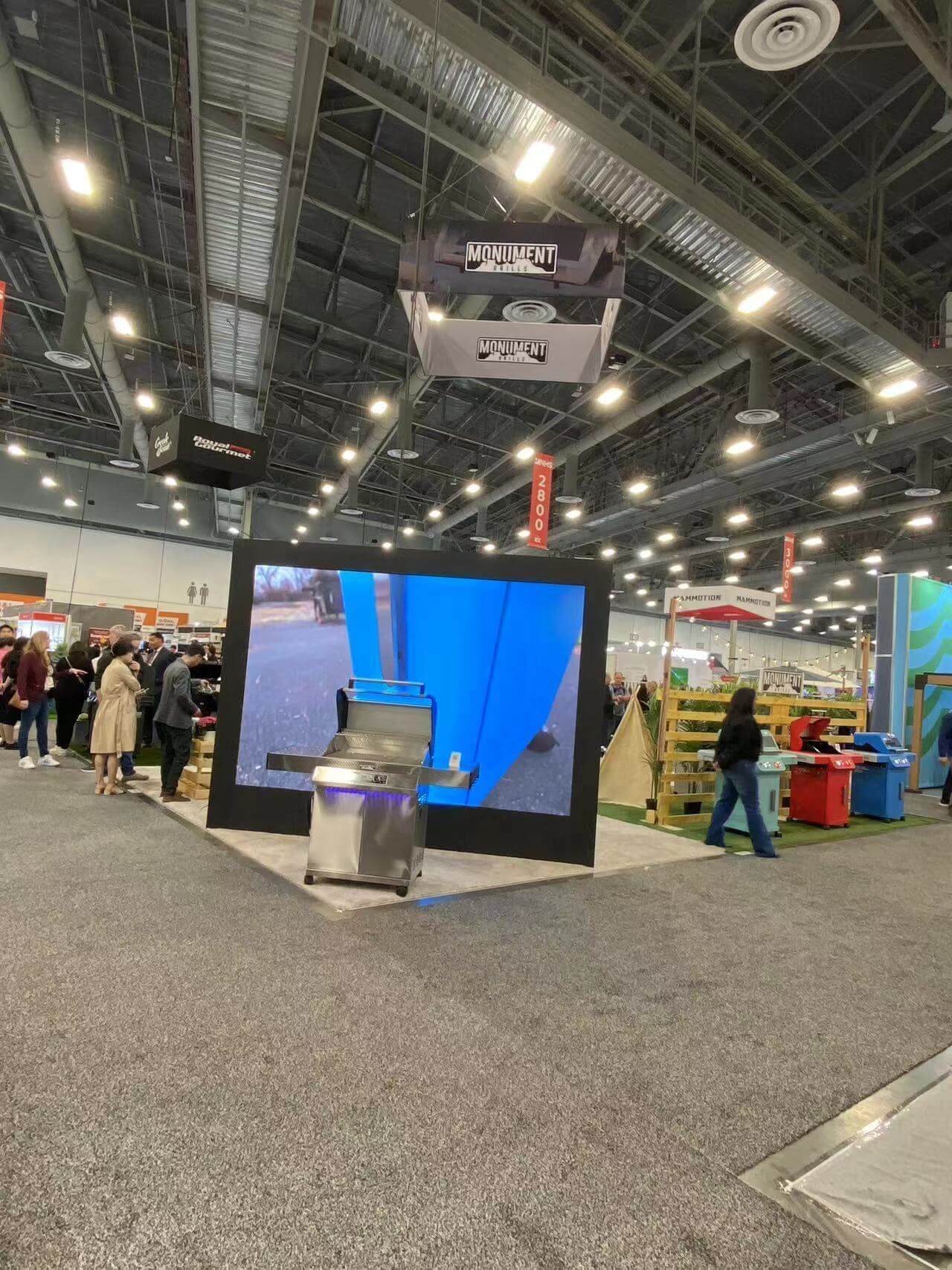
Prepare a line sheet that a buyer can use after leaving the booth. Include product images and item numbers, wholesale price, suggested retail price where appropriate, case pack, minimum order, carton dimensions and weight, lead time, available inventory, shipping origin, payment terms, barcode and product-data readiness, and the contact responsible for follow-up. Mark closeouts, ongoing programs, seasonal items, and private-label options clearly; they are not interchangeable offers.
If you manufacture outside the United States, know whether the quoted price is ex-works, FOB, landed, or delivered. Be able to explain who imports the goods, where inventory sits, and what happens when a retailer needs replenishment. Do not improvise an exclusive territory or a large-chain price in the aisle. Define who can approve exceptions and how quickly that person can respond.
Compliance also stays with the product and sales channel. Beauty, children's products, electrical goods, food-contact items, hemp-related products, and other regulated categories can trigger different requirements. Bring only claims and documents that genuinely apply. ASD's acceptance of an exhibitor is not product approval.
Build the booth like a small wholesale showroom
At ASD, buyers often need to compare many suppliers in limited time. Make the first decision easy: what do you sell, who buys it, and where should a visitor start? Use one clear aisle message and a small number of product groups organized by buyer logic—price tier, store type, use, collection, or order program.
Do not turn a 10-by-10 booth into a warehouse. Deep shelves can show assortment, but they can also hide the items that deserve a conversation. Put the strongest entry products within easy view, show enough adjacent SKUs to prove a coherent line, and keep the full catalog available digitally or in a line book.
Price communication depends on your strategy. If visible wholesale ranges help buyers qualify themselves, make them easy to find. If terms vary by volume or channel, use clear program labels and have staff explain the variables. A sign that says “best price” gives a buyer no usable information.
Leave room to review a line sheet and write notes. If order writing is a goal, staff need a stable surface, power, reliable access to product and inventory data, and a method for recording agreed next steps. Storage for samples, cartons, staff belongings, and replenishment stock must be designed in; official rules do not allow empty boxes, crates, or packing material to remain in the booth.
Use appointments without ignoring walk-up buyers
Start outreach with the buyer's category, not your company history. A useful invitation names the product, the store or customer it fits, the price or assortment logic, and what the buyer can evaluate in the meeting. “Visit us at ASD” is not a reason to reserve time.
The show's app and exhibitor dashboard provide company and product listings, discovery tools, messaging, and meeting functions. Complete those profiles with the same language and images the buyer will see at the booth. A vague app listing wastes discovery before the floor opens.
Keep time for walk-up traffic because ASD's strength is cross-category discovery. Qualify quickly: What kind of business do they operate? Which stores or channels do they buy for? Are they buying finished brands, closeouts, distribution rights, or private-label production? What timing matters? Then show the relevant part of the line instead of giving every visitor the same tour.
Run the three days as a live market test
On the first day, protect key appointments and listen closely to objections. Track which product stops the right buyer, not which product attracts the most people. Record questions about price, case pack, delivery, packaging, exclusivity, and demand proof.
At the end of the day, change weak explanations. If buyers repeatedly misunderstand the price tier, move that information forward. If distributors want a different program from retailers, separate the material. If visitors like a sample but cannot explain where it belongs in their store, the presentation has not finished the job.
Use the final day to close open loops. Confirm whether the next step is a quote, samples, credit application, product data, compliance documents, a distributor discussion, or an internal buyer introduction. Assign an owner and a due date while the conversation is still specific.
Separate immediate orders from qualified opportunities. A written order, a request for samples, and a casual badge scan are not the same result. Your post-show report should preserve those differences.
Plan the booth and freight from current exhibitor documents
ASD directs exhibitors to the current Exhibitor Services Manual, contract, dashboard, and Freeman resources for show-specific deadlines and services. The public resource center says Freeman handles furnishings, freight, labor, electrical, décor, and other unionized services at the Las Vegas Convention Center.
Current published rules include several practical limits: Freeman labor must install certain signs above the 8-foot drape line; electricians handle under-carpet electrical; exhibitors cannot use hand carts and dollies; and boxes, crates, and packing material cannot be stored in the booth. These details affect booth design, shipping method, labor orders, and storage—not just move-in day.
The resource center also warns exhibitors about unauthorized vendors and false attendee-list offers. Use the authorized-provider list in the current manual, and verify invoices and outreach before paying. Policies for restricted product categories can change, so exhibitors selling tobacco, hemp, CBD, vape, kratom, or similar products must review the current ASD and Nevada requirements rather than relying on a previous edition's rule.
When attending first is the better decision
Attend before exhibiting if you do not yet know which ASD neighborhood fits, cannot quote a workable U.S. wholesale program, or have not identified a primary buyer type. Walk the relevant sections, compare product presentation and price architecture, and speak with buyers or distributors about the information they require.
Use a short evaluation sheet: target store, price band, order size, case pack, packaging, delivery expectation, assortment depth, and reason for repeat purchase. The goal is not to copy products. It is to test whether your offer belongs in the buying system represented at the show.
Exhibit when your product, buyer, commercial terms, delivery plan, and follow-up ownership line up. A polished booth cannot repair a product that sits in the wrong neighborhood or a team that cannot answer an order question.
Frequently asked questions
Do you need a U.S. distributor before exhibiting
Not necessarily. A brand may meet retailers directly or use the show to look for distribution, but the booth must say which route is available. If you do not yet have a U.S. importer, warehouse, or replenishment plan, state that clearly and avoid quoting a delivery promise you cannot support.
Should you offer an ASD show special
Only when the offer supports the kind of account you want. Define eligible products, minimum order, valid dates, freight treatment, and whether the terms apply to first orders or reorders. A deep opening discount can win the wrong buyer if the normal program cannot support a repeat purchase.
Can you sell display samples from the booth
Do not assume that every ASD section follows the same transaction rules. Cash + Carry is a named show area, while other sections may focus on wholesale order writing. Confirm the current manual and your contracted section before planning inventory, payment handling, or sample removal.
Can one booth serve both retailers and private-label buyers
It can, but the two conversations need separate proof. Retailers need a finished assortment, pricing, delivery, and replenishment. Private-label buyers need manufacturing scope, customization limits, development timing, quality controls, and order thresholds. Label the routes so visitors do not have to decode the offer.
How should a first-time exhibitor measure the show
Count outcomes by stage: completed orders, qualified accounts with a defined next step, sample or quote requests, distributor discussions, and unqualified scans. Compare those results with the cost and staff time used. Total badge scans alone cannot tell you whether the right retail buyers found the booth.
Final thoughts
ASD Market Week is valuable because many kinds of retail and wholesale buyers can discover products in one place. The same breadth punishes an unfocused offer. Decide which buyer you want, place the line in the right neighborhood, show real wholesale economics, and make the next step easy to record. If those decisions are not ready, attend first and use the show to learn what the right buyer will ask after the product catches their eye.
An ASD Market Week booth rental brief should show the assortment, fixture sizes, sample storage and the space needed to discuss wholesale orders.