Fact check completed September 7, 2026. This guide separates confirmed RSNA 2027 information from details that RSNA has not yet published.
RSNA 2027 arrives earlier than the dates many repeat exhibitors expect. If you are responsible for the exhibit, the first decision is not the booth finish. It is knowing which dates are confirmed, how the Technical Exhibits differ from the annual meeting, and which official documents must still be released.
RSNA 2027 at a Glance
| Item | Confirmed information | What is still pending |
|---|---|---|
| Official event | The 113th RSNA Scientific Assembly and Annual Meeting | The 2027 theme and detailed program |
| Annual meeting | November 14–18, 2027 | Session schedule and registration details |
| Technical Exhibits | November 14–17, 2027; the exhibits close one day before the annual meeting | Daily exhibit-hall hours |
| Location | McCormick Place Convention Center, Chicago, Illinois | 2027 hall allocation and floor plan |
| Exhibitor operations | RSNA has published a 2027 priority-point system for space selection | 2027 rates, contract deadlines, rules, service kit, design deadlines, move-in targets, shipping dates, and dismantling hours |
The annual meeting follows a Sunday-through-Thursday schedule. Starting in 2027, RSNA moves its odd-year meetings earlier, ending the week before U.S. Thanksgiving. That change matters if your company has been using the traditional post-Thanksgiving RSNA week as a planning assumption. The confirmed dates come from RSNA's future meeting calendar and its 2027 international invitation letter.

The Annual Meeting and the Technical Exhibits Are Related, but They Are Not the Same Program
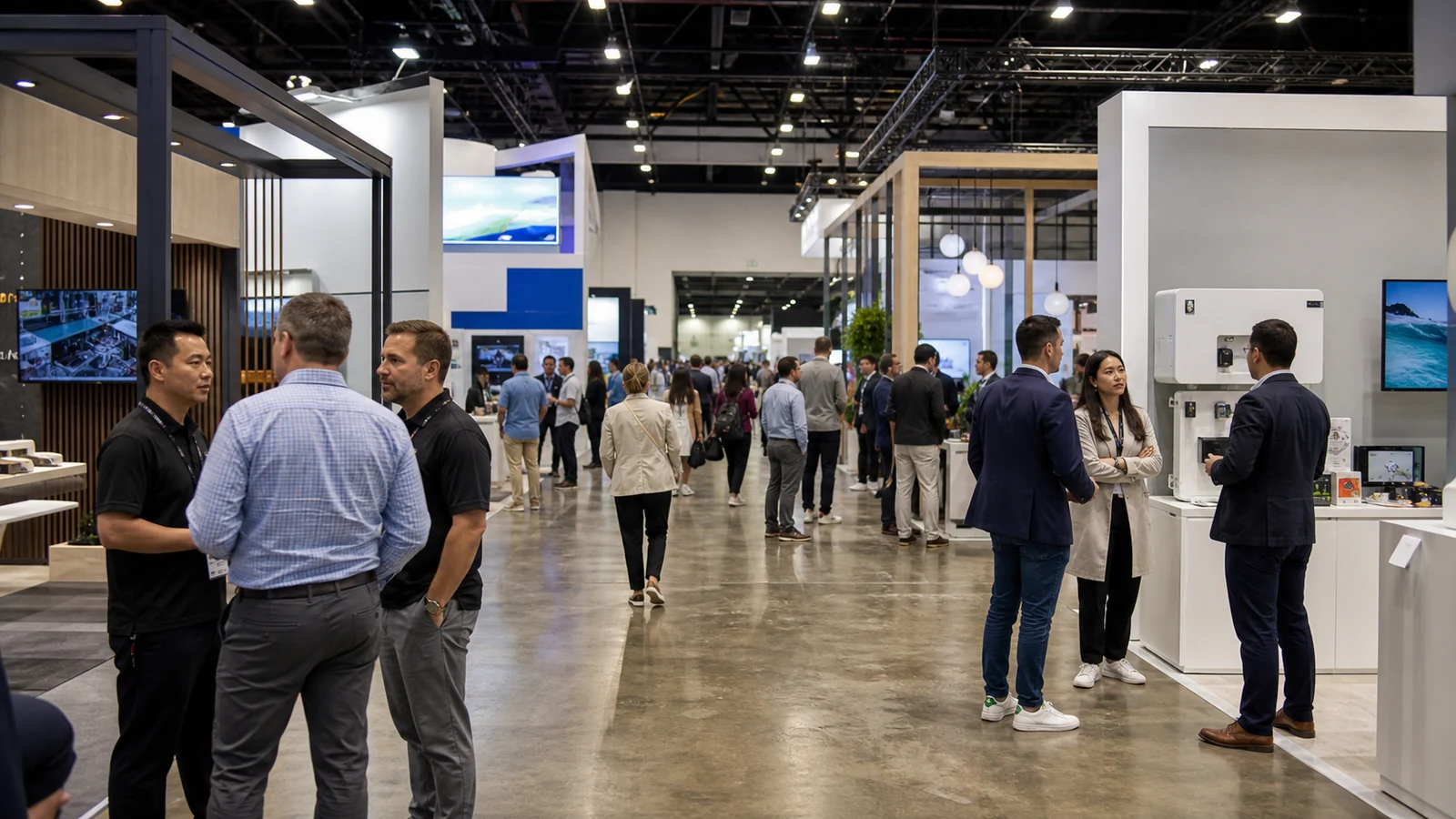
RSNA brings the radiology community together for scientific papers, education exhibits, courses, professional discussion, and industry activity. The Technical Exhibits are the commercial exhibition within that larger annual meeting. They are where manufacturers, software developers, service providers, and other industry organizations demonstrate products and meet imaging professionals.
That distinction affects schedules and credentials. In 2027, the annual meeting continues through Thursday, November 18, while the Technical Exhibits close on Wednesday, November 17. A person registered only for exhibit access should not be assumed to have access to scientific or CME sessions. Likewise, an in-booth commercial presentation is not part of the scientific program simply because it occurs during the same week.
Your internal calendar should therefore have two lanes:
- Meeting program: education, scientific presentations, faculty activity, and professional registration.
- Technical Exhibits: booth contract, exhibit staff, product demonstrations, service orders, freight, installation, show-floor operation, and dismantling.
Keep the teams connected, but do not let a meeting-program deadline stand in for an exhibitor deadline.
Decide Whether Your Product and Audience Fit the Technical Exhibits
RSNA describes its annual meeting audience as radiologists, radiation oncologists, medical physicists, and related scientists. Its exhibitor materials also speak to hospital and provider decision-makers, radiology practice leaders, and professionals evaluating products or vendors.

The organizer's current exhibitor page reports more than 24,000 professional attendees each year, says 78% play a role in purchasing, and says 80% attend to see new products and developments. These are RSNA's general promotional figures, not a forecast of your 2027 booth traffic or sales.
Recent official Technical Exhibits coverage shows the breadth of the floor: CT, MRI, PACS, artificial intelligence, advanced visualization, augmented and mixed reality, cybersecurity, 3D printing, and related imaging services. The 2027 exhibitor directory and special-interest areas are not yet published, so use these categories to test fit, not to claim a confirmed 2027 zone.
Before asking for space, write down the professional conversation your booth must support:
| If you exhibit… | The visitor may need to evaluate… | Evidence to prepare before booth design |
|---|---|---|
| Imaging equipment | Clinical use, image quality, workflow, siting, service, and integration | Demonstration footprint, equipment weight, utility demand, clearance, approved claims, and the right technical staff |
| AI or imaging software | Intended use, workflow integration, interoperability, validation, cybersecurity, and deployment | A stable demo environment, approved data, screen visibility, network plan, and answers for clinical and IT roles |
| Components or supporting technology | Compatibility, performance limits, supply continuity, and where the product sits in a larger system | Clear application diagrams, samples that can be handled safely, specifications, and a defined buyer or partner role |
| Education, recruiting, or professional services | Audience relevance, delivery method, and the next step after the conversation | A concise service explanation, staff who can qualify interest, and a follow-up path that does not block the aisle |
If you cannot name the visitor, the decision you want to discuss, and the proof that person needs, a larger booth will not solve the problem.
How to Enter the RSNA 2027 Exhibitor Process
The route depends on whether your company already has an RSNA exhibiting history.

Existing RSNA exhibitors: understand the 2027 space-selection system
RSNA's published 2027 Technical Exhibits Priority Point System says companies contracted for RSNA 2026 earn points and can select 2027 booth positions during RSNA 2026. The order is based on cumulative points as of October 31, 2026. The calculation includes participation history and specified 2026 actions such as payments, hotel reservations, booth size, corporate-partner activity, and ancillary space.
Do not treat the point total as a minor administrative detail. It affects when an existing exhibitor enters space selection. Confirm the company name, participation history, corporate structure, and any co-location request before the cutoff. The published system also sets October 31, 2026 notice dates for mergers, divisions, subsidiaries, and companies wishing to be placed next to one another.
First-time or returning exhibitors: begin with RSNA sales
Potential exhibitors should contact RSNA Exhibit Sales at sales@rsna.org or +1 630-481-1046 to ask about the 2027 application route and available space. RSNA's contact page also identifies ACE Marketing as its official sales agent for organizations from the People's Republic of China.
An inquiry is not a reservation. Ask what document creates the commitment, what deposits or cancellation terms apply, and when your company will receive access to the 2027 Exhibitor Resource Center. Do not authorize booth production from a sales conversation alone.
The 2027 Documents That Must Control Your Plan
As of September 7, 2026, RSNA's public planning pages still point mainly to 2026 operating materials. The 2027 meeting dates and priority-point system are available, but the detailed 2027 exhibitor package is not. Build your schedule around the release of these documents:
| Official item | The decision it should control |
|---|---|
| Exhibit space application/contract | Space commitment, payment, cancellation, company identity, and the rules incorporated into the contract |
| 2027 floor plan and space confirmation | Booth number, hall, dimensions, open sides, neighboring conditions, and freight access assumptions |
| 2027 Rules & Regulations | Booth construction, height and setback limits, demonstrations, sound, safety, content, staffing, and enforcement |
| 2027 Exhibitor Resource Center | Company profile, exhibitor registration and badges, forms, account actions, and access to event-specific services |
| 2027 Exhibitor Service Kit | Official contractors, order forms, shipping labels, material handling, utilities, furniture, labor, and activity requests |
| 2027 Dates & Deadlines | Design review, exhibitor-appointed contractor registration, service discounts, activity forms, housing, badges, and payment milestones |
| 2027 target move-in assignment and exhibit schedule | Freight arrival, labor call, installation sequence, show-ready time, dismantling, and carrier booking |
The version year matters. A 2026 form may show the kind of information RSNA requests, but it cannot establish a 2027 due date or permission.
Prepare the Booth Brief Before the 2027 Rules Arrive
You do not need to wait to define the exhibit. You do need to separate product facts from event rules.

Start with the product and conversation. Record the largest component, packed and operating dimensions, weight, power and network needs, heat output, sound, staffing, storage, and whether visitors will sit, stand, or handle anything. For software, decide whether the demo is local, cloud-based, or dependent on a live hospital-style connection. A recorded fallback can protect the conversation if connectivity fails, but it should not misrepresent the product.
Next, identify every activity that may require approval. Live scanning, physician-led presentations, product launches, large audiences, suspended elements, mobile units, food service, photography, and giveaways can each create a different review path. Current 2026 RSNA rules include specific controls for several of these activities. They are useful warnings, but the 2027 rules and forms will be decisive.
Medical content also needs an owner before graphics are produced. Product and regulatory teams should approve intended-use statements, claims, labels, and the market status of displayed products. Any clinical image, chart, video, or case material should go through privacy and permission review. The 2026 RSNA rules require potentially identifying patient and research-subject information to be removed and set additional conditions for identifiable material. Do not wait for a booth-design deadline to discover that the main demonstration cannot be shown as planned.
Convert the Rules Into Design Decisions, Not a Compliance Appendix
The most useful reading of an exhibitor manual is a list of physical consequences.

- A height or setback rule changes where a wall, sign, screen, light, or presentation area can go.
- An aisle-control requirement changes audience capacity and the position of a live demonstration.
- A sound limit changes speaker direction, demo format, and whether headsets are needed.
- A privacy rule changes source files, screen captures, videos, and staff scripts.
- An official-service requirement changes who may order, install, connect, move, or approve equipment.
- A target move-in time changes the carrier plan and labor call; it is not necessarily the moment freight will be unloaded.
Current RSNA materials distinguish inline, end-cap, island, and mobile/transportable exhibits. They also show that review requirements can differ by booth type. Do not assume that a design accepted at another medical meeting—or even at RSNA 2026—will be accepted unchanged for 2027.
Hold a formal design check when the 2027 rules and RSNA booth design guidelines are released. Put the confirmed booth dimensions, open sides, highest element, overhead elements, demonstration boundary, audience position, accessible route, storage, utilities, and every required activity form on one drawing set. Record the rule section beside each decision so later revisions do not remove a necessary clearance or approval condition.
Plan Services and Logistics Without Borrowing 2026 Dates
RSNA's current planning system routes exhibitors through the organizer's Exhibitor Resource Center, an Exhibitor Service Kit, event-specific deadlines, and target move-in information. For 2026, the public materials name Freeman in the kit and move-in process and list other current service interfaces for items such as catering and hardline internet. That does not confirm the 2027 contractor list or exclusive-service boundaries.
Use this sequence once the 2027 kit is available:
- Map every order to the official provider. Include freight and material handling, labor, electrical service, internet, rigging, catering, cleaning, furnishings, lead retrieval, and waste removal only when your exhibit needs them.
- Separate advance-warehouse and direct-to-site freight. Use the 2027 shipping labels and receiving windows. The warehouse address and accepted dates can change.
- Tie labor to the target move-in assignment. A truck check-in time does not guarantee an immediate unload. Leave room for marshaling, unloading, inspection, and safe commissioning.
- Protect dismantling. Do not book a carrier from an assumed release time. Wait for the 2027 dismantle schedule and material-release instructions.
- Keep one order register. For each service, record the provider, account owner, order number, drawing or form, deadline, onsite contact, and confirmation.
International exhibitors need an additional customs and travel track. RSNA's current international guide discusses temporary entry, shipping, payment methods, metric conversion, language support, and visa planning. Use it to identify questions, then confirm the 2027 shipping instructions and customs advice with the appointed providers. Do not copy a prior year's warehouse label or freight date into a 2027 shipment.
A Practical RSNA 2027 Planning Sequence
Now: qualify the opportunity and secure the official route
Confirm product-audience fit, appoint one exhibit owner, and contact RSNA about the correct 2027 space process. Existing exhibitors should also verify the data that affects priority points before October 31, 2026.

After space is contracted: freeze the planning inputs, not the final design
Record the booth type, dimensions, open sides, hall and booth number. Complete the product, demonstration, utility, privacy, staffing, and freight brief. A concept can develop at this stage, but mark it subject to the 2027 rules and service kit.
When the 2027 rules and service kit are published: run the approval pass
Replace every 2026 reference in the project tracker. Confirm design submission, activity forms, contractor registration, badge, housing, service-order and shipping deadlines. Then issue the approved production drawing and order schedule.
Before freight moves: verify the operating file
The onsite file should contain approved drawings, order confirmations, shipping records, staff credentials, product approvals, emergency contacts, setup sequence, demo fallback, and the final move-in and dismantling schedule. If one item still cites a 2026 date or form, stop and recheck it.
Frequently Asked Questions
Are RSNA 2027 exhibit-hall hours available?
Not yet. RSNA confirms that the 2027 Technical Exhibits run November 14–17, but the daily opening hours have not been published on the 2027 planning pages reviewed for this guide. Do not copy the 2026 hours into a staff schedule. Check the 2027 rules, exhibitor schedule, and official meeting program when released.
Is 2027 exhibit pricing published?
The current public exhibit-space page lists 2026 prices. Those rates do not establish the 2027 price. Request the 2027 application, rate information, payment schedule, and cancellation terms from RSNA Exhibit Sales before approving a budget or purchase order.
Is Freeman confirmed as the 2027 general service contractor?
The current RSNA planning and move-in pages use Freeman for 2026. The public 2027 service kit reviewed for this article was not yet available. Confirm the contractor and all exclusive-service rights in the 2027 Exhibitor Service Kit before placing orders or addressing freight.
Can an inline booth skip design review?
RSNA's 2026 exhibitor FAQ says inline booths do not need to submit a design for review, although they must follow the inline booth guidelines. Treat that as a description of the 2026 process, not advance approval for 2027. Read the 2027 rules and booth-design instructions before releasing drawings.
Can a booth presentation offer CME credit?
The 2026 RSNA rules separate commercial or promotional presentations in the Technical Exhibits from accredited education and prohibit exhibitors from offering CME credit with annual-meeting content unless RSNA approves it. Any 2027 presentation should be checked against the new rules and the appropriate activity-request process.
What should an international exhibitor prepare first?
Begin with the official exhibit-space route, passport and visa timing, and a product-level shipping list. Add country of origin, value, serial number where applicable, whether each item will return after the show, packed dimensions, and the party responsible for customs instructions. Final shipping must wait for the 2027 labels, receiving windows, and appointed service contacts.
Final Thoughts
The reliable starting point for RSNA 2027 is small but important: November 14–18 at McCormick Place, with the Technical Exhibits ending November 17. The operational calendar is not complete yet. A disciplined exhibitor can still make progress by qualifying the audience, entering the correct space process, and preparing a precise product and demonstration brief.
When RSNA releases the 2027 rules and service kit, let those documents change the plan. Do not force new instructions into an old schedule. That one habit protects the design, orders, freight, staffing, and onsite handoff from avoidable rework.