


Give Us the Inputs That Control the San Jose Booth
We review six items before the design and quotation move forward:
• Show, venue and assigned booth location
• Footprint, open sides and floor plan
• Products, demonstrations and visitor actions
• Brand files, graphics and screen conten
• Budget range and target approval date
• Freight, installation and dismantling scope
Build Failure Modes into the Demonstration
Keep essential videos, screenshots and guided product paths available offline. Separate the booth network from noncritical staff browsing, and name the person who will test every device before opening.The physical design must support ventilation, cable access, secure equipment storage and screen sight lines. Connectivity and utilities follow the official service route; the booth structure and device interfaces are prepared around the approved locations.Network selection should start with the sales consequence of interruption. A looping video can be stored locally; a secure live platform or connected hardware demonstration may require dedicated bandwidth, fixed addresses or corporate access. Paying for an advanced service without defining the use wastes budget, while relying on casual Wi-Fi for a critical proof puts the conversation at risk.
Which San Jose Demonstrations Need a Live Connection?
Network selection should start with the sales consequence of interruption. A looping video can be stored locally; a secure live platform or connected hardware demonstration may require dedicated bandwidth, fixed addresses or corporate access. Paying for an advanced service without defining the use wastes budget, while relying on casual Wi-Fi for a critical proof puts the conversation at risk.Keep display hardware, screen supports, cooled equipment housing, protected cable routes, branded surfaces and pre-show testing separate from Team San Jose connectivity. Choose the live, locally hosted or hybrid version by the interaction it must protect.
Test the Final Devices, Content and Fallback Together
The audiovisual interface review uses the approved device dimensions and final content build to check sight lines, heat, staff access and the offline path before shipment. Tested adapters, media players and critical cables are identified in the packing list and kept accessible during setup.Provide the live show documents, device inventory, user count, bandwidth and security needs, content owner, corporate-network contact and intended visitor action. The San Jose opening record names who activates the connection, who tests every task and what staff show if the live path fails. That creates an accountable route from IT purchasing to a repeatable sales demonstration.
Specify the San Jose Network by Demonstration Task
Provide the event kit, device list, demo flow, connection requirements and offline fallback. King Exhibits will make the technical plan part of the booth design.Before the team can specify the san jose network by demonstration task, list each device, load, connection point, operator position and test owner in the city show brief. King Exhibits can use that schedule to coordinate mounts, openings, cable access and visitor clearance in the 3D and production drawings. The buyer can then review booth fabrication and official service orders against the same operating plan.
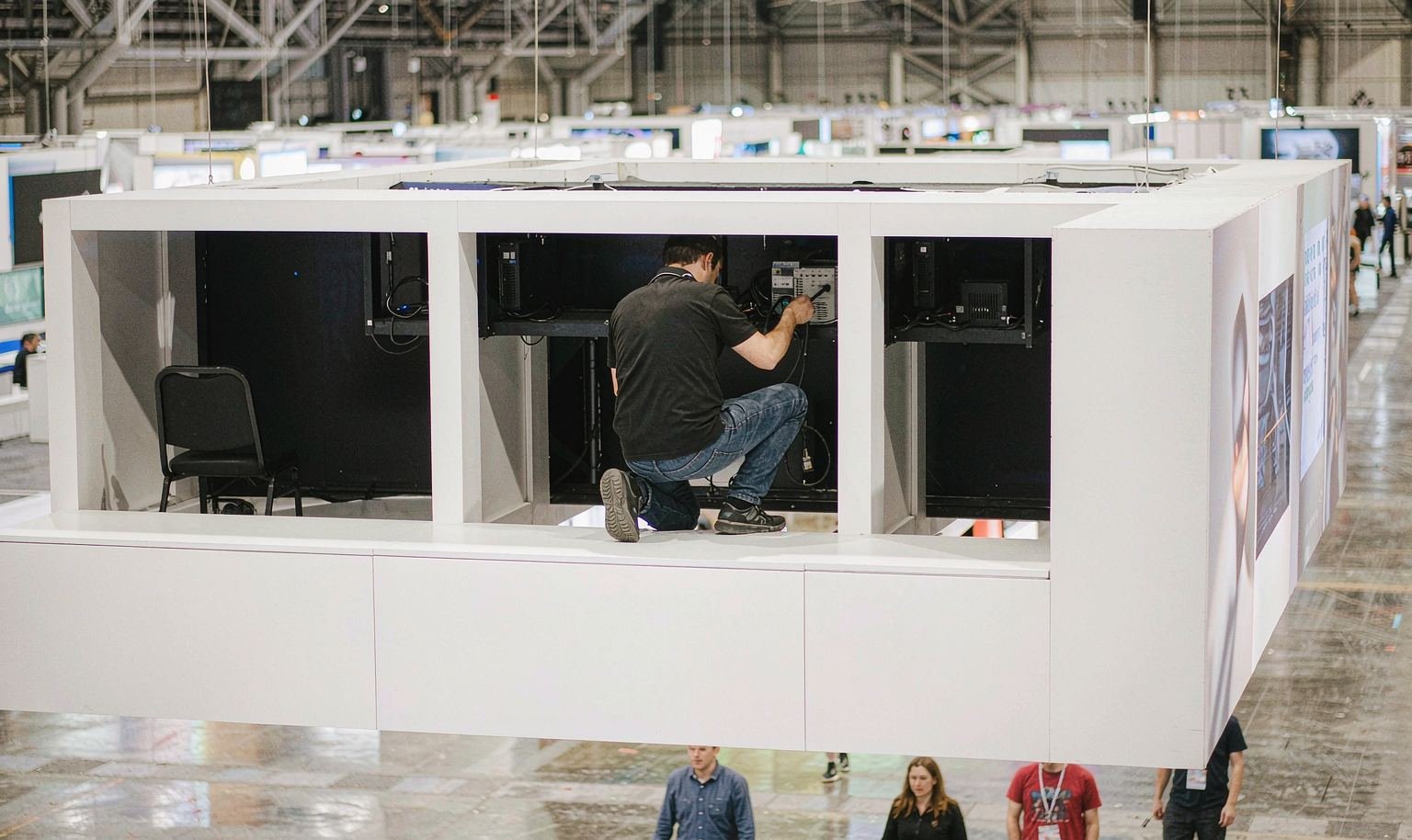

Senzani — 20×30 Exhibit at PACK EXPO 2025
This completed project gives teams planning San Jose a concrete reference for scale, product presentation and visitor access. The verified project record identifies Senzani, a 20×30 footprint and PACK EXPO 2025. A new booth for San Jose would still be developed around the assigned space, products and event requirements. Use the example to discuss the design direction rather than as a local-project claim.
Keep Design, Production and Field Scope Connected
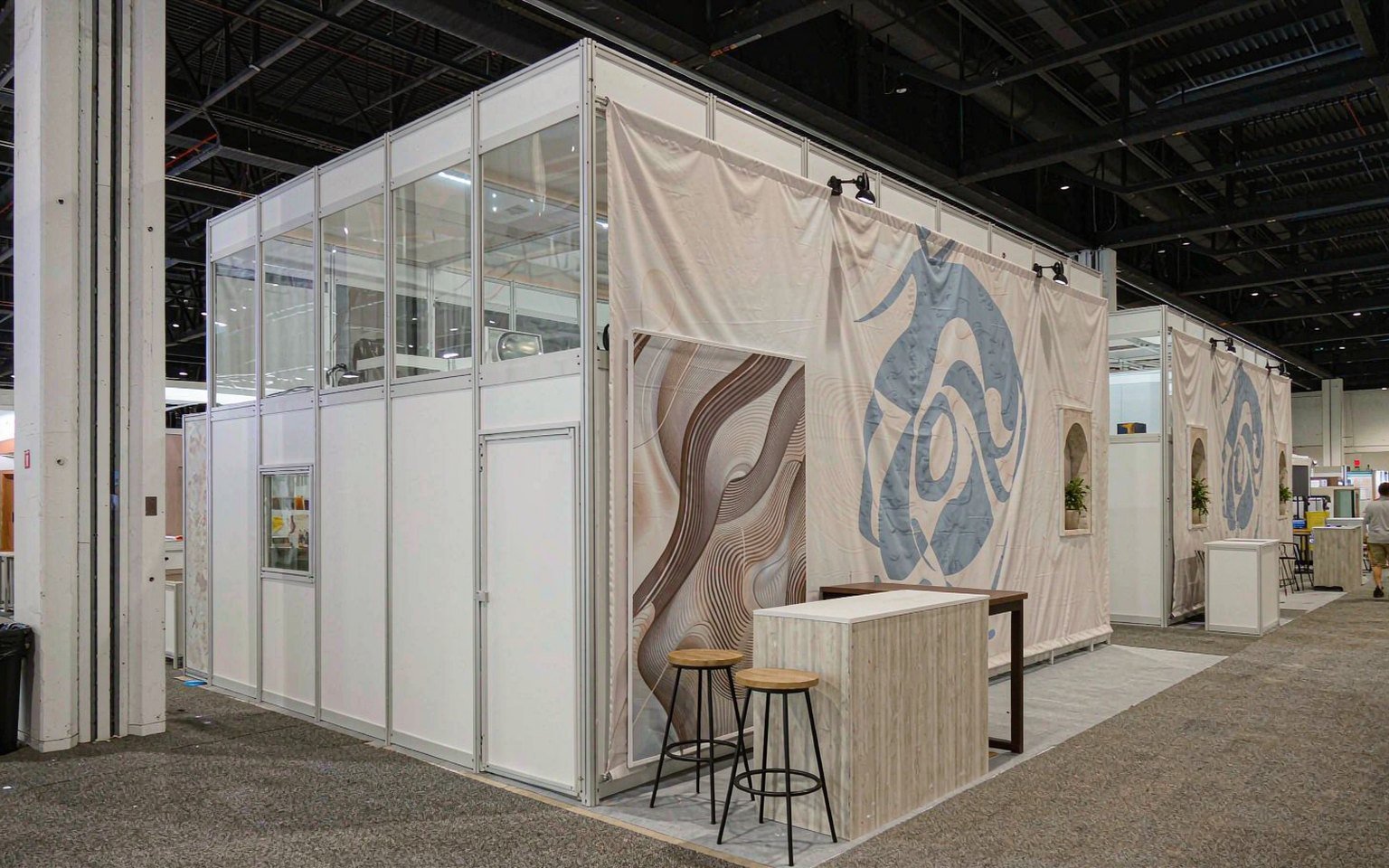
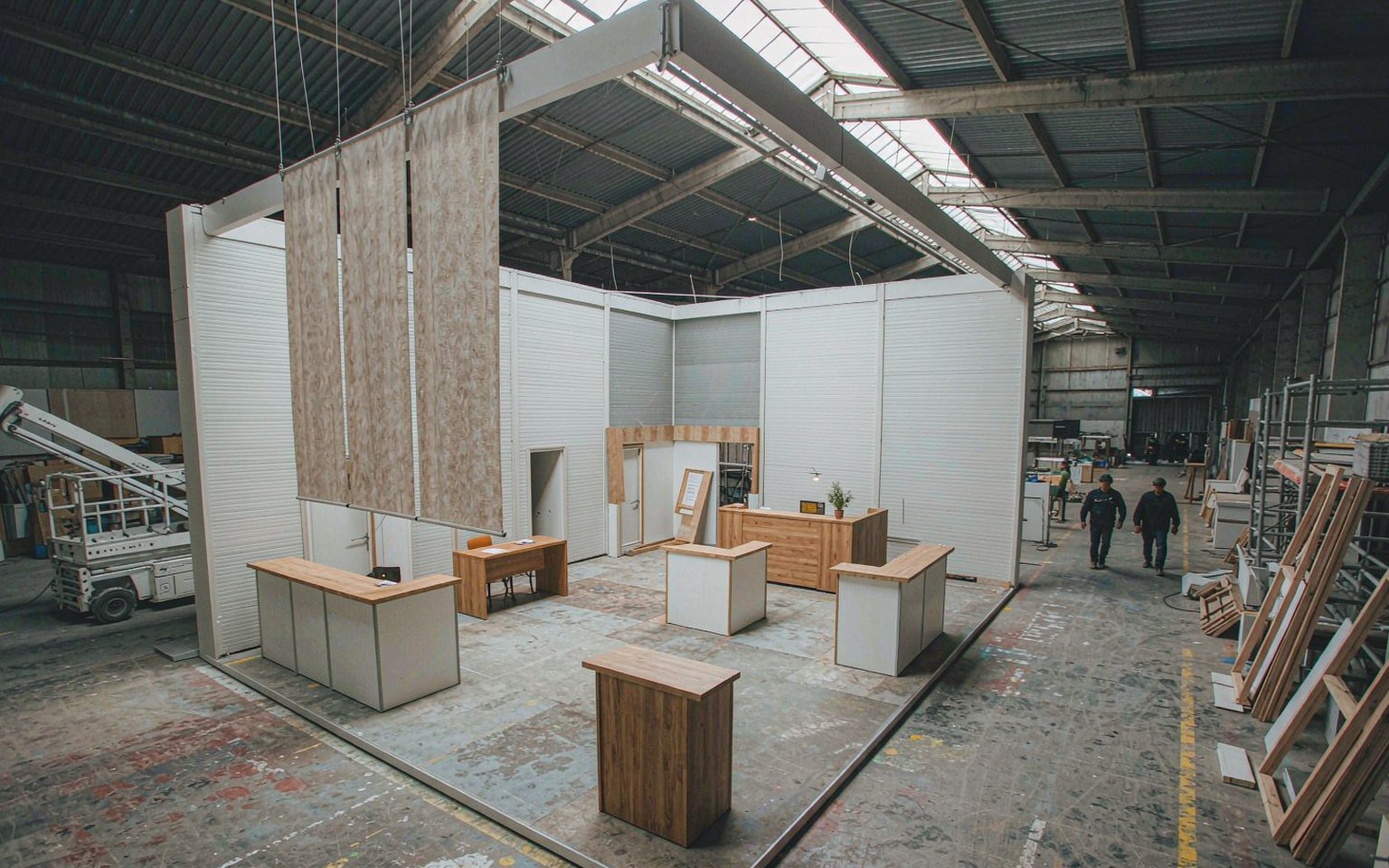
For San Jose, the approved design should stay connected to the pieces that are produced, packed and installed. King Exhibits has supported U.S. exhibit projects since 2008. Our Las Vegas-based production support connects 3D visualization with rental preparation, custom graphics, CNC work and wood fabrication. When the project scope calls for it, key components can be assembled and checked before packing. The production record carries the approved local freight, service and reuse decisions into packing and field instructions. Freight and the floor work accepted in the quotation then follow that written scope.
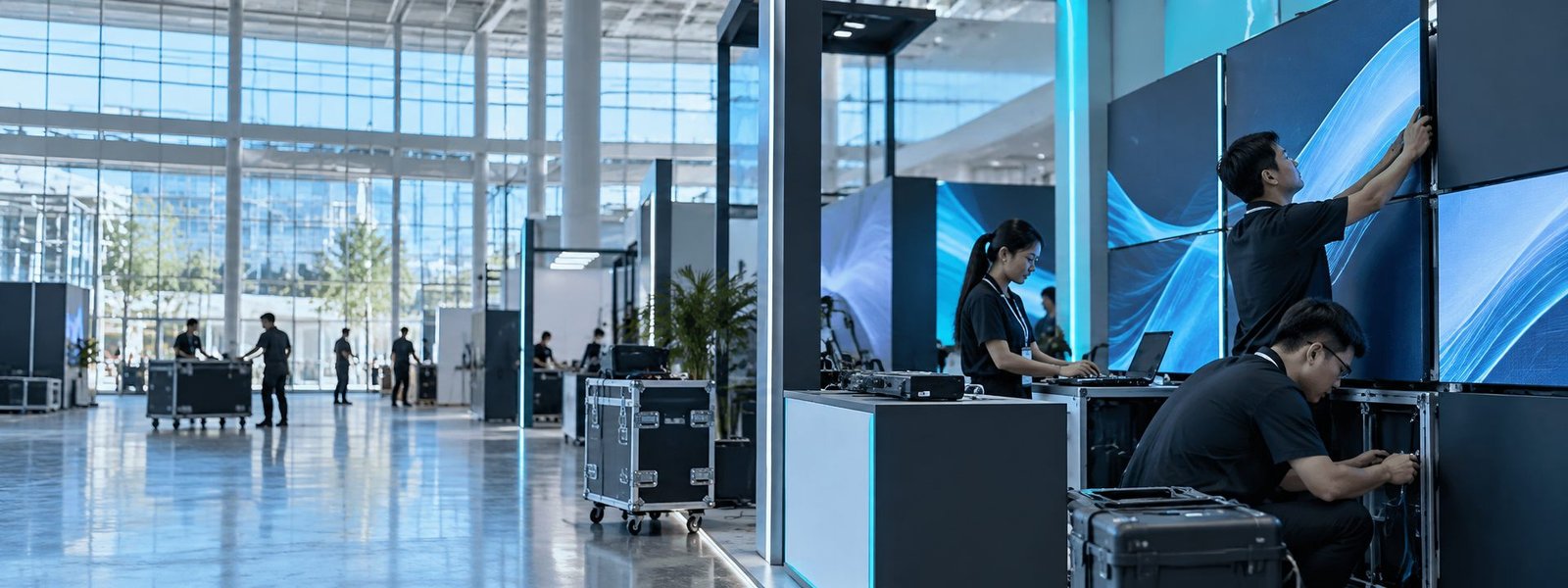
How the San Jose Booth Moves from Brief to Show Floor
Each stage turns customer information into a defined project output.
You provide the event, assigned venue, booth location and floor plan, footprint, products, budget and deadline. We identify missing organizer and technical information. The output is one usable San Jose project brief.
We use the confirmed San Jose operating brief to shape visitor flow, product placement, services and structure. You review the 3D direction and functional fit. The output is an approved layout basis.
You approve dimensions, artwork and final product information. We carry the approved San Jose freight and service assumptions into rental preparation, fabrication, graphics and packing. The output is a production record.
You confirm the current organizer instructions, carrier plan and authorized floor contacts. We coordinate the freight and field work accepted for San Jose. The output assigns installation, dismantling and outbound responsibilities before dispatch.
No. Match the service to device count, bandwidth, authentication and business risk. Use the current floor plan and organizer documents to confirm the second setting before the structure, shipment or service orders are released. This lets procurement compare the exhibit scope with official show charges before approval. The final project record should identify who owns each remaining action and deadline.
The exhibiting company and its authorized technical team should confirm eligibility and requirements directly with venue technology services. King Exhibits uses the current San Jose show, assigned space and visitor goal to turn that decision into a buildable exhibit plan. This lets procurement compare the exhibit scope with official show charges before approval.
It has a defined task, device and user count, bandwidth and security requirement, official-service owner, cost category, test plan and workable fallback. King Exhibits uses the current San Jose show, assigned space and visitor goal to turn that decision into a buildable exhibit plan. This lets procurement compare the exhibit scope with official show charges before approval.