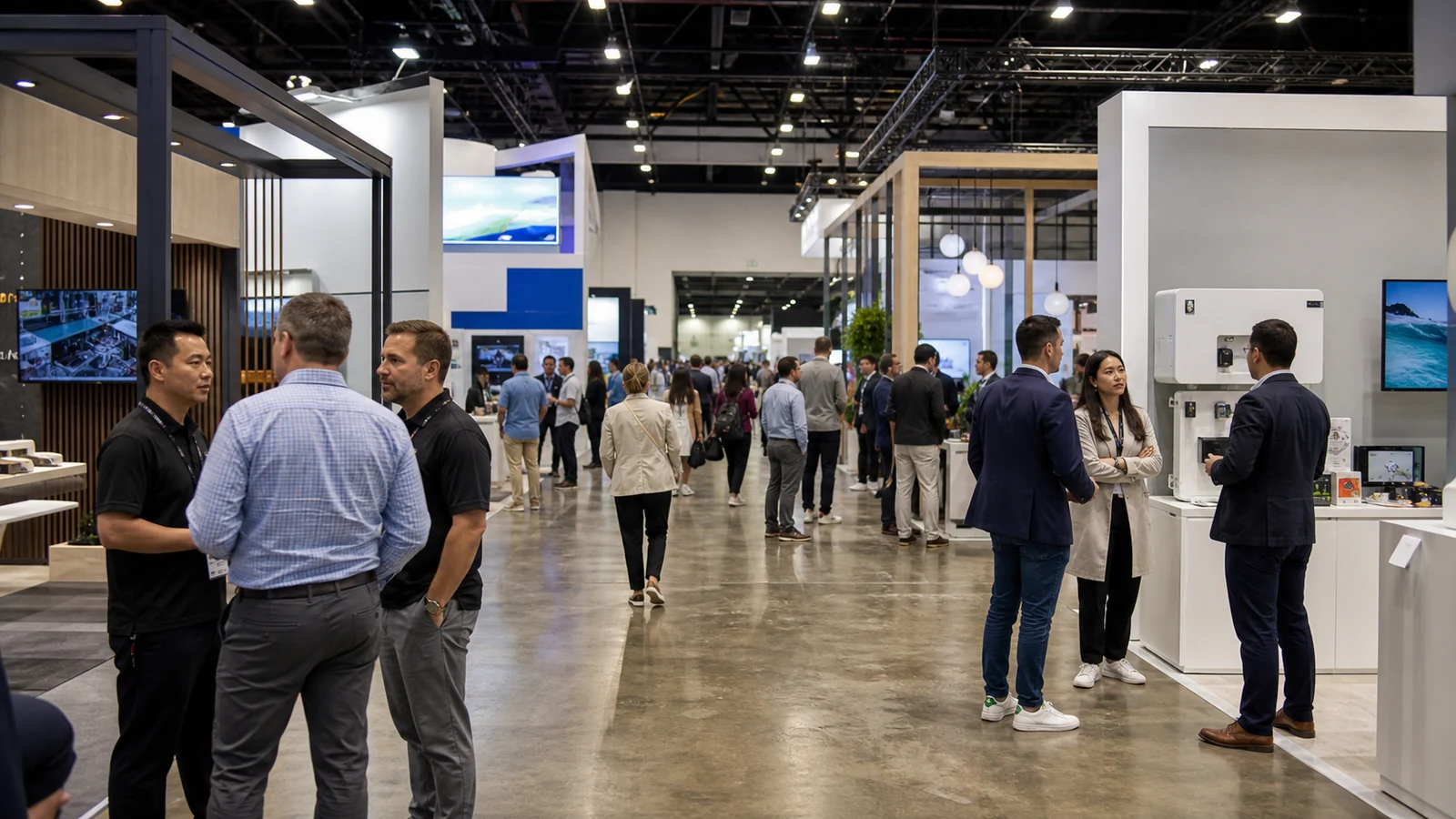
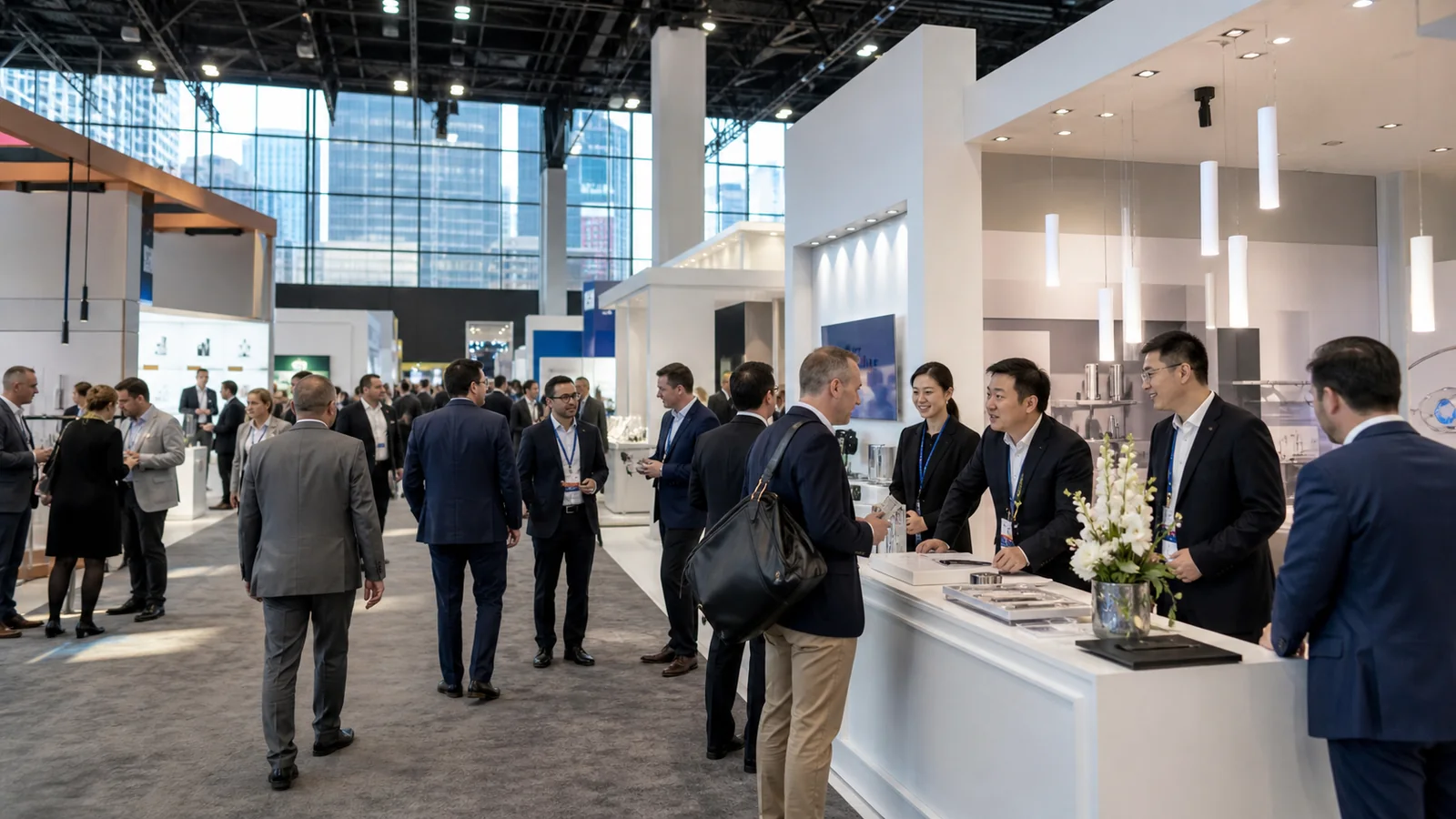
If you still know this event as the Winter Fancy Food Show, the name has changed. The Specialty Food Association now calls it Winter FancyFaire. For a specialty food brand considering the U.S. market, the more useful question is whether the show puts your product in front of the buyers and distributors you are ready to serve. This guide explains the event, its 2027 details, and how to make that decision.
Winter FancyFaire at a glance
| Item | 2027 information |
|---|---|
| Official event name | Winter FancyFaire |
| Former name | Winter Fancy Food Show |
| Dates | January 17–19, 2027 |
| Venue | Moscone Center |
| City | San Francisco, California |
| Organizer | Specialty Food Association |
| Access | Trade only; not open to the general public |
| Main purpose | Product discovery and business meetings across the specialty food trade |
The official event page lists more than 1,000 exhibitors, 12,000 industry professionals, and 4,000 buyer attendees for the event. Those figures are organizer projections or promotional figures, not a promise that every exhibitor will meet a specific number of buyers.

What is Winter FancyFaire
Winter FancyFaire is the Specialty Food Association's early-year trade event for specialty food and beverage companies. It combines a conventional exhibit floor with buyer programs, product sampling, trend content, and selected offsite food experiences in San Francisco.
The new name matters because it signals a broader format, but the commercial core remains familiar: brands present products, buyers compare options, and service companies support the specialty food supply chain. If your team searches under the old name, make sure the registration, hotel, and exhibitor documents you use come from the current Winter FancyFaire pages. Old Winter Fancy Food Show PDFs may contain dates or rules from earlier editions.
What products and buyers are at the show
The organizer describes more than 40 product categories, including beverages, snacks, confectionery, bakery items, cheese, dairy, condiments, meat and seafood, natural products, and other retail-ready specialty foods. The floor also includes companies that serve the trade, but finished products remain central to the buyer experience.

Retailers, distributors, importers, brokers, and foodservice buyers attend to find products they can actually place in a store, catalog, distribution network, or menu. That changes the conversation you need to prepare for. A product can taste excellent and still be difficult for a buyer to take on if the case pack, shelf life, wholesale margin, production capacity, labeling, or distribution plan is unclear.
For an international brand, the show is therefore more useful when you can discuss both the product and the route to market. A buyer who likes a sample may immediately ask who imports it, where inventory will be held, how quickly you can replenish stock, and whether the packaging is ready for U.S. sale. Your booth cannot solve those issues. It can only make them visible sooner.
Which companies should consider exhibiting
Winter FancyFaire is a strong candidate if your product is ready for trade sampling and your team has a credible answer to basic commercial questions. That usually means you have defined wholesale pricing, realistic order quantities, current packaging information, and a plan for U.S. importing or distribution.
The event may suit you if you want to:
- introduce a packaged food or beverage product to U.S. retail, distributor, importer, or foodservice contacts;
- show a new flavor, format, ingredient story, or category position that a buyer can understand quickly;
- meet existing U.S. partners in one place while also testing interest from new accounts;
- compare how competing products are packaged, priced, sampled, and explained.
Exhibiting is harder to justify when your team is still deciding what the U.S. product will be, cannot quote a wholesale offer, or has no answer for fulfillment after the show. In that situation, attending first can be more useful. You can study the floor, listen to buyer questions, and identify the commercial gaps that would otherwise surface in your booth.
How to judge whether the audience fits your brand
Do not judge the show only by its total attendance. Start with the buyer types you need. A premium condiment brand looking for regional specialty retailers has a different target list from a frozen product company that needs cold-chain distributors.

Before reserving space, ask the organizer for the latest available buyer and exhibitor information. Then compare it with a short account list of your own. If the channels, store formats, distributors, and regions you need are poorly represented, a large crowd will not correct that mismatch.
You should also decide what evidence a buyer must see at the booth. For a product that depends on taste, sampling is essential. For an unfamiliar format, packaging, preparation, and shelf presentation may need equal attention. For a product with a complicated origin story, reduce the explanation to the facts that affect the buyer's decision. The booth should help a buyer understand what the product is, who will buy it, and what happens after the first order.
Winter FancyFaire 2027 dates and location
Winter FancyFaire 2027 is scheduled for January 17–19 at Moscone Center in San Francisco. The official hours are 10:00 a.m.–5:00 p.m. on Sunday and Monday, and 10:00 a.m.–3:00 p.m. on Tuesday. Buyer badges receive access at 9:30 a.m., according to the organizer.
The January timing makes the show useful for early-year product discovery and planning, but it also compresses preparation into the final months of the previous year. International exhibitors should work backward from the show date. Product entry, sampling approvals, booth services, freight, staff travel, and buyer appointments should not be left for January.
Use the official housing link if you book within the event block. The organizer identifies onPeak as its endorsed housing provider and warns exhibitors about unauthorized hotel and attendee-list sellers.
Booth and sampling rules that affect your plan
This is a food show, so the operating details matter as much as the display. The official rules require exhibitors to follow show and venue requirements for sampling, cooking, fire safety, and booth construction. Do not assume that a sample you can serve in your own facility can be handed out at the show without paperwork or equipment.

Several published rules deserve early attention:
- every exhibit space requires floor covering;
- hard-wall booths must leave access for electrical service;
- exhibits of 20 by 20 feet or larger require plans or renderings for review;
- platforms or risers require a building permit;
- cooking and sampling may require approvals and order forms;
- products containing CBD are not permitted at SFA-sponsored events;
- displays and demonstrations must stay inside the contracted booth and keep aisles clear.
These are planning constraints, not small finishing details. For example, a brand that intends to cook continuously may need more power, ventilation planning, sanitation supplies, storage, staff, and service orders than a brand serving sealed shelf-stable samples. Confirm the current exhibitor manual before paying vendors because the organizer can update requirements.
How international exhibitors should prepare
Start with the product path, not the booth drawing. Confirm which products will enter the United States, who is responsible for import and compliance work, where samples will be stored, and how replenishment will reach San Francisco. If your sales stock and sampling stock follow different routes, document both.
Next, prepare one buyer-ready commercial sheet. It should give a qualified contact enough information to continue the discussion after the show: product range, pack and case configuration, wholesale terms, shelf life, available certifications, production location, distribution status, and the person who can answer follow-up questions. Do not print claims that your team cannot document.
Finally, plan appointments around the buyers you actually want to meet. The official show app and exhibitor tools can support company profiles and meeting activity, but a complete profile does not replace outreach. Ask current importers, brokers, distributors, and retail contacts whether they will attend. A smaller set of prepared conversations is more valuable than scanning badges without a follow-up plan.
Should you exhibit or attend first
Exhibit when your product and commercial offer are ready to be evaluated together. Attend first when the remaining questions are larger than the booth itself: Which channel fits? Which package size works? Who will import the product? What proof do buyers expect? A visitor trip costs money, but it can still be cheaper than presenting an unfinished U.S. offer for three days.

If you do exhibit, choose one clear job for the stand. It may be buyer sampling, distributor recruitment, a U.S. launch, or meetings with existing accounts. Trying to serve every possible objective often produces a crowded display and weak follow-up.
Frequently asked questions
How should you qualify a buyer after a tasting
Ask where the product could sit in the buyer's assortment, which pack or price condition needs review, and who else takes part in the decision. Record one next action, such as sending the retail specification, arranging a distributor conversation, or providing a sample for an internal review. Enjoying the taste is interest; accepting a defined next step is commercial progress.
What should you send after a retailer asks for more information
Send only the material that supports the conversation: the exact product and pack discussed, wholesale and case information, shelf life, current U.S. availability, and the answer or sample promised at the booth. Restate the buyer's question and give the follow-up an owner and date. A full corporate catalog makes the buyer search again for the item that mattered.
Can an overseas brand exhibit without a U.S. distributor
The public event pages do not state that every overseas exhibitor must already have a U.S. distributor. However, exhibiting without a workable import and fulfillment plan can leave you unable to answer the buyer's next question. Confirm eligibility with the organizer and resolve the route to market before treating the show as a sales launch.
Should we bring our full product line
Usually not. Bring the products that fit the U.S. buyer and that your team can support commercially. A focused range makes sampling, refrigeration, storage, staff training, and follow-up easier. Keep information about the wider range available for buyers who ask.
What if the final U.S. retail pack is not ready
Show the current product only if you label its status honestly and can explain what will change for the United States. Keep draft claims, nutrition, allergens, case configuration, and launch timing out of final booth graphics until the responsible specialists approve them. If the packaging uncertainty prevents you from quoting or supplying the product, attend first and use buyer conversations to finish the brief.
Final thoughts
Winter FancyFaire can put a prepared specialty food brand in the same place as retailers, distributors, importers, and foodservice buyers. It cannot make an unfinished U.S. offer ready. Before you reserve a booth, confirm that your product, pricing, packaging, importing, and follow-up process can survive a serious buyer conversation. If they cannot, attend the show, learn what the market asks, and return as an exhibitor when your answers are stronger.