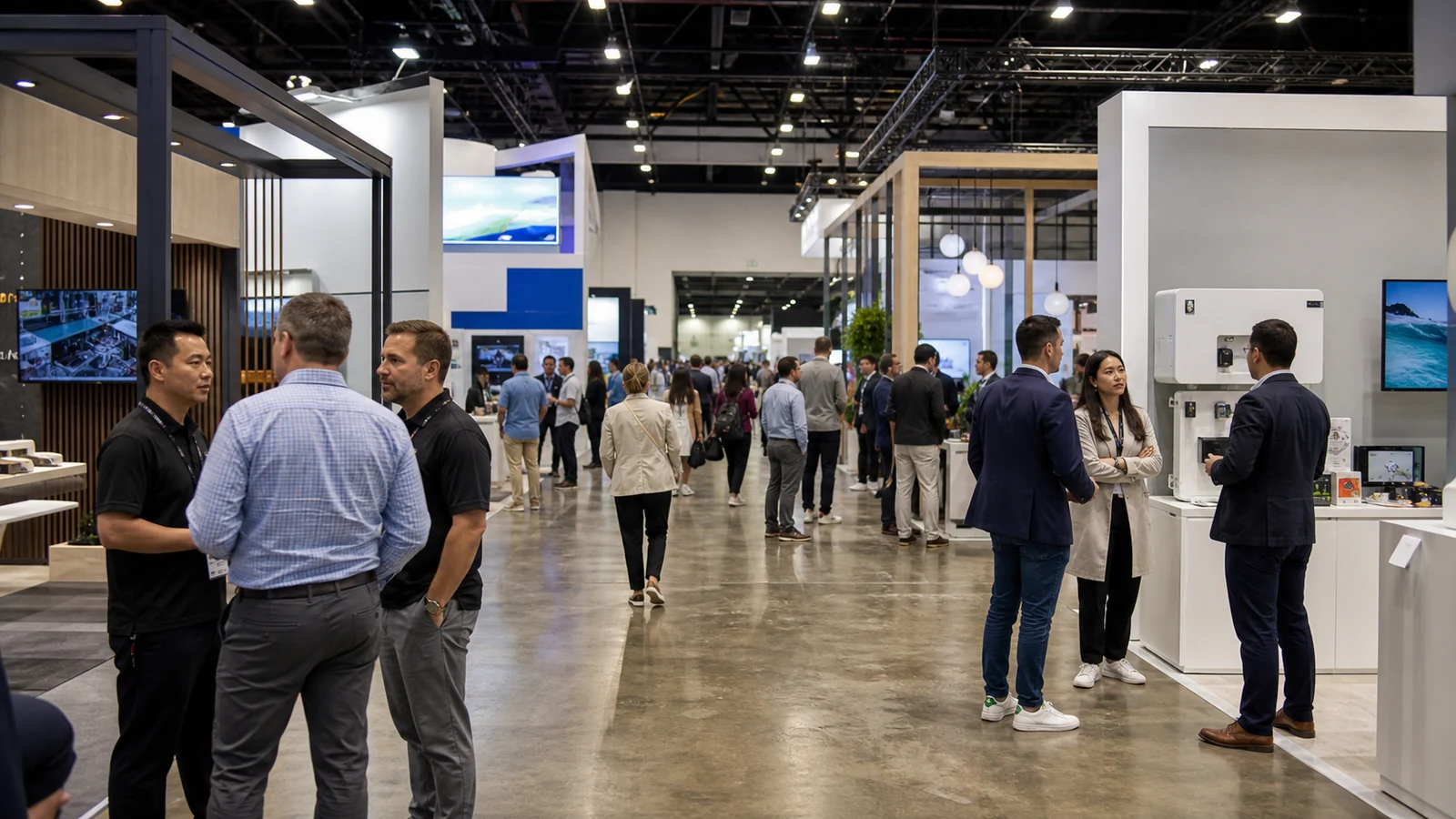
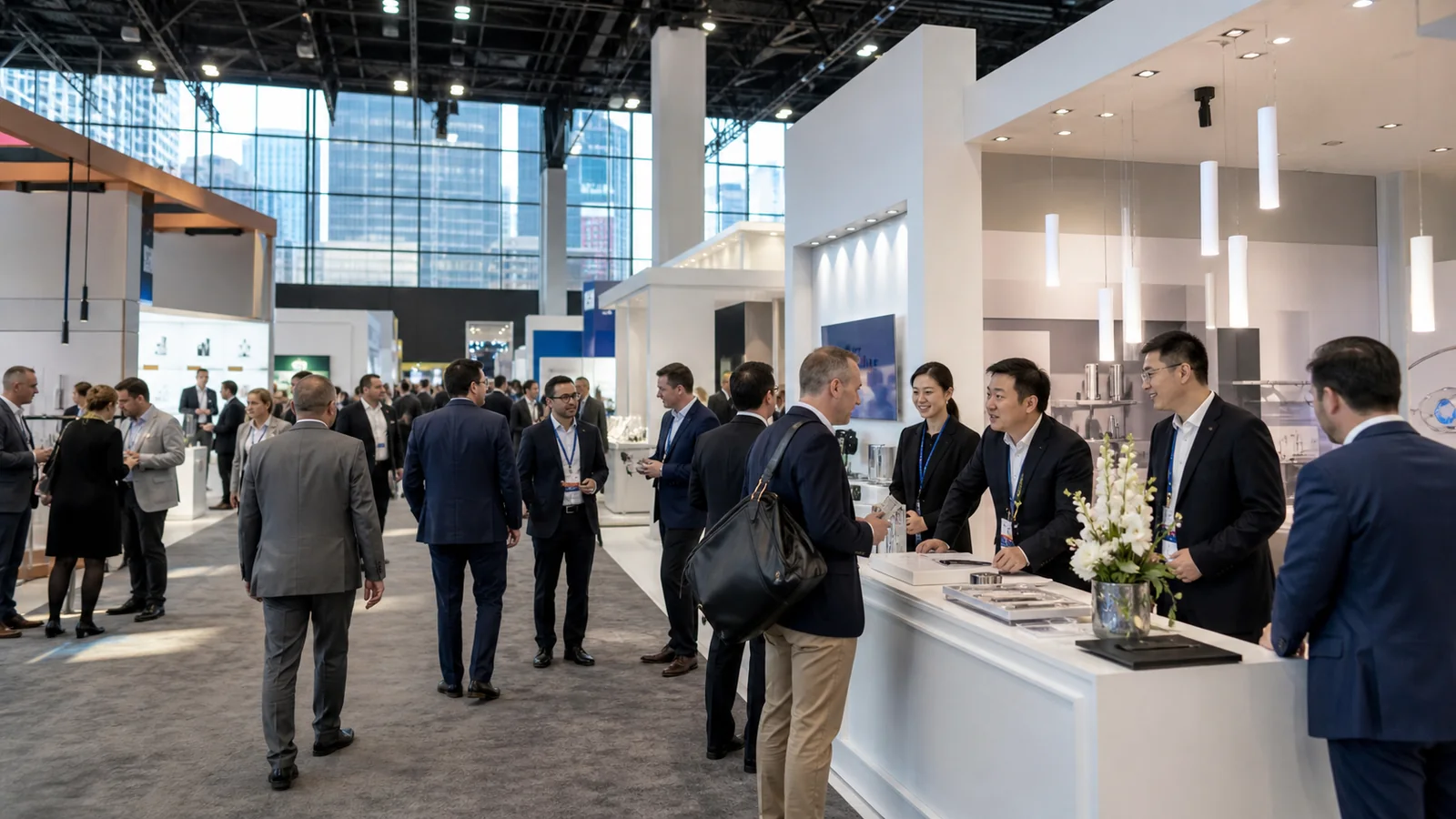
If you are considering Cosmoprof North America, your first decision is not simply whether to attend. The show has two U.S. editions in 2027—Miami in January and Las Vegas in July—and they should not be treated as interchangeable dates on the same calendar. This guide helps an international beauty brand choose the edition and show section that fit its actual route to market.
Cosmoprof North America 2027 at a glance
| Edition | Dates | Venue | City |
|---|---|---|---|
| Miami | January 26–28, 2027 | Miami Beach Convention Center | Miami Beach, Florida |
| Las Vegas | July 13–15, 2027 | Mandalay Bay Convention Center | Las Vegas, Nevada |
Both editions are business-to-business beauty events and are not open to the general public. Cosmoprof focuses on finished beauty products for retail, salon, spa, and professional distribution. Cosmopack covers the supply chain behind those products, including ingredients, contract manufacturing, packaging, machinery, and related solutions.

That distinction should guide your application. A skincare brand looking for retailers belongs in Cosmoprof. A company selling bottles, formulas, filling services, or production equipment belongs in Cosmopack. If your company does both, do not assume one booth position will communicate both offers equally well. Ask the sales team how the current floor is organized before choosing a section.
What you will find at the show
The finished-product side covers categories such as skincare, makeup, hair care, nail care, fragrance, toiletries, tools, and accessories. The supply-chain side brings together ingredient companies, packaging suppliers, private-label and contract manufacturers, converters, fillers, and machinery providers. Curated brand areas, country pavilions, education, digital directories, and matchmaking programs add other ways to find companies and arrange conversations.
For a finished beauty brand, the useful audience is not “the beauty industry” in the abstract. You may need prestige retailers, salon distributors, specialty stores, independent beauty retailers, spa groups, or an importer that can support a particular territory. The official attendee material lists several of those roles, but their presence does not mean every channel will be equally strong at both editions.
Before you reserve a booth, write down the three buyer types and five accounts that matter most. Ask the organizer for the newest audience breakdown and compare it with that list. Total attendance is a poor substitute for channel fit.
Miami or Las Vegas: how to choose
Miami is scheduled for January 26–28, 2027 at the Miami Beach Convention Center. The organizer positions this edition as a meeting point for North American, Latin American, and international beauty markets. Its 2026 post-show release reported 845 exhibitors, 19,000 attendee visits from 105 countries, and 12 percent of registered attendees traveling from Latin America. Those are past-edition figures, not a forecast for 2027.

Miami is the more logical first candidate when Latin American distribution is central to your plan, when Spanish- or Portuguese-speaking partners are already in your pipeline, or when your company wants an early-year market test. But location alone is not evidence that the buyers you need will attend. A brand targeting one U.S. retail segment should still compare the current buyer profile rather than choosing Miami only because it sounds international.
Las Vegas is scheduled for July 13–15, 2027 at Mandalay Bay Convention Center. It is the longer-established U.S. edition and presents both finished brands and the beauty supply chain. The later date gives a brand more time to prepare after the beginning of the year, but it may also place the show closer to other launches, retailer line reviews, or summer travel commitments.
Choose Las Vegas when the edition's current retailer, distributor, professional beauty, or supply-chain mix aligns better with your target list. Choose both only when the second show has a separate commercial job. Repeating the same booth, pitch, samples, and target list six months later is not automatically a second market strategy.
What a finished beauty brand should be ready to discuss
A buyer may like the formula, packaging, and brand story and still decide that the offer is not ready. The next questions are usually operational: What is the wholesale price? What margin is available? Which markets can you supply? What are the minimums? Where is inventory held? Which claims and test documents support the package? Who manages returns, training, and replenishment?
Prepare one short commercial sheet that answers the questions relevant to your channel. It should identify the hero products, wholesale structure, case configuration, minimum order, current distribution, available testing or certification evidence, lead time, and U.S. contact or import arrangement. Do not crowd it with every product claim your marketing team has ever written.
Your booth should make the line easy to understand from the aisle. For a new brand, that normally means one category position, a small group of hero products, clear packaging, and a short proof point that a buyer can verify. A wall of separate product messages makes the visitor do the sorting work.
When a supply-chain company should use Cosmopack instead
Cosmopack is not a secondary area for finished brands. It serves companies that help create, manufacture, package, and scale beauty products. If you sell primary or secondary packaging, ingredients, formulation, private-label production, filling, machinery, or beauty technology, the buyer's question is different: Can your process deliver the specification, quantity, documentation, and timing the brand needs?

A supply-chain exhibit should therefore show capability through samples and decisions, not just a gallery of past work. Organize examples by material, process, application, minimum quantity, decoration method, lead-time range, or other criteria that buyers actually use. Make it possible for a visitor to say, “This is close to our requirement,” and start a technical follow-up.
An international finished-product brand may still visit Cosmopack to find suppliers. That does not mean it should exhibit there. Apply according to what you are selling at the show, not everything your company may eventually buy.
2027 schedule and planning notes
The Miami show floor is scheduled to open from 10:00 a.m. to 6:00 p.m. on January 26 and 27, and from 10:00 a.m. to 3:00 p.m. on January 28. The official Miami site says detailed 2027 planning tools will be released closer to the event. It also lists a minimum exhibit-space request of 12 square meters on the current Miami application page.

The Las Vegas site confirms the July 13–15 dates and Mandalay Bay venue. At the time this article was checked, the visit page still displayed show-hour details for the 2026 edition. Do not copy those hours into a 2027 freight, staffing, or travel plan. Wait for the 2027 exhibitor resource guide and show schedule.
For either edition, work from the official exhibitor resources. Current resource pages cover registration, online profiles, matchmaking, booth rules, design approval, insurance, shipping, material handling, labor, electrical service, rigging, hanging signs, and appointed contractors. Deadlines and vendors change by edition, so an old manual is a reference, not an order form.
How to plan the booth around buyer conversations
Decide what a qualified visitor should understand in the first ten seconds. A retailer should be able to see the category, price position, hero product, and reason the line belongs in its assortment. A distributor should also be able to identify territory, channel, supply readiness, and the type of support available after onboarding.
Then design the conversation, not only the display. Separate quick product discovery from scheduled meetings. Keep samples accessible, but do not let a sampling queue block the area where a buyer needs to discuss terms. If the products require consultation, demonstration, shade matching, or scent testing, calculate how many useful conversations the team can handle at once.
Use the official online directory and My Match tools when the 2027 edition opens, but do not wait for an algorithm to build your meeting calendar. Contact current prospects, distributors, retailers, suppliers, and media partners directly. A meeting request is more credible when it explains why the line fits that person's business.
Should you exhibit, attend, or use both editions
Exhibit when your product line and commercial offer are ready for the same conversation. Attend first when your biggest unknown is still the channel, price position, distributor model, or difference between the two editions. A visitor trip can show you how brands are grouped, how buyers move through the floor, and what evidence similar exhibitors use.

Using both editions can make sense if Miami serves a Latin American distribution objective and Las Vegas serves a different U.S. retail or professional channel. It can also make sense when the first event is a test and the second has a defined follow-up role. It is difficult to justify when “more exposure” is the only reason and no team has been assigned to follow up between January and July.
Frequently asked questions
What should a beauty buyer understand in the first 30 seconds
Show the product category, intended consumer, price position, and the commercial question the buyer can evaluate at the booth. One hero product with a clear shelf or professional-use story is more useful than a wall that asks the buyer to decode the whole brand. Keep the detailed range ready for the conversation that follows.
How should staff qualify a retailer differently from a distributor
With a retailer, ask about category fit, store format, margin, launch timing, and the information needed for an internal review. With a distributor, add territory, current portfolio, channel coverage, inventory, sales support, and account ownership. Record which path applies so both contacts do not receive the same generic follow-up.
Should the booth display MSRP and wholesale pricing
Display a price only when the market, pack, currency, validity period, and buying conditions are clear. MSRP can help explain positioning, but a buyer still needs wholesale price, case pack, minimum order, freight basis, and margin assumptions. If landed cost is still changing, explain the pricing stage instead of printing a number your team may retract.
What if the U.S. distributor is not finalized
State what a buyer can do now: request samples, begin a product review, or speak with the person building the channel. Do not imply nationwide availability or service that does not exist. If no one can quote, import, fulfill, or own the next step after the show, attend first or use a smaller market-testing plan.
How should post-show follow-up differ by buyer type
Send a retailer the product, pack, pricing, margin, launch, and review information discussed. Send a distributor the proposed territory, channel fit, order and stock expectations, support plan, and next commercial review. A salon or professional buyer may need protocol, training, and replenishment details. In every case, restate the question, promised item, owner, and date.
Final thoughts
Cosmoprof North America is useful because it brings finished brands, buyers, distributors, and the beauty supply chain into the same event system. That breadth is also why a vague plan fails. Choose Miami or Las Vegas by target market and buyer fit, choose Cosmoprof or Cosmopack by what you are selling, and define what should happen after a qualified conversation. If those three decisions are not clear, attend first and use the floor to make them clearer.