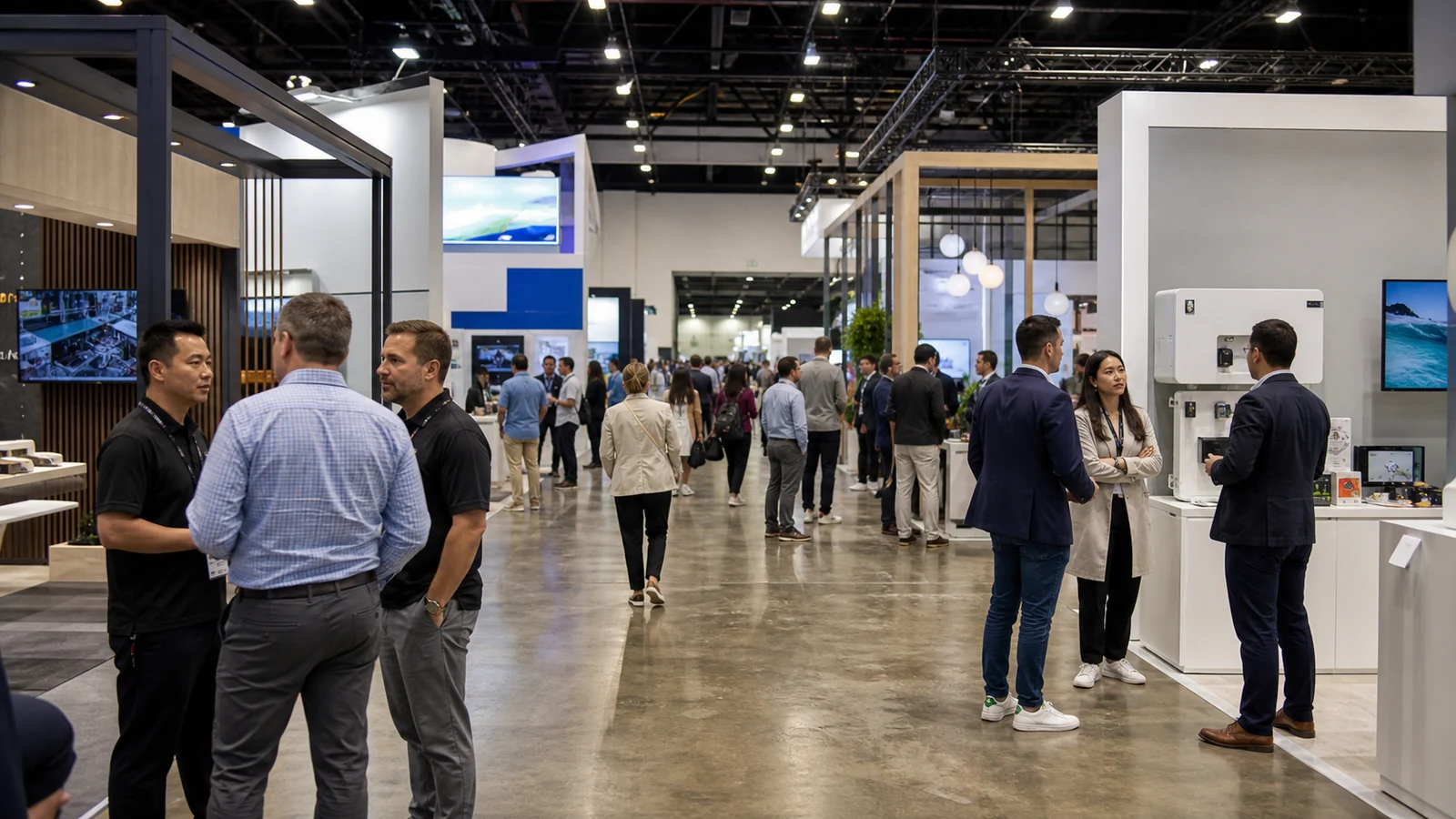
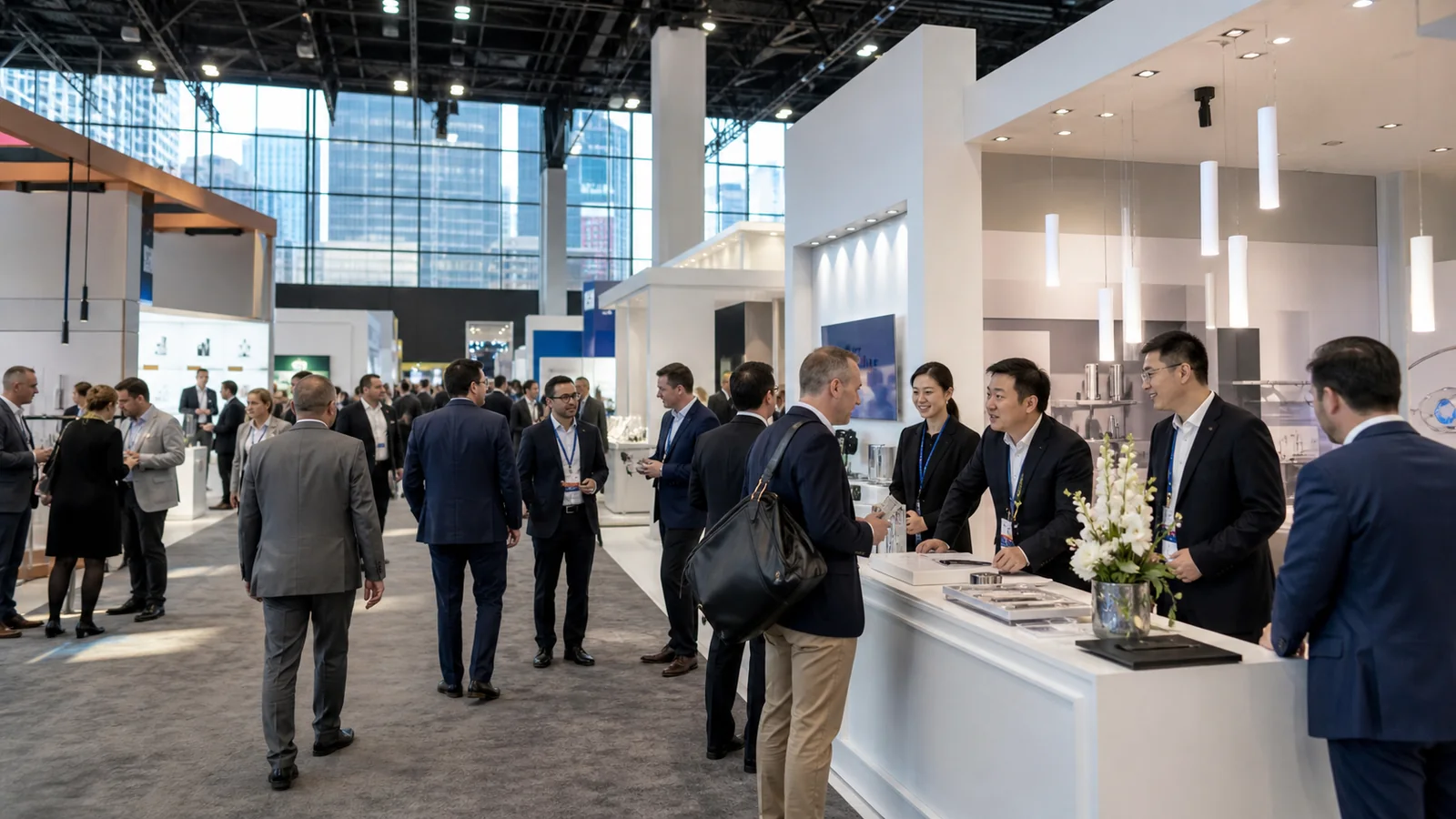
If you are deciding whether to reserve a veterinary-event booth, the expensive mistake is treating a recurring show as if next year's date, venue, floor plan, and rules are already known. Wild West Vet Show has a confirmed 2026 edition; it does not yet give your team a confirmed 2027 event package. You need to decide whether to act on a 2026 opportunity now, monitor 2027, or pass until your offer and the organizer's facts line up.
This guide is for a veterinary-industry marketing manager who must turn an event listing into a defensible exhibit decision. It separates confirmed facts from organizer marketing and from 2027 assumptions, so you can brief your sales team without promising a date, location, lead count, or service condition that has not been published.
Wild West Vet Show 2026–2027 at a Glance
Wild West Vet is a veterinary continuing-education conference with an industry exhibition. The organizer currently schedules the 2026 edition for October 14–17 at Peppermill Resort, 2707 S Virginia St, Reno, Nevada. The organizer describes an audience that includes veterinarians, veterinary technicians, practice owners, practice managers, and other animal-health professionals.
For 2026, the organizer currently lists exhibit-hall hours on October 14 from 10:00 a.m. to 6:00 p.m. and October 15–16 from 10:00 a.m. to 3:00 p.m.; the conference itself continues through October 17. You should plan selling coverage around the hall days, not assume four full exhibit days.
For 2027, no date, venue, exhibit-hall schedule, floor plan, package, or exhibitor agreement was found on the organizer's current Wild West Vet or US Vet Shows pages during this review. Third-party calendars may label a future 2027 Reno listing as TBD, but they are not event-operation authority. Treat 2027 as TBD, not as a booked Peppermill return.
Target Attendees and Buying Roles
The event is not one buyer pool. A veterinarian may test clinical usefulness; a technician may judge handling, setup, workflow, or training; an owner may ask about capacity, risk, and long-term cost; and a manager may focus on implementation and staffing. Before you buy space, you need to name the role that must understand your offer and the role that can move the purchase forward.

The current exhibitor directory spans animal health, diagnostics, imaging, pharmaceuticals, equipment, finance, software, recruiting, and practice services. That supports the event's commercial relevance, but it also means your category name alone will not help you stand out. Your booth needs to show a specific practice or clinical use case.
Program-Fit Test for Your Offer
The current 2026 program is not only clinical. The organizer presents clinical theaters, a business-and-practice-operations theater, a farm-and-equine theater, and a veterinary-technician program, alongside sponsor-led hands-on workshops. That mix is a useful fit test: clinical products need a defensible clinical conversation; workflow, software, finance, staffing, and practice services need a clear operational or owner-level problem to solve. See the organizer's 2026 event overview and compare your offer with the track most likely to create the conversation you need.
Do not assume that a related session sends qualified visitors to your booth. Use the program to decide your message, staffing profile, demonstration depth, and which days deserve your best people. If you cannot identify a credible connection to a published attendee role or program need, Wild West Vet should not be the first event in your plan.
How Should You Read the Published Audience Scale?
The organizer currently promotes 1,500+ opportunities to connect and 100+ suppliers to meet. Those figures help you see that this is a multi-supplier veterinary event, not a private appointment day; they do not tell you how many attendees will visit your stand, have buying authority, or be ready to purchase. Treat them as scale context rather than as a sales forecast.

Your practical test is narrower: estimate how many qualified conversations your booth team can conduct during the listed hall hours, define the role and need that qualify a conversation, and decide what follow-up action makes it commercially useful. If the number of conversations required to justify the full budget is unrealistic for your team, reduce the scope or choose another event.
Exhibit, Monitor, or Pass: Your Decision Gate
The 2027 status changes the decision. Do not carry a 2026 booth size, discount, service order, or venue assumption into a 2027 budget. Instead, keep a conditional brief: your target role, message, proof, demonstration needs, and space logic can be ready; dates, venue, contract, and operating requirements stay open until the organizer publishes them.
Set a Budget and Return Gate Before You Commit
Do not approve the event on booth rent alone. Build one working budget that separates organizer charges from design, fabrication or rental, freight, material handling, labor, travel, accommodation, staff time, demonstrations, lead capture, and contingency. For 2026, use only current written organizer and supplier quotations; the current public pages reviewed here do not establish a universal booth price or a total exhibiting cost.
Then state the return condition in advance. It may be a target number of qualified meetings, an agreed pipeline threshold, renewal conversations, distributor discussions, or product-feedback interviews. The measure must match the purpose of the event. A launch seeking feedback should not be judged by the same short-term revenue threshold as a mature offer with a defined sales process.
Hall Hours and Booth Location Shape the Plan
The published 2026 exhibit hall is open for eight hours on October 14 and five hours each on October 15 and 16. That concentrates your available selling time into three hall days, while the conference continues after the hall schedule. Build the roster around those windows: at least one person should be able to qualify the visitor, one should be able to explain or demonstrate the offer, and a named owner should receive each qualified follow-up.

Before accepting a space, inspect the current floor plan and test the proposed location against entrances, theaters, food, aisles, competitor clusters, sightlines, noise, and your required interaction. A corner, a theater-adjacent stand, or a larger footprint is not automatically better. It is better only if it supports the conversation, demonstration, and privacy level your buyer journey requires.
Conference-and-Exhibition Format: Design for Two Speeds
The organizer says conference theaters sit on the exhibit floor. You may benefit from education-driven movement, but you should not convert that into a traffic, lead, or sales forecast. A nearby session can create a short attention window and noise at the same time.

Plan for two speeds. From the aisle, your visitor should understand who the offer helps and what changes. At the booth, the right visitor should be able to inspect approved evidence, ask a technical question, and choose a next step. Your interaction determines the footprint; a large booth does not repair an unclear message.
Event Priority: Wild West Vet Versus Other Veterinary Events
Do not compare events by city, headline attendance, or booth size alone. Score each candidate against the same five questions: Can you reach the role that influences the purchase? Does the event's program and exhibitor mix support your use case? Can your team execute the booth and follow-up within the real budget? Is the date useful for your sales cycle or launch? Can you verify the contract, floor plan, and operating requirements early enough to manage risk?
Wild West Vet earns priority when its Reno audience, program context, three exhibit-hall days, and timing solve a specific commercial need better than the alternatives on your list. It should lose priority when another event reaches the same buyer with a clearer fit, a more workable cost-to-conversation model, or lower execution risk. Keep the comparison in one decision sheet so an attractive event name does not replace an investment case.
Before Design Starts: Organizer Confirmation Checklist
For 2026, request and verify the following before you approve a design direction:
- Space and package: booth assignment, open sides, package inclusions, current floor plan, and exhibitor agreement.
- Operations: provider list, deadline schedule, utilities, freight, labor, insurance, accessibility, demonstrations, devices, animals, sound, and claim rules.
- Location fit: whether the proposed space works beside theaters, entrances, food, circulation routes, and your planned interaction.
For 2027, do not request production quotes as if the event were confirmed. First ask the organizer to add your team to the exhibitor update route. Release design or fabrication only after you verify:
- announced dates, venue, and exhibit-hall days;
- the current package, contractor, floor plan, and approval requirements; and
- the agreement and operating rules that apply to your intended booth.
Keep every unconfirmed item visible in the brief rather than letting a prior-year assumption become a requirement.
Build the Booth Decision Brief
Give your exhibit partner a decision brief, not a theme request. State the target visitor, the problem that creates relevance, the one aisle message, approved proof, interaction, next step, space needs, confirmed facts, and open organizer questions. If your sales team cannot agree on those items, you should resolve that before polishing a concept.
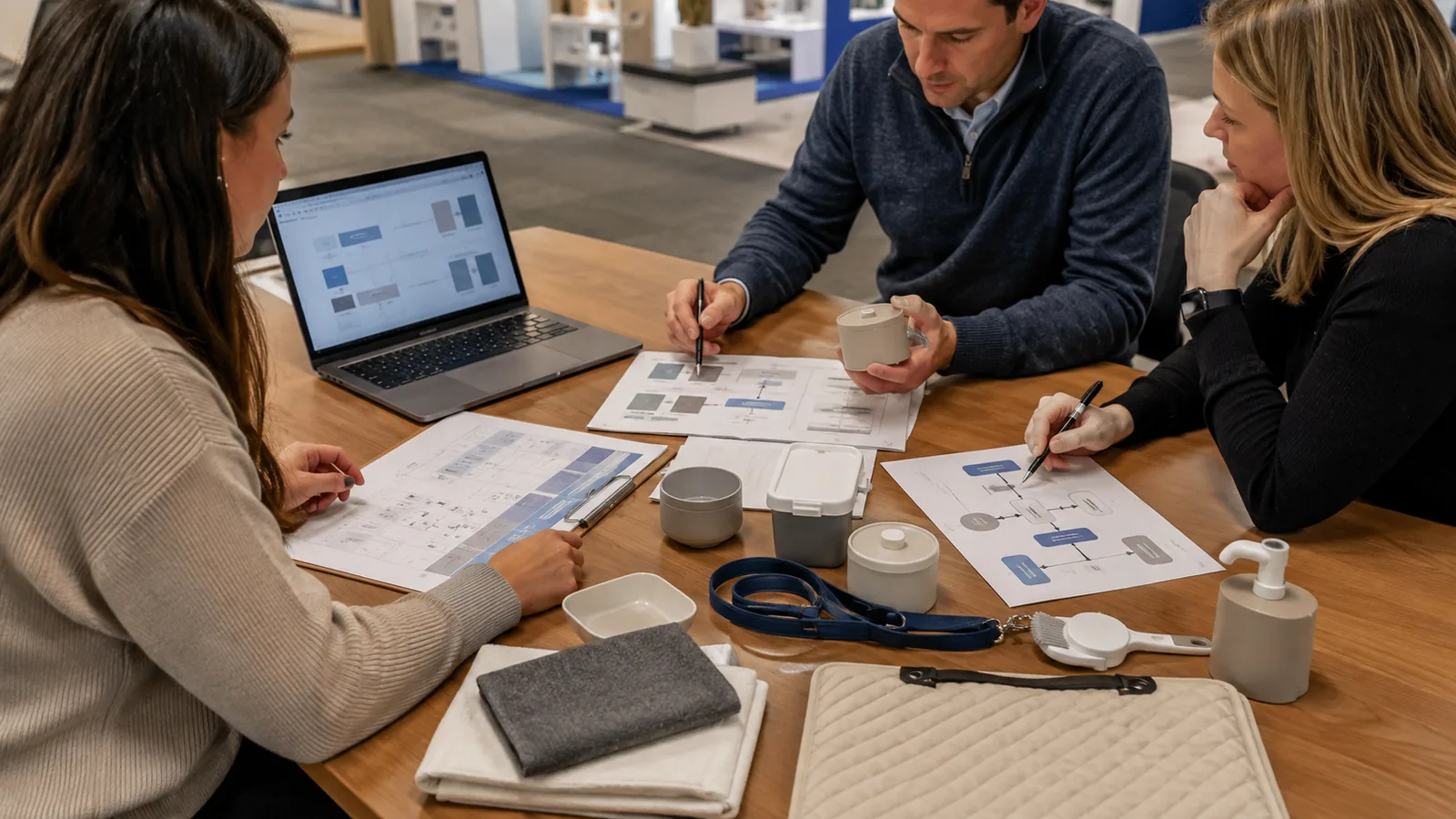
Your brief must also assign an owner for organizer deadlines, booth approvals, freight and service orders, staff briefing, product or sample readiness, lead-capture fields, and escalation contacts. The organizer's prior exhibitor information shows that build, breakdown, badge access, and onsite services are separate operational windows; confirm the 2026 version of each item directly rather than copying an earlier year's timetable. After the event, route every qualified conversation within an agreed time window, record the visitor's role, problem, product interest, buying stage, and promised next action, then review results against the return gate you set before booking. This converts the show from a collection of scans into a decision about whether to repeat, expand, change the message, or stop.
FAQ
Is Wild West Vet the Same as the Western Veterinary Conference?
No. Wild West Veterinary Conference can appear in Nevada-calendar wording for the Reno event discussed here. Western Veterinary Conference is a separate Viticus Group event associated with Las Vegas. Use the organizer domain, city, dates, and contract name together when you brief vendors or approve invoices.
Can Practice Owners Use the 1:1 Meetings Program?
The organizer currently describes a 2026 1:1 Meetings Program for practice owners that connects them with solution providers and schedules meetings on October 15 and 16. That does not guarantee that your company will be selected or replace the exhibit contract, but it is a separate organizer-controlled route worth checking when your offer needs a focused owner conversation. Confirm eligibility, matching criteria, and current terms with the event team before you build it into your plan.
Can You Use the Organizer's Attendance Claim as a Lead Forecast?
No. The organizer's published audience-scale claims are not an audited guarantee, a buying-authority breakdown, or a prediction for your booth. Ask for the current audience methodology and set a target around qualified conversations your offer can support.
Where Do Companies Book Exhibit Space?
The organizer provides an official book-a-booth form. Request the current package, floor plan, agreement, and service information directly from the event team. KingExhibits does not sell space or set organizer terms.
Can an Educational Booth Demonstration Offer CE Credit?
Do not call a booth demonstration continuing education unless the responsible event or accreditation authority confirms that status in writing. A useful product lesson is not automatically an accredited session.
Final Thoughts
Wild West Vet Show is a credible 2026 candidate only when your offer fits a named veterinary decision problem and you can prove that value in a clear booth interaction; 2027 remains a monitor-and-verify decision until organizer facts are published. When your inputs are confirmed, send KingExhibits the agreement, floor plan, booth assignment, target visitor, approved claims, demonstration requirements, budget range, and open organizer questions; KingExhibits can then discuss a scoped booth plan that keeps confirmed requirements separate from assumptions.