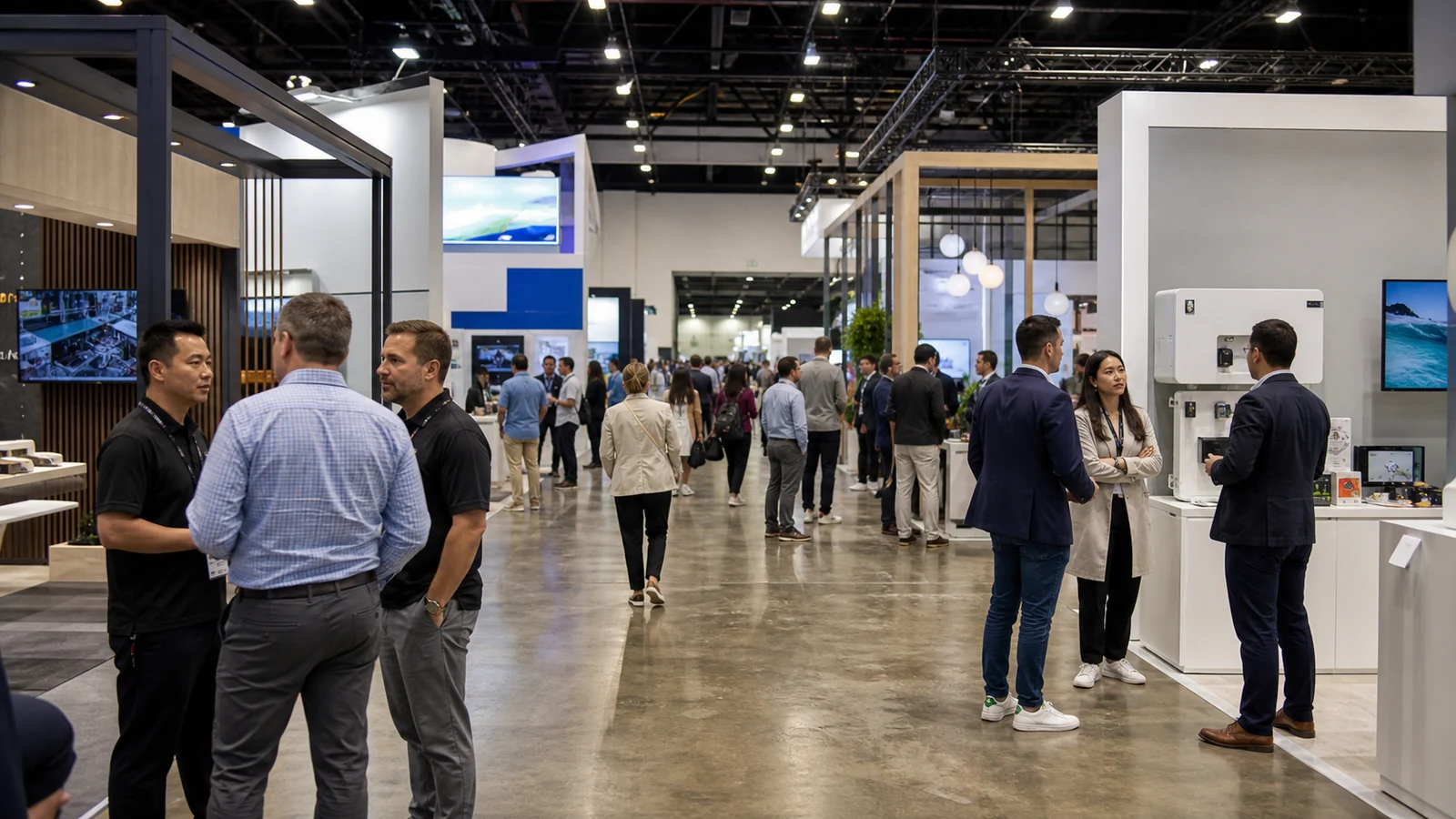
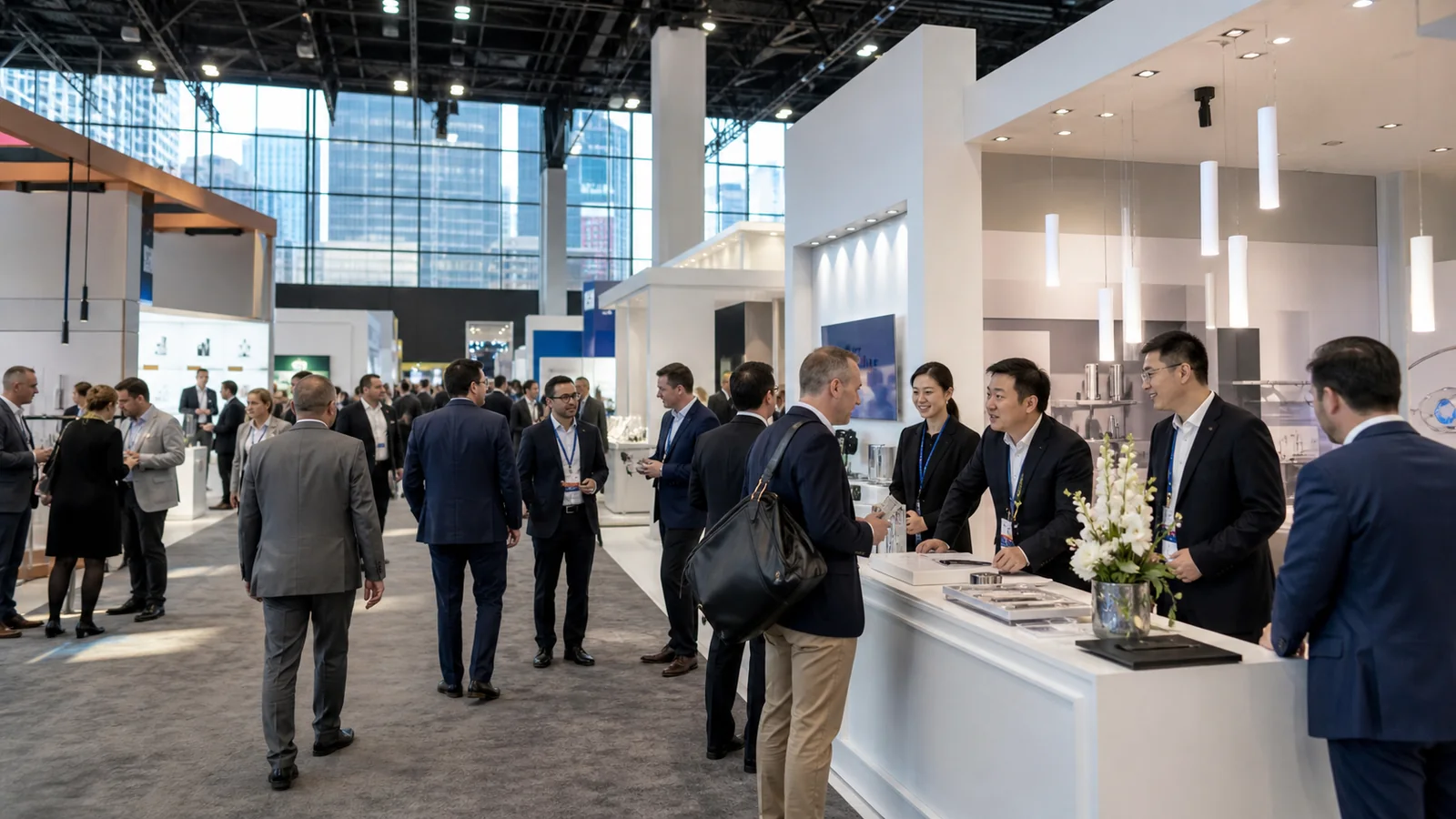
Your retail software may work well in a store, but is Smart Retail Tech Expo the right place to sell it? The current US event is in New York. Here is what the show offers and how to judge whether its audience justifies a booth.
Start with the current US event
Smart Retail Tech Expo is scheduled for September 30–October 1, 2026, at the Javits Center in New York. It is a retail technology trade show covering point-of-sale (POS) systems, artificial intelligence and customer experience. The current official page invites both visitors and exhibitors. Official show page The linked New York exhibitor FAQ identifies Hall 1A. 2026 exhibitor FAQ

Business Show Media organizes the wider event series. It announced its acquisition of White Label World Expo from Fortem International in December 2024, then announced the White & Private Label Expo name and New York launch in February 2026. That rebrand belongs to the companion sourcing show; Smart Retail Tech Expo remains separately named. Acquisition announcement, New York announcement
Older Las Vegas information remains online. Build your plans around the current New York listing, and ask for a corrected contract if a quotation still names a different city. A venue change affects more than travel: your equipment delivery and booth services must be arranged for the correct building.
What the four-show setting means for your sales team
Smart Retail Tech shares the event with White & Private Label Expo, E-commerce, Packaging & Labeling Expo, and Retail Supply Chain & Logistics Expo. The organizer advertises a free visitor ticket covering all four. The wider event serves retailers and online sellers as well as people sourcing products for their brands. Event overview

For your POS and inventory software, the useful overlap is a business that already sells through stores and online, and now needs those stock records to agree. Someone sourcing a first private-label product may have no store system to replace. Both could enter through the same registration route.
The show specifically markets to retail business owners, ecommerce professionals and senior customer-experience professionals. That is its intended audience, not a guarantee of who will visit your booth. Who attends
That makes audience detail more useful than a headline attendance claim. Ask the organizer for the current US visitor breakdown by business type and store footprint. If your sales model depends on chain-wide rollouts, ask specifically about multi-location retailers. A combined show total cannot tell you how many visitors can commission that project.
The neighboring shows also create a reason to look beyond direct buyers. A fulfillment or ecommerce service provider could need a connection to your software. Treat that as a possible partnership conversation, not an assumed source of orders. Before booking, identify companies with a genuine technical or customer overlap and see whether meetings are possible.
What belongs in your Smart Retail Tech demonstration
The show's stated POS focus gives your inventory management software a clear place in the event when it connects to the checkout. Make the connection visible with one familiar store task: sell an item at a checkout and show the resulting inventory change. Then process a return so the prospect can follow what happens after the original sale. Put the screen where the visitor can see the stock change while using the checkout, instead of separating those two parts of the demonstration.

For this mixed retail and ecommerce audience, the useful discussion starts when you establish where the prospect sells today. Let that answer determine how far you go into the demonstration. An online-only business considering its first store needs a different explanation from an operator replacing software across existing locations.
Use sample records and bring a simple explanation of the connections your product actually supports. Distinguish a working integration from one that would require development. If you show time saved or fewer stock discrepancies, include the conditions behind the result. A staged example should be called a demonstration, not presented as a customer case study.
This is also where your US market readiness becomes visible. Be ready to explain who handles setup and who answers support requests during the customer's working day. If local implementation depends on finding a partner, say so. That limitation may change a prospect's next step from buying to discussing a pilot.
What to ask for when inquiring about a booth
The public exhibitor inquiry form describes exhibiting as a paid opportunity subject to commercial terms. Free admission is a visitor offer. Exhibitor inquiry

Ask for a New York quotation that identifies Smart Retail Tech and gives you a proposed booth location on the current floor plan. You need to know where technology exhibitors sit within the wider event, rather than simply reserving space somewhere in the hall.
The New York booth information distinguishes pipe and drape from space-only booths. Pipe and drape includes carpet and an ID sign; space-only exhibitors must arrange flooring and an approved exhibitor-appointed contractor to build the stand. For a first US software demonstration, compare the simpler option before paying for a custom build. New York booth information
Request an itemized list of what the price includes. For a software demonstration, the important questions concern the counter and screen, electrical service, and internet connection. Confirm which items you order separately before comparing booth packages. A quotation is incomplete for your purposes if it leaves you unable to calculate the cost of running the demonstration.
The show promotes educational sessions and live demonstrations. If your plan depends on a talk, ask whether a speaking opportunity is available and how it is selected. Buying a booth should not be treated as confirmation of a stage slot.
Work within the New York setup schedule
The published New York schedule gives these local times:

| Activity | Published time |
|---|---|
| Pipe-and-drape exhibitor setup | September 29, 2026, 11 a.m.–4 p.m. |
| First show day | September 30, 10 a.m.–5 p.m. |
| Second show day | October 1, 10 a.m.–4 p.m. |
Space-only contractors must confirm their access with the account manager. Bring the required high-visibility vest and closed-toe shoes for setup. The schedule page and July FAQ differ on the start of move-out, so confirm your collection time before booking transport. Schedule and access
Your screen position also needs to fit the booth. For inline pipe-and-drape booths with 3-foot side drapes, the posted rule keeps objects taller than 4 feet out of the front 5 feet. The maximum structure or display height for that configuration is 8 feet. Place a tall demonstration screen toward the back, and have the account manager check the drawing for your assigned booth. Booth sight-line rules
Power and internet are supplied through Javits. The official supplier page lists September 15 as the internet discount deadline and September 18 as the deadline for SmartSource AV orders. Send the service team your device list and connection needs before ordering. Keep a recorded demonstration available as a fallback. 2026 supplier list
The same supplier page requires exhibitor liability insurance covering September 28–October 1. Send its certificate instructions to your insurer and obtain acceptance before move-in. For equipment delivery, use the current shipping instructions supplied for your booth; the FAQ names GES as the contractor but also mentions Freeman in its delivery section. Get the receiving company and shipping label confirmed before dispatch. 2026 supplier list, Exhibitor FAQ
FAQ
Can you attend first and decide about exhibiting later?
The official site offers free visitor registration. If you cannot establish whether your target retailers will be there, a research visit may be the better first step. Use it to observe the technology area and arrange conversations in advance. Check visitor rules before planning any promotional activity; a visitor pass should not be treated as a substitute for exhibiting.
Do you need to offer private-label software to exhibit?
The Smart Retail Tech page describes technology solutions, rather than limiting its scope to products sold under another company's brand. The private-label name belongs to the co-located sourcing expo. Explain your branded software offer in the exhibitor inquiry and ask the organizer to confirm the appropriate show and category before you sign.
Should you share a booth with a US implementation partner?
It could help if your partner can explain installation and ongoing support while you demonstrate the software. First ask whether the organizer permits shared space and how both companies will be listed. Agree who will handle each inquiry afterward. Without those details, two brands on one counter can leave a prospect unsure who would deliver the project.
Are the next US dates after 2026 confirmed?
No later US edition was verified in the official sources checked on September 7, 2026. If the New York dates do not suit you, request the next US announcement from the organizer. Do not assume that an annual pattern confirms the same city, venue or week next year.
Make the booking decision
Ask the organizer for evidence that the retail businesses you can serve will be represented, alongside a complete booth quotation that covers the demonstration equipment and services. If both are convincing, plan the exhibit around the store task your software handles best. If audience fit remains uncertain, use a visit to learn before committing to a larger presence.