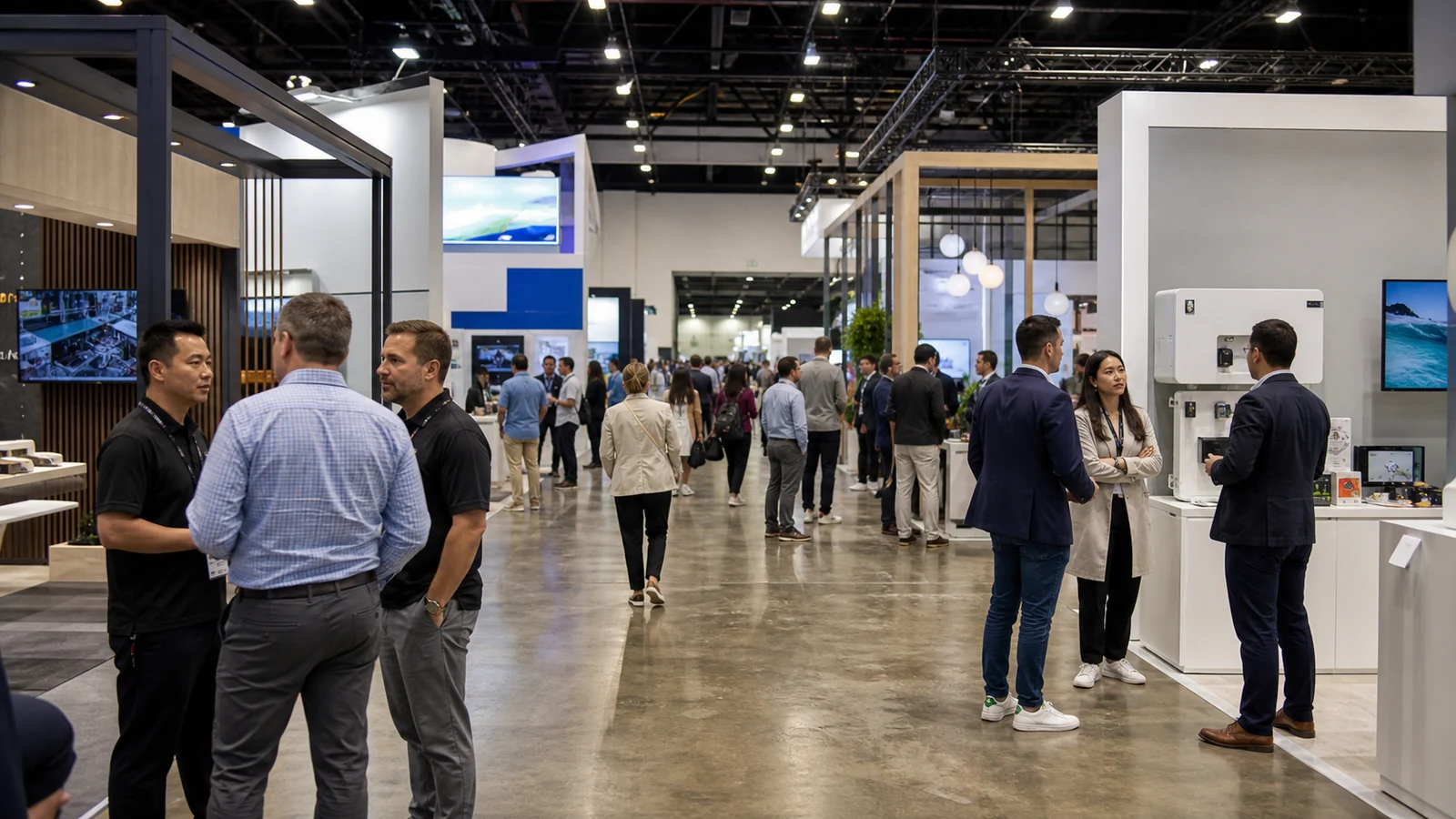
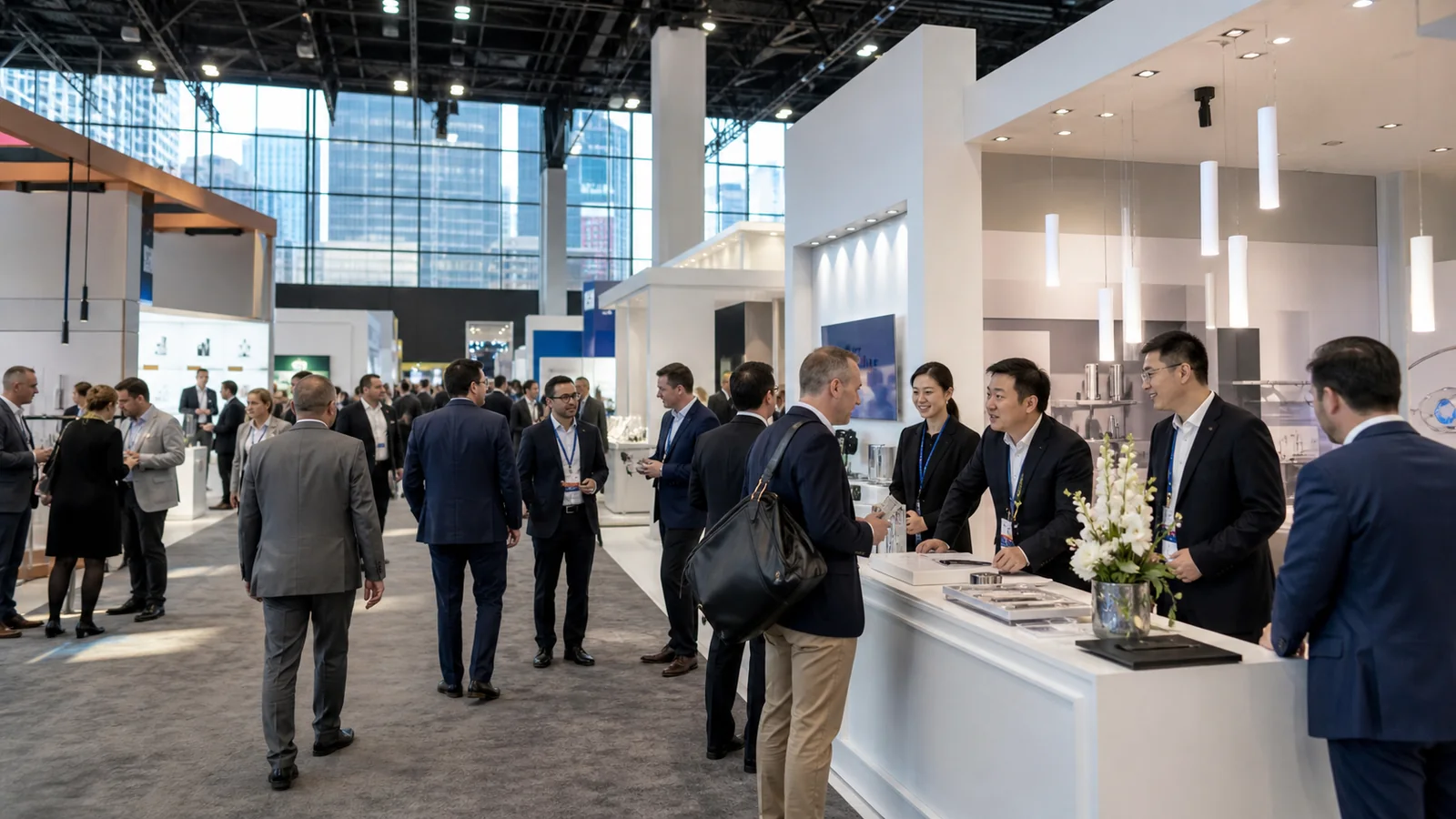
If you plan to take aircraft parts, repair capability, software, or supply support to MRO Americas 2027, first decide what an airline or MRO team should understand within a few minutes. A busy booth will not help if visitors cannot connect your offer to a specific aircraft, component, maintenance task, or material problem. This guide gives you the confirmed event facts, a test for whether exhibiting makes sense, and a practical way to prepare the booth and follow-up.
The 2027 event at a glance
| Item | Confirmed 2027 information |
|---|---|
| Official event name | MRO Americas |
| Dates | April 13–15, 2027 |
| Venue | Orange County Convention Center, West Concourse |
| Address | 9800 International Drive, Orlando, Florida 32819 |
| Exhibit hall hours | Tuesday 9:00 a.m.–5:30 p.m.; Wednesday 9:00 a.m.–5:30 p.m.; Thursday 9:00 a.m.–1:00 p.m. |
| Event focus | Commercial aviation maintenance, repair, and overhaul |
| Co-located program | Military Aviation Logistics and Maintenance Symposium, known as MALMS |
| Main audience groups named by the organizer | Airlines, OEMs, MRO service providers, leasing companies, aviation authorities, and regulators |
The official site uses MRO Americas as the current brand. Here, MRO means maintenance, repair, and overhaul. The event combines a commercial aviation conference, a supplier exhibition, show-floor programs, and the co-located MALMS program. Use the table to confirm travel dates and venue fit; use the next sections to decide whether the people on that floor can move your offer forward.

The published 2027 exhibit hall schedule provides 21 hours across three days. Registration opens on Monday, April 12, but that is not an exhibition day. Plan customer meetings around the official hall hours, and recheck them before staff travel because event details can change.
Decide whether the audience matches your sales path
The organizer names airlines, OEMs, MRO providers, lessors, aviation authorities, and regulators among the organizations represented. Suppliers and service providers also appear in its speaker groups. This is useful reach, but the person who notices your booth may only open the conversation.
Map the buying path before you book space. The first technical question may be whether a part fits the fleet. Maintenance then looks at repair scope, throughput, and release records, while procurement checks availability, approved-source status, and terms. Records also draw a lessor's attention when they affect asset value. You do not need a separate wall for every role. You need one clear starting point and a planned handoff to the evidence each role requires.
The organizer reports 19,000 attendees, 1,075 exhibitors, and 93 countries for the 2026 event. Those figures describe the previous edition, not a guaranteed 2027 result. Use them to understand scale, then build your target list from the current 2027 exhibitor directory, your accounts, and the event app when attendee networking opens.
Check your offer against the exhibition floor
The live exhibitor directory covers aircraft and engine systems, components, avionics, cabin products, materials, tools, test and calibration equipment, software, maintenance records, logistics, training, repair services, leasing, and parts distribution. It also includes military maintenance categories.
That range gives you two tests. Your offer must belong in the aviation aftermarket, not merely in aviation manufacturing, and it must solve a maintenance or supply problem the visitor can recognize. “We manufacture precision parts” is too broad. “We supply this approved component family for these platforms” gives the buyer something to check.
Before reserving space, review the current floor plan and exhibitor list. Look for the category a buyer would use to find you, the companies that solve adjacent problems, and the large brands that may draw or block traffic. A visible location cannot fix a vague product position, but the wrong neighborhood can make a technically relevant supplier harder to understand.
Build the booth around one maintenance decision
Choose one question the visitor should be able to answer after a short booth conversation. The wording depends on what you sell, but it must describe a real decision:

- Does this component family fit the aircraft or system we support, and what proves it?
- Is this repair within the stated capability, and what information is needed to assess the unit?
- Will this software remove a manual step without breaking our records or approval path?
- Will this inventory service reduce the named material delay while preserving traceability?
Put that question at the center of the booth. Product families, screens, samples, and staff roles should help answer it. If each wall starts a different story, a visitor may remember the company name but still not know when to involve you.
Show technical evidence without turning the booth into a data room
Aerospace buyers need more than a polished component or a promise of fast service. Start with the claim on the booth wall, then ask what document, sample, screen, or staff answer proves it. Bring only the evidence needed for that path. Support a parts claim with the relevant platform, specification, traceability, and inspection records. When you present a repair service, state the scope, intake requirements, test or release logic, and the conditions behind any turnaround estimate. In a software demonstration, show where data enters, who approves the work, and what record comes out.
Do not imply an approval, aircraft fit, repair authority, or performance result that your current documents do not support. Separate three things clearly: what is available now, what is available under stated conditions, and what still requires technical review. If a sample has been cut away, simplified, deactivated, or produced only for display, label it.
Keep the evidence path short enough to use in a conversation. For parts, move from the aircraft or system to the relevant family and supporting document on one simple map. Show repair work by following one unit from intake through inspection, scope, testing, release, and return. Demonstrate software with one maintenance event that runs from data entry to approval and final record. Keep confidential customer data and controlled technical information off public screens and handouts.
Demonstrate how the work changes
A live demonstration deserves space only when it proves a task that matters to the buyer. Show the action, the control, and the result. That could mean setting up a tool and tying the reading to its calibration record, routing one software exception through approval, or comparing an accepted material sample with a rejected one. If the visitor cannot explain what changed after the demonstration, the sequence is too long or the point is unclear.

Build a fallback for every live element. Venue internet, ordered power, device permissions, and external systems can fail. Keep a local demonstration dataset, a short recorded sequence, and clear still images that show the same workflow without making unsupported claims. The fallback should preserve the decision, not become a long corporate video.
Ask the organizer what the 2027 manual requires for interactive demonstrations, equipment, batteries, liquids, compressed gases, chemicals, heat, sound, rigging, and overhead structures before shipping anything. Product permission, venue permission, and safe public operation are separate questions.
Use the three days for different work
The first two exhibit days run from 9:00 a.m. to 5:30 p.m.; Thursday closes at 1:00 p.m. Do not staff all 21 hours as if the floor has one rhythm.
Use Tuesday to test whether your message attracts the intended roles and to hold pre-booked account meetings. Record the visitor's fleet, component, maintenance task, current constraint, decision role, and requested evidence. Correct repeated misunderstandings the same day instead of waiting until the show is over.
Use Wednesday for deeper technical and commercial follow-up. Bring the right specialist back into conversations that require repair scope, integration, quality, documentation, or supply planning. Protect scheduled meetings from the busiest demonstration periods.
Use Thursday for qualified return visits, unresolved questions, and agreed handoffs. Because the hall closes at 1:00 p.m., do not leave every serious follow-up until the last day. Before each visitor leaves, name the next document, sample, technical call, quotation input, or facility discussion and assign an owner.
Prepare staff to hand off the conversation
An MRO conversation can move from marketing to engineering, quality, procurement, and operations in minutes. Staff do not need to answer every question, but they must recognize the boundary and route it correctly.
Design the handoff as a short route. Start by asking what fleet, component, or maintenance problem brought the visitor in. When the answer reaches technical fit, open the right evidence with a specialist instead of improvising. Route availability, terms, and next steps to the commercial owner, then record the promise and who must deliver it. A small team can combine these jobs, but the route should still be agreed before the doors open.
Use a short qualification record. Capture the company, role, aircraft or product scope, maintenance problem, current source or process, decision timing, evidence requested, technical owner, and agreed next action. Scan data alone does not tell sales why the visitor stopped.
Treat MALMS as a separate opportunity with its own boundary
MRO Americas is focused on commercial aviation MRO and is co-located with the Military Aviation Logistics and Maintenance Symposium. The official event description also names a Military Pavilion. This can create relevant traffic for companies that genuinely serve military maintenance, but it does not turn every commercial offer into a defense offer.

If military work is in scope, decide in advance which products, claims, drawings, software screens, and conversations are cleared for a public U.S. trade show. Train staff to stop and route questions involving controlled information, program-specific data, or unapproved applications. If defense work is not part of your sales plan, keep the booth story anchored to commercial aviation rather than adding military language for attention.
Confirm 2027 rules before committing the build
The official venue and timing page already lists the 2027 dates, West Concourse, address, registration hours, and exhibit hall hours. The public Exhibitor Resource Center, however, still identifies itself as the 2026 resource center. Its manual and deadlines cannot be treated as 2027 instructions.
The 2026 resource page flagged insurance for international exhibitors, complex booth structures, and interactive demonstrations. Use those subjects as early planning questions only. Before approving drawings or freight, obtain the 2027 exhibitor manual and confirm the following with the organizer and appointed vendors:
- Booth package and construction limits for your contracted space
- Required insurance and who must be named on the certificate
- Exhibitor-appointed contractor registration and access
- Structural review, rigging, hanging signs, covered areas, and multi-level elements
- Demonstration approval, utilities, sound, hazardous materials, and fire-safety conditions
- Advance warehouse, direct-to-show shipping, material handling, empty-container storage, move-in, and move-out dates
- Badge allocation, labor jurisdictions, cleaning, internet, electrical service, and order deadlines
Do not copy a 2026 deadline into the 2027 project plan. Build a decision date for each item, then replace the placeholder when the current manual or service order form is published.
Decide whether to exhibit or attend first
Exhibit when you can identify the airline or MRO task your offer supports, show evidence within your actual authority, assign technical follow-up, and name who will quote, support, and continue the conversation in the United States. The booth then becomes a place to shorten an existing evaluation rather than start a vague awareness campaign.

Attend first when the offer is still described as general aerospace capability, approvals or documentation are unclear, U.S. support is unresolved, or the team cannot name the visitor and next decision. Use the visit to study category placement, buyer questions, proof formats, and competitors' handoff methods. Return as an exhibitor only when the company can answer a narrower and more valuable question.
Frequently asked questions
What should a meeting invitation say
Give the recipient a reason to accept before mentioning the booth number. Name the aircraft, component, repair problem, or workflow you want to discuss; state the proof you can show; and propose a short agenda. “Twenty minutes to review applicability and the documents your team would need” is easier to accept than a general invitation to visit the booth.
How should we compare two booth locations
Score each option against the route your target accounts are likely to walk, the neighbors that help visitors understand your category, and the noise or congestion that could hurt your demonstration or meeting. Then check how staff and booked guests will enter the space. A busier aisle is not automatically better if the people passing it cannot identify why your offer belongs there.
What belongs in the event app product profile
Use the same narrow message as the booth. Lead with the supported aircraft, component family, repair scope, or maintenance problem; add one verifiable proof point; and name the person who can arrange the right meeting. Do not paste the full corporate capability list. The profile should help a relevant visitor decide whether a conversation is worth scheduling.
What should staff say when a question exceeds the approved claim
Do not guess. Confirm the part of the question you understood, explain that the answer needs technical review, record the aircraft or unit context, and name the person and time for follow-up. This keeps the conversation moving without turning a booth answer into an unsupported fit, approval, or performance claim.
How should leads be prioritized after the show
Start with the promised next action, not the badge scan count. Give first priority to contacts who named a live maintenance or supply problem, shared their role in the decision, and requested specific evidence or a meeting. Keep early-stage contacts in a separate track, and remove people whose need falls outside your stated scope. Every priority lead should leave the review with an owner and due date.
When should the booth plan be frozen
Freeze the message and evidence path once the target account, buyer question, and approved claims are stable. Freeze the physical build only after the current exhibitor manual and critical approvals are available. Freight, demonstrations, hanging elements, utilities, and contractor access should not be treated as final while their 2027 rules are still unconfirmed.
Final thoughts
MRO Americas is worth exhibiting at when your team can connect one aerospace offer to a specific maintenance or supply decision. Confirm the 2027 schedule and floor, show only evidence you can support, prepare each conversation for a technical or commercial handoff, and wait for the current exhibitor manual before locking the build and freight plan. If the offer is still too broad to answer a buyer's first technical question, attend before you exhibit.