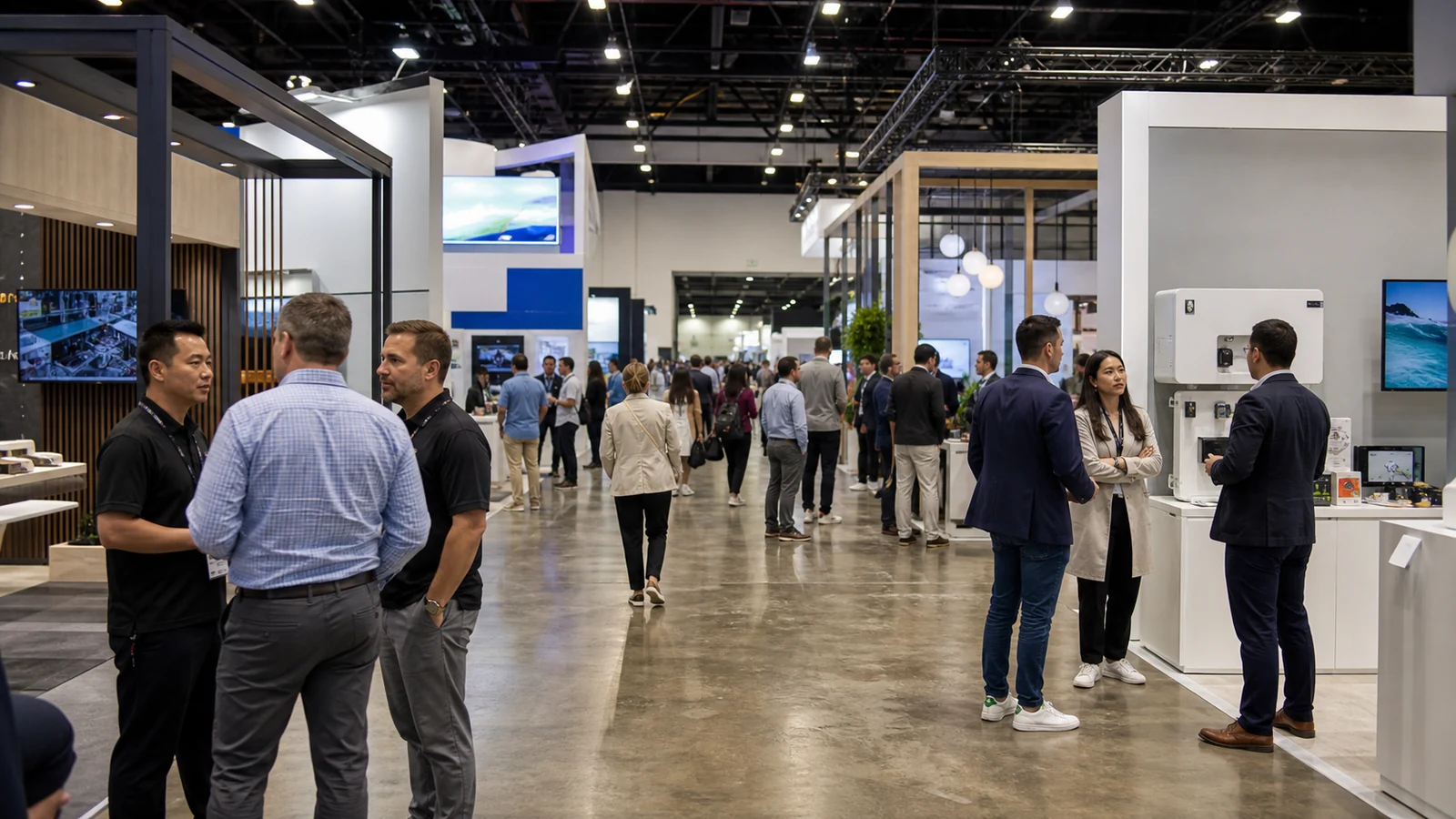
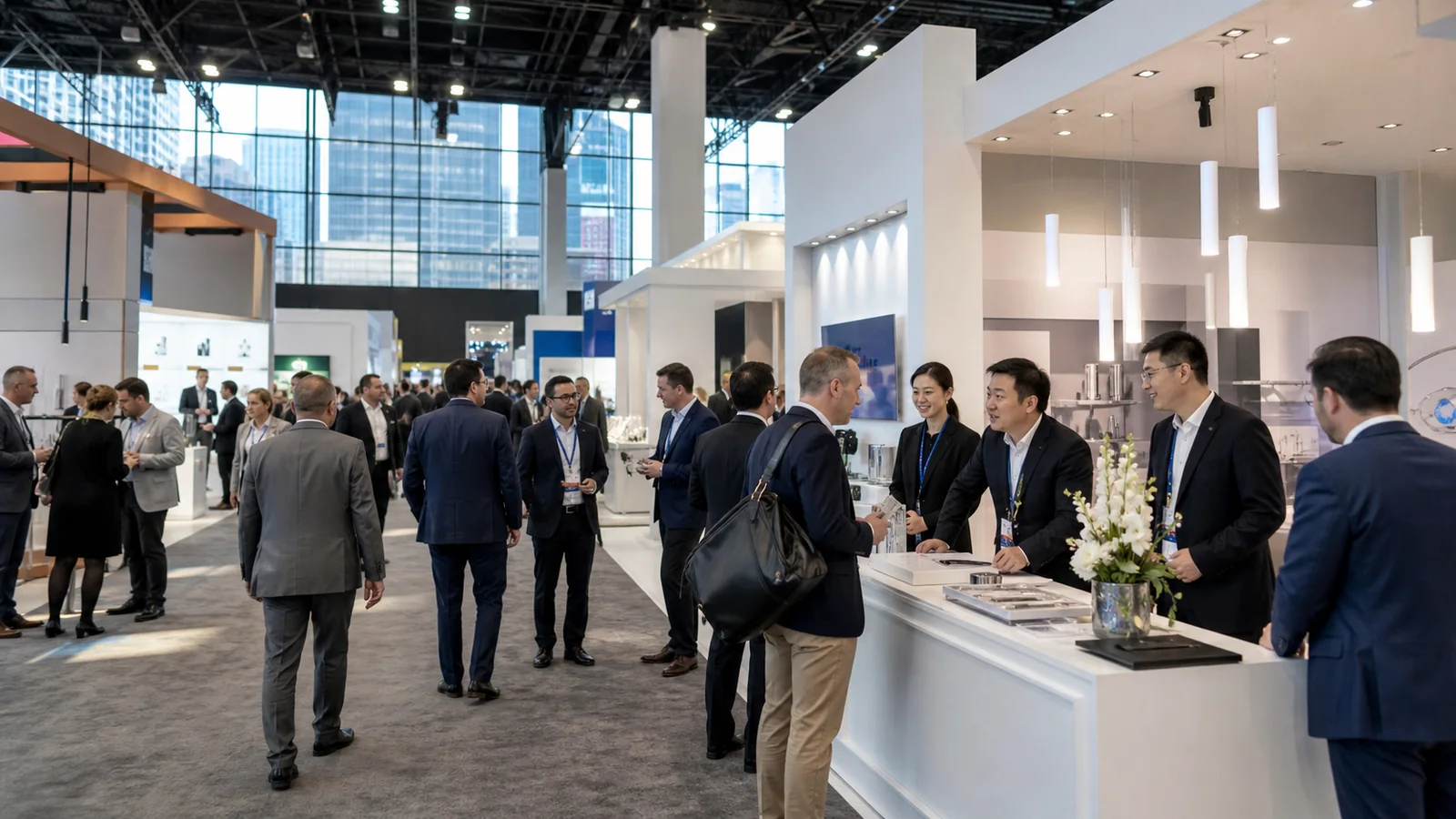
If you are deciding whether FDIC International belongs in your U.S. launch plan, start with the proof your booth can show. Firefighters and department leaders compare products against real tasks, not a catalog. This guide gives you the confirmed 2027 schedule, the people you are likely to meet, and a practical test for exhibiting now or attending first.
FDIC 2027 at a glance
| Item | Confirmed 2027 information |
|---|---|
| Current official name | FDIC International |
| Full event dates | April 12–17, 2027 |
| Exhibit hall, The Stadium, and Outside at FDIC dates | April 15–17, 2027 |
| Education and training span | Hands-on training and summits, April 12–16; pre-conference workshops and symposiums, April 12–13; classroom sessions and HITS, April 14–16 |
| Main venues | Indiana Convention Center and Lucas Oil Stadium |
| City | Indianapolis, Indiana |
| Exhibition environments | Convention center halls, Lucas Oil Stadium, and the outdoor exhibits and demonstration area |
| Current 2027 status | Dates and program spans are published; detailed 2027 exhibit hours, floor plan, and exhibitor manual still require confirmation |
The six-day program and three-day exhibition require separate staffing plans. Send educators or technical specialists when the relevant training begins, then staff the booth for April 15–17. Keep freight, labor, and customer-meeting times provisional until the organizer publishes the 2027 daily hours; copying the 2026 timetable could put people or shipments in the wrong place.
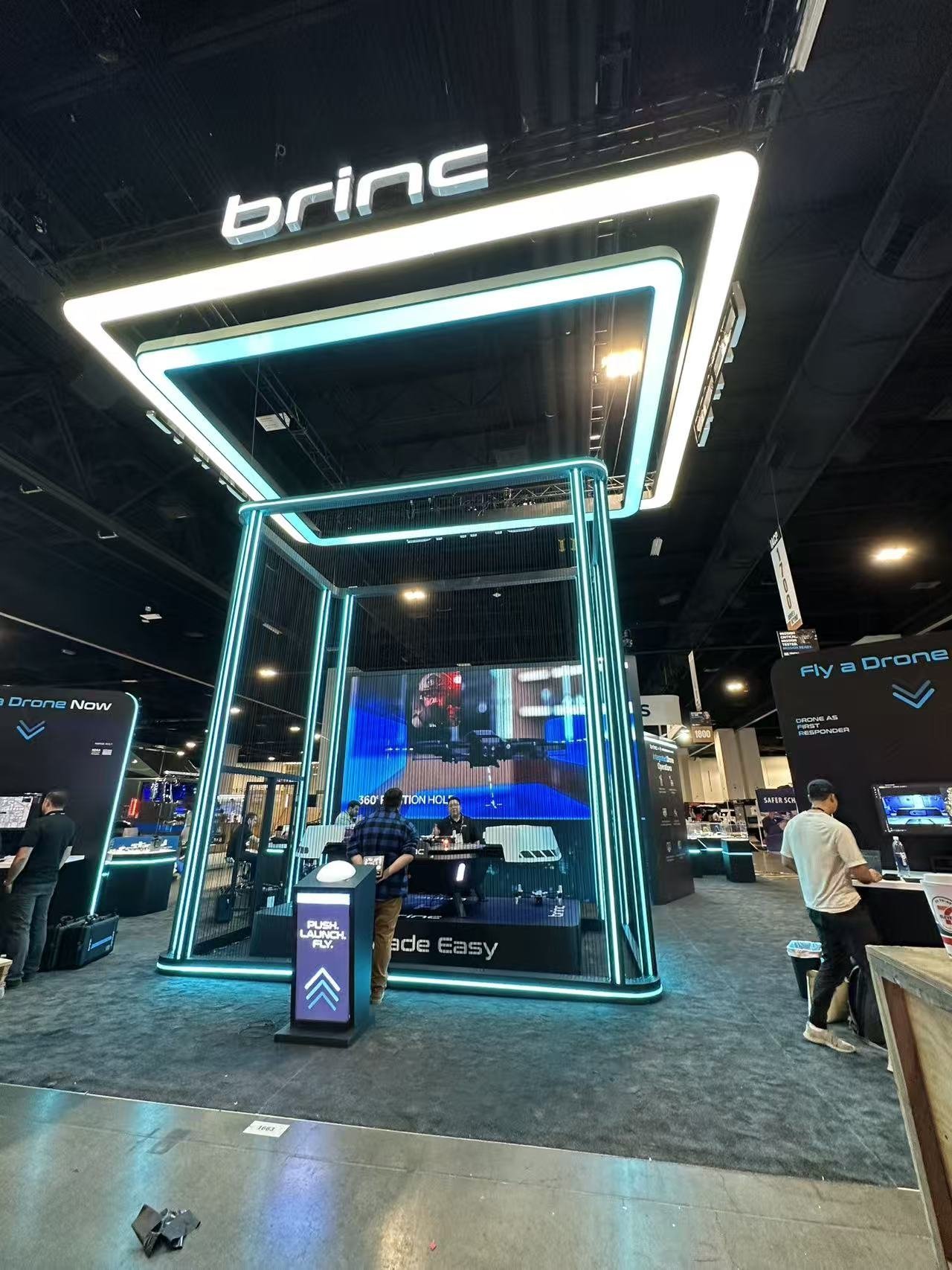
Understand why training changes the buying conversation
FDIC International combines a fire and rescue conference, hands-on training, and an equipment exhibition. Visitors reach the show floor after sessions on extrication, water movement, rescue, command, patient care, and other operating problems. That training sets the standard for the booth conversation.
If your display only calls the product “innovative,” the visitor still cannot judge it. Give the booth one operational question to answer: under stated conditions, which task becomes safer, clearer, faster, or easier to repeat?
Pick one task your primary visitor already knows. Show the starting condition, the decision the user makes, the action your product supports, and the result the visitor can see. When live operation is not permitted, ask the organizer to approve a cutaway, recorded field sequence, simulator, or guided sample inspection. Keep every proof point tied to the exact model on offer.
Know who must trust the proof
The organizer's 2026 recap reports 38,027 registered fire and rescue professionals. Its current exhibitor page describes more than 38,000 attendees, more than 850 exhibitors, and 62 percent decision-makers. These are organizer-reported results from 2026, not guaranteed attendance for 2027.
The official audience list spans chiefs, training officers, instructors, marshals, inspectors, apparatus and equipment specialists, firefighters, company officers, EMTs, paramedics, and HazMat technicians. The 2026 recap also shows career, volunteer, combination, industrial, distributor, military, municipal, private EMS, and hospital organizations.
Plan for two linked conversations. Frontline users will check handling, visibility, setup, cleaning, and failure behavior. Department leaders and equipment specialists will ask about standards, lifecycle cost, compatibility, training, records, support, and the buying route. Give each group the evidence it needs, then connect both conversations to the same next step instead of repeating one feature pitch.
Match the product to the way it must be proven
The official site describes a broad exhibition of fire and rescue products and services, and the show uses indoor halls, Lucas Oil Stadium, and an outdoor demonstration area. Current FDIC programming and recent official exhibitor materials show a market that includes apparatus, PPE, rescue tools, water-flow equipment, communications, software, training systems, EMS products, station equipment, and related services. The exact 2027 floor plan and placement are not yet final public facts.

| Product or service | Proof that helps a fire service visitor judge it | Weak booth substitute |
|---|---|---|
| Apparatus or vehicle equipment | Access, storage, controls, visibility, maintenance points, configuration limits, and an explained operating sequence | Polished vehicle; nobody can explain the specification choices |
| PPE or wearable equipment | Fit range, mobility, donning, cleaning, inspection, service life, repair path, and model-specific compliance documents | Mannequin plus an unsupported “maximum protection” claim |
| Hose, nozzle, pump, water-flow, or rescue equipment | Setup, control, force, flow or rated output under stated conditions, maintenance, and failure safeguards | Looped action video without conditions or model data |
| Communications, command, or accountability technology | One incident workflow, hardware and network dependencies, permissions, offline behavior, records, security documents, and support ownership | Perfect-data dashboard tour with no failure case |
| EMS or medical equipment | Intended use, user steps, cleaning or single-use boundary, storage, training, documentation, and the correct regulatory claim for the exact product | Clinical promise the exhibitor is not qualified to make |
| Training system or simulator | Learning objective, instructor controls, reset time, space, staffing, safety boundary, and what performance can actually be measured | Entertainment without a clear training outcome |
Use this table to choose the demonstration, not to guess your hall. Before you accept space, send the FDIC sales or operations team the product size, planned activity, and utility needs. Ask where comparable products are placed and what that location can support.
Build one operational proof from start to finish
Make the demonstration useful rather than theatrical: visitors should be able to judge the product without guessing at test conditions. Run it in five beats. Name the task, show the starting condition, perform the critical action, state the limit that would change the result, and finish with the inspection, reset, record, or next step.
When you show a rescue tool, do not stop as soon as the object moves. Walk through the power source, setup, operator position, and rated capacity, then finish with inspection and service. With software, show the alert entering the system, the person who receives it, the failure response, and the record retrieved afterward. A green dashboard alone proves little.
Tie every claim to a model and condition. Identify where each test number came from. Keep certification marks beside the configuration they actually cover. If U.S. approval, distribution, or service remains in progress, state the current stage instead of presenting a future plan as current availability.
Use the three exhibition environments deliberately
FDIC currently uses the Indiana Convention Center, Lucas Oil Stadium, and an outdoor exhibits and demonstration area. Choose the environment around the proof you need. Use an indoor counter for close comparison and document review. Ask for enough physical access when visitors must enter, handle, or configure large equipment. Move water flow, live-fire products, vehicle scenarios, and other active demonstrations into an approved controlled area.
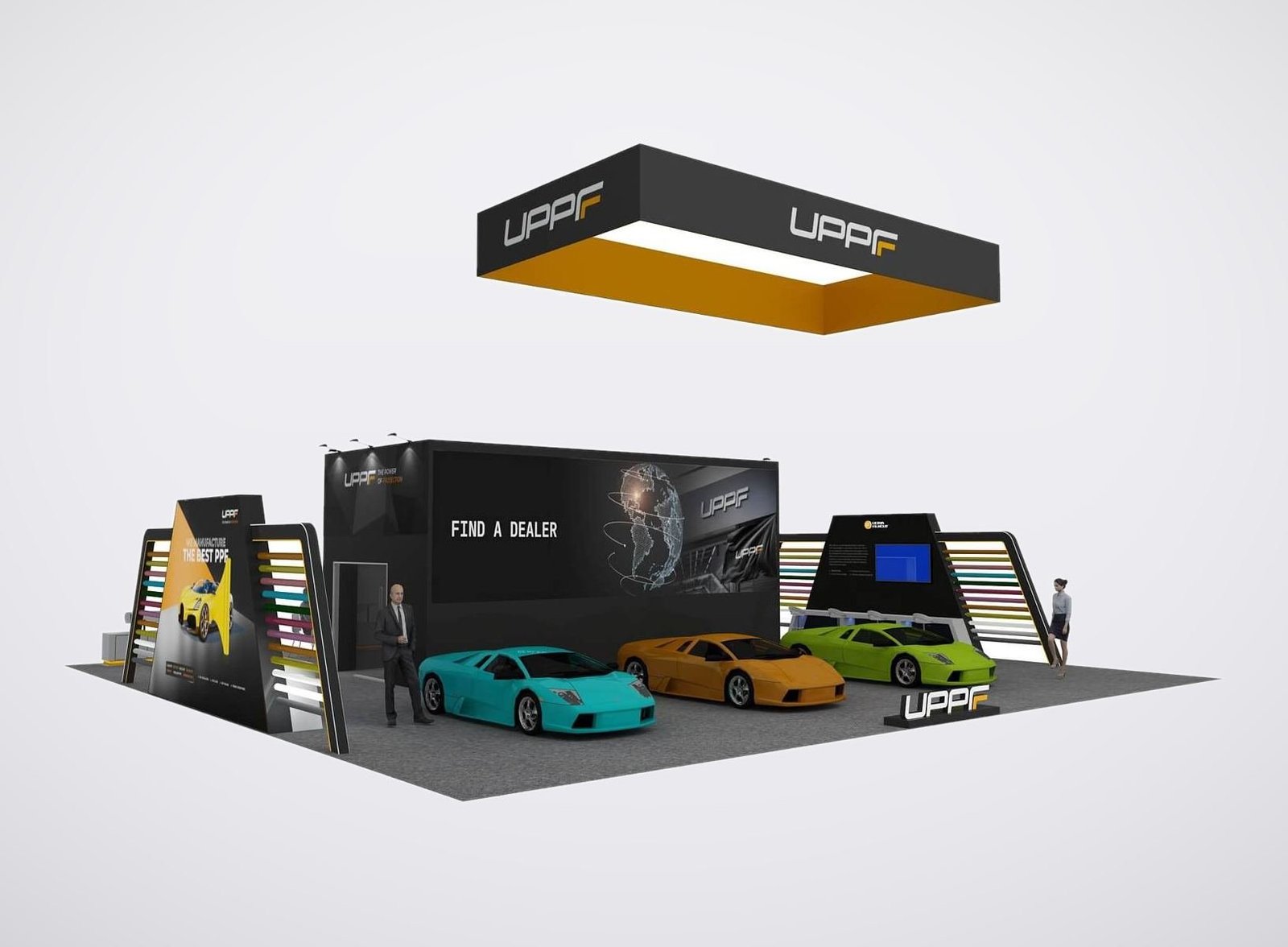
Noise may draw a crowd but block the standards or integration discussion that advances the sale. If buyers need to inspect small details or configure a system with your specialist, an indoor booth may produce the better conversation.
Before accepting space, ask for the current floor plan and four answers: who will be nearby, how the product reaches the stand, which utilities are available, and which sound, queue, or demonstration controls apply. Use the 2027 floor plan and manual, not the previous year's map.
Prepare the trust package before the booth graphics
The fire service does not evaluate an unfamiliar supplier on appearance alone. Build a compact, model-specific evidence set that booth staff can explain and send after the show.
- Product identity: model, intended use, limits, and compatible accessories
- Claim evidence: applicable tests, certifications, listings, and the exact scope and status of each
- Use and support: installation, inspection, cleaning, maintenance, training, warranty, repair, and service coverage
- U.S. buying route: actual distributor or direct-order path, quotation inputs, and the basis for lead time
- Connected products only: cybersecurity, data ownership, hosting, integration, and offline behavior
Do not turn the booth wall into a document archive. Put the three or four facts needed for the first decision beside the product. Keep the full evidence available through a staffed screen, printed technical sheet, or follow-up package. Every salesperson should know which claims are confirmed, which apply only to a certain model, and which still need technical review.
Plan for a public-service buying path, not an instant order
Many visitors can influence a specification or trial without authority to buy at the booth. Before purchase, their departments may require technical evaluation and budget approval. Connected products may add IT or legal review; complex equipment may need a distributor quotation or a scheduled field test.
Qualify the next decision instead of asking only whether the visitor is interested. Capture six things: role and department, current equipment, the problem to solve, number of users or units, budget or procurement stage, and the evidence still missing.
End the conversation with one action, one owner, and one date. Choose the action that moves the decision: specification review, sample, distributor introduction, technical or security call, site assessment, or controlled trial. A badge scan without a defined next decision is contact data, not a qualified opportunity.
Staff for operational and approval questions
Keep someone at the booth who can explain actual use, limitations, maintenance, and failure behavior. Configuration, sales channel, support, quotation, and follow-up need a second clear owner who can join when required. Complex equipment is better served by a technical specialist and a commercial lead than by two general salespeople repeating the same introduction.
Brief staff on language before the show. “Meets the standard,” “works with every system,” “available nationwide,” and “maintenance-free” are high-risk statements unless the exact product scope supports them. Give the team a short escalation path for questions they cannot answer. Say, “We will confirm that for this model,” and record who owes the answer.
Schedule demanding demonstrations so the technical operator can reset equipment, inspect safety conditions, and speak with serious visitors. Between demonstrations, the booth should still show the task, proof, limitation, and next step without relying on a presenter being available every minute.
Confirm the 2027 rules before ordering services
As of September 7, 2026, the official site publishes the 2027 event dates and program spans, while the public exhibitor center still points to 2026 resources. Treat the following as questions for the 2027 exhibitor manual and organizer, not as settled 2027 rules:
- What comes with the booth, and which flooring, height, sightline, hanging, or rigging limits apply?
- Who handles freight, labor, utilities, cleaning, move-in, and move-out, and when are the deadlines?
- Which risks need written approval, including powered tools, water, heat, flame, smoke, batteries, fuel, pressure, or vehicles?
- Which insurance, safety, security, crowd, sound, and lead-retrieval policies affect the plan?
Do not order a finished booth around an assumed approval. Send the organizer a short operating brief: product and activity, footprint and audience position, required utilities, main risks, and reset procedure. Use the written answer to guide the booth design and vendor orders.
Decide whether to exhibit or attend first
Exhibit now only when all four conditions are true:
- The product belongs in a defined fire or rescue task.
- Your team can prove one useful result under approved conditions.
- Model-specific claims and technical evidence are ready.
- A real U.S. ordering and support path exists.
Attend first if compliance is unclear, service coverage is still a plan, the team cannot explain how departments buy the category, or the product only makes sense through an unapproved demonstration. During the visit, record the questions visitors ask, the proof competitors show, where distributors appear, and how serious conversations move off the aisle.
Use those observations to decide whether your product solves a recognized fire service problem and whether your company can support the next decision after the show.
Frequently asked questions
Does FDIC still mean Fire Department Instructors Conference
The full historical name appears in older official material, but the organizer's current public brand is FDIC International. Use the current name in travel, exhibit, and marketing materials so buyers can match it to the official event.
Is there a dedicated option for a first-time startup
FDIC describes IGNITE as a destination for startup businesses that have not exhibited at the event. Do not assume the 2026 package, price, space, or marketing benefits carry into 2027. Ask the sales team whether the program is available for 2027 and whether your company meets the current eligibility rules.
Can one booth serve both firefighters and chiefs
Yes, if the layout supports two short proof stops. Let frontline users handle or inspect the product and describe the operating problem. At a second counter, show department leaders the model scope, documents, service route, and buying path. Train staff to hand off the same lead instead of restarting the pitch.
Should your U.S. distributor appear on the booth graphics
Only when the relationship, territory, and service role are current and both companies approve the wording. State the coverage that actually exists and name who owns quotations and service. Do not present a planned agreement as nationwide support.
What can you prepare before the 2027 exhibitor manual is released
Finish the product evidence, staff brief, and demonstration concept. Keep booth dimensions, utility orders, shipping dates, and risky activities reversible until the organizer answers in writing. This lets your team make progress without paying for an assumption.
How should a manufacturer and distributor split booth leads
Agree before the show who owns product questions, territory coverage, quotations, technical review, and follow-up. Record the visitor's next step beside the responsible company. A shared badge export without an ownership rule creates duplicate messages or silence.
What should the first post-show message contain
Refer to the exact product, task, and question discussed. Send the promised evidence, state what remains open, name the owner, and confirm the agreed date or evaluation step. A generic brochure and “great to meet you” message wastes the context earned in the booth.
Final thoughts
FDIC International rewards products that can survive informed questions from both users and department leaders. Decide what task you can prove, prepare the model-specific evidence, and make the post-show buying path real before investing in spectacle. If compliance, support, or demonstration approval is still uncertain, attend first and close those gaps before you exhibit.
Once the equipment trial is defined, use our FDIC International booth rental page to brief reach clearance, reset routines and department meetings.