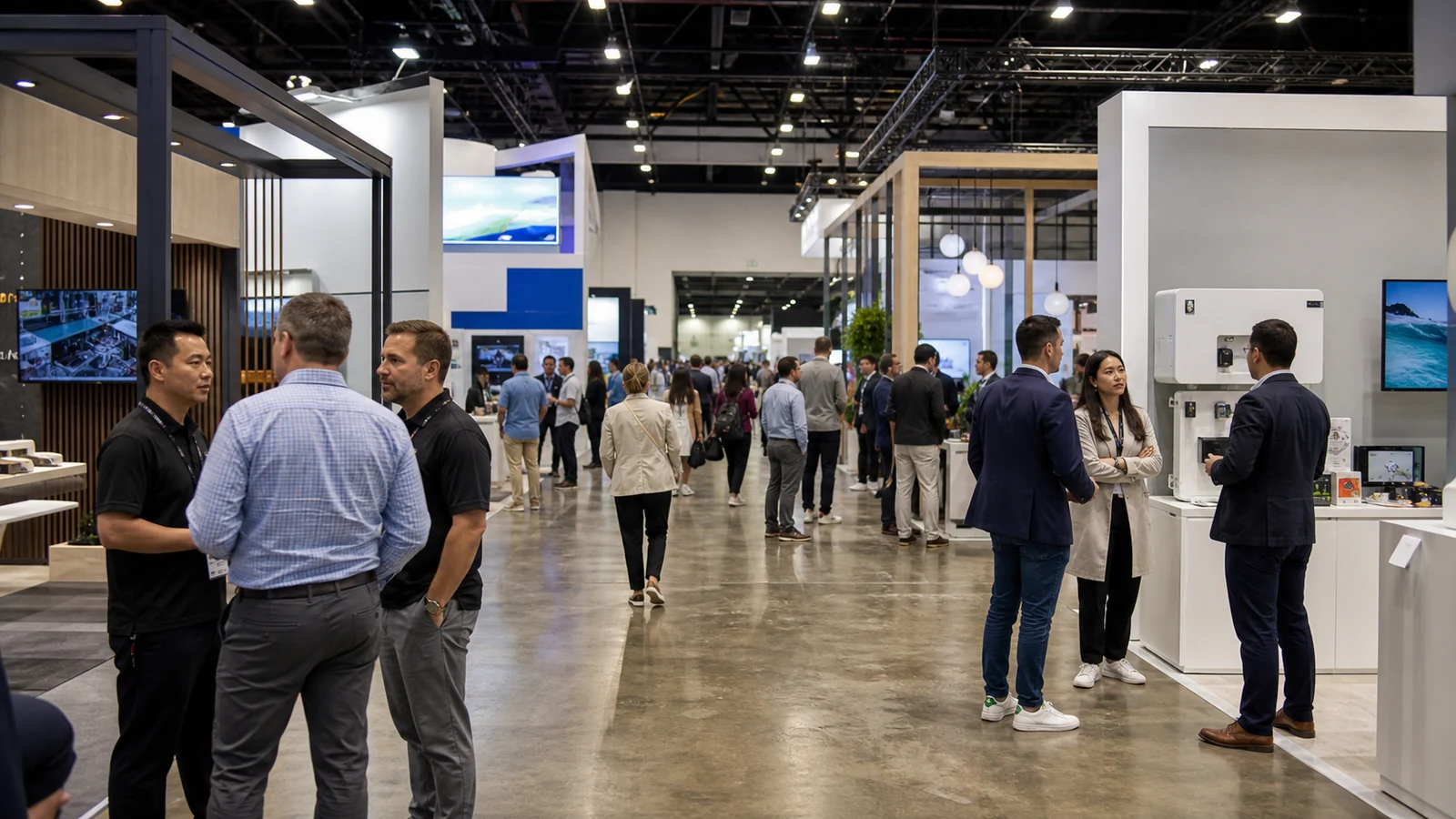
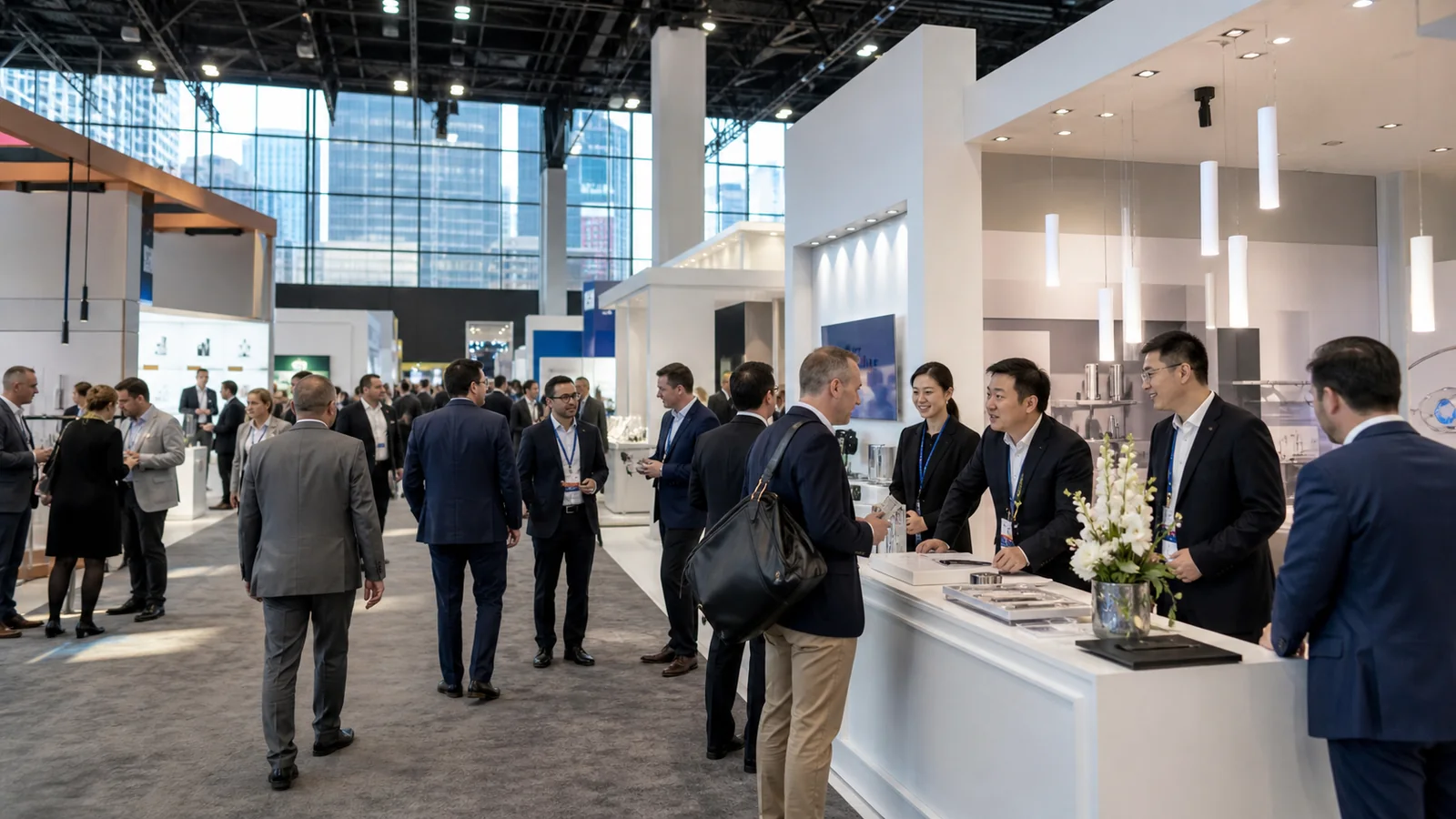
The Los Angeles Auto Show puts one brand in front of two very different rooms. AutoMobility LA is a one-day media and industry program; the public show then runs for ten days with car shoppers, enthusiasts, families, and creators moving through the convention center. If you are considering an exhibit, the useful question is not simply whether the event is large. You need to decide which audience can complete the action your campaign needs.
This guide starts with the current 2026 event facts, separates confirmed information from 2025 material still visible on the official site, and shows you how to choose an industry-day, consumer, or combined presence without treating traffic as guaranteed business.
What Is Confirmed for the 2026 Los Angeles Auto Show?
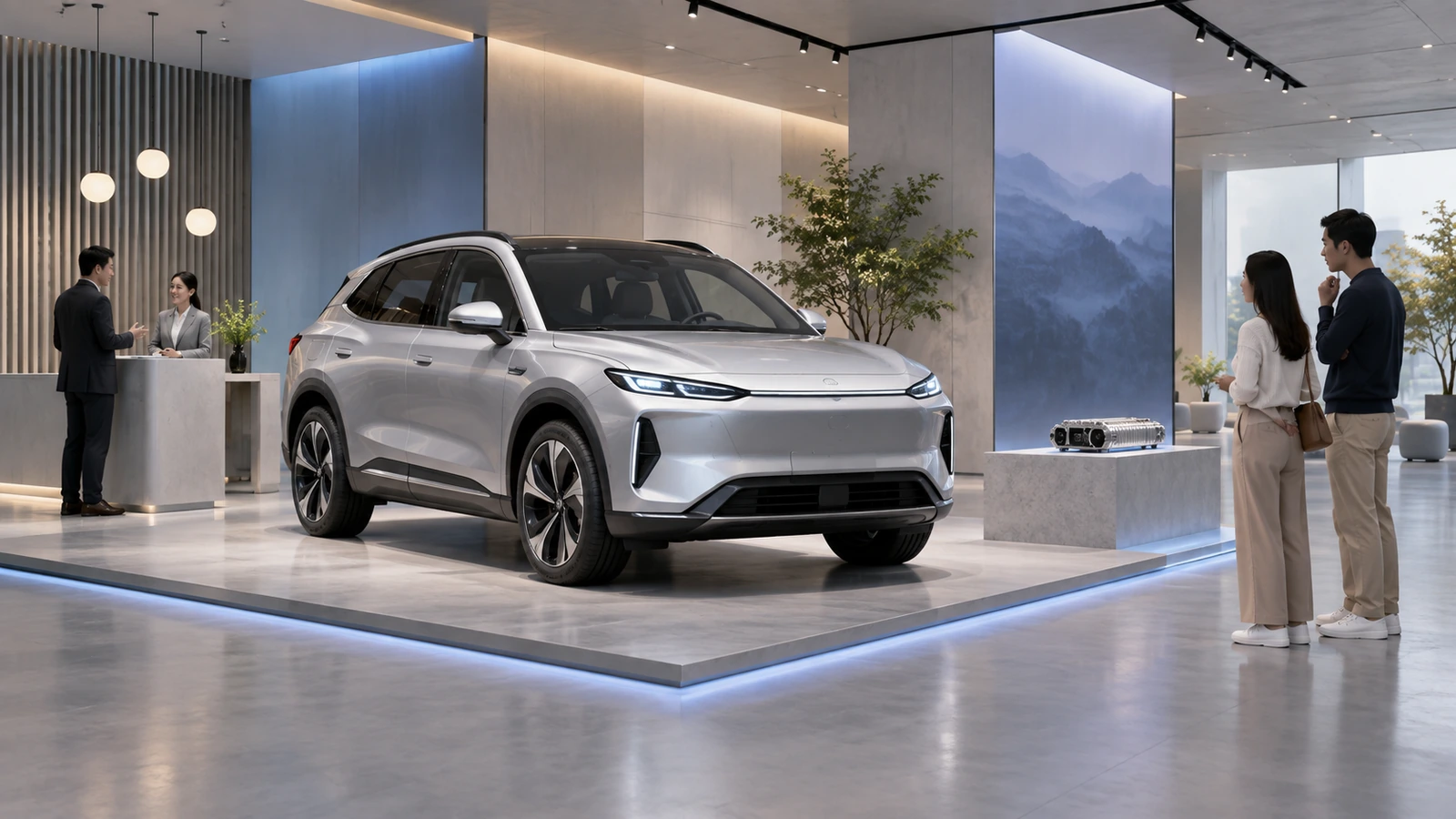
The organizer lists the public Los Angeles Auto Show for November 20-29, 2026, at the Los Angeles Convention Center, 1201 S Figueroa St, Los Angeles, CA 90015. The official ticket route is live, and the current visitor page publishes the following hours. The organizer marks the schedule as subject to change, so check it again before travel or staffing is locked.
| Date | Public hours currently posted |
|---|---|
| Friday, November 20 | 9 a.m.-10 p.m. |
| Saturday, November 21 | 9 a.m.-10 p.m. |
| Sunday, November 22 | 9 a.m.-9 p.m. |
| Monday, November 23 | 11 a.m.-7 p.m. |
| Tuesday, November 24 | 11 a.m.-7 p.m. |
| Wednesday, November 25 | 11 a.m.-7 p.m. |
| Thursday, November 26 | 9 a.m.-4 p.m. (Thanksgiving) |
| Friday, November 27 | 9 a.m.-10 p.m. |
| Saturday, November 28 | 9 a.m.-10 p.m. |
| Sunday, November 29 | 9 a.m.-6 p.m. |
AutoMobility LA takes place one day earlier, on November 19, 2026, at the same venue. It is the show's media and industry day, not an extra public admission day. The organizer reviews industry applications, and an AutoMobility credential does not provide admission during the public show.
That distinction affects your staffing, message, demonstration, and lead plan. A journalist looking for a launch story and a family comparing vehicles on a Saturday may stand in the same physical display, but they are not asking the same question.
What Kind of Event Is It?
The LA Auto Show combines an automotive media/industry preview with a long consumer auto show. The public side is built around new vehicles, comparison shopping, test drives and ride experiences, car culture, special exhibits, and entertainment. It is not a trade-only supplier fair, and the size of the crowd does not prove access to purchasing engineers, OEM sourcing teams, fleet buyers, dealers, or distributors.
AutoMobility LA creates a narrower professional setting. The organizer describes it as a place for automakers, technology companies, designers, developers, startups, investors, dealers, government officials, analysts, journalists, and other industry professionals. Applications and credentials remain subject to show-management review, so an automotive connection is not automatic admission or a guarantee that the exact decision-makers you want will attend.
Treat the event as two connected marketing opportunities:
| Part of the event | What the audience is doing | A realistic brand objective |
|---|---|---|
| AutoMobility LA, November 19 | Following news, products, technology, policy, and industry relationships | Earn relevant coverage, brief partners, demonstrate a defensible innovation, or hold pre-arranged meetings |
| Public show, November 20-29 | Exploring vehicles and products, comparing options, trying experiences, and enjoying car culture | Let consumers understand or experience the offer, collect qualified interest, and direct people to a dealer, retailer, installer, or follow-up path |
| Both | Moving from industry explanation to repeated public interaction | Launch one story with separate proof, staffing, and calls to action for professional and consumer audiences |
If your only goal is to meet a short list of B2B buyers, ten public days may be an expensive way to solve the wrong problem. If your offer becomes persuasive only when people see, sit in, test, or compare it, the consumer run may be the stronger part of the event.
What Does the Latest Audience Evidence Actually Tell You?
The organizer's 2025 recap provides useful context, but it is a retrospective sales document, not a promise for 2026. It reports more than one million square feet of experiences and hundreds of thousands of public visitors. For the 2025 AutoMobility day, it reports more than 11,000 attendees, more than 2,000 credentialed media, and representation from 35 countries.
The same recap says 68% of surveyed visitors intended to purchase or lease a vehicle within 24 months. Among those 24-month intenders, 49% added at least one brand to their consideration list after visiting. It also reports that more than 150,000 people experienced a vehicle in motion across tracks involving 52 models from 20 brands, and 35% said the ride or drive made them more likely to consider a specific brand.
These numbers support one clear conclusion: comparison and experience are central to the show's consumer value. They do not establish what your booth will deliver. Before you use attendance or purchase-intent figures in a budget case, ask for the newest audience study, its sample and definitions, and the segment that matches your target. Then define a result you can measure without claiming that exposure caused a sale.
Which Brands Have a Credible Reason to Exhibit?
A strong fit starts with a product or story that becomes clearer in person. That may be a vehicle launch, a mobility technology people can experience, an automotive product with visible proof, or a car-culture brand that belongs in the community represented on the floor.
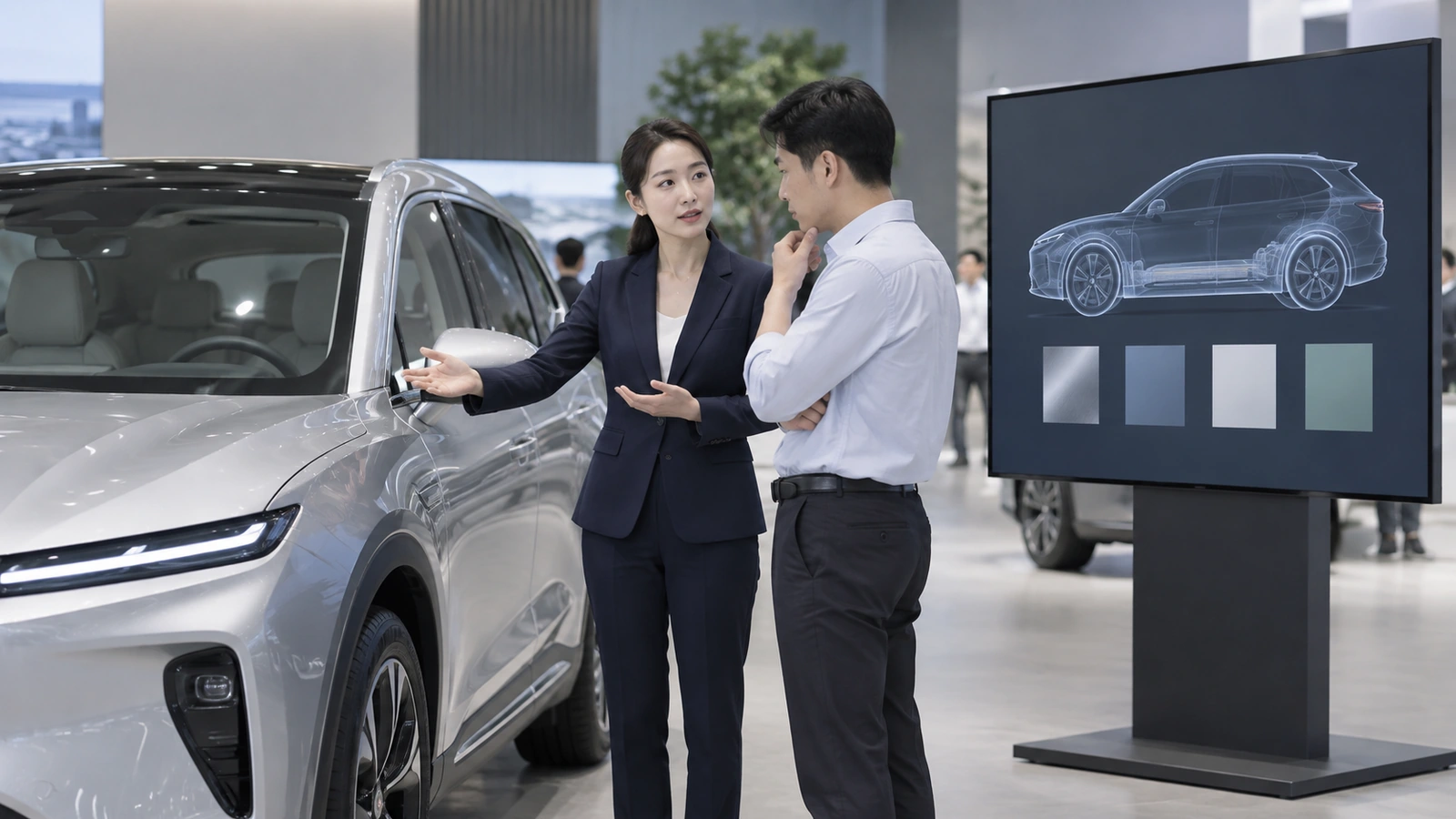
Use the campaign objective, not the company category, to judge the event:
| Your proposed objective | Initial fit | What must be true before you proceed |
|---|---|---|
| Launch a vehicle or major automotive product to media and consumers | Potentially strong | You have a newsworthy claim, approved proof, appropriate placement, and a plan for both audience phases |
| Demonstrate charging, connected-car, safety, autonomy, fleet, or mobility technology | Potentially strong for AutoMobility LA | The professional audience and demonstration permissions match the people and proof you need |
| Let shoppers compare an accessory, protection product, or ownership service | Plausible for public days | A visitor can understand fit, evidence, and the next step in a short interaction |
| Reach custom-car builders, tuners, creators, or enthusiasts | Plausible in the right zone | The organizer accepts your product and your activation fits The Underground or another current placement |
| Secure confidential OEM sourcing or engineering meetings | Usually weak as a walk-up public strategy | You have pre-arranged meetings and evidence that the relevant professionals will be present |
| Build broad awareness with no defined visitor action | Weak | Replace awareness alone with a measurable action and follow-up owner before requesting space |
The phrase “automotive brand” is not a strategy. Write one sentence that a useful visitor should be able to complete after the interaction: “This product is relevant to my vehicle or work because ___, and my next step is ___.” If the display cannot create that clarity, a larger footprint will not fix it.
Should You Choose AutoMobility LA, the Public Show, or Both?
Choose AutoMobility LA first when your campaign depends on a launch, analyst or media explanation, industry partnership, policy discussion, fleet story, or technical demonstration that would be diluted in a public conversation. Verify credentialing, program availability, access hours, and any press or speaking opportunity in writing; do not assume that buying exhibit space produces editorial attention.
Choose the public show first when a shopper or enthusiast can see meaningful evidence and take a practical next step. The ten-day run creates repeated exposure, but it also increases staffing, replenishment, cleaning, maintenance, and lead-routing demands. A public activation must continue working after the launch team and senior executives have left.
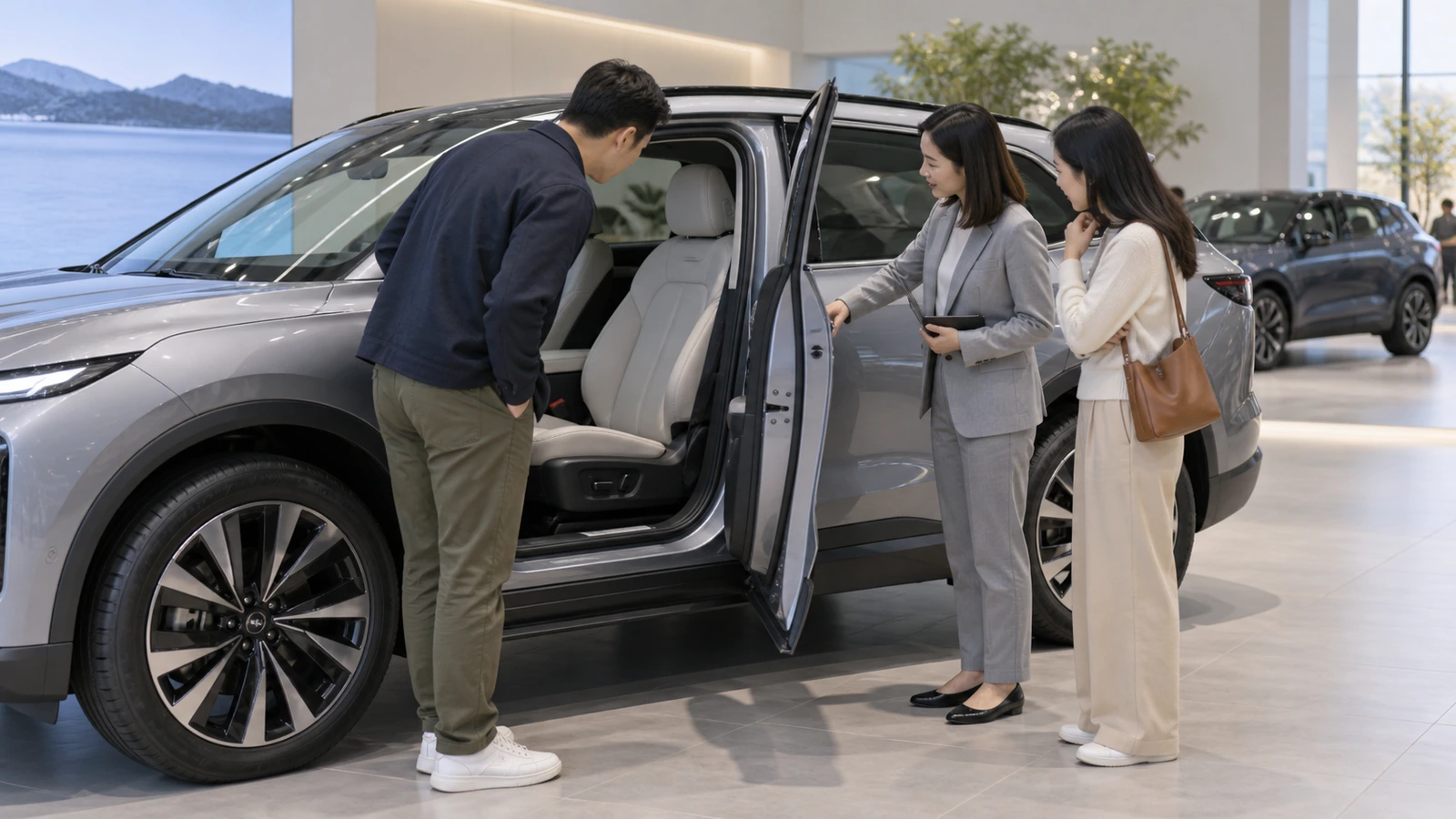
Choose both only when one physical environment can support two deliberately different conversations. Keep the main visual promise consistent, then change the proof and action:
- on industry day, give media and professional visitors a concise claim, qualified spokesperson, evidence, interview path, and scheduled meeting option;
- on public days, make the product understandable without a long presentation and route interest to a test, fitment check, local partner, retailer, or permission-based follow-up;
- in the lead system, tag audience type and requested next step so industry contacts are not buried in consumer scans.
Skip or defer the event when the audience case depends on assumptions, your demonstration cannot be confirmed, or the total cost is being justified only by the organizer's overall attendance.
Where Could Your Activation Fit?
The current exhibitor page promotes several types of space rather than one standard booth product. Main halls are described as more than 500,000 square feet for major automaker and large-brand displays. The organizer also markets atriums and a terrace for technology, startup, performance, lifestyle, and hero-vehicle installations; The Underground for custom-car culture; exterior plazas for vehicles and live demonstrations; and separate event, test-drive, advertising, and sponsorship opportunities.
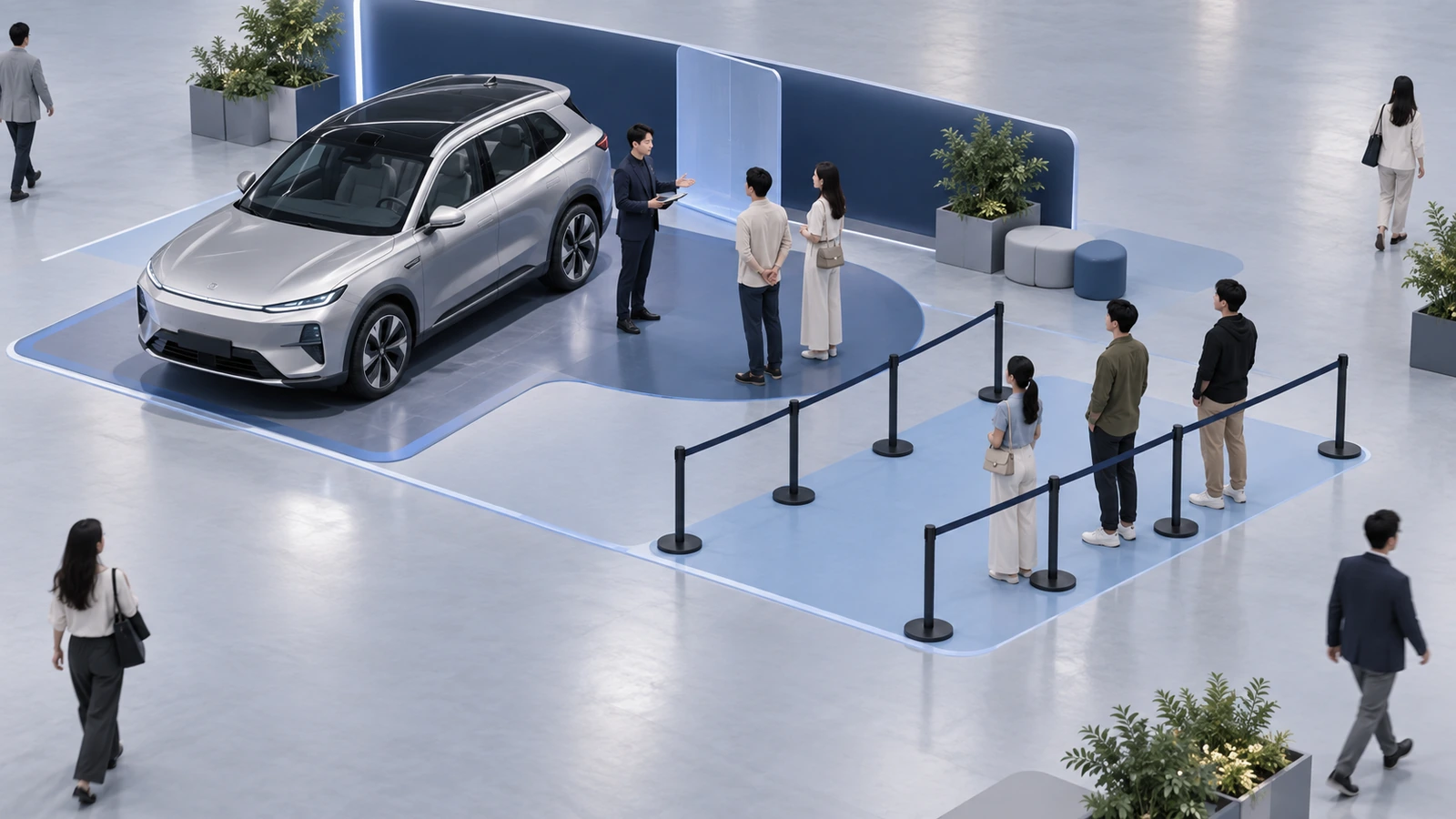
These descriptions are a menu for inquiry, not a current inventory list. They do not tell you which locations remain available, what each costs, whether your company qualifies, or what the package includes.
Match the location to the visitor action before you discuss square footage. A vehicle reveal may need controlled sightlines, media access, backstage holding, and a fast reset. A test-drive program depends on route, queue, eligibility, waivers, cleaning, charging or fueling, and weather operations. An aftermarket demonstration may need a close view, fitment information, secure product storage, and a way to prevent the display vehicle from becoming a photo prop that hides the product.
Which 2026 Details Are Still Not Ready to Use?
No complete public 2026 exhibit agreement, space-rate sheet, exhibitor manual, service portal, contractor list, freight schedule, or technical-rule package was found in the pages reviewed for this article. This does not mean the documents do not exist. It means your team must obtain the current package directly from show management and verify the edition printed inside every file.
The practical status is strong enough to evaluate the event, but not strong enough to release a build. You can define audience, story, demonstration, staffing model, and budget boundary now. Assigned space, show services, engineering, vehicle operations, shipping, and installation should remain conditional until the organizer supplies the controlling documents.
What Should You Get in Writing Before You Commit?
Send show management a brief description of the company, product, proposed vehicle or demonstration, preferred event phase, and intended visitor action. Then request written answers for:
- company, product, and activity eligibility;
- available space or activation type, usable dimensions, open sides, location, and audience access;
- space fee, sponsorship or activation price, deposits, cancellation terms, and included deliverables;
- current floor plan, agreement, exhibitor manual, service portal, deadlines, and official providers;
- AutoMobility and public-day access, credentials, staff allocations, and pre-opening hours;
- vehicle move-in, key control, battery or fuel condition, charging, cleaning, floor protection, and test-drive rules;
- power, internet, sound, lighting, hanging elements, structure, fire review, accessibility, and demonstration approval;
- freight route, advance warehouse, direct-to-show windows, material handling, installation labor, EAC process, empty storage, move-out, and return freight;
- lead capture, photography, filming, sampling, onsite transactions, privacy, and data-use rules; and
- the newest audience report plus the definition and source of any number used in your internal business case.
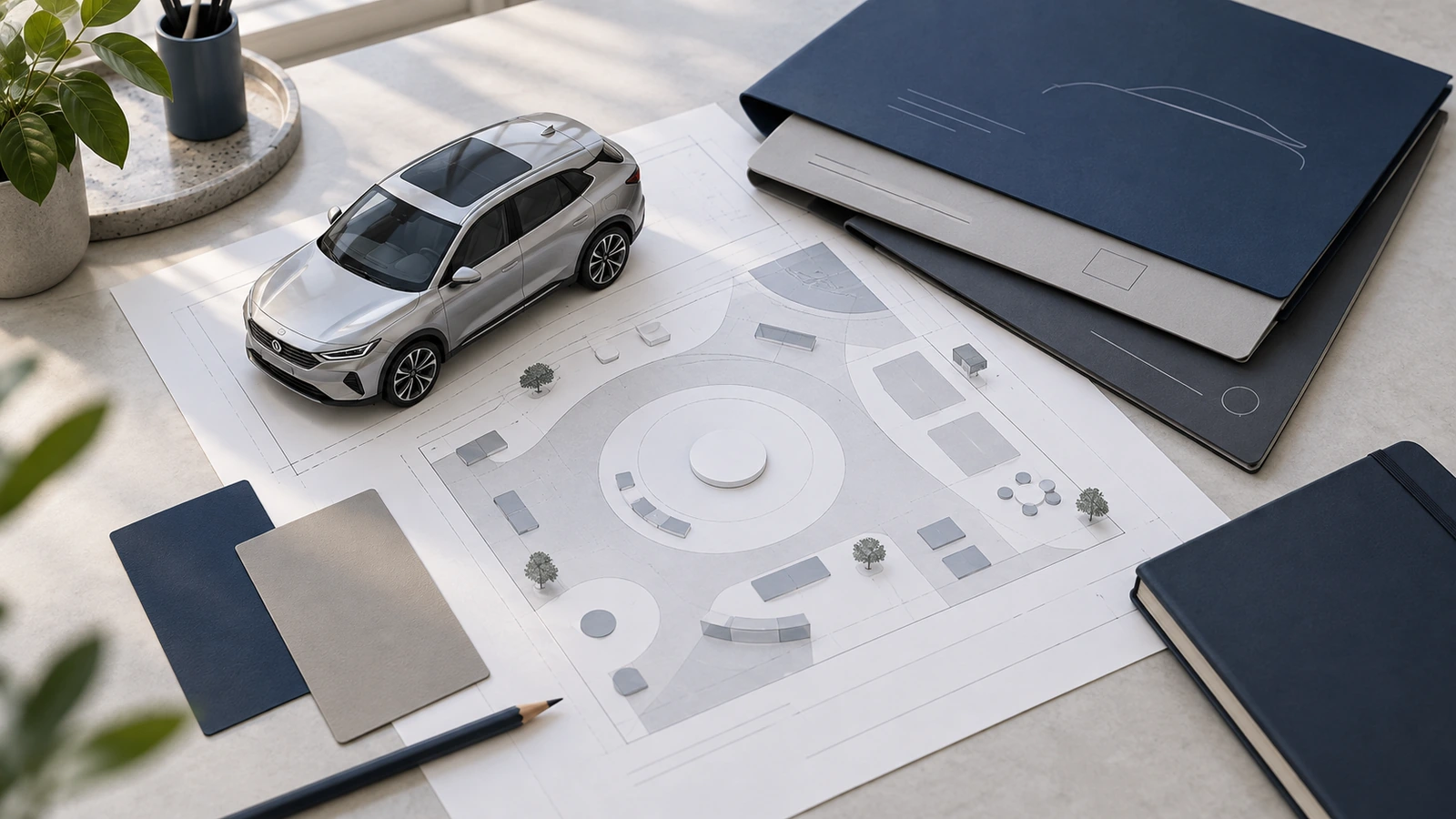
Keep the organizer's scope separate from the exhibit partner's scope. Show management controls acceptance, space, event credentials, and show rules. The venue and appointed providers may control specific building or service work. An exhibit partner can turn the confirmed package into a design and execution plan, but it cannot invent permission or override another party's authority.
What Should Your Exhibit Brief Contain?
Give your internal team and exhibit partner one short brief before concept work expands. Include:
- the event phase you selected and the reason;
- the single primary audience for each phase;
- the claim you can substantiate and the evidence a visitor can see;
- the vehicle, product, demonstration, dimensions, weight, power, network, heat, sound, motion, and staffing needs;
- the visitor action, lead fields, consent language, follow-up owner, and response time;
- confirmed space, official documents, deadlines, service responsibilities, and open approvals;
- approved brand assets, spokesperson or product-specialist availability, content capture, and daily reset plan; and
- budget boundary separated into space or sponsorship, exhibit, show services, logistics, staffing, travel, and contingency.
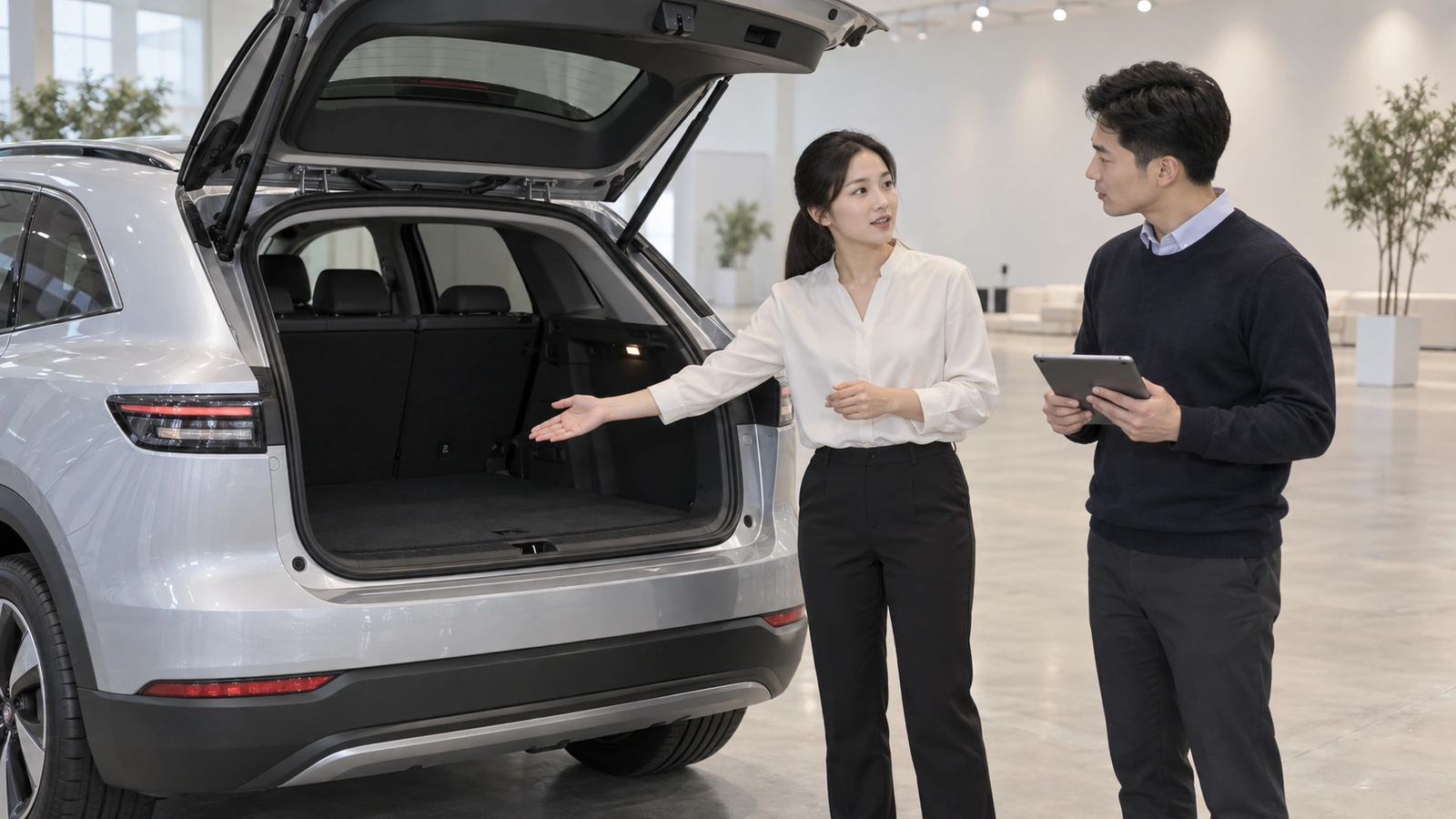
This brief prevents a common failure: designing a dramatic vehicle display before deciding what the visitor should learn or do. At this show, the experience has to survive both a fast media conversation and hours of repeated public use if you choose a combined program.
Sources to Recheck Before Booking or Publishing
- Official LA Auto Show homepage
- 2026 visitor dates, hours, and access information
- AutoMobility LA 2026 overview
- AutoMobility LA credential FAQ
- Current exhibitor opportunities
- Official automotive-brand status page
- Official floor-plan status page
- Organizer's 2025 show recap
Frequently Asked Questions
Can You Transfer an AutoMobility LA Credential to a Colleague?
No. The organizer's credential FAQ says credentials cannot be transferred; your replacement colleague must register separately. If you need backup coverage for an interview or partner meeting, arrange that person's registration before the event. A badge assigned to someone who cannot attend does not give the replacement access.
How Much Is Parking at the LA Convention Center?
The convention center's current parking page lists flat rates of $35–$45, depending on the event and location, with no re-entry. The LA Auto Show visitor page gives a lower $25–$35 estimate, so confirm the rate for your dates before fixing the crew budget. If you drive each day, budget by vehicle and entry, and check that garage hours cover the final shift. Obtain separate instructions for loading-dock access or overnight vehicle storage; ordinary parking payment does not establish either arrangement.
Does Your Production Crew Need Approval to Film at AutoMobility LA?
Yes. Show management reviews requests to use the floor for live or recorded productions individually. Before you book a crew, submit the proposed load-in and filming schedule, equipment, requested shots or interviews, planned airdate, expected viewership, and other production needs. Get the response before you promise a filming location or access time to the crew.
What Lead Information Should an Automotive Activation Collect?
Collect only data that changes the next conversation. Depending on the offer, that may include consumer or industry status, vehicle make/model/year, use case, product interest, purchase timing, dealer or territory, requested test or meeting, consented contact details, and follow-up owner. A badge scan without the visitor's context and agreed next step is traffic data, not a qualified lead.
Can an Overseas Brand Ship a Display Vehicle Directly to the Convention Center?
Do not ship until the current exhibitor package identifies the receiving route, dates, labels, carrier process, vehicle move-in, and responsible contractor. Your plan may also need customs release, temporary import or permanent-entry decisions, insurance, local registration or road-use limits, battery or fuel instructions, keys, cleaning, empty-container handling, and return freight. Confirm each responsibility with the appropriate licensed or official party.
Final Thoughts
The Los Angeles Auto Show is most useful when you treat AutoMobility LA and the public run as two audiences, then choose the part that can produce a specific, measurable visitor action. The 2026 dates and venue are current, but the final brand list, floor plan, commercial package, and operating rules still need document-level verification before production.
KingExhibits can help turn your confirmed space, audience choice, product or vehicle, demonstration, and official show documents into a practical exhibit scope. Send those inputs with your budget boundary and open approvals so the first design discussion starts with the real event, not assumptions.