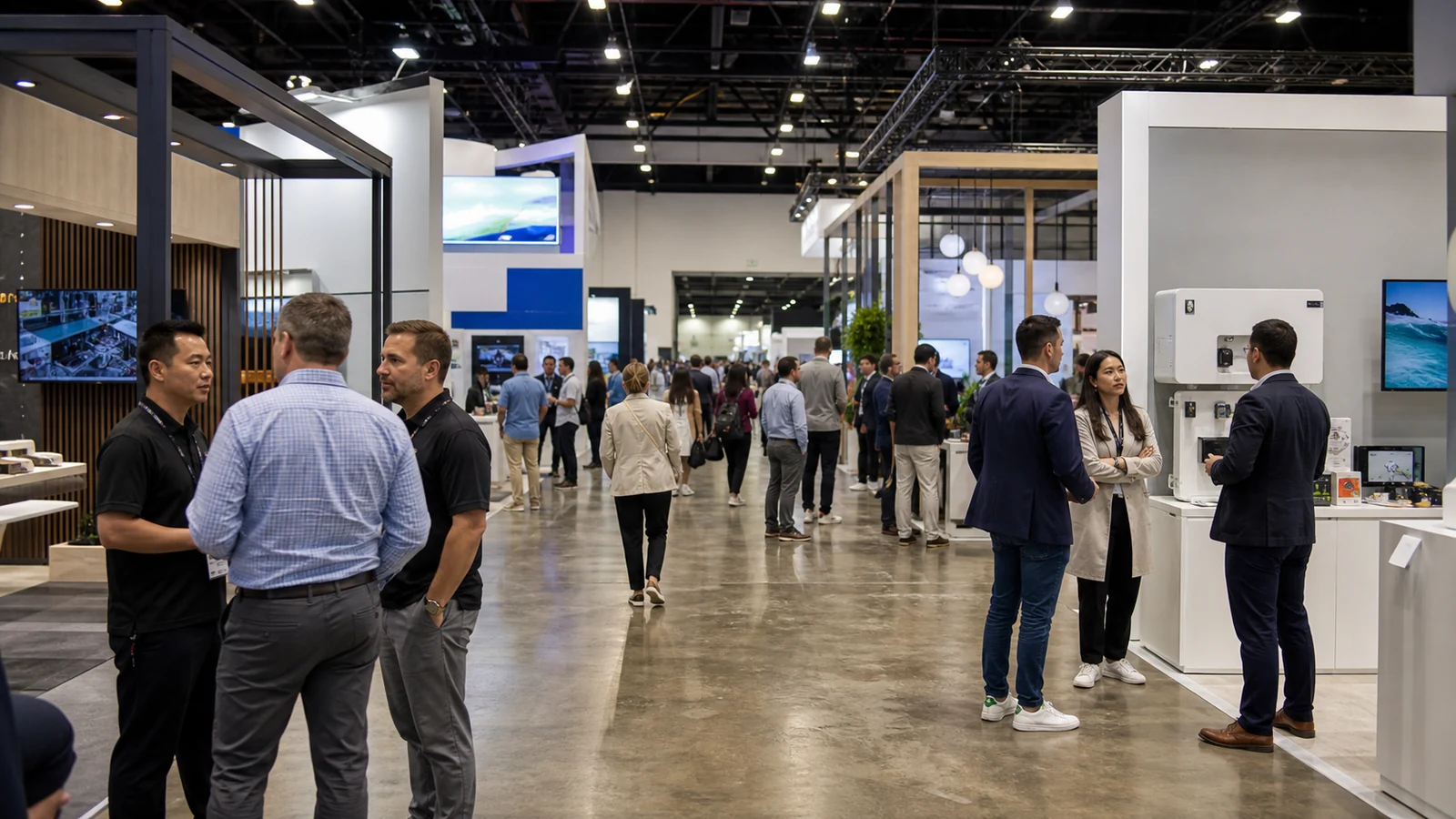
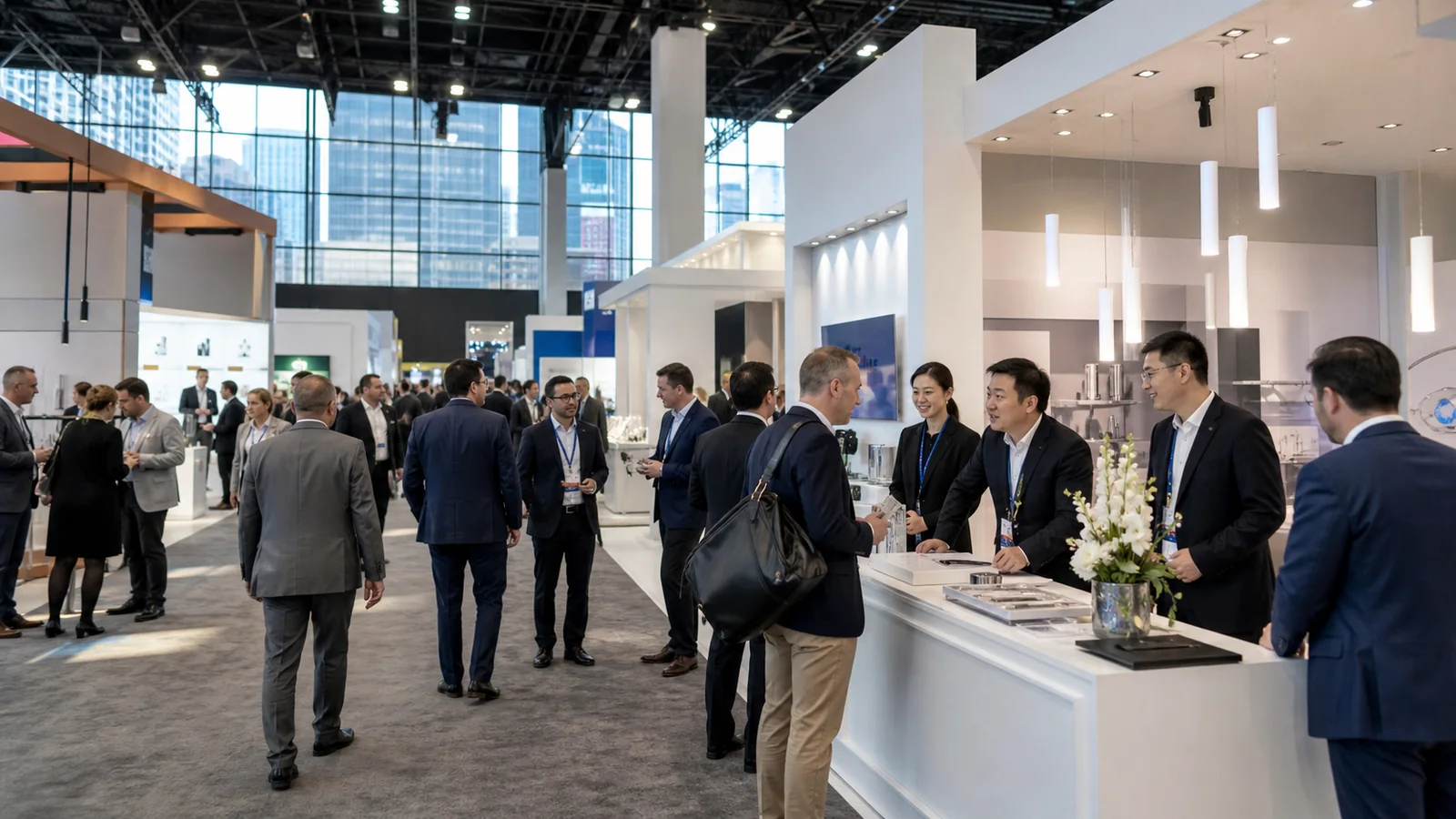
Pacific Marine Expo can put a marine supplier in a room with people who work on, own, build, repair, and operate commercial vessels. That does not make the show an automatic fit. Before you reserve space, you need to confirm that your offer belongs on this floor and that your team can turn a short conversation into a useful technical or commercial next step.
This guide explains the 2026 event, its new Seattle venue, published exhibit costs, audience signals, and the questions you should answer before committing to a booth. For later city dates, compare our 2027 Seattle trade show calendar.
What Is Pacific Marine Expo in 2026?
Pacific Marine Expo is a trade-only event for the commercial fishing and commercial marine industry. Diversified Communications operates the event, which is presented by National Fisherman. The organizer describes it as the West Coast's largest and longest-running commercial fishing and commercial marine trade show. Treat that description as the organizer's positioning, not as proof of the traffic or sales your booth will receive.
The 2026 edition runs from November 19 through November 21 at the Seattle Convention Center Arch Building. The show is moving downtown after being held at Lumen Field Event Center. That venue change is easy to miss because older Lumen Field listings and 2025 logistics pages still appear in search results.
| 2026 fact | Current official information | What it means for your plan |
|---|---|---|
| Dates | November 19-21, 2026 | Build your travel, freight, and staff plan around the current edition, not an older November schedule. |
| Venue | Seattle Convention Center Arch Building | Do not reuse Lumen Field loading, parking, or service assumptions. |
| Address | 705 Pike St., Seattle, WA 98101 | Confirm the correct delivery and exhibitor-access addresses in the service kit; do not assume the public entrance is the freight destination. |
| Exhibit-floor hours | Thursday and Friday, 10:00 a.m.-5:00 p.m.; Saturday, 10:00 a.m.-2:00 p.m. | The last day is shorter, so your most demanding demonstration should not depend on Saturday traffic alone. |
| Access | Industry and trade professionals only | Your message can be technical and commercial; it does not need to explain the marine industry to a general consumer. |
The organizer's Pacific Marine Expo schedule is the strongest current source for floor hours. These are the current exhibit-floor hours; registration and special-event times differ. The older event-information page still contains legacy dates and Lumen Field parking details, so it should not control your 2026 operating plan.
Pacific Marine Expo registration is separate for attendees and exhibitors. An attendee registration does not reserve exhibit space; an exhibitor needs a current space offer and contract from the organizer.
Is the Audience a Match for Your Offer?
The official audience spans commercial fishermen, vessel owners and operators, passenger and charter operators, shipyards, commercial boat builders, seafood processors, port officials, engineers, harbormasters, marina operators, marine surveyors, and government or military buyers. The exhibitor categories include boatbuilding and repair, fishing gear, navigation and communications electronics, deck machinery, hardware, safety and survival equipment, electrical systems, propulsion, and fish-finding electronics.
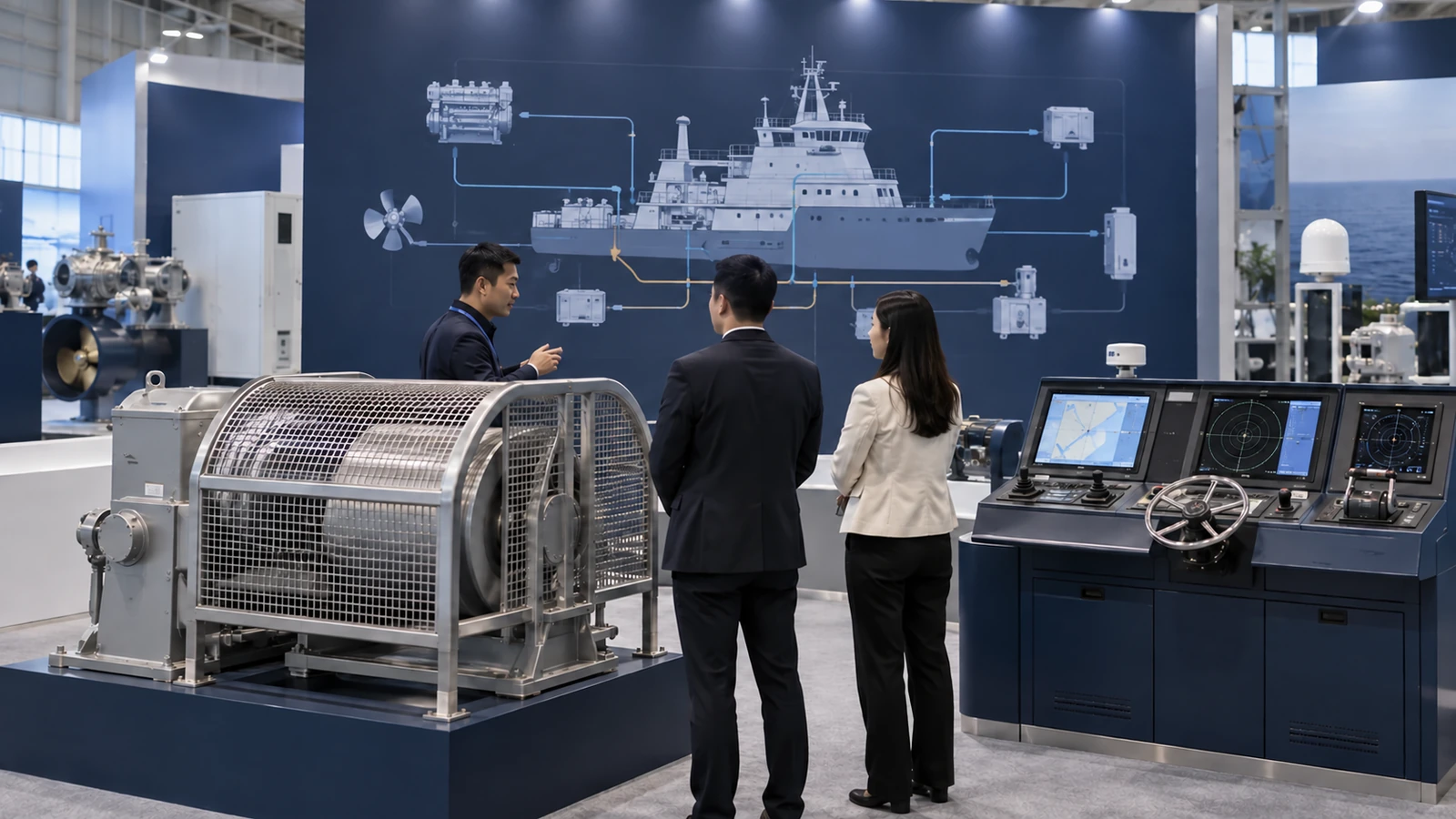
That range is broad, but it is not random. Most visitors share a working-vessel context. Your first test is whether a person responsible for a vessel, fleet, yard, port, or fishing operation can quickly connect your offer to a job they already need to do.
The organizer's 2026 prospectus reports that 88% of surveyed visitors are involved in purchasing for their company, 87% found new products or companies, and 79% planned to make a purchase as a result of attending. Those are useful audience-quality signals, but the published PDF does not give a response base in the extracted data. They do not tell you how many qualified conversations your category will receive.
Start with your sales records, not the event's adjectives. If your strongest customers already include commercial vessel operators, fishing businesses, shipyards, processors, ports, or marine-service companies in the Pacific and Alaska markets, the audience deserves serious consideration. If your offer is mainly for recreational boat owners, unrelated seafood buyers, or consumers, the event name alone should not persuade you to exhibit.
What Does the New 2026 Venue Change?
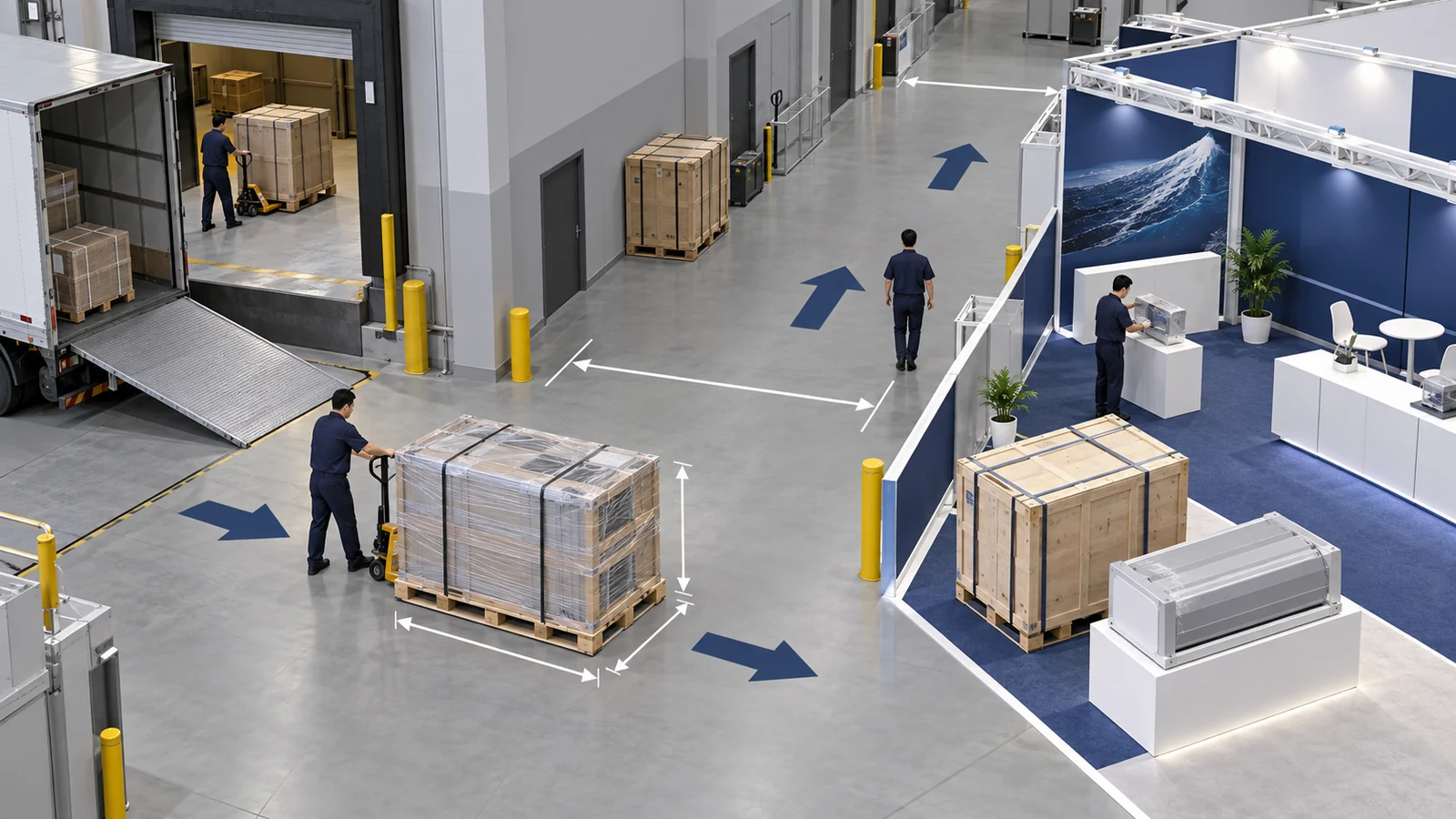
For an exhibitor, the useful conclusion is narrower: a new building means your old operating assumptions need a fresh check. A booth that worked at Lumen Field may still fit visually while failing on the new loading route, elevator or dock access, floor-loading approval, rigging point, storage plan, or move-in sequence.
Before you release a drawing or shipping label, obtain the current exhibitor service kit and confirm:
- the assigned booth number, dimensions, open sides, and neighboring spaces;
- the freight address, advance-warehouse option, direct-to-site window, and material-handling method;
- door, dock, elevator, aisle, and floor-loading limits for your largest packed or assembled item;
- power, internet, compressed air, water, drainage, rigging, and in-booth storage conditions;
- approval steps for machinery, batteries, fuels, fluids, heat, pressure, moving parts, or suspended elements; and
- move-in, inspection, show-ready, dismantle, and carrier-check-in deadlines.
Use the live Pacific Marine Expo floor plan to check current booth position and neighboring categories, but do not treat a visible space as reserved. The official 2026 preview confirms the Arch Building and 705 Pike address. It is not a substitute for the service kit, contract, or written approval of your actual exhibit.
What Does Exhibit Space Cost?
The 2026 exhibit-space contract, revised in May 2026, publishes tiered space rates.
| Contracted space | Published rate | Base-space example |
|---|---|---|
| 100-399 sq. ft. | $39.25 per sq. ft. | A 10-by-10-foot space is 100 sq. ft., so the arithmetic base is $3,925. |
| 400-699 sq. ft. | $37.25 per sq. ft. | A 20-by-20-foot space is 400 sq. ft., so the arithmetic base is $14,900. |
| 700+ sq. ft. | $35.25 per sq. ft. | A 700-sq.-ft. space has an arithmetic base of $24,675. |
These examples multiply the published area by the published rate. They are not quotes. The contract also lists $28 for each requested corner and $138 for each approved co-exhibitor. Location requests and co-exhibitors remain subject to organizer approval.
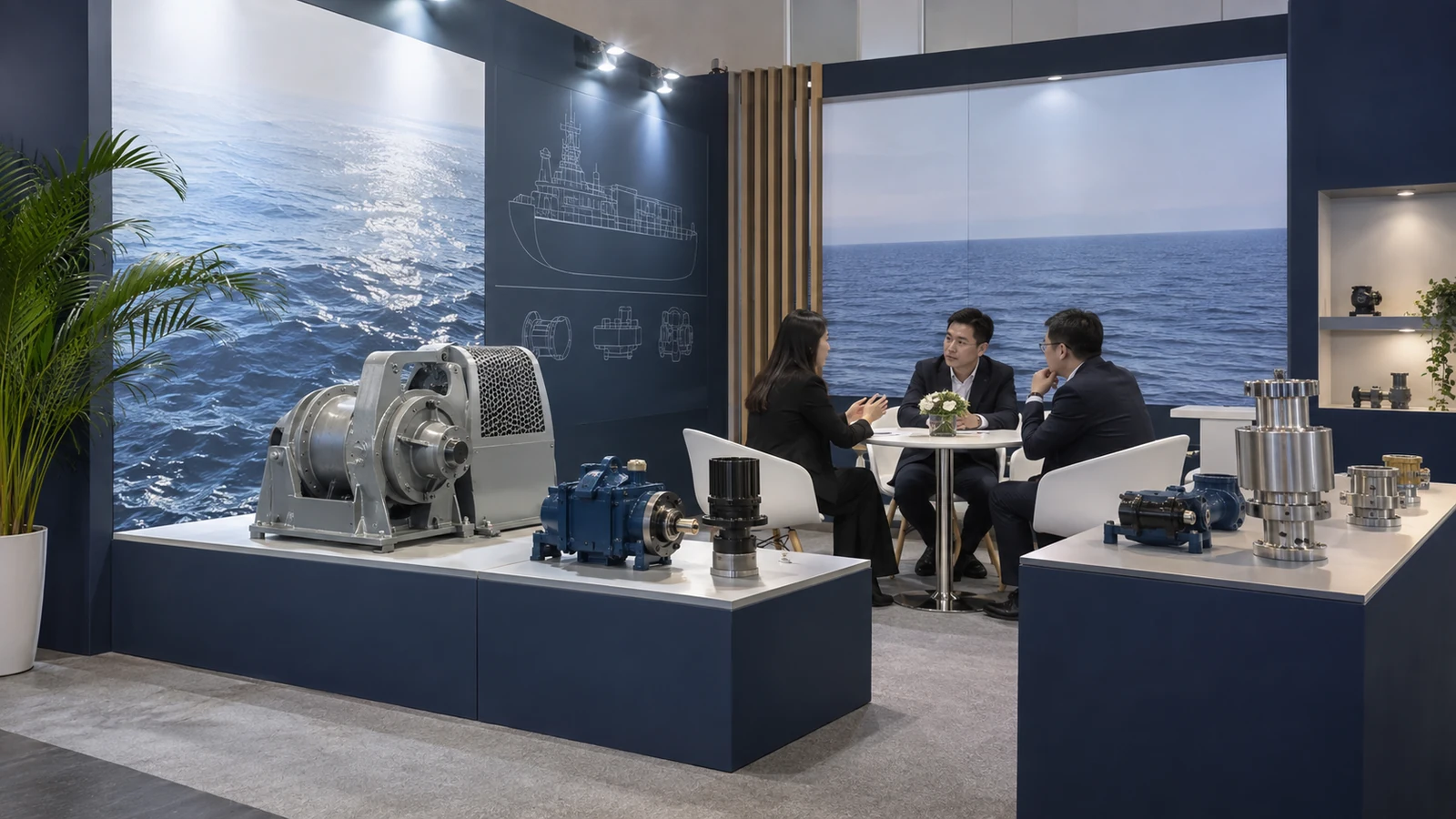
The contract says each booth includes an eight-foot back drape, three-foot side drape, identification sign, basic event-website listing, and five exhibitor badges per 100 square feet. Additional furnishings remain the exhibitor's responsibility.
Space is only the first budget line. The organizer's preliminary budget guide separates signage and furniture, material handling, electrical and lighting, food and beverage, audiovisual service, and internet or phone. It also warns that displayed figures are for budgeting, can change, and should not be used to place orders. Build the total from quoted show services, then add freight, packing, exhibit production, travel, accommodation, insurance, lead retrieval, graphics, and demonstration support that fall outside those orders before you compare the show with another channel.
Timing matters as much as price. The contract states that 50% is due upon invoice and shows July 22, 2026, as the balance deadline. It says contracts received after the full-balance date must be paid in full upon invoice. Because that date has passed, a new exhibitor should ask the organizer about current availability, how payment will be handled now, and the full amount due in writing before treating a booth as reserved.
What Must Your Booth Communicate to Commercial Mariners?
A visitor who works around vessels rarely needs another wall full of broad claims. The booth earns attention when the visitor can connect what is displayed to an operating problem, a technical requirement, or a purchasing decision.
Can a visitor understand the job your product does?
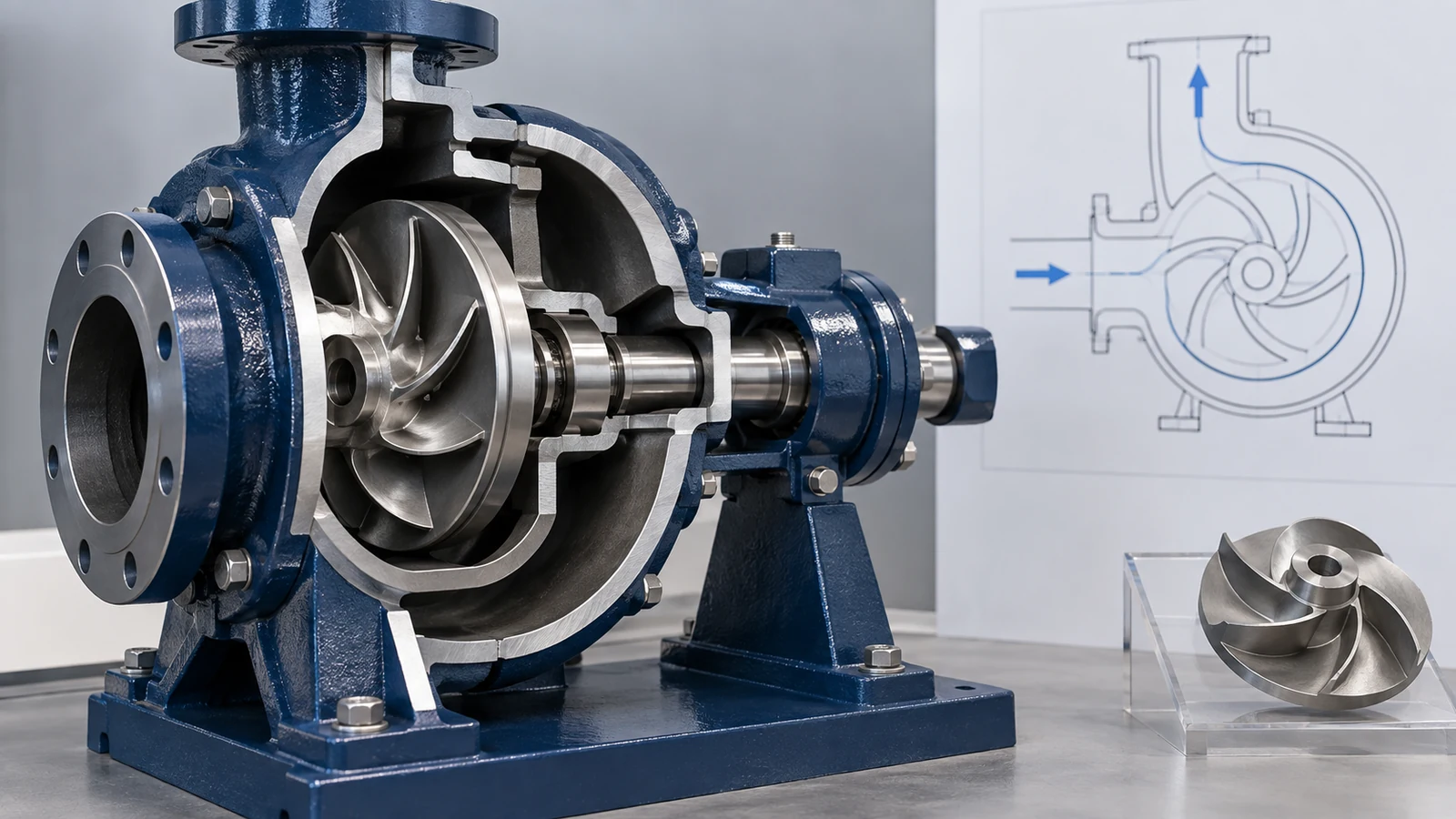
Lead with one recognizable job rather than your whole catalog. A propulsion component should show where it sits in the system and what input is needed to specify it. A safety product should make its operating condition and inspection evidence visible. An electronics display should help the visitor compare interface, installation, data, or workflow—not just watch a looping brand video.
If you cannot bring the full product, use a scaled section, cutaway, sample, working interface, or clear system drawing. The visitor should be able to point to something and ask a specific question. That is a stronger start than asking everyone to scan a code for the full catalog.
Can your team support a technical conversation without overpromising?
Decide who can answer fit, installation, compatibility, service, and lead-time questions. Give that person the relevant drawings, data sheets, certifications, test boundaries, and escalation path. If a claim depends on vessel type, operating area, duty cycle, or regulatory approval, state the condition instead of turning it into a universal benefit.
For complex equipment, write down which questions booth staff may answer and which require an engineer or formal review after the show. A qualified follow-up is better than an instant answer that your company must later retract.
Can you capture the information needed for a real follow-up?
Badge scans alone do not make a useful pipeline. Define the fields that distinguish interest from a project: vessel or facility type, current system, problem, location, timeline, decision stage, required proof, and next action. Collect only what your sales and technical teams will actually use.
Build the handoff before the exhibit ships. Assign an owner and due date for samples, technical calls, budget requests, distributor discussions, and long-term nurture. The show can create access, but your process determines whether the conversation becomes a decision.
How Should You Use the Three Show Days?
The exhibit floor is open seven hours on Thursday, seven hours on Friday, and four hours on Saturday. The official schedule also places education, networking, awards, and industry programming around those floor windows.
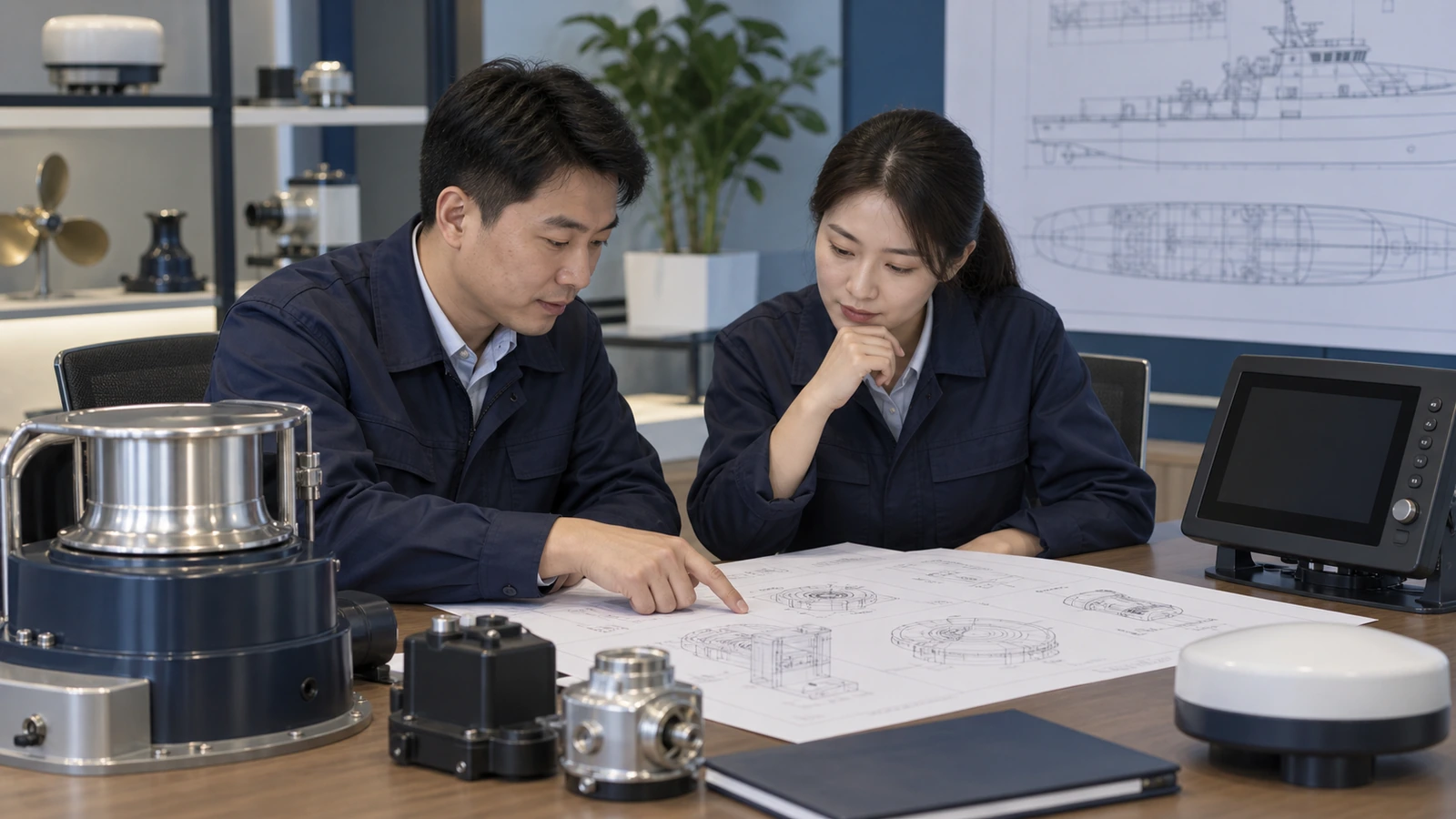
Use Thursday to test the message. Record which product, phrase, or demonstration starts qualified conversations and which questions stall the team. Make one small correction Thursday night—such as changing the visible application, sample order, or opening question—rather than rebuilding the exhibit.
Use Friday for the conversations that need more time. Schedule technical staff, channel partners, or existing customers when the visitor can inspect the product and compare notes. Avoid running a noisy or space-consuming demonstration without confirming the show rules and neighboring impact.
Saturday is shorter. Keep the booth complete, but shift the emphasis to final meetings, missing contacts, documented follow-ups, and packing discipline. Do not begin dismantling early unless the organizer allows it. The current show manual, not habit from another event, should control your closing procedure.
What Should You Confirm Before Signing or Releasing Production?
A useful approval file contains written answers, not assumptions carried from last year. Before you commit the full project, confirm these items with the organizer and the relevant service providers:
- Is your company and product category accepted, and is the requested space actually available?
- What booth number, dimensions, open sides, neighbors, and sightline conditions will you receive?
- What contract revision, deposit, balance, cancellation, relocation, and co-exhibitor terms apply now?
- Which items are included, and which must be ordered separately through the venue, general-service contractor, or another approved provider?
- What are the current freight, warehouse, material-handling, labor, utility, internet, cleaning, storage, and waste terms?
- Which drawings, certificates, insurance documents, licenses, permits, or demonstration approvals are required?
- What are the deadlines for booth approval, orders, exhibitor listing, badges, shipping, move-in, and show-ready inspection?
- Who owns each decision, payment, delivery, onsite correction, and post-show return shipment?
If one answer changes the footprint, power, shipping, or demonstration, hold the related production item until the answer is written into the brief. A rendering cannot resolve an unconfirmed service or approval condition.
Should You Exhibit, Attend First, or Wait?
Exhibit when the audience and proof already line up
Choose an exhibit when your offer matches a documented show category, your existing customers resemble the official audience, and your team can show a product, system, sample, or credible technical result that supports a specific conversation. You should also have a realistic total-cost range, a current written space offer, and named owners for logistics and follow-up.
Attend first when the market fit is promising but unproven
Attend without a booth when your company is exploring the Pacific commercial marine market, testing a new category, or unsure which visitor role owns the decision. Use the visit to map buyer language, competing approaches, demonstration standards, and recurring technical questions. Respect the organizer's trade-access and solicitation policies; an attendee badge is not a substitute for exhibit rights.
Wait when a missing fact can overturn the project
Pause if you do not have category approval, current space, a full budget, service-kit answers, safe demonstration conditions, freight feasibility, or enough qualified staff. Waiting is also reasonable when your offer serves a general consumer or recreational market with little connection to commercial vessel work. The cost of a weak fit is not only the booth invoice; it is the time your technical and sales teams cannot use elsewhere.
How Can KingExhibits Help You Prepare?
Once you have the organizer-controlled facts, KingExhibits can help turn them into a practical exhibit brief that separates confirmed inputs from open questions. Start with the current floor assignment, booth size and open sides, product dimensions and weights, demonstration method, proof materials, visitor action, storage need, utility requirements, freight plan, budget boundary, and reuse goal.
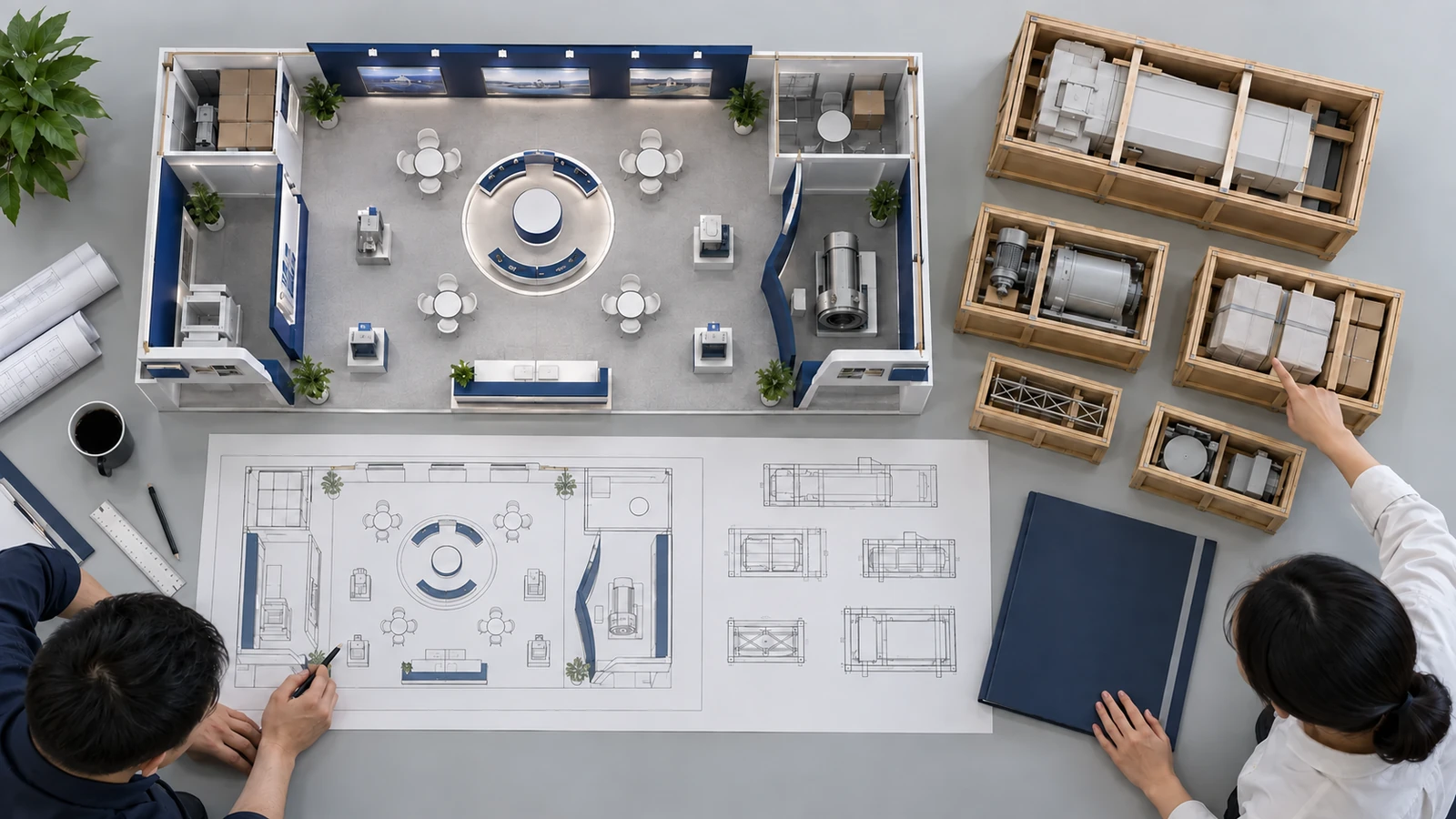
Ask for those inputs to appear in the scope and drawing review. The proposal should distinguish what is included, ordered from the show, coordinated with another provider, supplied by your team, or still awaiting written approval. That makes it easier to compare the design with the real 2026 conditions rather than with a generic marine-show rendering.
Pacific Marine Expo FAQ
Does Pacific Marine Expo sell attendee lists?
No. The Important Information section on the official homepage states that Pacific Marine Expo and its official vendors do not sell attendee lists under any circumstances. Companies offering those lists are not affiliated with the event. Build pre-show outreach from your own permission-based contacts, public exhibitor information, and organizer-approved marketing options.
Will the organizer provide a visa invitation letter?
The official FAQ says the organizer does not issue invitation letters for visa applications. It advises applicants to use their registration confirmation or exhibit contract, together with event promotional material. Immigration decisions remain with the relevant authorities, so an international exhibitor should plan the application timeline without expecting an exception from the show.
Is carpet required in a Pacific Marine Expo booth?
The current preliminary budget page says carpet is no longer required. Do not read that as permission to ignore the floor. Confirm the assigned hall condition, any protective covering needed for equipment, cable management, edge safety, cleaning, and the current exhibitor manual before you finalize the design.
How many people attend Pacific Marine Expo?
The organizer's 2026 attendee page says the event draws thousands of visitors, but the current official materials checked for this guide did not publish a precise absolute 2026 attendance forecast. Do not turn the organizer's survey percentages into a headcount. Ask for the latest projected attendance and any available evidence for your buyer category before using traffic in a return-on-investment model.
Final Thoughts
Pacific Marine Expo 2026 is a serious candidate when your offer solves a problem recognized by commercial fishermen, vessel operators, yards, ports, or marine-service teams—and when your booth can make that value inspectable. Confirm the Arch Building conditions, current space, full cost, and operational approvals before you release production.
Send KingExhibits your current space offer, product and demonstration details, required proof, utilities, freight plan, and budget boundary. Ask for a scope that shows what is confirmed, what is supplied by others, and what must stay on hold until the organizer answers.