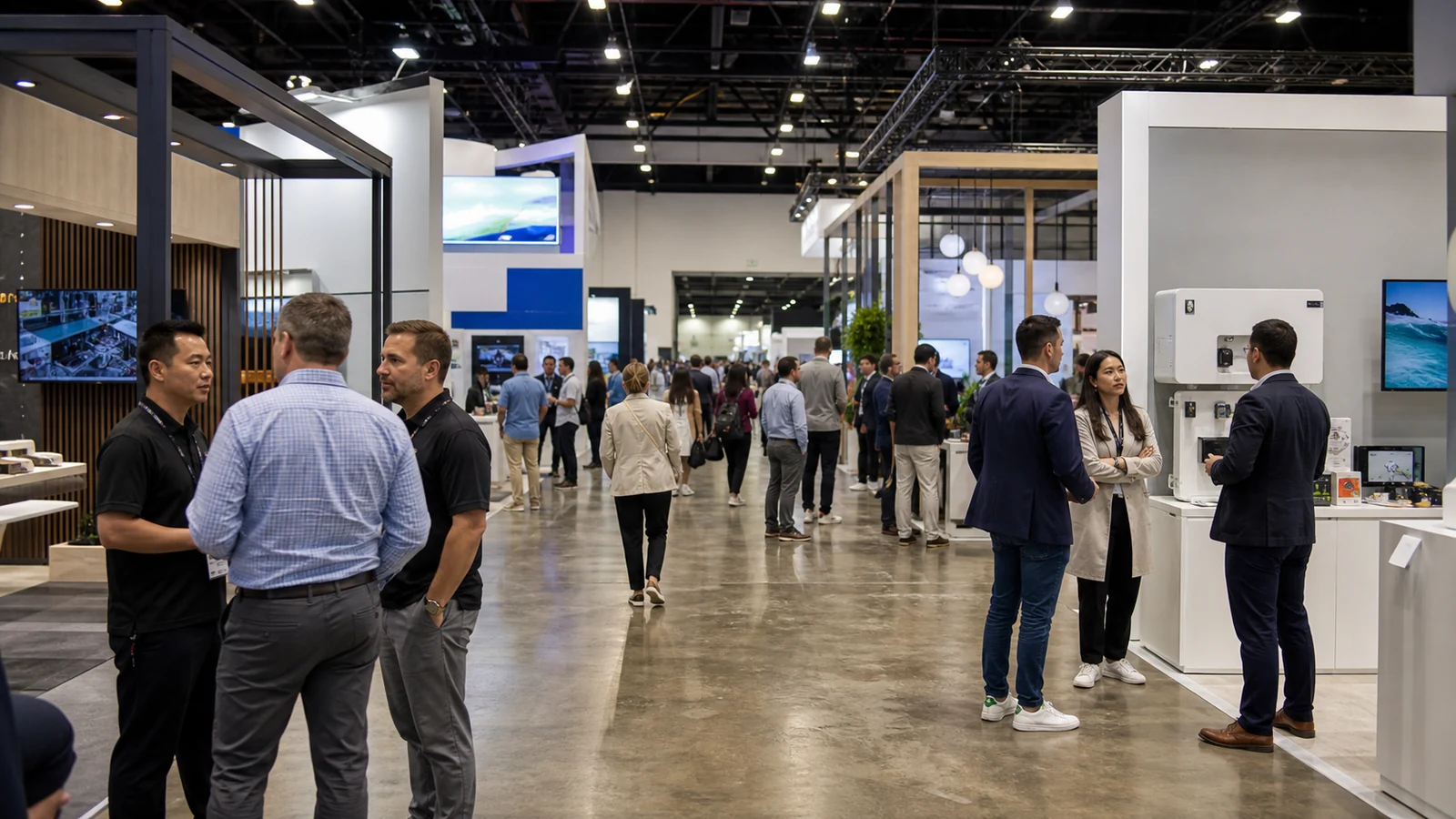
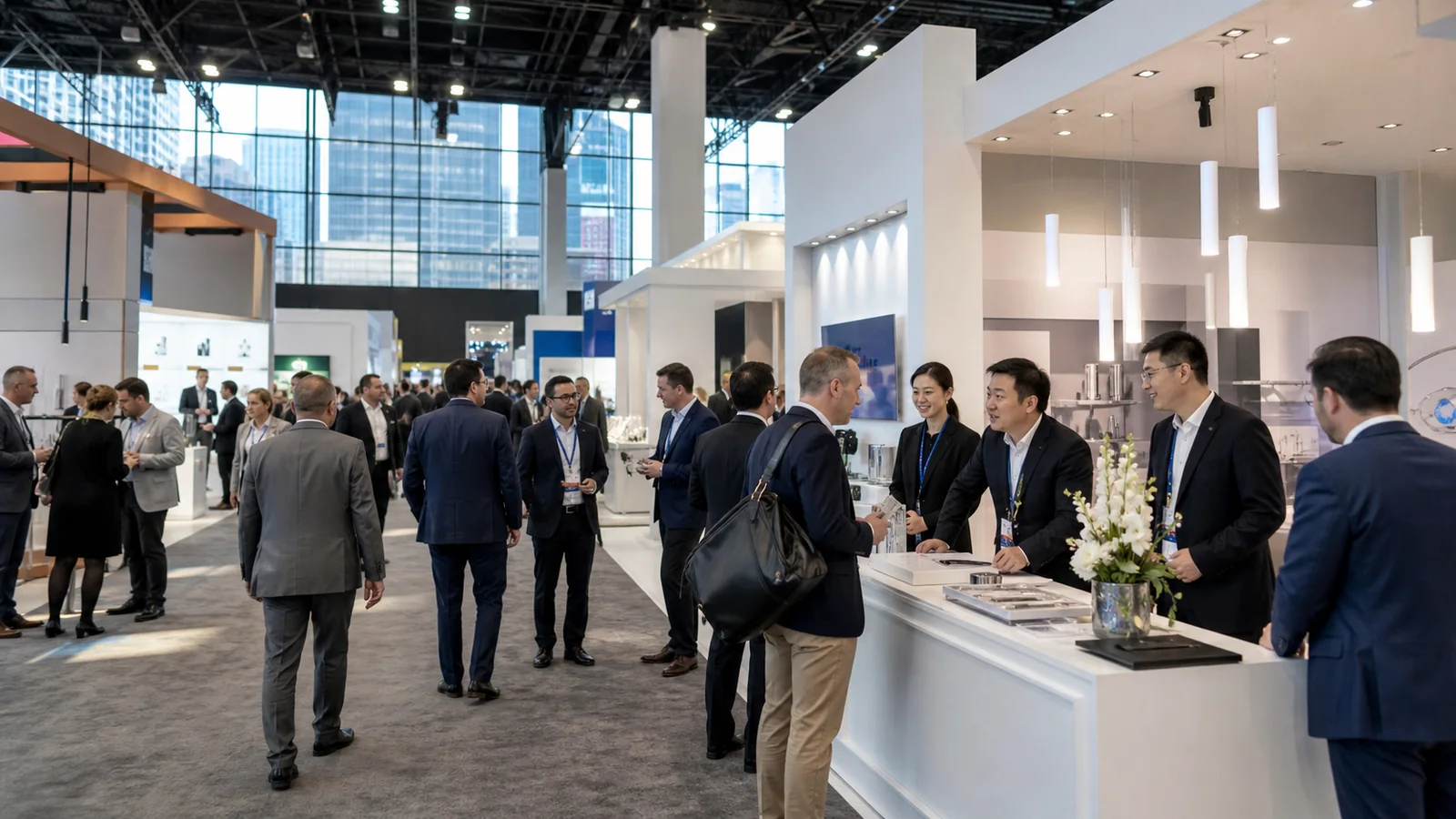
If you sell roofing or exterior products, the International Roofing Expo can put your team in front of contractors, distributors, and other people who work with those products every day. That does not make every roofing-related company a natural exhibitor. The useful decision is whether your product, proof, and U.S. route to market match the audience. This guide covers the 2027 event and the questions to answer before you book a booth or a flight.
International Roofing Expo 2027 at a glance
| Item | 2027 information |
|---|---|
| Official name | International Roofing Expo (IRE) |
| Dates | February 16–18, 2027 |
| Venue | Las Vegas Convention Center, West Hall |
| City | Las Vegas, Nevada |
| Conference hours | Morning sessions on all three show days; check the final program |
| Exhibit hall hours | February 16–17, 11:00 a.m.–5:00 p.m.; February 18, 11:00 a.m.–3:00 p.m. |
| Admission | Private trade show; not open to the general public |
| Core market | Residential and commercial roofing and exterior construction |
The organizer currently lists the expo and conference on the same three dates. Registration opens before the show, but that does not mean the exhibit hall is open. Use the official attendee FAQ for the published hall hours and check the final 2027 schedule before travel, staffing, or freight is locked.
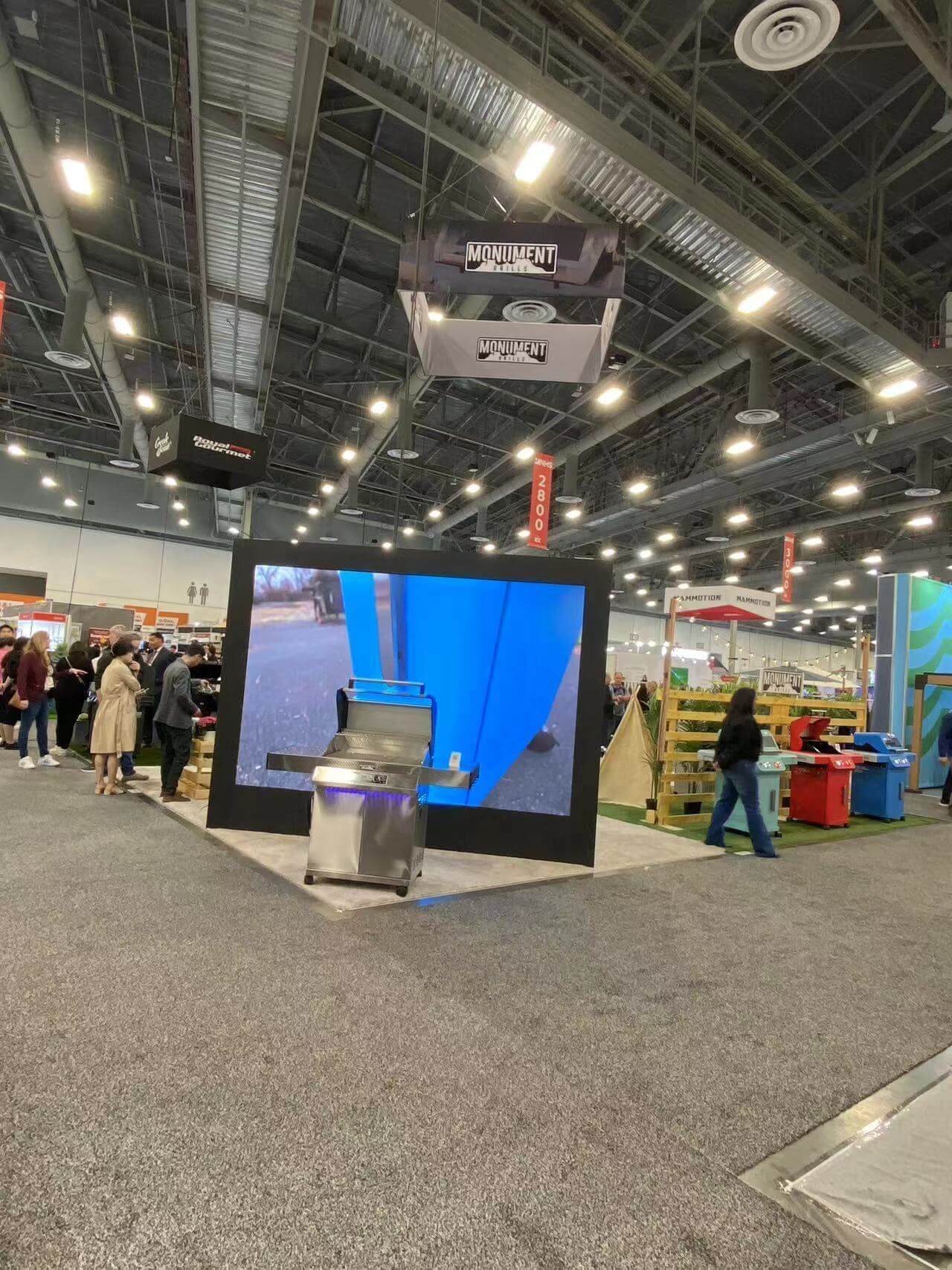
What the International Roofing Expo is
IRE is a trade event for the roofing and exterior construction market. Residential and commercial contractors are central to the event, while remodelers, builders, distributors, suppliers, and manufacturers also participate. The show combines a supplier exhibition, product demonstrations, show-floor learning, conference sessions, association events, and networking.
The National Roofing Contractors Association is the official show sponsor, and its annual convention is held with IRE. That relationship helps explain the contractor focus, but it does not mean every person on the floor has the same role. A roofing company owner, field supervisor, estimator, purchasing manager, distributor, and installer will judge a product through different questions.
The organizer promotes more than 14,000 industry professionals and 600-plus suppliers as planning figures for the event. Treat those as organizer claims, not a promise about your booth traffic. A smaller number of well-matched contractors can be more valuable than a large number of badge scans from people outside your product's buying path.
What products you can expect to see
The floor reaches well beyond shingles. Current official material highlights roofing systems and membranes, metal panels, shingles, synthetic roofing and flashing, coatings, caulks and sealants, gutters and roof drains, waterproofing, vapor barriers, underlayments, insulation, safety and fall protection, solar products, siding, windows and doors, skylights, tools, equipment, machinery, and business technology.
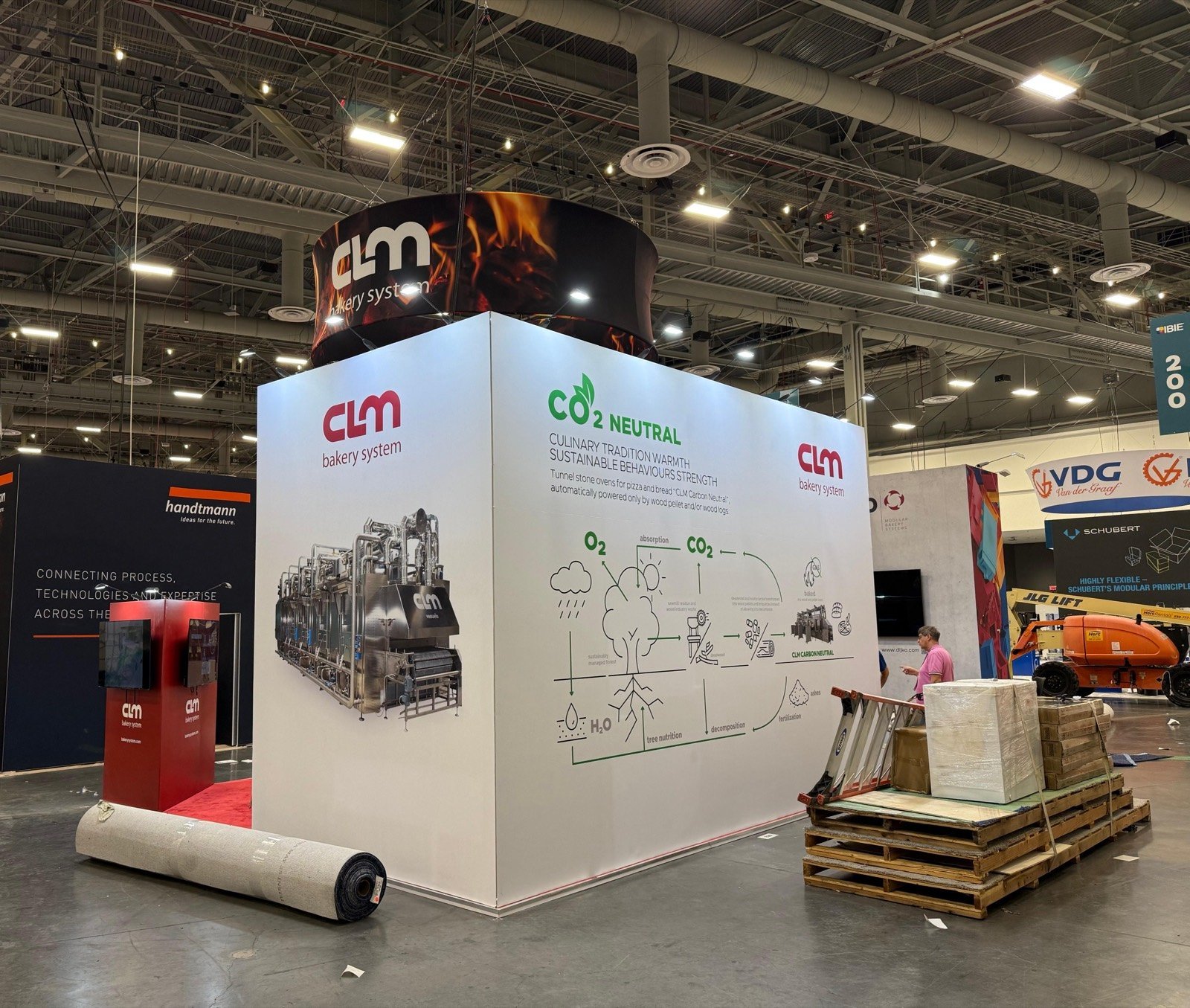
That breadth is useful because contractors rarely evaluate one material in isolation. They may need to understand how a membrane works with an adhesive, how drainage details affect an installation, whether a safety product slows a crew, or whether software fits the estimating and field process they already use.
For an exhibitor, the category list is only the first filter. A product belongs at IRE when the people who specify, buy, install, distribute, or service it are present and can evaluate a meaningful part of the offer on the floor. A product that is technically related to buildings but sold mainly through architects, utilities, or institutional procurement may need a different event even if “roof” appears in the application.
Decide which buyer matters most
Do not define the audience as “roofing professionals.” Choose the one person whose next action matters most. A manufacturer seeking distributors needs conversations about territory, inventory, margin, training, demand creation, and support. A product already in distribution may need contractor adoption, which depends more on installation time, callbacks, compatibility, availability, and crew acceptance.
Commercial and residential roofing also create different conversations. A commercial contractor may ask about system approvals, assemblies, technical documents, warranty support, job size, and project logistics. A residential contractor may focus more on crew speed, homeowner presentation, local supply, color or finish options, and how the product affects the estimate. Exterior contractors can add siding, windows, drainage, and cross-trade questions.
Write one primary audience on the first page of your show brief. Other visitors are welcome, but the display, demonstration, staff questions, and follow-up path should make sense for that buyer first.
What makes a product worth demonstrating at IRE
IRE is especially useful when a product becomes clearer after a person handles it, installs it, compares a detail, or sees it work. A live demonstration can show fastening, cutting, sealing, alignment, setup, fall-protection use, equipment control, or a software workflow. The point is not motion for its own sake. The demonstration should remove a buying concern that a brochure cannot.
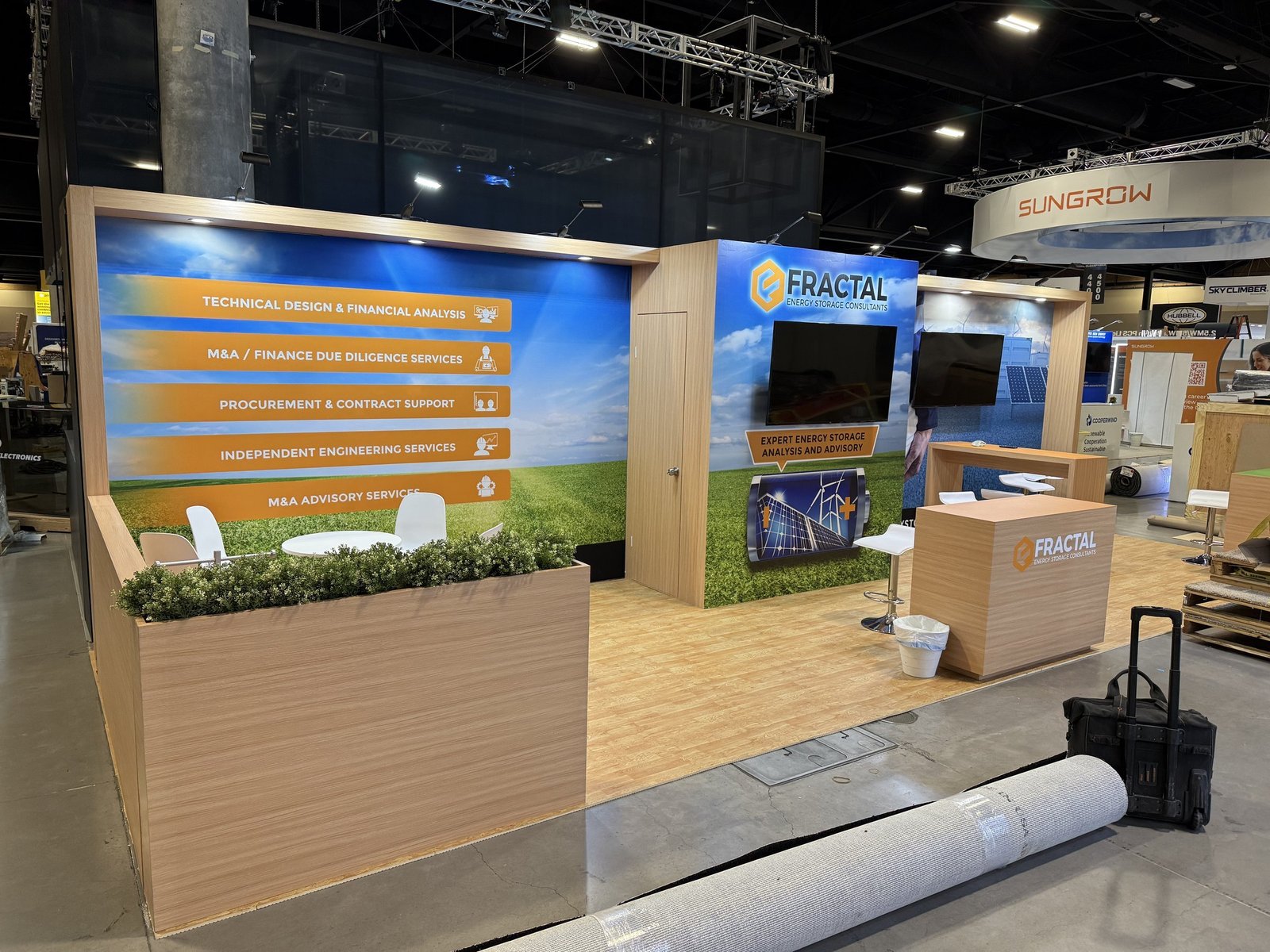
Start with the question contractors ask before they change products. It may be: Will this slow my crew? What else must I buy? Does it work with the system I use? Who stocks it? What happens when something goes wrong? Build the demonstration and supporting evidence around that question.
Bring the proof a serious visitor will request next: installation instructions, compatibility limits, test or approval documentation that actually applies, warranty terms, technical contacts, distributor coverage, service response, and realistic lead times. Do not describe a certificate, code listing, or system approval more broadly than the document allows. IRE can create a technical conversation; it cannot replace product qualification for a specific project or jurisdiction.
When attending first is the better choice
Visit before exhibiting when the U.S. channel is still undefined, your product category is at the edge of the show, or your team cannot yet answer service and availability questions. Use the visit to watch which demonstrations stop the right people, ask contractors how they currently solve the problem, and compare how manufacturers explain installation and support.
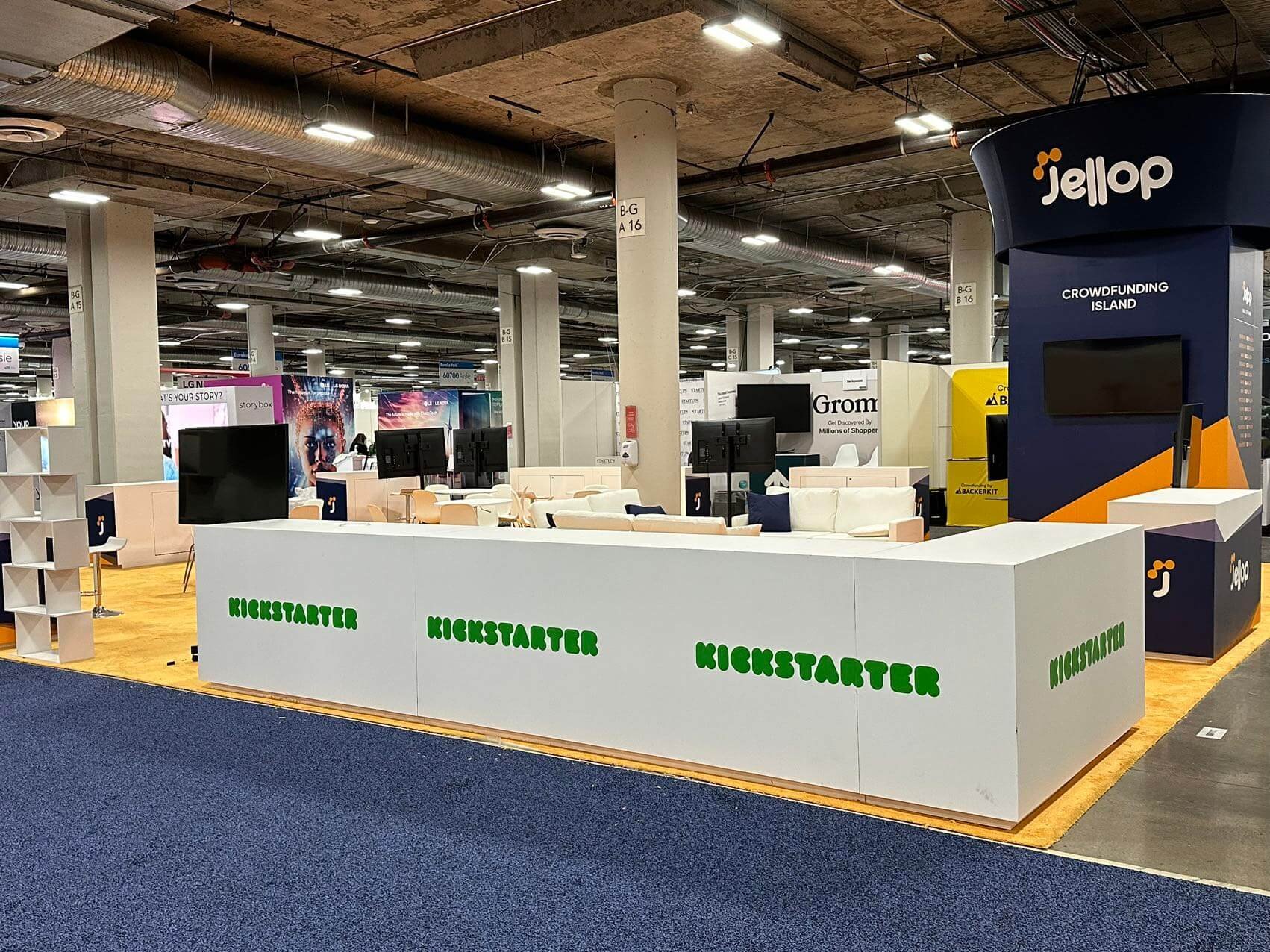
Attending first is also sensible when your team knows the product but not the American buying process. Schedule conversations with distributors, contractors, and complementary suppliers. Record the words they use, who influences the trial, what documentation they request, and what would prevent adoption. Those answers are more useful than copying the largest booth.
Exhibiting sooner can make sense when you already have U.S. inventory or distribution, field support, a defined contractor segment, and a product that can be evaluated well in person. In that case, waiting a year may delay real market feedback. The decision should depend on readiness, not on whether competitors have booths.
How to plan the three show days
The published 2027 exhibit hours provide 15 hours on the floor across three days, with a shorter final day. Do not assume each hour has equal traffic or assign every team member the same job. Keep the demonstration staffed, but separate technical conversations, channel discussions, lead qualification, and competitor observation.
Give staff a short set of questions that reveal fit without turning the conversation into an interrogation. Ask what type of roofing work the visitor handles, which systems or materials are common, where the company operates, how it buys, and what problem brought the person to the booth. Then change the conversation. An installer needs proof of use; an owner may need the business case; a distributor needs to know how the line will be supported.
Use the morning conference window deliberately. One team member may attend education to hear current contractor concerns while another prepares the booth. Show-floor clinics and live demonstrations can also reveal how the market explains technical work. Do not copy claims or methods blindly; use them to test whether your own message is specific enough.
On the final afternoon, leave time to confirm next steps with the best contacts before the hall closes. “Send information” is not a next step. Agree on the sample, technical call, distributor discussion, field trial, quotation, or internal introduction that should happen, and name the owner on both sides.
Practical planning for Las Vegas
The 2027 event is in the West Hall of the Las Vegas Convention Center. Check the final exhibitor manual for move-in, freight, labor, rigging, electrical, demonstration, fire-safety, and material-handling rules; those details can change and are not the same as attendee hours.
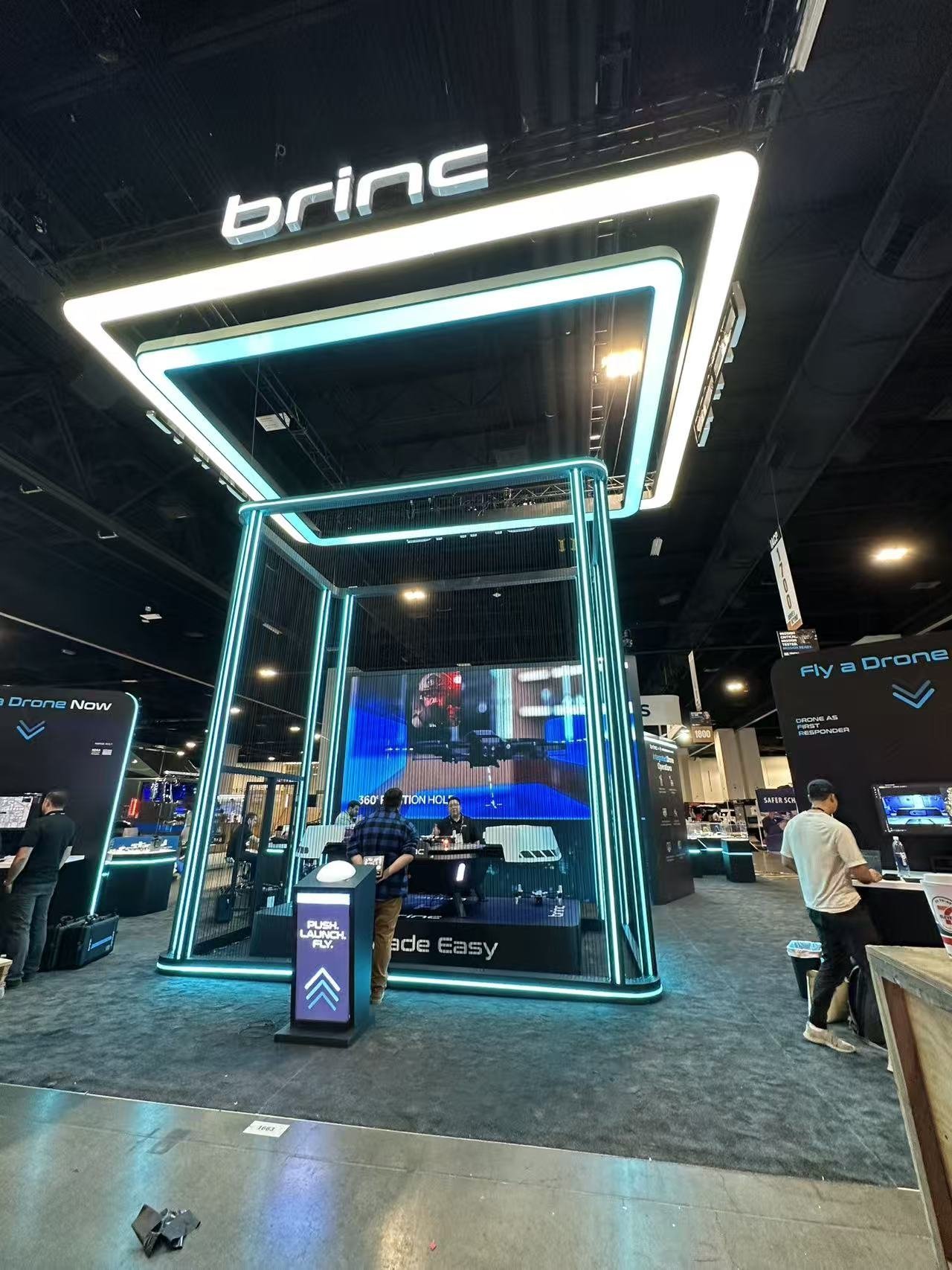
If you plan a working demonstration, define every input it needs: power, air, water, ventilation, tools, waste collection, noise control, guarding, cleanup, consumables, and replacement parts. Obtain show approval where required. A demo that cannot run under venue rules should be redesigned before production, not improvised on-site.
Book travel against the actual role of each person. Conference attendees may need earlier mornings, while exhibit staff must cover hall hours and pre-opening preparation. The final day ends earlier, but dismantling and outbound freight are separate operational commitments.
Frequently asked questions
How should staff answer a regional code question at the booth
Do not turn a national trade-show conversation into an unsupported local approval. Ask for the project location, assembly, substrate, exposure, and code question; show only the documents that apply to the displayed configuration. Record what still needs review and route it to the responsible technical person with a promised response date.
What should you confirm before offering a contractor a field trial
Define the roof type, existing system, crew, site conditions, quantity, installation method, observation period, success measure, safety responsibility, and who will document the result. Confirm who supplies material and training and what happens if the product is removed or the test is stopped. A vague promise to “try it on a job” is not a usable next step.
Should a technical specialist work the booth
Yes, if visitors will ask about installation, compatibility, testing, approvals, or troubleshooting. Sales staff can qualify the opportunity, but they should not improvise technical answers. If a specialist cannot attend full time, publish specific technical office hours and give the rest of the team a clear escalation path.
Can an overseas manufacturer exhibit without a U.S. distributor
It may be allowed to exhibit, but commercial readiness is a separate issue. If you cannot explain stocking, lead times, technical support, samples, warranty handling, and who follows up in the United States, the show may expose the gap rather than solve it. An observation visit or a tightly scoped market test can be the better first move.
Should you launch a new product at IRE
Only if the show audience can evaluate it and your team is ready for the questions that follow. A launch is stronger when visitors can see a meaningful demonstration, understand where the product fits, verify the supporting documents, and take a defined next step after the event.
Final thoughts
IRE is a strong candidate when your product belongs in roofing or exterior work and contractors or distributors play a real part in adoption. Match the event to one primary buyer, show the proof that buyer needs, and be honest about channel and support readiness. If those pieces are not ready, attend first and use the floor to learn exactly what must change before you exhibit.
For an International Roofing Expo booth rental, identify the roof-system sample, tool or mockup that contractors need to inspect, together with its support and access requirements.