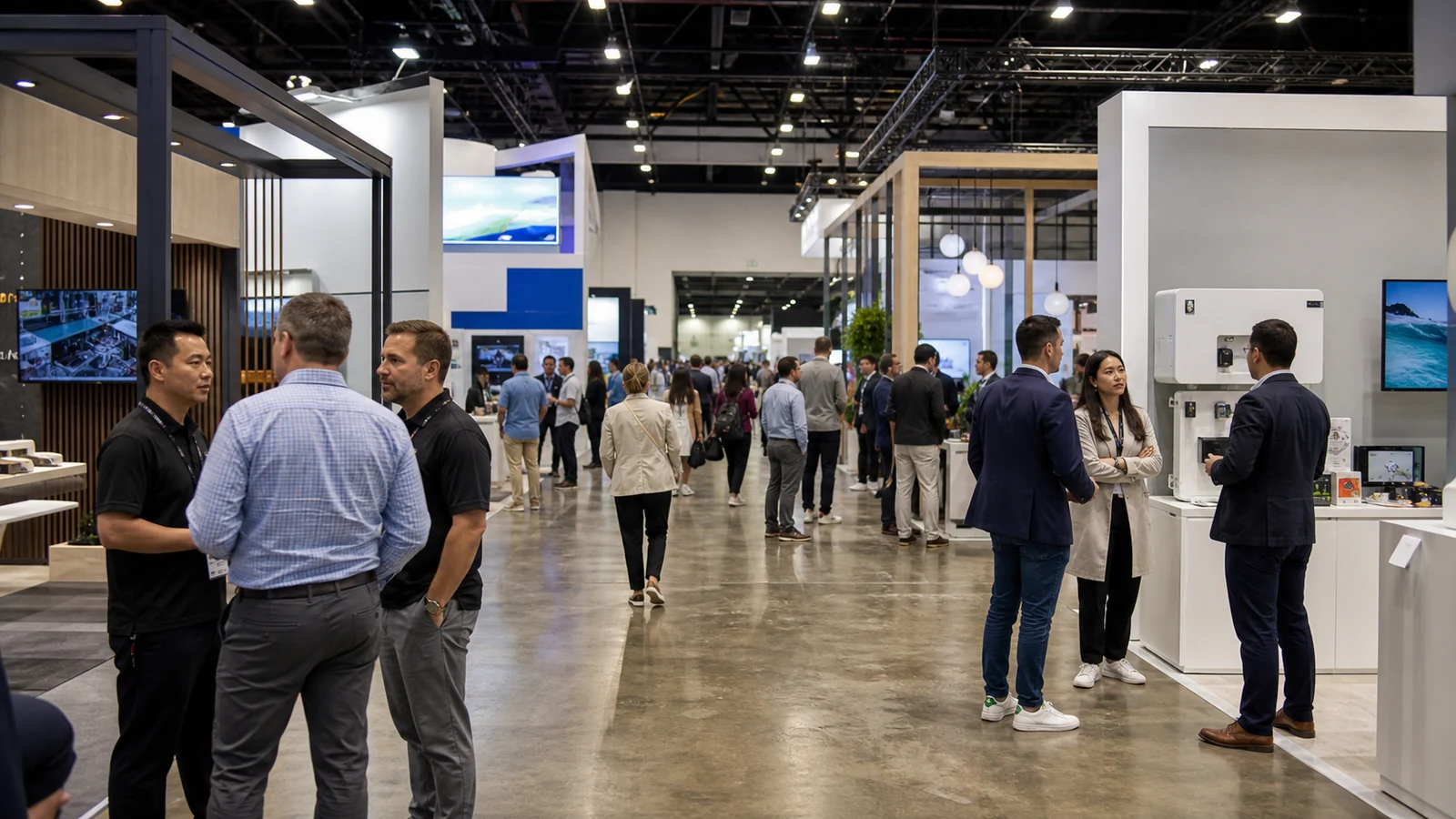
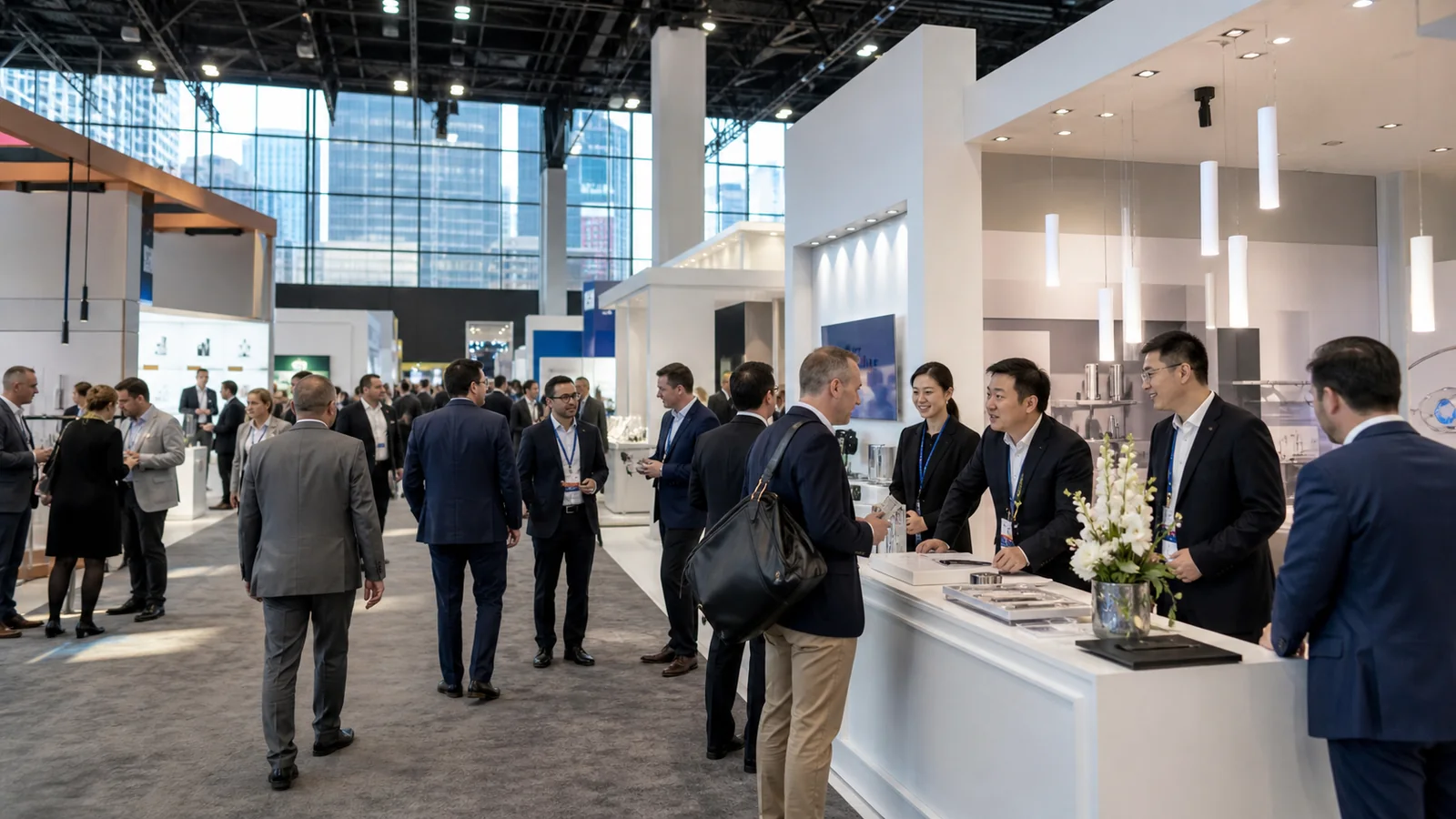
If you make gift-ready products and want to sell at the Ocala Holiday Craft Show, the first question is no longer which booth size looks best. The live 2026 application currently marks every displayed space sold out, so you need to verify a real opening before spending on a display.
This guide explains the confirmed 2026 event, who fits its vendor categories, what the published spaces cost, and how to assess a cancellation opening before committing to a booth. It is written for prospective vendors, not for shoppers looking for tickets.
The event information below was checked on September 8, 2026. Availability, prices, and rules can change. Reopen the organizer's current application and obtain written answers before paying or approving booth work.
What Is Confirmed for the 2026 Ocala Holiday Craft Show?
The Ballantine Management event page and the World Equestrian Center event page both identify the fourth annual show as a three-day holiday-shopping event in Ocala.
| Planning item | Confirmed 2026 information |
|---|---|
| Dates | November 13-15, 2026 |
| Venue | World Equestrian Center, Expo Center 1 |
| Address | 1284 NW 87th Ct Rd, Ocala, FL 34482 |
| Selling hours | Friday 10 a.m.-noon preview shopping, noon-4 p.m. general admission; Saturday 9 a.m.-5 p.m.; Sunday 10 a.m.-3 p.m. |
| Event format | Ticketed public shopping event focused on art, crafts, gifts, décor, food, and related products |
| Live vendor status | Every space shown on the application was marked sold out when checked |
The organizer and venue promote a lineup of more than 350 artists, crafters, and makers. Treat that as their current event description, not as independently audited attendance or a sales forecast. Vendor count does not tell you how many shoppers will see your aisle, how well your category will sell, or whether a late opening exists.
Is This a Craft Show or a B2B Trade Show?
This is a consumer shopping show. People come to browse and buy holiday gifts, artwork, jewelry, décor, specialty foods, and other consumer products. The transaction happens directly with the shopper, often within a few minutes.
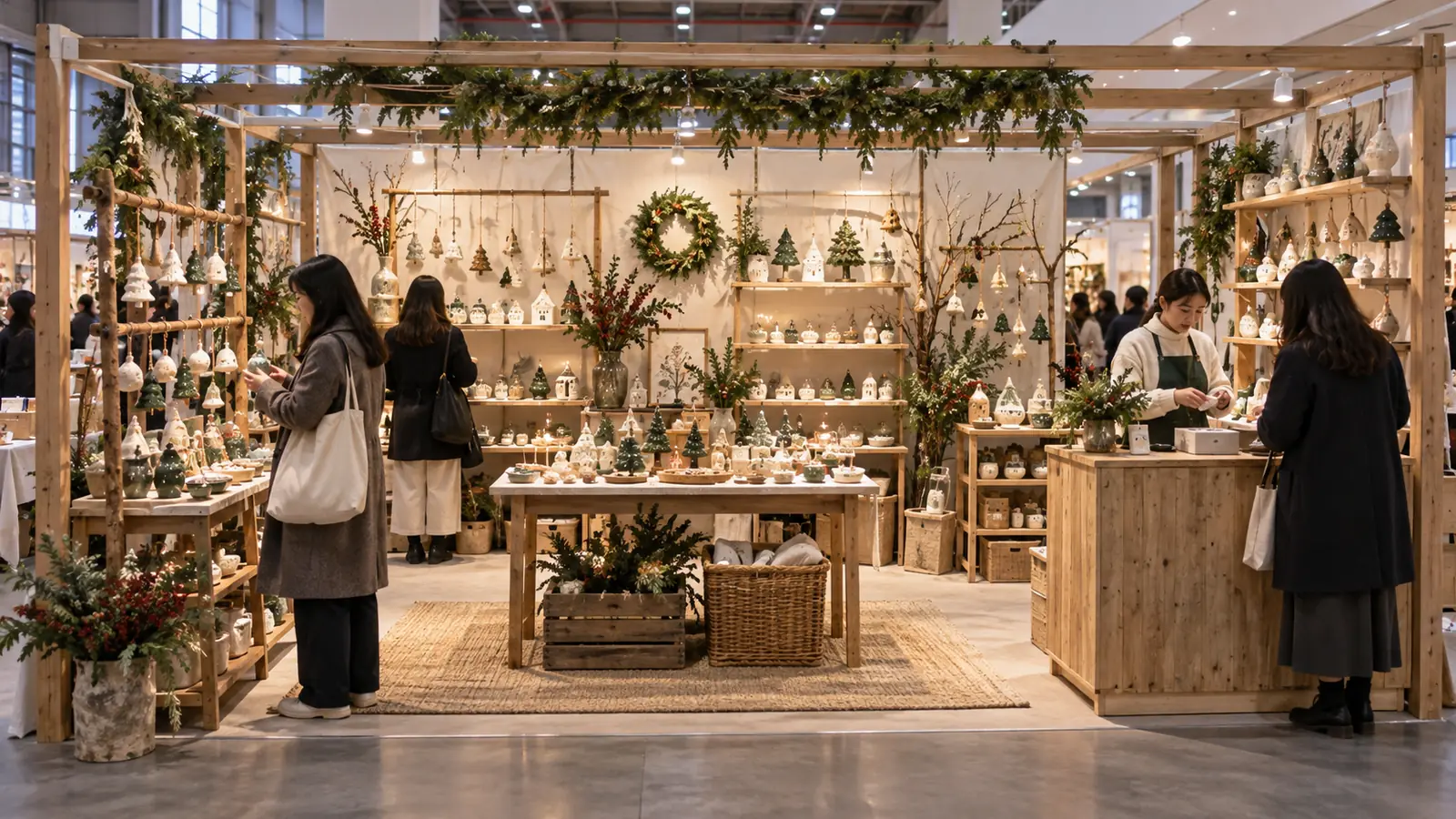
That distinction should drive your decision. A strong fit can show a finished product, state a retail price clearly, take payment, and hand over the item or explain a simple delivery process. A weak fit needs a long technical consultation, a procurement committee, engineering approval, or a wholesale-only buyer before a sale can happen.
Do not use a large public vendor count as a substitute for buyer fit. If your main goal is to meet distributors, retail chains, or industrial purchasing teams, choose a professional sourcing event built around those conversations. If your goal is direct holiday sales and local brand discovery, this show is much closer to the right channel.
Which Vendor Category Fits Your Business?
The 2026 vendor application separates participation into three lanes. Your first job is to choose the honest lane, not the cheapest rate.
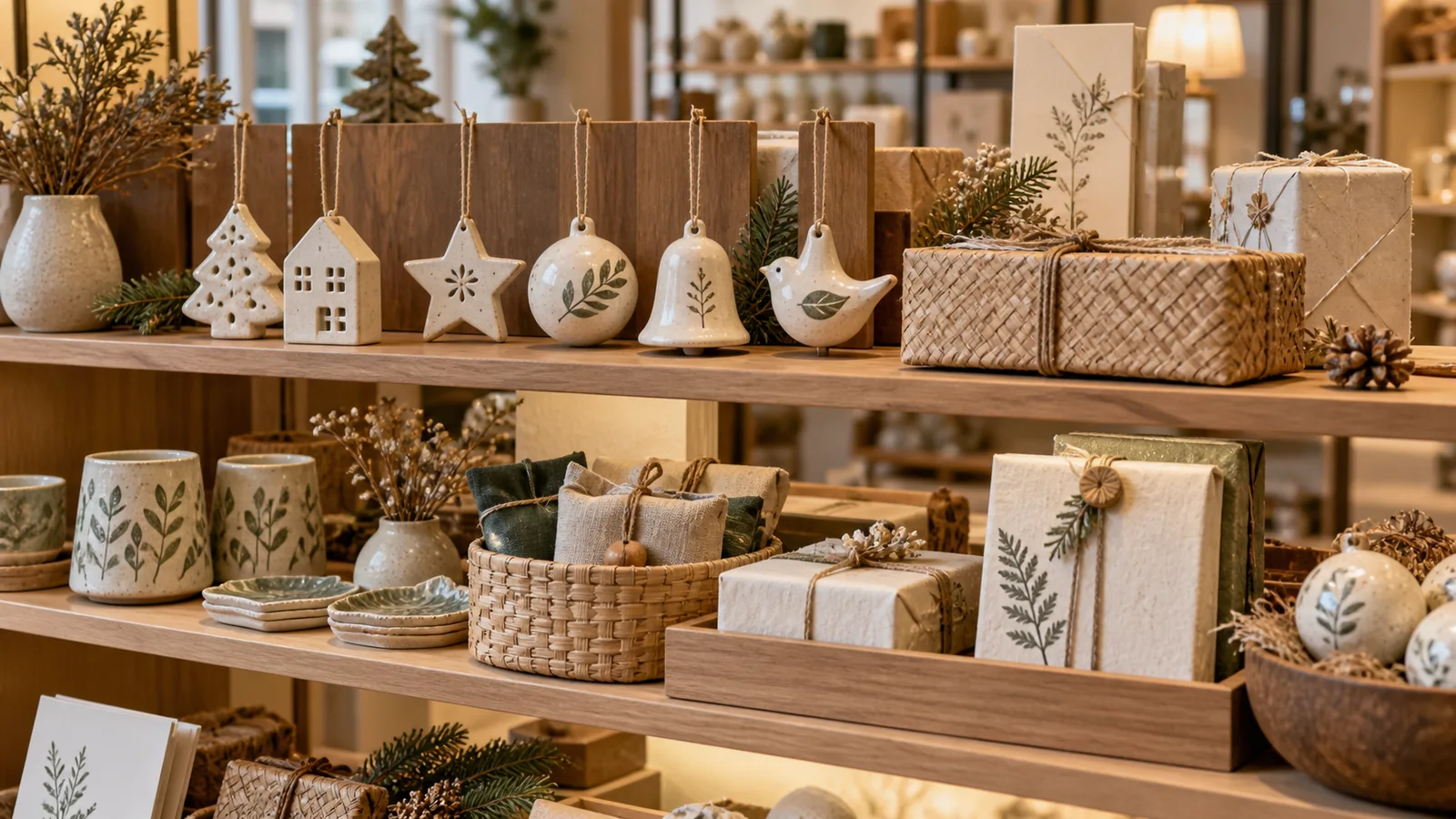
Handmade craft or artist vendor
The organizer says items in this category must be made in the United States and be original work by the person or business applying. Manufactured goods are not accepted in this category. Food producers, including qualifying Florida cottage-food businesses, may be considered here.
This lane fits when you control the making process and can show that clearly. Your application photographs should make the product and finished selling setup easy to understand. If part of the assortment is outsourced, imported, or simply resold, disclose it and ask which category applies rather than letting the booth tell a misleading story.
Direct sales, buy-sell, or boutique vendor
This lane covers manufactured crafts, imported products, non-handmade gifts, and direct-sales brands. The organizer says it accepts only a limited number and allows one vendor per direct-sales company. That makes category availability a bigger constraint than booth design.
Ask whether your exact brand and product mix are still eligible before discussing a floor location. A polished display cannot overcome a full category or an application that describes the merchandise inaccurately.
Commercial sponsor
Commercial services are directed toward a limited sponsor category. The 2026 application lists sponsor spaces separately from maker and retail-vendor spaces. A service business should not assume it can book a handmade booth because the price is lower.
Request the sponsor deliverables, permitted sales or lead-capture activity, included furniture, signage rights, and current availability in writing. Sponsor visibility is a marketing purchase, not proof that attendees need your service.
What Does “Sold Out” Mean for Your Next Move?
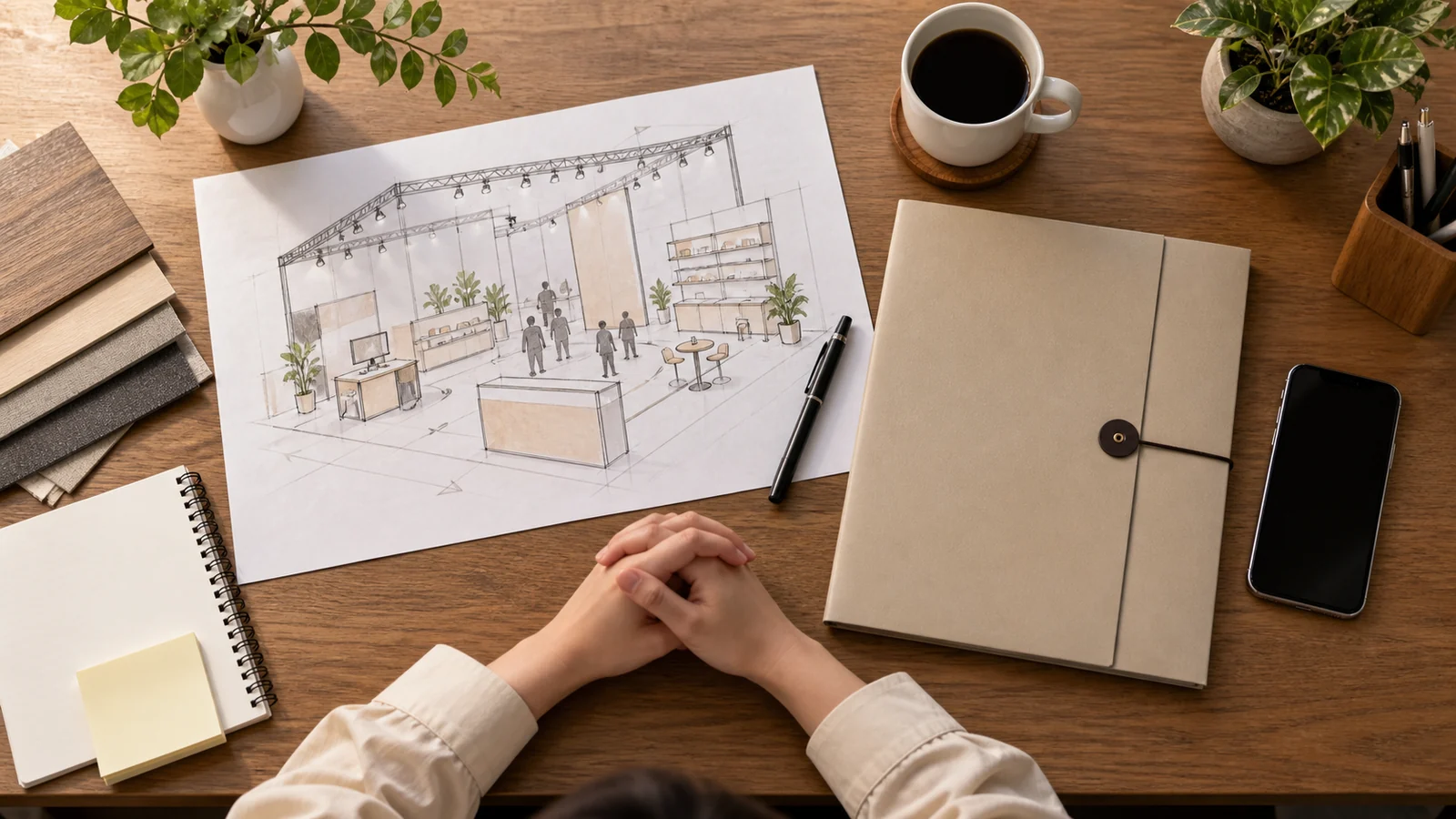
Do not buy flooring, graphics, counters, or fixtures for this event because a directory still shows an application link. Contact Ballantine Management through the official event route and ask three narrow questions:
- Is the published waitlist still accepting my exact category, and how will openings be prioritized?
- If a space opens, what size, location, price, payment deadline, and rules will apply?
- Is anything missing from my application, and who will notify me if a place opens?
An answer such as “send your information” is not a space confirmation. Wait for written category acceptance, a current invoice or contract, and a real space assignment before you release event-specific production.
What Were the Published 2026 Booth Prices?
The application still provides useful planning benchmarks, even though the displayed inventory is sold out. These are organizer-published amounts plus fees and processing; they are not a current quote.
| Vendor lane and space | Published amount | Main planning meaning |
|---|---|---|
| Handmade tabletop space | $230 | Lowest entry point, but the table is not included and display behind it is restricted |
| Handmade 10×10 | $355 | Raw selling area; furniture, drape, power, and Wi-Fi are separate |
| Handmade 10×10 corner | $400 | Extra aisle exposure, but not proof of better sales |
| Handmade 10×20 | $685 | More display and stock capacity; also more fixtures and staffing exposure |
| Handmade 20×20 Quad (two corners in the official description) | $1,350 | More display and stock capacity; confirm the actual open sides on the assigned plan before arranging the shopper path |
| Buy-sell 10×10 | $485 | Higher category rate with limited acceptance |
| Sponsor 10×10 | $1,500 | Includes sponsor treatment described on the application; commercial purpose differs from retail craft sales |
Ordinary spaces do not include tables, chairs, pipe and drape, electricity, or Wi-Fi. The application describes black pipe and drape at $75 per 10×10 before processing and shows $77.63 in its add-on cart. It also offers tables and chairs as paid add-ons.
The payment language needs clarification. One section calls for at least a 50% deposit and gives an October 12 balance date. The terms also say no assignment will be made unless full payment accompanies the application, and they describe fees as non-refundable and non-transferable. Ask the organizer which schedule governs your offer before you pay.
Which Rules Affect the Booth Design?
A raw booth is not a finished retail environment. The application allows you to bring tables, racks, shelving, and a tent frame for a 10×10 space. A tent frame must have a white or light-colored top, and side panels are not allowed. Pipe and drape is optional rather than automatically included in the ordinary booth rate.
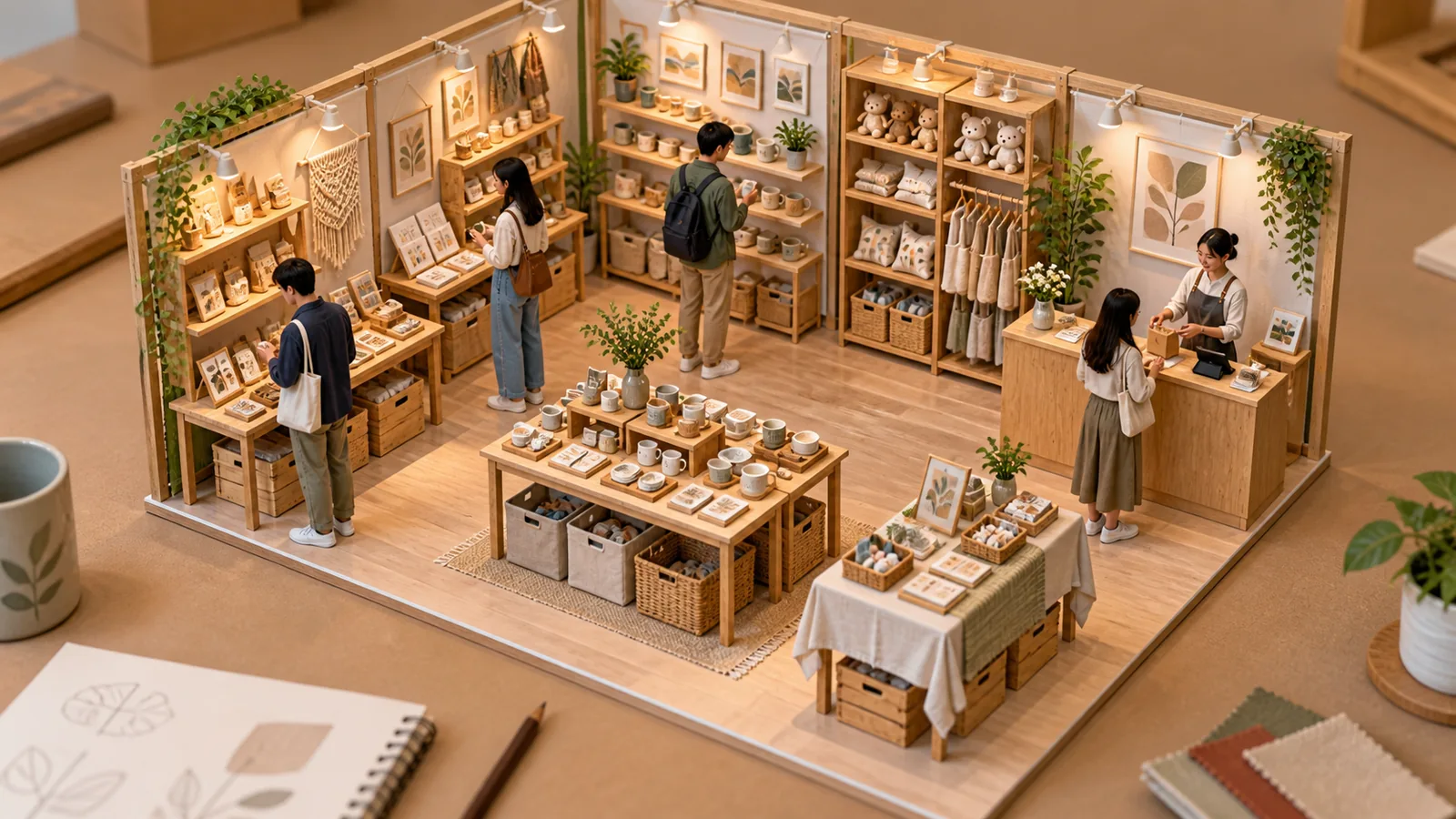
Those rules favor a display that works from the aisle without relying on enclosed walls. Use your tallest approved fixtures to create a clear category signal, then keep the front open enough for two shoppers to enter without blocking checkout. Hide restock cartons under properly covered tables or in whatever storage the organizer approves. Do not assume unused aisle or neighboring space can hold inventory.
Electricity and Wi-Fi must be ordered separately through a third party. If your checkout, lighting, refrigeration, demonstration, or product depends on either service, request the provider, order deadline, outlet position, amperage, network conditions, and backup restrictions before finalizing the layout.
The organizer asks for three to five photographs of your booth setup and best products. Treat those images as part of the acceptance case. They should show what you sell, how the category appears from the aisle, and that your setup can stay within the assigned footprint. A lifestyle photo that hides the actual display may look attractive but does not help an organizer judge floor fit.
How Should You Plan the 19 Selling Hours?
The official schedule creates 19 selling hours: six on Friday, eight on Saturday, and five on Sunday. Friday's first two hours are a separately ticketed preview-shopping period; general admission starts at noon. The real labor window is longer because you also have setup, daily opening work, restocking, and breakdown.

General setup is listed for Thursday from 10 a.m. to 7 p.m. and Friday from 7 a.m. to 9:30 a.m. Tabletop vendors may set up only on Friday, November 13. The application says all vendors must be ready by 9:30 Friday. A separate tabletop description mentions 9:45, so plan to meet the earlier 9:30 cutoff and ask for written confirmation.
Breakdown is listed for Sunday from 3 p.m. to 7 p.m. Do not schedule your only staff member to run checkout, pack inventory, and handle vehicle movement at the same time. Decide in advance who owns sales, replenishment, cash or device control, customer questions, and closing counts.
Your display should support that operation:
- put fast-selling or easy-to-explain products where a shopper can see the price without entering;
- keep the checkout point reachable without creating a line across the entrance;
- separate paid products from unprocessed returns and restock items;
- use a simple sign for custom orders, shipping, or pickup instead of explaining the same policy from memory;
- design the last two hours of Sunday for controlled selling and pack-down readiness, not an early-looking teardown.
How Do You Test Whether the Show Can Cover Its Cost?
Start by separating fixed event costs from costs that rise with sales. Your fixed event costs include the contracted space and its processing charge, furniture, drape, booked power, travel, lodging, scheduled staff time, transport, and any event-specific permits or insurance. Allow for returning unsold stock where that adds a cost.
For the sales calculation, use the share of revenue left after product cost, transaction fees, per-item packaging, and other sales-dependent costs. This is the contribution-margin rate. Count each expense once: a transaction fee or per-item package already deducted here must not also appear in fixed event costs. The U.S. Small Business Administration's break-even guidance uses this fixed-cost and contribution-margin distinction.
Use two calculations:
Required sales = fixed event costs ÷ contribution-margin rate
Required units = required sales ÷ average selling price per item
Use the verified contribution margin and average per-item price for the product mix you expect to sell, drawing on comparable in-person sales. If you divide by average order value instead, the result is required orders, not units. Then test a conservative case in which traffic is uneven and one product category underperforms; a hoped-for crowd number is not a substitute for sales evidence.
A workable plan answers four questions:
- Can your available stock reach the required unit count without stripping other sales channels?
- Can two or more price points produce purchases without a long explanation?
- Can the team cover 19 selling hours plus setup and breakdown?
- Can you absorb the loss if sales finish below the threshold and fees cannot be transferred?
If the answer to the last question is no, a cancellation opening with a short decision window may be the wrong opportunity even when the product fits the audience.
What Should Be in the Booth Brief After Acceptance?
Only create the event-specific booth brief after you have written acceptance and a current contract. The brief should contain:
- the official event name, 2026 dates, Expo Center 1, assigned size, and actual space number;
- the product categories and price points approved by the organizer;
- a scale floor plan with every table, rack, shelf, checkout device, and stock area;
- the permitted tent-frame or drape solution and exact included/rented items;
- power and Wi-Fi orders, outlet locations, lighting loads, and checkout backup;
- setup and breakdown appointments, vehicle instructions, and responsible staff;
- organizer-approved rules for signs, food, demonstrations, storage, and overnight stock;
- the final invoice, third-party orders, insurance or permits, and proof owners.
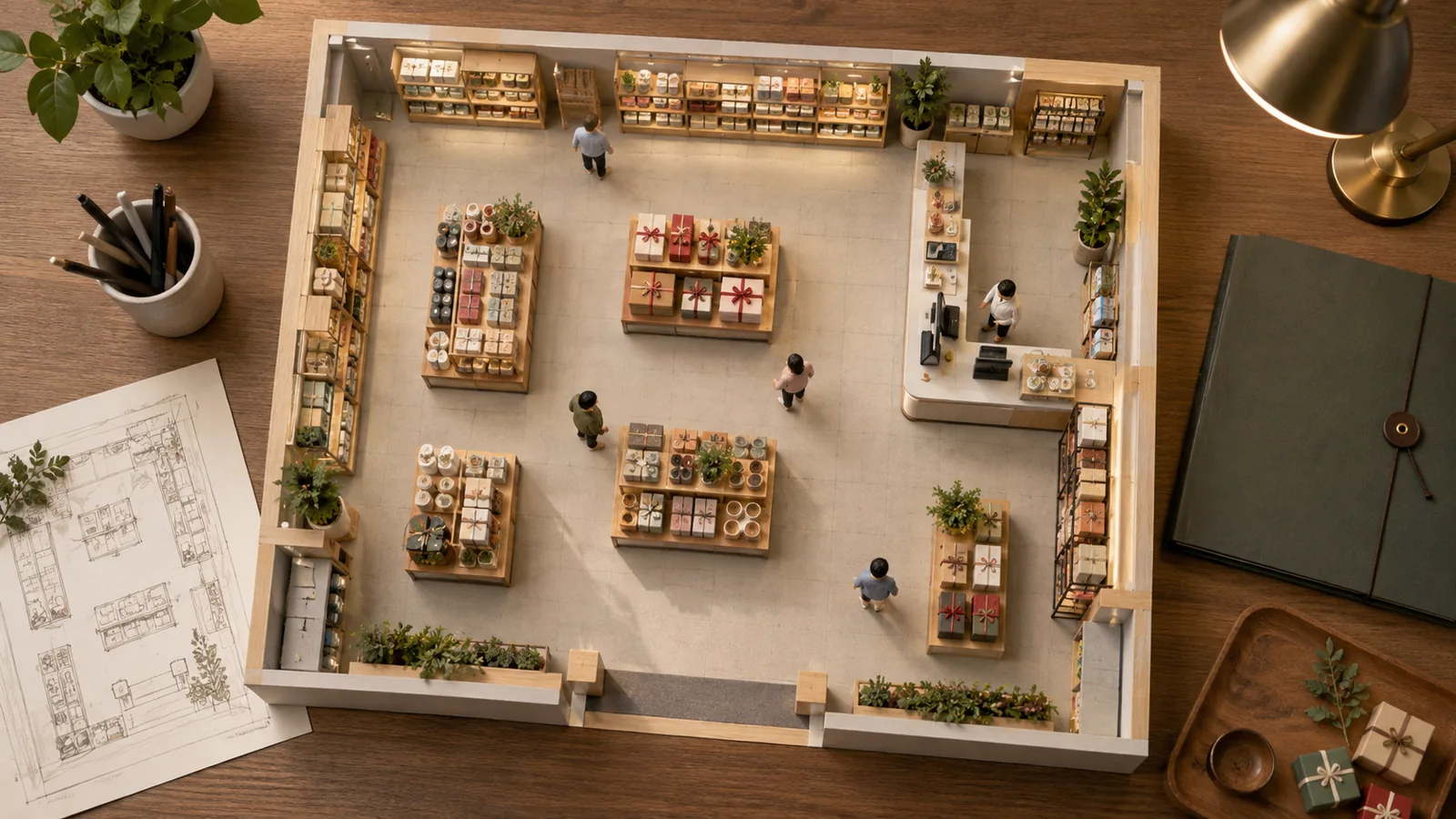
This brief separates confirmed show-controlled items from the display work a booth partner can actually scope. It also prevents a generic 10×10 design from being approved before anyone knows what the organizer will allow.
Should You Pursue, Prepare, or Skip?
Choose PURSUE only if the organizer confirms a real 2026 opening or waitlist route for your category. Before committing, verify the space, written total, refund terms, service orders, rules, staffing, and contribution-margin threshold.
Choose PREPARE while your 2026 application remains on the waitlist and no space has been offered. Use the time to photograph a compliant display, clarify your price points, test checkout and packing, record margins, and sketch a flexible layout. Keep event-specific purchase orders on hold until you have written acceptance and an assigned space.
Choose SKIP when the product is outside the honest category, depends on wholesale or technical buyers, cannot be explained and sold efficiently, or requires unconfirmed infrastructure that makes the economics too fragile.
Frequently Asked Questions
What if your application photos show a smaller setup than the space you want?
Do not use editing or camera angles to make a small setup look like a finished 10×10 booth. Submit clear wide views, product close-ups, and an honest note explaining what is already built versus what is proposed. Label a simple scale sketch if the application permits supporting material. The organizer, not the rendering, decides whether the proposed setup fits the requested space and category.
Can another vendor transfer a sold-out booth to you?
Do not rely on a private handoff. The published terms describe fees as non-transferable and give Ballantine Management control over acceptance and space assignment. If another vendor offers you a booth, contact the organizer through its official route and require a new written approval, contract, invoice, and assignment in your own business name before sending money or equipment.
Which permits, tax documents, or insurance does a vendor need?
The public event and application pages do not provide a complete answer for every product. Requirements can differ for packaged food, samples, services, and ordinary retail goods. Ask the organizer for the current vendor rules and required evidence, then verify your business's Florida tax, food, and insurance obligations with the appropriate agency or professional. Do not treat another vendor's paperwork as your checklist.
Should you take custom orders after your display inventory sells out?
Only if you can state the deposit, production lead time, shipping or pickup method, change policy, and refund terms before the shopper pays. Use a written order form and set a capacity limit instead of promising every request. Keep one clearly marked sample when practical, and record exactly which finish, size, personalization, and delivery commitment the customer approved.
Final Thoughts
The Ocala Holiday Craft Show may suit a U.S.-made gift brand that can sell directly to consumers, but the live 2026 sold-out status means availability comes before display ambition. Confirm a real organizer-controlled path, category fit, written cost, and rules; then test the complete event economics before approving the booth.
If you receive written acceptance and the current show documents, KingExhibits can review the assigned footprint, product display, checkout flow, utilities, graphics, and quoted responsibility boundaries with you. Send only the confirmed event inputs so the booth discussion starts from facts rather than a generic craft-show layout.