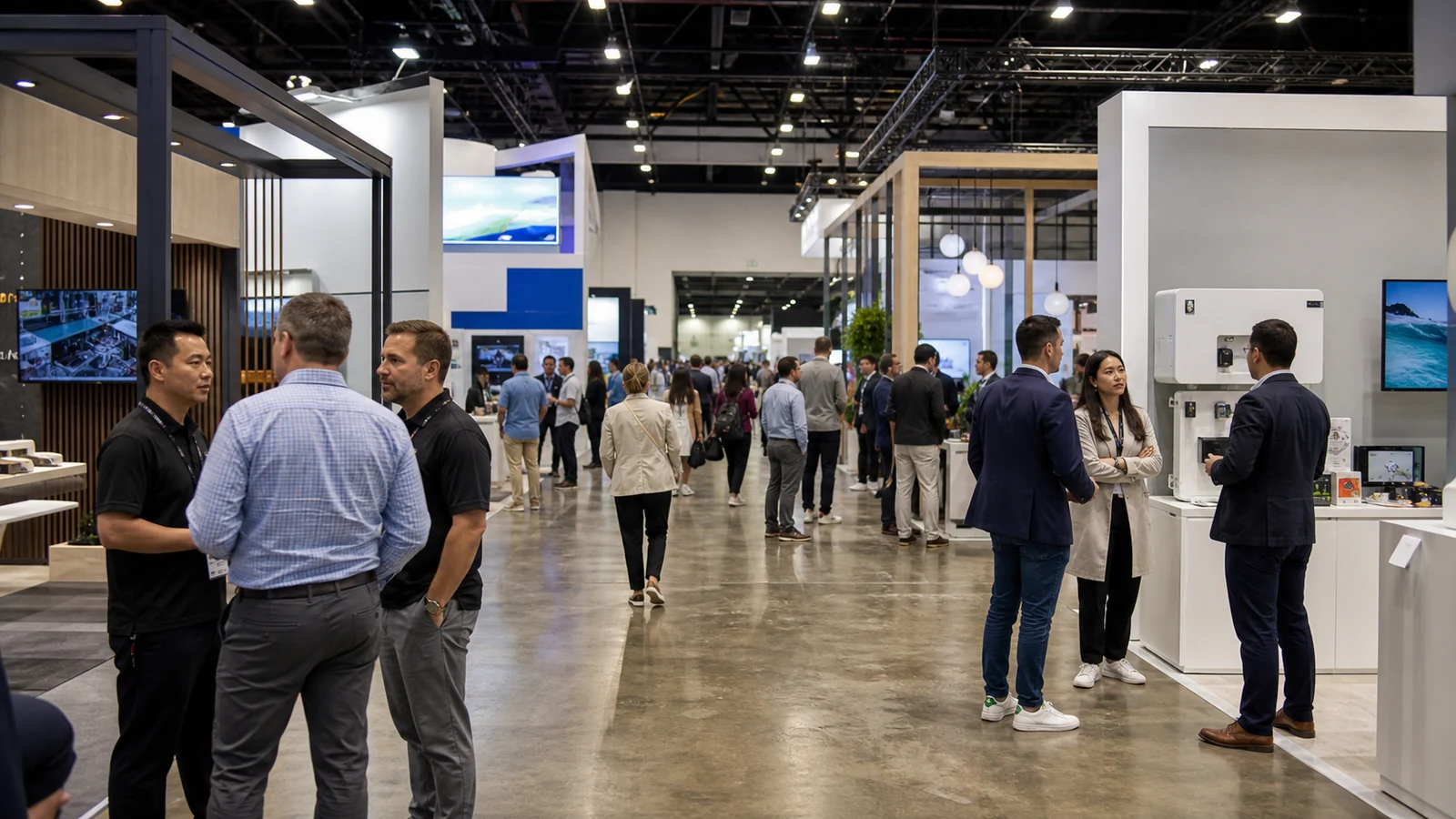
If you are deciding whether to put WTE Miami 2026 on your event calendar, you need to know whether it can put your team in front of buyers who can actually move your travel product forward. You may see the event called World Travel Expo Miami, but the organizer currently uses WTE Miami. Before you choose a stand or ask for a design, you need a clear answer on buyer fit, meeting access, package scope, and the work your team can support after the show.
The organizer and the Miami Beach Convention Center currently list WTE Miami for October 27–28, 2026, at the Miami Beach Convention Center. This guide helps you decide whether to exhibit, attend as a buyer, or pass on this edition until your offer and follow-up plan are ready.
WTE Miami 2026 at a Glance
| Item | Current official information |
|---|---|
| Dates | October 27–28, 2026 |
| Venue | Miami Beach Convention Center, Miami Beach, Florida |
| Event type | International travel-and-tourism trade expo |
| 2026 forum theme | The Travel Advisor of the Future |
| Participation formats | Raw space, shell scheme, and sponsorship opportunities |
| Planning resources | Brochure, floor plan, exhibitor kit, turnkey packages, buyer deck, booking form, sponsorship brochure, and MBCC internet and telephone guide |
These details were checked on September 8, 2026. You should recheck the organizer’s current documents before you book travel, freight, labor, or booth services because availability, rules, and deadlines can change.
What Kind of Event Is WTE Miami?
WTE Miami is a B2B travel-trade event. The organizer describes travel advisors, agency owners, host agencies, tour operators, corporate and MICE buyers, and luxury travel planners among the people you may meet. It also promotes participation by destinations, tourism boards, hotels, destination management companies, cruise brands, attractions, airlines, travel technology companies, and other suppliers.
This matters if you are deciding between a trade event and consumer marketing. A travel professional needs an offer they can understand, sell, package, or discuss with a client. If you mainly need direct consumer ticket sales, you should not assume this buyer-led format is the right budget choice.
The organizer’s 2026 brochure projects more than 500 exhibitors, more than 7,000 trade visitors, more than 500 hosted and VIP buyers, and more than 10,000 pre-scheduled B2B meetings. Those are future-event projections, not guaranteed attendance. You can use them to understand the intended scale, but you should base your decision on current buyer information, meeting access, and the accounts you need to reach.
Is WTE Miami 2026 a Good Fit for Your Organization?
Strong Fit: You Sell Through Travel-Trade Partners
WTE Miami deserves a serious evaluation when your route to market depends on travel advisors, tour operators, wholesalers, corporate travel planners, incentive planners, or comparable distribution partners. The stronger test is not whether those categories appear in organizer materials; it is whether you have a trade-ready offer they can act on. Bring clear rates or a rate-release process, bookable programs, contracting or commission terms, service regions, destination support, availability rules, and a defined response time. You should also know what the buyer can sell after the meeting and what you will send next. If those inputs are ready, a booth can support distribution conversations instead of functioning as general brand exposure.

Proceed Cautiously: Your Offer or Follow-Up Is Not Ready
If your product is not packaged for travel-trade distribution, treat the show as a readiness test rather than an automatic exhibit decision. Warning signs include unclear inclusions, no commission or contracting position, inventory that cannot be confirmed, a sales team that cannot answer operational questions, and no person responsible for buyer follow-up. You should also be cautious when the plan depends mainly on unscheduled aisle traffic. A polished stand may attract attention, but it cannot define the product, qualify the partner, or rescue a slow post-show response. Consider attending with prearranged meetings first, or delay participation until your team can turn a conversation into a concrete commercial next step.
Pause Booth Planning Until Three Commercial Answers Are Clear
Before approving space, require your commercial team to write down three answers: which buyer roles you want to meet, which source markets and traveler segments you can serve, and what action you want after each meeting. Make the answers specific enough to guide outreach and booth behavior—for example, a contracting call with a tour operator, a product review with an incentive planner, or a rate discussion with a travel advisor network. Then match each answer to an owner, proof item, and follow-up deadline. If the team cannot complete this short brief, pause the booth discussion. Clarifying the offer will create more value than choosing graphics or floor space too early.
Who Might You Meet at WTE Miami?
The organizer’s current materials emphasize travel advisors and agencies, tour operators and wholesalers, corporate and MICE buyers, host agencies and consortia, and luxury travel specialists. Exhibitors can include tourism organizations, hotels and resorts, DMCs, cruise companies, transport providers, attractions, and travel-service brands.
That mix changes what you need to show. If you represent a destination, you may need a partner-ready story and a clear route to local suppliers. If you represent a hotel group, you may need rate, inventory, and contracting answers. If you represent a DMC, you may need to show where you operate, what you can deliver, and how your team responds. Your booth message should let a visitor understand your commercial role before they have to ask.
You should not treat a category list as proof that a particular company or decision-maker will attend. Review the current exhibitor directory, buyer material, and meeting platform. If your target accounts are absent, ask the organizer what qualification and appointment access your registration level gives you.
Raw Space or Shell Scheme?
The official exhibit page presents two main stand formats, plus sponsorship options.
Raw Space
Raw space suits exhibitors who need design-and-build flexibility, including destination pavilions and larger brand activations. You may choose it when several partners must share one presence, private meetings matter, or the exhibit needs a destination environment rather than a simple information counter.
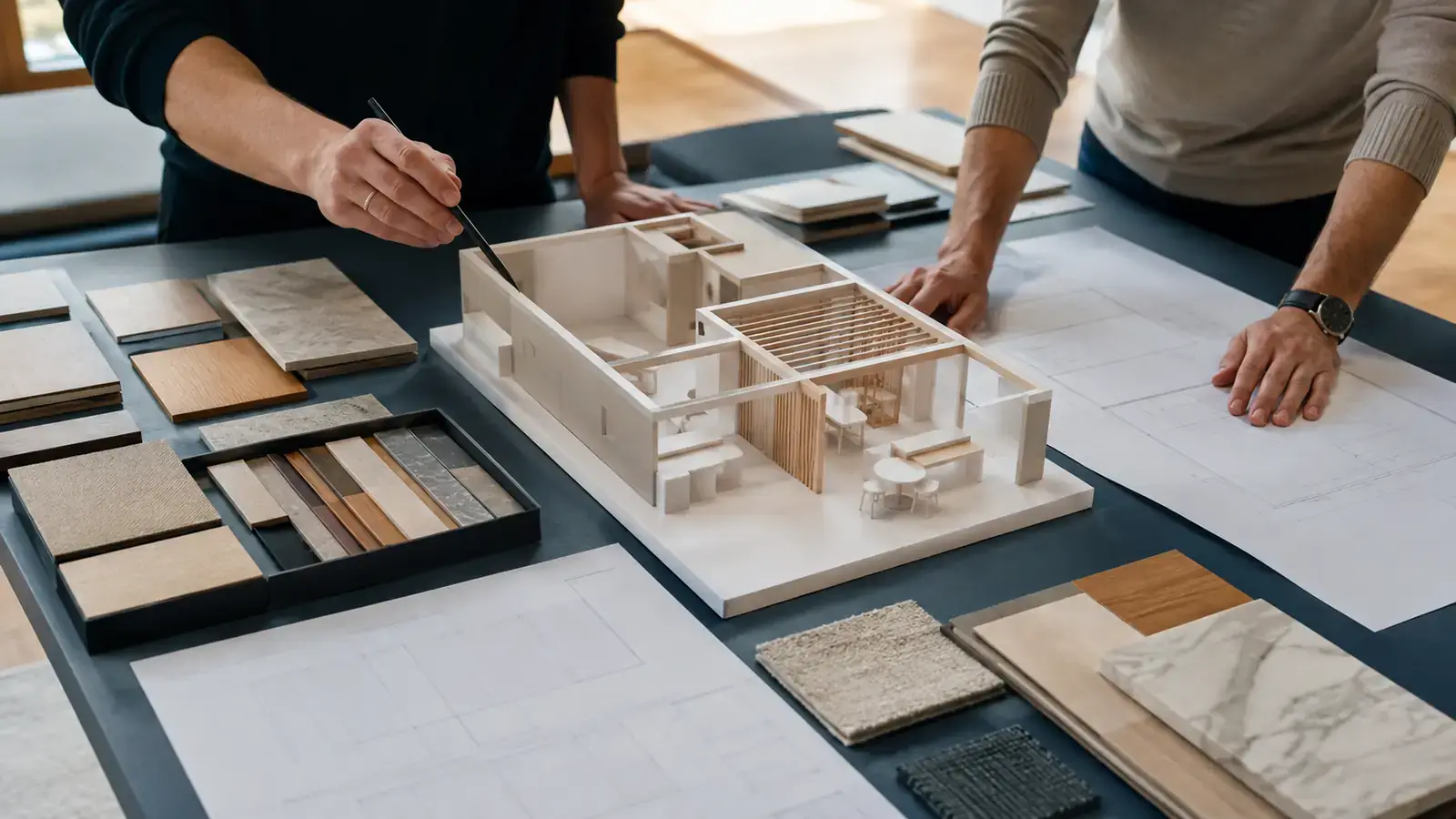
That freedom gives you more decisions. You need to define structure, graphics, storage, furniture, lighting, technology, accessibility, and on-site services, then check each choice against the current exhibitor kit and venue rules. Choose raw space because those elements support a commercial job, not because a bigger build automatically gives you better meetings.
Shell Scheme
The organizer describes its shell scheme as a ready-to-exhibit booth with a constructed stand, fascia branding, standard furniture and lighting, exhibitor badges based on booth size, and access to the Meeting Diary and Exhibitor Portal. It is a simpler starting point if you want a professional presence without managing a custom structure.

You may prefer a shell scheme for a first test when your priority is buyer response, scheduled conversations, and learning how the event works. Before you book, confirm the exact package contents, graphic specifications, power, internet, furniture, and every item you must order separately.
Sponsorship
The organizer also offers branding, destination showcases, speaking opportunities, networking sponsorships, and digital visibility. You should use sponsorship only when you can name the audience, message, and follow-up path for that exposure. It cannot replace your meeting plan.
Plan Your Booth Around Meetings, Not Just Traffic
WTE Miami promotes meeting scheduling through its online tools and event app. That means you should treat the appointment calendar as a core exhibit input, not as a task for the final week.
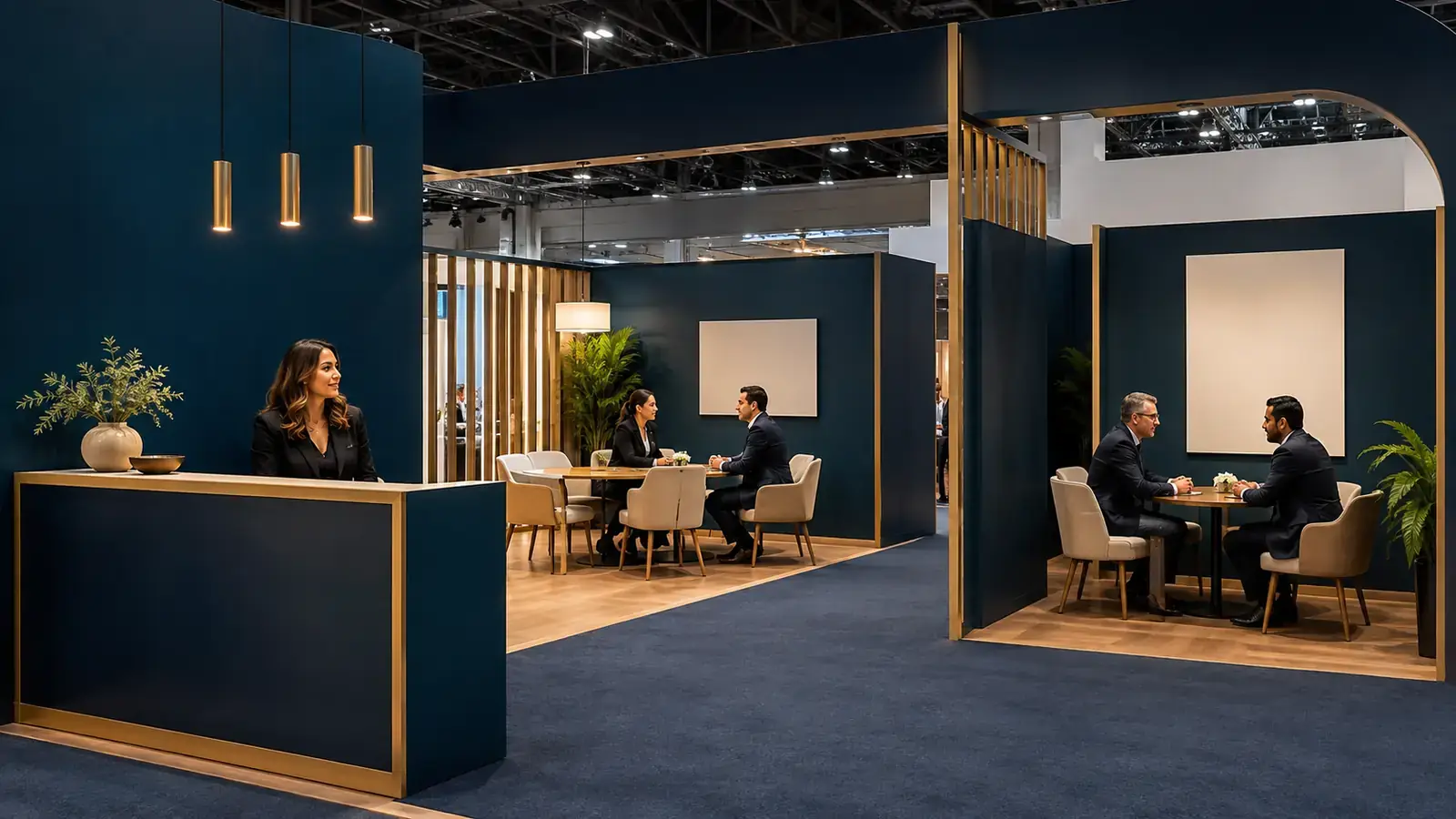
Start with the conversations you want. Decide whether each one needs a quick standing introduction, a seated contracting discussion, a destination presentation, a product demonstration, or a private exchange. Then use those situations to decide how much open space, seating, storage, and staff coverage you need.
For most travel suppliers, your booth should make four things easy:
- Let a visitor recognize what you sell and which markets you serve.
- Let your staff start a short, qualified conversation without blocking the aisle.
- Let you move a serious buyer into a focused meeting.
- Let your team capture the agreed next step and assign an owner.
Large scenic elements can support your destination story, but they should not consume the room you need for meetings, storage, staff movement, or a clear entrance. If an element does not help a visitor understand the offer or help your team advance a conversation, question whether it belongs in the plan.
What Should You Confirm Before Reserving Space?
Use the organizer’s current documents and written answers to close these gaps:
- Buyer fit: Which buyer categories are confirmed, how are buyers qualified, and what appointment access comes with your package?
- Space and package: What is included, what is optional, and what remains your responsibility?
- Current floor plan: Which locations and stand types are still available, and what restrictions apply to the space you are considering?
- Exhibitor deadlines: When are artwork, service orders, registrations, contractor documents, freight details, and other forms due?
- Venue services: Which provider handles internet, power, audiovisual equipment, rigging, catering, cleaning, and other required services?
- Build and contractor rules: If you use an outside exhibit partner, what approvals, insurance, credentials, and access rules apply?
- Freight and on-site handling: What are the move-in, delivery, storage, material-handling, and move-out procedures?
- Commercial terms: What payment, change, and cancellation conditions apply to your booking?
The public resources page lists an exhibitor kit, floor plan, space booking form, turnkey booth packages, buyer deck, sponsorship brochure, and an MBCC internet and telephone guide. You should request the latest version of every file that affects your booking. A webpage summary is not a substitute for the current forms and deadlines.
A Practical WTE Miami 2026 Go/No-Go Sequence
Make your decision in this order:
- Confirm that the official date and venue still fit your calendar.
- Match the organizer’s buyer categories to your real sales targets.
- Check the current directory and ask what meeting access you receive.
- Define the offer, proof, and next step your team will bring.
- Choose raw space or a shell scheme based on the conversations you need to support.
- Price the full participation plan, including services outside the space fee.
- Assign meeting outreach, booth staffing, lead notes, and post-show follow-up before production begins.
If the buyer match, meeting access, offer, and follow-up capacity are present, exhibiting is a reasoned next step. If they are not, you should attend only if your registration route supports a lower-risk learning goal, or pass on this edition rather than treating stand design as the answer.

Official WTE Miami Planning Links
- WTE Miami official website
- Official exhibit information
- Official exhibitor resources
- Miami Beach Convention Center event listing
Frequently Asked Questions
When should you begin buyer outreach for WTE Miami 2026?
Start when your registration gives you access to the current meeting or directory tools, not after booth graphics are finished. Give your team time to identify targets, request meetings, and adjust its message if early conversations reveal a weak fit.
What should your staff record after each scheduled meeting?
Use one shared record for the contact’s role, company, market, product interest, agreed action, due date, and internal owner. This makes your follow-up usable when the original staff member is busy or unavailable after the show.
Who should approve decisions from the exhibitor kit?
Assign one commercial owner for buyer and meeting decisions and one operational owner for deadlines, services, and submissions. Both should sign off before you release design files or appoint a contractor, because a commercial change can alter the operational brief.
How can you test a shell scheme before committing to a larger build?
Define a small test: the buyer roles you want, the meetings you want to hold, the message each visitor must understand, and the follow-up result that would justify a larger presence. Review those outcomes after the show before you assume more space is the right next move.
What should you do if an important requirement is not public?
Ask the organizer for the current written rule or form, keep the reply with your project file, and do not let an assumption enter the production brief. This is especially important for contractor approval, insurance, services, freight, access, and deadlines.
Final Thoughts
WTE Miami is a sales-channel choice before it is a design project. When you have the verified kit, a buyer target list, and a meeting plan, KingExhibits can use those confirmed inputs to shape a focused exhibit brief. Bring those inputs to a planning conversation before asking for a design direction.