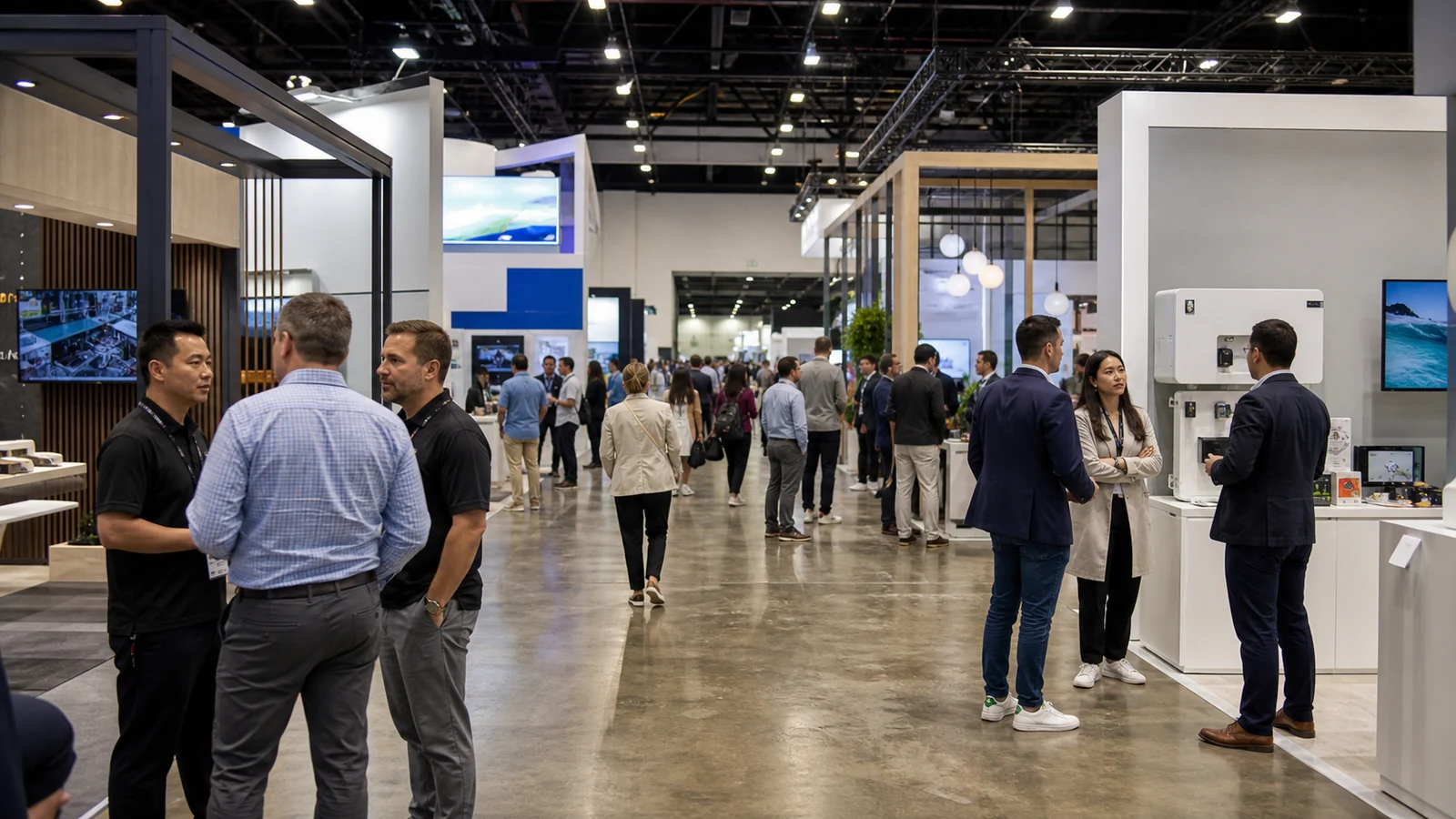
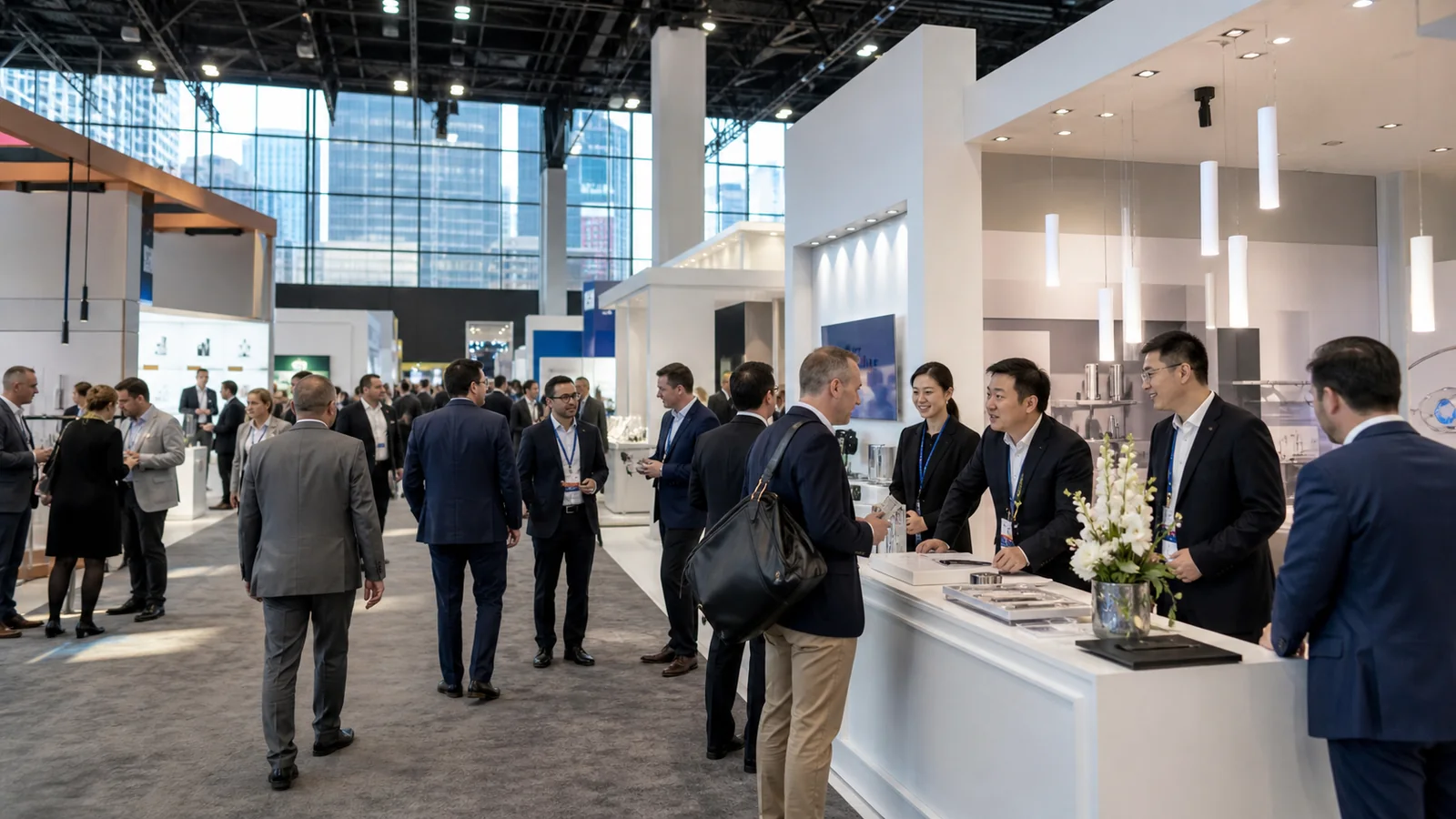
If you are planning a magnetics exhibit budget, you need a dated event decision—not a vague promise of industry traffic. The current official brand is The Magnetics Show USA; “The Magnetics Show North America” is an older search expression. This guide helps you decide whether to exhibit, attend, or pass, and what you need before committing.
Which 2026–2027 editions are confirmed?
| Edition | Official status | Date and venue |
|---|---|---|
| 2026, The Magnetics Show USA | Confirmed by current organizer pages; part of Materials Week USA | October 27–29, 2026, Huntington Place, Detroit |
| 2027 | No current organizer date or venue located | TBD — do not reuse a prior city, date, or service plan |
The organizer places the 2026 show within materials and magnetics conversations covering automotive, renewable energy, aerospace, electronics, and data storage. Public pages confirm the event identity, co-location, and selected exhibitor examples. They do not confirm your buyer mix, a complete exhibitor list, booth pricing, contractor, freight rules, or service deadlines.
What categories can you verify for 2026?
The current Materials Week USA setting includes The Magnetics Show USA alongside Silicone Expo USA, The Gasket & Seals Show, Tape & Functional Film Expo, High Entropy Alloy Expo, and Speciality Polymers World. The official page also shows examples involving magnets and magnetic assemblies, nondestructive testing, powder processing, and advanced magnetic solutions. Treat these as verified categories and examples, not a complete floor classification or promised audience.
Where does your offer fit in the magnetics value chain?
The organizer describes the event as a hub for magnetics and its supply chains. That is broad, so translate your offer into one buyer-recognizable position before you book: magnetic material or powder; magnet or magnetic assembly; coil, winding, motor, sensor, or other component; testing or design capability; or manufacturing equipment and service. These are useful industry positions, not an official 2026 floorplan. If you cannot place your offer in one position and name the application it supports, the show may still be too broad for your current sales message.
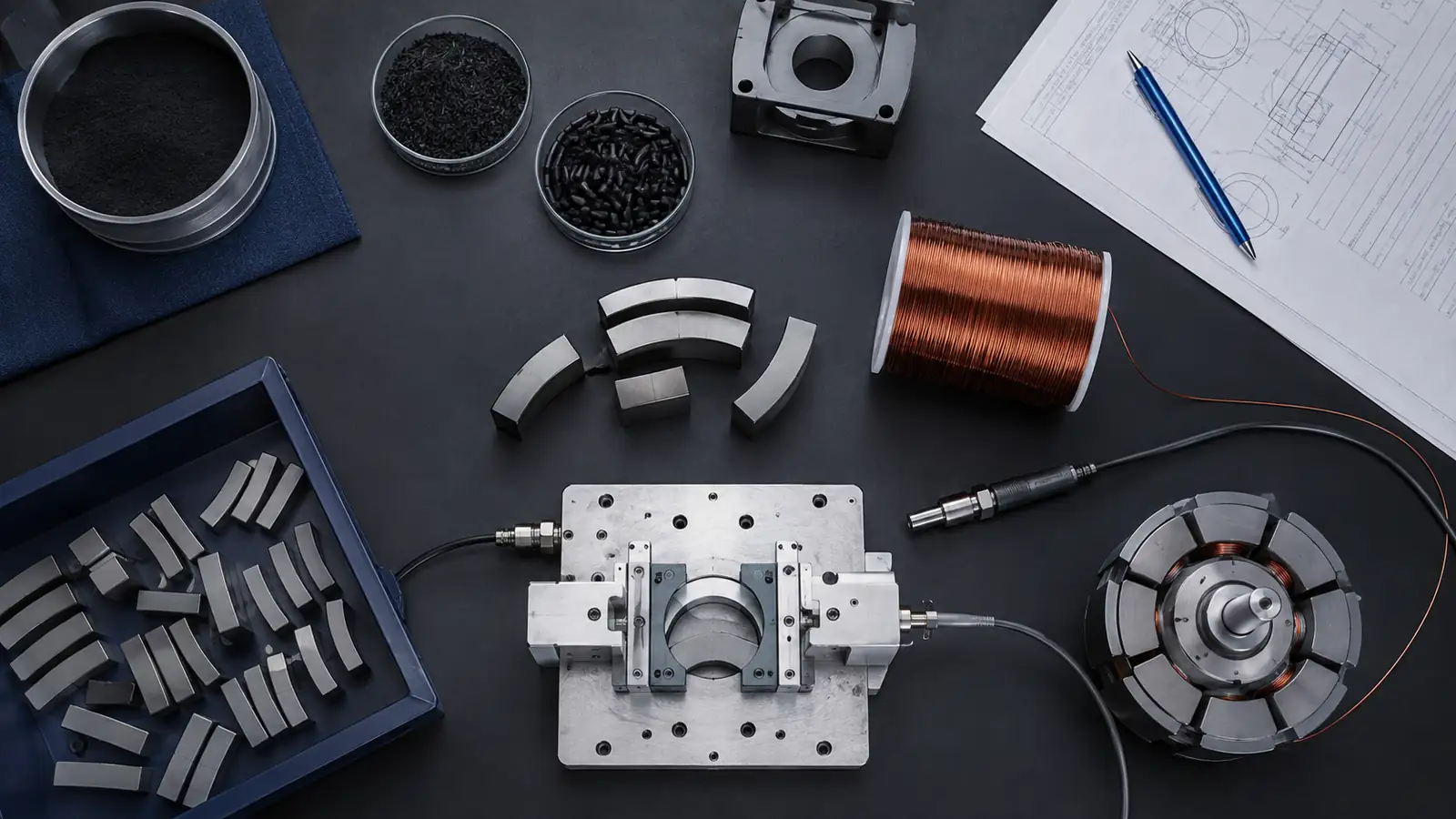
Decision value: exhibit when your team can connect the offer, application, and proof in one sentence. Attend first when you know the category but not the application conversation. Pass when the offer depends on a buyer group outside the magnetics supply chain and you have no testable reason it will be present.
Which visitor conversations are realistic to plan for?
The organizer says manufacturers, distributors, buyers, and industry experts come together. That tells you who the event is intended to serve; it does not prove that each group will visit your booth or have an active project. Plan for three conversation paths instead: an engineering path about performance, constraints, or measurement; a sourcing path about capability, specification, and supply; and a partner path about integration or distribution. Give each path one qualifying question and one evidence item. This lets staff recognize a useful conversation without assuming a title equals a purchase decision.
Decision value: prioritize the show when at least two of those paths match your normal sales process and your staff can handle them. If only a general awareness conversation fits, attend with meetings rather than pay for space.
What does Materials Week USA co-location change for you?
Co-location gives you a defined reason to test adjacent materials conversations: silicone, gaskets and seals, tape and functional films, high-entropy alloys, and speciality polymers share the 2026 Materials Week USA setting. It does not make every visitor an appropriate magnetics prospect. Write one hypothesis per adjacent audience: the interface, operating condition, or manufacturing problem that links their work to your product. For example, a component supplier may need a material discussion; that is a hypothesis to test in a meeting, not a claim that the audience is already qualified.
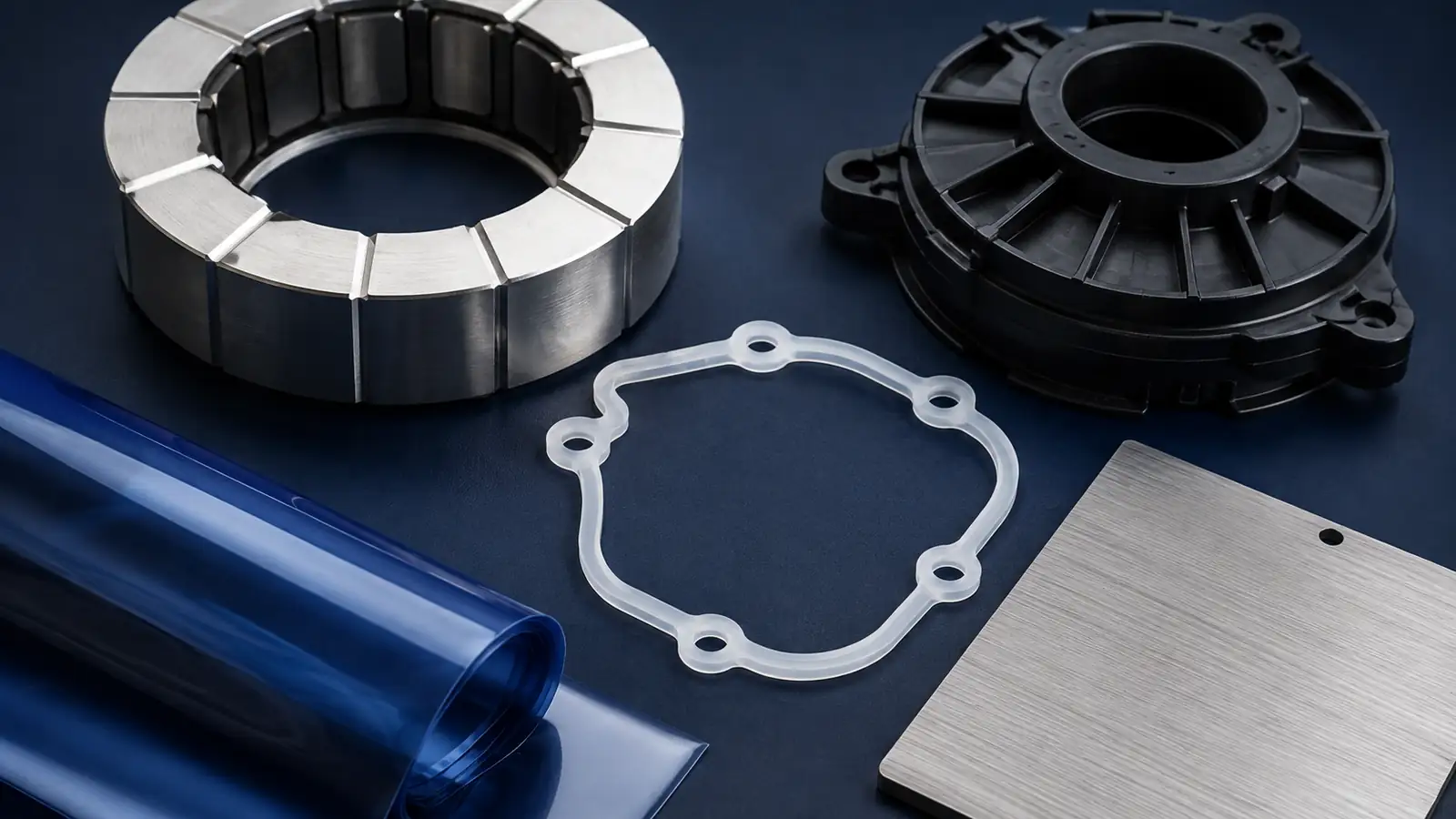
Decision value: give this event higher priority when an adjacent-show hypothesis creates a second, credible meeting path beyond your core magnetics buyer. Do not add space or staff merely because the events share a venue.
What should a technical buyer be able to inspect at your booth?
Choose the proof format by the question you need answered. Bring a physical sample when a material, finish, interface, or construction detail needs inspection. Use a cutaway, comparison board, or measured result when the difference is technical rather than visual. Use drawings, video, or a digital model when installation context matters more than transportable hardware. Leave out duplicate variants that do not create a new buyer question. Before fabrication, list the proof, the question it answers, the staff owner, and any organizer approval it requires.
Decision value: prioritize exhibiting when you can show one proof that advances a real technical or commercial decision. If the important proof is confidential, too large, unsafe, or not yet approved, attend first and use meetings to validate demand.
How should you prioritize this show against other industry events?
Do not rank events by reputation alone. Score each candidate event against the same six checks: direct access to your target role; fit between your product and the event's verified scope; a concrete application to discuss; approved proof you can bring; meetings you can arrange before travel; and the team's capacity to follow up. The Magnetics Show USA should be your first-choice exhibit only if it wins on those checks against the alternatives you have actually verified. If another event reaches your target role more directly, reserve this event for attendance or a smaller test.
Decision value: choose a full exhibit only when the event has a clear advantage on target-role access and proof fit. Choose attendance when the event is strategically plausible but those two checks remain unproven. Choose neither when no event-specific meeting or follow-up plan exists.
Should Your Company Exhibit, Attend, or Pass?
Exhibit
Exhibit when you can name the engineer, buyer, or partner you need to meet; show one approved physical or technical proof; and define the next conversation you want. You might display a sample, cutaway, process comparison, or traceable measurement result. Your team should be able to explain why that proof matters in a minute. Ask for the current floor plan and exhibitor documents before you choose footprint, services, or a display method.

Attend
Attend without a booth when you need to test whether your product belongs in the room before you spend on space. You can map suppliers, observe technical language, and test one adjacent-event conversation. Prepare a short meeting brief so you know which applications, quality problems, or sourcing issues matter. Your goal is not to collect cards; it is to decide whether a future exhibit would have a defined audience and proof.
Pass
Pass when your offer needs a consumer audience, a retail launch, or a long private purchasing process with no useful proof to show. You should also pass if the target visitor and product story remain vague after internal review. A booth does not create a buyer category. Save the budget until you can state what you will demonstrate, which problem it addresses, and what a qualified visitor should do next.
What should your budget include besides space?
Do not treat space as the whole project. Build separate allowances for structure and graphics; official services such as power, internet, material handling, and possible rigging; freight and return shipping; travel and lodging; samples or demonstrations; staffing; and a contingency for confirmed changes. Do not use this list as a price sheet. Use it to decide go/no-go once the organizer provides current forms and your team can connect each cost group to a display or meeting purpose.
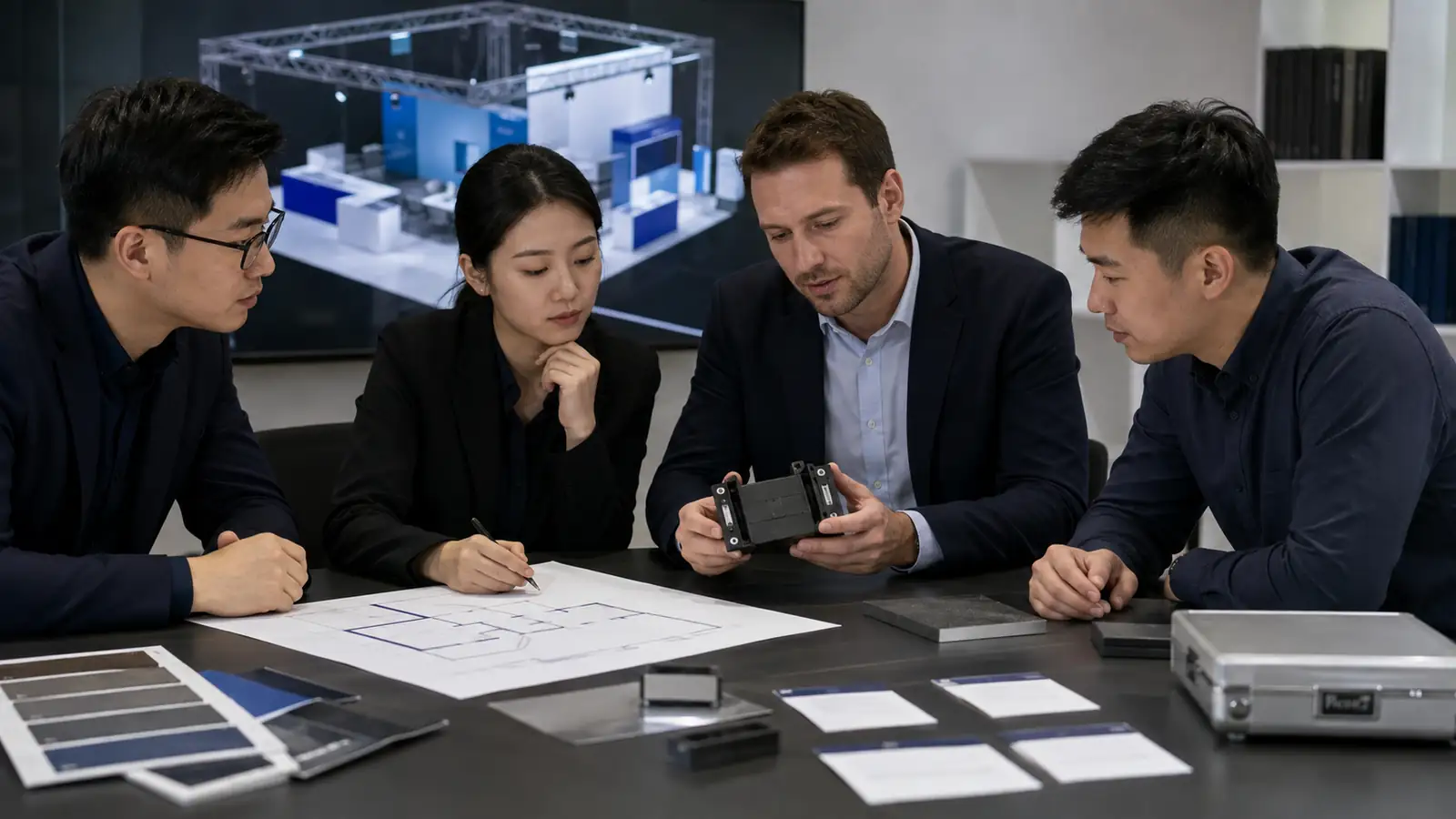
What should your booth prove?
You need one proof, not a catalog wall. Let visitors see the part, sample, cutaway, process comparison, or approved result that starts the right conversation. Your staff can ask what the visitor is building, which operating condition causes trouble, or what measurement is missing. Keep official approvals and service orders with the organizer and its providers.
What Practical Advantages Can KingExhibits Bring to a Magnetics Exhibit?
Turn a product goal into a display brief
KingExhibits can start with your featured product, target visitor, approved sample or proof, and meeting goal. That process makes the display question concrete: what must a visitor understand, touch, compare, or discuss? It also identifies the staff question and follow-up action that the display must support. It avoids starting from decoration alone. The output should remain a planning brief, not an unverified promise about show services, visitor numbers, local delivery, or commercial results.

Separate confirmed constraints from assumptions
KingExhibits can organize the inputs you already have—contracted footprint, floor plan, product handling needs, staffing, freight origin, and organizer documents—into a scope discussion. You can then see what is confirmed and what still requires the organizer or appointed contractor. This boundary matters because a display direction can be reviewed locally while service orders, safety approvals, and deadlines remain official responsibilities.
Make follow-up requirements visible
KingExhibits can help you define what staff should record after a conversation: application, project stage, technical need, decision role, and next meeting or sample action. You can use those fields to avoid a booth that generates undirected contacts. This is a process advantage, not a claim about lead volume, conversion, or outcomes. Your team still decides which contacts are qualified and what follow-up is appropriate.
FAQ
What should you do when an application falls outside your validated data?
When a visitor describes an application outside your validated temperature, load, field, geometry, environment, or duty-cycle range, do not stretch an existing chart into a promise. Capture the operating conditions, target performance, failure concern, material constraints, annual volume, and decision timing. Explain which part of your current evidence applies and which part requires engineering review. If a sample or test is appropriate, define who will approve it, what the test will measure, and when you can respond. Mark the conversation as preliminary in the lead record so sales does not quote an unsupported specification. The right outcome is a controlled technical follow-up, not an improvised yes at the booth.
Who should staff a technical booth?
Staff the booth with three responsibilities, even if two people share them: an application qualifier, a technical responder, and a next-step owner. The qualifier identifies the visitor's component, operating condition, specification, and project stage. The responder explains only approved performance evidence and knows when to stop rather than guess. The owner books the follow-up, sample review, drawing exchange, or commercial call. Give every shift a one-page briefing with qualifying questions, escalation contacts, prohibited claims, and lead fields. If one specialist covers all three responsibilities, schedule relief and a handoff method so a valuable conversation is not abandoned when several visitors arrive at once.
When should we request the exhibitor manual?
Request the current exhibitor manual as soon as your internal go decision is approved and before you freeze the booth footprint, demonstration, freight method, or budget. Pull every relevant deadline into one owner-controlled schedule: contractor approval, insurance, artwork, electrical and internet orders, material handling, advance warehouse, direct-to-site delivery, move-in, and move-out. Flag any rule that affects sample weight, machinery, magnetic equipment, hanging signs, sound, or live operation. Send unresolved questions to the organizer or appointed provider in writing and store the replies with the brief. Production should begin only after those answers and dates are reflected in the design and cost plan.
Which post-show metrics tell you whether the exhibit worked?
Judge the exhibit against the meeting and proof hypotheses you set before the show, not the raw badge-scan total. Count conversations that matched the target role, application, and project stage; agreed technical reviews or sample actions; commercial meetings with named owners and dates; and adjacent-audience tests that produced a real interface problem. Track how many promised items were sent on time and how many recipients completed the next action within your review window. Record disqualification reasons as well, because repeated mismatch may mean the event or message is wrong. Compare those outcomes with total cost and staff time before you decide whether to expand, reduce, or repeat your presence.
What belongs in the first post-show email?
Send the first email within the timeframe agreed at the booth, preferably while the application and requested evidence are still clear. Open with the product or operating problem discussed, then provide only the promised item: a drawing, data sheet, sample plan, test result, quotation input list, or meeting summary. State one next action, its owner, and a proposed date. If technical disclosure requires an NDA or internal approval, say so and give the buyer a realistic milestone rather than attaching unapproved material. Record the message in the shared lead system. A generic thank-you, catalog dump, or unassigned “let's stay in touch” does not advance the decision.
Final Thoughts
For 2026, exhibit only when you have a defined visitor, visible proof, and current organizer documents; otherwise attend first or pass. Send KingExhibits your footprint or target size, product, approved proof, visitor, meeting goal, staffing plan, freight origin, and current documents. KingExhibits can use those confirmed inputs to review display direction without guessing at official services or outcomes.