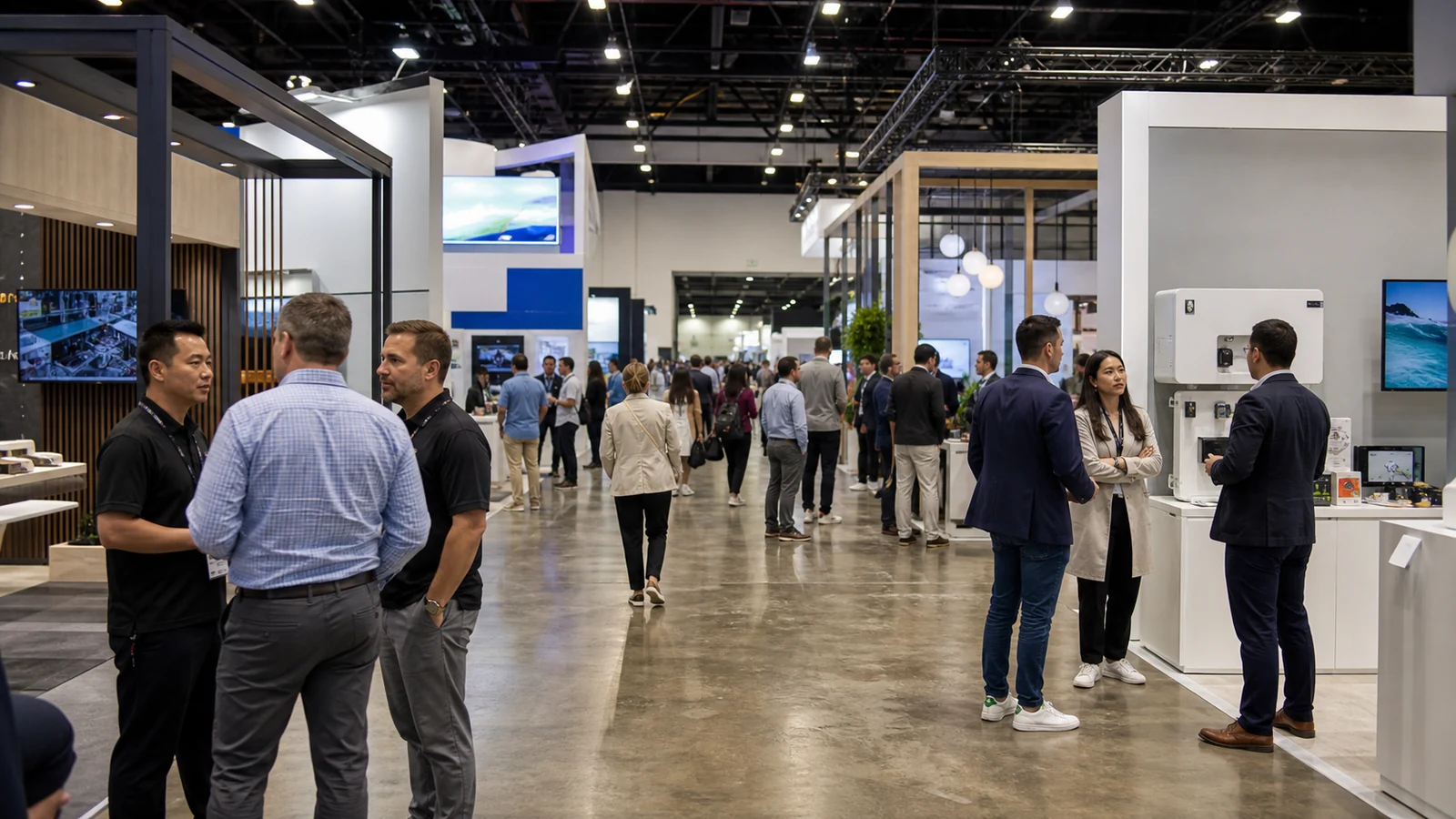
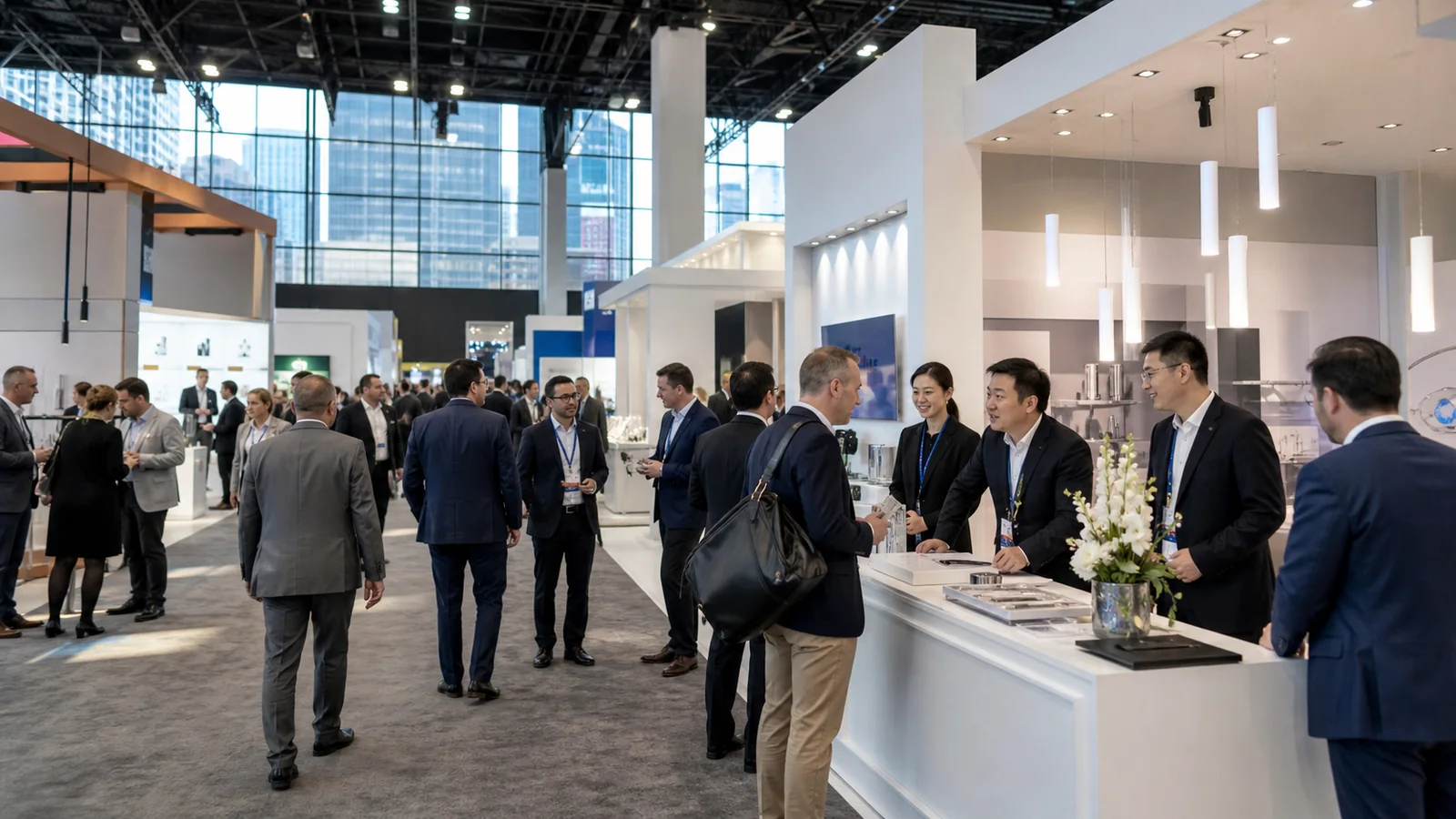
If you are comparing U.S. technology expos and AI conferences, “technology audience” is too broad to guide an exhibit budget. A cybersecurity leader, a semiconductor process engineer, a warehouse operator, and a media production team may all invest in AI, but they attend different events and expect different proof. This guide compares 10 verified U.S. technology and AI trade shows in 2027 by the buying context each one creates.
The events, organized by the problem they help solve
| Date | Event | Location | Strongest commercial context |
|---|---|---|---|
| January 6–9 | CES 2027 | Las Vegas, Nevada | Cross-industry technology, consumer technology, enterprise AI, startups, partners, and media |
| January 30–February 4* | SPIE Photonics West | San Francisco, California | Photonics, optics, imaging, lasers, quantum, vision, and enabling hardware |
| March 14–18 | NVIDIA GTC | San Jose, California | Accelerated computing, enterprise AI, developers, infrastructure, and applied AI |
| March 30–April 1 | SEMICON West | Phoenix, Arizona | Semiconductor manufacturing, equipment, materials, packaging, and supply chain |
| April 3–7* | NAB Show | Las Vegas, Nevada | Broadcast, media, content production, streaming, cloud, and AI workflows |
| April 5–8 | RSAC Conference | San Francisco, California | Enterprise cybersecurity, risk, identity, cloud, data, and AI security |
| April 12–15* | RAPID + TCT | Boston, Massachusetts | Additive manufacturing, 3D printing, materials, software, and production applications |
| April 19–21 | ProMat | Chicago, Illinois | Warehousing, logistics, robotics, automation, material handling, and supply-chain technology |
| June 12–18* | InfoComm | Orlando, Florida | Professional AV, collaboration, digital signage, integrated experiences, and AI control |
| July 31–August 5* | Black Hat USA | Las Vegas, Nevada | Technical cybersecurity research, offensive and defensive tools, and security practitioners |
*The date shown includes the broader conference or education window. The exhibit floor may run on fewer days; the profile below gives the currently published exhibit dates where available.
These are not ten versions of one “AI show.” They are ten markets in which technology is evaluated. The right one gives your product a buyer, a system boundary, and a reason to demonstrate it.
1. CES 2027
January 6–9, 2027 | Las Vegas, Nevada
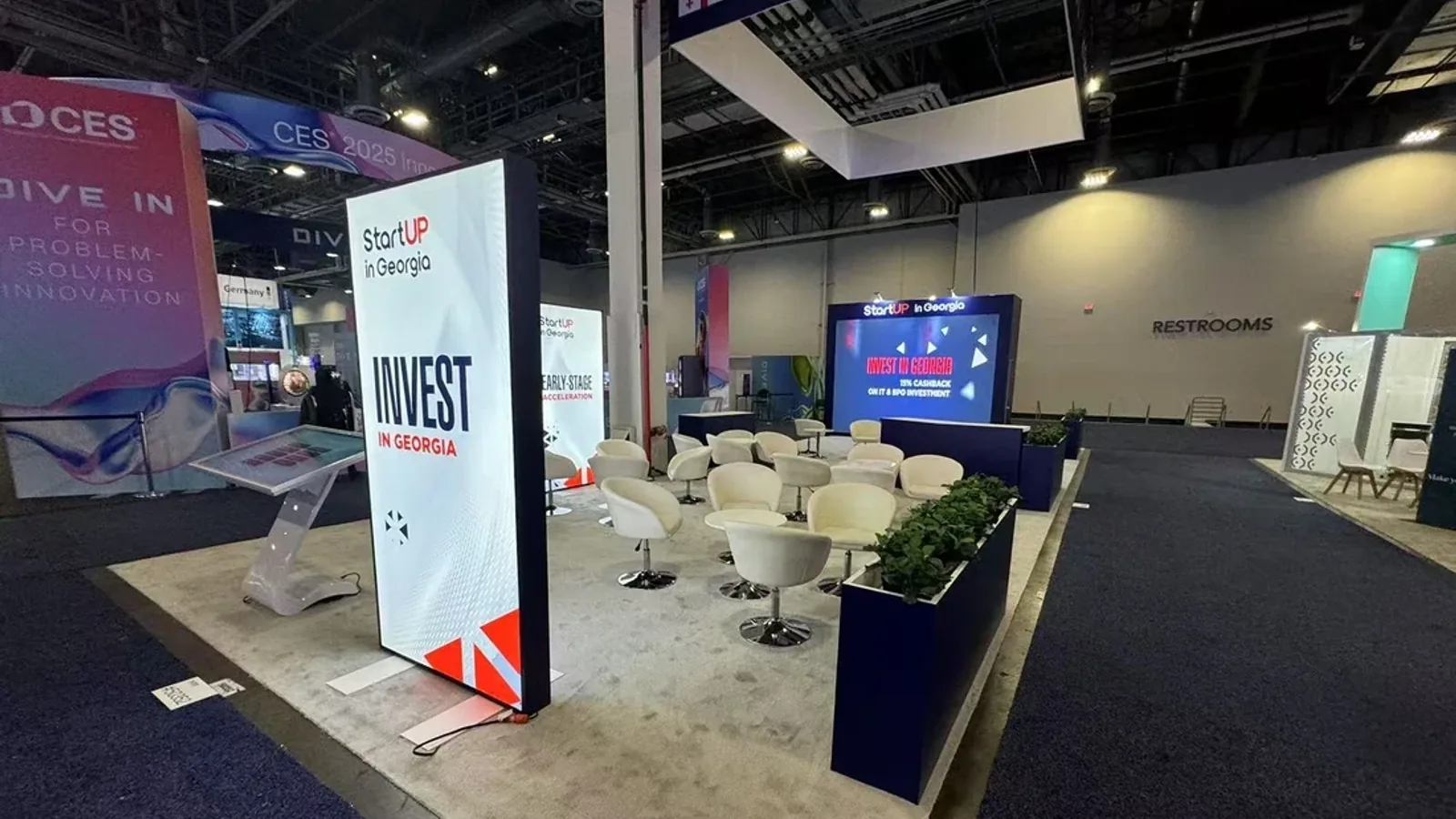
CES 2027 is the broadest event in this guide. Its official categories span artificial intelligence, enterprise technology, IoT, mobility, health, smart home, energy, retail, media, robotics, startups, and many adjacent markets. The organizer's audited 2026 figures report more than 148,000 attendees, but scale is only useful when you choose the correct product area and audience inside the show.
CES can work for a product launch, partner search, media strategy, consumer or enterprise channel, and startup visibility. It can also consume a large budget while producing unfocused traffic. “AI-powered” is not a sufficient booth message when almost every hall contains AI claims.
Start by choosing the buying context: vehicle, health, home, enterprise, infrastructure, retail, or another defined category. Then show one capability in use and make the required integration, data, deployment, and commercial path visible. A company that cannot name the CES zone, priority accounts, and next-step meeting it needs should attend before building a large exhibit.
2. SPIE Photonics West
BiOS Expo: January 30–31; Photonics West Exhibition: February 2–4, 2027 | Moscone Center | San Francisco, California
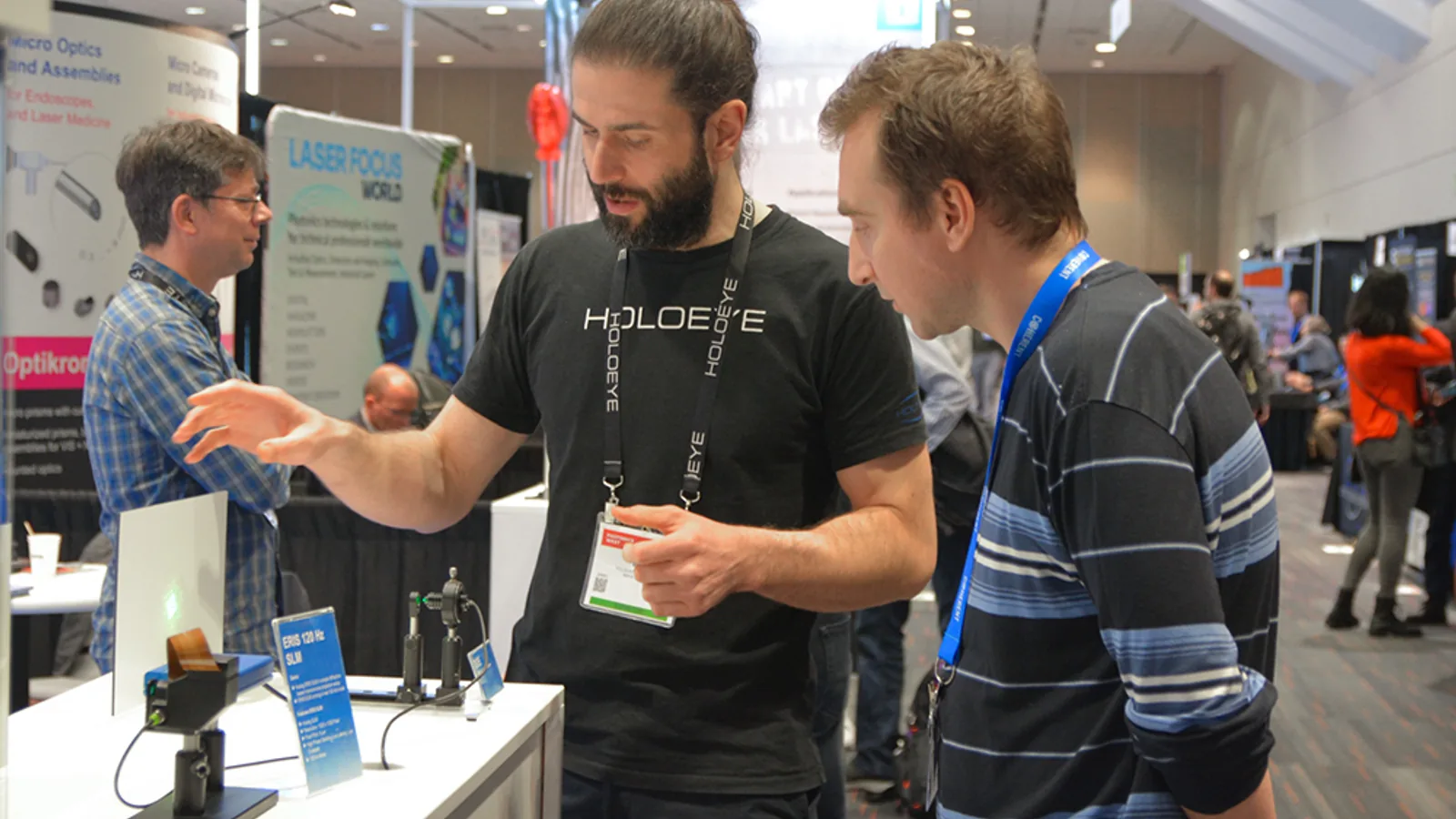
SPIE Photonics West connects researchers, engineers, developers, and buyers around lasers, optics, imaging, sensing, biomedical optics, quantum, AR/VR/MR, and vision technology. It is a technology trade show in the enabling-hardware sense, not a general software or business-AI conference.
Components, sources, detectors, cameras, optical systems, test and measurement, fabrication, materials, and imaging or vision platforms have an obvious fit. A horizontal SaaS product needs a specific workflow for this community to belong.
Technical visitors want to know wavelength, performance range, interfaces, tolerances, reliability, production readiness, and application limits. Build the exhibit around an engineering comparison or a working optical result. Do not hide every useful specification behind a lead form; credibility is the first conversion.
3. NVIDIA GTC
March 14–18, 2027 | San Jose McEnery Convention Center and other San Jose venues | San Jose, California
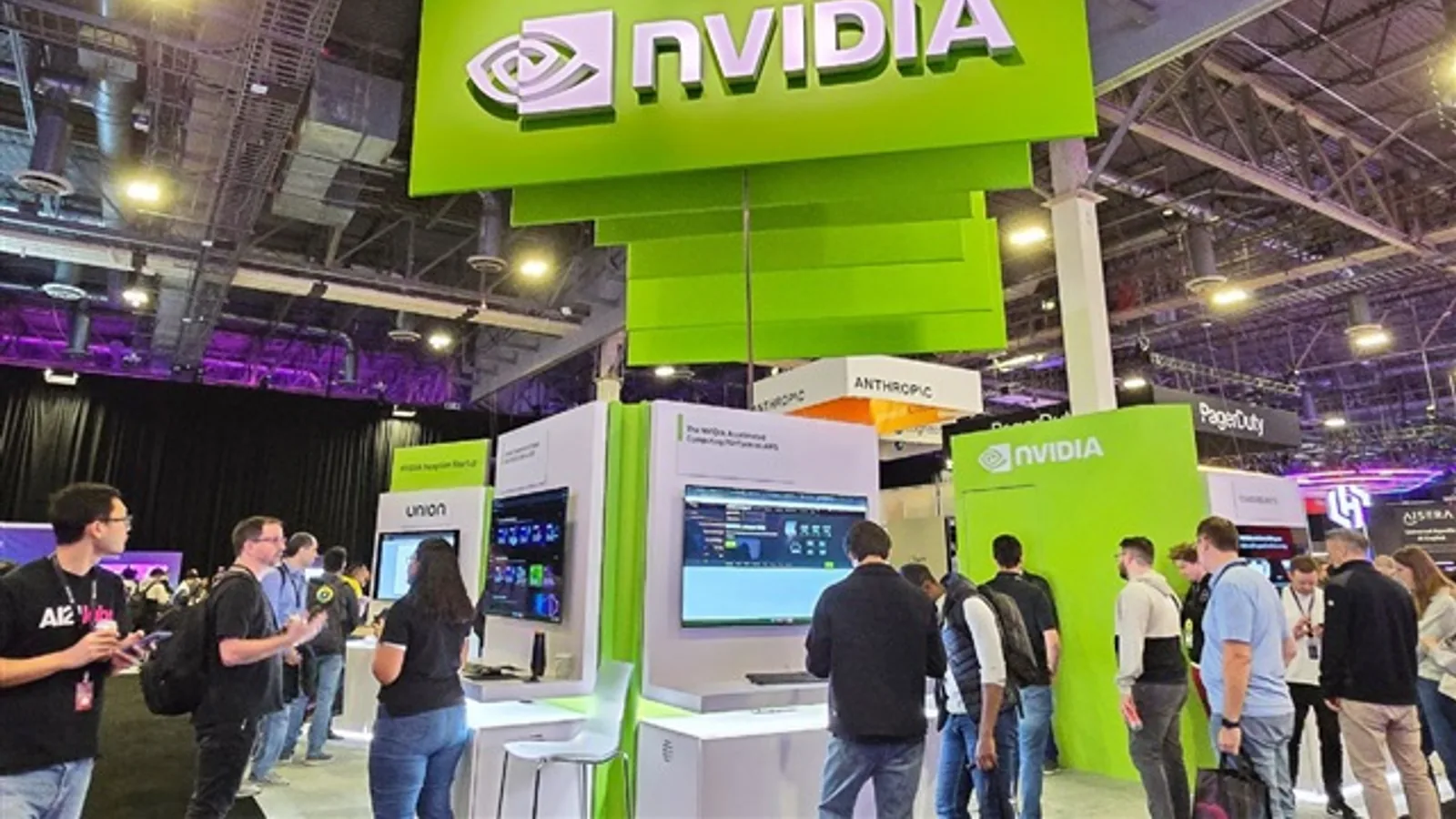
NVIDIA GTC gathers developers, researchers, IT decision-makers, business leaders, and technology partners around accelerated computing and applied AI. It is especially relevant to AI infrastructure, models and tooling, robotics, simulation, digital twins, data platforms, developer tools, and enterprise applications built within or adjacent to NVIDIA's ecosystem.
The event suits a company that can show how its product works, where it fits in the stack, and what an organization can deploy next. A general consulting message or a thin interface placed on top of a public model will struggle beside technically mature demonstrations.
Decide whether the primary conversation is with developers, infrastructure teams, enterprise owners, or ecosystem partners. Each needs different proof. Show latency, accuracy, resource needs, security, deployment path, and limitations where they affect adoption. A polished AI demo that depends on an undisclosed manual process will damage trust faster here than at a general business conference.
4. SEMICON West
March 30–April 1, 2027 | Phoenix Convention Center | Phoenix, Arizona
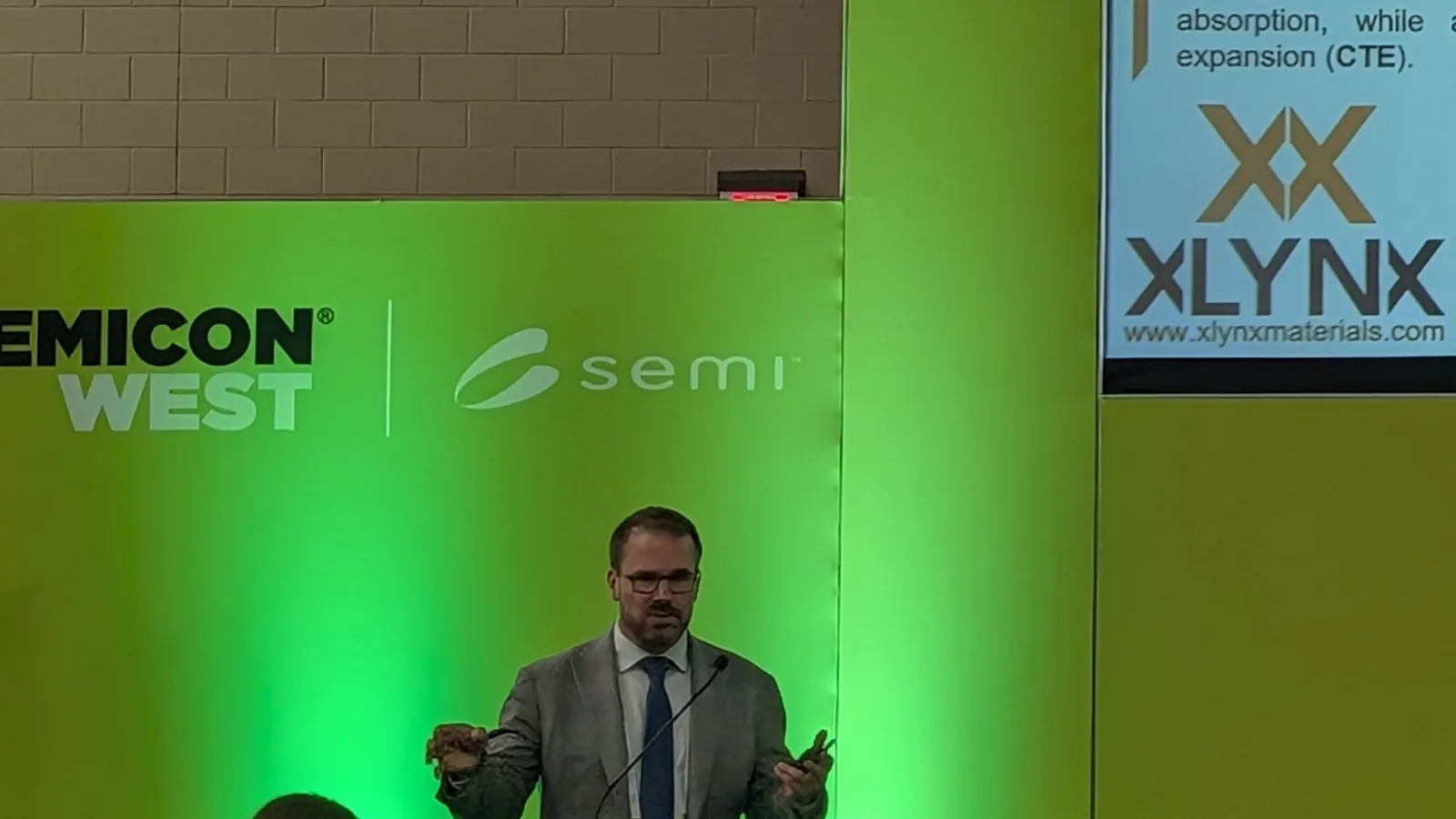
SEMICON West serves the semiconductor and electronics design and manufacturing supply chain. Beginning in 2027, the organizer has moved the event to a spring schedule in Phoenix, placing it closer to a growing U.S. semiconductor manufacturing ecosystem.
Wafer-processing equipment, materials, subsystems, advanced packaging, metrology, factory automation, contamination control, software, cybersecurity, facilities, and supply-chain solutions can fit. The word AI matters here when it improves a real semiconductor process, factory, yield, maintenance, or design decision.
An exhibit should make the production consequence clear. Explain where the solution enters the line, required utilities and interfaces, qualification status, throughput, yield or uptime effect, service model, and what data supports the claim. If the technology is still exploratory, label it honestly and use the show to find development partners rather than presenting a production promise.
5. NAB Show
Conference: April 3–7; exhibits: April 4–7, 2027 | Las Vegas Convention Center | Las Vegas, Nevada
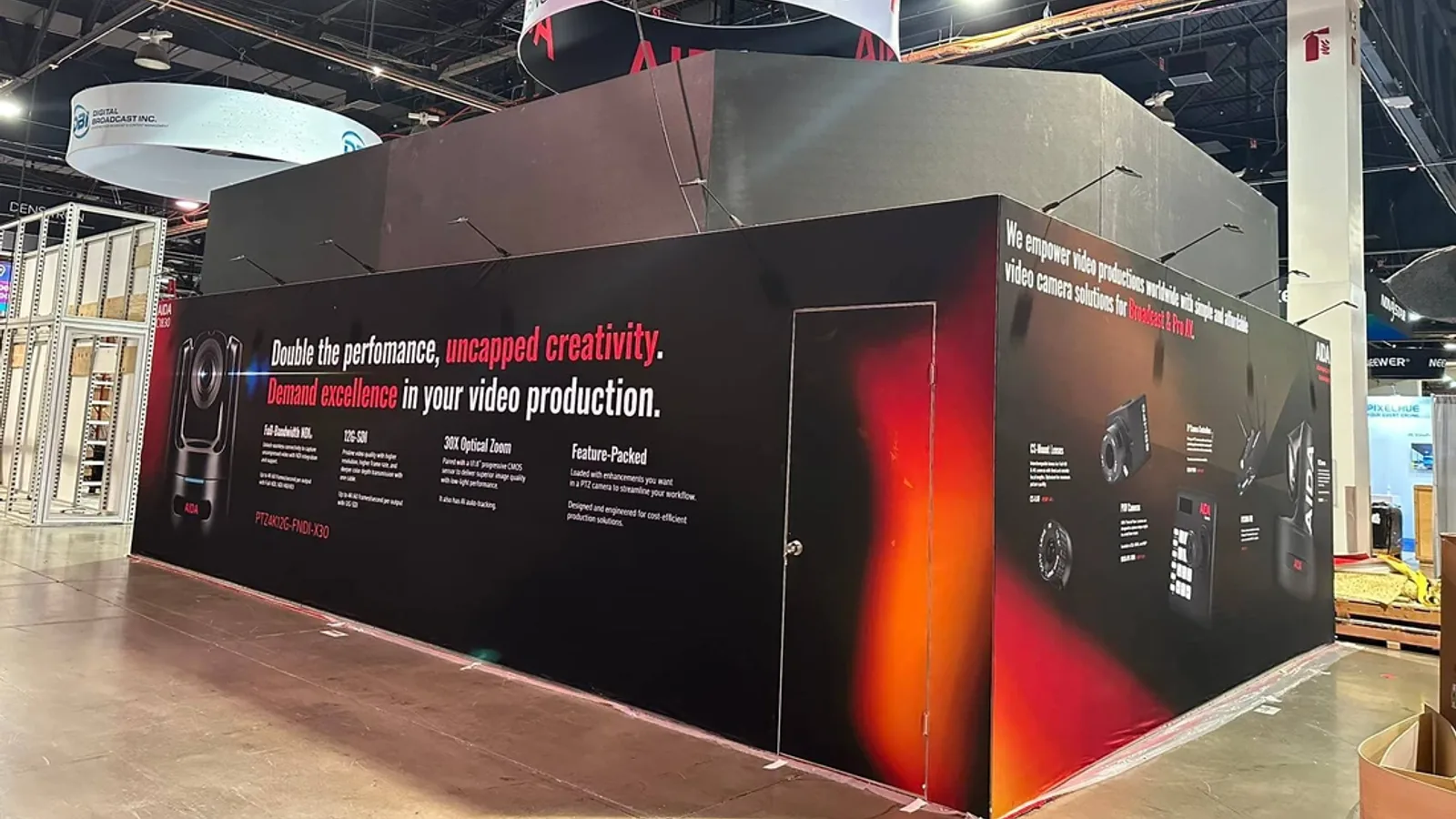
NAB Show is the principal media-and-entertainment technology event in this list. It covers broadcast, cameras, audio, production, post-production, streaming, cloud, storage, sports, creator workflows, digital signage, and AI used across content operations.
This is a strong fit for technology that changes how content is captured, created, managed, localized, distributed, monetized, or measured. A generic enterprise AI platform needs a clear media workflow; otherwise the team will spend the show explaining why it is there.
Demonstrate a before-and-after workflow with realistic media. Be ready to discuss quality, rights, latency, interoperability, metadata, security, cost, and human approval. In generative AI, explain what the system can automate and where editorial control remains. Media buyers are evaluating operational risk as well as novelty.
6. RSAC Conference
April 5–8, 2027 | Moscone Center | San Francisco, California
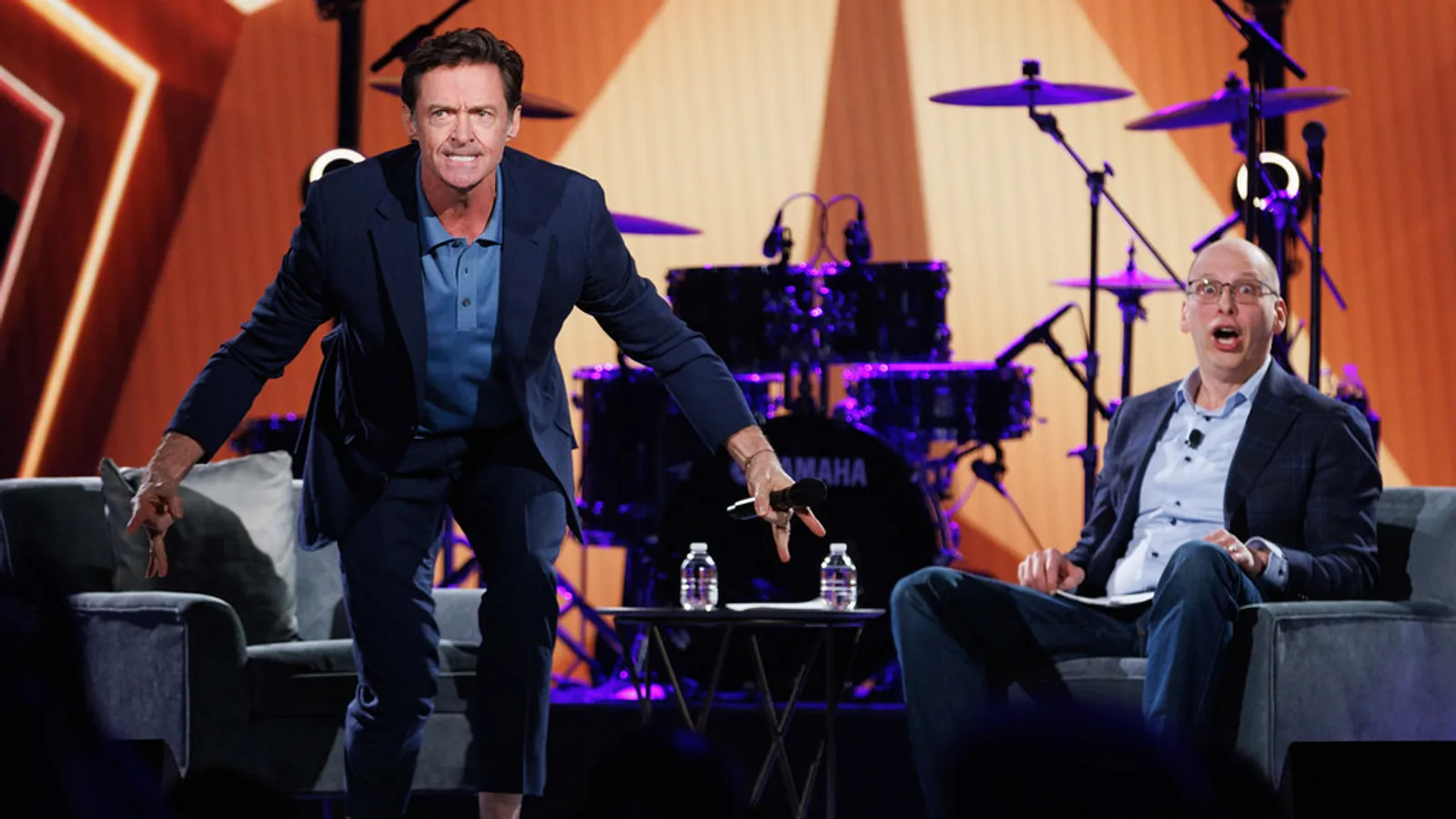
RSAC Conference 2027 is a large enterprise cybersecurity gathering covering risk, cloud, identity, application security, data, operations, governance, privacy, and emerging threats. The expo brings established vendors and startups into the same environment as security leaders and practitioners.
Cybersecurity products, services, platforms, and security-focused AI have a direct reason to exhibit. A general IT product should not add “secure” to its headline and assume relevance. The buyer needs to understand which threat, control, asset, or workflow the offer addresses.
Lead with the security problem and deployment boundary. Explain data sources, integrations, false-positive control, response workflow, evidence, and what your product does not cover. For AI security claims, distinguish between using AI inside the product and securing AI systems for the customer. Those are different buying conversations.
7. RAPID + TCT
Conference: April 12–15; exhibits: April 13–15, 2027 | Boston, Massachusetts
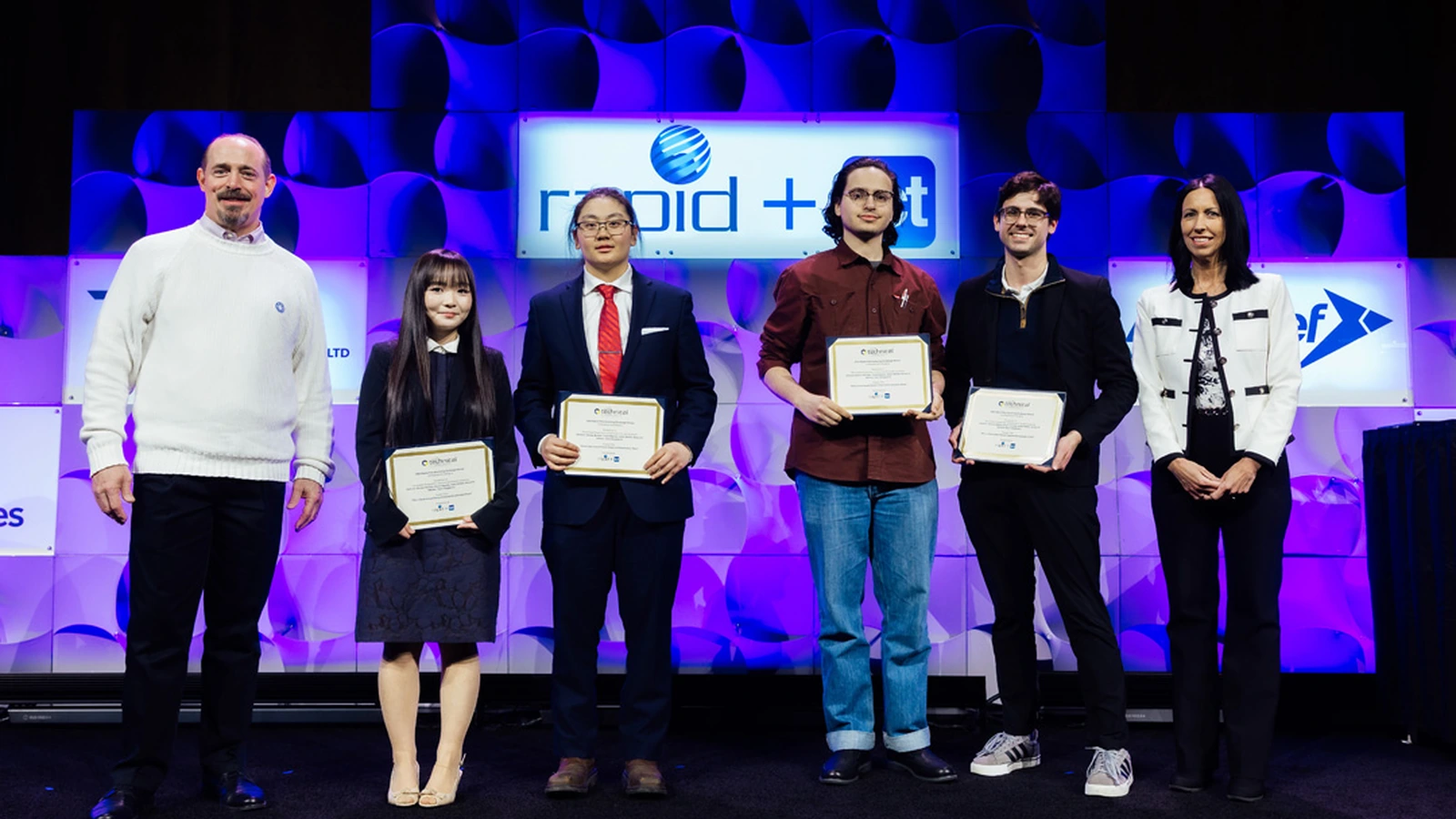
RAPID + TCT concentrates on additive manufacturing and industrial 3D technology. Equipment, materials, software, scanning, post-processing, quality, design, and production applications are evaluated in a manufacturing context.
The show fits when visitors need to compare processes and parts, not merely watch a digital presentation. A product used for prototyping, tooling, medical, aerospace, automotive, or serial production should be tied to the application and its constraints.
Bring parts that reveal the result, not just the easiest samples to print. Show material, process, build time, post-processing, tolerance, inspection, cost assumptions, and production limits. If AI improves design, monitoring, or process control, connect it to a measurable manufacturing decision. “AI-optimized” without a visible outcome adds little.
8. ProMat 2027
April 19–21, 2027 | McCormick Place | Chicago, Illinois
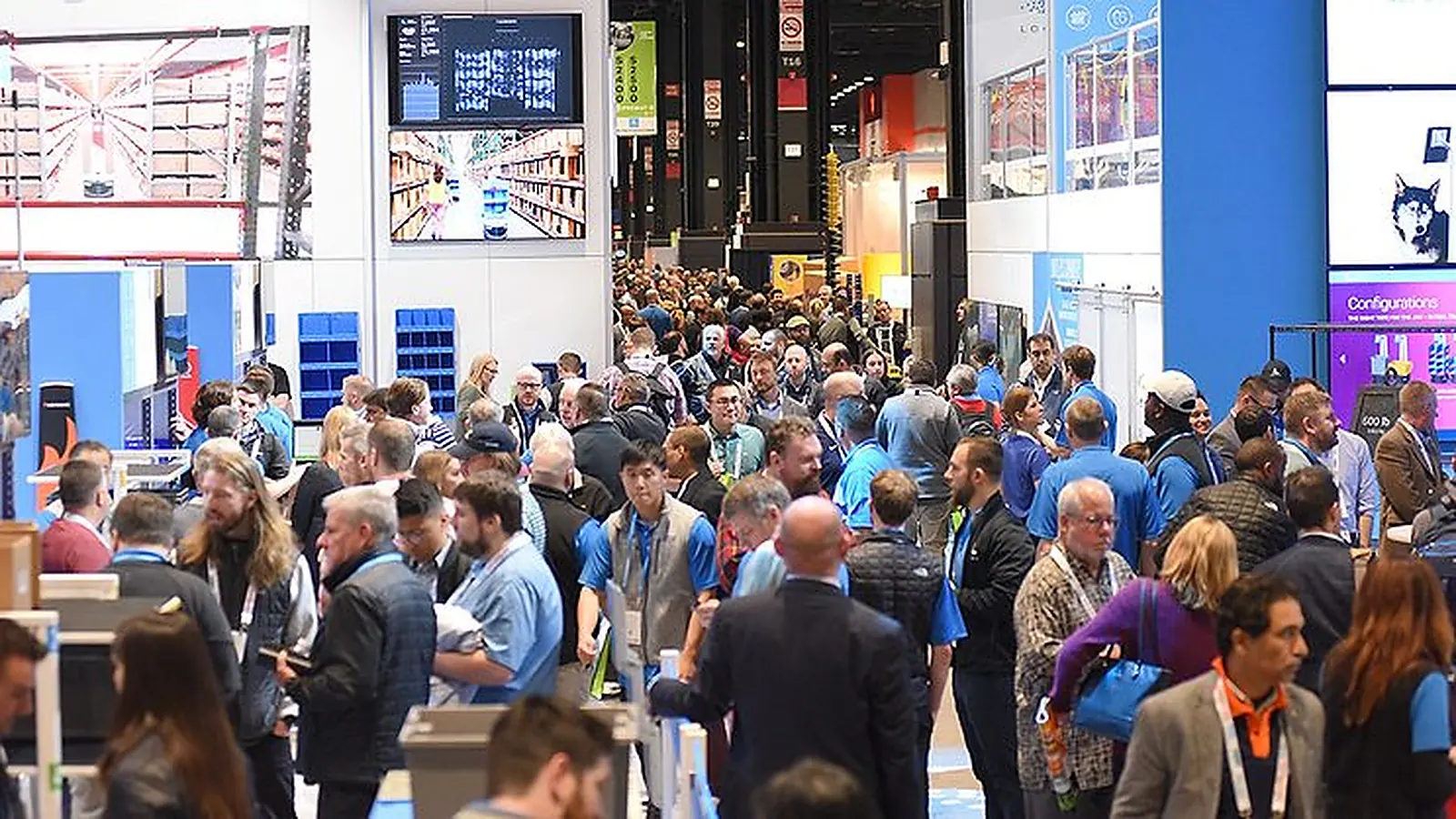
ProMat is a major manufacturing, distribution, and supply-chain technology event. The organizer plans more than 1,100 solution providers and nearly 200 seminars, with equipment and systems demonstrated across material handling, warehousing, robotics, automation, software, and logistics.
Warehouse automation, mobile robots, conveyors, picking, storage, packaging interfaces, fleet management, safety, visibility, and supply-chain software can fit. The show rewards technology that solves an operating constraint. It is not the natural home for general office AI.
Build the demonstration around flow: what enters, what the system decides or moves, which human steps remain, and what happens during an exception. Buyers will ask about integration, throughput, uptime, safety, deployment, service, and return assumptions. A choreographed robot loop is only useful if the team can explain the real facility around it.
9. InfoComm 2027
Education: June 12–18; exhibits: June 16–18, 2027 | Orange County Convention Center | Orlando, Florida
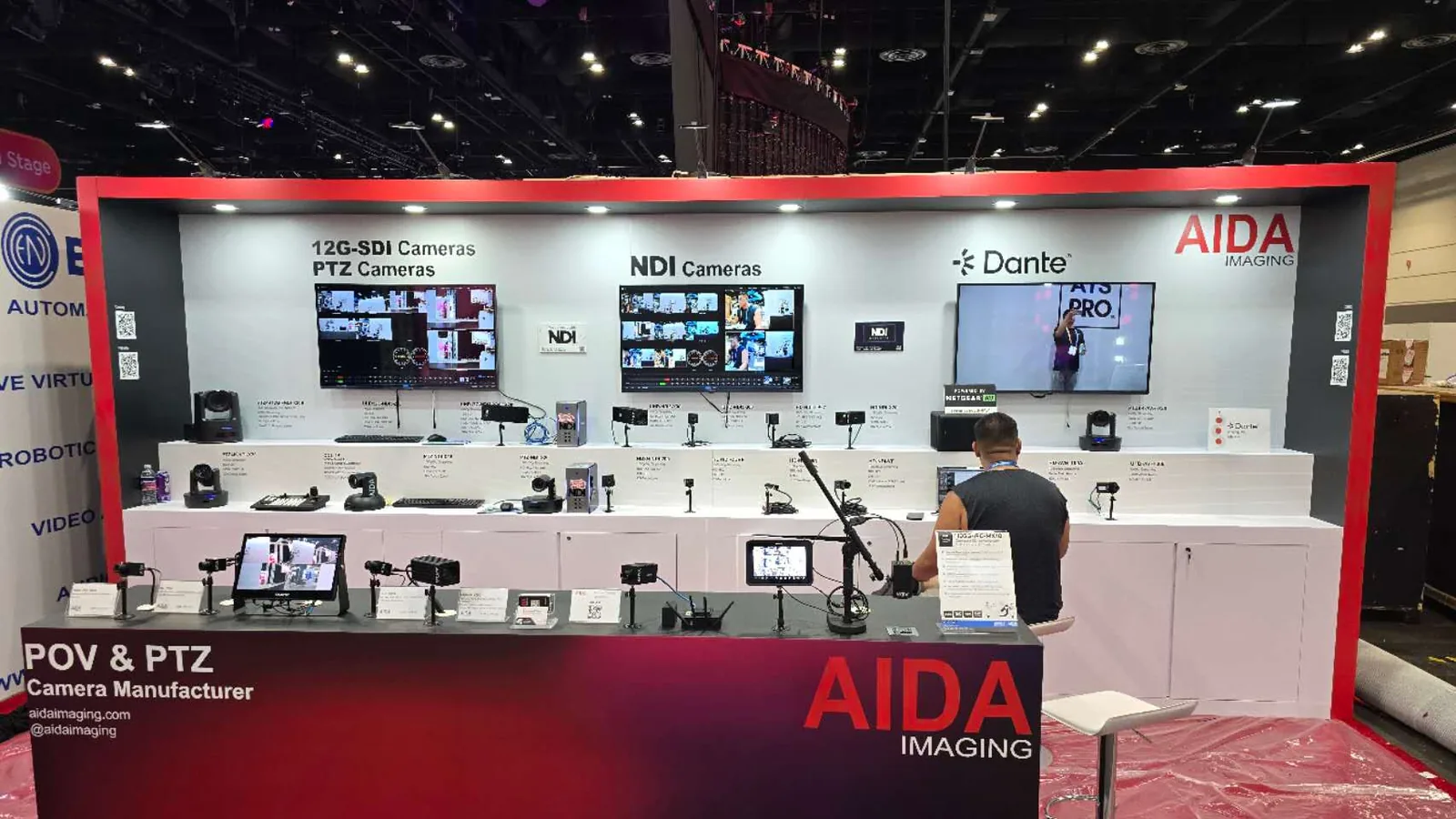
InfoComm serves the professional audiovisual and integrated-experience market. Audio, displays, conferencing, collaboration, control, broadcast AV, digital signage, lighting, staging, networks, and AI-driven systems appear in projects for enterprise, education, retail, hospitality, venues, and entertainment.
The audience includes manufacturers, integrators, consultants, technology managers, designers, and end users. That makes channel fit important: some visitors specify systems, some integrate them, and some operate them. One message cannot speak equally well to all three.
Show the experience and the integration. Audio must be heard under controlled conditions; displays need representative content and viewing distance; control and collaboration systems need a complete workflow. Explain compatibility, standards, network and security requirements, commissioning, and support. A dramatic screen attracts traffic, but system confidence creates projects.
10. Black Hat USA
July 31–August 5, 2027 | Mandalay Bay Convention Center | Las Vegas, Nevada
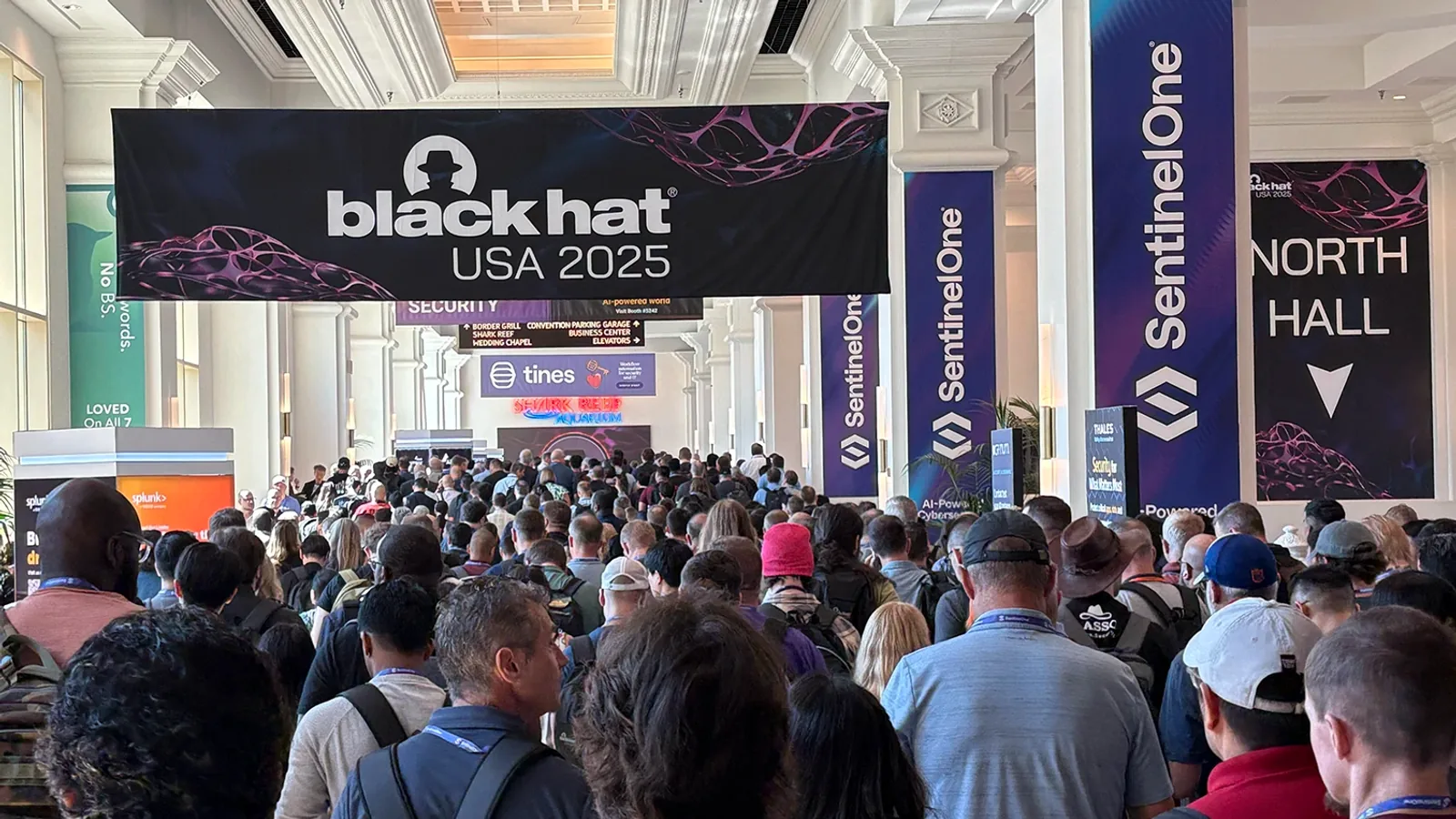
Black Hat USA is a technically oriented cybersecurity event with training, briefings, research, tool demonstrations, and a business hall. Its practitioner and research culture differs from the broader enterprise and executive mix at RSAC.
Security tools, offensive and defensive research, threat intelligence, developer security, cloud and identity security, and technically credible startups may benefit. A high-level risk message without product depth is less likely to carry the conversation.
Choose Black Hat when technical validation and practitioner reputation matter to the sale. Staff the booth with people who can answer architecture, detection, attack path, data, deployment, and limitation questions. If the primary buyer is a C-suite governance owner and the product requires little technical evaluation, RSAC may provide a more natural first comparison.
How to choose without chasing the word “AI”
First, name the operating environment. CES covers many industries but requires a precise zone and story. GTC serves the accelerated-computing ecosystem. Photonics West and SEMICON West serve enabling hardware and manufacturing. ProMat, NAB, InfoComm, RAPID + TCT, RSAC, and Black Hat each place technology inside a distinct job.
Second, identify the decision owner. A developer can validate an API but may not own enterprise deployment. An integrator can specify an AV product but may not be the end user. A plant engineer can validate equipment while procurement and operations control the project. Your booth should help those roles move one decision forward together.
Third, choose the demonstration the market can trust. Show representative inputs, real constraints, failure handling, integration, and the evidence behind the outcome. Technology audiences do not need a longer list of capabilities; they need a faster way to determine whether the product is real, relevant, and deployable.
Frequently asked questions
Should a live technology demo rely on venue Wi-Fi?
No critical demonstration should have only one network path. Order the appropriate wired or dedicated service where available, test bandwidth and firewall requirements, and prepare a controlled offline or recorded fallback that is clearly labeled. Consumer hotspots can become congested, and venue rules may restrict private access points.
How should sensitive customer data be handled in an AI demonstration?
Use synthetic, anonymized, or explicitly approved data and remove credentials, personal information, and confidential identifiers from screens, logs, prompts, and notifications. Treat the demo environment as public: visitors may photograph it, and a mirrored display can reveal information the operator does not notice.
Do engineers need to staff the booth?
If technical validation is part of the sale, schedule engineers or product specialists for the periods and meetings that need them. Sales staff should still qualify the account before pulling an engineer into a long discussion. Publish internal escalation rules so the most technical person is not trapped answering low-fit questions all day.
Is sponsorship a substitute for an exhibit booth?
Only when the sponsorship right supports the action you need. A speaking slot may build credibility, hosted meetings may reach named accounts, and branding may improve recognition, but none automatically provides a place for technical evaluation. Compare the exact deliverables, attendee-data limits, lead access, and meeting rights rather than the sponsor tier name.
Should an exhibitor expect visitors to sign an NDA at the booth?
Not for an ordinary walk-up demonstration. Keep the public demo safe to disclose and move confidential conversations to a controlled meeting with the correct company representatives and an approved agreement. An NDA should protect a planned exchange, not compensate for showing sensitive material on an open floor.
Final judgment
“Technology and AI” is a useful search topic but a poor event strategy. The strongest shortlist begins with the customer environment, the decision owner, and the proof needed on site. Once those are clear, event scale becomes useful rather than distracting.
Before reserving space, verify the current dates, exhibit days, eligibility, package rights, and technical requirements. If you need to translate the selected event and demonstration into a buildable U.S. exhibit, King Exhibits can help plan and deliver the booth.