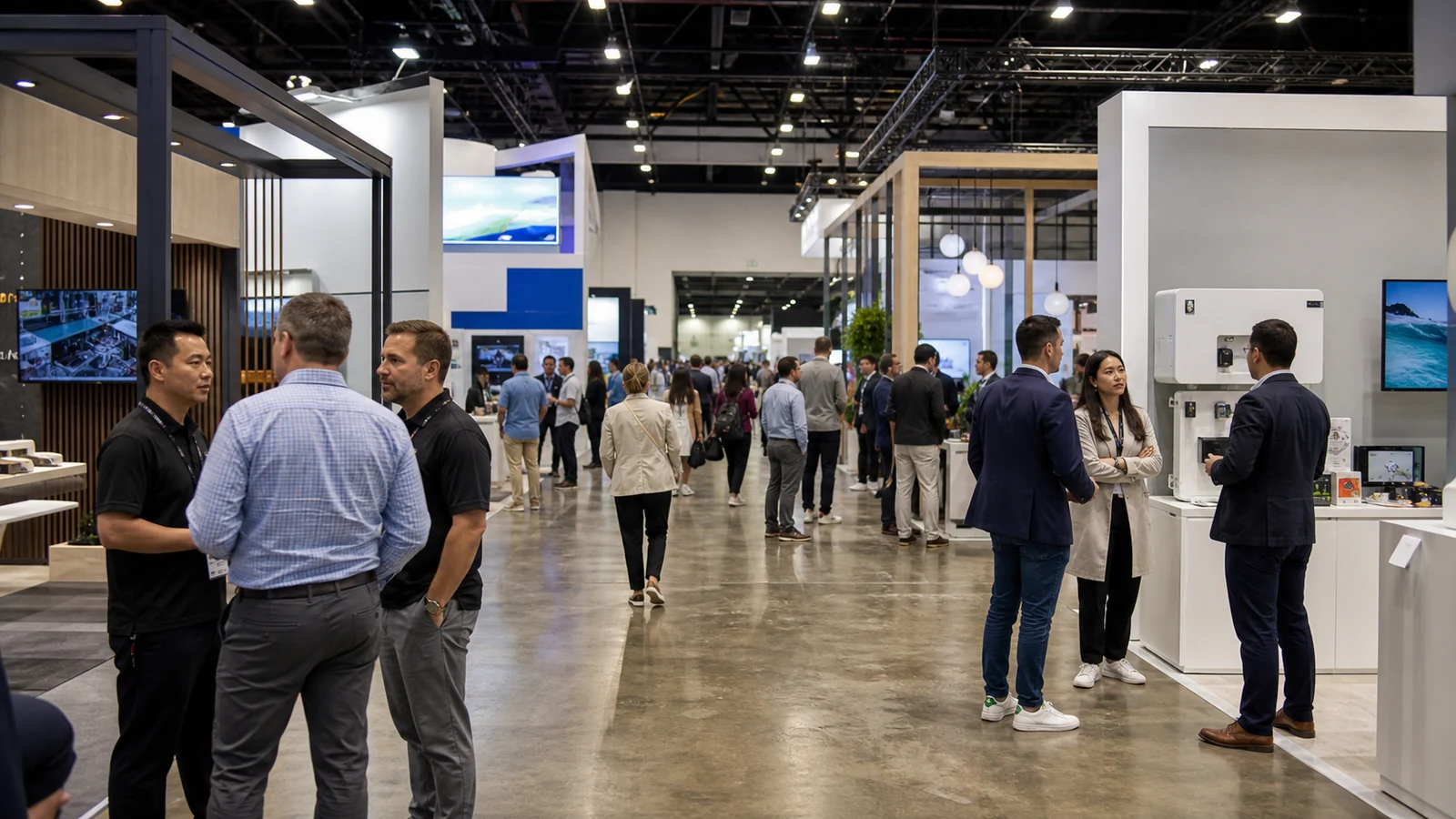
Last verified: September 6, 2026. Recheck the current event manual and venue ordering information before placing orders or shipping freight.
McCormick Place does not give every exhibitor one universal order path. Your organizer and general service contractor control event-specific information, while the building controls or provides certain services and Chicago labor jurisdictions affect who performs particular work. If this is your first show there, write down who owns each order and task before ordering anything. It is the fastest way to avoid duplicate orders, missing labor, and freight arriving without a workable receiving plan.
Start With the Event Service Manual
The venue's exhibitor page directs event questions first to the organizer and the show's general service contractor. That matters because move-in times, advance warehouse, official suppliers, discount deadlines, booth rules, and order links vary by event.
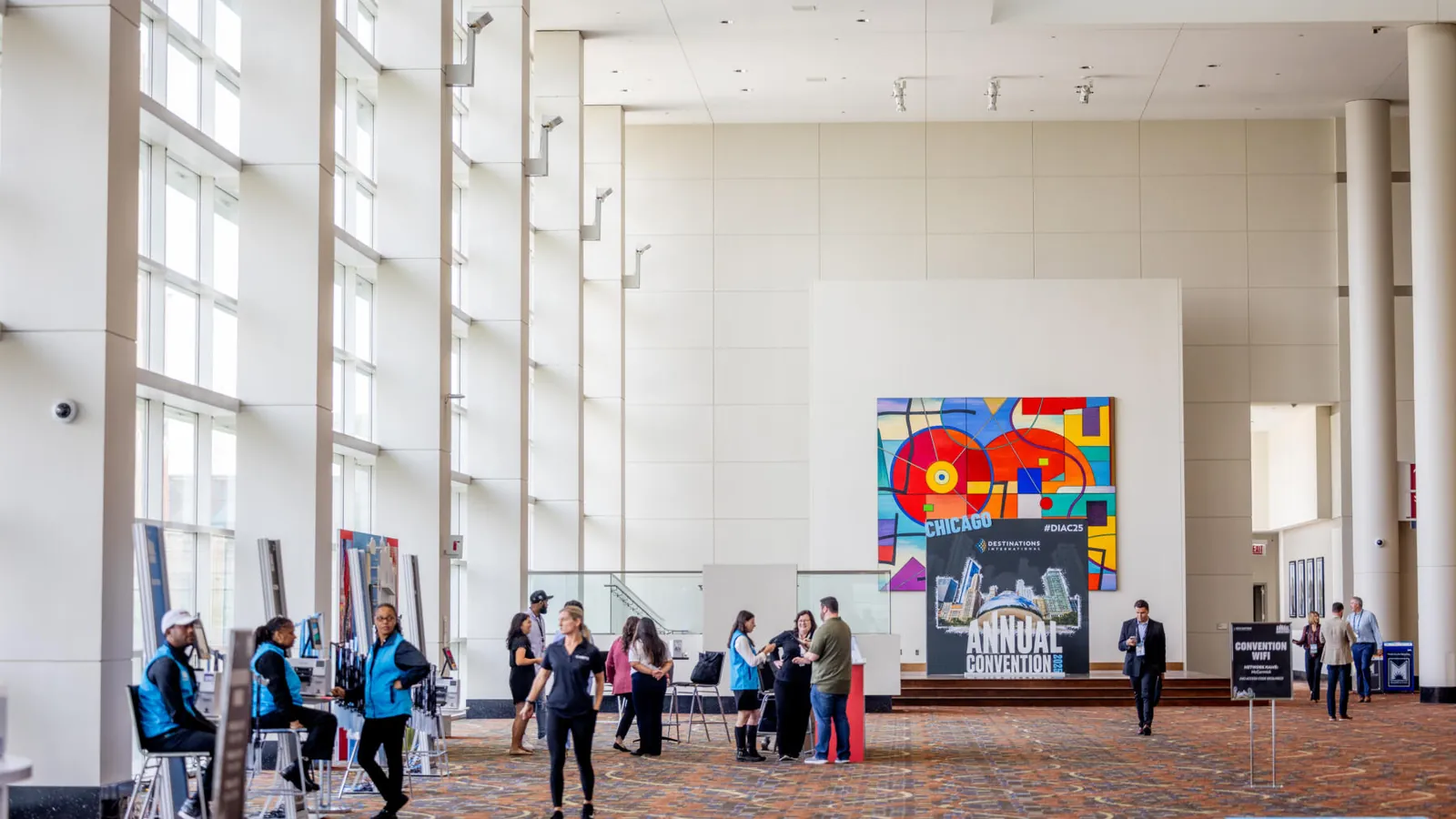
Create one event record with the official show name, dates, booth number, building and hall, organizer contact, general service contractor, exhibitor portal, move-in target, and current manual version. Do not combine forms saved from another McCormick Place show.
Mark the Building-Specific Services
McCormick Place is the exclusive provider of internet and telecommunications. Catering is managed through the venue's hospitality partner. Other event services and suppliers must be confirmed through the current manual.
For every booth requirement, record who quotes it, who approves it, who installs it, and who supports it onsite. A purchase order sent to the wrong party can look complete inside your company while the actual service remains unordered.
Internet deserves its own plan. List the demo device count, wired or wireless need, bandwidth, security requirements, cable path, install time, and test owner. Public connectivity is not a substitute for a show-specific service when a live demonstration depends on it.
Read Labor Jurisdictions Before Finalizing the Design
McCormick Place publishes information on the work assigned to different labor groups. Its current online ordering guidance identifies, among other roles, communication technicians for in-booth voice and data work and carpenters for uncrating, installing and dismantling exhibits, laying flooring, hanging structural signs, and re-crating.

Do not turn that into a guessed labor budget. Send the actual design, equipment, installation sequence, and exhibitor self-work questions to the show's service team. Confirm straight-time and overtime windows, minimums, supervision, required crews, and what your employees are permitted to do.
A design that looks simple in a rendering may cross several work jurisdictions once it includes flooring, structure, signs, AV, internet, rigging, and product placement.
Choose the Right Freight Path
The general service contractor normally manages show freight and drayage instructions. Decide whether each shipment goes to the advance warehouse or directly to the venue, then use the exact label, target date, carrier instructions, and marshaling process in the event manual.
Separate the exhibit structure from products, samples, tools, literature, and staff-carried items. Record case counts, dimensions, weights, tracking, bill of lading, onsite consignee, and outbound destination for each shipment.
McCormick Place offers limited exhibitor hand-carry options, but hand-carry is not a general replacement for freight handling. Current venue guidance limits the method and equipment that may be used; larger items or work requiring tools or handling equipment can trigger the appropriate labor or freight process. Confirm the current rule before building a plan around a personal vehicle.
Treat Vehicle Arrival as an Appointment
If a carrier, installer, or employee arrives at the wrong campus point or without the required show credentials, the schedule can unravel quickly. Share the correct building, dock or marshaling instructions, contact numbers, access documents, and permitted arrival window before departure.

For personal-vehicle unloading, review the current Automobile and Small Utility Vehicle program and the event's participation details. Confirm vehicle type, item limits, route, parking, and labor boundaries. Do not assume a rule described by another exhibitor applies to your show or cargo.
Give the Installation Lead One Current Site File
The onsite lead needs more than a rendering. Prepare one current site file containing:
- current floor plan and construction drawings;
- booth number, hall, and orientation;
- case manifest and freight status;
- labor order and schedule;
- internet, electrical, rigging, and other service confirmations;
- product-placement and demonstration plans;
- organizer, contractor, building-service, carrier, and internal contacts;
- approved graphics and content reference; and
- an issue log with spending authority.
Review the installation sequence before move-in. Flooring, under-carpet utilities, structure, overhead work, product placement, AV, graphics, cleaning, and final testing must occur in an order that does not force completed work to be reopened. The installation and dismantling guide explains how to prepare the build packet and crew sequence.
Accept the Booth Before Staff Arrival
Accept the booth while service desks and labor are still available. Check graphics, structure, flooring, furniture, lighting, internet, AV playback, product operation, storage, cleaning, and aisle-facing presentation.
If something is incomplete, record the exact issue, responsible party, and promised completion time. A photograph and order number are more useful than “internet not working.” Test the real demonstration workflow, not only a speed test or power light.
Confirm the Outbound Plan Before the Show Opens
Confirm empty-container return, dismantling labor, carrier check-in, outbound labels, material handling agreement, bill of lading process, and final destination in advance. Decide what returns to storage, what moves to another event, what belongs to your office, and what may be disposed of under approved rules. Keep the shipment details in the same trade show logistics plan used for move-in.

Assign one person to verify counts and condition before freight leaves. If the team departs before paperwork and carrier responsibility are clear, the most important outbound decisions will be made under time pressure by whoever remains.
Frequently Asked Questions
Does an advance internet order mean the service is installed before you arrive?
No. McCormick Place’s current guidance says an advance order determines the rate; it does not guarantee installation before arrival. Check in with the Technology Services desk, confirm the booth and floor plan, and test the actual application before the exhibit is accepted.
Can staff use a four-wheel dolly for a small load?
Current venue guidance permits limited hand-carry of small packages but says four-wheel dollies are not permitted. Confirm the current event rule and use the proper freight or labor process when the load cannot be hand-carried within those limits.
What if a service order still shows an old booth number?
Correct it before move-in with the event, building, hall, current booth number, drawing revision, and order number. Obtain a revised confirmation and give it to the onsite lead. A correct floor plan attached to the wrong booth record can still send a technician elsewhere.
Can an EAC be billed directly for McCormick Place services?
Potentially, after the exhibitor and EAC complete the required third-party authorization and the billing arrangement is approved. Confirm the current form, credit requirements, service account, and final liability before treating the EAC as the payer.
Before You Submit McCormick Place Orders
Record the event manual version, building, hall, booth number, organizer, general service contractor, and venue-service order paths in one project file. Then check who owns internet, labor, freight, installation, and vehicle access before any purchase order is released. That responsibility map is what keeps a correct internal order from going to the wrong provider.