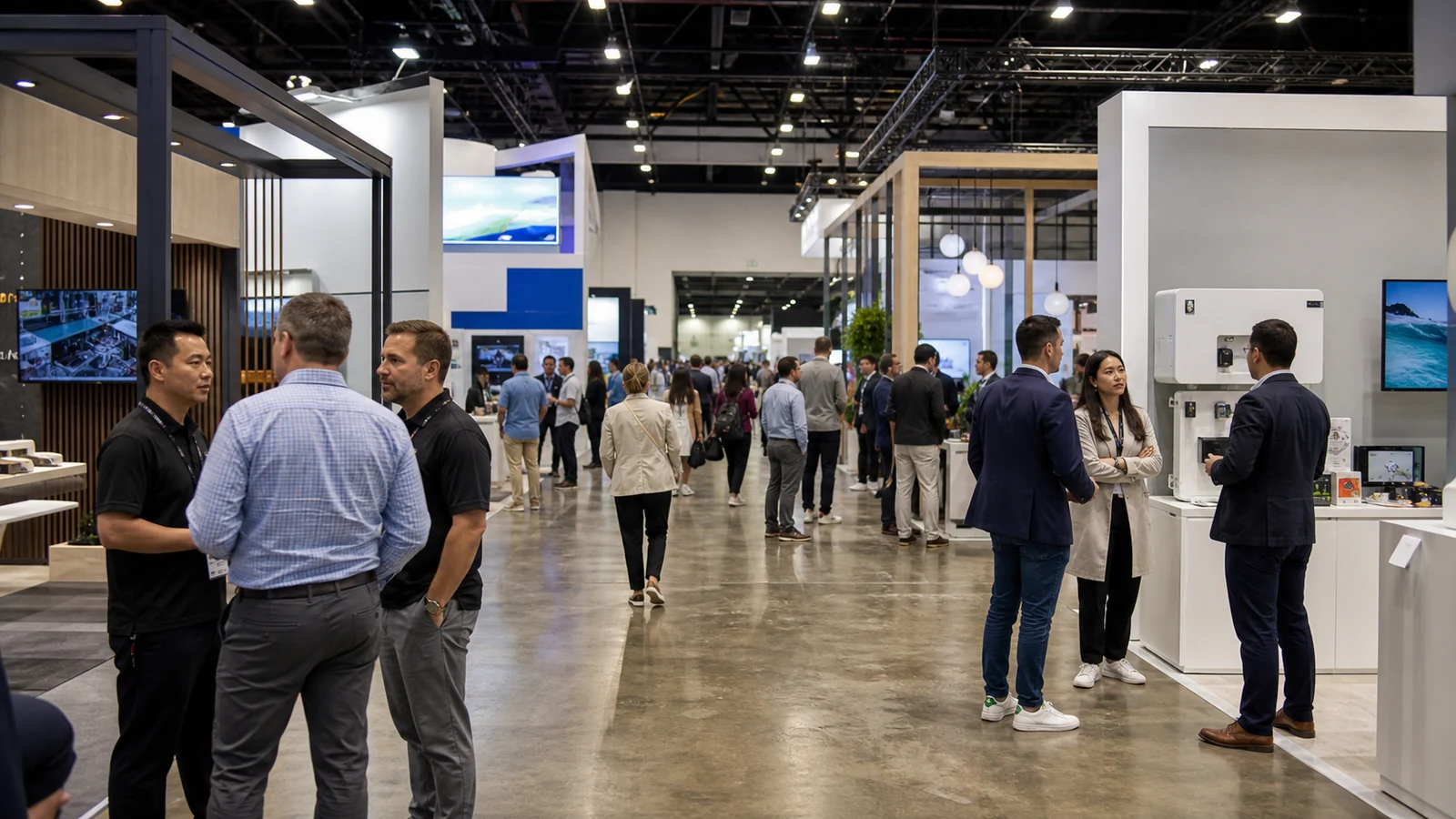
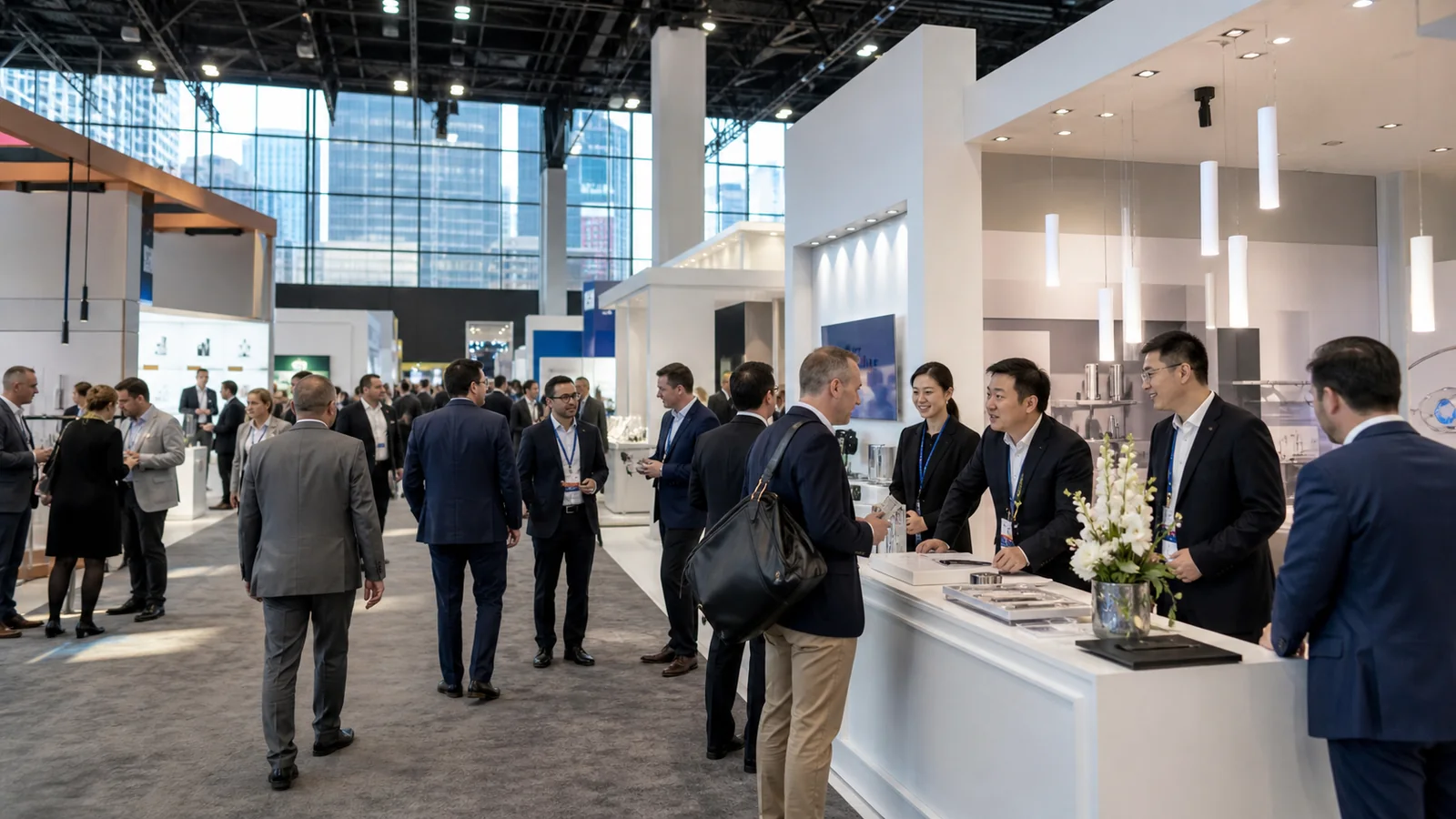
You may already be paying for Hall D space, flooring, service orders, travel, and 25 staffed show hours. The real risk is not an empty-looking booth. It is watching Nashville-area homeowners leave without understanding whether their project fits your company, what they can trust, or what they should do next. The Nashville Home Show puts many home-improvement choices in one paid visit, so your booth has to make one decision easier: should this visitor keep talking with your team?
The 2026 show runs September 11–13 at Music City Center, Hall D. This guide is for a home-improvement company planning or finishing its exhibit—not for someone comparing admission tickets or weekend attractions. It will help you check event fit, turn your offer into a useful in-booth conversation, and catch the official rules that can still change what you build or bring.
Confirm the Event Before You Send Freight or Staff
The official Nashville Home Show is produced by Marketplace Events and takes place at Music City Center. Public show hours are 10 a.m.–7 p.m. Friday and Saturday and 10 a.m.–5 p.m. Sunday. Exhibitors may enter the floor one hour before opening each day, according to the current 2026 Exhibitor Kit.
That basic confirmation matters because Nashville has more than one similarly named home event. Put the organizer, venue, hall, dates, booth number, and service contacts at the top of every purchase order and crew brief. A correct booth drawing attached to the wrong event record is still a failed handoff.
If you are still deciding between exhibit space and a partnership placement, use the show’s own entry points. The official show-team page provides the booth-quote route, while the sponsorship page sends event-specific inquiries back to the show team. An inquiry is not confirmation that space, a placement, or an approval is available.
Treat This as a Homeowner Conversation, Not a Trade-Buyer Pitch
The current exhibitor directory spans renovation, flooring, HVAC, appliances, kitchen and bath, landscaping, pools, roofing, windows, doors, and other consumer-facing home services. That mix tells you what a visitor will experience: many possible solutions competing for attention during one paid visit.
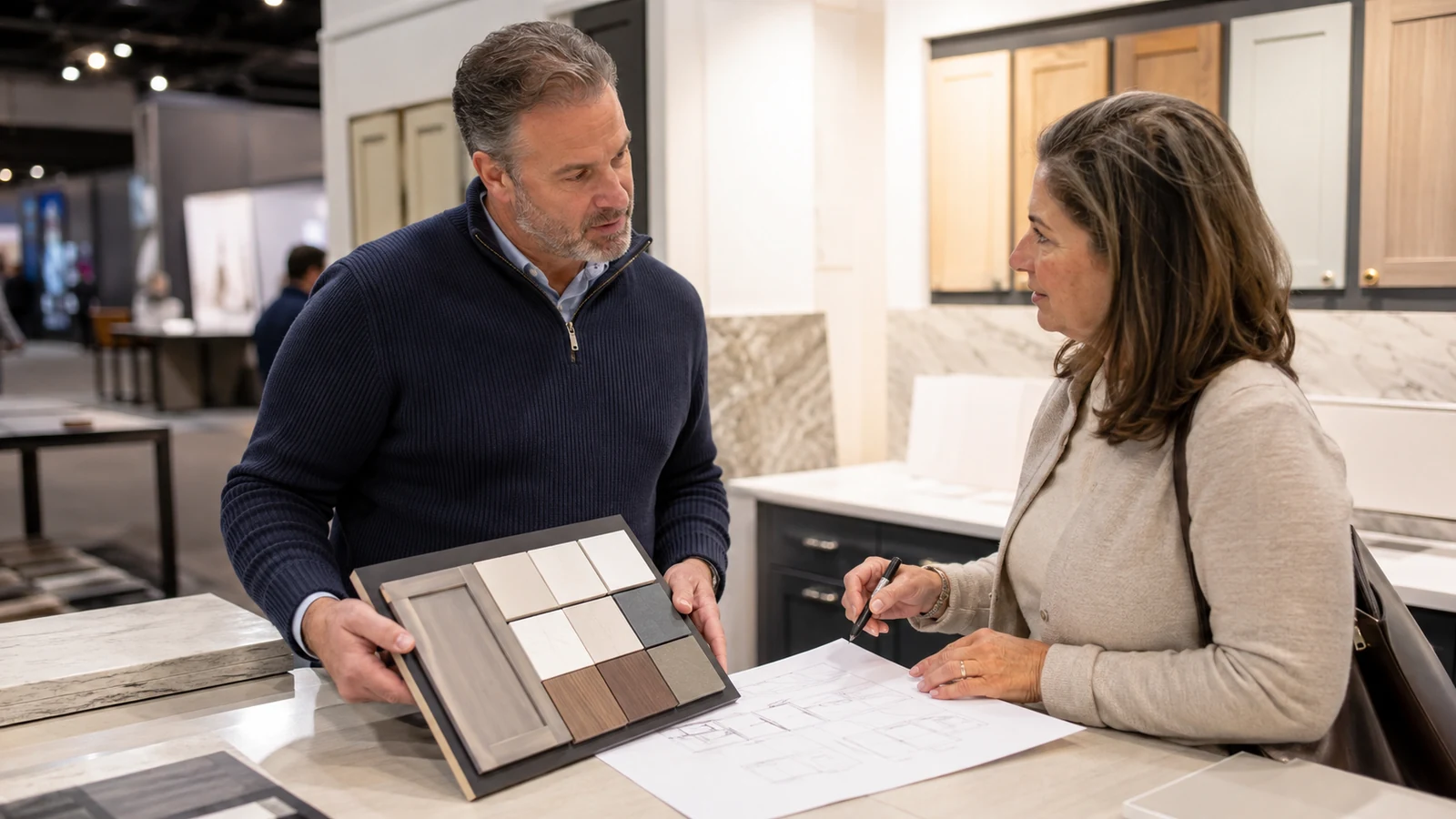
The organizer also publishes figures from its 2022 attendee survey on the 2026 booth-rates page. It says 90% of surveyed attendees were homeowners, 76% had a project in mind, and 71% attended with a spouse or partner. These are organizer survey figures, not a promise about the 2026 crowd. They are still useful because they point to three booth decisions.
| Organizer survey signal | What it changes in your booth |
|---|---|
| Most surveyed attendees were homeowners | Use homeowner language, visible project examples, and service-area information instead of a trade-channel presentation. |
| Many reported having a project in mind | Give staff a short way to identify project type, timing, location, and decision stage. |
| Many attended with a spouse or partner | Make the explanation easy for two people to follow without forcing both to stand in one narrow sales position. |
Your aim is not to stop every person in the aisle. It is to help the right household recognize a match and give the wrong household a polite, fast answer.
Should You Exhibit at the Nashville Home Show?
The show is worth considering when your offer can move from public interest to a real homeowner project in the Nashville market. It is a weak fit when your sale depends mainly on wholesale buyers, national distributors, or a technical procurement process that a homeowner cannot begin at the booth. Use the following test before you approve more spending.
| Decision signal | Proceed when | Pause and confirm when |
|---|---|---|
| Market access | You actively serve homes within a defined Nashville-area radius and can state that boundary at the booth. | Your service area, licensing, installation coverage, or delivery model does not clearly cover the visitors you expect to meet. |
| In-booth proof | You can show a real sample, process step, project scope, or demonstration that helps a homeowner judge fit. | Your display would rely on broad claims, stock imagery, or a sales pitch with nothing useful to inspect. |
| Next-step capacity | Your team can staff all 25 public hours, qualify projects consistently, and complete the promised appointments or estimates after the show. | You cannot cover the published hours or do not have capacity for timely follow-up. |
| Total commitment | Your expected customer value can support space plus flooring, services, freight, labor, travel, and follow-up—not just the square-foot rate. | The decision only works when you treat the published space rate as the full project cost or assume unconfirmed attendance will produce sales. |
If you have not contracted space, the official quote route is only an inquiry; confirm availability and approval before you spend on a display. If you are already contracted but one pause condition remains, assign an owner and a written confirmation date instead of hiding it in a general task list.
Make the Booth Answer Three Questions
Can You Handle My Kind of Project?
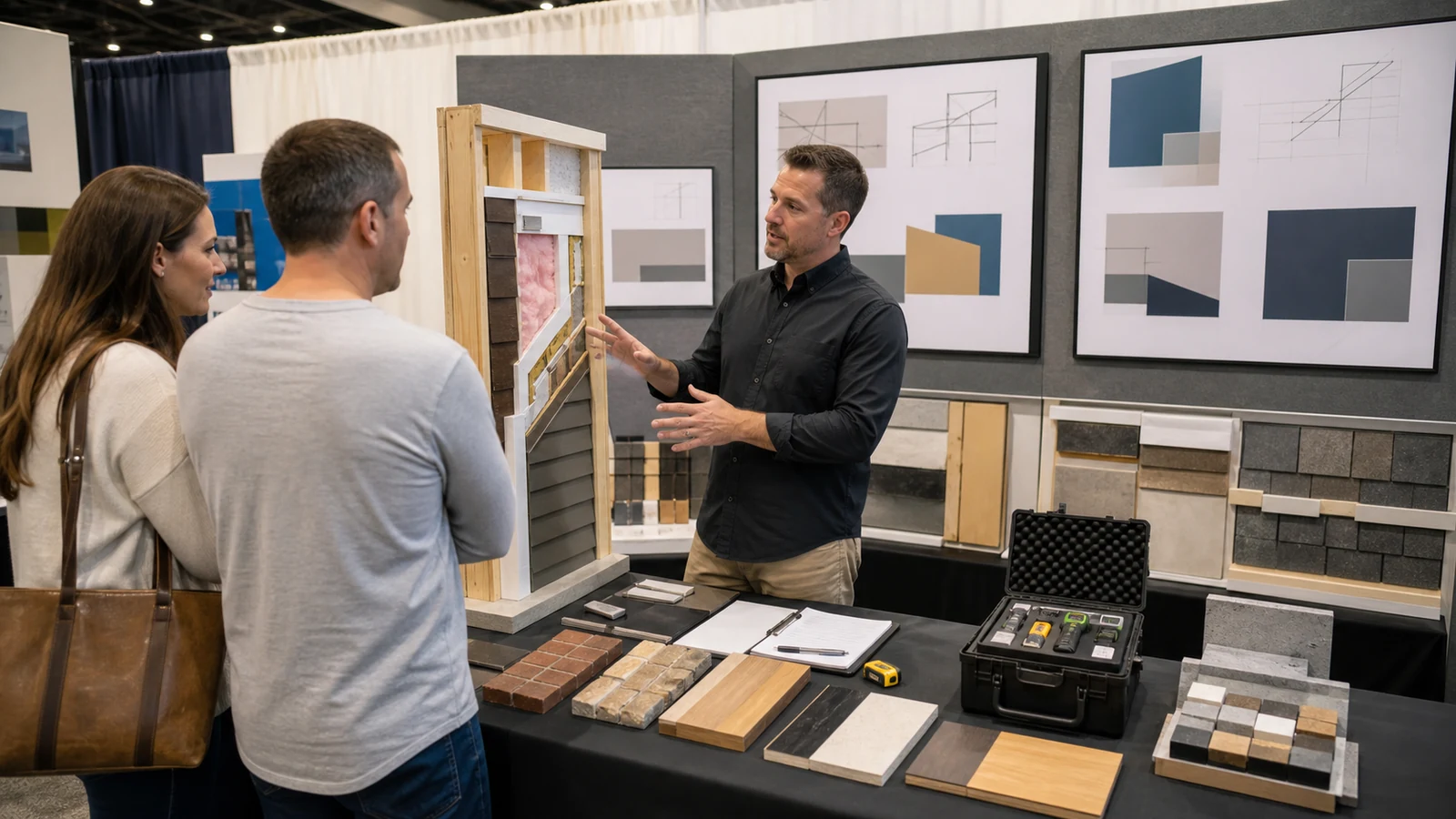
A visitor should be able to see your project category before a salesperson begins a pitch. For a remodeler, that might mean a tight before-and-after sequence with the scope labeled. For a window company, it might be a working corner sample that exposes the frame, glass, hardware, and installation interface. For a landscape service, a local project map and a clear list of project types may do more work than a large lifestyle photograph.
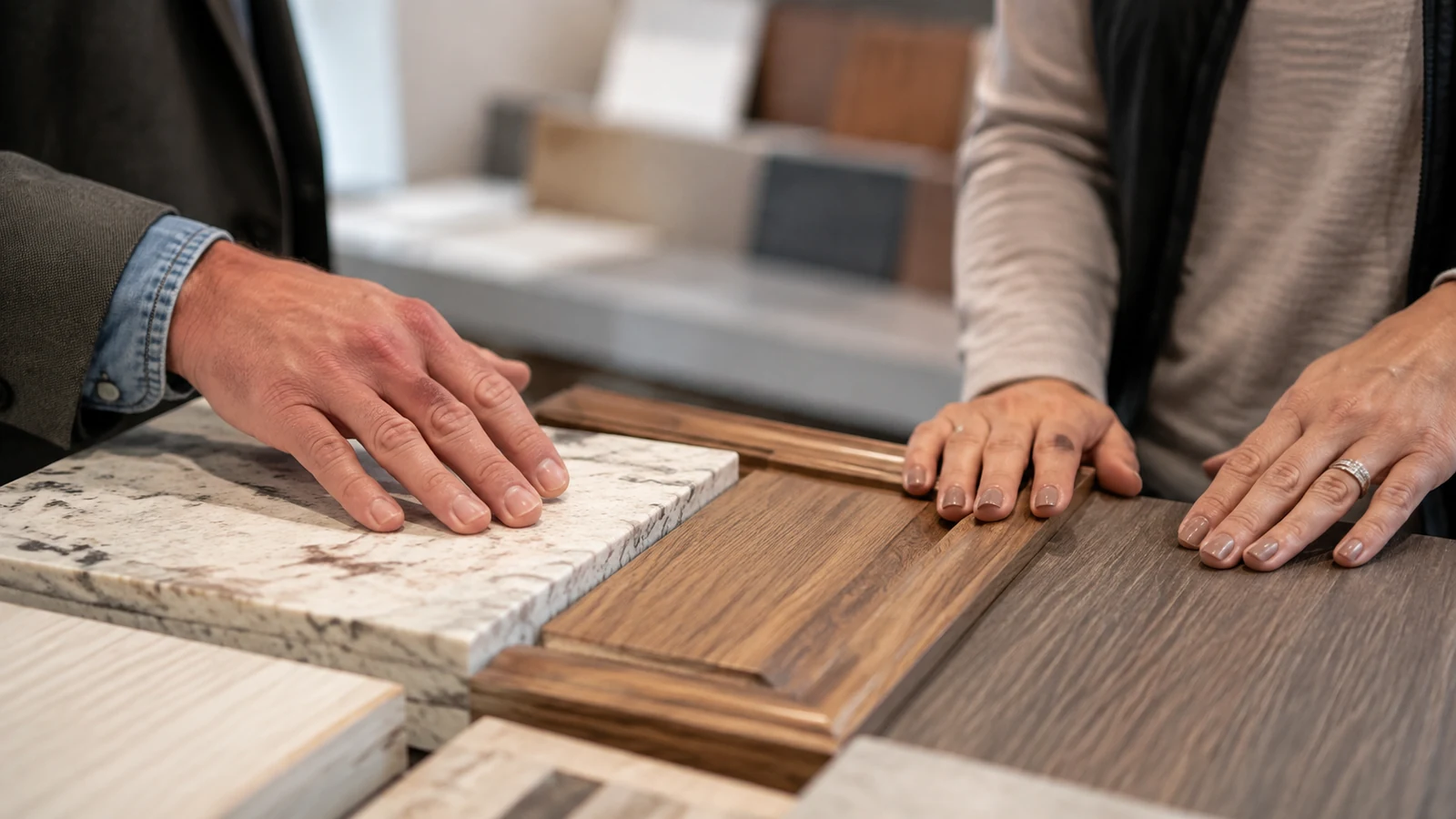
Choose one visual proof for the question people most often misunderstand. Then pair it with a boundary. If you only serve certain counties, property types, project sizes, or installation conditions, say so. A clear limit can improve the conversation because staff spend less time discovering a mismatch after collecting a lead.
What Makes Your Process Credible?
Homeowners cannot inspect a completed job at the show, so your display has to make the process visible. Show what happens between the first consultation and the next customer decision. A labeled material sample, a short installation sequence, a permit or preparation checklist, or an example of what is and is not included can be more persuasive than a wall of claims.
Do not make visitors decode internal terms. “Substrate preparation” becomes useful when the sample shows what your crew checks before installation. “Custom design” becomes credible when the display shows which measurements, photos, or selections the customer must provide. The evidence should lead naturally to a question your staff can answer.
What Happens After We Talk?
Decide on one primary next step before the show opens. It may be a site visit, showroom appointment, estimate call, measurement appointment, or product consultation. The form should collect only what that step needs.
For a location-based service, the minimum may be name, contact method, ZIP code, project type, target timing, and permission to follow up. If a visitor is not ready to book, offer a clearly different path such as sending a project checklist. Calling every badge scan a qualified lead will hide whether the booth produced useful conversations.
Let the 2026 Rules Shape the Booth Scope
The current Exhibitor Kit contains design and operating rules that should be visible in the booth brief, not discovered during move-in.
| Published 2026 rule | Practical booth decision |
|---|---|
| Standard drape includes an 8-foot back wall and 3-foot side rails; booth construction is limited to 8 feet unless show management approves otherwise | Keep the base drawing within the published height. Treat anything above 8 feet as an approval and sponsorship question, not an assumed design feature. |
| Floor covering is required over 100% of the rented space and is not included with the booth | Put flooring, edge treatment, installation method, and removal responsibility in the scope and budget. |
| Demonstrations and handouts must stay inside the rented exhibit area | Draw the visitor position and demonstration reach inside the booth line. Do not plan to work from the aisle. |
| The booth is expected to be staffed during all published show hours | Build a staffing rota for 25 open hours and plan breaks before assigning lead targets. |
| Tents require show-management approval; covered exhibits trigger specific fire-safety requirements | Do not ship a canopy or covered structure until written approval and fire requirements are confirmed. |
| Food sampling requires Music City Center approval | Treat tasting as a venue-approval and operations task, not just a marketing idea. |
The kit also says hanging or above-eight-foot signage is subject to show-management approval and a published $500 sponsorship fee. Because approval, rigging, and timing are connected, a tall sign cannot be solved by adding a line item to the graphic order. Confirm the entire path with the show team first.
Budget From the Space Rate Outward
The official 2026 booth-rates page publishes an exhibit-space rate of $14.69 per square foot. It separately lists $150 per corner, $150 for a direct-sell booth, a $150 main-aisle premium, a required $129 exhibitor listing, and a required $100 marketing package for new exhibitors.
Those figures are the beginning of a budget, not the price of a finished exhibit. For example, 100 square feet at the published space rate equals $1,469 before the required listing and any applicable corner, direct-sell, main-aisle, or new-exhibitor fees. The calculation does not include flooring, utilities, furnishings, graphics, freight, material handling, labor, cleaning, insurance, travel, samples, or follow-up.
Use separate budget lines for four different commitments:
- Space and organizer fees shown in the exhibit agreement.
- Show-decorator orders such as furnishings, carpet, material handling, forklift service, or labor.
- Music City Center services such as electricity, internet, AV, gas, or approved food sampling.
- Your own exhibit, products, shipping, staff travel, and post-show sales work.
The 2026 kit listed August 25 as the advance-rate deadline for current Music City Center utility orders and August 26 for GEMS discount orders. Those dates have passed as of this article’s September 7 fact check. If an order is missing, confirm current floor-rate availability and written receipt with the responsible provider rather than relying on an old estimate. The same kit still contains 2025 dates in a separate electric and gas subsection, so use the live order portal or show contact to confirm any service deadline that looks inconsistent.
Use the Move-In Schedule as a Handoff Plan
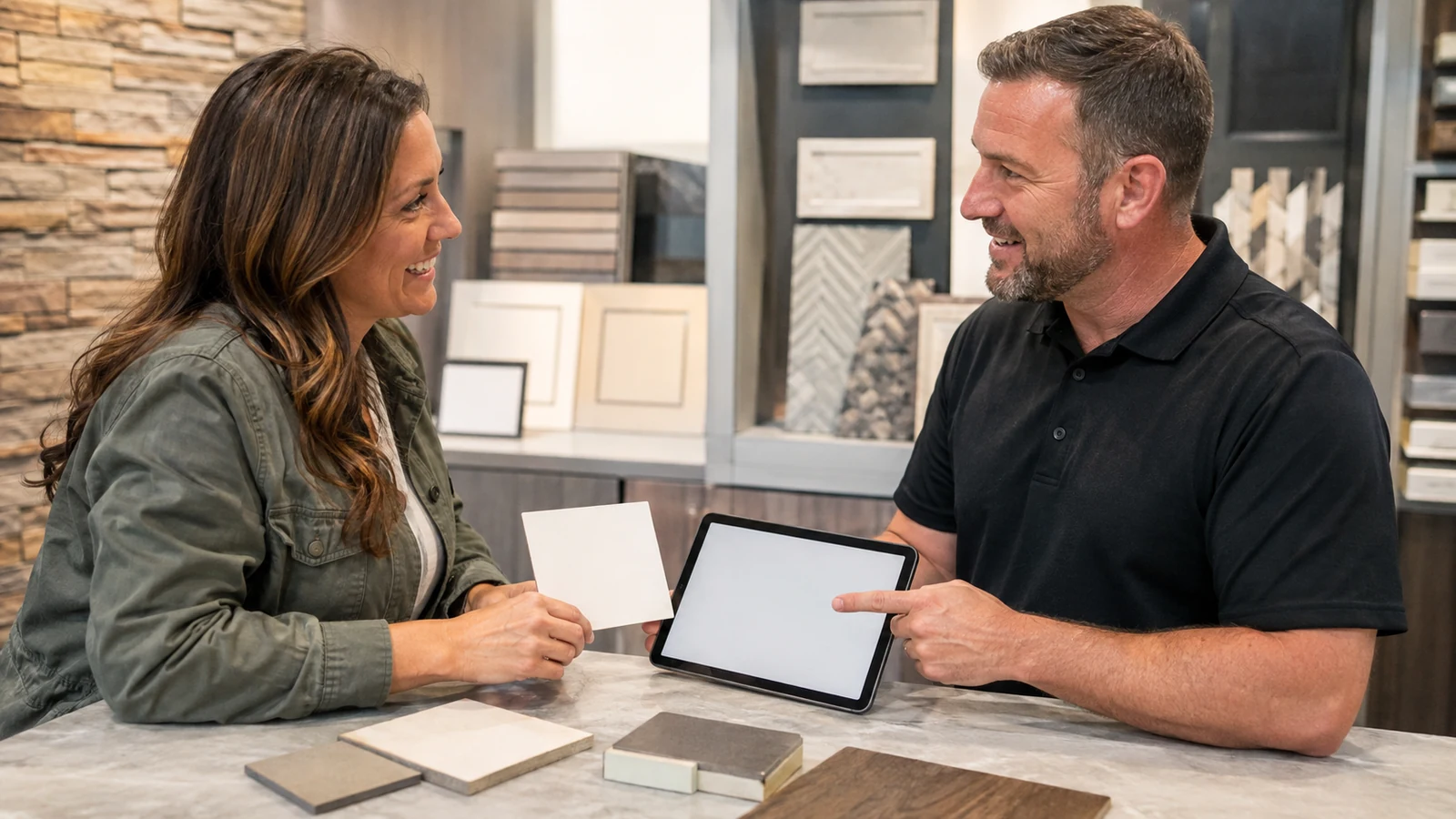
The 2026 kit lists move-in on Tuesday, September 8 from noon–5 p.m.; Wednesday, September 9 from 8 a.m.–5 p.m.; and Thursday, September 10 from 9 a.m.–7 p.m. It says vehicles are not allowed on the show floor Thursday, when move-in is cart-and-carry through the loading dock, and that large items must be in the booth by 5 p.m. Wednesday because aisle carpet installation follows.
Turn those statements into named handoffs:
- Confirm which shipment goes to GEMS and which items arrive with your team.
- Put the Hall D booth number and the correct dock or entrance instruction on the driver brief.
- Identify who holds the exhibitor packet, service receipts, approvals, insurance record, and emergency contacts.
- Mark the item that must arrive before the large-item cutoff; do not bury it in a general packing list.
- Assign one person to approve the finished booth against the drawing before products and lead devices are arranged.
Move-out begins after the show closes at 5 p.m. Sunday. The kit prohibits early dismantling and lists a second move-out window Monday morning. A return plan should therefore name who stays through release, who supervises carrier pickup, and what must not travel back with the display.
Rehearse the Conversation With the Real Display
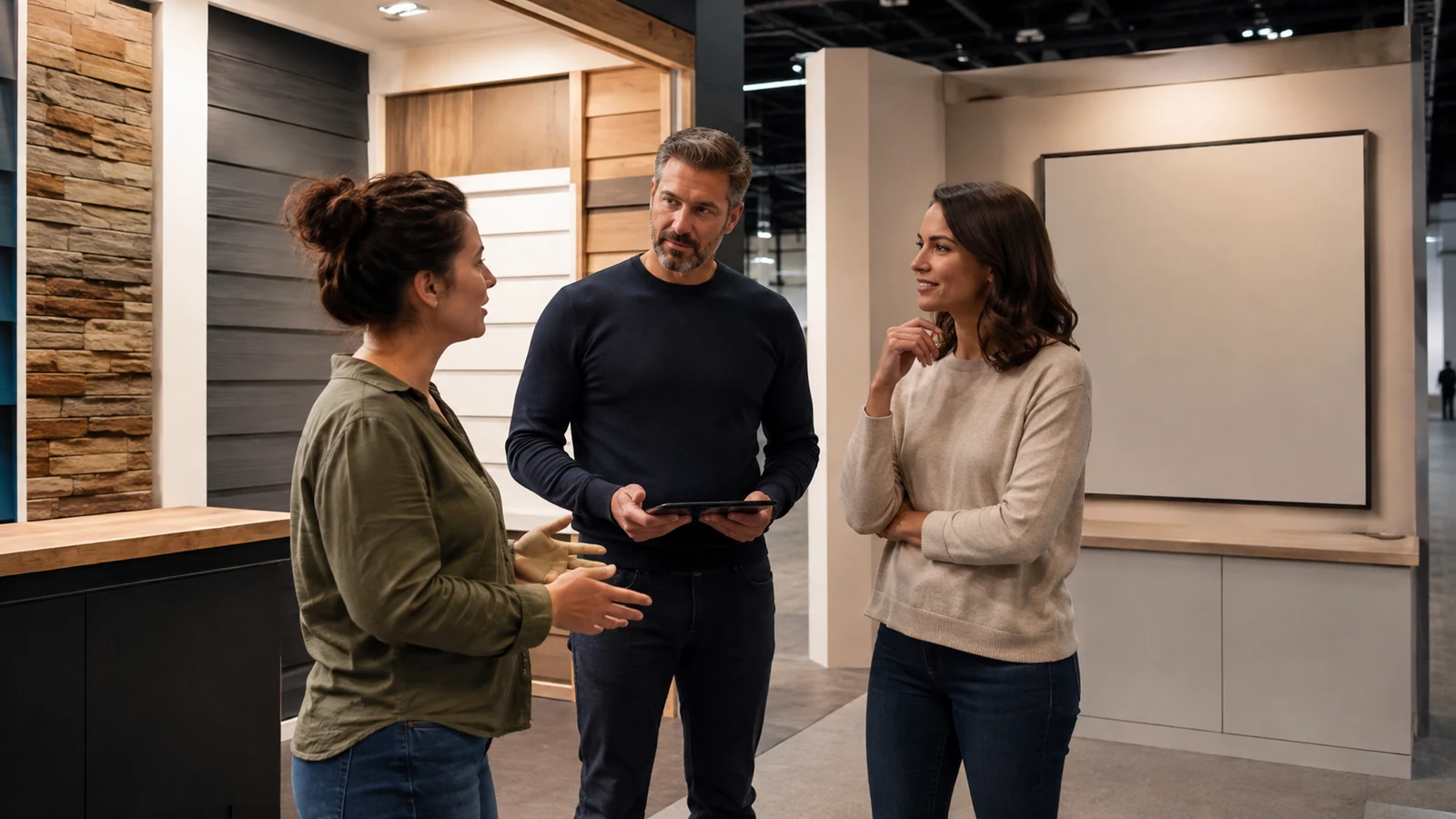
A booth can look finished and still fail the first customer test. Before opening, give a colleague one minute to stand in the aisle and answer these questions without coaching:
- What type of home project does this company handle?
- What area does it serve?
- What evidence can I inspect here?
- What question should I ask the staff?
- What is the next step if I am interested?
Then run the staff version. One person acts as a homeowner who is outside your service area, one has an early research question, and one is ready to book. If all three conversations produce the same pitch or the same lead status, revise the questions and next-step choices. The display and the script should help staff separate interest from fit without making visitors feel screened out.
Measure the Show by Completed Next Steps
Raw foot traffic cannot tell you whether the event worked. Before the doors open, define a small set of outcomes your team can record consistently: appointments booked, qualified estimate requests, samples or consultations requested, and follow-ups accepted. Add a reason when a conversation does not advance, such as service area, project type, budget range, timing, or decision-maker availability.
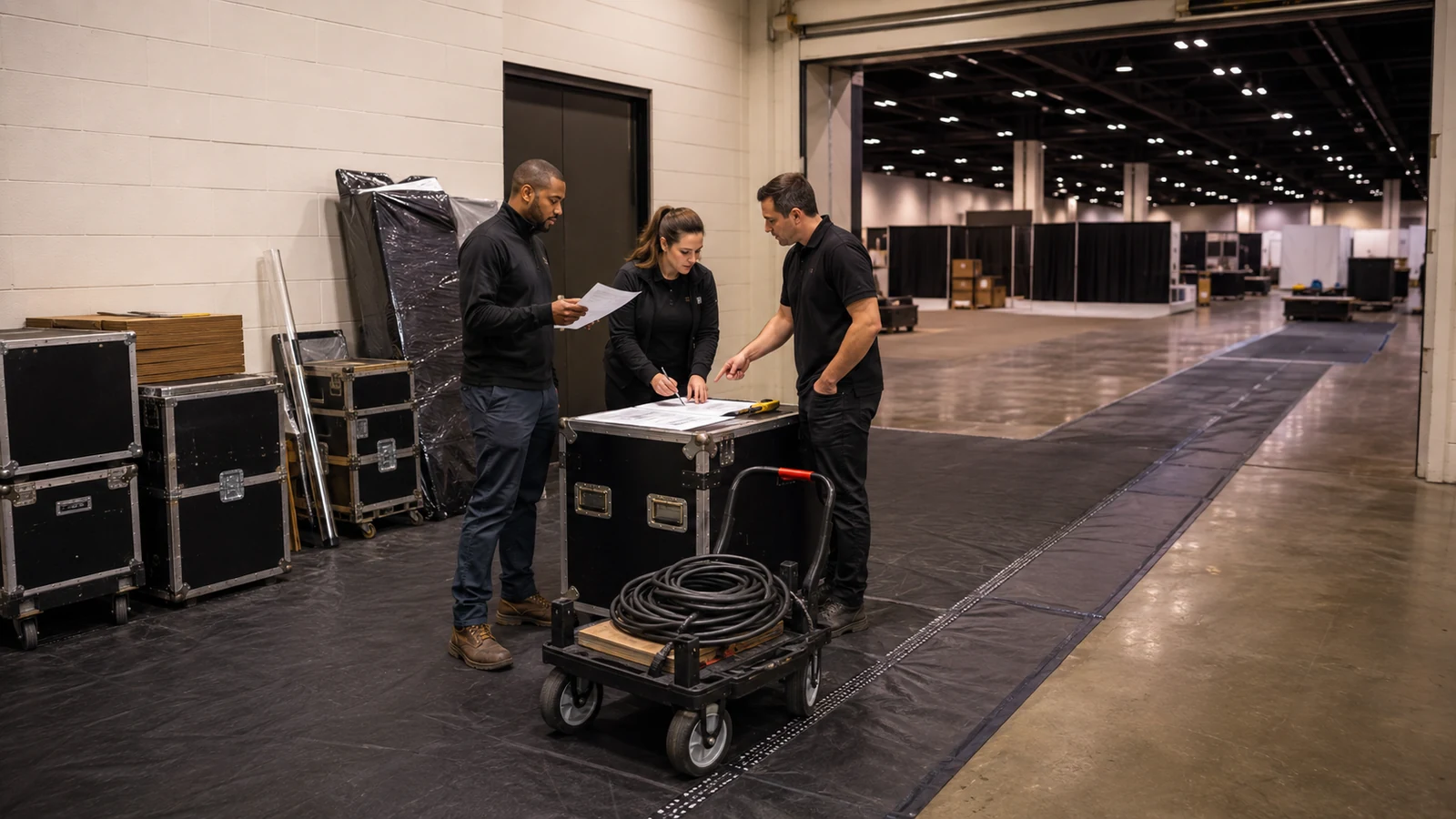
That record will tell you more than a bowl of business cards. It can also show whether the problem was audience fit, booth explanation, staff qualification, or follow-up. Use the same definitions during all three days so Sunday’s numbers mean the same thing as Friday’s.
Frequently Asked Questions
Is the Nashville Home Show the Same as the Nashville Home Expo?
No. The Nashville Home Show covered here is the Marketplace Events show at Music City Center on September 11–13, 2026. The Fairgrounds Nashville listing identifies a separate Nashville Home Expo on August 29–30, 2026. Check the organizer, venue, dates, and booth paperwork before routing staff or freight.
How Many People Will Attend the 2026 Nashville Home Show?
The Music City Center calendar currently lists attendance of 2,852 for the event. Because the show had not occurred when this guide was checked on September 7, that is not an actual turnout result. Use it as a venue listing for planning, not as a guaranteed audience or sales forecast.
Can Exhibitors Sell Products at the Show?
The 2026 kit says approved merchandise may be sold when the exhibitor follows Marketplace Events rules and obtains any required permits. It lists a 9.5% local sales tax and states that food or drink sales require Music City Center approval. Confirm how these rules apply to your product before bringing point-of-sale inventory.
What Should I Do if a Service Order Is Missing?
Use the responsibility named in the current Exhibitor Kit. GEMS handles decorator services such as material handling, furnishings, carpet, forklifts, and labor; Music City Center handles listed venue services such as electricity, internet, AV, gas, and food-sampling approval. Ask for written confirmation and keep the receipt with the on-site lead instead of assuming the show manager can recreate a vendor order at move-in.
How Should You Follow Up After the Nashville Home Show?
Sort the records by the next step your staff promised before sending a message. Confirm booked appointments first, deliver requested estimate or sample information within the time stated at the booth, and keep early-stage homeowners in a separate follow-up path. Refer to the project type, service area, or question your team recorded so the message continues the conversation instead of becoming a generic thank-you blast. If your notes do not show a clear request or next step, correct the lead status before measuring it as an opportunity.
Final Thoughts
The Nashville Home Show is a consumer decision environment. A useful booth lets a homeowner recognize a project match, inspect something credible, and choose a sensible next step without sitting through a generic company presentation.
If you want KingExhibits to review the booth direction, send the contracted footprint, booth number, product or service, service area, demonstration object, utility and flooring orders, staffing plan, and the appointment or estimate action you want a visitor to complete. KingExhibits can use that brief to identify display questions that still need answers before the concept moves forward; official approvals and service orders remain with the organizer, decorator, and venue named in the current kit.