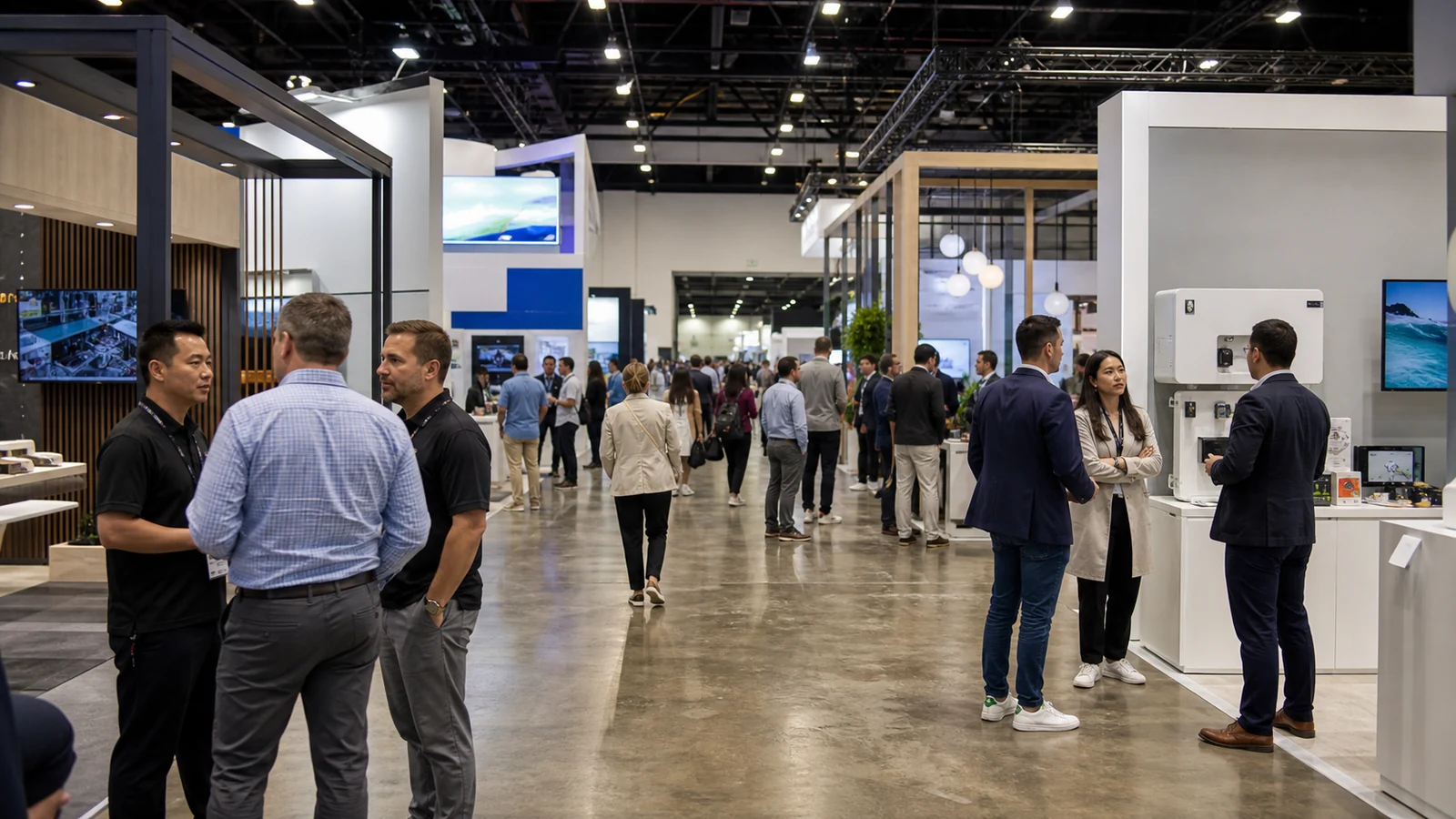
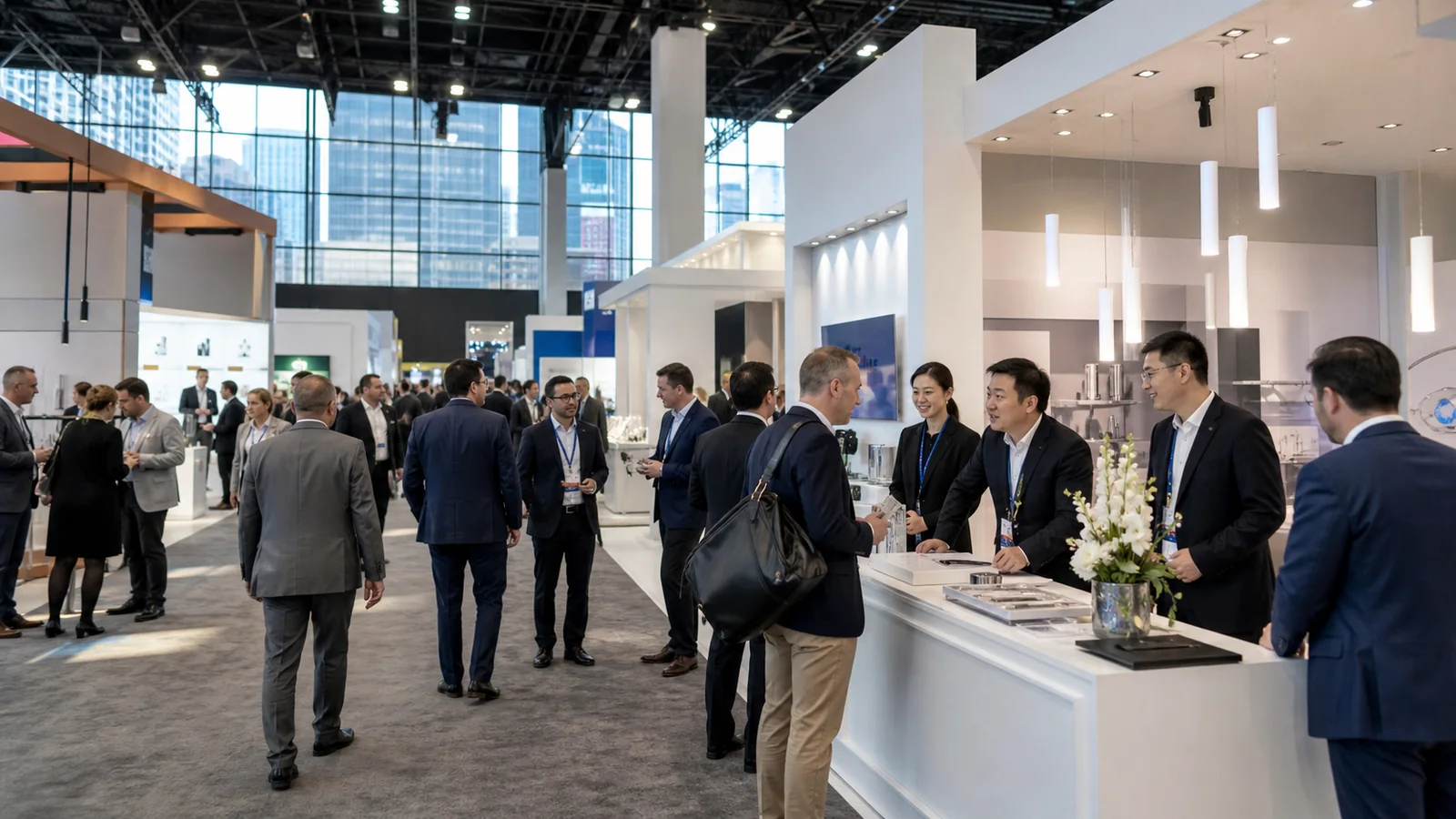
A visitor may recognize your best-known property and still leave without knowing whether the rights fit their product, territory, or launch window. At Licensing Expo, the booth must do more than display brands. It must help the right companies find a workable licensing conversation.
This guide is for a first-time brand owner or licensing agent preparing for Licensing Expo in Las Vegas. It explains what the event is, who comes to the show, how the exhibitor path works, and what your team must control before the 2027 operational manual is released.
Licensing Expo 2027 at a glance
The organizer currently lists Licensing Expo for May 25-27, 2027, at Mandalay Bay Convention Center in Las Vegas. Its FAQ places the event in the South and North convention centers, with the main exhibit hall on the casino level of the South Convention Center.

| Item | Current official information | Planning meaning |
|---|---|---|
| Tuesday, May 25 | 9:00 a.m.-5:30 p.m. | Plan a full day of scheduled meetings and open discovery traffic. |
| Wednesday, May 26 | 9:00 a.m.-5:30 p.m. | Protect staff coverage across another full meeting day. |
| Thursday, May 27 | 9:00 a.m.-3:30 p.m. | Do not treat the shorter final day as an early move-out window. Wait for the official dismantle schedule. |
| Venue | Mandalay Bay Convention Center, 3950 Las Vegas Blvd S, Las Vegas | Confirm the assigned hall, booth number, access route, service desk, and target schedule when the 2027 floor plan and manual appear. |
The official site currently shows more than 5,000 brands, more than 10,000 unique attendees, more than 8,400 meetings booked through its online platform, and an 18 percent retail share of attendance. These are figures displayed on the current website, not results or promises for 2027. Their useful message is narrower: visitors will have many competing choices, so a complete profile and planned appointments matter before the hall opens.
What business happens at Licensing Expo?
Licensing Expo brings brand owners and agents together with retailers, manufacturers, and licensees. A brand owner may be looking for companies that can take an entertainment property into apparel, toys, food, publishing, games, home products, or another consumer category. A manufacturer or retailer may be looking for rights that can strengthen a future range.
The organizer lists show-floor property categories including animation, art and design, automotive, celebrity, corporate brands, fashion, food and beverage, gaming, health and beauty, music, publishing, sports, technology, toys, travel and leisure, TV and film entertainment, and video games and apps. This breadth makes category labels essential. A visitor should not need a long booth conversation just to discover that the available rights, market, or product category cannot fit.
The show floor remains the center of the event. It includes exhibiting companies, brand activations, immersive experiences, and some educational content. Other meeting spaces, showcases, and programmed events may operate elsewhere in the South and North convention centers. Keynotes and education can improve market understanding, but they do not replace the exhibitor's core work: presenting licensable properties and holding relevant commercial meetings.
Decide whether your portfolio is ready to exhibit
An attractive property is not automatically an exhibit-ready licensing offer. Before requesting space, choose the properties that have a clear commercial reason to be at this show. For each one, your internal team should be able to answer five questions:
- Who controls the rights being presented?
- Which product categories and territories are open for discussion?
- Which categories or territories are already restricted?
- What brand assets, audience evidence, style guidance, or launch information can be shared at the event?
- What should happen after an interested company is identified?
These answers need not expose confidential contract terms on a wall. They should, however, shape the online profile, meeting invitations, staff briefing, printed material, and private information available during a qualified conversation.
A smaller, well-explained portfolio can be easier to navigate than a wall of logos. Give each priority property a job. One may be intended to open a new product category, another to find a regional partner, and another to support an existing licensee's retail expansion. If the team cannot state the intended partner and next decision, the property is not ready to control booth space or meeting time.
Follow the exhibitor path in the right order
The current official exhibit enquiry asks for the company's business category, primary property category, understanding of licensing, main goal, website, and requirements. That is an enquiry path, not automatic acceptance and not a published 2027 price list.
Use this sequence:
- Submit an accurate exhibit enquiry. Describe who owns or represents the properties, the categories involved, and the business goal. Do not present a service, manufacturer, or retailer as an IP owner if that is not its role.
- Obtain the organizer's current offer and contract. Confirm the participation format, space, included items, payment terms, cancellation terms, and the person who will act as primary show contact.
- Wait for company-specific access. Current guidance says participating exhibitors receive a company-specific registration link. The main booth contact should control that link and ensure each staff member and contractor is registered under the correct category.
- Build the online profile when access opens. The organizer says exhibitors receive early access to add IP imagery, descriptions, and links. Treat this as part of the exhibit, not as an administrative afterthought.
- Use the Event Planner for targeted meetings. Match each invitation to an actual open category, territory, or partnership question. A generic request for “collaboration” gives the recipient little reason to accept.
The 2027 attendee registration page currently asks visitors to register interest, and the official FAQ says registration is not yet open. That is another reason to use release triggers rather than inventing calendar dates for tasks the organizer has not scheduled.
Build the Licensing Expo booth around three conversations
A Licensing Expo exhibit usually needs to support three different exchanges. Mixing them into one undivided presentation can make the booth busy without making it useful.
Recognition from the aisle
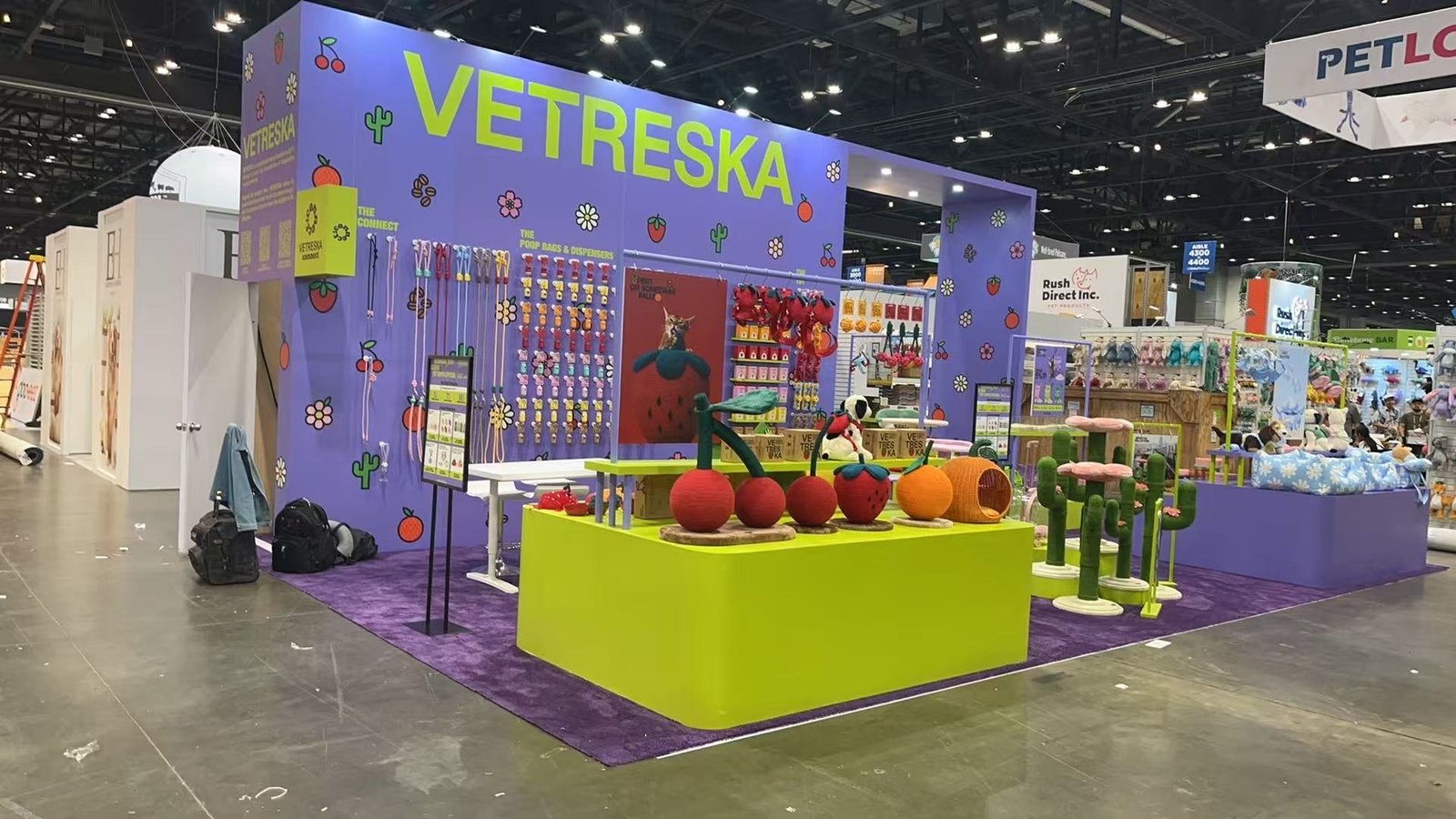
The first layer should tell a relevant visitor which properties or brand world they have reached. Use names and visuals that can be understood at normal aisle distance. More graphics are not always better. A crowded portfolio wall can hide the property that brought the visitor to the booth.
Fast qualification
The second layer helps staff and visitors decide whether to continue. Category, territory, audience, product direction, and partnership stage are more useful here than a general brand story. The objective is not to negotiate in public. It is to identify a plausible fit and move the conversation to the right person.
Focused meetings
Scheduled discussions may require seating, a screen, samples, controlled access to information, or a quieter setting. Plan the meeting capacity from the appointment calendar rather than from a generic furniture package. If confidential material will be shown, decide how staff will control screens, documents, and sightlines before the booth layout is approved.
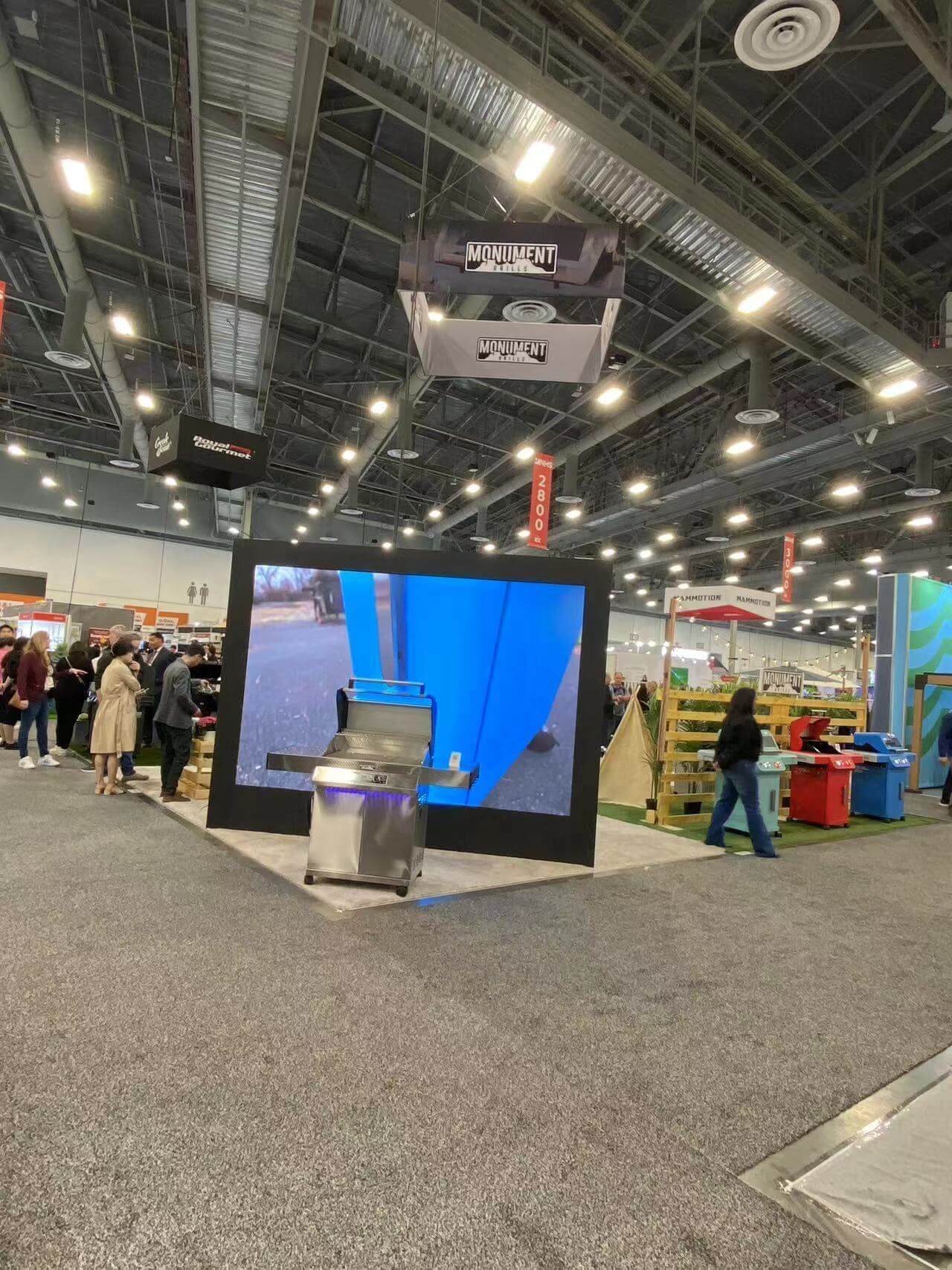
An activation can be valuable when it demonstrates how people engage with a property or how a licensed product experience may feel. It becomes a distraction when visitors remember the activity but cannot explain the available business opportunity. Tie every physical feature to recognition, qualification, or a scheduled conversation.
Keep the exhibition separate from education and networking
The event's current FAQ says keynotes, education, and networking sessions at the License Global Main Stage and Networking Hub are free to attend and generally first-come, first-served. The 2027 agenda and access details still need to be checked when published.
Assign education sessions to named staff members so the booth remains covered. Ask each attendee to return with one question the team should test in buyer meetings, not a general trend summary. Networking events can extend conversations beyond the hall, but invitations, access, and times may follow separate rules. Do not assume an exhibit badge automatically secures entry to every party, award program, studio showcase, or private event. The official FAQ states that studio showcases are invitation-only and managed by the studios.
Treat 2026 operations as a question list, not a 2027 schedule
As of September 7, 2026, official pages confirm the 2027 show dates and venue, but the public exhibitor resource and GES pages still contain 2026 operating information. Those pages do not yet provide a 2027 Licensing Expo exhibitor manual, booth rates, service discount deadline, target move-in plan, freight window, dismantle schedule, or EAC deadline.

The 2026 resources reveal the work packages that are likely to require a current answer. They do not authorize a 2027 order or date.
| Work package to track | What the current 2026 resources show | What must be obtained for 2027 |
|---|---|---|
| Exhibitor manual | Forms, deadlines, stand health and safety information, and useful guides were centralized through the organizer's resource page. | The 2027 manual link, version date, and updates issued to the primary show contact. |
| General services and freight | GES handled freight, graphics, target plans, advance warehouse and direct-to-site instructions. | The 2027 official contractor, show code, shipment addresses, labels, rates, target dates, and carrier check-in rules. |
| Venue services | The resource page assigned internet, catering and cleaning to Mandalay Bay services; electrical was listed through Edlen; AV and security had separate contacts. | The 2027 provider list, exclusive-service boundaries, order portals, taxes, labor, cancellation terms, and onsite contacts. |
| Outside contractors | The 2026 GES material required EAC notice, agreements, and insurance documents before move-in. | The 2027 EAC form, insurance limits, signer, submission method, deadline, credentials, and labor access. |
| Build and labor | The 2026 work rules divided exhibit work, freight, electrical, and stagehand responsibilities. | The current jurisdiction rules and written scope for every task your own staff or contractors expect to perform. |
| Design and fire review | The 2026 venue guidance addressed flame-resistant materials, aisle clearance, covered or multilevel exhibits, cooking, vehicles, special effects, and other higher-risk conditions. | Written 2027 show and venue approval requirements for the exact design and activity. |
Do not copy a 2026 deadline into a 2027 project schedule by moving it one year forward. Instead, assign an owner to watch for each 2027 release. When the current manual appears, replace the placeholder with the published date, source link, version, responsible person, and proof of submission or order.
Control the service interfaces before production
Most late exhibit problems are not caused by one missing decoration. They appear where two scopes meet. A screen needs power, signal, support, content, and an operator. A private room changes layout, lighting, accessibility, fire review, cleaning, and sometimes ventilation. A character appearance may affect scheduling, access, security, and organizer approval.
Build one responsibility table before issuing production drawings:
| Decision | Internal owner | External source that must confirm it |
|---|---|---|
| Properties, rights and claims shown | Licensing/legal and brand team | Rights records and current brand guidance |
| Booth assignment and participation terms | Primary show contact | Organizer contract and 2027 floor plan |
| Structure, graphics and meeting layout | Exhibit project owner | 2027 show rules, venue requirements, and required approvals |
| Power, internet, AV, rigging, food and cleaning | Operations owner | 2027 official provider list and written orders |
| Freight, material handling and empty storage | Logistics owner | 2027 service manual, target plan and shipping instructions |
| Staff and contractor access | Booth operations owner | Company registration link, badge rules, EAC requirements and onsite credentials |
Record the source, date checked, open question, due date, and approval evidence beside every line. A verbal assumption should remain open until the responsible official party answers it in writing.
Use a release-triggered 2027 planning timeline
Because several operational dates are still unpublished, a trigger-based plan is more reliable than a guessed month-by-month schedule.
- When space is offered: verify the participation type, dimensions, location, package inclusions, payment terms, and primary contact.
- When the floor plan is issued: review entrances, adjacent exhibitors, meeting destinations, columns, orientation, and the assigned hall.
- When the exhibitor manual opens: download and date the file, identify every form and deadline, and circulate only the current version.
- Before design approval: resolve height, enclosure, hanging, power, internet, AV, food, performance, character, fire, accessibility, and contractor questions that apply to the concept.
- Before service discounts expire: compare current written scopes and place approved orders; a low base rate is not useful if labor, material handling, or onsite changes remain undefined.
- Before freight departs: use the correct 2027 labels and destination, confirm target arrival, identify the importer of record for international freight, and book the return path.
- Before staff travel: complete individual registration, appointment ownership, booth coverage, information-access rules, lead recording, and daily handoffs.
- Before the hall closes: follow the published dismantle time and outbound procedure. Do not remove displays early or assume empties and carriers will arrive immediately.
This plan stays useful when dates change because each action is tied to the official document or decision that makes it possible.
Frequently asked questions
Are Licensing Expo 2027 booth prices and service deadlines published?
The official website confirms the 2027 dates and venue, but its public exhibitor resources do not yet provide a 2027 rate card, exhibitor manual, service discount deadline, freight schedule, or move-in and move-out plan. When the offer arrives, separate space or package charges from design, graphics, venue services, material handling, labor, travel, and outbound freight. A single booth-space figure will not show the full exhibiting cost.
What should the online IP profile state before meeting requests begin?
For each priority property, state the audience, relevant consumer-product categories, markets open for discussion, and the type of partner sought. Add current approved imagery and a useful destination link. Do not publish confidential terms. The profile should give a retailer, manufacturer, or licensee enough information to decide whether a meeting has a real starting point.
How does Licensing Expo exhibitor registration work for staff and contractors?
Current official guidance says participating exhibitors should use their company-specific exhibitor registration link, which is sent to the main booth contact. Each team member must be registered. Contractor access may also require current EAC forms, insurance, agreements, and credentials, so the booth contact should separate staff registration from contractor authorization.
How should restricted rights be presented without sharing confidential contracts?
Use approved availability language by category and territory, such as “open for discussion,” “represented by another partner,” or “not currently available.” Give staff an internal escalation contact for questions that require legal or licensing review. The booth should qualify interest without displaying royalty terms, partner restrictions, or other contract details that have not been cleared for public use.
What should an international exhibitor confirm before shipping?
Confirm the 2027 official contractor and show code, the correct advance-warehouse or direct-to-site address, target arrival, material-handling scope, labels, carrier check-in, customs roles, and outbound plan. The 2026 GES page explicitly said GES would not act as Importer of Record or Ultimate Consignee. Ask the 2027 logistics parties to state those roles in writing rather than assuming the same provider or terms will continue.
What should staff record after each licensing meeting?
Record the company, contact, property discussed, product category, territory, decision stage, requested material, restrictions raised, named owner, and next date. Separate confirmed statements from ideas that still require rights or legal review. A person who missed the meeting should be able to understand why the opportunity may fit and what must happen next.
Final planning decision
Licensing Expo is most useful when the portfolio, appointments, and physical exhibit tell the same story. Choose which rights are available, identify the companies that fit them, prepare the information needed to qualify interest, and then give each booth element a role in that conversation.
Open one 2027 control sheet now. Include the property, rights scope, target partner, meeting owner, booth assignment, official source, version checked, unresolved condition, due date, and approval evidence. Keep rates and operational dates blank until the organizer and authorized providers publish them. That discipline protects the project from an old manual while leaving the team ready to act when current instructions arrive.
A Licensing Expo booth rental brief should connect the approved IP portfolio, property groups, digital content and appointment schedule to the meeting layout.