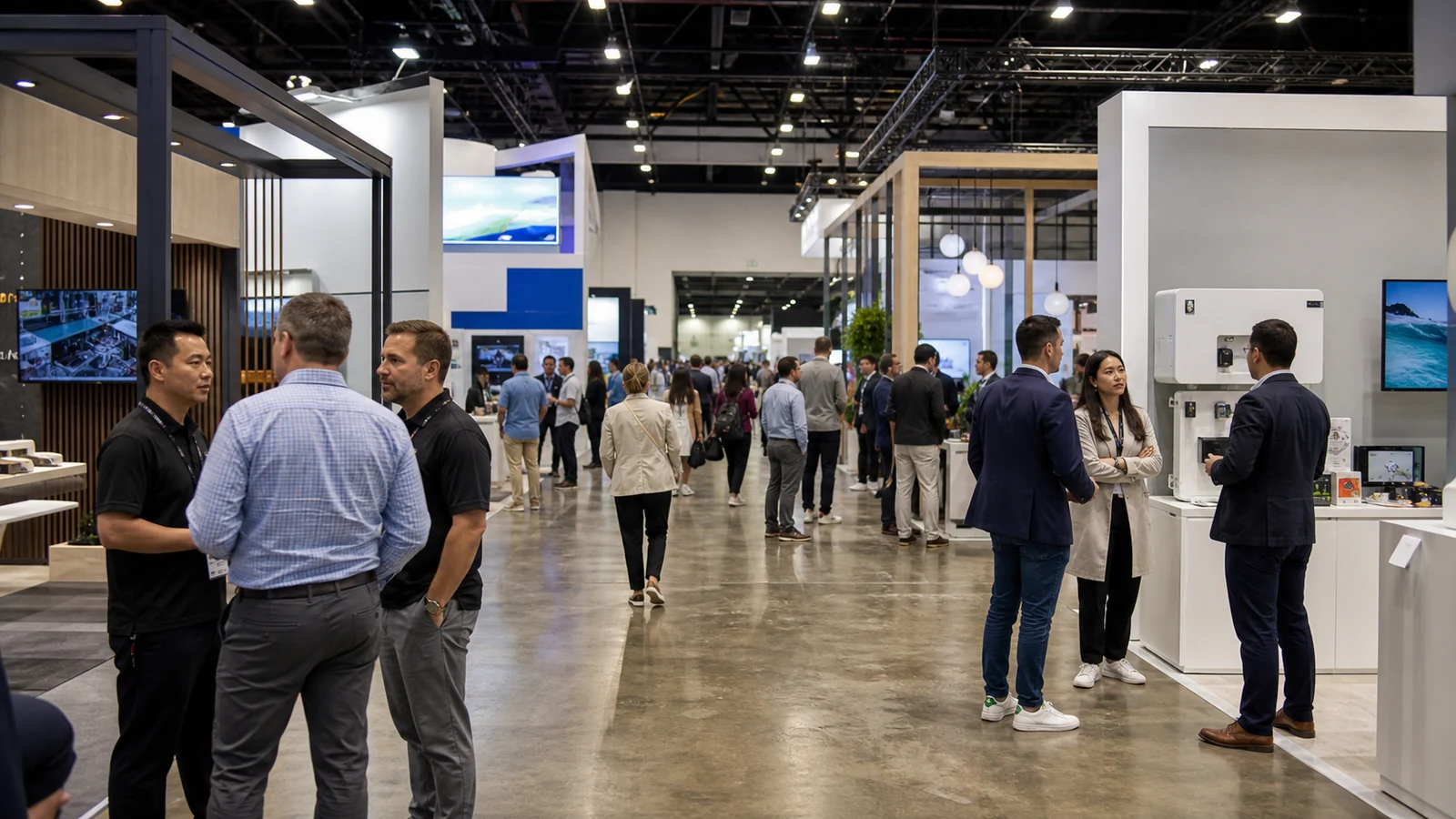
If you make your own products and are considering the Harvest Festival® tour, your immediate risk is choosing a booth before the organizer confirms that your work—and the way you produce and sell it—fits the juried route. Your first decision is therefore not which booth size to buy, but whether this is the right show and application path for your business.
Harvest Festival is a paid-admission consumer art-and-craft event, not a wholesale trade show and not an open vendor market. Its 2026 tour includes seven California stops, and the organizer uses separate paths for juried artists and crafters, specialty-food producers, Vintage Alley sellers, and commercial sponsors. This guide helps a first-time handmade-product business choose the right path, prepare the application evidence, and avoid designing a display around terms that have not been confirmed.
Dates, venues, application terms, and space availability can change. The facts below were checked on September 7, 2026; reopen the official application and city page before paying or producing anything.
First Decide Which Kind of Exhibitor You Are
The event name can make every seller sound like an “art and craft exhibitor,” but the organizer does not treat every product or business model the same way. Start by matching what you sell to the correct application route.

| Participation route | What the organizer is looking for | The first question to answer |
|---|---|---|
| Art & Craft Exhibitor | Juried handmade art and craft products | Can your photos show both the finished work and where/how you make it? |
| Specialty Food Exhibitor | An owner-made recipe and individually packaged food, with the owner or partner present | Can you meet the food-document and on-site participation rules for the selected show? |
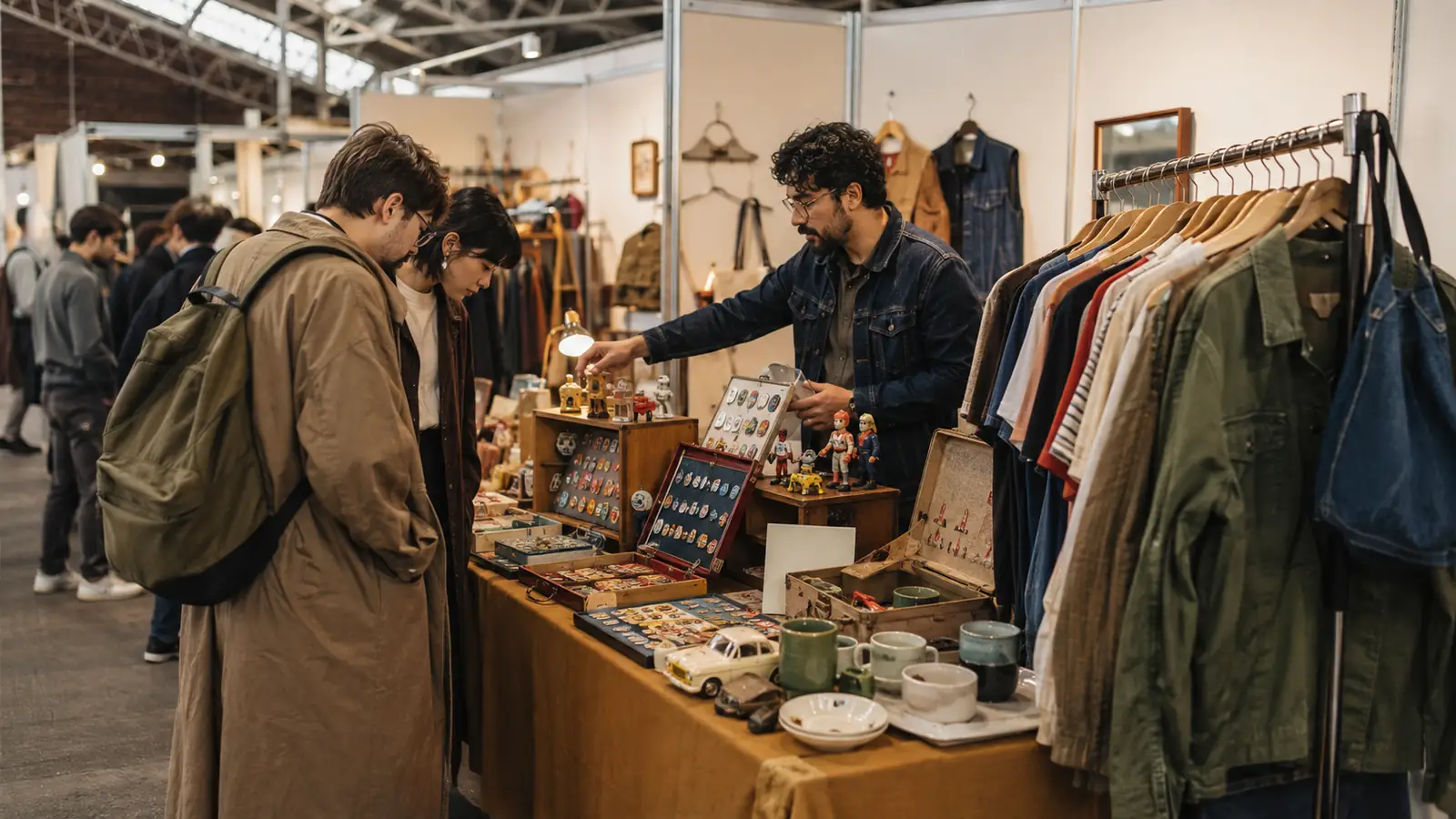
| Vintage Alley | A booth that is at least 50% vintage, supported by a vintage or vintage-inspired presentation | Does your inventory and display meet this separate mix requirement? |
| Commercial Sponsor | A commercial brand promoting goods or services rather than applying as a juried maker | Should you use the sponsorship contract instead of an artist application? |
This separation matters because an attractive booth cannot correct an eligibility mismatch. A retailer selling products made by unrelated suppliers, a representative working without the maker, or a commercial brand looking for awareness may need a different route—or may not fit the juried artist route at all. If your business falls between categories, ask exhibit sales to classify it before you choose a space or commission display work.
What Does the 2026 Tour Look Like Now?
The official Harvest Festival website currently lists these 2026 stops:
| City | Dates | Venue shown by the organizer | What to verify next |
|---|---|---|---|
| Ventura | September 11–13, 2026 | Ventura County Fairgrounds | Whether exhibitor space is still available and the current move-in instructions |
| San Diego | October 16–17, 2026 | Hangar 858 | The two-day schedule and the new venue requirements; this show has moved from Del Mar |
| Pleasanton | October 23–25, 2026 | Alameda County Fairgrounds | Available category and space sizes |
| Santa Rosa | November 6–7, 2026 | Sonoma County Event Center | The two-day schedule, exact hall, and exhibitor access |
| San Jose | November 13–15, 2026 | Santa Clara County Fairgrounds | Available category and current exhibitor instructions |
| Sacramento | November 20–22, 2026 | Cal Expo – Pavilion | Pavilion assignment, access, and space availability |
| Pomona | December 4–6, 2026 | Fairplex 4 | Building assignment, access, and current show documents |
The dates do not tell you which city will produce the most sales. The organizer publishes tour-level claims, including roughly 120–230 exhibits and an average of more than 10,000 potential customers per event, but those are organizer-reported averages rather than city-level forecasts. They do not show how many visitors buy your category, what price points move, or how much inventory you should bring.
Use the schedule to build a feasible shortlist. Treat attendance claims as context, not revenue projections.
The Handmade Test Comes Before Booth Design
The official New Artist page says exhibitors are juried for handmade products and that category limits are used to protect the product mix. The current Art & Craft Exhibitor page also identifies jewelry, bath products, and specialty foods as limited categories that may be wait-listed once full.
For a first-time applicant, this creates a practical test: could someone who has never met you understand what is original about the work, what you personally make, and how the finished products in your booth connect to the workshop evidence you submit?
Prepare that answer before selecting a backdrop or ordering signage. Gather a small, consistent product range and remove anything that makes the application look like a general retail assortment. If part of the process is outsourced, do not hide it or guess how the jury will interpret it. Ask exhibit sales what documentation the organizer needs.
Your price labels and visual story should support the same conclusion as your application photos. When the application presents a focused handmade line but the display plan looks like an unrelated gift shop, the customer experience and the jury story no longer agree.
What Must a First-Time Artist Submit?
The current Art & Craft Exhibitor page says all exhibitors apply online. A new artist must also complete a jury sheet, provide at least seven photos of products and the workshop area, and pay a $50 application deposit. The page says the deposit is credited to booth fees if the applicant is accepted, refunded if the applicant is not accepted, and forfeited if an accepted applicant does not complete payment.
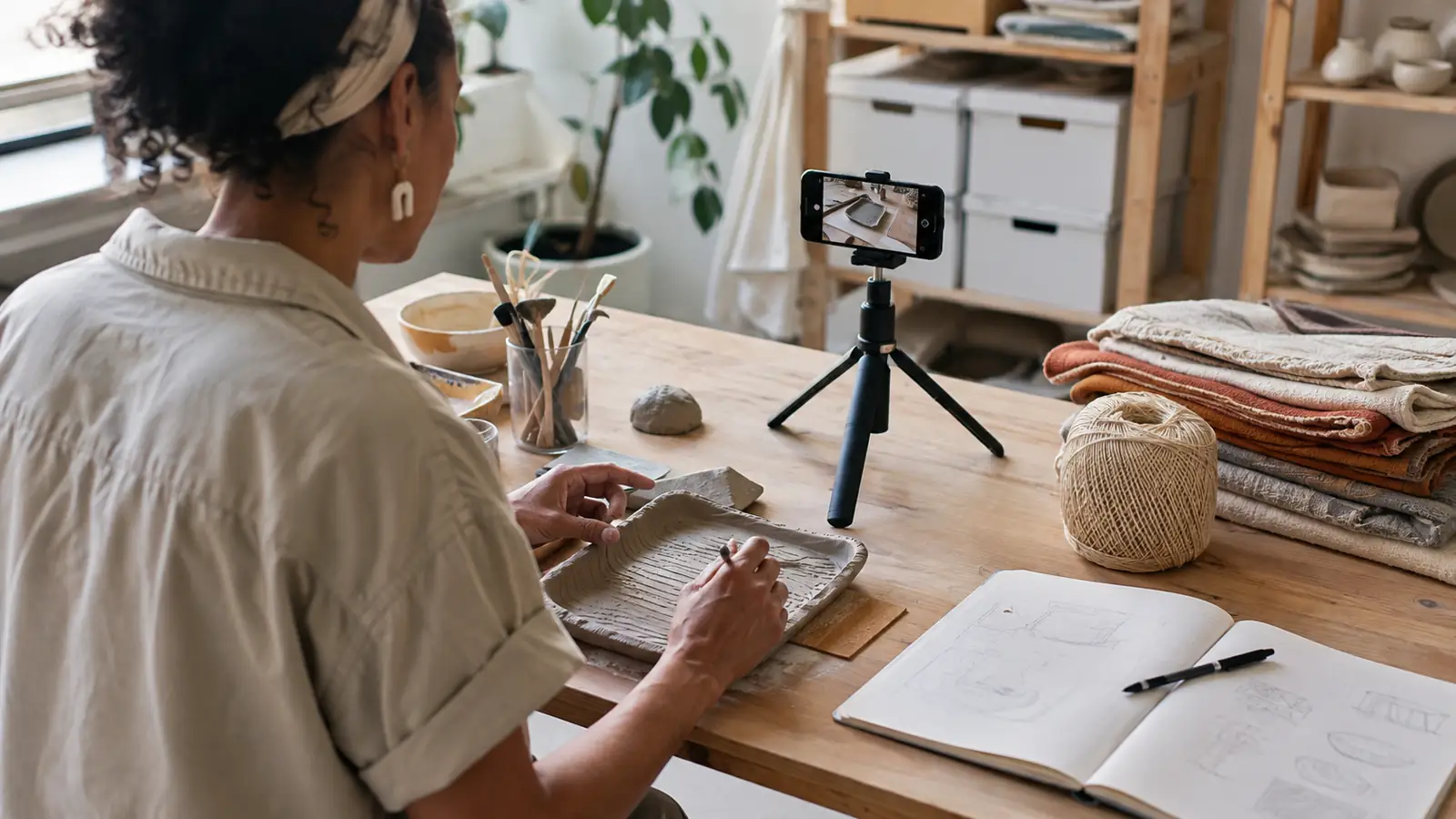
Before opening the form, prepare:
- clear photos that show the finished range without distracting backgrounds;
- workshop images that make your role in production understandable;
- a plain description of materials and process;
- the city or cities you can actually staff and stock;
- the space format you want and the exact footprint of every display fixture;
- your expected electrical load, especially if lighting, checkout equipment, or a powered demonstration is involved;
- the business and permit information required for the category and location.
Do not treat the photo requirement as a marketing collage. The jury needs to see the product and production connection. One sharp image of a coherent collection is more useful than a crowded image containing every item you have ever sold.
The site contains an older exhibitor FAQ that says there is no application fee, while the live application page states that new applicants pay a $50 application deposit. Use the live application page as the current working instruction, but confirm the amount, refund treatment, and total payment due on the checkout screen before submitting.
Read the Booth Package Before You Build the Display
For art and craft exhibitors, the organizer's current booth page lists three space formats with different inclusions:
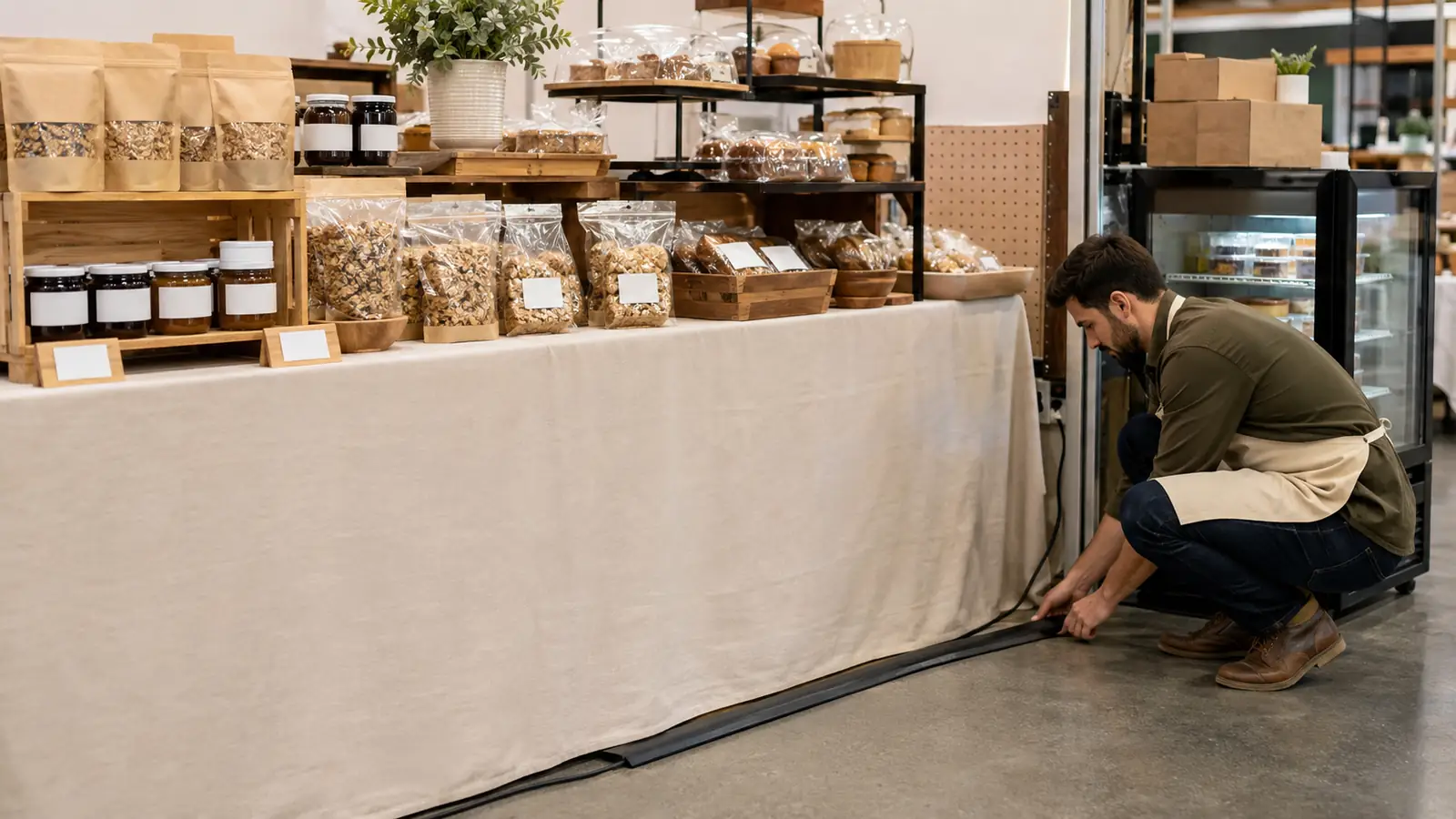
- Standard booths of 10 × 10 feet or larger include a back wall and 500 watts of power. Side drape is required and is the exhibitor's responsibility.
- A limited number of 10 × 6-foot booths include back drape, side drape, and 500 watts of power.
- Limited 5 × 5-foot cart spaces include 500 watts, but the exhibitor supplies the cart or display structure.
The same page requires products, shelving, and signage to stay inside the assigned space. That boundary should control your fixture plan. Measure tables, shelves, open doors, stock bins, chair positions, and the space you need to stand behind the counter. If the only way to serve a customer is to step into the aisle or let merchandise project beyond the line, the display is not ready.
Five hundred watts may cover a modest lighting or checkout setup, but do not treat it as a promise that every device can run together. List each powered item and its rated load. Specialty-food exhibitors using refrigerators, microwaves, griddles, or other higher-load equipment are specifically told to order additional power when needed.
The organizer also advertises a $100 or $200 first-show discount for new artists, depending on standard booth size, and says the discount does not apply to carts. That does not reveal the full cost of your selected space. Request the current price, inclusions, corner charge, payment schedule, and any city-specific costs in writing before comparing options.
Choose a City by Operating Fit, Not Assumed Sales
Without verified city-by-city sales or category data, calling one stop “best” would be guesswork. A better choice starts with what your business can execute well.
Use this priority order: first, written confirmation that your category and a workable space are still available; second, enough lead time to finish your application, inventory, and display; third, the lowest staffing and travel complexity. As of this September 7 review, Ventura begins in four days. Treat it as a late-stage option only if your materials are ready and the organizer immediately confirms space, contracting, and move-in requirements. Otherwise, prioritize the closest later stop that passes all three tests—not the city with the largest name or the highest keyword volume.
If you are considering a show close to home, calculate whether one vehicle can carry the fixtures and inventory without compromising the display. If travel is required, decide who will be present for setup, every public day, restocking, and teardown. A two-day San Diego or Santa Rosa date is not automatically easier: you still need the current load-in and load-out plan, and a compressed show may give you less time to correct a display problem.
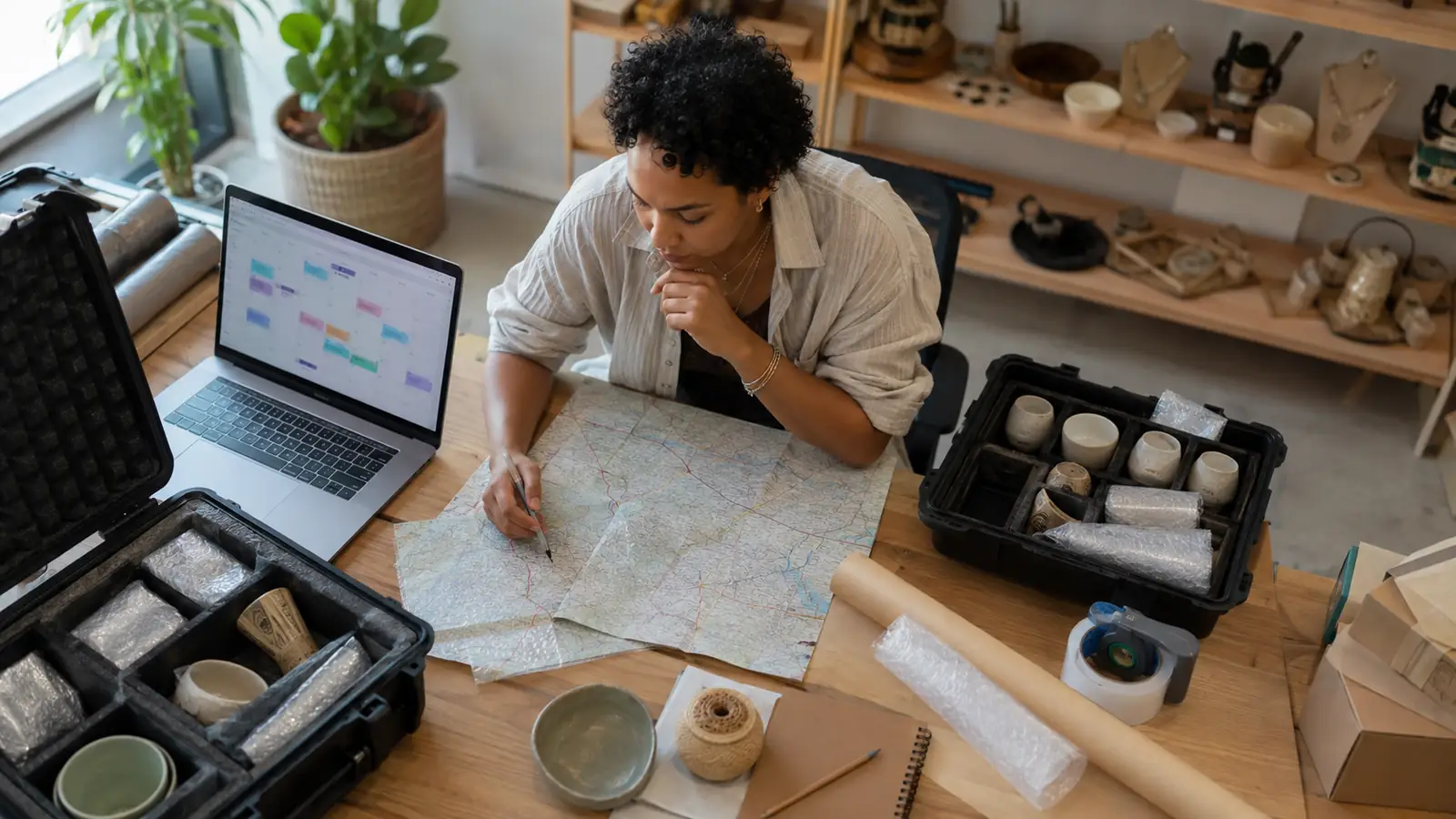
Inventory is the other constraint. Separate the products that create an immediate visual read from the stock you can replenish. Fragile originals, one-of-a-kind work, food samples, and size or color variants each create a different storage need. Choose the city only after you can fit the selling display, protected stock, checkout position, and your own working space inside the assigned footprint.
For late-season shows, also consider whether the product range, packaging, and replenishment plan can support holiday buying. That is an operating question, not a promise that a December event will outperform an October event.
Turn Acceptance Into a Display Brief
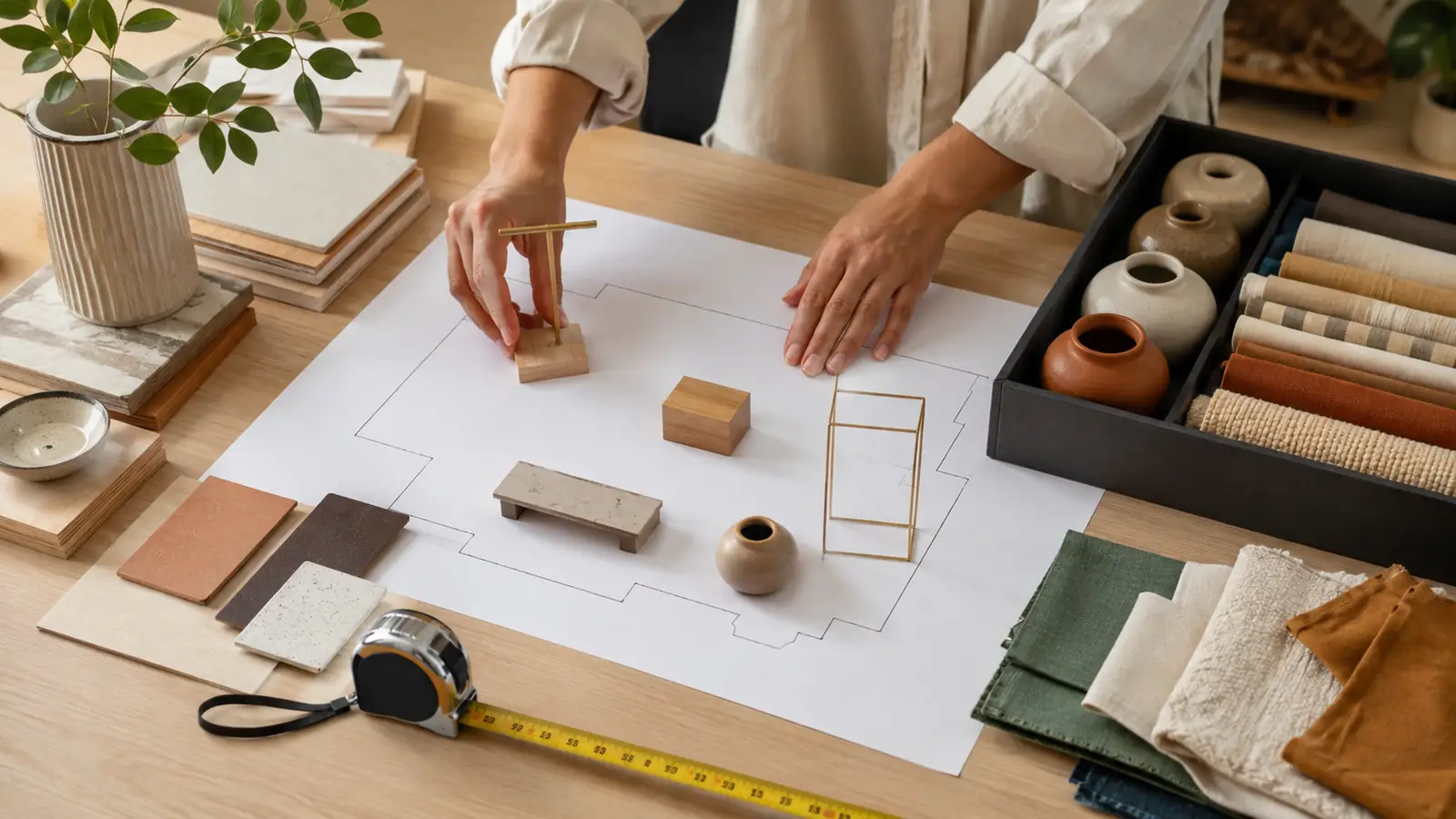
Acceptance means the organizer has approved your participation path; it does not mean every display choice is approved or buildable. Convert the accepted application and current show instructions into a one-page brief before you buy fixtures.
Include these six items:
- Accepted category and selected city. Record the application route, event dates, venue, assigned space, and every organizer confirmation.
- Products customers must notice first. Choose a small lead group that communicates the material, technique, or use of your work from the aisle.
- Fixture dimensions. Draw the back wall, side boundaries, tables, shelves, cart, checkout point, storage, and the space your body needs to work.
- Inventory movement. Decide where wrapped stock sits, how it reaches the selling surface, and how sold pieces leave without blocking another customer.
- Power and equipment. List lights, payment devices, screens, or food equipment with loads and cable positions; obtain added power or approval where required.
- Packing and reset plan. Identify what must be replenished each day and what must remain protected or locked when the booth is unattended.
A useful brief does not need an architectural presentation. It needs enough dimensions and product information to expose a conflict before setup. If a side panel hides the work from the main approach, a shelf cannot fit inside the line, or the checkout queue blocks the display, change the plan on paper.
When Does the Sponsor Route Make More Sense?
A company promoting a mass-market product or service should not assume that purchasing an elaborate display makes it a juried art-and-craft exhibitor. The organizer provides a separate commercial sponsorship path.
As checked on September 7, 2026, that page lists a $1,750 participating-sponsor option with a 10 × 10-foot space, a $3,500 option with a 10 × 20-foot space, higher premier levels beginning at $5,000, and a $750 bag-drop option without booth space. These are time-sensitive organizer prices, not a complete event budget. Confirm the selected city, deliverables, production requirements, deadlines, and what the exhibitor must supply before signing.
The route decision is simple: if your presence depends on being juried as the maker, use the category-specific artist, food, or vintage application. If the purpose is commercial brand exposure, ask about sponsorship. Do not spend money making one route look like the other.
A Go, Pause, or Change-Route Check
Apply now when your products clearly fit one route, your photos show the product-to-maker connection, you can staff the selected dates, and your display fits the available space and power.
Pause and ask the organizer when your process includes substantial resale or outsourced work, your category is limited, your fixture footprint is uncertain, or you need equipment beyond the listed power. One written answer can prevent an application or display built on the wrong assumption.
Change route when you are a commercial brand rather than a juried maker, or when your food or vintage inventory belongs in its dedicated program. A different route is not a weaker application; it is the route that lets the organizer evaluate what you actually plan to present.
Frequently Asked Questions
Can a reseller apply as an art and craft exhibitor?
The public pages position the artist route around juried handmade work and reject some representative-based models. They do not provide a universal rule for every mixed production arrangement. Describe who designs, makes, finishes, and sells each product to exhibit sales and get the route confirmed before applying.
Is July 1 the application deadline?
The current Art & Craft Exhibitor page says July 1 is not an application deadline; it is the point after which full booth fees are due at application or acceptance. The organizer says spaces continue to sell until a show is full. That is not proof that your category or preferred city still has space, so check availability before submitting payment.
What changes if I sell specialty food?
Use the Specialty Food Exhibitor page, not the general artist assumptions. The organizer says the product must be your recipe and individually packaged, the owner or partner must be present, representatives are not allowed, and required health-permit documents must be supplied. Confirm sampling, refrigeration, heating, power, and permit deadlines for the selected city.
What happens after the jury accepts my application?
Acceptance starts a contracting and payment step; it is not permission to build any display you choose. Review the current contract, confirm the city, assigned space, full fees, inclusions, and payment due, then sign and pay the required non-refundable deposit or full amount under the current schedule. Do not approve display production until you have the organizer's written footprint and inclusions.
Can I use the same display at every 2026 stop?
Use the same core fixtures only after checking the assigned space, city schedule, access instructions, power, and any current exhibitor documents for each stop. San Diego is in a new venue and both San Diego and Santa Rosa are shown as two-day events in the current schedule, so a general three-day FAQ should not replace the selected city's instructions.
Final Thoughts
Harvest Festival is a better fit when your product, production story, application evidence, and selling display all tell the same story. Confirm the route first, then the city, then the assigned footprint and inclusions. Only after those decisions are written should you finalize fixtures, signs, lighting, stock, and travel.
Once those facts are confirmed, send KingExhibits your accepted category, selected city, assigned footprint, product and workshop photos, fixture dimensions, inventory plan, and electrical loads. Ask for a display-planning conversation based only on those confirmed inputs, then compare any concept against the current event rules before you approve production.
Official Sources to Recheck
- 2026 tour and city pages
- New Artist overview
- Art & Craft Exhibitor requirements
- Specialty Food Exhibitor requirements
- Vintage Alley requirements
- Commercial sponsorship options
This article is a planning guide, not an acceptance decision or a substitute for the current application, contract, city page, or exhibitor instructions.