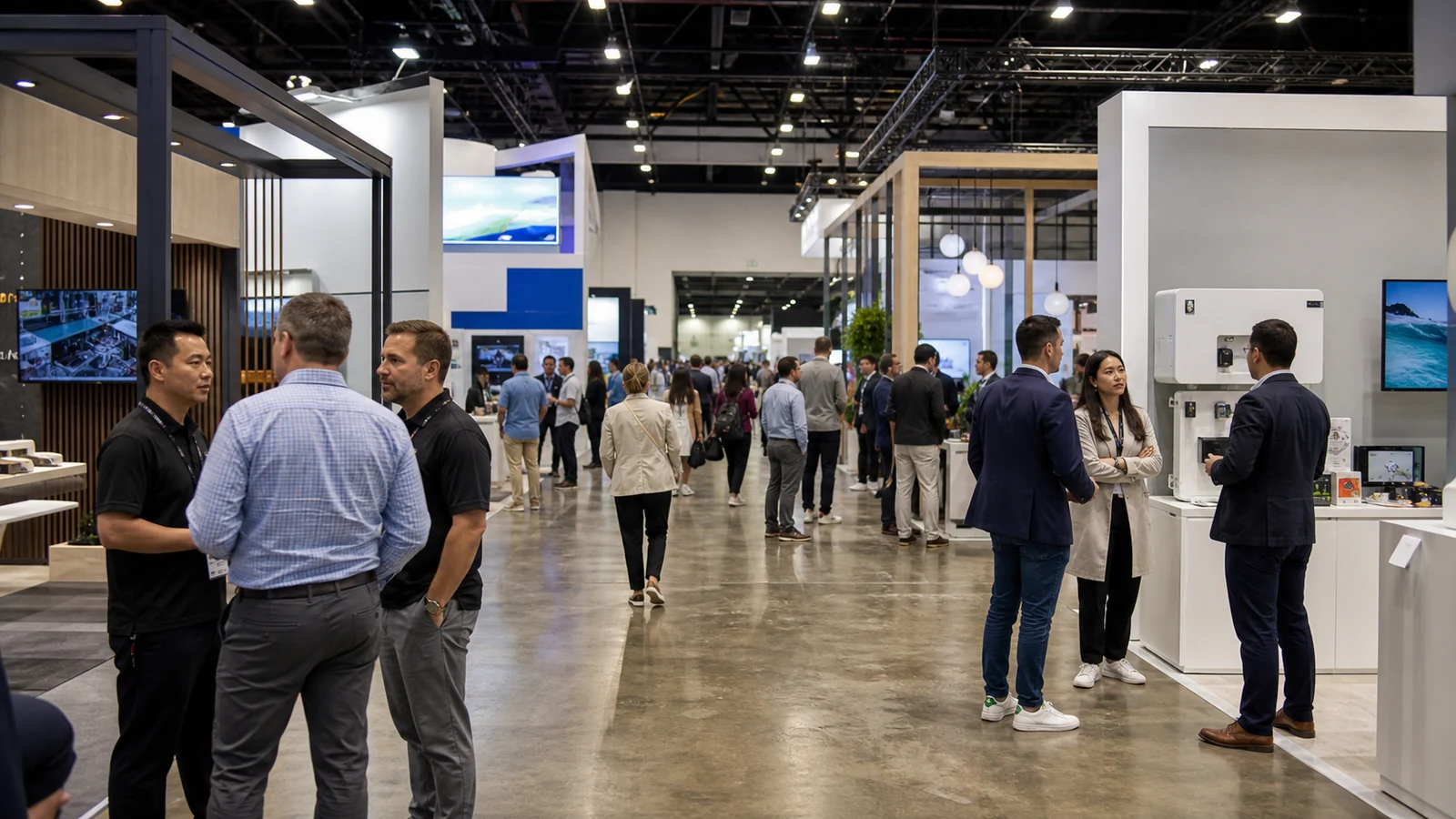
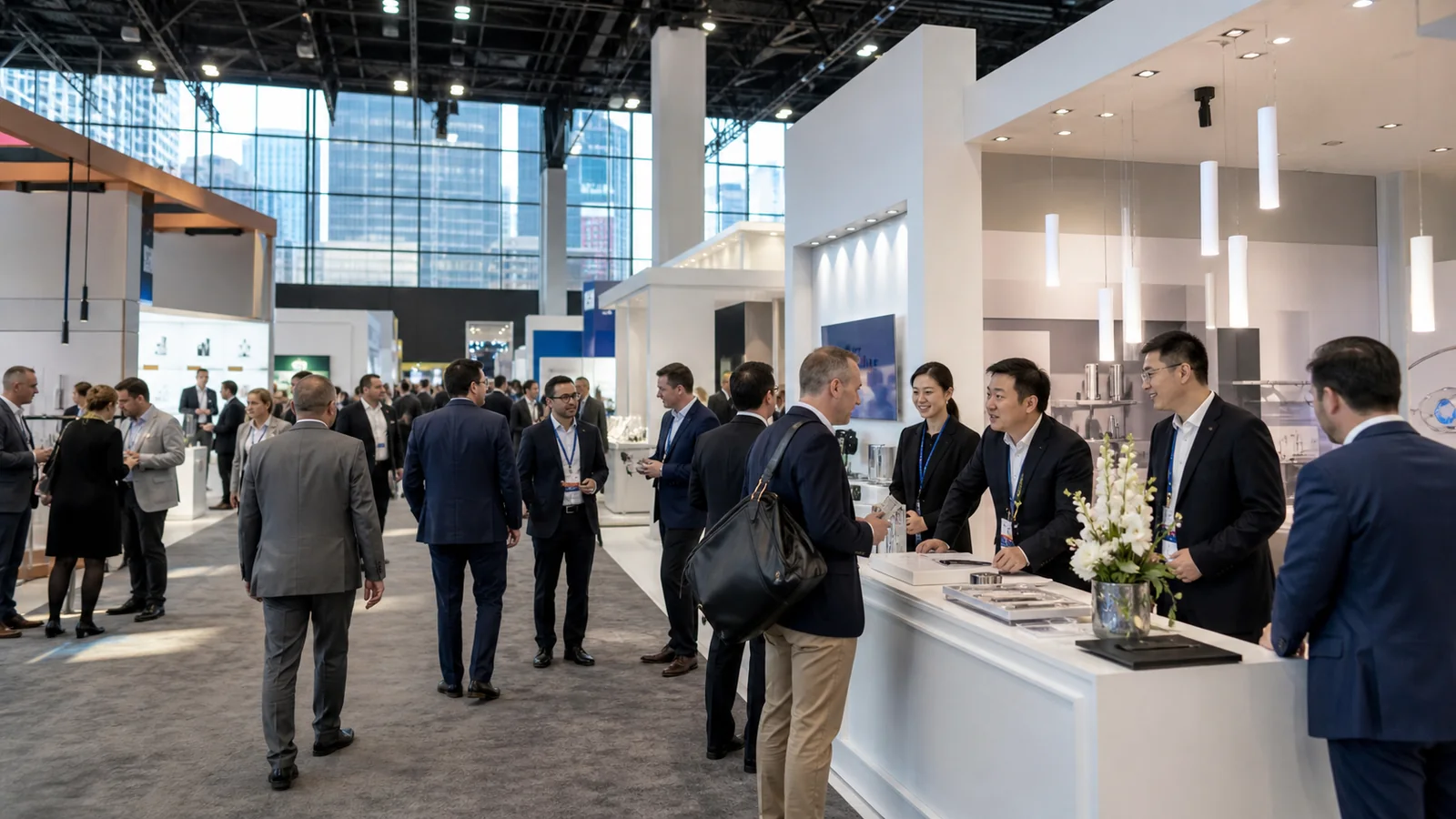
If you manage exhibiting for an industrial-textile supplier, your immediate decision is whether to pursue the November 2026 show in Orlando or plan for Baltimore in 2027. The risk is committing your budget to the wrong edition before you separate confirmed event facts from details that have not yet been published.
This guide compares what is officially confirmed for both editions, explains who has a defensible reason to exhibit, and shows which 2026 prices and rules cannot yet be carried into 2027. You should leave with a clear priority, a controlled budget starting point, and a list of facts your team still needs in writing.
What Is Confirmed for Advanced Textiles Expo 2026 and 2027?
Advanced Textiles Association (ATA) has published two future editions. The 2026 exhibitor page lists November 3-5, 2026, at the Orange County Convention Center West Building in Orlando, Florida. The venue's own event calendar independently shows the same dates and the co-located Sun Shading Expo North America.
ATA's future events page lists the 2027 edition for October 26-28, 2027, in Baltimore, Maryland. As of September 8, 2026, that official page does not identify the exact Baltimore venue, and current official sources reviewed for this article do not publish 2027 exhibit-space prices, a 2027 display-rule page, or a 2027 exhibitor service kit.
| Edition | Confirmed date and destination | What you can use now | What remains unconfirmed |
|---|---|---|---|
| 2026 | November 3-5, 2026; OCCC West Building, Orlando | Current exhibitor page, published space rates, 2026 display rules, venue cross-check | Live inventory, assigned booth, service deadlines, final order forms, and project-specific approvals |
| 2027 | October 26-28, 2027; Baltimore, Maryland | Official date and city for early planning | Exact venue, booth rates, floor plan, display rules, contractor forms, deadlines, and live inventory |
The distinction matters. You can compare the two editions at a strategy level, but you cannot release a 2027 floor plan, booth design, freight route, or total budget from the 2026 documents.
What Kind of Event Is Advanced Textiles Expo?
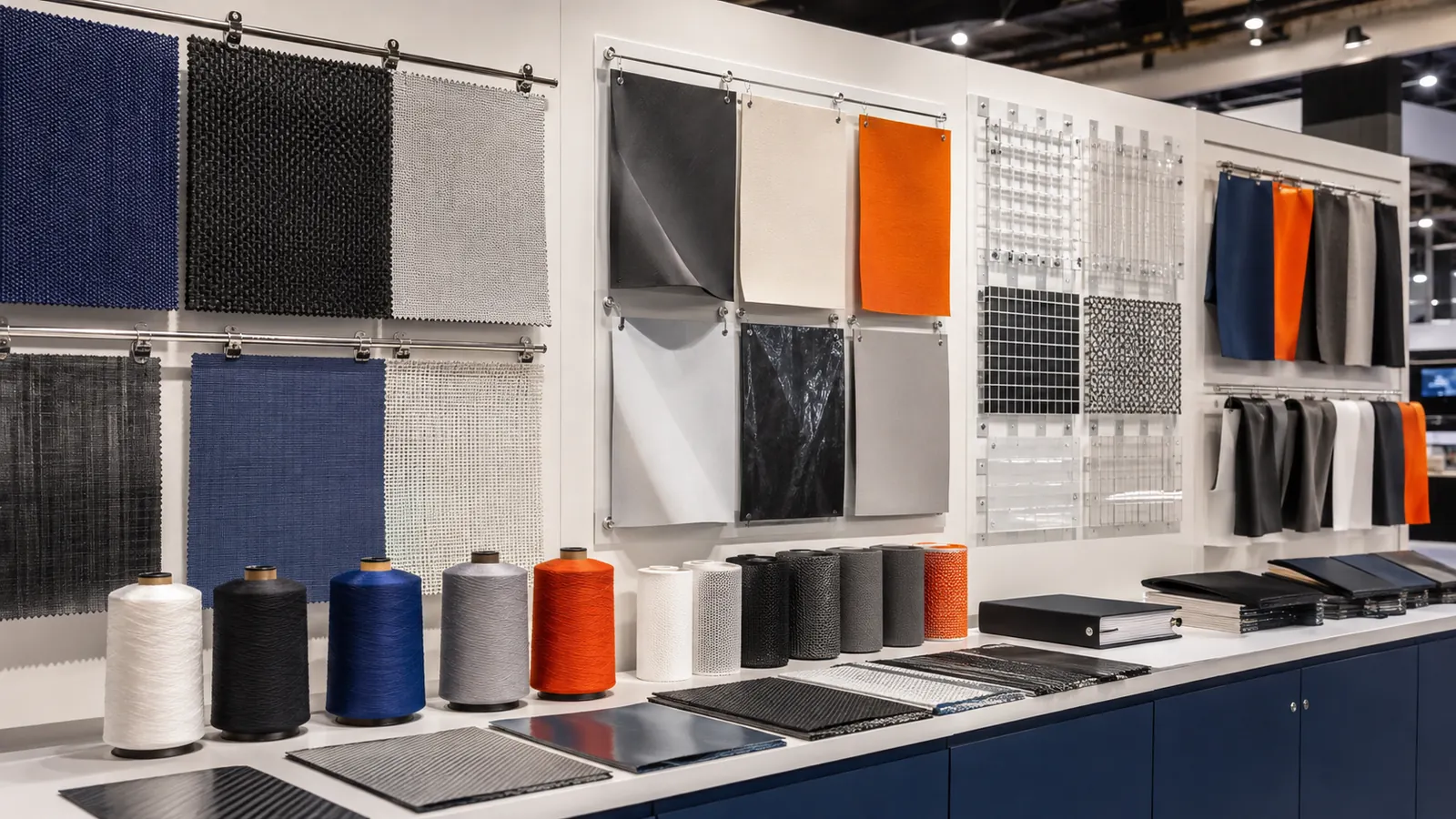
Advanced Textiles Expo is a B2B event for specialty, industrial, and advanced textiles. ATA's published scope includes coated and composite fabrics, geosynthetics, nonwovens, smart textiles, laminated, knit, and woven fabrics, fibers and yarns, hardware, components, and services such as converting, coating, testing, importing, development, and weaving. It also includes equipment for sewing, cutting, welding, printing, handling, and testing.
That scope is broad, but the purchasing conversations are still technical. You need to connect your offer visibly to a product, process, performance requirement, or application. A company that can show how a material behaves, how a machine changes a process, or where a component solves a failure has a stronger event fit than a company whose only message is that it serves the textile industry.
Which Companies Have the Strongest Reason to Exhibit?
Can your material support a useful comparison?
If you supply materials, choose one decision visitors can inspect. Your comparison might concern seam behavior, coating, print performance, weather exposure, flexibility, cleanability, light transmission, conductivity, or another approved property. A wall of unexplained swatches shows range but leaves your visitor to build the buying logic.
Keep measured values beside their test method, substrate, thickness, coating, or other conditions needed to interpret them. If you and your booth staff cannot explain those boundaries, the display can create more doubt than trust.
Can your equipment demonstrate a business-relevant process?
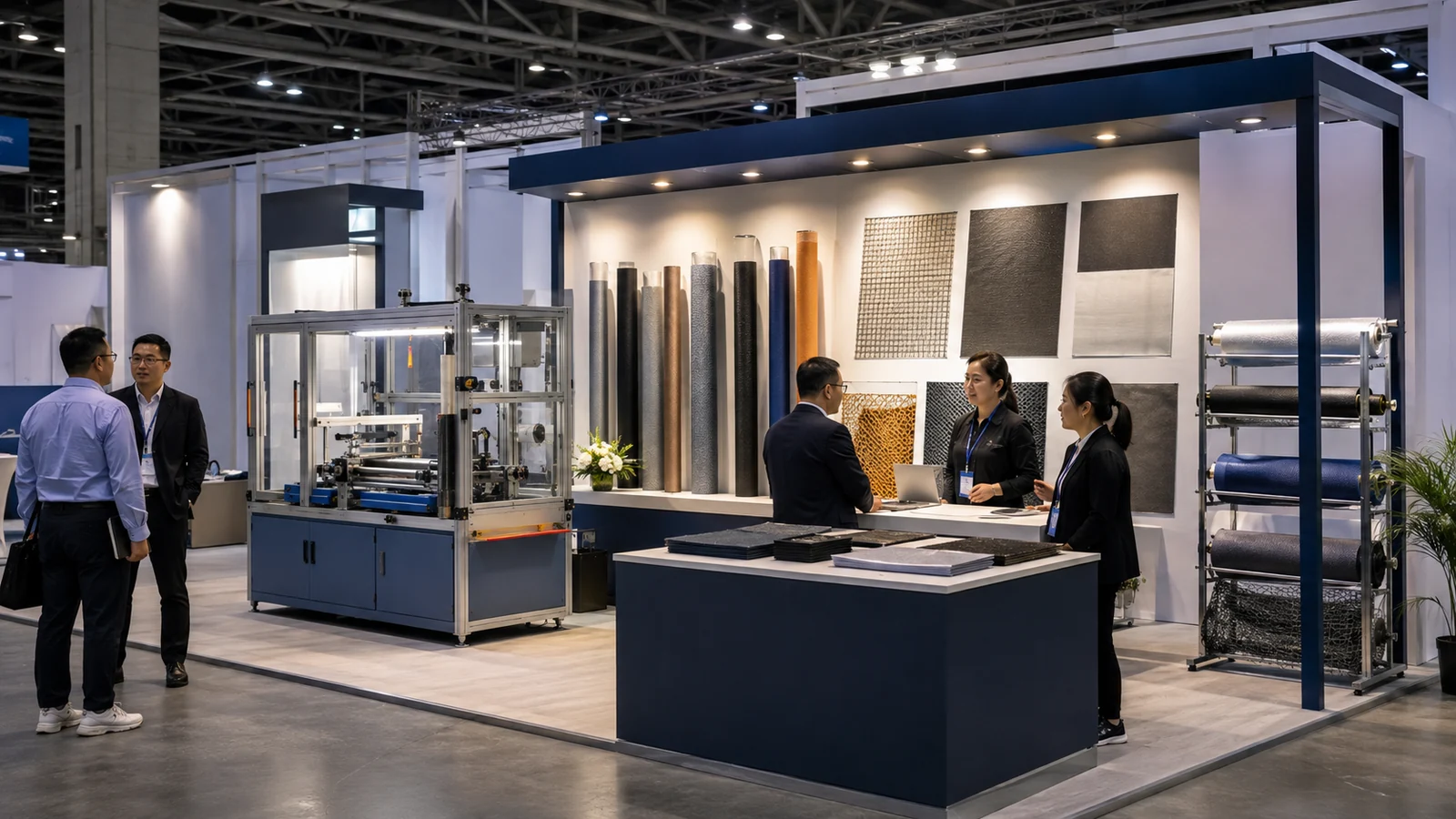
Equipment companies have a strong category fit when the demonstration makes an operating difference visible. You and your team should be able to identify the input material, operation, output, cycle time, operator task, quality check, and next technical step.
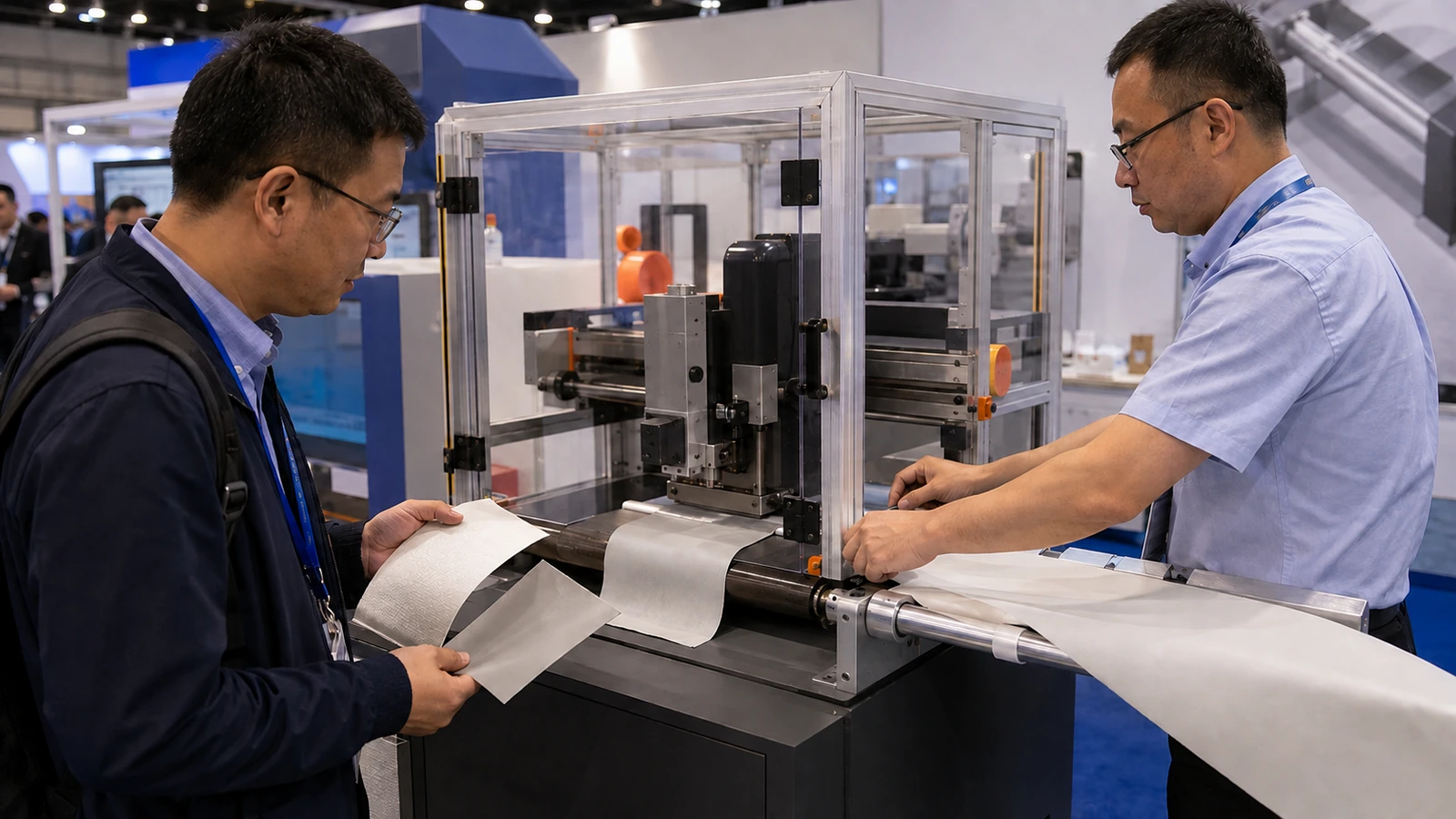
Do not treat an operating demo as approved merely because the machine fits the booth. Power, compressed air, heat, fumes, noise, guarding, waste, material delivery, and operator clearance may require services or written approval. Until the show confirms those dependencies, your design should preserve a non-operating display or video fallback.
Can your component or service show where it changes the workflow?
Fasteners, grommets, zippers, threads, controls, coatings, converting, testing, software, and consulting can fit the event, but they are easy to present as isolated features. Show where you supply a component or service within the customer's product or process and what decision changes at that point.
A small assembly, process sequence, test comparison, or labeled failure example can make that role clear. Then route the visitor to a next step your team can actually fulfill, such as a sample review, test discussion, application call, or distributor meeting.
Should You Prioritize Orlando in 2026 or Baltimore in 2027?
For a company that is commercially and operationally ready now, the 2026 Orlando edition is the more actionable priority. It has an exact venue, published exhibit-space rates, public display rules, and current organizer pages that your team can use to request the remaining documents. You should still confirm live space, service deadlines, and approvals before spending, but the decision base is substantially more complete.

Prioritize 2026 when all of the following are true:
- your offer maps to a published product or attendee category;
- your proof, samples, claims, and follow-up path are ready;
- your team can still meet organizer, production, freight, travel, and approval deadlines;
- the organizer confirms suitable space and current order information in writing.
Use the 2027 Baltimore edition as your primary planning cycle when the 2026 schedule would force rushed production, weak proof, expensive late orders, or an improvised team. The official dates and city are enough to reserve internal planning time, start audience research, and define an exhibit objective. They are not enough to approve a venue-specific design or final budget.
| Your situation | Better current priority | Why |
|---|---|---|
| Ready offer, approved proof, capable staff, and 2026 logistics still feasible | 2026 Orlando | More event facts and operating documents are available now |
| Relevant market, but samples, approvals, freight, or staffing are not ready | 2027 Baltimore | A longer runway protects the quality of the exhibit decision |
| Audience fit is still uncertain | Attend/research before exhibiting | A booth is difficult to defend until you can name the target visitor and next step |
| 2027 planning depends on exact venue, space cost, or booth rules | Hold venue-dependent commitments | Those 2027 facts are not confirmed in the current official sources |
Waiting for 2027 is not automatically safer; it is useful only if you use the extra time to validate demand, build evidence, define ownership, and close the unanswered event facts as ATA releases them.
What Do the Published 2026 Booth Rates Actually Cover?
As of September 8, 2026, ATA lists these member exhibit-space rates after March 30:
| 2026 booth type | Published member space rate | Planning implication |
|---|---|---|
| 10 x 10 standard | $3,770 | Supports a compact sample-and-conversation plan |
| 10 x 20 inline | $7,540 | Adds room to separate demonstration, storage, and discussion |
| 20 x 20 island | $13,860 | Provides four-sided access but adds design, utility, and labor dependencies |
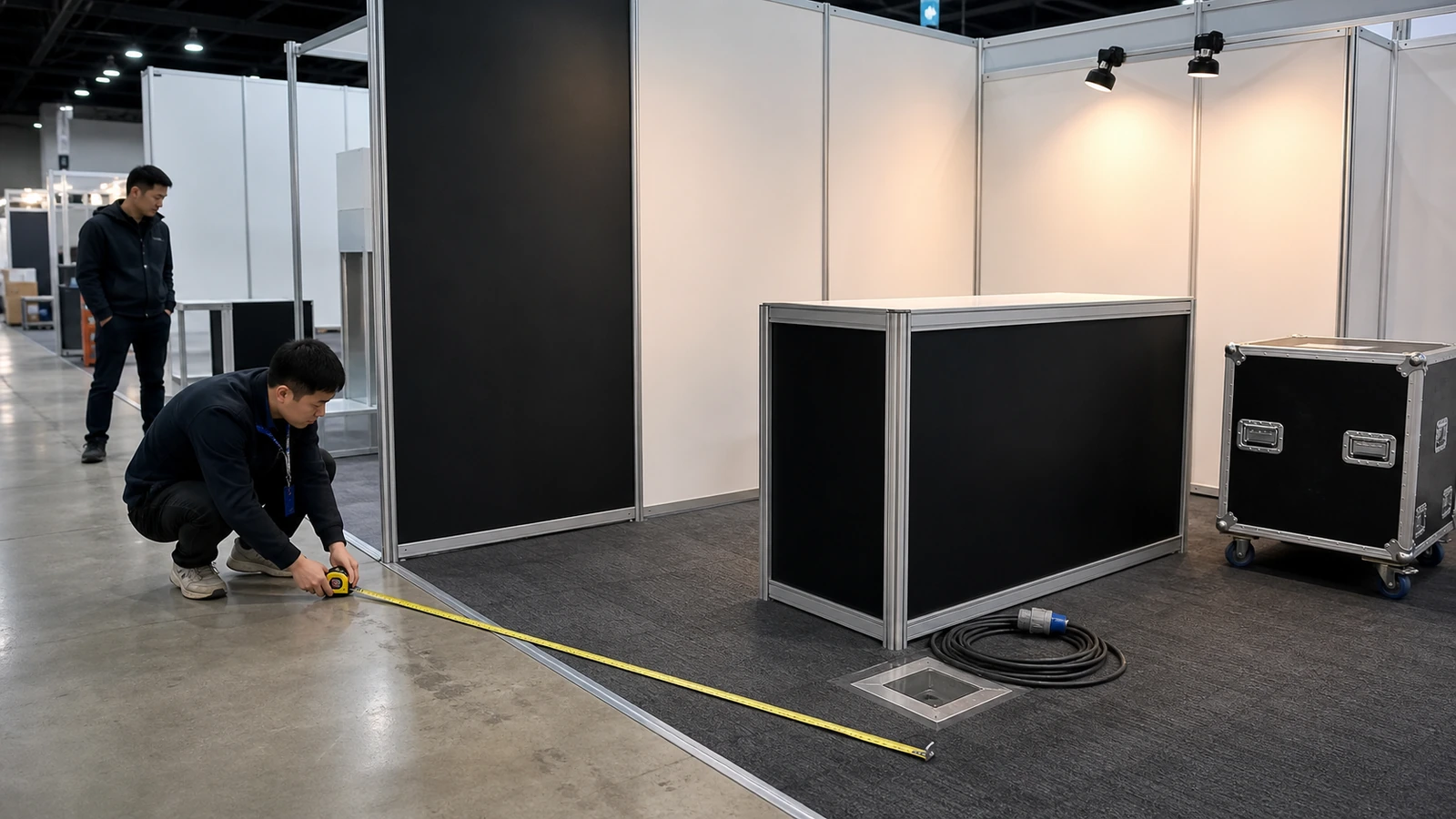
The page says nonmembers add $700 to the exhibit-space rate. The base purchase includes pipe, drape, a booth identification sign, and three exhibitor badges per 100 square feet. Floor covering is required but not included.
These are 2026 space-price signals, not complete project budgets. Your booth build or rental, graphics, samples, freight, material handling, labor, power, internet, rigging, cleaning, storage, travel, taxes, and late-order exposure may sit outside the base amount. Ask for current forms and deadlines before you and your team turn the published rate into a cost estimate.
Do not copy these figures into a 2027 quote as if they were announced Baltimore rates. If you need an early 2027 reserve, label the figure as an internal planning allowance based on a dated 2026 reference, then replace it when ATA publishes the 2027 package.
What Do the 2026 Display Rules Change?
The public 2026 booth display guidelines create different design envelopes by booth type:
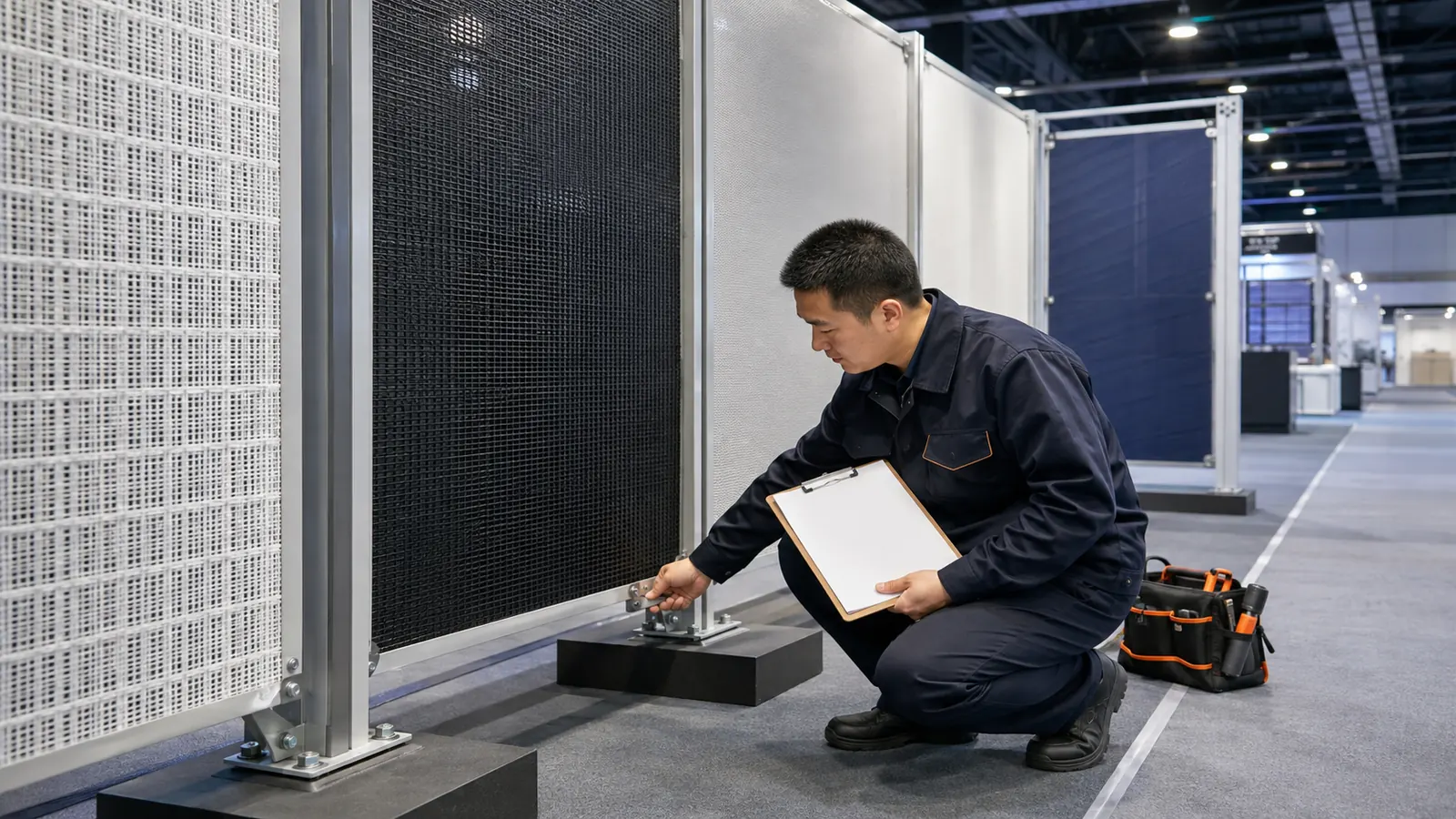
- In standard inline and corner booths, displays may reach 4 feet in the front half and 8 feet in the back half. Fixtures above 4 feet must remain within 5 feet of the rear line, and hanging signs are not permitted.
- Perimeter booths follow the same sightline concept but permit up to 12 feet in the back half.
- Island booths may use the full footprint up to 20 feet in standard-ceiling areas. Low-ceiling locations are limited to 10 feet, and hanging signs are permitted only in standard-ceiling areas.
These limits can change which 2026 space you should buy. A tall machine, upright roll, tower, overhead identifier, or suspended textile installation may fit inside the floor dimensions but fail the height, sightline, or ceiling condition. You need the assigned location and approval before your concept depends on any of those elements.
The organizer also states that the hall will be inspected on the last installation day and that violations must be corrected before opening. A rendering is not compliance evidence; compare the final dimensions and placement with the current rules and approved drawings.
None of these limits is presented here as a 2027 Baltimore rule. The venue and 2027 display documents must be confirmed before you reuse an Orlando structure or hanging-sign plan.
What Must You Verify Before Committing to Either Edition?
For 2026, obtain the current exhibitor agreement, assigned booth, floor plan, service kit, Freeman forms, deadlines, and organizer contacts. For 2027, track the exact venue and wait for the edition-specific exhibitor package before any site-dependent production approval.
| Verification item | 2026 action | 2027 action |
|---|---|---|
| Space | Confirm booth number, dimensions, open sides, neighbors, ceiling condition, and live availability | Wait for the official floor plan and written space assignment |
| Commercial terms | Confirm current rate, inclusions, payment, change, and cancellation terms | Wait for published 2027 rates and contract terms |
| Schedule | Confirm installation, show-floor, dismantle, and move-out times | Use October 26-28 only as show dates until detailed operating hours appear |
| Freight | Confirm warehouse/direct addresses, labels, receiving dates, handling, and return route | Do not infer Baltimore routes or contractor arrangements from Orlando |
| Services | Confirm labor, power, air, internet, rigging, cleaning, storage, security, and waste | Hold service estimates until current forms identify suppliers, rates, and minimums |
| Safety and demos | Confirm machinery, heat, fumes, batteries, chemicals, heavy rolls, hanging samples, and visitor-touch approvals | Build an approval checklist, but do not assume 2026 rules will transfer |
Record every dependency as confirmed, excluded, client-supplied, show-appointed, or pending. If you lack written evidence, keep the item visible as TBD; do not hide it inside the booth price or ask a fabricator to guess.
Frequently Asked Questions
Is Advanced Textiles Expo the same event as IFAI Expo?
Yes. ATA describes Advanced Textiles Expo as the renamed successor to IFAI Expo, with the new name debuting in 2023. Older IFAI references provide historical context; they do not identify a separate show running beside either future edition.
Does an Advanced Textiles Expo badge include Sun Shading Expo access in 2026?
The current event FAQ says registrants for both shows can access the combined show floor, shared show-floor education, keynotes, and networking receptions. Classroom education remains tied to the event registration selected, so confirm your package before assigning staff to a specific session.
Can a non-exhibiting supplier promote products at the show?
No. The organizer permits a registered non-exhibiting supplier or distributor to conduct market research, attend education, network, and meet existing customers, but prohibits promotion, solicitation, sales activity, and distribution of materials for new business. The current $1,500-per-attendee registration category does not remove that restriction.
Does Advanced Textiles Expo or ATA sell attendee or exhibitor lists?
No. The official event FAQ says Advanced Textiles Expo and ATA do not sell attendee or exhibitor lists for any event, publication, or product. Treat a message offering such a list as fraudulent, do not provide payment details, and verify suspicious outreach with ATA. If your pre-show campaign depends on buying a list, remove that assumption and use organizer-approved outreach options instead.
Do decorative textiles in a 2026 OCCC booth need flame-resistance documentation?
OCCC's general planning guide says fabrics used as exhibit furnishings, draperies, curtains, and similar décor must meet its flame-resistance requirements, with documentation available on request. That does not automatically determine how every product swatch or roll will be classified. Ask show management what evidence your exact installation requires.
Final Thoughts
Advanced Textiles Expo can be a strong fit when your company can connect a material, machine, component, or service to a specific technical decision. Choose 2026 when your audience, proof, staff, logistics, and approvals can still be made ready; use 2027 when a disciplined longer runway will produce a better exhibit, while keeping venue-specific commitments on hold until Baltimore details are published.
KingExhibits can help you turn the confirmed event package, your product proof, target visitor, demonstration needs, freight origin, and budget boundary into a controlled booth brief. Send those inputs early so the design conversation separates confirmed requirements from organizer-dependent items before production is approved.