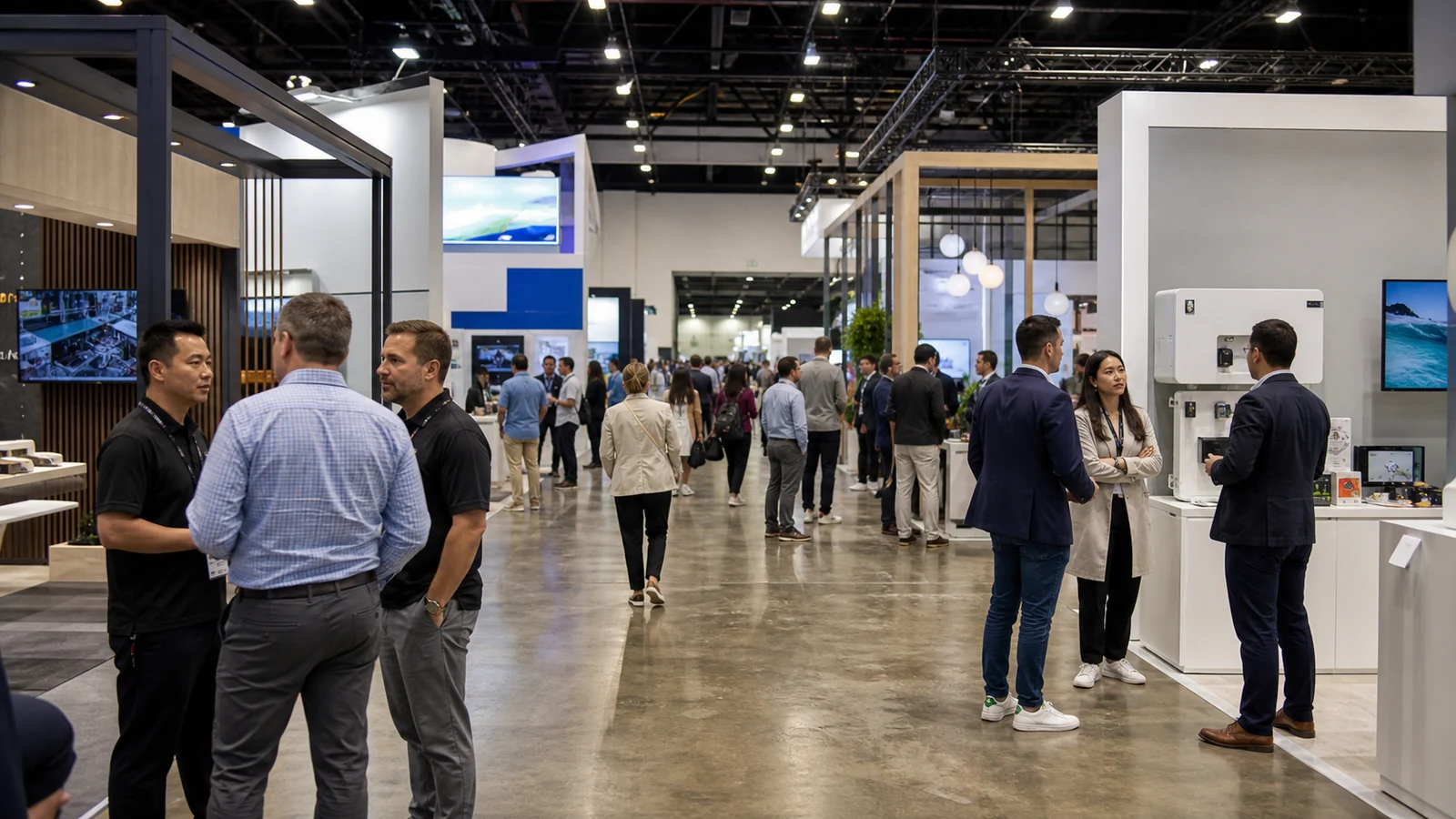
If you are deciding whether to exhibit at the Madison Home Expo, the first question is not how large your booth can be. It is whether your offer will make sense to a homeowner who has several projects in mind and wants useful answers in one visit. This guide gives you the confirmed 2027 event details, the audience-fit questions to ask, and a workable preparation plan before you reserve space or ship a display.
Madison Home Expo 2027 at a glance
The next Madison Home Expo is scheduled for January 8–10, 2027, at the Monona Terrace Convention Center, One John Nolen Drive, Madison, WI 53703. Public show hours are Friday, 2:00–6:00 p.m.; Saturday, 10:00 a.m.–6:00 p.m.; and Sunday, 10:00 a.m.–5:00 p.m. The organizer currently lists admission at $5 for adults, with children under 18 free.
L&L Exhibition presents the expo as a place to meet remodelers, builders, design professionals, and home-improvement and landscaping experts. The overview highlights kitchen and bath remodeling, landscaping, maintenance, product ideas, and design trends. That mix points to a consumer home-project audience rather than a narrowly technical trade conference.
Treat the dates, hours, and admission figures above as the current public listing, then check the organizer's exhibitor resources again before you finalize freight or staffing. Event details and forms can change.
Is the audience a fit for your company?
A home expo can be useful when your team needs face-to-face conversations with people who are comparing solutions for a real property. It is a weaker fit when your offer needs a long technical sales cycle with no clear homeowner-facing starting point.

Ask three questions before you commit:
- Can a visitor recognize the problem you solve in five seconds? A window company might lead with drafts, comfort, and replacement choices; a landscaper might show a before-and-after layout with the first decision clearly marked.
- Can your staff give a useful first answer without a site visit? Prepare a short explanation of what affects scope, timing, and price. Do not promise a quote from a hallway conversation.
- What is the next step you can complete quickly? Examples include a measurement appointment, a design consultation, a water test, or a project-readiness call. Name the action and the information the visitor should bring.
These questions help you separate a qualified conversation from simple foot traffic. The organizer's public pages do not publish a guaranteed attendance or lead volume, so plan around the quality of conversations your offer can support.
Build the booth around one homeowner decision
Visitors should not have to decode a wall of services. Pick one decision that is likely to start a project this winter or spring, and make it the visual and conversational center of the booth.

A practical message might be “Plan a warmer, quieter home,” “Turn an unused basement into living space,” or “Choose a low-maintenance outdoor room.” Each message gives your team a natural question to ask and gives the visitor a reason to stop. Use a real material sample, hardware detail, finish board, or small working demonstration when it helps people compare options with their hands and eyes.
Keep the first explanation short. A visitor who wants design inspiration should be able to browse; a visitor with an active project should quickly find someone who can discuss constraints. A simple graphic showing the three steps from first conversation to site measure is often more useful than a long company history.
Confirm organizer and venue requirements early
L&L's Madison exhibitor downloads page currently links to exhibitor rules and regulations, food and beverage sampling policies, approved flooring tape, loading-dock directions, exhibitor parking information, and a Wisconsin Department of Revenue vendor submission. Download the current versions and assign one person to track each requirement.
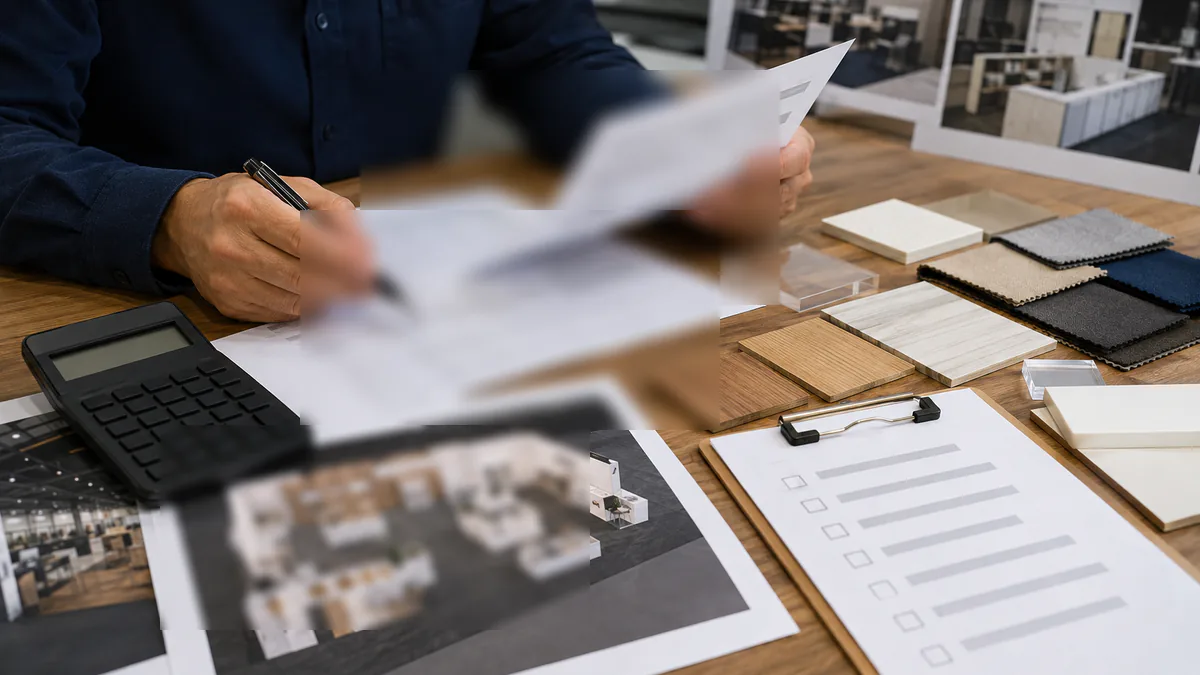
Before production, confirm these points in writing with the organizer or venue:
- contracted booth size, included furnishings, and any height or sightline limits;
- move-in and move-out windows, dock appointment rules, and freight or cart restrictions;
- electrical, wired internet, flooring, rigging, and cleaning orders;
- sampling approvals and Wisconsin tax or vendor paperwork if you sell or sample products;
- badge allotment, parking passes, insurance language, and the final floor plan.
Monona Terrace lists seven loading bays and exhibitor services on its venue page. That tells you the facility has an established operations process; it does not tell you which dock, service deadline, or vehicle rule applies to your booth. Use the event packet rather than a previous show's schedule.
Use seminars as a conversation filter
The organizer's seminar page says the 2027 presenter list is updated regularly. Current examples include landscape lighting, eco-friendly home maintenance, and lower-pesticide lawn care. If a session overlaps with your offer, plan a useful follow-up question rather than a sales pitch: “Which part of that project is hardest to plan?”
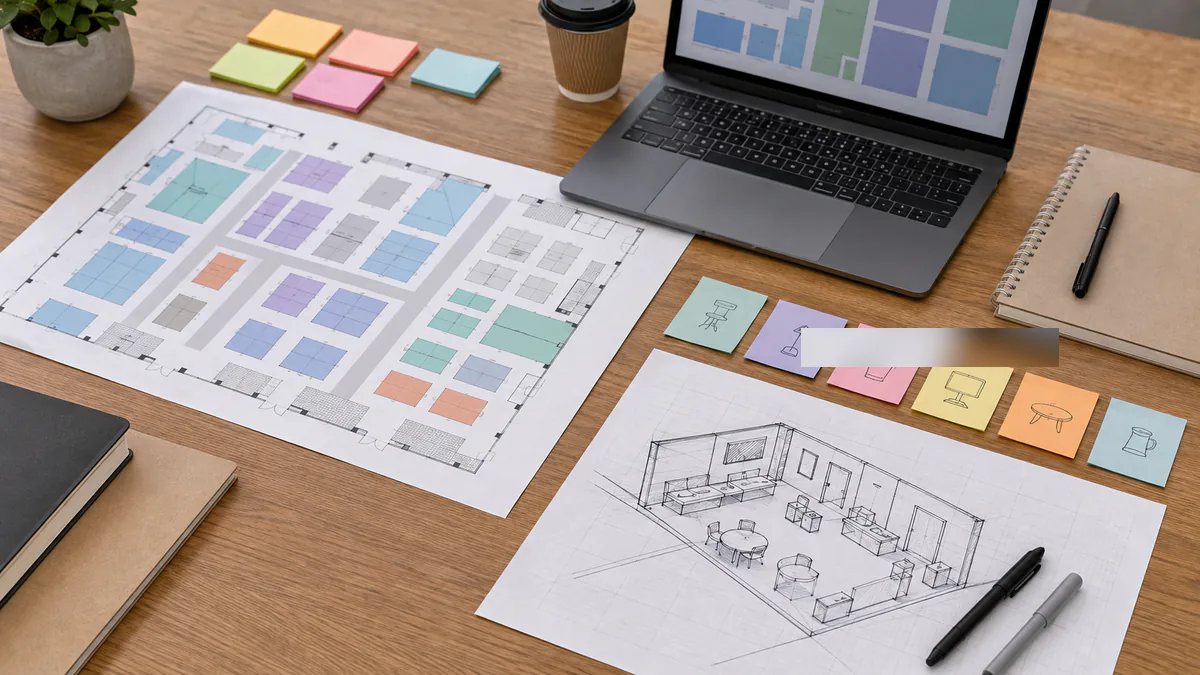
Your team can also use seminar topics to decide what to bring. A lighting contractor may need fixture samples and a simple nighttime-planning worksheet. A lawn-care company may need a soil-test explanation. Check the schedule again before the show because presenters and times can change.
A lead plan that your team can actually use
Set up one short form or QR flow with only the details needed for the next step: project type, location, timing, and the visitor's preferred contact method. Offer a choice such as “send design ideas,” “book a measurement,” or “talk through options.” That lets a staff member record intent without guessing later.
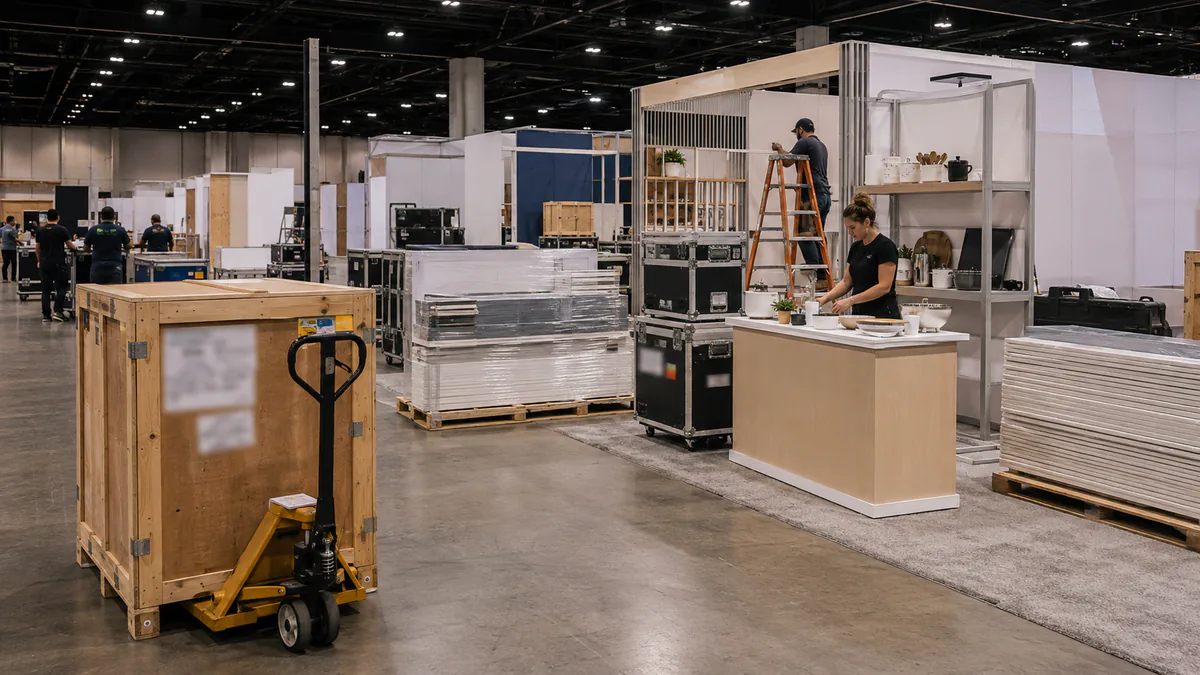
At the end of each conversation, repeat the next action and its timing. A lead is not complete because a badge was scanned. It is complete when someone owns the follow-up, the visitor knows what will happen, and the notes explain why the project may fit.
A simple preparation timeline
Four to six weeks out: confirm the current exhibitor packet, reserve services, set the one-decision message, and order samples or graphics.
Two weeks out: train staff on the opening question, qualify for project timing and location, test the form or QR code, and confirm freight labels and dock instructions.
The week of the expo: recheck hours, seminars, parking, and organizer notices; pack a backup power strip, labels, cleaning supplies, and printed contact details.
After the show: send the promised material promptly, separate active projects from inspiration-only contacts, and record which question or sample created the best conversations. That evidence should shape your next event decision.
Turn the plan into a measurable booth brief
Before you approve artwork, write a one-page brief that a designer, salesperson, and freight contact can all use. Put the selected homeowner decision at the top, followed by the proof you will show, the space it needs, the electrical or sampling requirements, and the next action the visitor can choose. Add the public hours and the person responsible for each shift. This prevents a last-minute change in message from creating a display that looks polished but produces no usable conversations.
Give every lead field a reason. Project type and ZIP code help route a local appointment; timing separates an active winter project from long-term research; decision role tells the salesperson who else must join the call. If you collect a phone number or email, state what you will send and when. Keep a paper fallback in case the venue network or QR flow fails, and reconcile paper and digital records after each day.
Set a stop gate for missing information. Do not release a large graphic, order a rigged sign, or ship a fragile sample until the current floor plan, service deadlines, and access rules are in the project folder. If the organizer changes a seminar time or loading instruction, record the revision date and tell the person who owns the affected task. A short change log is easier to audit than a chain of informal messages.
Should you exhibit at Madison Home Expo?
Request the current exhibitor information from L&L Exhibition, compare the confirmed costs and service deadlines with your sales capacity, and only then lock the booth design and freight. Your display should make the first decision easier; the organizer packet should make the operating details clear.
Frequently asked questions
Is there a Madison Home Expo edition in late 2026?
No official L&L page reviewed lists a Madison Home Expo between October and December 2026. This guide therefore covers the January 8–10, 2027 edition only; recheck the organizer calendar for changes.
What should a first-time exhibitor ask for after submitting the Madison inquiry form?
Ask for the current agreement, floor plan, service order forms, move-in instructions, insurance wording, badge and parking policy, and a named operations contact. Save the reply with its date. A form submission confirms that you reached the organizer; it does not confirm space, cost, or acceptance.
How can a remodeler test audience fit before paying a deposit?
Write down the homeowner problem your team can explain in one sentence, then ask three recent customers whether that problem is active this season. If the answer is usually no, request the organizer’s current attendee and exhibitor profile before committing. This quick check adds customer evidence without treating general event traffic as a lead forecast.
What should a visitor bring to make the first booth conversation useful?
Ask visitors to bring a rough project location, photos or measurements if available, their target timing, and the person who will approve the work. You can still help someone who has none of these, but setting expectations makes a follow-up appointment more productive.
How should staff handle visitors who are only gathering ideas?
Give them a useful takeaway tied to your one-decision message, such as a short checklist or material comparison. Record that they are researching rather than labeling them as sales-ready, and invite them to choose a later action only if they want one.
When should an exhibitor recheck Madison Home Expo details?
Recheck the overview, downloads, seminars, and organizer notices when you reserve space, again two weeks before shipping, and during show week. That cadence catches changed forms, session times, service deadlines, or access instructions while leaving enough time to adjust the booth plan.
Which sample or demonstration belongs in a small booth?
Choose one item that lets a homeowner compare a meaningful difference—such as a finish, hardware movement, light output, or maintenance step—in under a minute. Leave out samples that require a long technical explanation or cannot be safely handled in the aisle.
Can a small local service company make the three-day commitment worthwhile?
It can if one staffed conversation can lead to a defined local next step and the team can cover all public hours without abandoning follow-up work. If you cannot staff the full schedule, ask the organizer about a smaller presence or a shared arrangement before ordering a full booth package.
Final Thoughts
Madison Home Expo can earn a place in your 2027 test plan when the product is easy for a homeowner to compare and your team can complete the promised follow-up. Confirm the current exhibitor agreement, floor plan, service deadlines, and staffing budget before you pay or ship; public ticket information does not answer those exhibitor questions.
If you want a buildable booth brief, send KingExhibits the current L&L packet, proposed footprint, sample or demo list, power and sampling needs, and the single homeowner decision you want to support. We can map that brief to a practical layout while leaving organizer and venue facts clearly marked for confirmation.