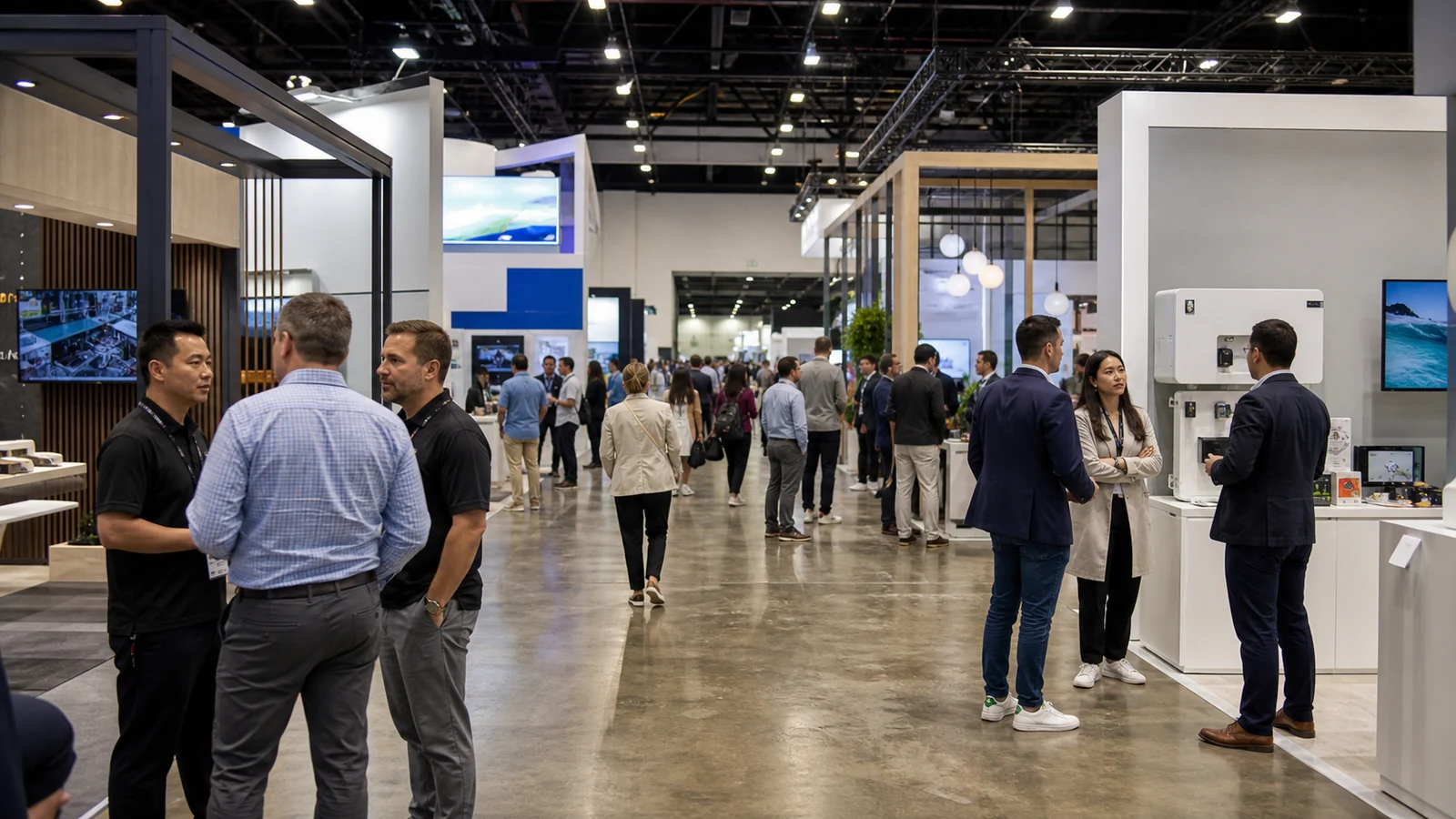
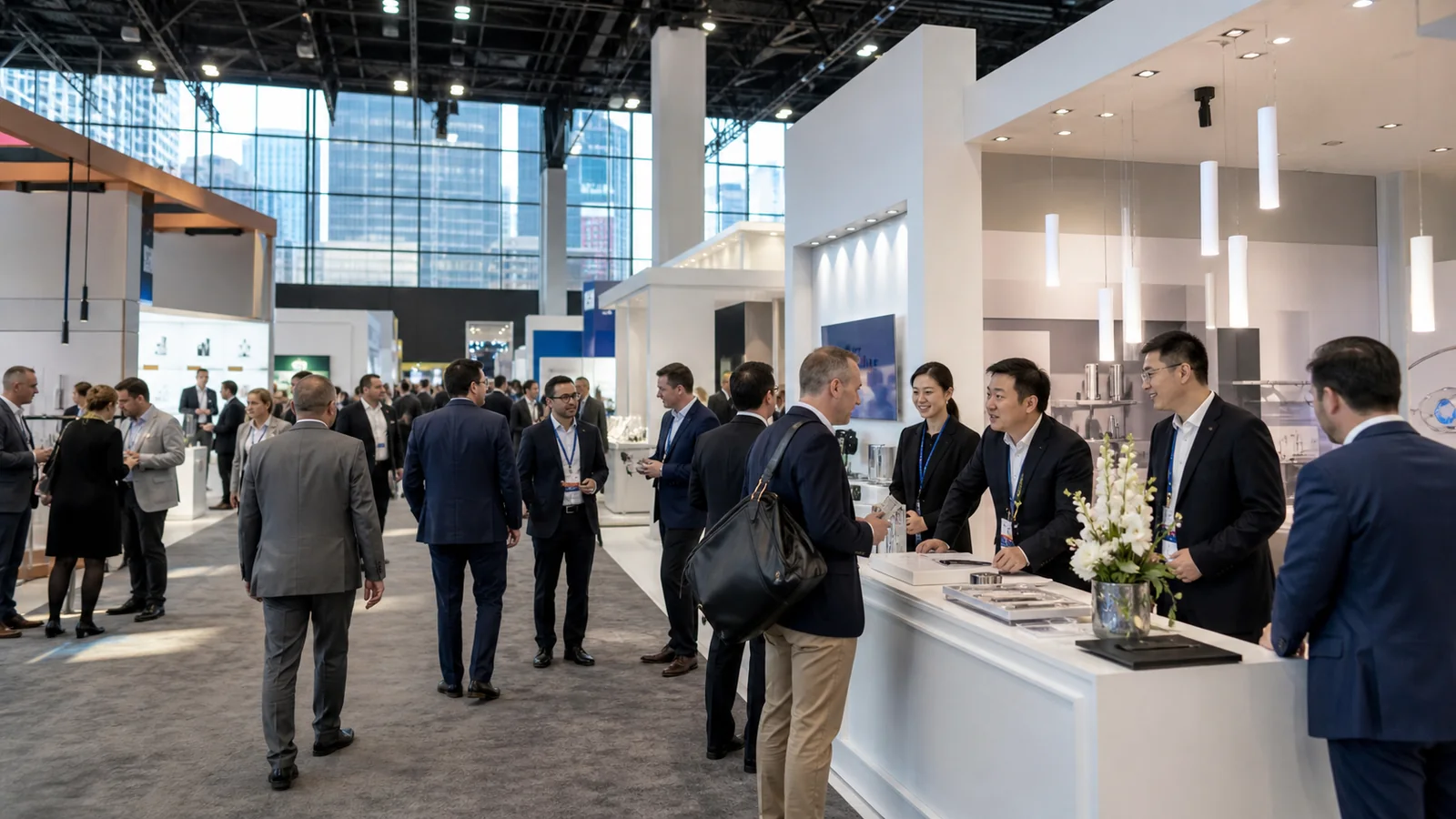
If you sell photomask inspection equipment, SPIE Photomask Technology + Extreme Ultraviolet Lithography deserves a closer look. The useful question is whether your demonstration can start a serious technical evaluation. Here is what the 2026 event offers, who it brings together, and what that means for your exhibit.
The 2026 conference and exhibition run on different dates
SPIE organizes the event in Monterey, California. The conferences run September 8–11, 2026; the exhibition runs September 9–10. EUV is short for extreme ultraviolet, so the shorter Photomask Technology + EUV Lithography name refers to the same event. SPIE event overview
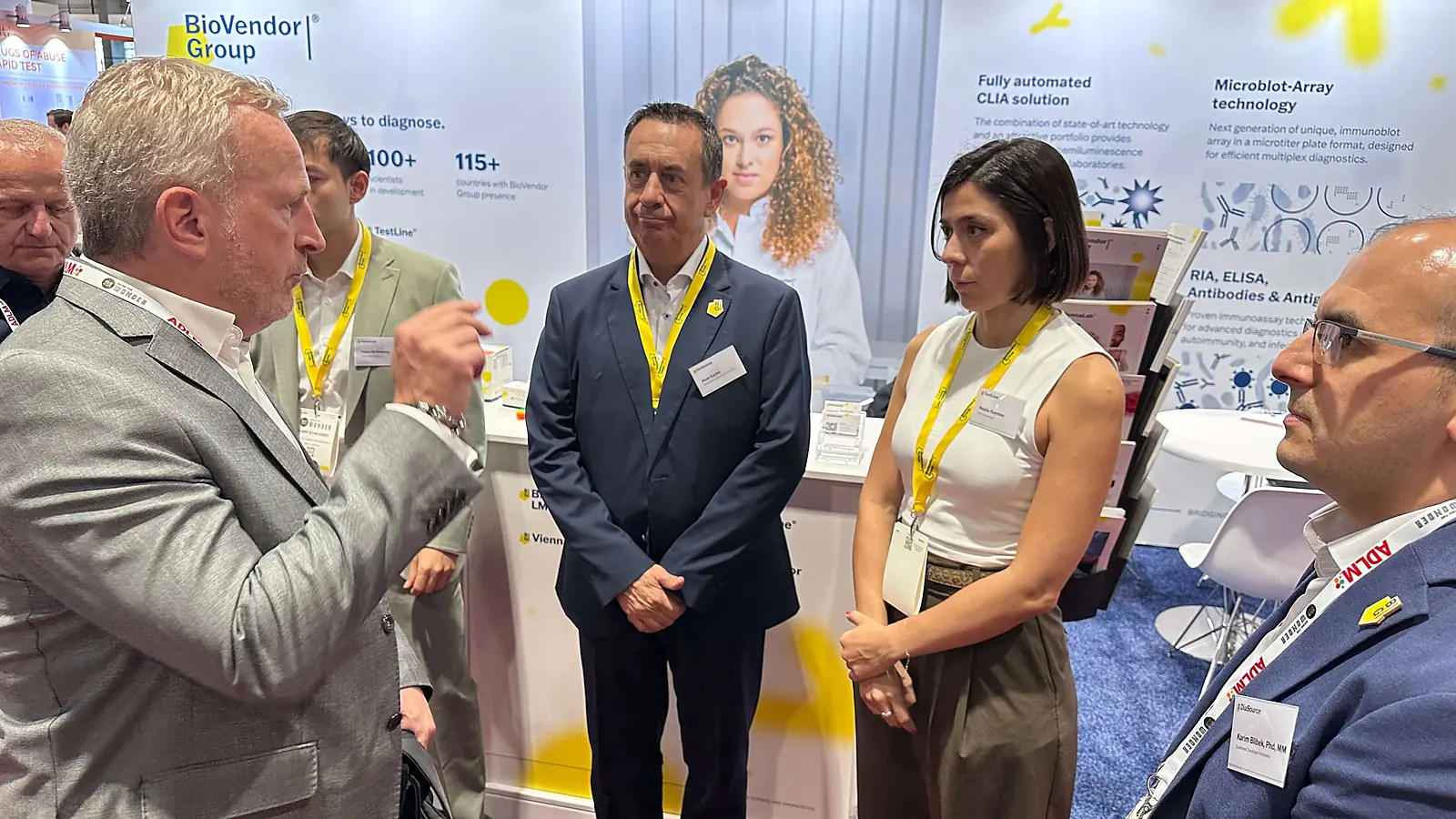
The exhibition takes place in the Serra Ballroom at Monterey Conference Center, 1 Portola Plaza. It opens from 10:00 a.m. to 4:00 p.m. on Wednesday, September 9, and 9:30 a.m. to 4:00 p.m. on Thursday, September 10. These are local Monterey times. Official exhibition schedule
Plan booth coverage around those two days. Sending your application engineer to conference sessions throughout the week will not help if nobody can answer a detailed question when the exhibit is open.
As of September 7, the event is about to begin. If you have not booked space, ask SPIE whether a late application can still be accepted before committing to a display or shipment. A reservation link on the website does not establish availability. Attending to assess the event may be the more practical choice this year.
What makes this a relevant event for mask inspection
The program combines the Photomask Technology conference with the Extreme Ultraviolet Lithography conference. SPIE describes an audience working on mask fabrication and the processes surrounding it, including metrology and inspection. Your exhibit needs to make clear which inspection task your equipment performs, rather than promising to cover the entire mask process. SPIE program · Event scope
The exhibition also covers mask cleaning, simulation and patterning. Its scope includes nanoimprint and direct write as well as EUV. That breadth matters if your equipment serves a particular mask application: you do not need to imply that it supports EUV merely to fit the event name. State the mask types and inspection tasks you can actually demonstrate. Featured technologies
SPIE identifies engineers and application developers among the audience, alongside people working in mask integration. The exhibition is free to attend for qualified optics and photonics professionals; it is not positioned as a consumer fair. This supports a technical sales approach, but it does not tell you who has an approved purchase budget. Audience information · Admission eligibility
A useful reason to exhibit would be to advance an inspection discussion with a relevant engineering team. Hoping to reach a broad electronics audience is a weaker reason. Before committing, identify the mask application you serve and the evidence you can share without waiting for a customer to sign a confidentiality agreement.
Use the conference program to check the fit more closely
In the Photomask Technology program, dedicated sessions cover mask inspection, mask metrology, and inspection with defect repair. Listed presentations address inspecting curved mask patterns and classifying defects automatically. These are concrete reasons for your application engineer to study the program: the questions overlap with how an inspection result is interpreted and used. A scheduled paper, however, does not establish that a technique is ready for your customer's production line. Photomask Technology 2026 program

The EUV conference adds sessions on mask lifetime and pellicles—the protective membranes used over masks—as well as patterning. If your demonstration concerns a mask with a pellicle fitted, make that condition clear. Showing results from an uncovered sample does not, by itself, answer a visitor's question about inspecting through the membrane. Have your engineer explain which conditions the demonstration represents. EUV conference program
The locations also need attention. The Photomask Technology conference page lists Portola Hotel, De Anza I/II, while the exhibition page lists the conference center's Serra Ballroom. Read the room attached to each session when arranging meetings; the exhibition address alone is not an itinerary for the week. Conference locations · Exhibition location
Who is exhibiting in 2026?
The current official directory lists Carl Zeiss SMT GmbH, NTT Advanced Technology and Artwork Conversion Software. Their descriptions show different parts of the work surrounding photomasks: ZEISS describes defect assessment and repair; NTT-AT describes EUV optical components and calibration patterns; Artwork describes software for handling semiconductor manufacturing data. These are exhibitor descriptions, not independent performance endorsements. 2026 exhibitor directory

For your inspection equipment, that mix suggests questions beyond the smallest defect shown on a slide. Can you explain how a result moves into the customer's next process step? Can your engineer show what the exported report contains? A demonstration that connects an inspection image to a usable result gives a visitor more to discuss than an isolated specification.
Do not read a supplier's listing as proof that its purchasing team will visit your stand. Use the directory to see how other suppliers describe the tasks their products perform, then arrange relevant conversations through your existing contacts.
What to put on the screen and on the table
Build the demonstration around one inspection task your equipment already performs. Bring an image or sample that your team is allowed to show, then explain the test conditions before discussing the result. Clearly distinguish a live demonstration from a recording or a prepared dataset.
For example, if your claim concerns defect detection, have your application engineer explain what counted as a defect and what the system missed or flagged incorrectly. If you discuss repeatability, bring repeated measurements under stated conditions. Have the engineer who knows the test explain its limits, so the visitor can judge whether the example resembles their own masks.
Keep a short version ready for an initial conversation, with the underlying report available for a longer discussion. A public example should remain useful even after customer names and confidential layouts have been removed. If removing that information makes the result impossible to interpret, prepare a demonstration dataset instead.
Choose between a tabletop and a booth by how you will demonstrate
SPIE's published 2026 options include a 6-foot table and a 10 × 10-foot booth. The nonmember space rates are $3,350 and $5,850 respectively. Eligible SPIE Corporate Members are listed at $2,847.50 and $4,972.50. An optional booth corner is $565 per corner. These are listed space rates, not complete exhibit budgets. Official 2026 rates

For a demonstration based on a laptop and protected samples, a tabletop may be enough. Sketch the monitor, samples and conversation positions before choosing it; the table's length does not establish the full space available around it. A booth may be more useful when your demonstration needs a separate viewing area or a larger physical display.
If you plan to bring a complete inspection system, obtain written confirmation of the load-in route and floor capacity. Then check power and operating permission. Booking a booth does not confirm that your machine can be installed or run there. If those details cannot be resolved, a recorded demonstration may explain the process more reliably than an incomplete on-site setup.
Keep technical meetings from leaving your exhibit unattended
SPIE requires staff and exhibit materials to remain in the contracted space during open exhibition hours. Schedule conference attendance and customer meetings so someone capable of explaining the equipment stays at the display. Keep that coverage through the 4:00 p.m. close on September 10. 2026 exhibition policies

Before the event, agree on what a worthwhile follow-up looks like. For an inspection discussion, that might be permission to review a representative sample and the name of the engineer who will evaluate the result. Record that next step while the details are fresh. A badge scan alone will not tell your application team what to do next.
FAQ
Does an exhibitor pass cover presenting a conference paper?
No. SPIE says tabletop exhibitors receive one non-author technical pass, while other contracted exhibiting companies receive two. Those passes do not qualify the holder for a conference presentation or proceedings publication. Exhibitors who are conference speakers must also register for the Full Meeting. Check the registration needs of each engineer before assigning them both speaking and booth duties. Exhibitor benefits
Can we photograph other exhibits for a comparison report?
SPIE prohibits recording or photography without explicit permission from the on-site company representatives. Ask before photographing a competitor's equipment or screen. If permission is refused, build your comparison from material the company makes publicly available. Apply the same care to visitors photographing your demonstration. Recording policy
What should we check beyond the listed space price?
Ask for a written list of included items and the service orders your chosen display needs. SPIE states that transportation and setup costs not explicitly included are the exhibitor's responsibility. Check those charges before comparing the tabletop and booth options, particularly if you plan to ship equipment. Also review the event's insurance requirements before committing. Exhibitor cost responsibilities
Can we reuse these dates and rates for the next edition?
No. The dates, hours and prices here apply to 2026. Use the guide to assess the event's technical relevance, then get the later edition's dates and exhibitor terms directly from SPIE before booking. A recurring event does not guarantee the same exhibition schedule, room or space package.
Decide what you want the next technical conversation to achieve
Write down one inspection problem you want to discuss in Monterey and the result you can show. If those are clear, ask SPIE about the space and services that would support that demonstration. If they are still vague, use a visit to sharpen them before committing to an exhibit.