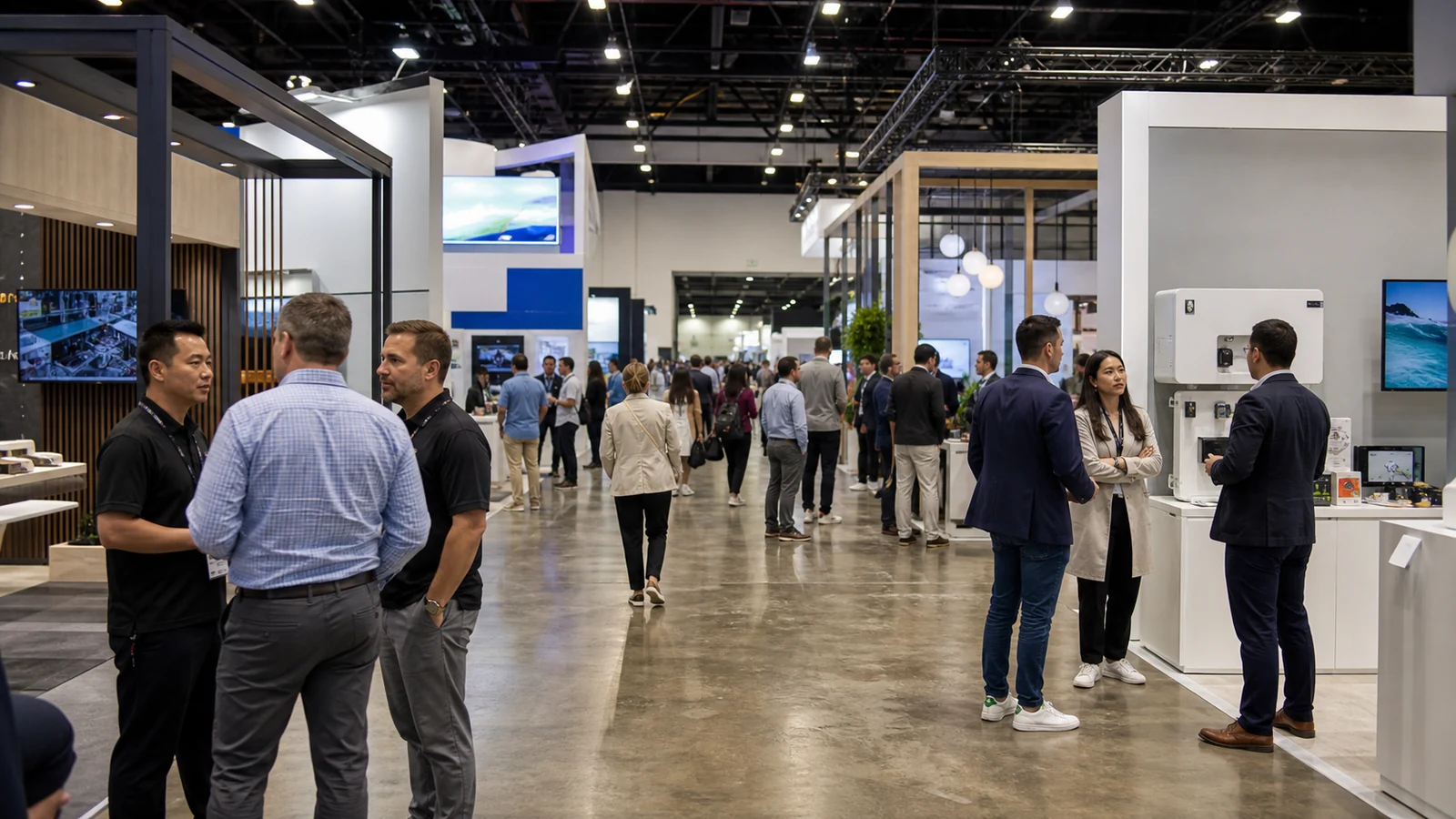
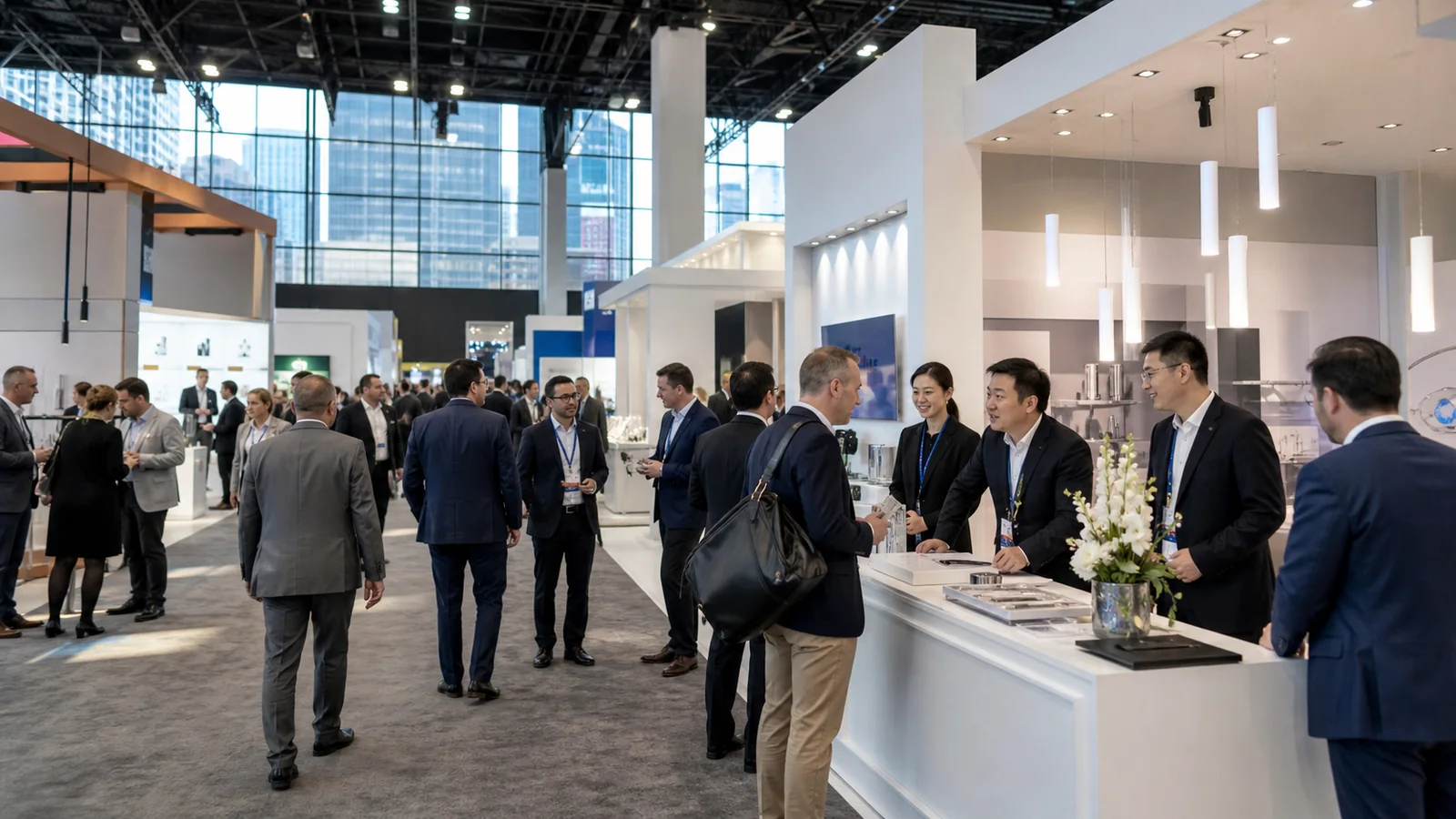
If you manage a food ingredient or processing technology brand and are considering IFT FIRST, test the fit before you reserve space. A polished sample may draw a crowd, but your prospect still needs proof that the result can be repeated in a real formula or production line. This guide helps you decide whether to exhibit, what to demonstrate, whom to ask for current rules, and what should happen after a qualified conversation.
IFT FIRST 2027 at a glance
| Item | Current 2027 information |
|---|---|
| Current event name | IFT FIRST; the organizer also uses IFT FIRST Annual Event and Expo and IFT FIRST Food Expo |
| Former name readers may recognize | IFT Annual Meeting & Food Expo |
| Dates | July 11–14, 2027 |
| Venue | McCormick Place, Chicago, Illinois |
| Official event focus | Food science, research, innovation, products, and technologies |
| Stated attendee functions | R&D, product development, manufacturing and plant operations, supply chain, innovation, purchasing/procurement, marketing and sales, and executives |
| Stated industry mix | Food and beverage manufacturing and processing, ingredient suppliers, packaging and materials, equipment, food safety, academia, research, and related services |
| Current planning status | The 2027 floor plan is live; final daily hall hours, service deadlines, sampling rules, and the complete program still require current confirmation |
The four calendar dates do not automatically mean four selling days in the expo hall. IFT currently describes three powerful days of vendor evaluation and meetings, but a detailed 2027 hall schedule was not published on the public exhibitor resource page when this article was checked. Use July 11–14 for early travel planning, then build staff shifts and buyer appointments only after IFT posts the exact hall and access hours.
If you are comparing food science with other Chicago markets, use the 2027 Chicago trade show calendar to check the audience and dates before choosing an event.

The current name tells you what buyers expect
Some teams still search for the IFT Annual Meeting & Food Expo. The current name is IFT FIRST, short for Food Improved by Research, Science, and Technology. That wording signals what your booth has to do: connect a commercial offer to a food-science or production decision. This is not simply a finished-food sampling show.
IFT says scientific programming now takes place in the expo hall, so a visitor may move directly from a session or poster to your product discussion. Be ready for the technical question that follows. Put the test condition and application limit next to claims about texture, shelf life, labeling, or throughput.
Your central planning question is simple: can the team connect a visible result to the science and operating conditions behind it without turning the booth into a lecture?
Decide whether your offer belongs at the event
IFT’s current event page says more than 1,000 exhibitors take part, while its exhibitor page identifies visitors in R&D, product development, operations, procurement, innovation, and executive roles. That mix gives you access to technical and commercial questions in the same hall. It does not mean every product is ready to exhibit.
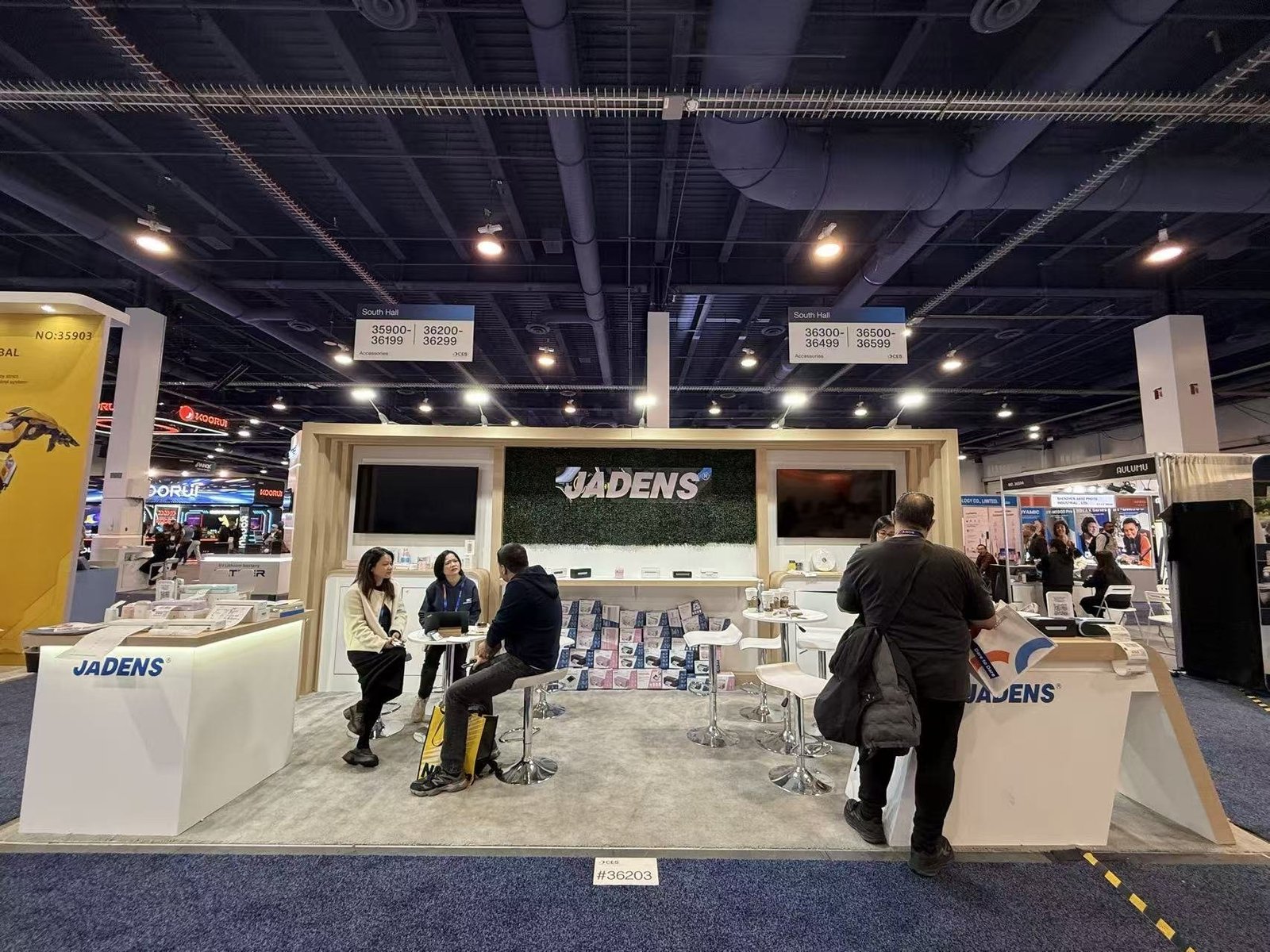
Use the event when a food company can test your offer in a formula, on a line, inside a quality workflow, or in a packaging trial. The fit is strongest when your team can show a result, explain the conditions, and support the next evaluation in the United States.
Consumer-facing products need a reason to be in this technical setting. Show the ingredient system, process, production capability, licensing option, or partnership that another company could evaluate. If the booth offers only a taste, visitors may enjoy it and still have no reason to continue.
Before reserving space, answer four questions:
- Which food application or manufacturing problem can you discuss credibly?
- What result can the visitor see, taste, measure, or compare at the booth?
- Which document or test condition makes that result believable?
- What is the next U.S. evaluation step after the show?
If the fourth answer is only “contact us,” the exhibit plan is not ready.
Start the booth brief with one buyer question
Do not begin the booth brief with every market your product might serve. Write down one question that a food company’s R&D or sourcing team must answer before it advances your solution.
- Ingredient: “Will the target texture survive processing and shelf-life testing?”
- Equipment: “Will the line reach the stated throughput with the prospect’s product, cleaning cycle, and available utilities?”
- Packaging: “Will the structure protect the product and run at the required speed on the prospect’s line?”
Let that question control the sample, demonstration, graphics, and staff script. Visitors then have a reason to stay beyond the first taste, and your team can recognize a qualified project sooner.
Replace the wall of benefits with a short comparison: the baseline, what changed, the result, and where that result stops applying. Identify laboratory prototypes. Put the required dosage, process, substrate, storage condition, or machine next to the claim it supports.
Match the proof to the buyer decision
Choose proof that answers the buyer question you wrote in the booth brief. The comparison below is planning advice from an exhibit perspective, not an IFT rule.
| Offer | Useful booth proof | Questions your team should be ready to answer |
|---|---|---|
| Ingredient or formulation aid | Side-by-side application samples, formula basis, dosage range, process and storage conditions | What changes by application? Which claims need customer validation? What sample and documentation can move to a bench trial? |
| Processing equipment | A safe live or recorded process sequence, stated product conditions, throughput basis, changeover and cleaning steps | What utilities, footprint, operator skill, sanitation method, and acceptance test are required? |
| Packaging material or system | Product-specific package examples, barrier or performance data, sealing and line conditions | Which product, shelf-life target, format, machinery, and test protocol support the recommendation? |
| Food-safety or analytical solution | A short workflow with sample type, method steps, detection or reporting boundary, and quality controls | Who performs the method, how long does it take, what does the result mean, and how is it documented? |
Keep regulatory and certification statements exact. Material data may support a customer’s compliance work, but it does not make the finished product compliant by itself. Laboratory results apply to the method and sample tested; they do not prove every commercial use. Put the method, sample, date, and document owner on every data sheet used at the booth.
Use the sample to earn the next test
Your sample counts as evidence only when the visitor knows what it demonstrates. Label the application and comparison first. Then show the formula basis, process, preparation, serving and storage conditions that affect the result. Identify work performed by a partner or outside laboratory.
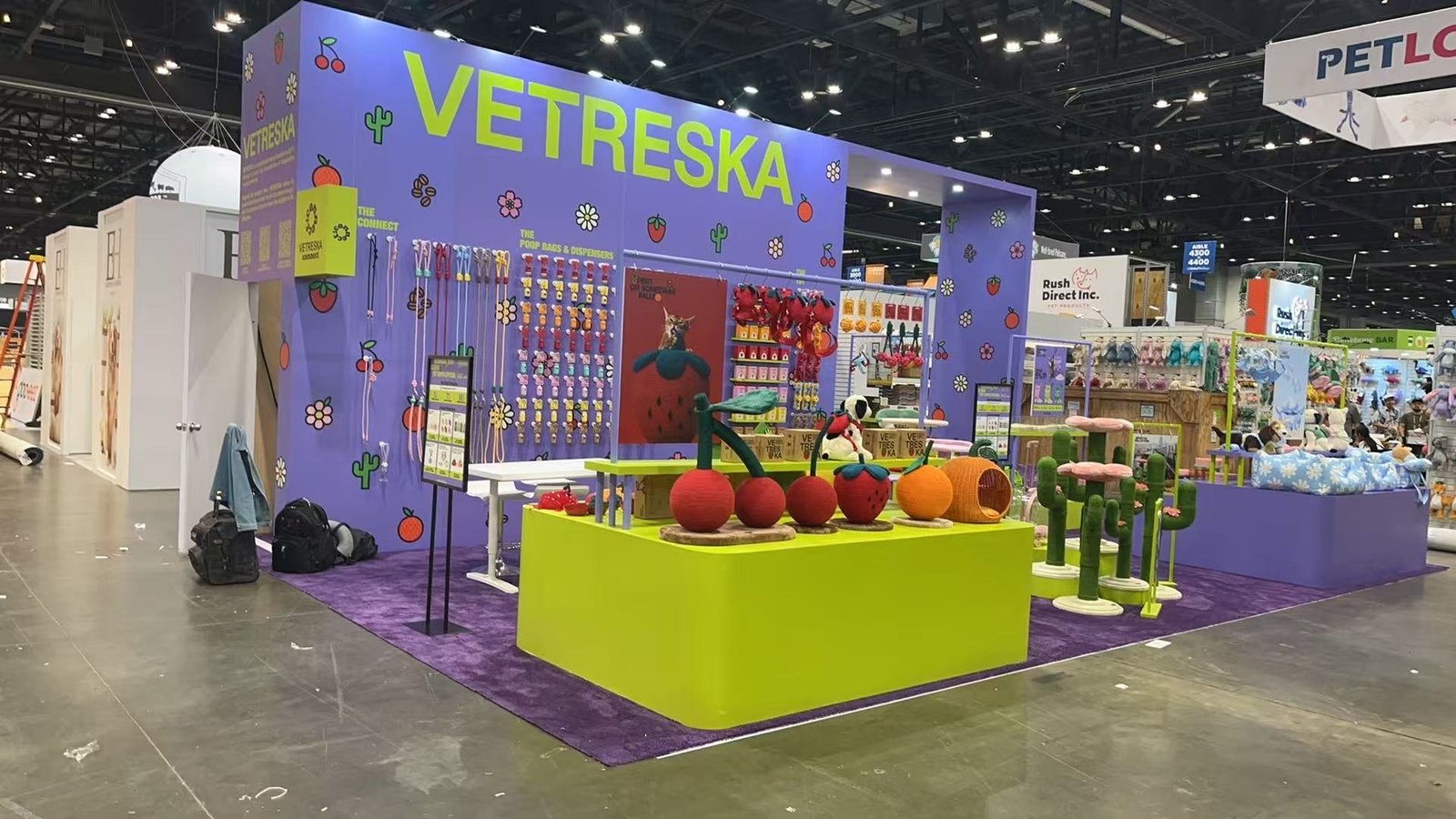
Give staff a short transition from sensory reaction to project qualification. After “What do you notice?” ask about the product under development and the process step causing trouble. Then confirm the benchmark and a realistic trial window. These questions reveal whether the sample and the visitor’s project belong in the same conversation.
Do not finalize a tasting or live-process plan from an older exhibitor manual. As of this review, the public exhibitor resource page still carries 2026 dates. Ask IFT which 2027 sampling form and approvals apply to your product. Ask the official service provider which utilities, refrigeration, cleaning and waste services must be ordered. Place those orders only after the written requirements match your setup.
Choose space around the traffic your demonstration needs
IFT says scientific sessions are integrated into the expo hall. Expect traffic to rise near programmed areas and change with the schedule instead of moving evenly through every aisle.
Review the current floor plan with the IFT sales contact before accepting a booth. Confirm the neighboring stands, programmed areas and lounges. Busy presentation traffic may help a tasting, but it can bury an analytical method that needs eight quiet minutes.
Schedule a demonstration only when it makes the result easier to understand. Between demonstrations, the application, proof and next step should remain clear without waiting for the only technical expert to return.
Staff for commercial and technical questions
Give marketing responsibility for the business problem and next step. Put a technical specialist in charge of how the result was produced and where it stops applying. Both roles should write into the same lead record so a useful discussion does not become a vague badge scan.
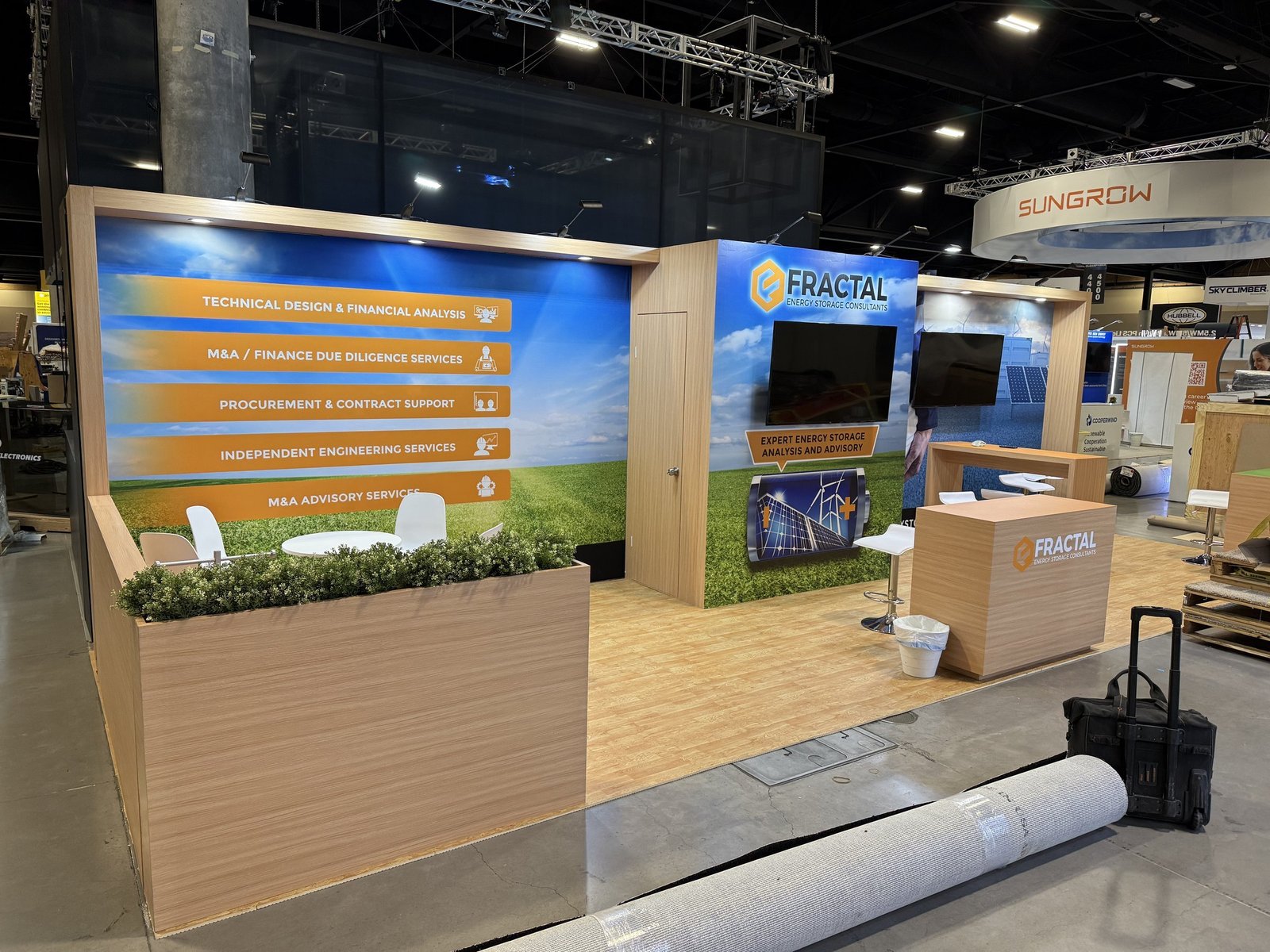
Keep the lead record short enough to complete at the booth. Capture the company and role, application and benchmark, project stage, missing evidence, and agreed next action with an owner and date. Tag the conversation as early research or active evaluation; the follow-up should not treat those two stages as the same opportunity.
If your team is traveling from outside the United States, assign one owner for samples and shipping, one for local storage and service orders, and one for technical follow-up. IFT’s global traveler guidance says international registrants can request a visa invitation letter, but the letter does not replace event registration or a visa decision. Start early and name a backup presenter so the booth does not depend on one visa outcome.
Get 2027 answers before ordering booth services
The 2027 dates, Chicago venue and floor plan are public. Several operating details are not yet confirmed on the public 2027 exhibitor pages. Keep a dated answer sheet and record the source for each decision.
| What you need to confirm | Who to ask before you commit |
|---|---|
| Hall access, move-in, move-out, badges, invitations and cancellation terms | IFT exhibitor team |
| Freight targets, advance warehouse, material handling and onsite delivery | The official general service contractor named for 2027 |
| Sampling, allergens, sanitation, refrigeration, waste and any cooking plan | IFT plus the official catering or facility contact named in the 2027 manual |
| Power, water, drainage, air, internet, rigging, fire review and booth construction limits | The official service provider and your exhibit contractor |
Treat every answer as date-specific. Turn a 2026 requirement into a question for 2027; do not reuse the old price, vendor or deadline as if nothing changed.
Decide whether to exhibit or attend first
Choose to exhibit when your target food application matches the audience, your team can show a repeatable result with its test conditions, and you can support a realistic U.S. trial after the show. Use the booth to qualify projects and agree on the missing evidence, owner and date.
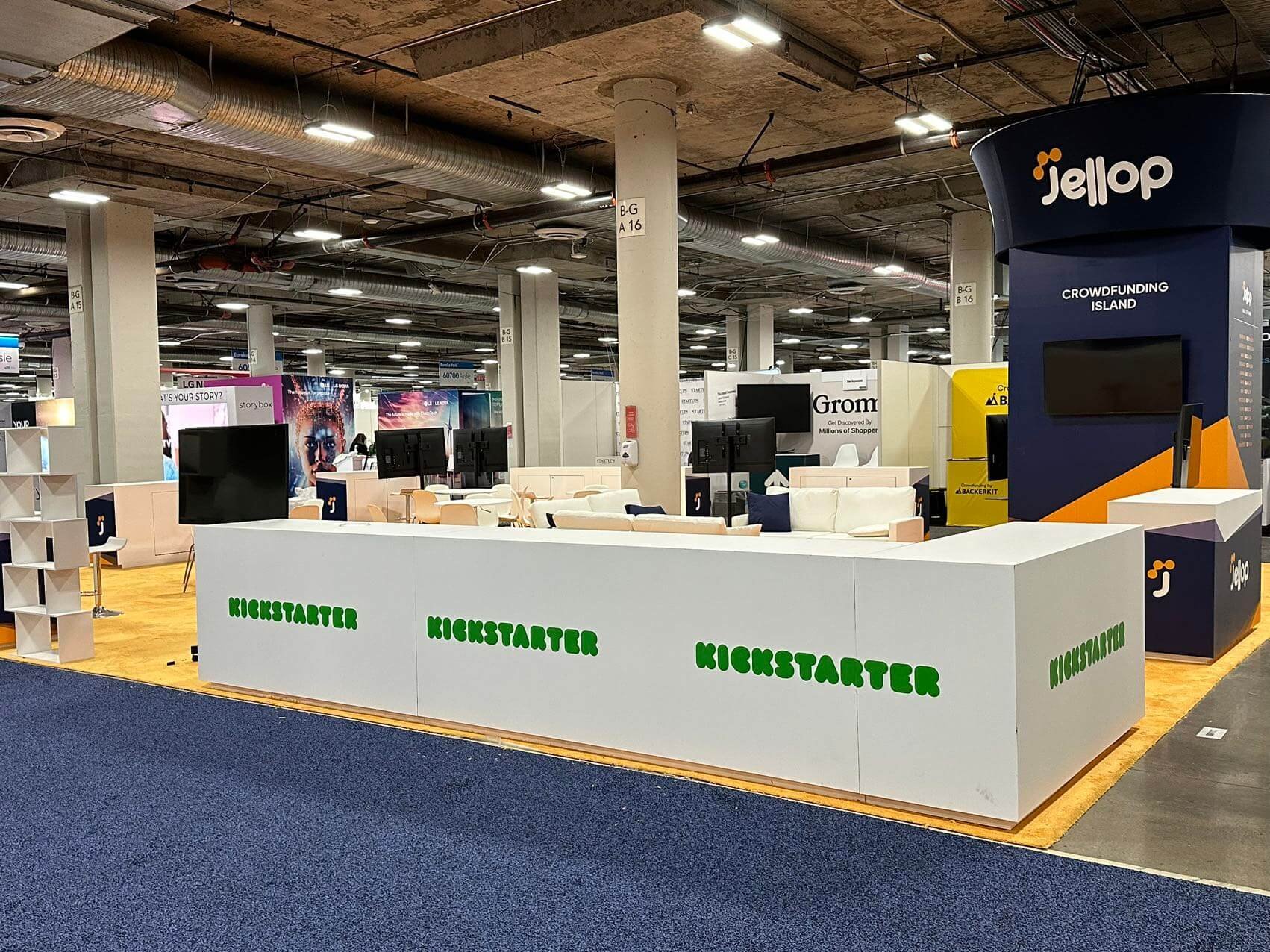
Visit first when the application is still broad, the sample entertains more than it proves, or U.S. supply and technical support remain unresolved. During the visit, note how suppliers present proof, where technical conversations happen, and what information a prospect requests before discussing a trial.
Do not base the decision on the event’s size or reputation. Exhibit only when your team can move one defined buyer question into a credible evaluation.
Frequently asked questions
What should we send after a strong technical conversation
Send a short project packet within the time agreed at the booth. Start with the application, result discussed and open question. Attach only the relevant test conditions and current technical documents, then state the sample or trial request with one owner on each side. Do not make the visitor reconstruct the discussion from a general catalog.
How should we handle U.S. claims before the show
Create a booth claim book that links every visible claim to its wording, supporting test, product configuration, application limit, document owner, and approval status. Review U.S. regulatory wording with a qualified specialist where required. Booth staff should know which statements are approved, which require context, and which must not be made.
Does a food startup need a standard booth
Not necessarily. IFT promotes a dedicated Startup Pavilion and says participation in The Pitch is open to its exhibitors. Places are limited, and participation has its own eligibility and submission conditions. Ask for the current 2027 terms, then compare the audience access and included opportunities with a standard booth.
Can an exhibitor use a research poster instead of a commercial booth
Do not treat them as interchangeable. Posters are part of the scientific program and follow their own submission and review process; an exhibit is a commercial presence governed by an exhibitor agreement. If research is central to your market story, ask IFT whether your team separately qualifies for a scientific submission and an exhibit.
How can we discuss a project without exposing a confidential formula or process
Agree in advance which ranges, diagrams, samples, and data staff may show publicly. Use a non-confidential screening conversation at the booth, record the visitor’s question, and move sensitive details to a controlled follow-up under the appropriate agreement. Do not improvise a secrecy promise or ask visitors to disclose protected information in an open aisle.
Final thoughts
At IFT FIRST, technical proof must survive the question that follows the sample. Choose one application problem, show the result with its conditions, and prepare the person and document needed for the next test. Attend first if the U.S. evaluation path is still missing. Exhibit when the booth can move a qualified visitor to a named action, owner and date.
For an IFT FIRST booth rental, describe the application samples, replenishment route and technical discussions the layout must support.