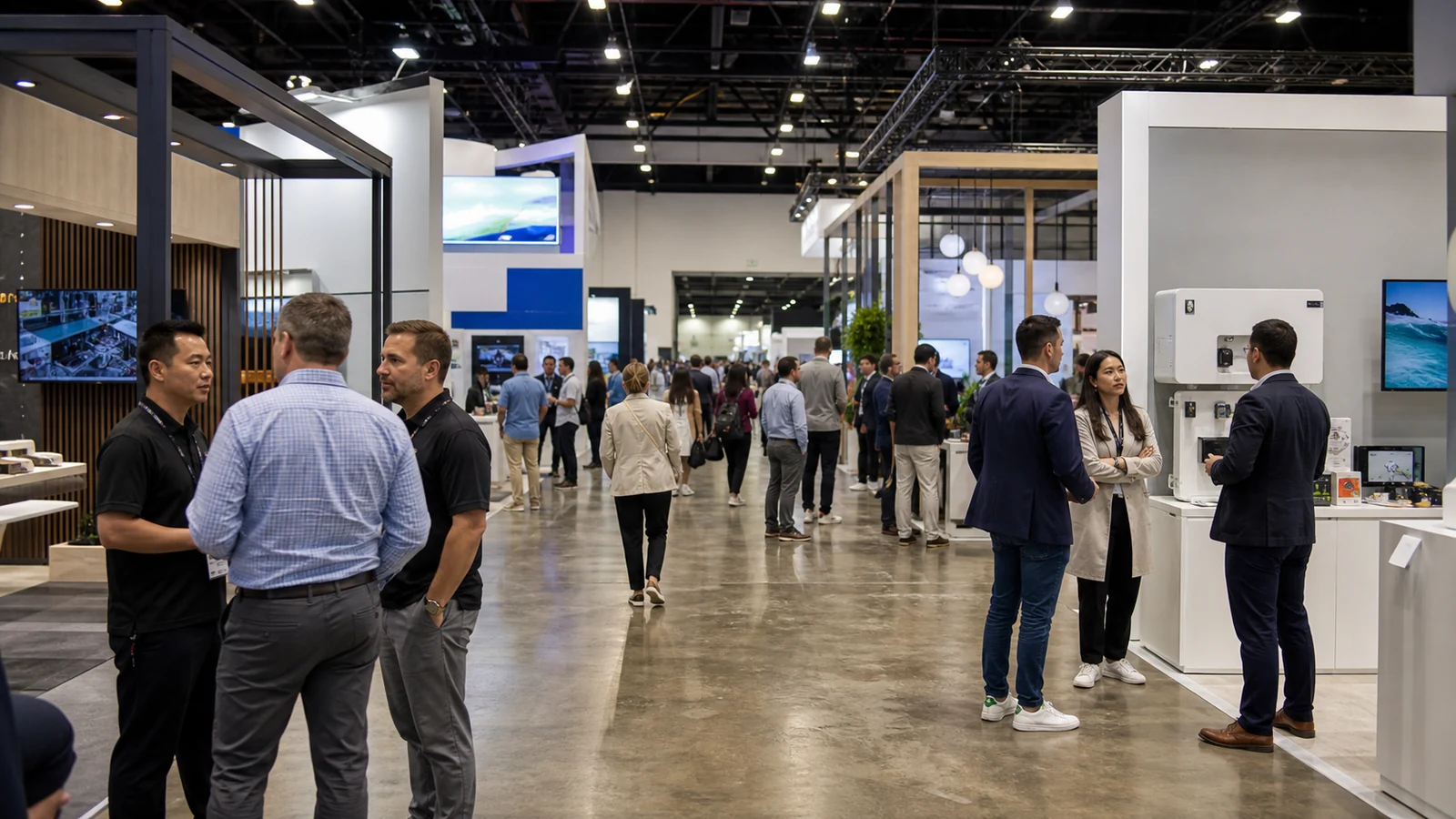
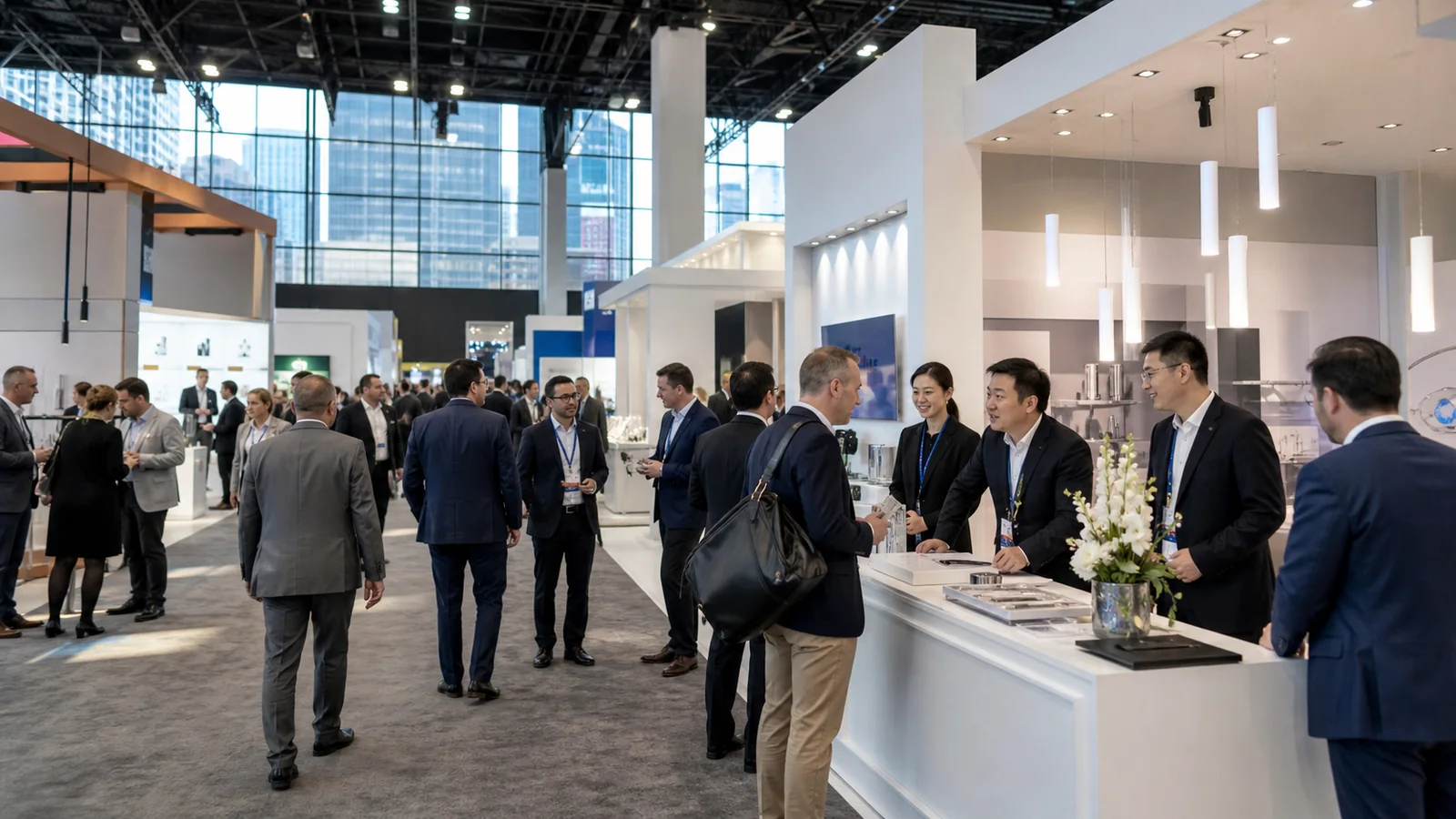
If you are looking for the National Hardware Show in 2027, the first thing to know is that the event now has a different name and a different commercial focus. The official event is Hardlines Supplier Event, or HSE. It still serves the hardware and home-improvement market, but it now puts more weight on supplier evaluation, private label, manufacturing partnerships, and getting products to market. This guide explains what changed and how to decide whether the new format fits your company.
Hardlines Supplier Event 2027 at a glance
| Item | 2027 information |
|---|---|
| Current official name | Hardlines Supplier Event (HSE) |
| Former event | National Hardware Show |
| Dates | March 9–10, 2027 |
| Show hours | 10:00 a.m.–5:00 p.m. both days |
| Venue | Las Vegas Convention Center, West Hall |
| City | Las Vegas, Nevada |
| Admission | Industry professionals only |
| Organizer | RX |
HSE VIP attendees are scheduled to receive show-floor access at 9:00 a.m. on both show days. Registration details and event services can change, so confirm the official FAQ and exhibitor resources before booking travel, freight, or labor.
What happened to the National Hardware Show
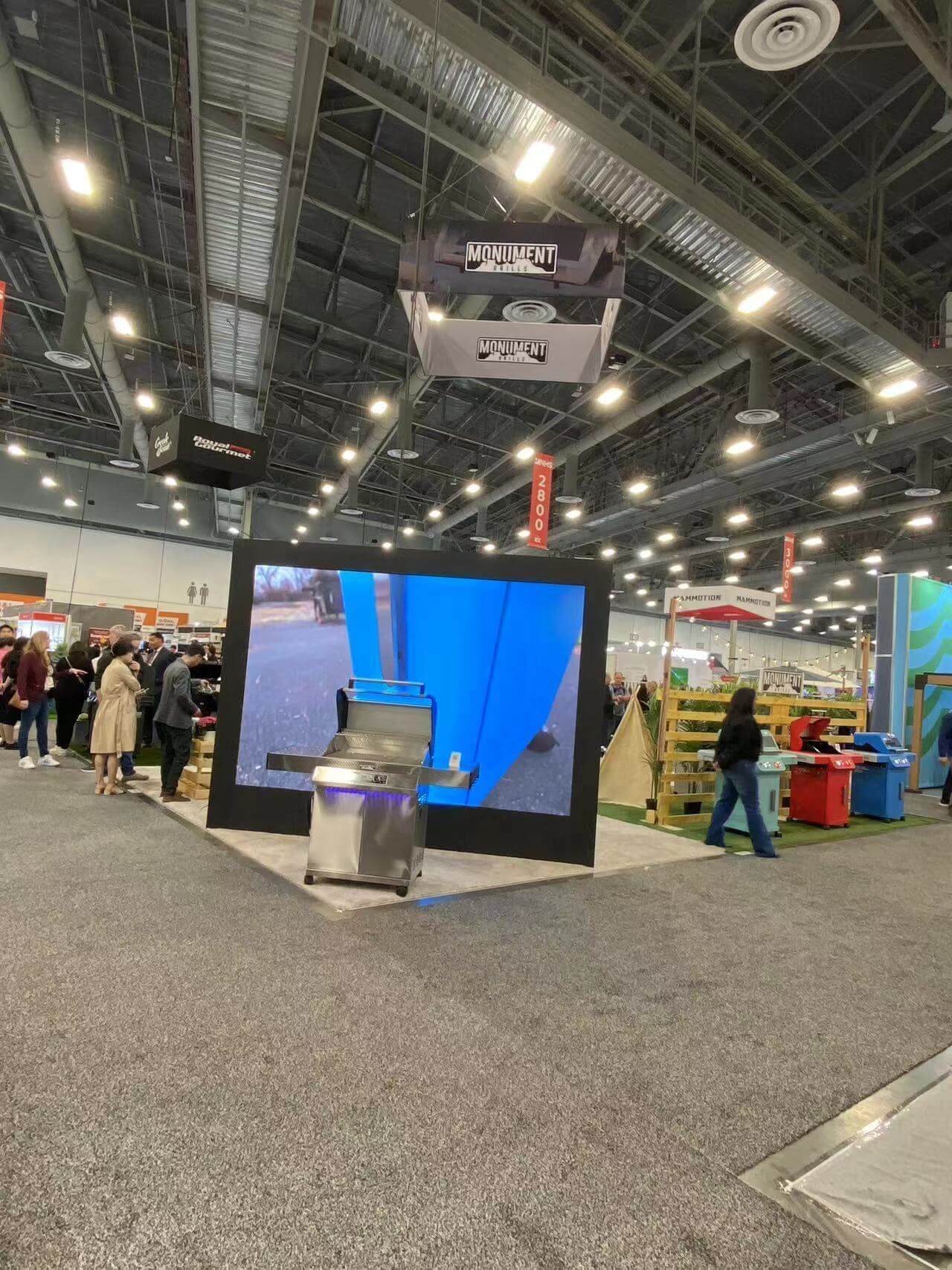
The change was more than a new logo. RX announced that the National Hardware Show would become NHS Concept to Commerce for 2026, shifting the event toward the full path from product idea to retail shelf. The current 2027 website uses the name Hardlines Supplier Event and shortens the main show to two days.
The new event connects retailers, manufacturers, wholesalers, and distributors with inventors, private-label partners, and global factories. The official positioning emphasizes product discovery, supplier sourcing, manufacturing capability, and speed to market. Hardware and tools remain part of the category mix, alongside lawn and garden, outdoor living, farm and ranch, storage, home utility, sporting goods, and automotive.
That transition changes how an exhibitor should prepare. Old National Hardware Show videos and exhibitor lists can show the history of the audience, but they do not prove the 2027 floor plan, traffic pattern, buyer program, or product emphasis. Plan from current HSE materials.
Who should consider exhibiting
HSE is a stronger candidate when your company can help a U.S. retail or consumer-brand team make a supplier decision. The event identifies retail buyers, merchants and category managers, sourcing and procurement teams, product developers, private-label teams, distributors, wholesalers, and consumer brands as core participants.
Choose one main decision-maker. If you sell a finished branded line, the primary conversation may be with a category manager or distributor evaluating assortment, price, delivery, and demand. If you offer OEM or private-label production, the primary reader of your booth is more likely to be a sourcing, procurement, or product-development team evaluating capability and risk.
Those audiences can visit the same booth, but they should not receive the same opening pitch. “We make hardware products” does not tell a retail buyer what belongs on the shelf or tell a sourcing manager what your factory can reliably produce.
Decide whether you are selling a product or a supply relationship
A finished-product offer begins with the item and the retail program. Show the target user, retail price, wholesale price, case pack, delivery, packaging, replenishment, product data, and evidence that the assortment belongs in the buyer's category.
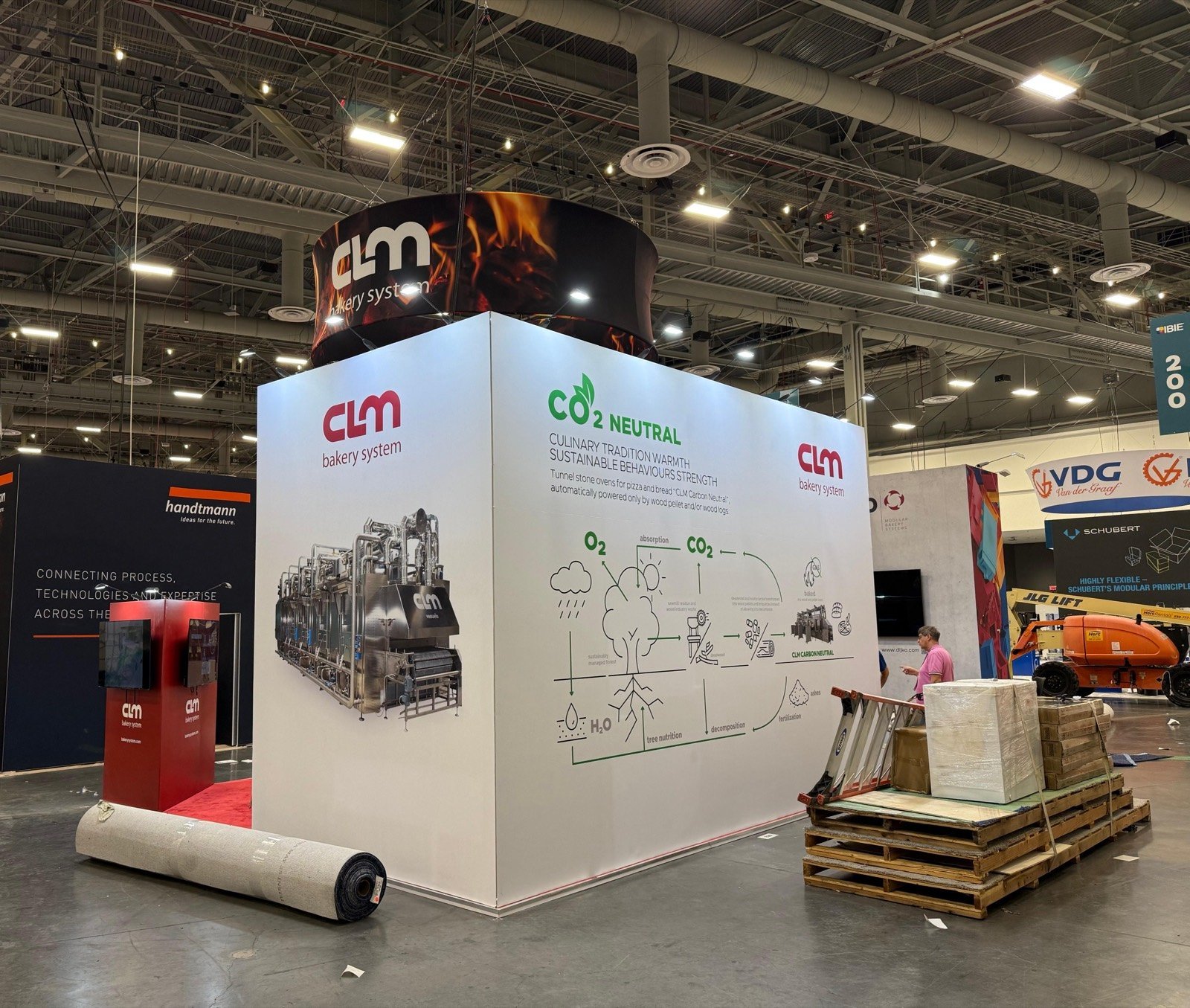
A supply relationship begins with the buyer's product brief. Explain materials, processes, tolerances, customization boundaries, tooling, sample development, minimum order, capacity, lead time, quality controls, packaging support, and where the goods can be shipped. Certifications and test reports should be tied to the exact product, factory, and standard they cover.
Do not combine both routes into one wall of claims. Mark a clear path for branded products and another for private label or OEM. If your company is only ready for one, say so. A narrower truthful offer is easier to evaluate than a broad promise that collapses under the second question.
Which products and capabilities fit the event
The current HSE category list includes home improvement, hardware, tools, lawn and garden, outdoor living, farm and ranch, storage, home utility, sporting goods, and automotive. A familiar category name is only the first filter.
For a finished item, ask whether the buyer can understand the use, difference, price position, and shelf fit quickly. A new hand tool needs more than a live demonstration; it needs a reason to replace or complement what the retailer already carries. An outdoor product needs a seasonal and replenishment story. Storage and home-utility items need clear dimensions, packaging, and freight logic.
For a manufacturing supplier, capability must be specific enough to compare. “Full-service OEM” is not useful by itself. Name the product families, processes, materials, normal tolerance range, tooling ownership, development steps, practical minimums, quality checkpoints, and production locations that matter to the target account.
If your product requires a separate professional audience, lengthy engineering qualification, or a sales cycle unrelated to retail and consumer brands, a specialized industry show may be a better use of the budget. HSE's category label does not guarantee the right decision-makers for every technical component.
What buyers will need to evaluate
The official event language says buyers use HSE to compare capabilities, certifications, MOQ flexibility, pricing, and scalability. Translate each of those words into evidence a buyer can inspect.
For capability, bring a small group of representative products and explain what is made in-house and what is outsourced. For quality, show the inspection points, common defect controls, traceability, and how corrective action is handled. For capacity, give a realistic range, current lead time, and the conditions that would change it. For minimum order, explain whether the constraint comes from material, tooling, packaging, or production setup.
Prepare a one-page supplier sheet for the main buyer type. Include company and factory location, product scope, core processes, typical order range, development timing, quality system, relevant certifications, packaging support, shipping terms, and the person who owns the next step. Do not fill it with every machine in the building unless those machines answer the buyer's question.
If you sell finished products, prepare a separate line sheet. A sourcing capability sheet and a retail line sheet solve different problems.
Design the booth for fast supplier comparison
The 2027 show runs for two days. A buyer who wants to compare several factories or product lines needs to understand your offer from the aisle and find the proof quickly.
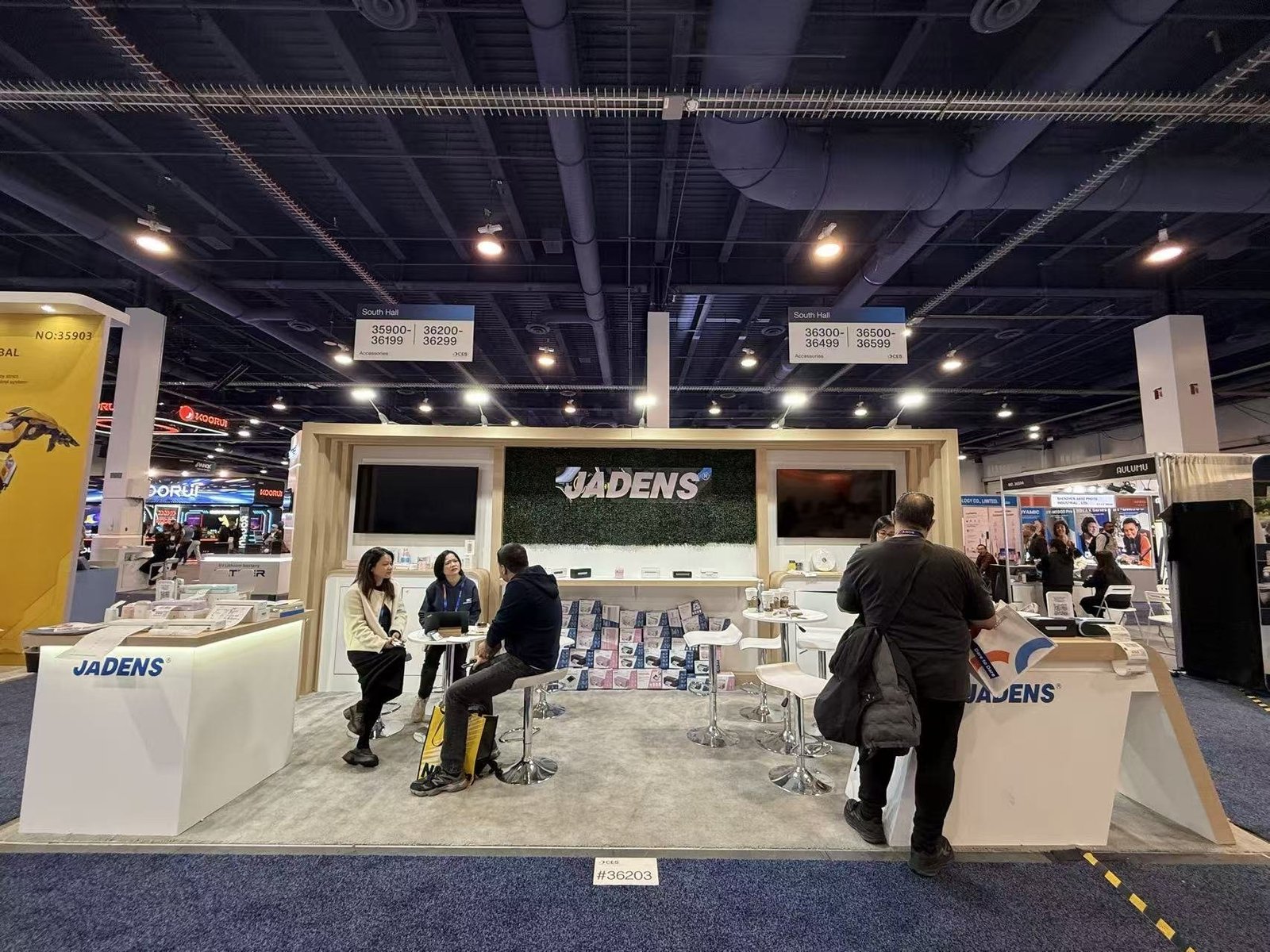
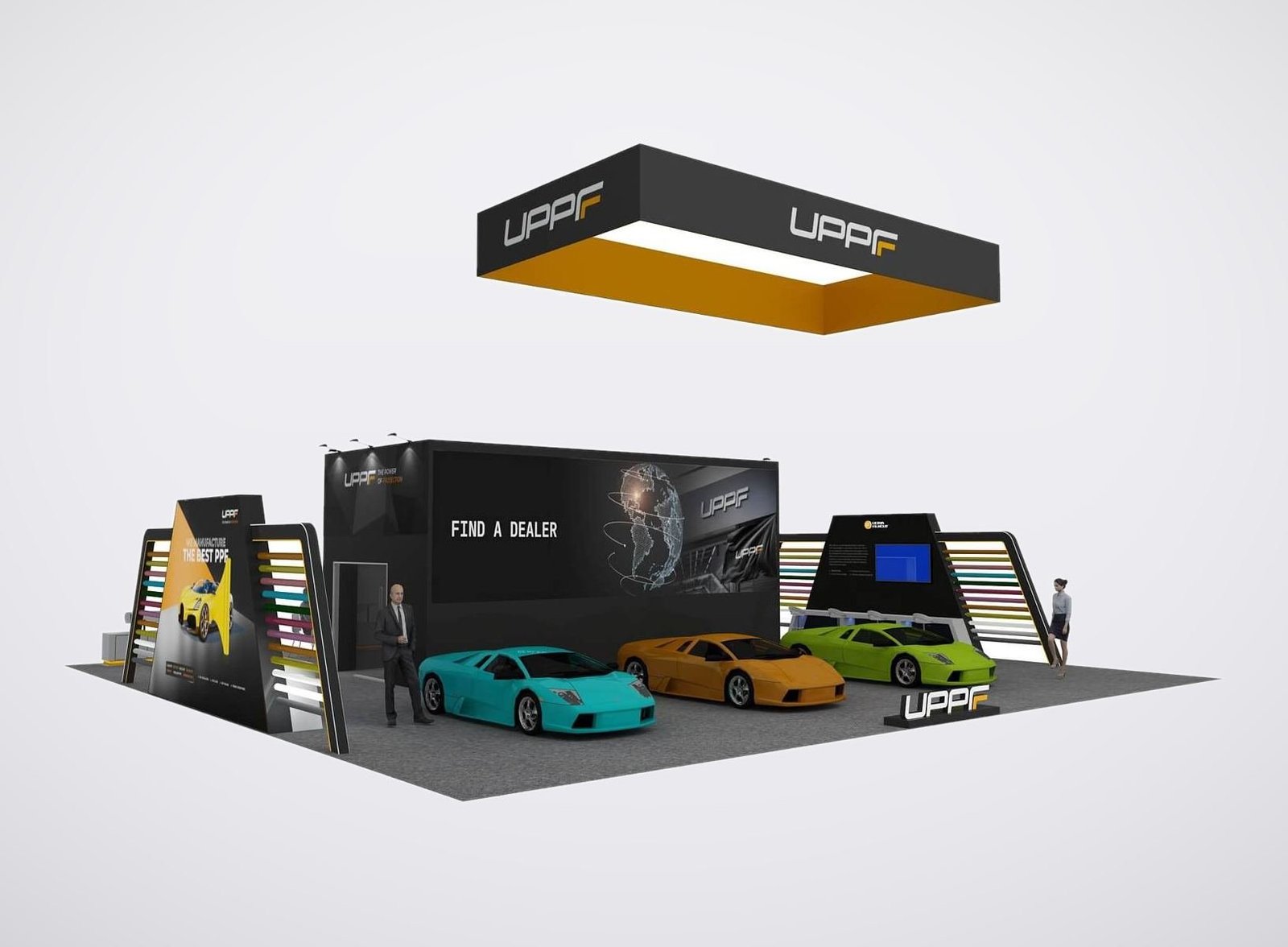
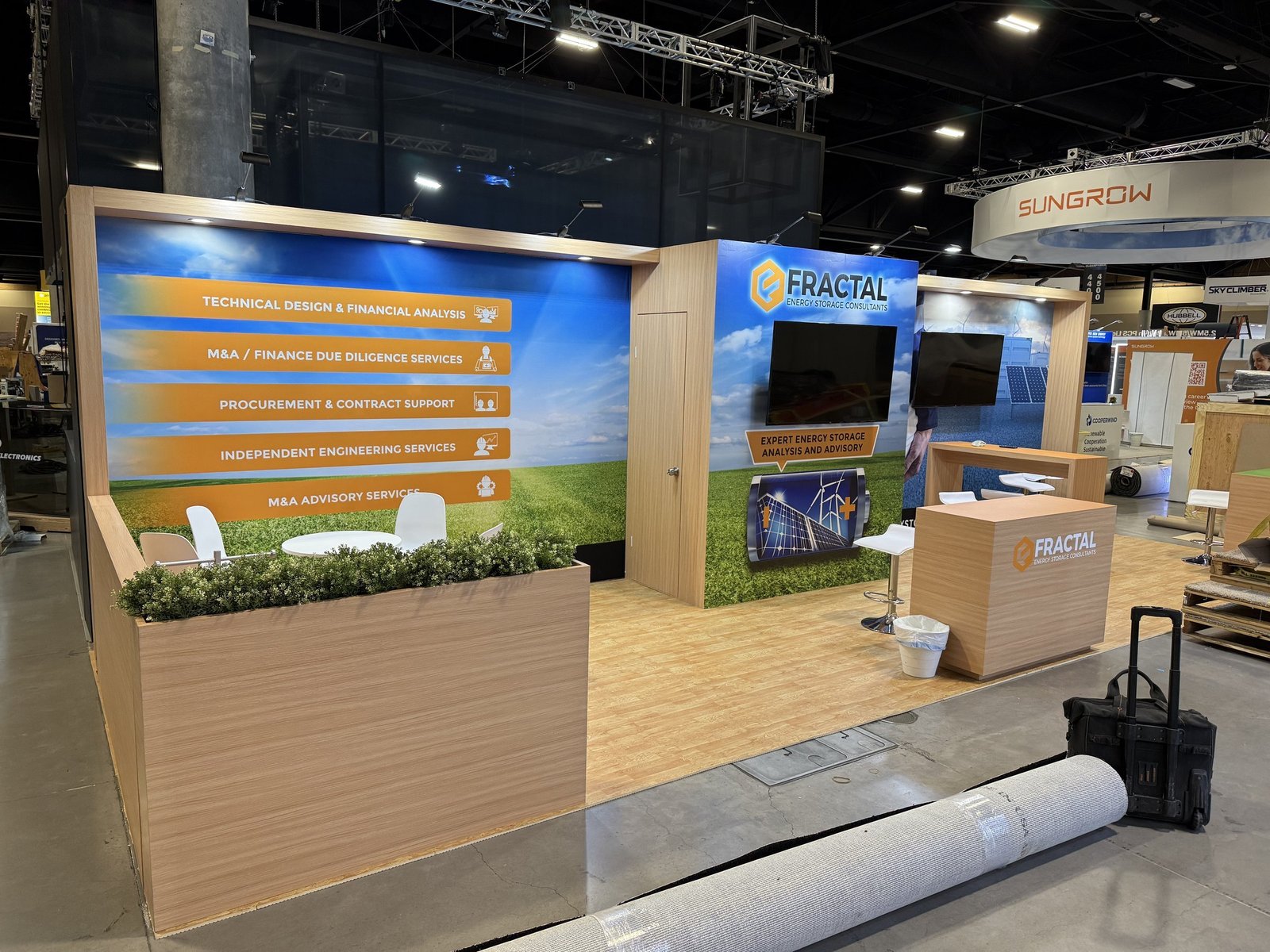
Use the main graphic to answer one question: what can this company help the buyer source or put on the shelf? Then organize physical samples around two or three decisions, such as branded assortment, private-label program, and custom development. Avoid a decorative wall of unrelated hardware.
Put comparison facts close to the samples they explain. Material options, finish, package choices, minimums, lead time, or testing status are more useful beside the relevant product than inside a long corporate presentation. Use accurate labels such as “available,” “in development,” or “custom option” so the buyer does not mistake a concept for a production-ready item.
Leave a place for a working conversation. Supplier meetings require documents, notes, drawings, and sometimes confidential details. Keep public samples visible, but move sensitive projects to a controlled discussion area and decide what staff may photograph or share.
Use the event's supplier-discovery programs deliberately
HSE promotes a Supplier Review Program, buyer recommendations, a Supplier Exchange, “Become a Supplier” sessions, standardized capability signage, and detailed exhibitor profiles. These programs can help a buyer find you before or beyond random booth traffic, but only if your information is specific.
Complete the exhibitor directory around the buyer's filters: product family, manufacturing capability, private-label scope, location, minimum order, and certifications that truly apply. Use the same description in outreach, the directory, and the booth. If the profile says private label but booth staff only discuss a branded catalog, the buyer will not know which offer is real.
Apply to structured buyer programs when the current eligibility and timing match. Do not count acceptance, recommendation, or a meeting slot as a sale. Define the question you want the buyer to answer and the evidence you need to show.
Plan appointments for a two-day show
With only two show days, key meetings should be requested before arrival. A useful invitation does not say only that you will be in Las Vegas. It states the product or capability, why it matches the account, and what the buyer can evaluate in 20 minutes.
Protect meeting time for the accounts that fit your chosen route. A retail product meeting may focus on assortment and commercial terms. A private-label meeting may need a product brief, target cost, compliance requirements, sample timing, and forecast. Prepare different notes and next steps.
Leave capacity for recommendations and walk-up discovery. Qualify visitors quickly: Are they buying a finished line, looking for a manufacturer, seeking a distributor, or exploring an invention? What category and timing are active? Then direct them to the right samples and staff member.
At the end of day one, revise weak explanations. If buyers keep asking what you actually manufacture, the capability message is too broad. If they like a product but cannot place it in a retail program, the line sheet is incomplete. Fix those problems before the second and final day.
Plan logistics from the 2027 exhibitor manual
The event is in West Hall at the Las Vegas Convention Center, but the current public FAQ is not a substitute for the 2027 exhibitor manual. Confirm booth rules, approved contractors, insurance, electrical, internet, shipping labels, material handling, move-in, and move-out from the documents attached to your contract.
Work backward from the advance-warehouse and direct-to-show deadlines once they are published. Hardware samples can be dense and expensive to handle. Record crate dimensions and weight, separate working samples from backup stock, and decide what must return after the event.
If demonstrations require power, compressed air, water, dust, sparks, heat, batteries, or moving equipment, obtain written approval and order the required services. A product demonstration that cannot legally or safely run on the floor should not be the only way the booth explains the value.
When you should attend before exhibiting
Attend first when your team still thinks of the event only as the old National Hardware Show, when you cannot name the primary buyer, or when your branded and OEM offers remain mixed together. Use the two days to see how current HSE buyers compare suppliers and which proof appears in real meetings.
Bring an evaluation sheet: buyer role, active category, finished-product versus sourcing interest, required capability, order range, development timing, compliance expectation, and next step. Speak with organizers about the current programs and floor structure rather than assuming the previous format will return.
Exhibit when your offer directly supports a retail, sourcing, procurement, distribution, or product-development decision and your team can prove the claims it makes. The event's new name is not the reason to attend; the buyer problem you can solve is.
Frequently asked questions
How should a private-label supplier respond to a buyer's target cost
First confirm the product specification, annual volume, packaging, testing, delivery point, forecast pattern, and timing behind the target. Then explain which material, feature, tooling, pack, or order assumption would have to change to reach it. Do not accept a number in the aisle and discover after the show that both sides priced different products.
What should be ready if a buyer requests a factory review
Agree on the purpose and scope before sending a large document folder. Prepare the legal company and site identity, relevant processes and product families, quality-system documents, certification scope, capacity basis, traceability and corrective-action examples, and the person who will host the review. Share confidential records through an approved channel, not from an open booth laptop.
Should you bring your entire product catalog
Only if the complete range helps the chosen buyer compare an assortment or manufacturing scope. Otherwise, use representative samples to prove the offer and keep the full catalog searchable. Too many unrelated products can make a capable supplier look unfocused.
Can a new invention be shown before it is retail ready
The event includes inventors and product-development audiences, so an early product can fit a development or partnership conversation. Label its stage accurately and be ready to explain what remains unresolved. Do not present a prototype as tested, priced, or production-ready when it is not.
What is a meaningful result from a supplier meeting
A meaningful result is a defined next evaluation: a product brief, quotation request, sample plan, factory review, compliance-document request, pilot order, or introduction to the responsible team. A badge scan without category, timing, or next step is only a contact.
Final thoughts
The National Hardware Show name may bring you to the search result, but the 2027 decision is about Hardlines Supplier Event. Treat it as a two-day supplier and product evaluation market. Choose whether you are selling a retail line or a manufacturing relationship, make the proof easy to compare, and plan from current HSE documents. If you cannot yet make that distinction, attend first rather than building a booth around the old show.
For the renamed 2027 event, use the Hardlines Supplier Event booth rental page to brief the hardware samples, packaging comparison and sourcing meetings.