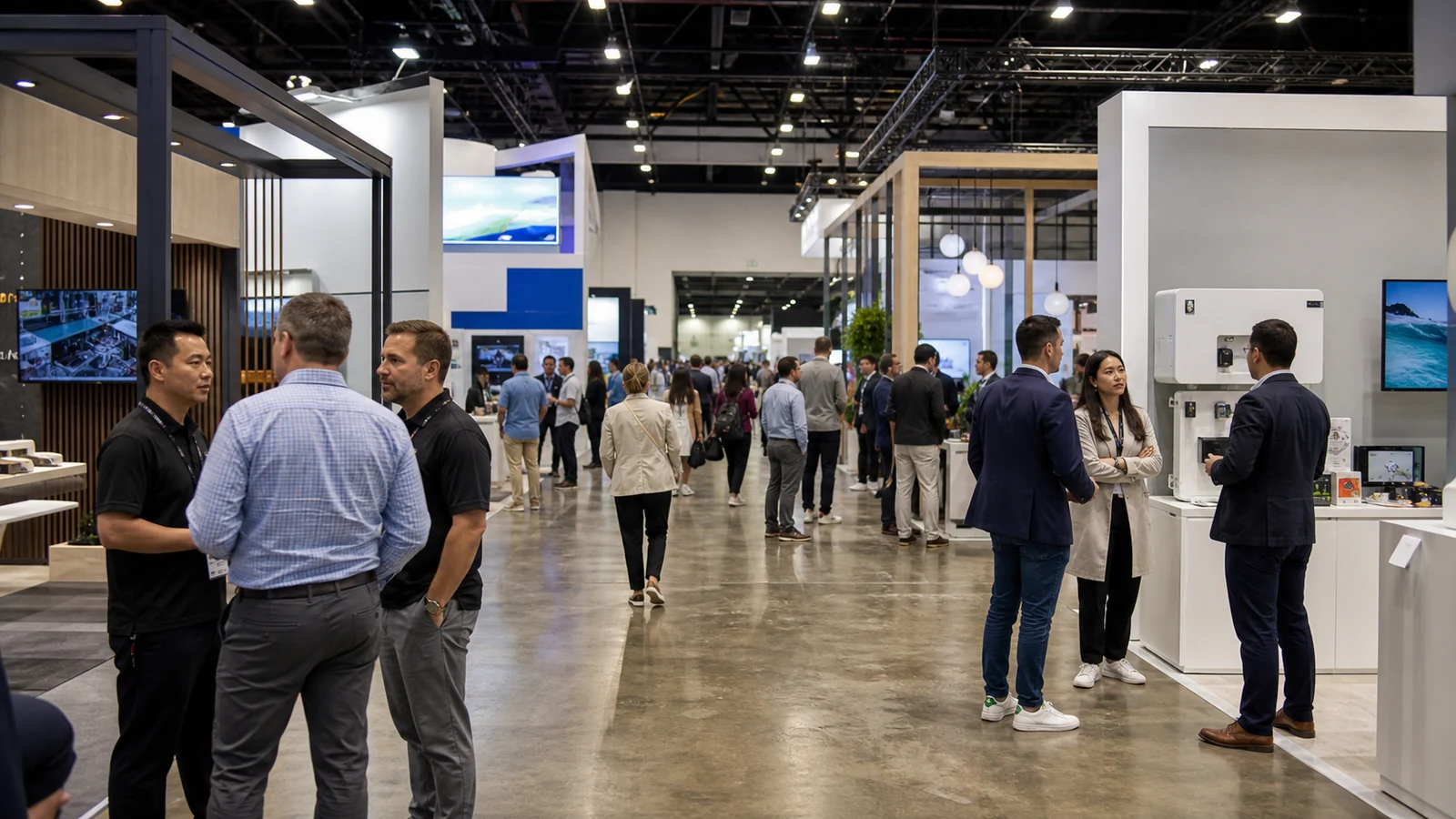
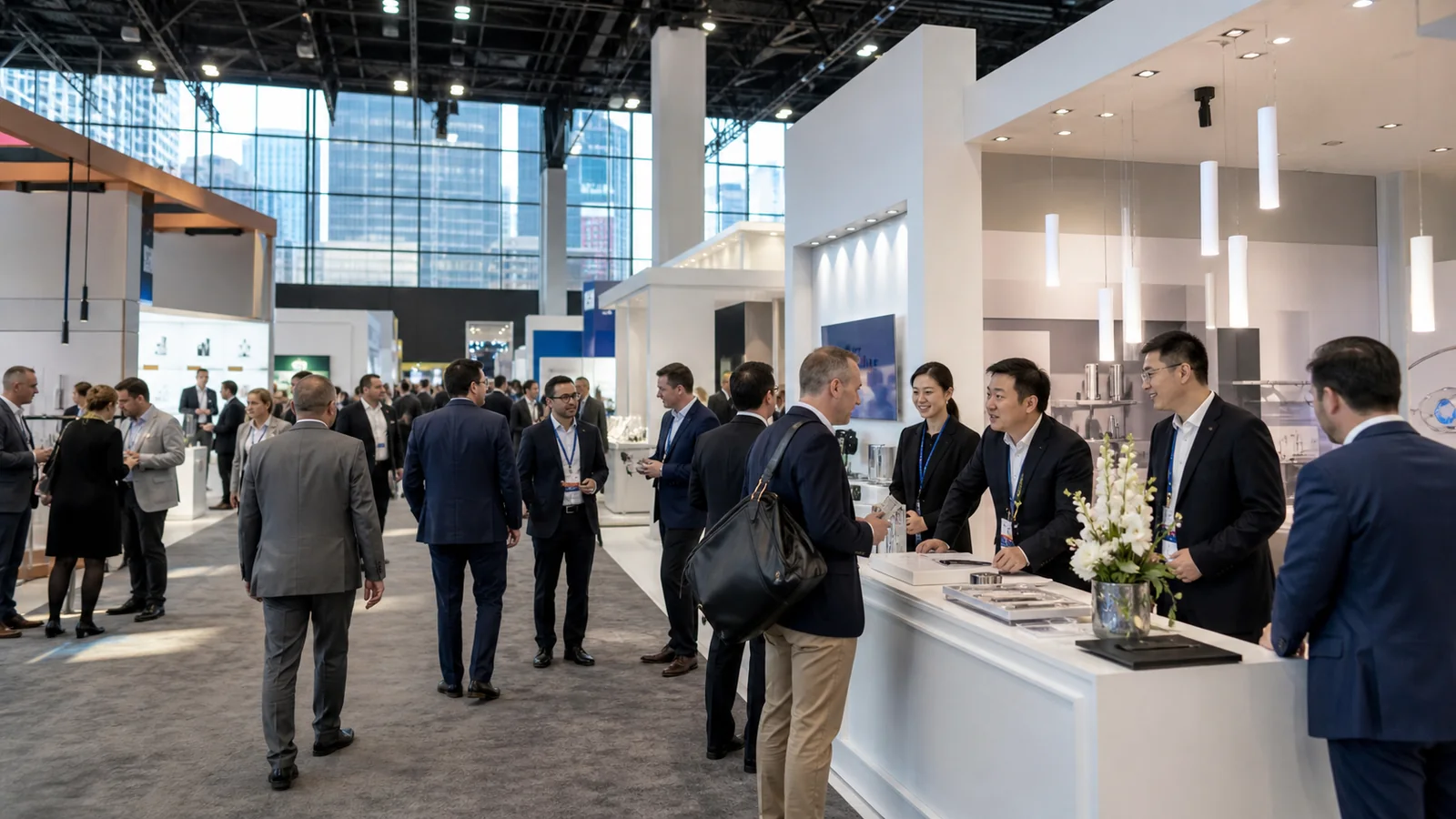
Toy Fair New York brings toy brands, retail buyers, licensors, inventors, distributors, and media into one trade-only marketplace. If you want U.S. retail distribution, that concentration can be valuable—but only when your product line and commercial answers are ready for a buyer meeting. This guide covers the 2027 show and what a toy or game brand should prepare before deciding to exhibit.
Toy Fair New York 2027 at a glance
| Item | 2027 information |
|---|---|
| Official brand | Toy Fair; also known as the North American International Toy Fair |
| Dates | February 20–23, 2027 |
| Venue | Jacob K. Javits Convention Center |
| City | New York, New York |
| Saturday hours | 10:00 a.m.–6:00 p.m. |
| Sunday and Monday hours | 9:00 a.m.–6:00 p.m. |
| Tuesday hours | 9:00 a.m.–4:00 p.m. |
| Admission | Qualified trade only; not open to consumers |
| Organizer | The Toy Association |
The show runs for four days, but the final day closes earlier. Registration is online only; the current admission policy says there will be no on-site registration at the Javits Center. Do not arrive expecting to explain your business at the door. Confirm the correct registration category and submit the required credentials in advance.

What Toy Fair New York is
Toy Fair is a business event for the toy, game, and play industry. Buyers and retailers come to evaluate products and suppliers. Licensors and entertainment executives look for properties and partnerships. Inventors and designers look for routes to market. Media look for products and stories their audiences will care about. Manufacturers, distributors, importers, wholesalers, sales representatives, and service partners also take part.
The show combines product discovery, buyer meetings, licensing conversations, media activity, networking, and education through Toy Fair University. The organizer describes it as the largest trade-only toy and play event in the Western Hemisphere. For context, it reports that the 2026 edition included professionals from more than 100 countries, all of the top 25 U.S. toy retailers, and more than 720 exhibiting companies. Those are past-show organizer figures, not a 2027 attendance guarantee.
This is not a consumer toy fair. A busy aisle or an enthusiastic reaction does not by itself mean a retailer can list the product. The buyer still has to understand the item, the customer, the price architecture, supply, timing, and risk.
Who you may need to meet
“Toy buyers” is too broad for a useful show plan. A mass retailer, specialty toy store, museum shop, bookstore, e-commerce marketplace, distributor, and licensing partner can all like the same product for different reasons and still require different commercial terms.

Choose one primary meeting target. If you want a U.S. distributor, be ready to discuss territory, exclusivity, margin, inventory, marketing support, samples, and who owns key accounts. If you want direct retail placement, the conversation moves toward wholesale price, suggested retail price, case pack, minimum order, delivery window, replenishment, returns, packaging, product data, and promotional support.
Media and content creators are a separate audience. They need a clear story, strong visuals, accurate claims, approved images, and a contact who can respond quickly. Do not turn a buyer meeting into a press pitch or assume media attention will create purchase orders. Decide before the show which products are for retail appointments, which are ready for press, and which should stay private.
Which products belong at Toy Fair
Toy Fair spans toys, games, edutainment, licensed products, entertainment-driven play, and related categories across many ages and play patterns. The floor can include established bestsellers, new launches, first-time companies, inventor-led concepts, and products that cross into pet play or digital entertainment.
A product is a better fit when retail or licensing decisions are part of the route to market and a buyer can understand the play value quickly. The product does not need to be simple, but the first explanation must be. In less than a minute, a visitor should understand who it is for, what the user does, why the experience is different, and what makes the item commercially plausible.
An early prototype may be appropriate for an inventor or licensing conversation, but it is not the same as a retail-ready line. Mark what is a concept, what is a working sample, what has completed testing, what is in production, and what can actually ship. Ambiguity here damages trust faster than an unfinished package.
Be ready for the buyer's second question
The first question may be “What does it do?” The second is usually closer to business: Who buys it? What is the retail price? When can it ship? What margin does it support? How much space does it take? Is the package ready? What proof supports the age grade or product claims?

Build a short buyer sheet for each line rather than one corporate brochure. Include the item name and image, age grade, play pattern, wholesale and suggested retail pricing where appropriate, case pack, dimensions, minimum order, production and delivery timing, available inventory, testing or documentation status, and the person responsible for follow-up. If terms vary by territory or buyer type, label them instead of giving inconsistent answers at the booth.
Do not imply that attending Toy Fair validates safety or compliance. U.S. toy requirements depend on the product, age grading, materials, features, packaging, and sales channel. Bring current reports and certificates that genuinely apply, and route detailed questions to a qualified internal or external specialist. A buyer may use the show to discover the product; the show does not approve it.
Design the display around product discovery
For 2027, Toy Fair's Visual Merchandising Initiative requires exhibitors to dedicate at least 20 percent of each booth's aisle-facing exhibit area to visible product display. Show management also requires booth designs to be submitted for review and approval. The rule does not ban walls; it means buyers and media should be able to see real products from the aisle.
Use that visible area to make selection easier, not to show every SKU. Group products by age, play pattern, price tier, retailer type, collection, or launch status—whichever matches how your main buyer shops. A wall of small packages may prove that you have many items while making it hard to understand which three deserve attention.
Keep confidential prototypes away from uncontrolled aisle exposure. The admission policy says photography of exhibitor booths is prohibited without the exhibitor's permission, but a policy is not a substitute for your own release plan. Decide what may be photographed, train staff to give consistent permission, and use private meeting space when disclosure risk is material.
Demonstrate play without losing the business conversation
The best toy demonstration lets a visitor understand the play loop quickly: what starts the activity, what the player chooses or does, what changes, and why someone wants to repeat it. Do not make a buyer wait through a long setup before seeing the reason the product is fun.

Prepare a 30-second version for aisle traffic, a two-minute version for an interested buyer, and a deeper version for a scheduled meeting. For games, have a shortened round or decision point ready. For construction, craft, STEM, or tech products, show the result and the key action without pretending a full experience takes only seconds.
Children under 18 are generally not permitted at Toy Fair. The organizer provides narrow exceptions for approved content creators and approved Kid Demonstrators within an exhibitor booth; infants are not permitted. If a child demonstrator is important, obtain approval through the official process. Do not build the entire presentation around a minor who has not been cleared.
When you should attend before exhibiting
Attend first if your U.S. wholesale terms, compliance documents, logistics, or follow-up ownership are not ready. Use the show to compare how brands present price architecture, packaging, collections, demonstrations, and buyer appointments. Speak with distributors and sales representatives about the information they need before taking on a line.
An observation visit is also sensible when you are unsure which retail channel fits. Walk the floor with a simple comparison sheet: target customer, retail environment, price band, package size, demonstration need, order pattern, and support expectations. The goal is not to copy products. It is to learn which commercial shelf your line is asking to occupy.
Exhibit when you have a defined target buyer, a coherent line, realistic terms, credible supply and compliance answers, and a follow-up owner. First-time exhibitors can review Toy Fair's Launch Pad option and exhibitor resources, but a designated area does not replace commercial readiness.
How to use the four days
Start with appointments that affect the business most. Major buyers and existing partners often schedule time before the show, so outreach should explain the product, why it fits that account, and what decision you want from the meeting. “Please visit our booth” gives the buyer no reason to protect time.

Leave unscheduled time for discovery. Toy Fair includes buyers, licensors, media, inventors, and partners you may not know in advance. Qualify each conversation quickly, then direct it to the right product and team member. Use separate notes or lead tags for retail, distribution, licensing, media, product development, and services; they should not enter one identical follow-up sequence.
At the end of each day, review what buyers questioned, which products drew the right people, what claims need clarification, and which follow-ups are time-sensitive. Adjust the next day's explanation rather than waiting until everyone returns home.
Use the shorter Tuesday to close open conversations. Confirm the sample, line sheet, pricing discussion, licensing review, press assets, or internal introduction that comes next. Name the person responsible and the date. A bag full of business cards is not a pipeline.
Frequently asked questions
How should you respond when a retailer asks for exclusivity
Do not agree from the booth without defining the territory, channel, products, term, minimum purchase, launch commitments, performance review, and existing account conflicts. Record what the buyer means by exclusivity and arrange a commercial review with the person authorized to negotiate it. Interest in exclusivity is a negotiation opening, not proof of an order.
Should buyers be allowed to take prototypes from the booth
Only when the sample is approved to leave, clearly labeled with its status, and recorded against the recipient and intended review. Keep confidential, unsafe, incomplete, or irreplaceable prototypes under staff control. If the buyer needs hands-on evaluation, agree on a tracked post-show sample rather than losing the only working unit.
What should a prebooked buyer invitation include
Name the product or category fit, the age or user group, the commercial question the buyer can review, and the time required. Mention whether the buyer can handle a sample, review a line, or discuss a launch window. “Come see our new toys” gives a busy buyer no reason to reserve a meeting.
How should licensing discussions be separated from wholesale conversations
A licensee or licensing partner needs to discuss rights, territory, category, approval process, term, and royalty structure. A wholesale buyer needs products, price, margin, delivery, packaging, and replenishment. Use separate notes and follow-up owners so interest in the brand is not mistaken for a retail order.
What should staff record when a buyer asks for samples
Record the exact SKU and version, the buyer's intended account or review, required quantity, shipping destination, safety or age documentation needed, decision date, and who will send the sample. Confirm whether the request is for a display review, testing, photography, or a sales meeting; those uses require different preparation.
Final thoughts
Toy Fair New York is valuable when your team is ready to turn product attention into a retail, distribution, licensing, or media decision. Choose the primary buyer, make the line easy to understand, bring commercial and compliance answers, and separate public products from confidential work. If those basics are not ready, attend first and use the show to learn what a U.S. buyer will ask next.