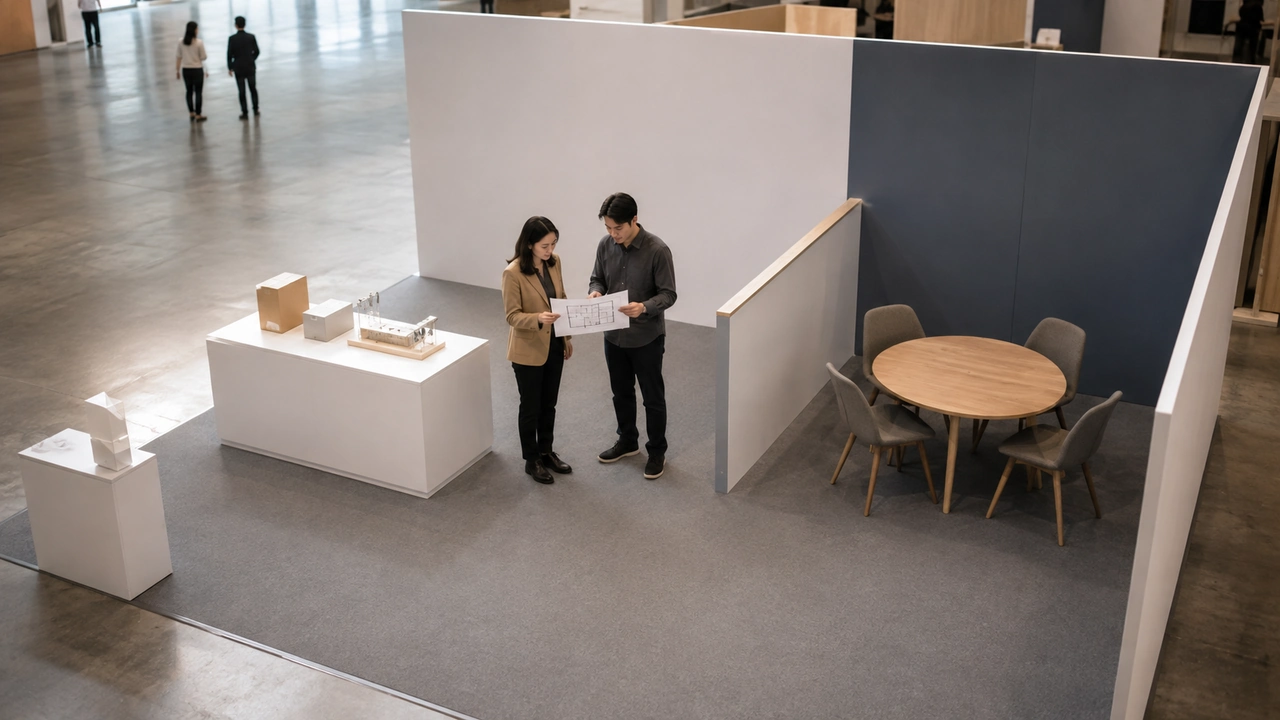
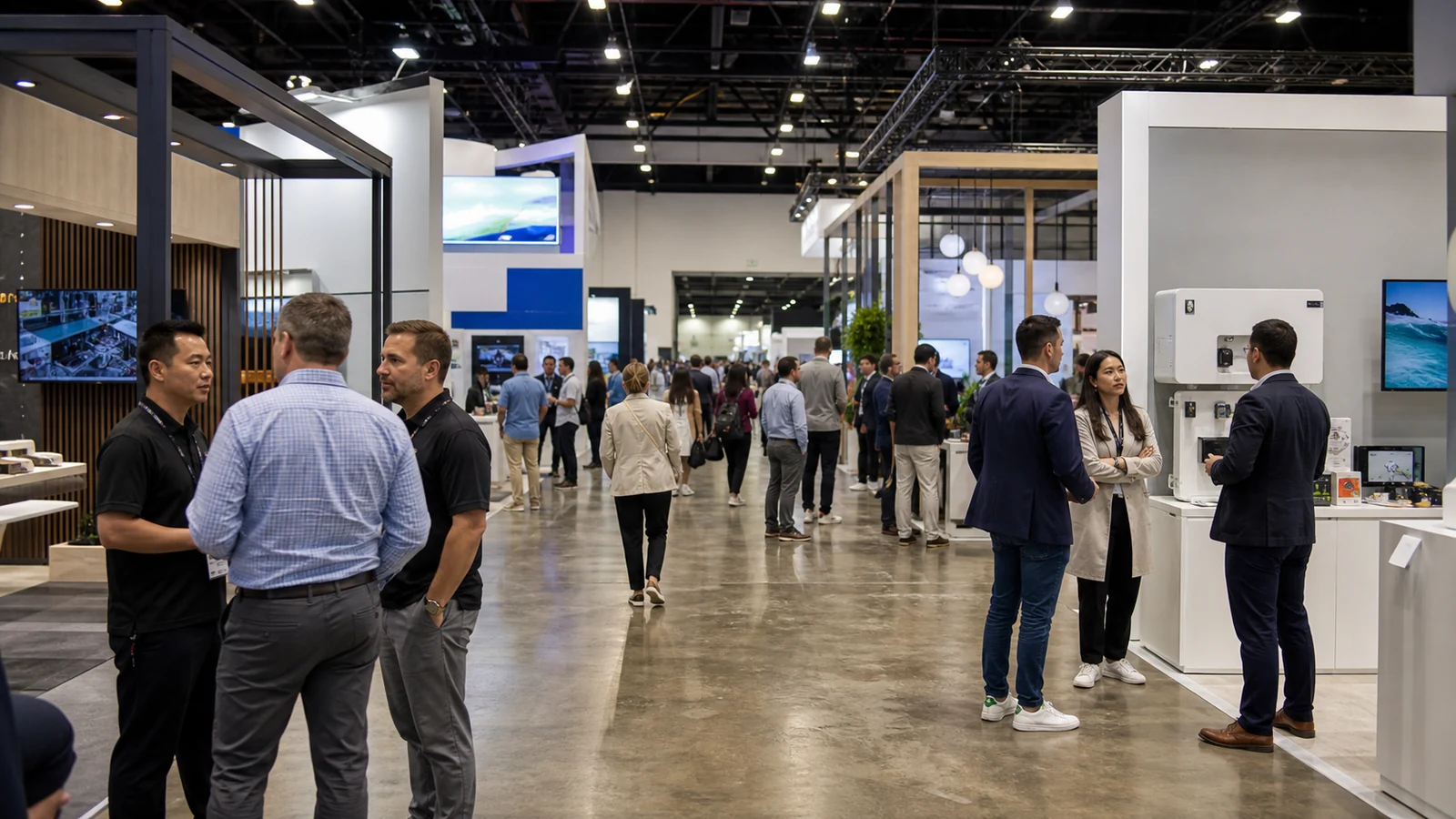
Your booth is booked, but the people your sales team wants to meet still need a reason to put you on their show schedule. An email that only announces your booth number leaves them to work out what they would gain from visiting.
A pre-trade show email campaign gives selected contacts that reason, invites them to take a specific next step, and helps them arrive prepared. You need a useful meeting offer, a short sequence that responds to their decisions, and a booth team ready to deliver what the invitation promises.
Coordinate the invitation offer with your trade show lead generation plan so sales knows which visits count as qualified.
Decide What You Are Inviting People to Do
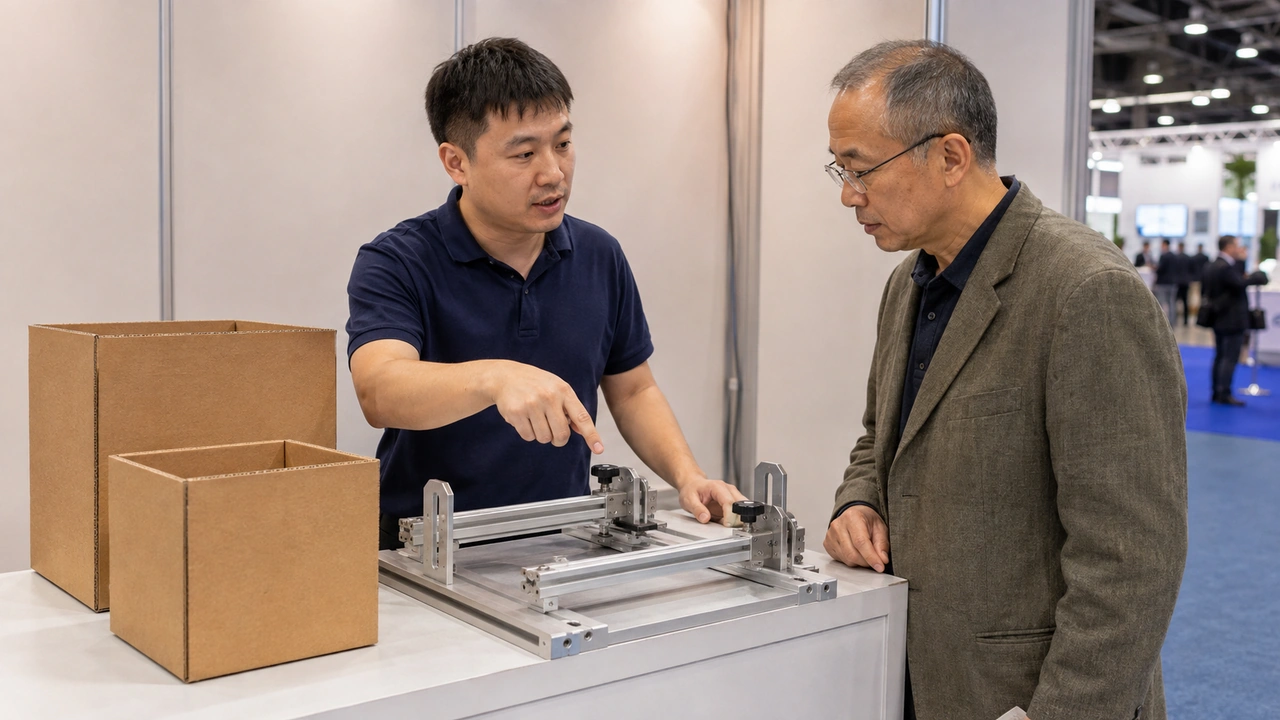
Choose a visit your team can actually host. For an equipment supplier, that might be a demonstration of a particular changeover. For a component supplier, it could be a discussion about a buyer’s application, with relevant samples on the table. The invitation should make the value of that visit clear before asking for time.
“Meet our team” gives a busy attendee little to evaluate. “Watch a carton changeover and discuss the sizes your line runs” tells them what they will see and why the conversation might be useful. Keep that promise narrow enough to fulfill during the appointment.
Before writing, confirm who will lead the visit and what will be available. A working demonstration needs the equipment and operator ready. A confidential discussion needs an appropriate place to talk. If the booth cannot support the proposed visit, change the offer before inviting people.
This also sets the limit on bookings. A technical specialist cannot host separate appointments at the same time simply because two salespeople have open calendars.
Build a Relevant Email List
Begin with contacts you are permitted to email under the applicable rules and your sending platform’s terms. Knowing someone is likely to attend a show does not, by itself, establish permission to add them to your marketing list.
Within that eligible audience, separate people by the conversation you can reasonably offer them. An existing customer might want to review an upcoming project. Someone who has asked about a product needs an invitation linked to that interest. A subscriber whose attendance is unknown needs a conditional opening such as “If you’re attending the show…” rather than a claim that you know their plans.
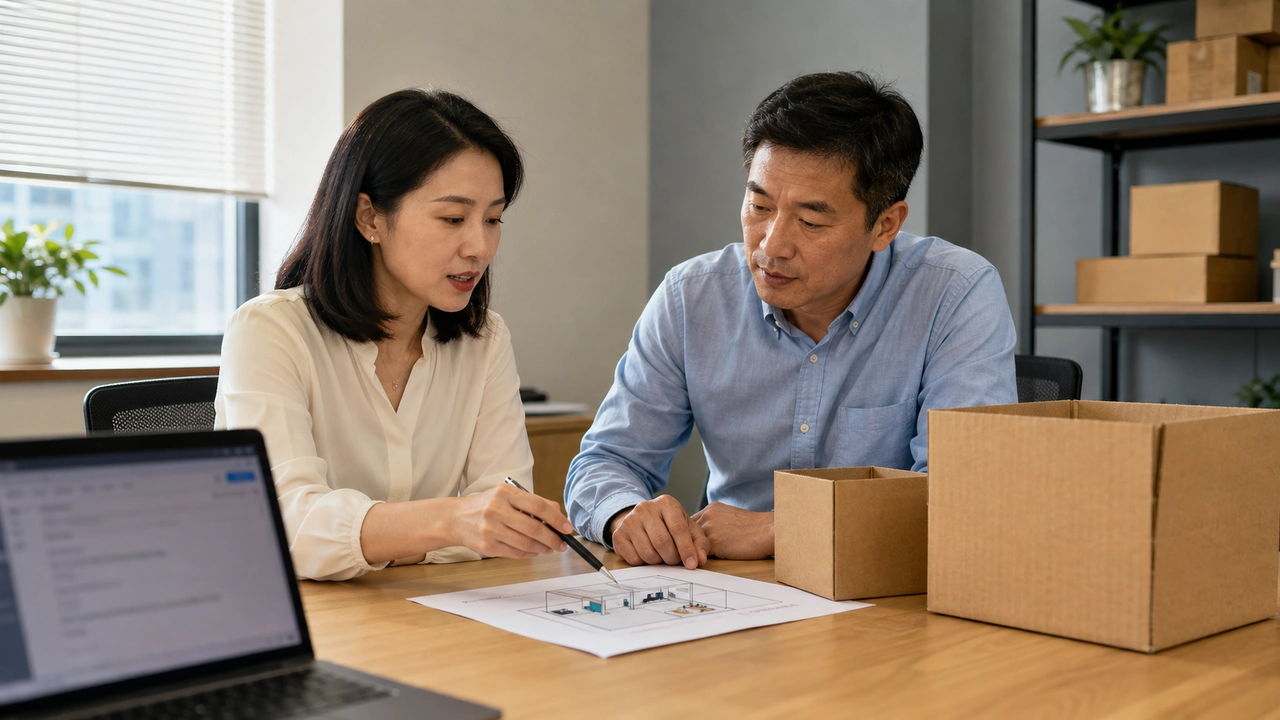
Ask the salesperson responsible for important accounts to review those invitations. A prospect already discussing a purchase should receive a message that continues that conversation. Avoid sending a generic introduction that makes your team appear unaware of its own work.
Remove opted-out contacts and invalid addresses, then check whether another colleague is already contacting the same person. Keep one owner for each account’s invitation so that replies and changes reach the right person.
Treat offers to sell you an attendee database cautiously. Verify any official outreach option directly with the organizer and check what it allows you to do. Mailchimp, for example, prohibits purchased, rented, and scraped third-party lists under its audience requirements; an organizer’s offer would still need to fit your platform’s terms.
For U.S. commercial email, the FTC’s CAN-SPAM guidance covers B2B messages too. Use accurate sender information and subject lines, make the promotional nature clear, and include a valid postal address and an easy opt-out. The FTC requires opt-out requests to be honored within 10 business days; operationally, remove them before your next send. Confirm any additional rules that apply to your recipients.
Plan the Sequence Around the Show Date
For a team with a confirmed exhibit and an eligible audience, the schedule below is a practical starting point. These intervals are planning suggestions, not a proven best frequency for every show. Bring priority-account outreach forward if their schedules fill early; shorten the sequence when planning starts late.
| Suggested timing | Message purpose | Who should receive it |
|---|---|---|
| 4–6 weeks before opening | Introduce the visit and invite a reply or booking | Relevant contacts who have not booked |
| 2–3 weeks before opening | Add a useful detail about the demonstration or discussion | Still-relevant contacts who have not replied or booked |
| 2–3 days before opening | Give a concise final invitation with the location and current availability | Eligible contacts for whom a final invitation remains useful |
| After a booking, then shortly before the meeting | Confirm the agreed visit and send arrival details | Confirmed guests only |
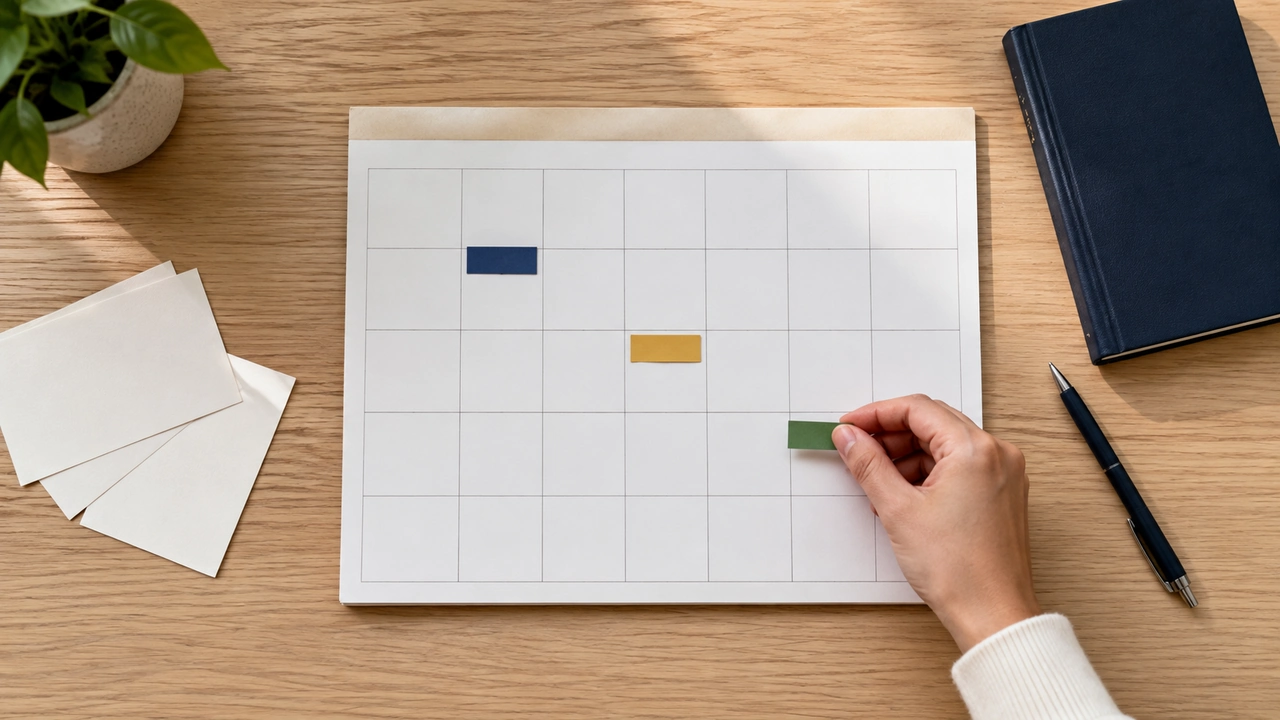
The audience should change between sends. A booking moves the contact into meeting communications. A reply saying they will not attend ends the show invitation. An opt-out ends marketing messages, while an active sales conversation needs a person to respond rather than another scheduled email. If your booking calendar does not update the mailing list, remove new bookings from the invitation audience manually before each send.
If only a week remains, send one clear invitation and handle responses promptly. Compressing several planned emails into consecutive days gives people more messages without giving them more reason to visit.
Pre-Trade Show Email Templates
These three trade show invitation email examples follow an equipment supplier demonstrating a carton changeover. Packaging Demo Expo, Booth 418, and the meeting details are fictional teaching examples. Adapt the substance to your actual event and offer, including its dates, and add your sender identity, postal address, and working opt-out method before sending.
Email 1: Introduce the Demonstration
Subject: See a carton changeover at Packaging Demo Expo
Preview text: A short demonstration at Booth 418, followed by time for your questions.
Hi Alex,
If you’re attending Packaging Demo Expo, we’d like to show you how the carton changeover works on our demonstration machine.
At Booth 418 in Hall B, you can watch the adjustment between two carton formats and discuss the sizes your line runs. Our applications specialist will be there to answer questions about your setup.
Would you like to reserve a 15-minute visit on Tuesday or Wednesday? Reply with your preferred day and we’ll send the available times.
Best,
Sam
A trade show email subject line should help the recipient recognize the event or the value of the visit. Here, the subject does both, while the preview text adds the location. The body makes one invitation and offers a reply as the next step. Use a booking button instead if you have a reliable calendar; make one route visually prominent so the reader can act without comparing several options.
For an existing customer, replace the general opening with the project you are already discussing. Only refer to a previous conversation when it actually happened. Adding someone’s first name is not enough to make an irrelevant offer personal.
Email 2: Add a Detail That Helps Them Decide
Subject: Time for your setup questions at Packaging Demo Expo
Preview text: We’ll pause the demonstration so you can examine the changeover.
Hi Alex,
At Packaging Demo Expo, we’ll pause the demonstration after changing the carton format, before restarting the machine. You’ll have time to ask the operator about the adjustments while the setup is still visible.
If you’re comparing equipment for a line with frequent format changes, the visit will give you a chance to ask our applications specialist how your carton sizes would affect the setup.
Would you like a time at Booth 418? Reply with the day you plan to visit and I’ll check the schedule.
Best,
Sam
The planned pause gives this follow-up a new reason to consider the visit: the recipient can examine the setup and ask questions during the demonstration. Send it only to contacts still eligible for the invitation. If someone has already asked a technical question, answer it directly and continue that conversation.
You do not need a new offer in every email. A useful detail about the same visit is enough. Avoid adding an unrelated giveaway that attracts visitors your team cannot help.
Email 3: Make the Visit Easy to Arrange
Subject: Visiting Packaging Demo Expo? Find us at Booth 418
Preview text: Hall B, with carton changeover demonstrations at the booth.
Hi Alex,
Packaging Demo Expo opens this week. You’ll find our carton changeover demonstration at Booth 418 in Hall B.
If you’d like time with our applications specialist, reply with the day you’re attending and I’ll confirm what’s available. You can also stop by the booth; our team will let you know when the specialist is free.
Best,
Sam
Use walk-in language only if you can accommodate walk-ins. When appointments are full, change the message to explain the available alternatives. “Last chance” and “only two slots left” belong in an email only when they accurately describe the situation.
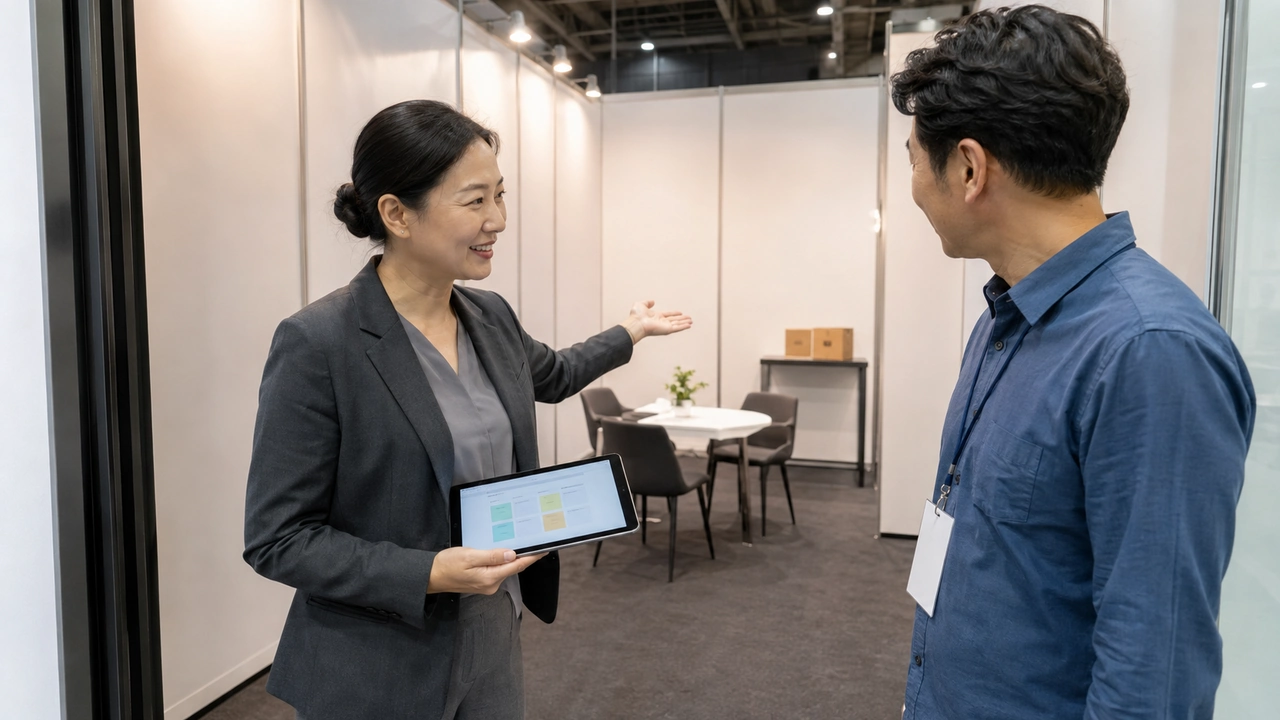
Across the sequence, keep the event, benefit, and next step easy to find on a phone. A photograph of the actual demonstration can help explain the offer, but the essential details should remain readable as text. Avoid making the recipient open an attachment to discover where or why to meet you.
Make Booking Simple, Then Confirm the Details
A booking or event landing page should repeat the visit promised in the email and display the available times in the show’s local time zone. Ask only for information that helps arrange or prepare the meeting. Name, company, and work email may be sufficient; make an application question optional unless you need its answer before accepting the appointment.
If you take bookings by reply, assign a person to monitor the inbox and confirm the time. “Tuesday works” is still a preference, not an agreed appointment. Check the host’s availability and the demonstration schedule before sending a calendar invitation.
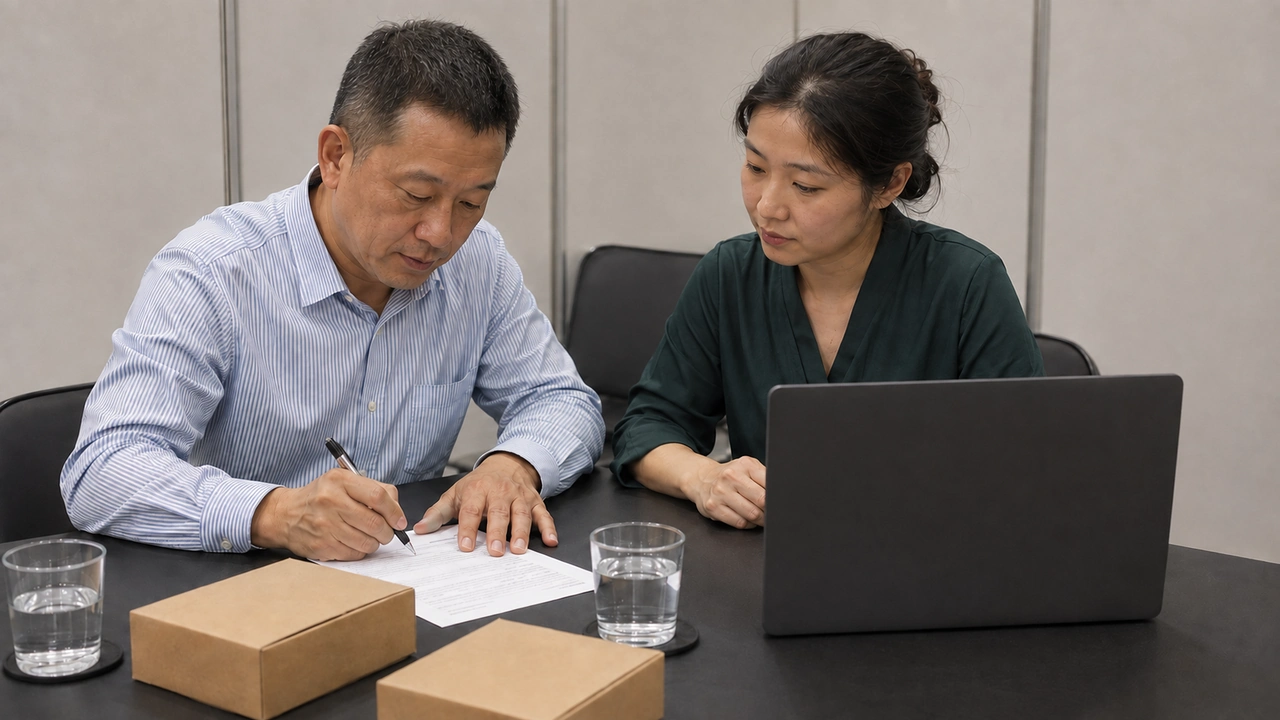
The confirmation should contain the agreed date and time zone, meeting length, hall and booth number, and the person the guest will meet. Include a way to cancel or reschedule, plus the topic they asked to discuss. Send arrival instructions shortly before the appointment rather than another generic sales pitch.
Give your booth team the same information. When a guest arrives, the greeter should know who is hosting them and what they came to discuss. An invitation to speak privately about a project should lead to a suitable meeting area, not an improvised conversation beside a running demonstration.
Check the Campaign Before Sending
Send a test to someone who has not built the campaign and ask them to complete the invitation on a phone. Have them identify the event, explain what the visit offers, and book or reply. If they need you to explain a button or missing detail, fix it before sending to customers.
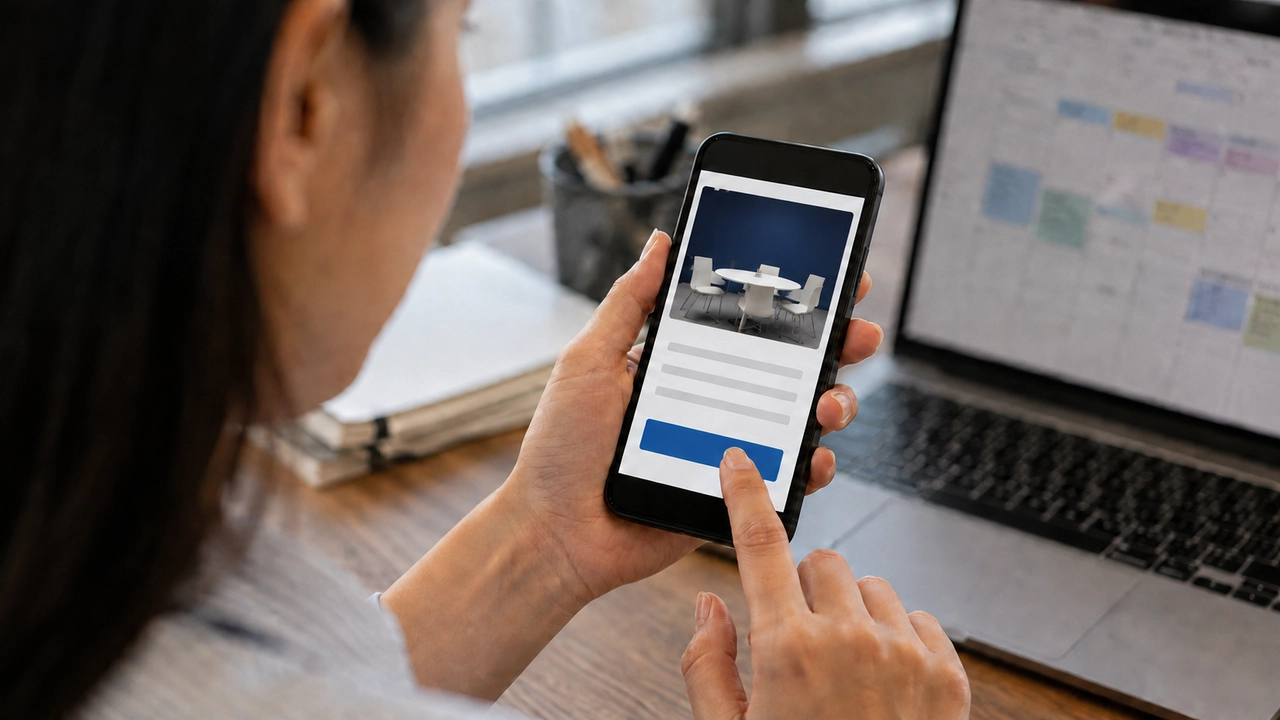
Use a test booking to verify that the confirmation reaches the guest and host with the correct time zone. Then cancel it and check that the change appears in both calendars. The test should reveal whether a guest can change plans without leaving the booth team working from an outdated schedule.
Test the opt-out process with an internal test contact and check that it removes that contact from later marketing sends. Confirm that the sales team uses the same exclusions for any separate show invitations.
Use a recognizable sender and a monitored reply address. Have the person responsible for email delivery confirm that your sending domain is correctly set up in your platform. A show deadline is a poor time to discover that customers cannot recognize your sender or that replies are going unread.
Measure Replies, Bookings, and Meetings Held
Decide what counts as a useful result before sending. For this campaign, that could be a confirmed appointment with someone whose company and question match the demonstration. Keep a simple record of relevant replies, confirmed bookings, and meetings actually held, with the account owner responsible for the next action.
Open and click rates can help you spot changes, but they need careful interpretation. Mailchimp explains that privacy and security tools can generate automated opens and clicks. Use bot-filtered reporting where available and check real responses before deciding that someone is interested or that a subject line has won.
Look for the point where people stop moving forward. Relevant replies without bookings suggest that the times, offer, or booking process need attention. Confirmed guests who fail to arrive call for a review of reminders and meeting logistics. Plenty of meetings with unsuitable visitors suggests that the audience or invitation attracted the wrong conversation.
After the show, record the agreed next step for each meeting. Keep campaign-sourced appointments distinguishable from walk-in visits so you can assess the invitation honestly. A booking or a promising conversation should not be recorded as closed revenue.
FAQs
Should the email come from a salesperson or a marketing address?
For a contact already working with a salesperson, use that recognizable relationship and ensure the salesperson owns the reply. A broader subscriber invitation can come from a consistent company sender. Whichever route you choose, the displayed name, reply address, and actual follow-up should agree. Do not make a mass email look like a personal conversation that never happened.
How should you test subject lines with a small list?
Avoid treating a few opens as a reliable winner. With a small priority-account list, review each recipient’s relevance and the resulting conversations first. If you have enough comparable recipients to run a useful test, change one element while keeping the offer and audience comparable. Judge it with relevant replies or completed bookings as well as delivery data.
What should you do if the demonstration changes after invitations go out?
Contact booked guests with the specific change and explain what they can now see. Offer a different time or an alternative discussion if the original purpose is no longer possible. Update the booking page and remaining emails as well. The host should know which guests accepted the revised plan before they arrive.
Does a booth appointment include admission to the show?
Keep meeting arrangements and admission separate. Tell guests to check the organizer’s registration requirements, and describe any guest pass only according to its actual conditions. If your invitation includes a registration code, verify its eligibility, deadline, and coverage before sending. Do not imply that a calendar invitation guarantees entry to the event.
Put the Invitation Into Your Booth Plan
Before scheduling the first email, give your booth planner the visit you are promising and the number of guests you expect to host at once. Those details help define the demonstration space and meeting area. When discussing a booth with KingExhibits, bring that invitation brief into the design conversation so the space supports the visit your customer has agreed to make.