A rental quote can look expensive because the structure returns to the supplier. A purchase quote can look economical because you keep the display. Neither comparison is useful until you include what happens before, during and after the show.
If you manage a U.S. trade show program, the real decision is not simply whether to rent or buy a trade show display. It is whether your company needs flexibility or asset control, which parts must be custom, and who will manage the exhibit between events. This guide gives you a practical way to make that choice without assuming one model is always cheaper.
First Define What You Are Renting or Buying
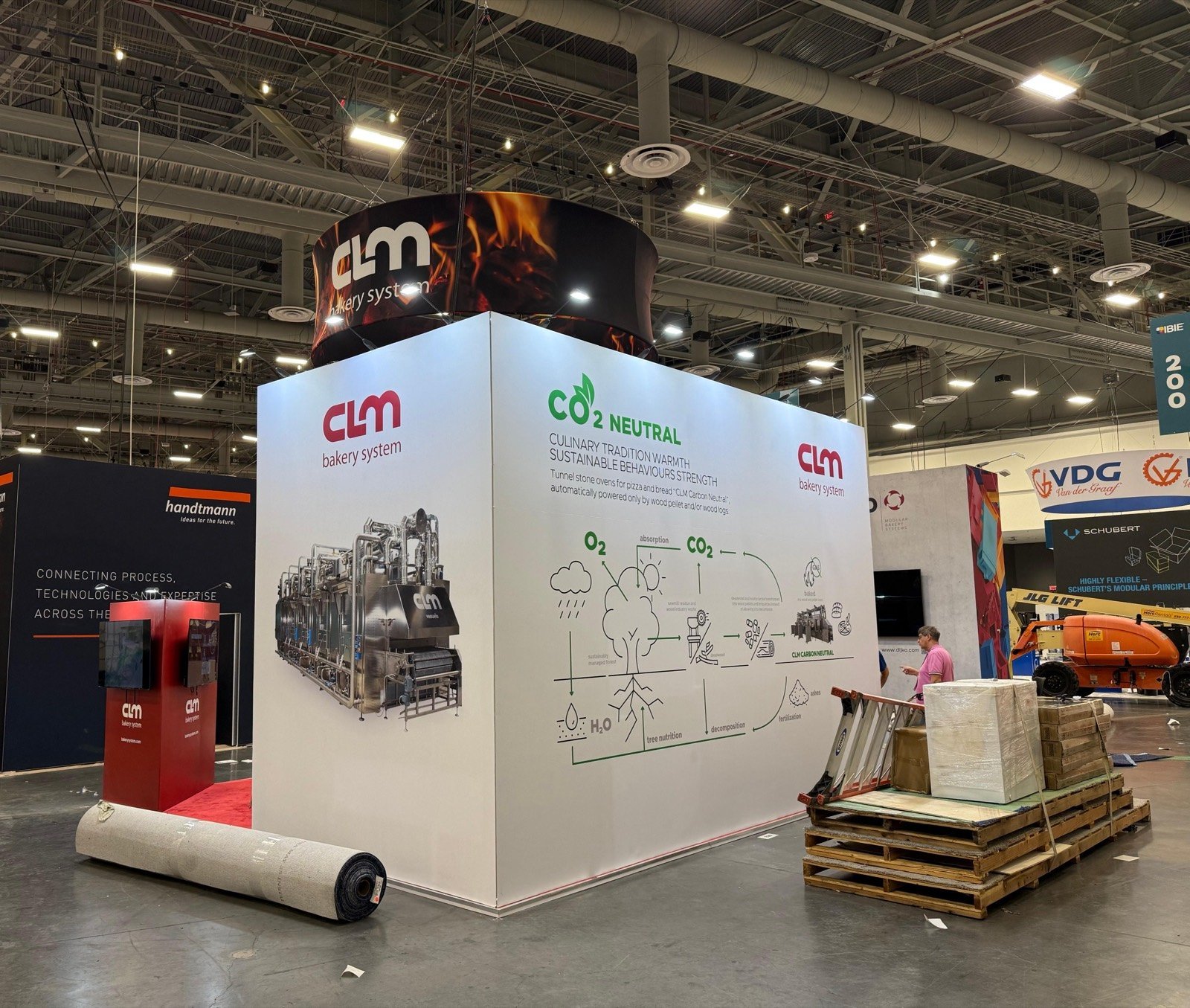
“Rental display” can describe very different scopes. It might mean standard wall frames and counters supplied from existing inventory, a rental structure with custom graphics, or a fully designed exhibit that combines rented hardware with project-specific elements. “Purchase” may mean you own a portable kit, a modular system, a custom-built structure, or only selected components. If the purchase option is a compact kit, compare pop-up trade show displays by frame setup, graphic replacement and packed size before comparing them with a full rental exhibit.
Ask the supplier to separate these categories:
- reusable structure and hardware;
- custom product fixtures and cabinetry;
- printed or fabric graphics;
- flooring and padding;
- lighting and AV equipment;
- furniture and appliances;
- crates and protective packaging;
- design, engineering and detailing;
- freight, material handling and show-site labor;
- cleaning, storage, inspection, repair and disposal.
Rental does not mean everything is reused, and purchase does not mean every item becomes a durable asset. Graphics, flooring, consumables and product-specific parts may need replacement under either model. A useful decision begins with component-level ownership, not a label at the top of the quote.
Compare the Same Installed Scope
Do not compare a rental structure price with a purchased turnkey exhibit. Normalize the proposals so both reach the same finish line: an approved, installed, working booth at the same show.
Use a comparison like this:
| Cost or responsibility | Rental option | Purchase option |
|---|---|---|
| Design and detailing | Included, limited or separate? | Included, limited or separate? |
| Structure and hardware | Rental period and allowed use | Acquisition price and ownership date |
| Custom elements | Purchased, rented or discarded? | Owned, but can they be reused? |
| Graphics | New, reused or included allowance? | Initial set plus future replacement |
| Crates and packing | Supplier-owned or charged? | Purchase, maintenance and replacement |
| Outbound and return freight | From which warehouse, for both directions? | Between storage and every show |
| Material handling | Based on actual shipping plan? | Based on actual shipping plan? |
| Installation and dismantling | Same crew scope and hours? | Same crew scope and hours? |
| Storage and inventory work | Included between which dates? | Ongoing monthly/annual obligation |
| Repair and missing parts | Damage rules and charge method | Owner pays and manages readiness |
| End of program | Return or renewal conditions | Resale, disposal or continued storage |
If one proposal excludes electrical labor, rigging, drayage or return freight while the other includes it, the bottom-line totals are not comparable. Put exclusions beside the cost model rather than leaving them in contract footnotes.
Decide How Stable Your Show Program Really Is
Ownership becomes easier to justify when the same structure can serve several confirmed events. But “we attend trade shows every year” does not prove that one display fits the program.
Look at the actual calendar:
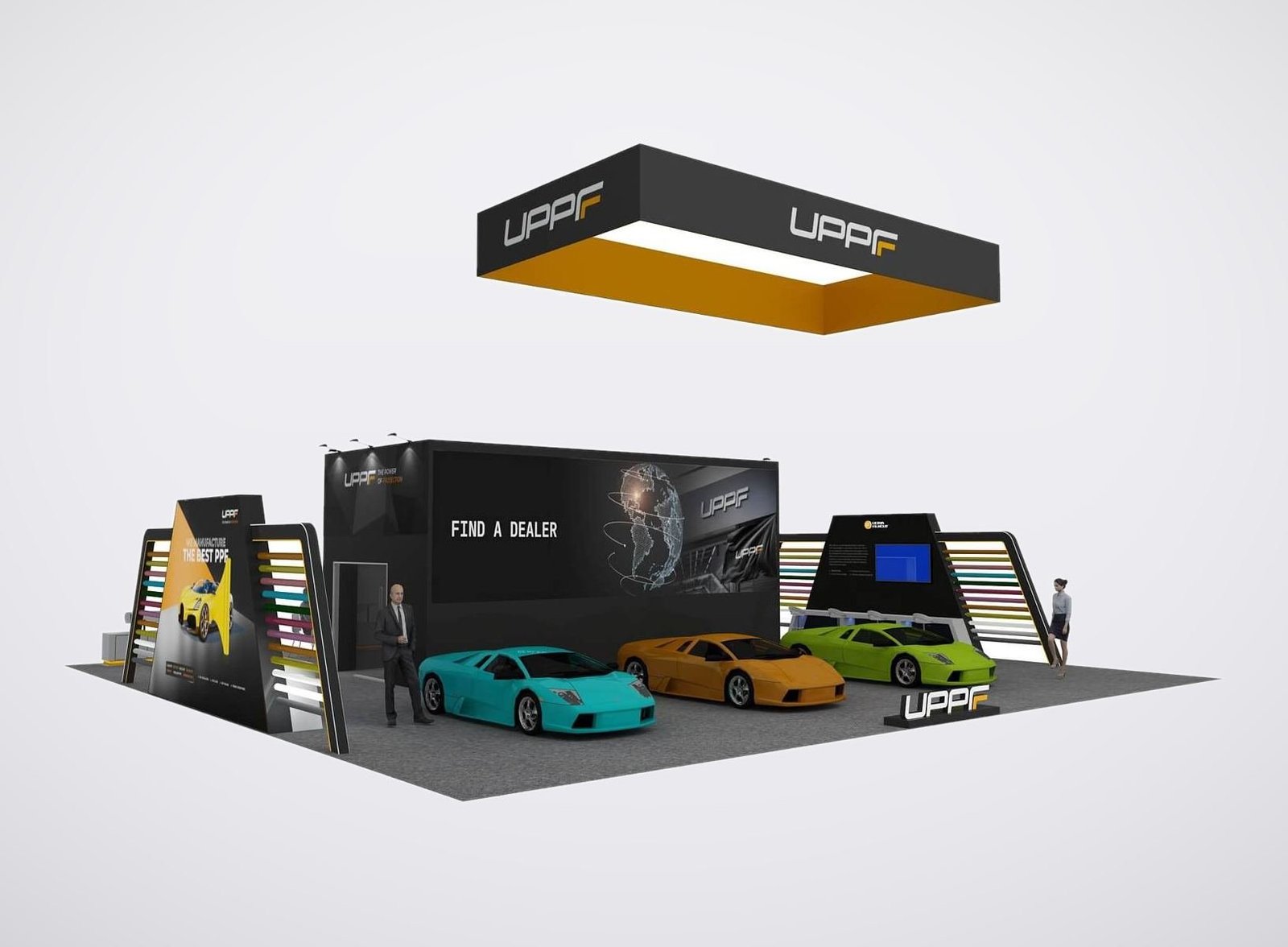
- Are the booth footprints consistently 10×20, 20×20 or another repeatable size?
- Do you alternate between inline, peninsula and island spaces?
- Will the same product family and demonstration remain important?
- Do different business units require different messages?
- Are the shows concentrated in one region or spread across the country?
- Does the program need simultaneous exhibits?
- How often will brand standards, graphics or product fixtures change?
A purchased 20×20 island has little reuse value if most later events are 10×20 inline spaces. A modular owned system may adapt, but only if the drawing, component inventory, graphics plan and packing method were designed for those smaller configurations. “Modular” is not proof of economical reconfiguration; ask to see the exact layouts and part counts. If your footprint changes across shows but you prefer rented components, compare modular trade show booth rentals against the actual layouts and part counts.
Rental is usually more useful when the calendar is uncertain, sizes change often, the company is testing a new U.S. market, or local inventory can reduce long-distance movement. Purchase becomes more credible when dates and footprints are stable, the exhibit expresses something hard to reproduce from standard rental components, and someone is accountable for keeping the asset ready.
Price Flexibility Instead of Treating It as Free
Flexibility has value, even though it does not appear as a physical asset.
With rental, you may be able to change the footprint, height, finishes or storage capacity from one show to the next. You may also source structure closer to each venue. That flexibility can prevent you from moving an unsuitable asset across the country or paying to modify it under a short deadline.
But rental flexibility has boundaries. The exact inventory may be unavailable on your dates. Repeated customization can make each rental nearly a new project. Late design approval may reduce the supplier's ability to reserve the required components. Ask which parts are guaranteed, when they are committed and what substitutions are permitted.
Ownership gives you more control over the physical system, but changes are not free. A new product, different booth orientation or updated brand can require new graphics, revised hardware, added crates, engineering review or shop labor. Price two likely future configurations before you call the asset flexible.
If reuse requires new physical components, review the in-house fabrication service for the custom pieces and shop work included in the comparison.
Identify the Work That Comes With Ownership
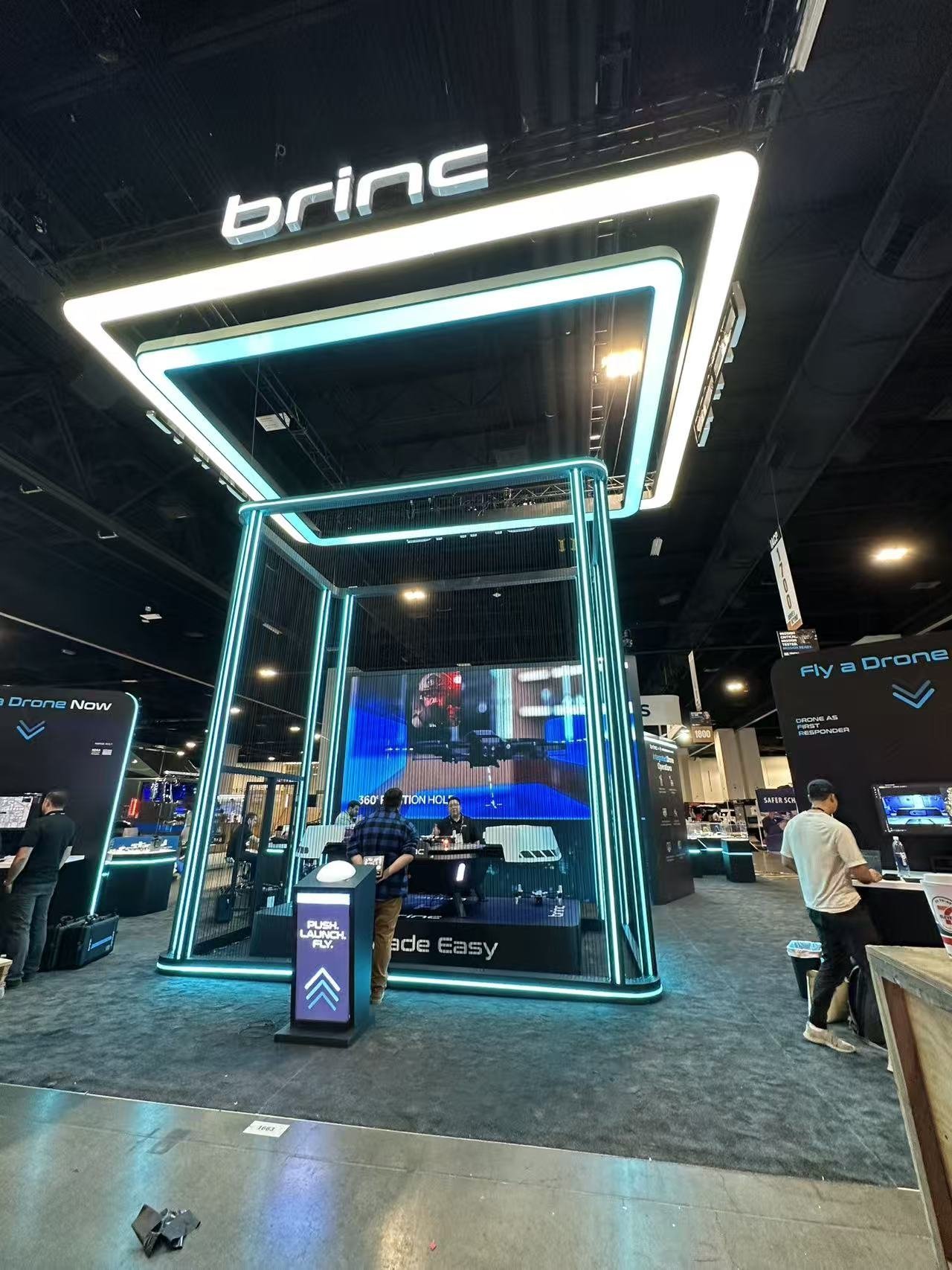
An owned display is not ready merely because it exists in a warehouse. Someone must manage its condition and completeness. For owned exhibit property between events, include trade show exhibit storage, inspection and release costs in the purchase model.
Before choosing purchase, name the party responsible for:
- receiving and documenting the exhibit after each show;
- checking structure, graphics, lighting, hardware and product fixtures;
- recording missing or damaged parts;
- approving and completing repairs;
- updating inventory drawings and crate lists;
- installing new graphics or product changes;
- selecting what ships to the next footprint;
- booking freight and verifying arrival windows;
- supporting the installation team when parts or drawings do not match;
- deciding when a component should be retired or disposed of.
Ask to see the storage and handling agreement, not just the monthly rate. Does receiving, inspection, photography, pull-and-prep work, forklift time, inventory management and repair labor cost extra? How are rush requests handled? Who can authorize work?
If your team cannot name an owner for these tasks, the purchase decision is incomplete. The asset may be yours, but operational control still belongs to whoever has the drawings, parts and time to prepare it.
Test Obsolescence Before You Buy
Exhibits can become obsolete before they wear out. Brand changes, product launches, screen formats, accessibility needs, new demonstration methods and different booth rules can make a structurally sound display less useful.
For a redesigned owned exhibit, use 3D exhibit design and engineering to check new dimensions and equipment interfaces before treating the old asset as reusable.

Separate short-life and long-life parts. A neutral structural frame may survive several programs. A shaped product cabinet built around one model, a wall with permanently integrated messaging, or a crate that fits only one configuration may not.
Ask three questions for every custom component:
- What change would make this part unusable?
- Can the visible surface or insert change without rebuilding the structure?
- In which confirmed future layouts does this part have a named job?
Do not buy a feature because it can theoretically be reused. Buy it because your current calendar gives it a credible second and third use.
Know When a Hybrid Exhibit Is the Better Answer
Rental versus purchase does not have to be an all-or-nothing choice. A hybrid can place ownership where it creates value and rental where it preserves flexibility. Compare hybrid trade show displays when your team will retain brand-specific parts but rent the size-dependent structure.
You might own:
- branded product fixtures that require an exact fit;
- demonstration equipment and approved safety enclosures;
- portable graphics or counters used at small regional events;
- custom lightboxes or samples that carry the core product story.
You might rent:
- the larger wall and overhead structure;
- furniture and appliances;
- local AV and lighting equipment;
- flooring that changes by footprint;
- components needed only for one large annual event.
Hybrid planning still needs clear interfaces. Confirm how owned pieces attach to rental structure, who receives and inspects them, what drawings the rental supplier needs, and who is liable if the interfaces do not fit on-site. Two suppliers sharing one booth can create a gap unless one project owner controls the combined drawing and schedule.
Use Scenarios Instead of a Universal Break-Even Number
There is no reliable rule that purchase becomes cheaper after a fixed number of shows. The answer changes with the asset, footprint, freight routes, modification rate, storage terms and useful life.
Build at least three scenarios over a realistic planning period:
| Scenario | What to model |
|---|---|
| Stable program | Same footprint, message and region across confirmed shows |
| Expected program | Most likely mix of sizes, cities, refreshes and product changes |
| Change case | One major size change, rebrand, product update or additional simultaneous show |
For each scenario, include acquisition or rental fees, recurring graphics, design changes, crates, freight, material handling, labor, storage, inspections, repairs and end-of-program treatment. Keep show-service costs that would be the same under both options visible, but do not let them distort the ownership difference.
Then compare more than the lowest total. Score each option on schedule risk, design control, adaptability, internal management load and consequence of a missed or changed show. A slightly higher modeled cost may be rational if it removes a risk your team cannot manage.
Ask Suppliers Questions That Expose the Difference
Give competing suppliers the same booth brief and show calendar. Then ask:
- Which exact components are rented, purchased or consumed?
- Which custom items remain our property after the event?
- Where will each component ship from and return to?
- What is excluded from the installed show-site total?
- What damage, loss, cleaning or refurbishment charges can apply?
- How is rental inventory reserved, and what substitutions are allowed?
- For purchase, what storage, inspection and pull-and-prep work is required?
- Show us the proposed system in our next two likely footprints. Which parts are reused?
- What happens if the show date, city, footprint or product changes?
- Who owns the drawings, graphics files, inventory records and custom fabrication?
- Who has final responsibility for the combined exhibit on-site?
- What must we decide, provide and approve by each deadline?
Do not accept “turnkey” as a scope. It describes convenience, not a standardized list of services. Ask for inclusions, exclusions, responsibilities and assumptions in writing.
A Practical Decision Pattern
Rental is usually the stronger direction when:
- you are testing an event or entering the U.S. market;
- the calendar, cities or booth sizes remain uncertain;
- design changes are likely between shows;
- you do not want to manage storage, inspection and repair;
- local sourcing can simplify execution;
- the exhibit relies mainly on adaptable structure and replaceable brand layers.
Purchase is usually the stronger direction when:
- several confirmed shows use compatible footprints;
- custom product integration or brand architecture is hard to reproduce;
- the company has an accountable exhibit owner and storage process;
- future configurations have already been designed and costed;
- the useful parts are unlikely to become obsolete with the next product or brand change;
- control of the exact physical asset matters more than frequent redesign.
Choose hybrid when the product-facing parts deserve ownership but the surrounding architecture benefits from local or show-specific flexibility.
These are decision patterns, not automatic answers. A stable calendar can still favor rental if owned-asset management is weak. A single flagship event can still justify purchasing a special component if it has a job elsewhere in the business.
Frequently Asked Questions
Is renting a trade show display always cheaper for one show?
No. A highly customized rental may carry design, graphics, labor, freight and one-time fabrication costs similar to a purchased solution. Compare the same installed scope and include return freight, damage terms and custom pieces. Rental's main advantage for one show may be avoiding long-term ownership obligations, not necessarily producing the lowest first invoice.
How many shows make buying a trade show display worthwhile?
There is no universal count. Model your confirmed and likely calendar with the same components, cities and footprints. Include storage, preparation, repairs, graphics changes, freight and eventual disposal. Purchase becomes credible when repeated use is real and managed, not when a generic formula says the acquisition price has been divided enough times. If several confirmed shows will share structure or graphics, review exhibit program management before treating each rental-versus-purchase decision separately.
Can we reuse purchased booth components in different sizes?
Sometimes. Ask for drawings and inventories for each expected configuration before buying. Check which components, graphics and crates carry over, what must be added, and whether the labor required to reconfigure remains practical. A supplier calling a system modular does not prove that your specific 20×20 design becomes a good 10×20.
Who owns custom graphics used on a rental exhibit?
The contract should say. Graphics are often produced specifically for the exhibitor even when the underlying structure is rented, but ownership, storage and reuse terms vary. Confirm who keeps them after the show, whether removal damages them, how they are packed and whether the next rental system accepts the same sizes.
Should an international exhibitor rent locally in the United States?
Local rental can reduce the distance traveled by common structure and provide access to crews familiar with U.S. show execution. It does not remove the need to ship products, approve drawings, review rules or coordinate custom parts. Compare local rental with shipping an owned exhibit using the exact cities, dates and scope in your calendar; do not assume distance alone settles the decision.
Make the Recommendation Auditable
Your final recommendation should show the exhibit components, ownership status, installed scope, show calendar, reuse assumptions, responsible parties and cost scenarios. Mark what is confirmed and what would change the answer.
That record matters because the cheapest-looking proposal can change as soon as the footprint, product or city changes. A good rental-versus-purchase decision does not predict the future perfectly. It makes the assumptions visible, gives every recurring task an owner and avoids buying an exhibit that your program cannot actually use or manage.