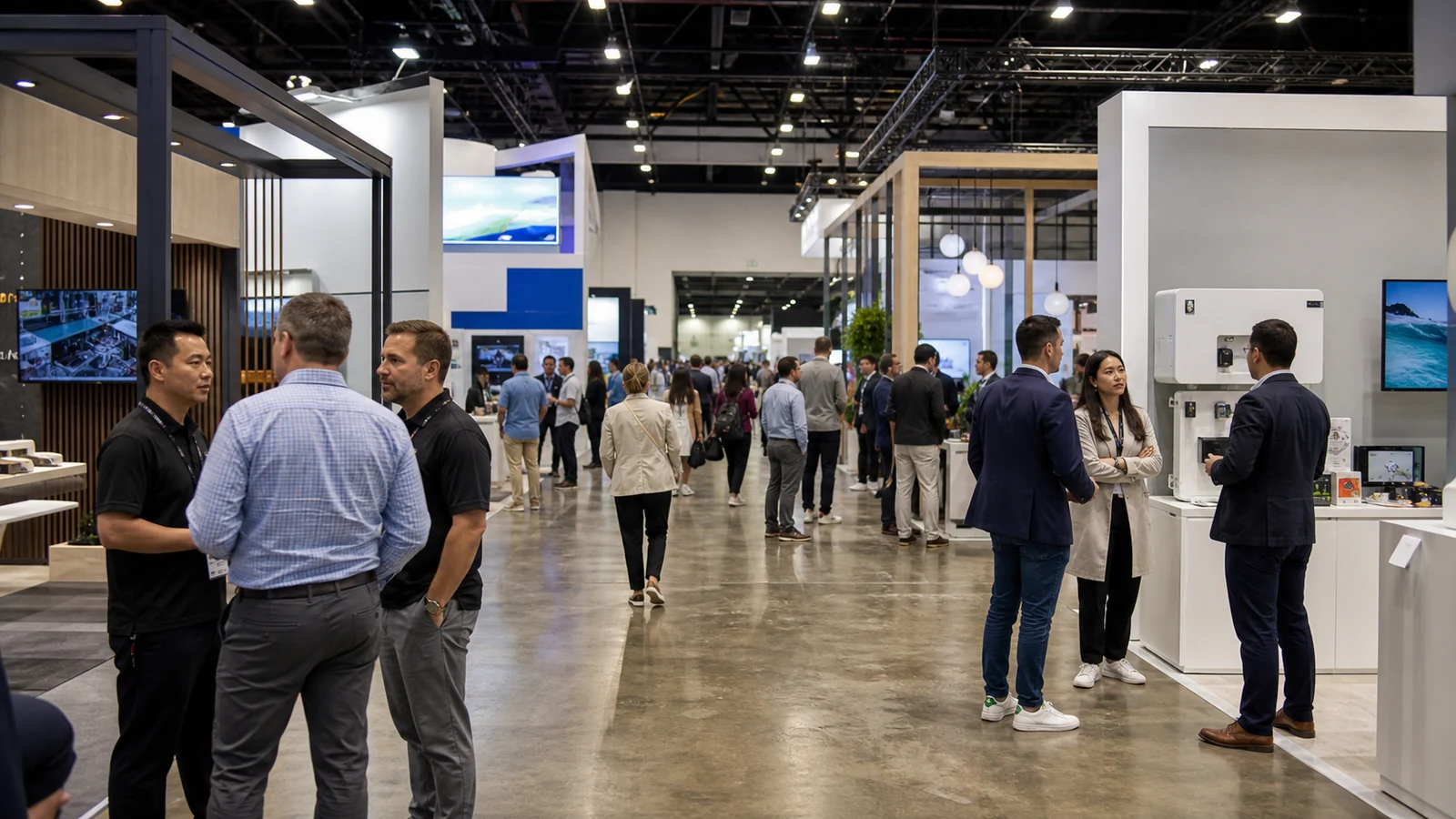
If you are comparing U.S. home trade shows, housewares shows, furniture markets, or garden-industry events, the show name alone rarely tells you whether the audience can buy your line. A mass-retail buyer, an independent gift-store owner, a kitchen designer, a builder, and a furniture showroom are all part of the market, but they evaluate different products and commercial programs. This guide compares 11 verified 2027 home and garden trade shows by the channel each one serves.
Choose the sales channel before the city
| Event | 2027 date | Location | Main commercial route |
|---|---|---|---|
| Lightovation | January 6–9 | Dallas, Texas | Residential lighting retailers, designers, specifiers, and sales representatives |
| Dallas Total Home & Gift Market | January 6–12; June 23–29 | Dallas, Texas | Gift, home decor, housewares, gourmet, floral, lighting, and independent retail |
| Atlanta Market | January 12–17 | Atlanta, Georgia | Gift, home decor, lifestyle, seasonal, and wholesale retail sourcing |
| Las Vegas Market | January 24–28 | Las Vegas, Nevada | Furniture, gift, home decor, retail, and interior-design sourcing |
| KBIS | February 2–4 | Las Vegas, Nevada | Kitchen and bath design, specification, retail, distribution, and remodeling |
| International Builders' Show | February 2–4 | Las Vegas, Nevada | Residential construction, builders, developers, dealers, and building products |
| The Inspired Home Show | March 9–11 | Chicago, Illinois | Home and housewares retail buyers |
| Hardlines Supplier Event | March 9–10 | Las Vegas, Nevada | Retailers and product teams sourcing hardlines, private label, factories, and inventions |
| High Point Market | April 10–14; October 23–27 | High Point, North Carolina | Furniture, furnishings, interior design, and showroom-based wholesale |
| Casual Market Atlanta | July 13–15; September 14–17 | Atlanta, Georgia | Outdoor furniture, shade, performance fabrics, and casual living |
| ICFF | November 14–16 | New York City | Contemporary design, furniture, lighting, materials, specifiers, and design press |
There are 11 event lines because KBIS and IBS run together but serve different buying conversations. Treating them as one show would hide the distinction a supplier needs to make.
1. Lightovation
January 6–9, 2027 | Dallas Market Center | Dallas, Texas

Lightovation is a specialist residential-lighting marketplace covering decorative and architectural fixtures, indoor and outdoor lighting, ceiling fans, controls, light sources, and connected systems. It is a stronger first choice than a general home show when lighting is your main category and the route depends on showrooms, retailers, designers, or representatives.
Visitors need to judge more than appearance. Photometrics, color quality, controls, dimming compatibility, certification, installation, finish consistency, replacement parts, and delivery all affect whether a line can be specified and supported.
Create viewing conditions that reveal the product honestly. Control ambient light where possible, provide representative color and materials, and make technical information easy to reach without turning the booth into a specification sheet. If the product needs a U.S. agency listing or a compatible control ecosystem, resolve that before asking the channel to carry it.
2. Dallas Total Home & Gift Market
January 6–12 and June 23–29, 2027 | Dallas Market Center | Dallas, Texas

The Dallas Total Home & Gift Market connects retailers and manufacturers across home decor, gifts, gourmet, housewares, accessories, floral, and lighting. Permanent showrooms and temporary exhibits make it a wholesale market rather than a conventional three-day expo alone.
It can suit brands building independent-retail and regional wholesale relationships, especially when buyers need to compare an assortment rather than a single invention. The January and June editions should not be treated as automatic repeat purchases; choose the buying season that fits product delivery and retailer planning.
Show how the collection can be bought. Organize hero products, price points, opening-order logic, case packs, merchandising, seasonal delivery, and replenishment. A visually rich booth may draw buyers in, but a coherent line and reliable order path determine whether they write business.
3. Atlanta Market
January 12–17, 2027 | AmericasMart Atlanta | Atlanta, Georgia
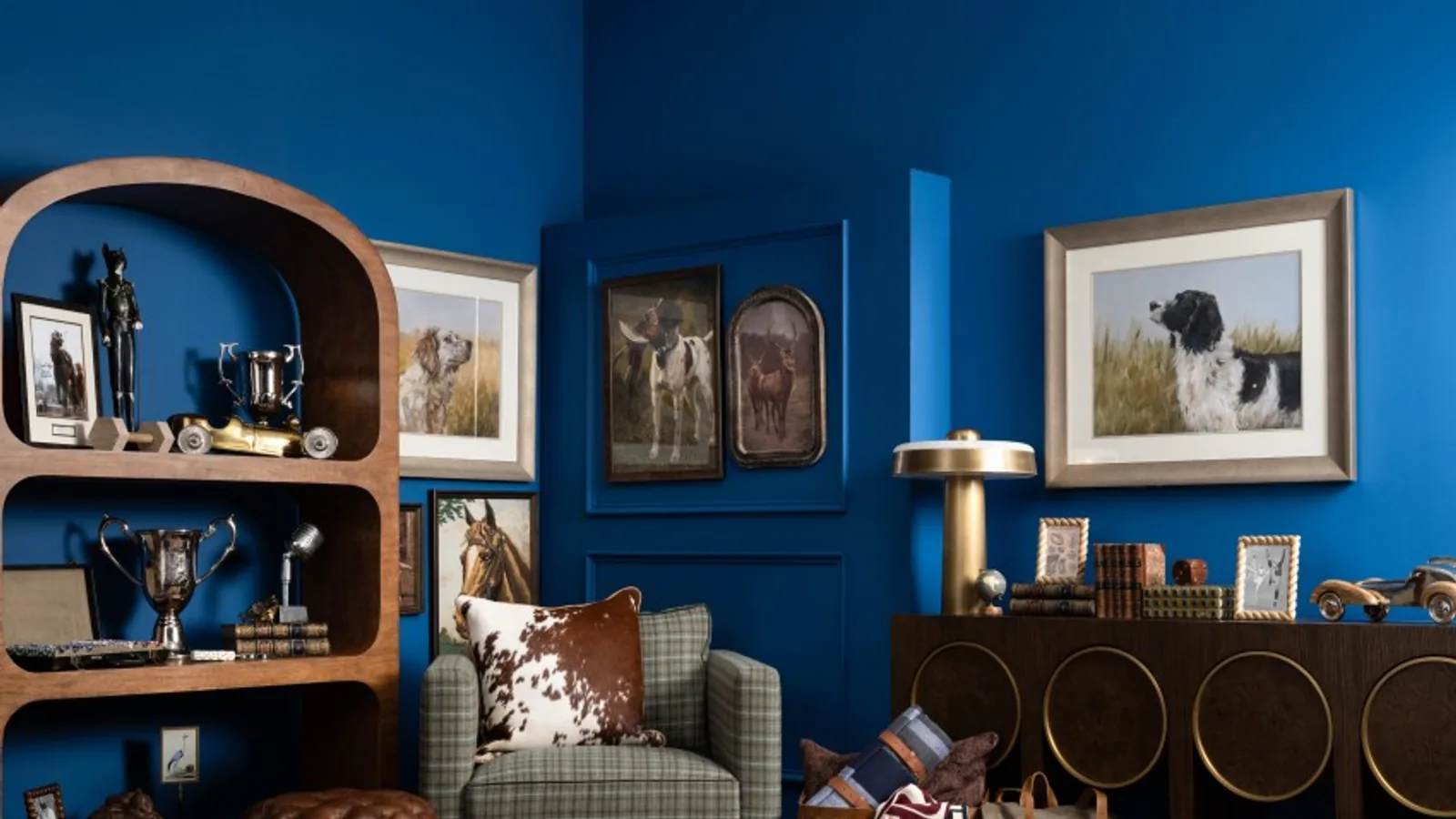
Atlanta Market is a large wholesale marketplace for gift, home decor, lifestyle, seasonal, housewares, and related categories. It reaches retailers and designers through a combination of permanent showrooms and temporary exhibits.
Atlanta is worth comparing with Dallas and Las Vegas when the product belongs in gift and home retail, when Southeast accounts matter, or when category presentation and seasonal buying are central. It is less suitable for a building system that requires contractor installation or technical specification.
Buyers cover a great deal of space, so the assortment must be easy to read. Make the category, price architecture, bestsellers, newness, order terms, and delivery window visible quickly. If you are entering the U.S. for the first time, prepare a realistic answer to where inventory sits and how retailers reorder after the show.
4. Las Vegas Market
January 24–28, 2027 | World Market Center | Las Vegas, Nevada

Las Vegas Market brings furniture, gift, and home-decor brands together with retailers, interior designers, architects, specifiers, and purchasing companies. Its cross-category environment is useful for lines that can sell through both furnishings and gift or decor channels.
The opportunity is discovery across categories; the risk is presenting a collection without a clear commercial home. A furniture brand, decorative-accessory line, seasonal assortment, and gift supplier do not need the same space or buyer story.
Decide which department or showroom context the line belongs in before choosing the display. Use room settings when scale, material, and coordination drive the decision. Use tighter merchandising when the buyer needs to assess assortment and price points quickly. Do not let a lifestyle scene hide dimensions, finishes, lead times, freight, or order terms.
5. KBIS
February 2–4, 2027 | Las Vegas Convention Center | Las Vegas, Nevada
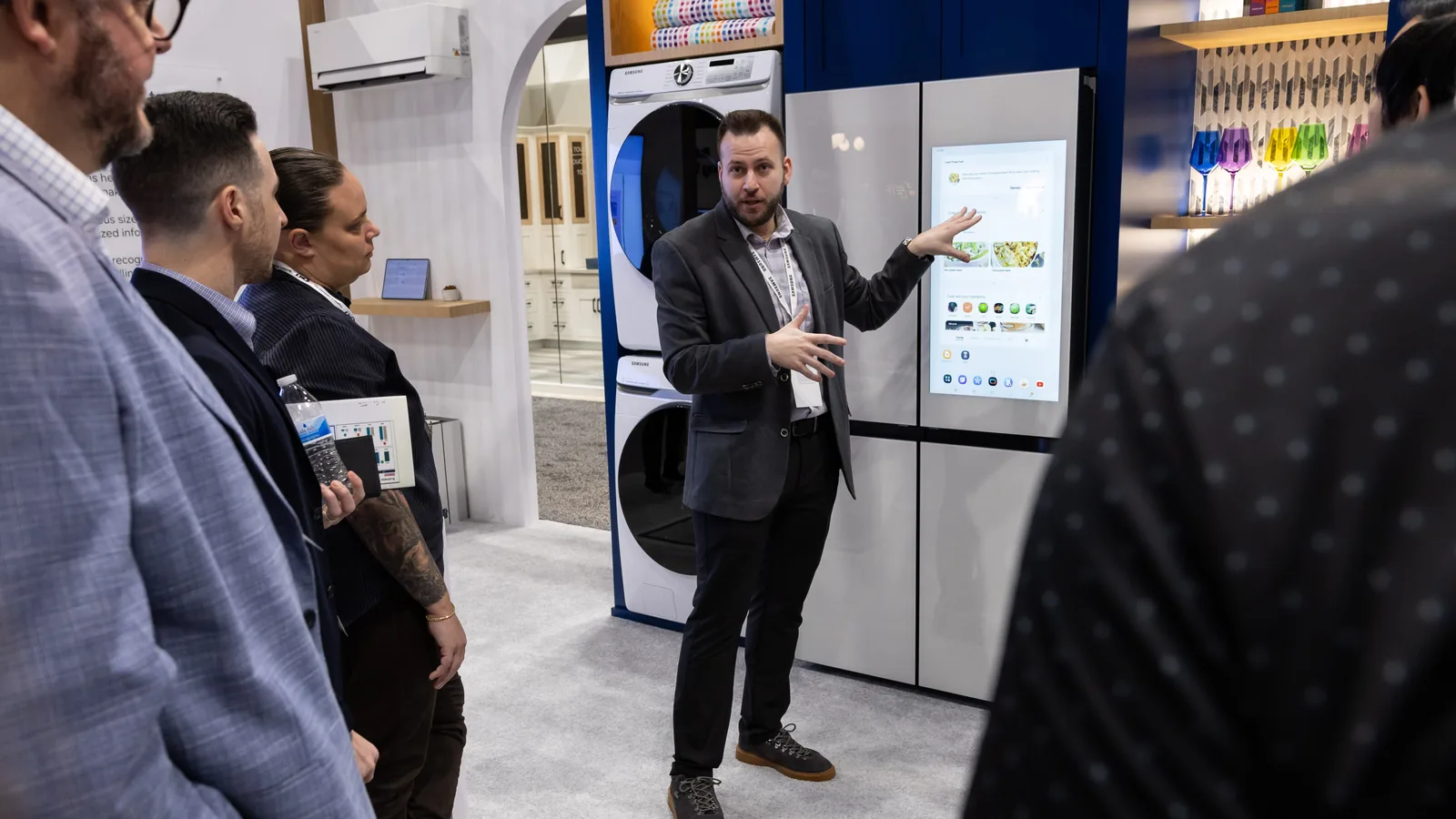
KBIS is the focused kitchen-and-bath event within Design & Construction Week. It brings manufacturers, distributors, retailers, designers, architects, specifiers, builders, and remodelers together around cabinetry, surfaces, plumbing, appliances, fixtures, storage, hardware, and connected-home products.
Place KBIS high on the list when the product is chosen as part of a kitchen or bath project. Design matters, but specification, installation, code, compatibility, cleanability, service, and supply continuity also shape the decision.
Show the product in a believable finished context and make the technical path available beside it. A dramatic kitchen can attract attention while still failing to answer how the item is installed, ordered, supported, or coordinated. If your product belongs to the broader building envelope or structure rather than kitchen and bath, compare the co-located IBS instead.
6. NAHB International Builders' Show
February 2–4, 2027 | Las Vegas Convention Center | Las Vegas, Nevada
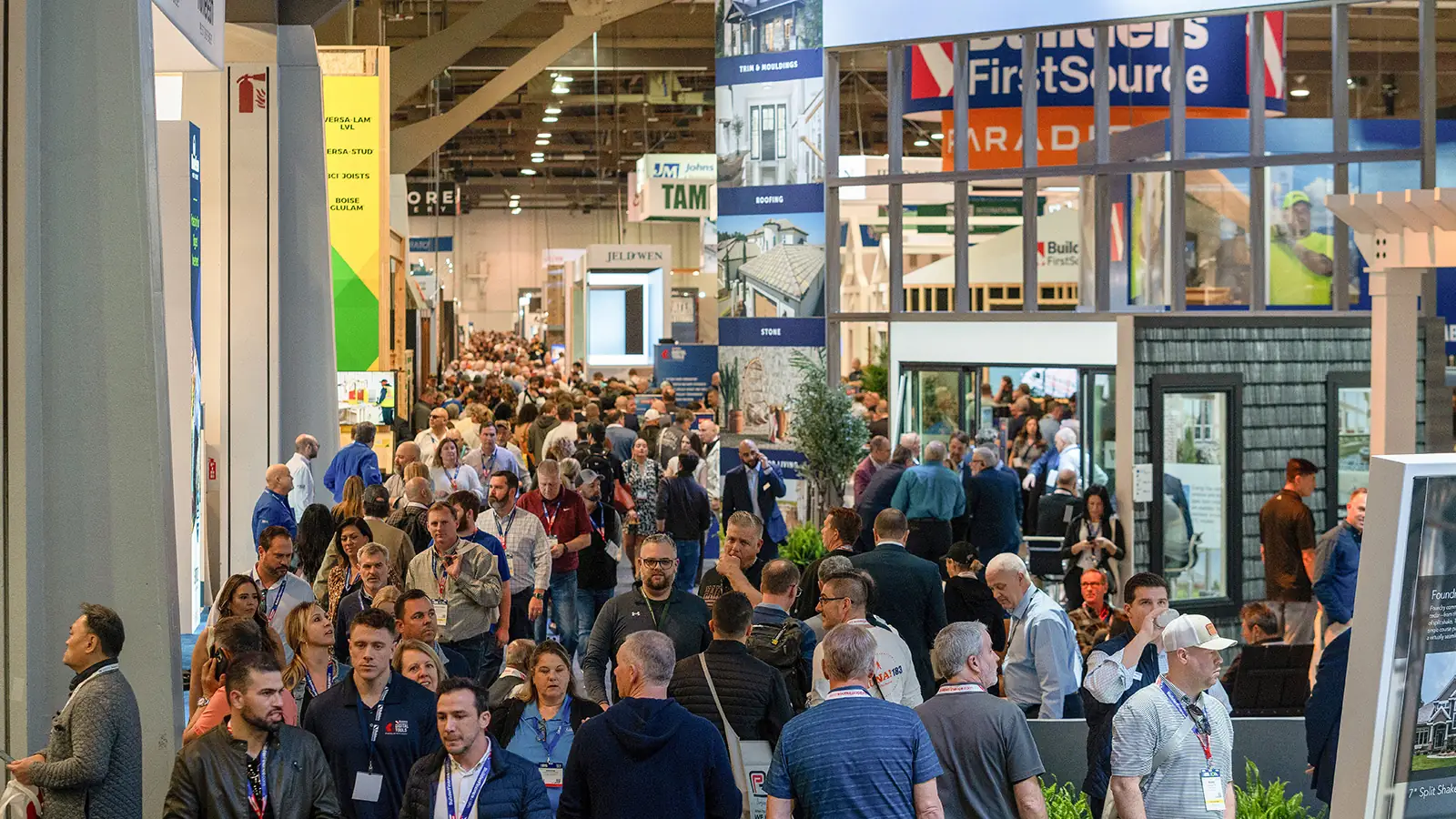
The International Builders' Show serves residential builders, developers, remodelers, dealers, architects, and construction professionals. It is broader than KBIS and includes building products, systems, tools, outdoor exhibits, construction technology, and solutions used across the home.
IBS is the better side of Design & Construction Week when your product affects construction, installation, productivity, building performance, or the builder's operating process. A decorative gift collection does not gain relevance simply because it is used in a home.
Translate the product into a project consequence: labor, schedule, installation steps, callbacks, code path, performance, warranty, or homeowner value. Builders need to see how it works on a real job. If the product is installed, include details and interfaces; if it is demonstrated outdoors, confirm the separate operational requirements early.
7. The Inspired Home Show
March 9–11, 2027 | McCormick Place | Chicago, Illinois

The Inspired Home Show is a major home-and-housewares marketplace connecting brands with retail buyers. Kitchenware, cookware, cleaning, storage, organization, home environment, small appliances, tabletop, and related consumer products can fit naturally.
This is a finished-product and retail-program conversation. A component supplier, architectural material, or project-only product needs a different route. Retailers want to know why the item earns space, how it fits the assortment, what the consumer understands, and whether the supplier can deliver.
Demonstrate the product in the task it improves. Then make wholesale price, packaging, case pack, shelf or ecommerce presentation, compliance, inventory, and launch support easy to evaluate. A clever demonstration draws a crowd; a credible retail program turns interest into a buying discussion.
8. Hardlines Supplier Event
March 9–10, 2027 | Las Vegas, Nevada

The former National Hardware Show website now redirects to the Hardlines Supplier Event. The 2027 event is positioned around connecting retailers, product-development teams, wholesalers, and distributors with global manufacturers, private-label partners, and inventors across more than 35 hardlines categories.
That change matters. Do not plan from an old article describing the previous National Hardware Show format. Investigate the current event when your objective is supplier sourcing, private label, product development, manufacturing capability, or bringing a hardlines product to retail.
A factory exhibitor should not cover the wall with every item it can make. Lead with the categories and manufacturing problems you solve, then show capability, quality controls, certifications, tooling or development process, MOQ range, packaging, and delivery assumptions. A buyer comparing global suppliers needs a reason to believe you can execute, not another oversized catalog.
9. High Point Market
Spring: April 10–14; fall: October 23–27, 2027 | High Point, North Carolina
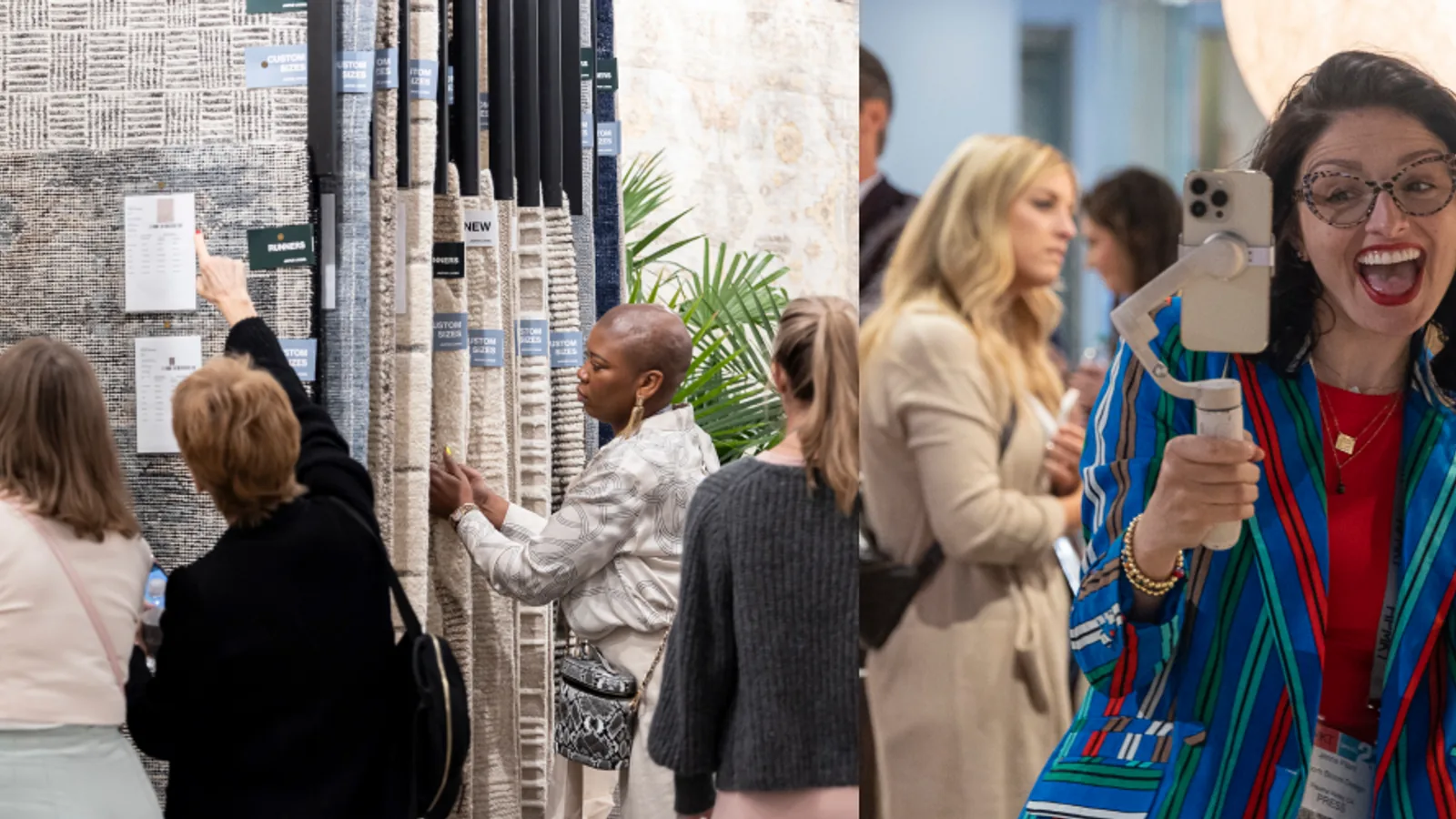
High Point Market is a trade-only furniture and furnishings market spread across showrooms and buildings throughout High Point. It serves furniture retailers, interior designers, buyers, and the broader home-furnishings channel.
It is the natural comparison for furniture, upholstery, case goods, rugs, lighting, decor, and collections that need to be experienced at room scale. It is not a compact expo where every buyer walks one hall. Location, appointments, showroom presence, and market navigation matter.
Treat the space as a selling showroom. Build coherent settings, leave room to examine construction and finishes, and provide line sheets, dimensions, customization, production, freight, and delivery information. Pre-market appointment work is essential; relying only on incidental traffic in a distributed market is a weak plan.
10. Casual Market Atlanta
Summer: July 13–15; fall: September 14–17, 2027 | AmericasMart Atlanta | Atlanta, Georgia

Casual Market Atlanta focuses on outdoor furniture and casual living, including performance fabrics, umbrellas, shade, poolside products, rugs, and related accessories. It is a better channel fit than a general garden show for products sold as outdoor living and furnishings.
Buyers need to assess comfort, scale, finish, weather performance, care, replacement, freight, and how a collection coordinates. A patio setting should therefore function as a product test, not only a photograph.
Choose the summer or fall edition around retailer buying cycles and your delivery capacity. If the products will not be available when buyers need them, showing early does not create an advantage. For landscape machinery, live plants, or irrigation systems, use a professional green-industry event instead.
11. ICFF
November 14–16, 2027 | Javits Center | New York City
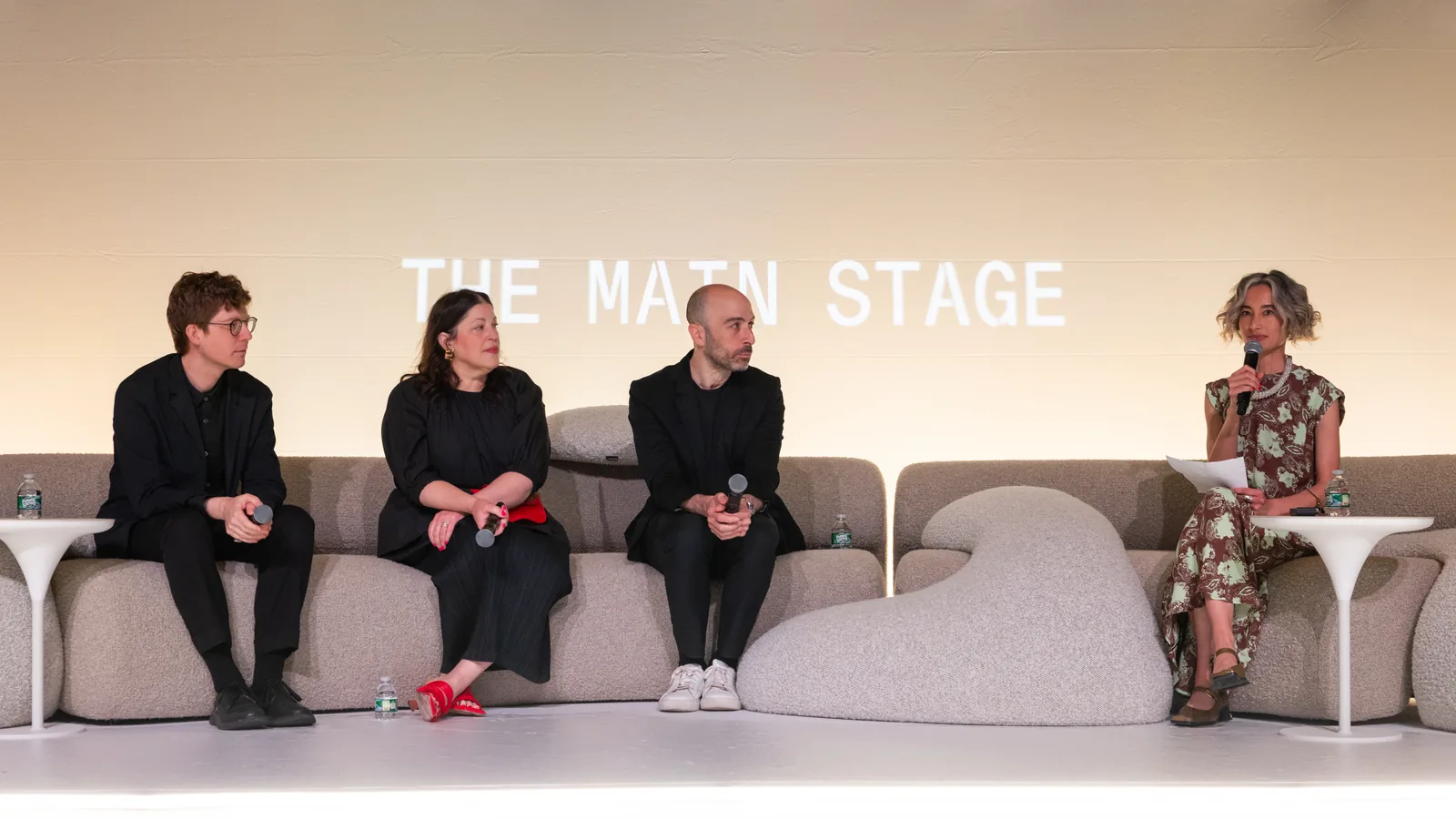
ICFF is a contemporary design fair connecting original furniture, lighting, flooring, textiles, wallcoverings, kitchen and bath, outdoor products, and materials with designers, brands, buyers, specifiers, and press. In 2027 it moves to November and runs concurrently with Boutique Design New York while remaining a separate event.
ICFF suits a design-led collection with a clear point of view and the production ability to support specification or retail follow-up. A generic commodity line will find it difficult to compete on presentation alone.
Show enough context for visitors to understand the design, then expose the details that allow specification: materials, dimensions, finish options, customization, lead time, testing, pricing route, and project support. Press attention can help, but the exhibit still needs a commercial path after the photograph is taken.
How to narrow the list
If you sell housewares, start with The Inspired Home Show. If your route is gift and home retail, compare Atlanta, Dallas, and Las Vegas markets based on accounts, season, and category. Furniture and design-led collections should compare High Point and ICFF. Kitchen and bath products belong at KBIS; broader residential building products belong at IBS. Outdoor furniture belongs at Casual Market, while lighting deserves Lightovation. Hardlines and private-label factories should investigate the newly positioned Hardlines Supplier Event rather than relying on outdated National Hardware Show assumptions.
Do not buy every event that mentions “home.” Write down the ten U.S. accounts you want, the buyer or specifier role, the season in which an order must be placed, and the proof the visitor needs. The shortlist should get shorter as those answers become specific.
Frequently asked questions
Can a product without final U.S. certification be displayed?
Displaying a prototype and offering a product for sale or specification are not the same, and the applicable rules depend on the product. Confirm the organizer, venue, insurer, and relevant U.S. requirements before the show. Label a nonfinal sample accurately and do not imply that approval, listing, or market availability already exists.
Should wholesale price and minimum order be visible in the booth?
They should be easy for qualified buyers to obtain, even if they are not printed on every display. Use a clear line sheet or buyer portal with price level, opening order, case pack, terms, and availability. Hiding basic commercial information until a later call adds friction; displaying one oversimplified price can also mislead when freight, customization, or channel terms differ.
When is a permanent showroom better than a temporary exhibit?
A permanent showroom can make sense when the market is a repeat buying center, the line is broad enough to maintain year-round, and representation, appointments, samples, and follow-up are already supported. A temporary exhibit is safer for testing a market or season. Compare the full annual operating commitment, not only the rent per square foot.
How should fragile or one-off samples be protected?
Use reusable fitted crates, document packing order, and carry spares for small failure-prone parts, finishes, lamps, controls, and hardware. Decide who may touch each item and what can be repaired locally. If the only working sample is irreplaceable, design the presentation so product handling does not put the entire launch at risk.
When can a market visit be more useful than exhibiting?
Visit first when you still need to compare showroom locations, representatives, category neighbors, buyer traffic patterns, price architecture, or the season in which your target accounts buy. A structured visit should include prearranged account meetings and a written decision test; walking the halls without those questions produces impressions, not a market decision.
Final judgment
The home and garden market becomes easier to navigate when you stop treating “home” as one audience. Choose retail, specification, construction, furnishings, lighting, outdoor living, or supplier sourcing first. Then select the event whose format and season make that commercial conversation possible.
Before reserving space, recheck the official dates, admission rules, showroom or exhibit format, freight, and participation terms. If you need to turn the selected channel and product story into a practical U.S. exhibit, King Exhibits can help plan and deliver the booth.