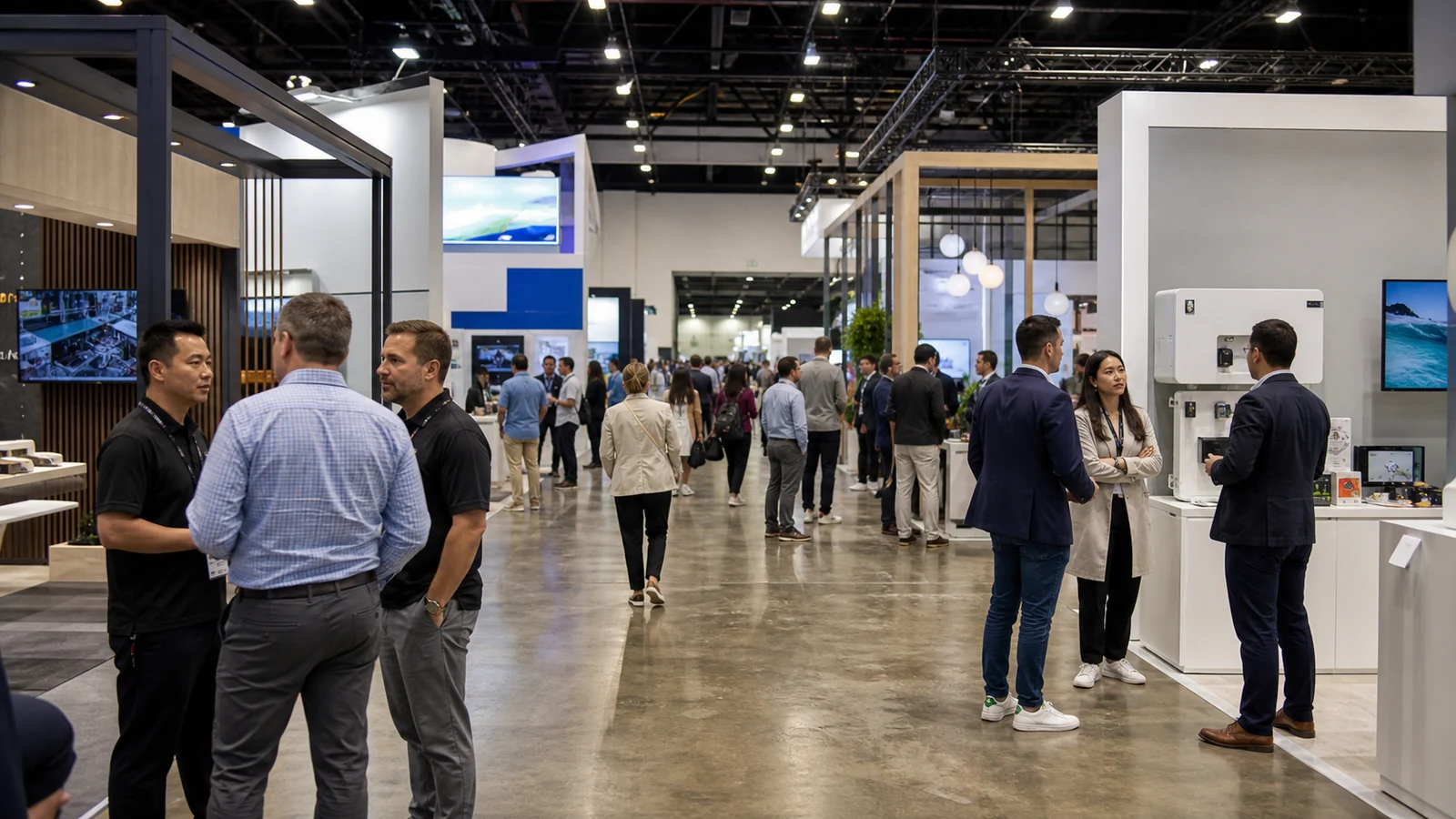
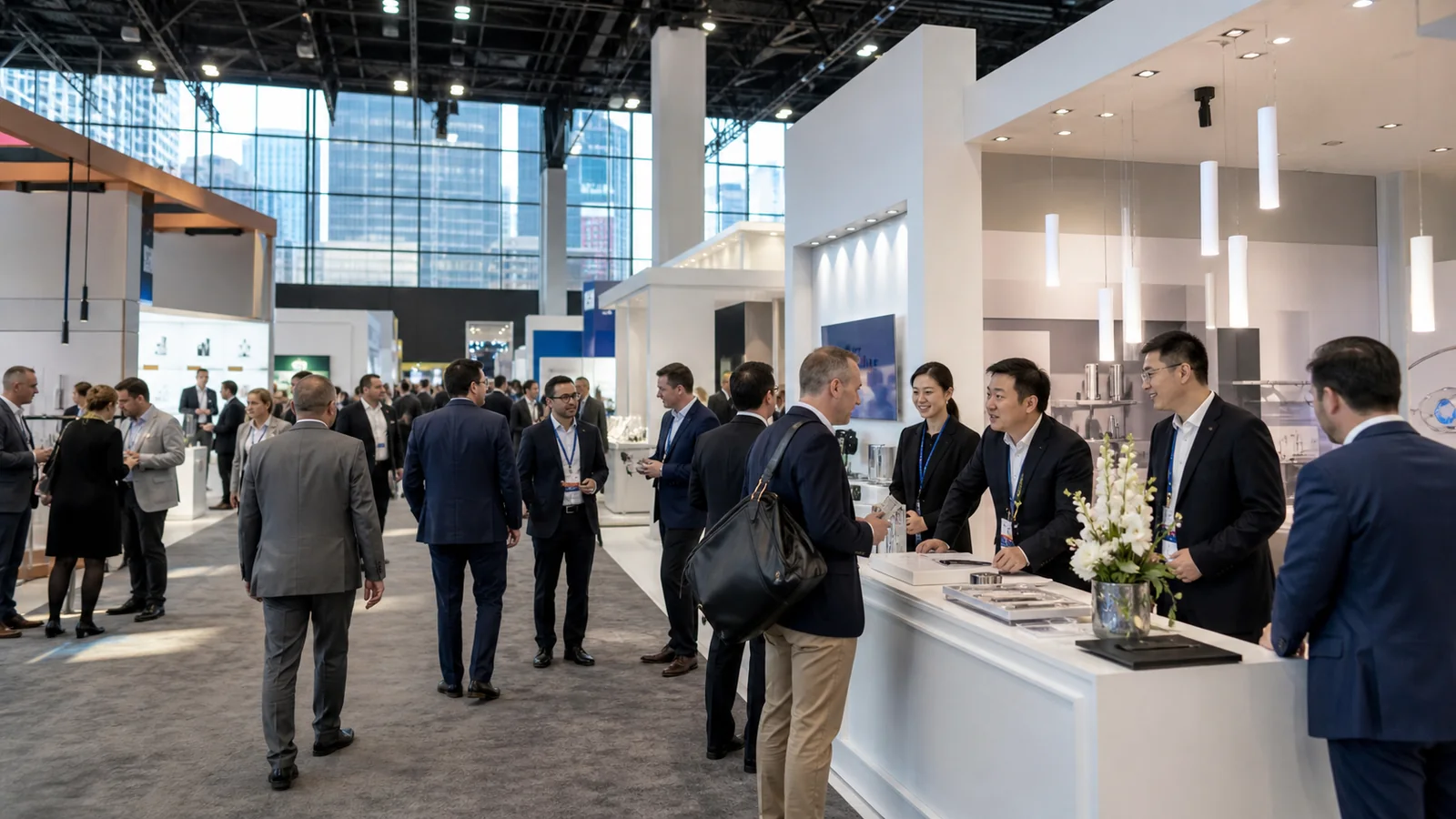
Your booth can look finished in the rendering and still fail on show day if the freight label, power plan or move-out paperwork does not match the actual venue process. These ten trade show mistakes create rush labor, missed demonstrations and avoidable handling charges. Each can be found early by checking the exhibitor manual against the final booth, shipping and operating plans.
1. Shipping to the Venue Instead of the Correct Receiving Point

The public address on your convention center's website is rarely a complete shipping instruction. Your show may use an advance warehouse before move-in and a separate direct-to-show address during a limited receiving window. Each label can require the event name, your exhibiting company and booth number.
If your carrier arrives outside the assigned window, it may wait, be redirected or miss the receiving process. Even a small parcel can become difficult when your team is not allowed to carry it through a public entrance.
Copy the current label and dates from the service manual. Decide whether each shipment goes to the advance warehouse or direct to show, then give the carrier the target time, onsite contact and proof-of-delivery requirement. Do not reuse a label from the previous edition.
2. Ordering Power Too Late—or Marking It in the Wrong Place

Electrical service is not complete when someone orders “one outlet.” The provider needs the load, voltage, connection type and drop location. Equipment may also require dedicated circuits, overhead distribution or labor to connect it.
If the order is placed after the drawing is frozen, the cable can cross a visitor path or the drop can land behind the machine. Moving it onsite costs time and may require another service call. An underestimated load can trip the circuit during the demonstration.
Before you submit the floor plan, create an equipment schedule that records each device, its volts, amps or watts, plug type, operating position and simultaneous load. Mark every drop on your utility plan and reconcile it with the final layout before the discount deadline.
3. Paying for a Corner Booth and Then Blocking the Second Opening
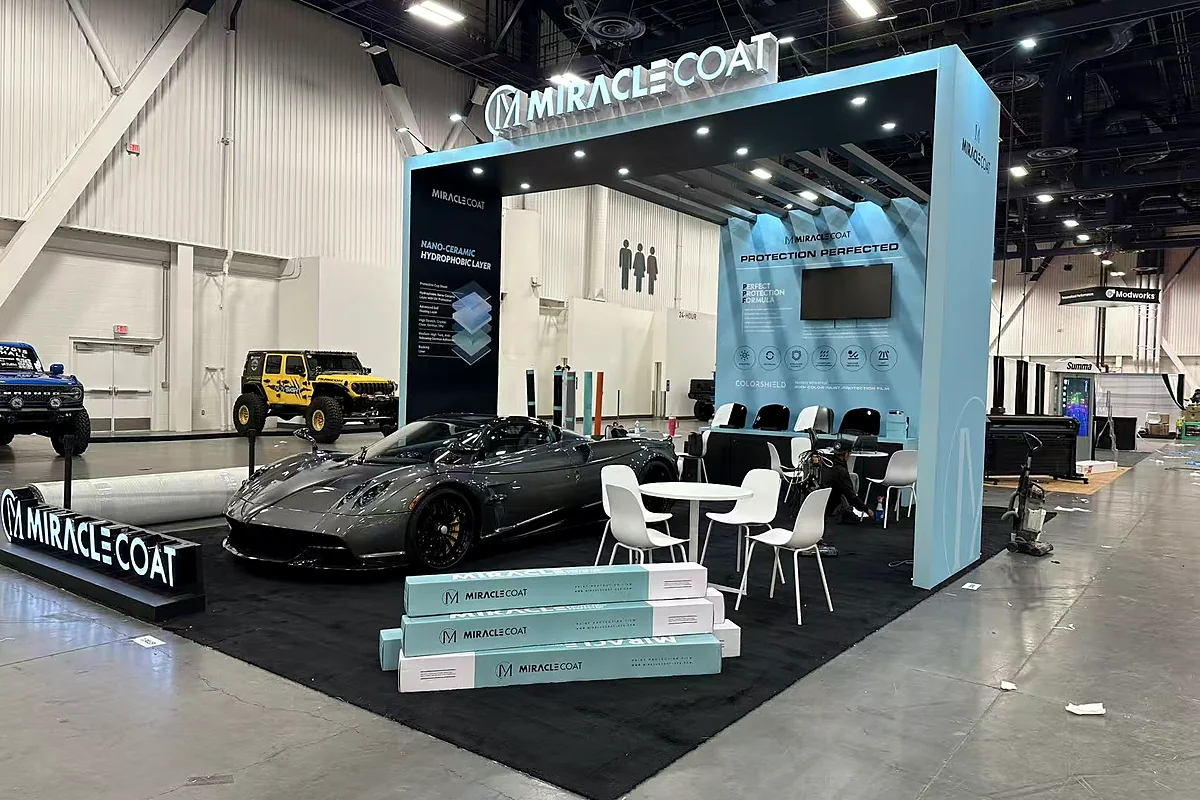
A corner premium has a clear purpose only when visitors can see or enter through the second side. If a wall, counter or queue closes that edge, compare the same layout in a lower-cost inline space before contracting.
The full location decision—including traffic routes, neighbors, sightlines and operating fit—is covered in How to Select the Best Trade Show Booth Location.
4. Leaving Storage Out of the Floor Plan
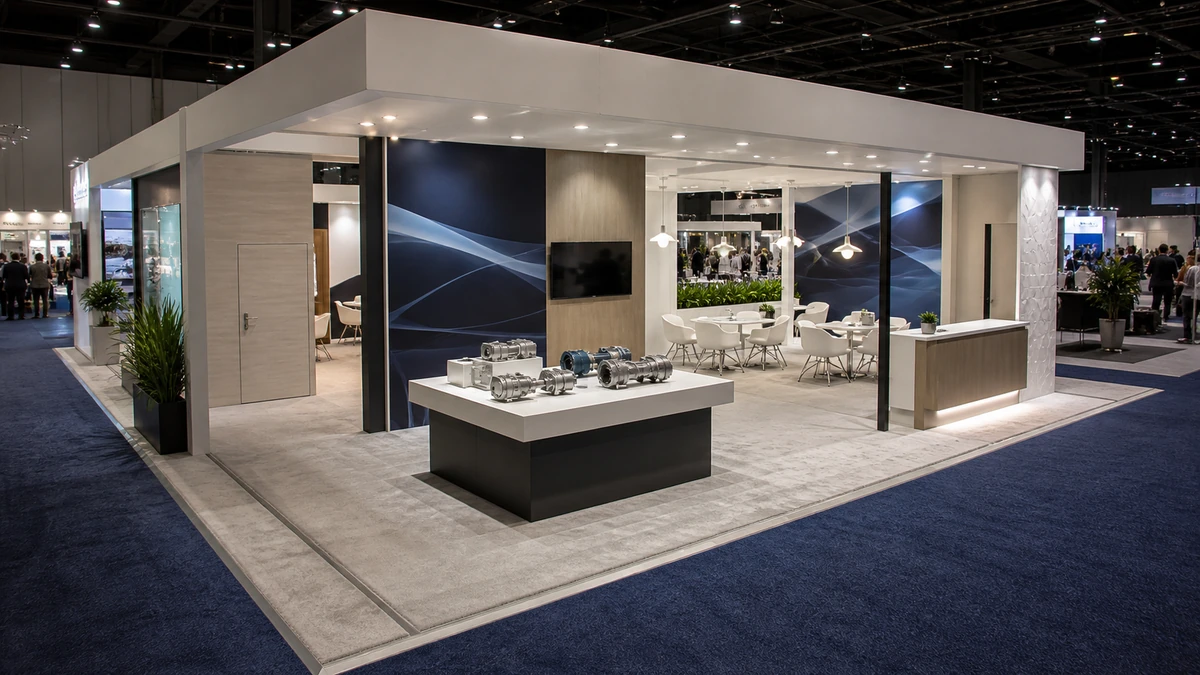
Brochures, spare samples, staff bags, cleaning supplies, water, packaging and lead-capture devices do not disappear from your booth on opening morning. Without planned storage, they move behind the reception desk, under tables and into your product display.
A useful storage estimate begins with the daily operating inventory, not the largest closet the design can hide. List what must remain in the booth, what can be replenished from offsite and what should never travel to the show. Then assign shelves, locked storage and a staff-only access route.
Storage doors need clearance. A closet technically included in the drawing is not usable when a visitor chair or demonstration group stands in front of it.
5. Designing Graphics Before Confirming Booth Orientation
A strong backwall can still face the wrong traffic. The risk is highest when your space is a corner, peninsula or island, because the booth number alone does not reveal which sides are open or where neighboring walls will stand.
Before final artwork, mark the north arrow or fixed hall reference, every open side, adjacent booth heights, columns and the likely attendee approaches. Place the logo, main message and hero product on the views people will actually receive. Check the reverse and side surfaces that become visible from open aisles.
If the organizer can relocate the booth, build enough flexibility into segmented graphics to swap the primary view. A single continuous graphic designed for one orientation is harder to rescue.
6. Treating Drayage as an Unimportant Freight Detail
The carrier gets your shipment to the warehouse or venue. Material handling—often called drayage—moves your freight between the receiving point and the booth, stores approved empty containers and returns them after closing under the show's service rules. The exact inclusions and rates come from the event's service kit.
Weight, packaging, arrival timing and special handling can change the charge. Several loose pieces are harder to track and may cost more to handle than a planned skid or case. Sending extra product “just in case” also increases the shipment that must be moved and removed.
Request an estimate using the actual packed weight and piece count. Consolidate where it protects the product, label every unit, photograph the shipment and keep the bill of lading. Compare advance-warehouse and direct-to-show options using both transportation risk and material-handling terms.
7. Arriving Without an Empty-Container Plan
At many U.S. shows, shipping crates and cases cannot remain behind the booth after unpacking. The current service manual explains whether the contractor stores and returns approved empties. Large halls can take time to release those containers after closing.
Keep an inventory of every crate and case before it leaves the booth. Remove the items needed during the show, secure small valuable cases as allowed, and attach the correct empty labels. Staff should know which case contains tools, product restraints and repacking material for move-out.
Do not send essential operating supplies into empty storage by accident. Once the container leaves the floor, quick access may not be possible.
8. Building a Demo With No Useful Backup
Even a well-rehearsed live demonstration can fail when your venue internet slows, a consumable runs out, a sensor is damaged in transit or the displayed product needs a reset. A silent screen that says “the demo is down” wastes the visitor who already stopped.
Design a backup that preserves the buying discussion. Software can use a local environment or recorded workflow with sample data. Machinery can pair a short process video with physical input and output samples. A tasting program can hold reserve product under the approved storage conditions. The backup should prove the same point as the live experience, not become a generic corporate video.
Test the changeover before travel. Staff need to know when to stop troubleshooting in public and move to the backup without losing the visitor.
9. Using Furniture That Is Too Large for the Conversation
Furniture can fit neatly on your empty drawing and still block the booth in use. Once chairs are pulled out, people stand behind them and bags appear, the same table can consume your visitor path.
Match furniture to the duration and privacy of the discussion. Short qualification may need a narrow counter and standing position. A scheduled technical meeting may justify seating. A 10×10 booth rarely benefits from a lounge arrangement that reduces the product and entry to the leftover space.
Draw chairs in the occupied position and add circulation behind them. Check sightlines at seated and standing height. If the meeting requires real privacy, use a larger booth or separate meeting space instead of building a crowded imitation of a conference room.
10. Treating Move-Out as “Pack and Go”

When your show closes, empty containers must return, products must be packed, utilities disconnected as required, and an outbound bill of lading or material-handling agreement completed. Your carrier needs the correct pickup location, booth or shipment reference, contact and deadline. Some shows apply a forced-carrier process when freight remains after the published cutoff.
Assign one move-out owner before the event. That person checks the manual, confirms the carrier, retains labels and documents, records piece count and weight, and stays until the shipment has been accepted into the outbound process. Photograph the packed units and keep copies of signed paperwork.
Return freight and disposal should be decided before anything ships to the event. Waiting until closing afternoon leaves the team making expensive decisions while labor and carrier clocks are already running.
A 10-Point Execution Check
| Before move-in, can you answer… | Status |
|---|---|
| Which shipments go to the advance warehouse and which go direct? | |
| Are power loads and drop locations matched to the final floor plan? | |
| Does every paid open side remain usable? | |
| Where do daily supplies, reserve product and staff items go? | |
| Are graphics approved against the confirmed orientation? | |
| Is material handling estimated from actual packed weight and pieces? | |
| Are empty labels, case inventory and repacking tools planned? | |
| Can the demonstration continue with a useful backup? | |
| Has furniture been tested in its occupied position? | |
| Does one owner have the outbound carrier plan and paperwork? |
Frequently Asked Questions
Should trade show freight go to the advance warehouse or directly to the venue?
Use the advance warehouse when the shipment can arrive within its published window and you want it received before targeted move-in. Direct-to-show may suit late, oversized or specifically scheduled freight, but the carrier must meet the assigned receiving window. Compare the current show's dates, rates, handling terms and product risk; never ship only to the public venue address.
What is drayage at a trade show?
Drayage is the show-site material-handling service that moves freight between the official receiving point and the booth and commonly includes storing and returning approved empty containers. It is separate from the carrier that transports freight between cities. Rates and inclusions vary by event, shipment weight, packaging and arrival conditions.
What should be included in a backup demo?
Preserve the same customer decision as the live demonstration. Use a local software environment, a short recorded machine cycle, physical before-and-after samples, spare consumables or another tested method that proves the product point. Include the staff transition: who switches, where files or samples are stored and how the live demo is taken safely offline.
What paperwork is needed for trade show move-out?
At minimum, confirm the event's outbound material-handling form or bill of lading, carrier details, pickup location and deadline, booth/shipment reference, piece count, weight, destination and onsite contact. The current exhibitor manual controls the exact forms. Keep signed copies and photographs of the packed shipment.
Send Us the Execution Document You Want Checked
Send us the final floor plan, electrical plan, freight instructions or move-out schedule. We will check where the exhibit conflicts with the show's operating requirements before the crew reaches the hall.
Contact Kingexhibits to discuss the project.