


Choose the Rental Exhibit Format by What Buyers Need to Examine
• Group touchable samples by cruise application, not color alone.
• Plan equipment demonstrations around operating space and visitor actions.
• Show digital services through one recognizable cruise workflow.
• Connect destinations and ports to a clear itinerary decision.
A Seatrade Exhibit Planned Around Cruise-Line Sourcing Questions
Seatrade Cruise Global brings many parts of the cruise supply chain into one event. The same aisle can place ship equipment beside interior materials, hotel operations, technology, food and beverage, entertainment, wellness, safety, logistics, ports and destinations. A general “cruise solution” message is rarely enough. Buyers need to see where an offer belongs, what they can evaluate now and who can answer the next question.King Exhibits starts with the assigned stand and an evidence register. The register lists every product, sample, model, screen or experience; its size and operating state; the approved claim it supports; and the visitor action it should produce. A meeting register then identifies quick walk-up conversations, scheduled buyer meetings, product specialists, partner representatives and the information that must be captured for follow-up.Those records guide the floor plan and 3D direction. Rental walls, counters, lighting, graphics, screens, meeting positions and storage are selected after the display and conversation needs are visible. A compact stand may focus on one sample family or demonstration. A larger island or pavilion may need several offer zones, shared orientation and private commercial meetings without losing one clear brand story.The rental exhibit and Seatrade participation are separate purchases. King’s proposal names the rental components, graphics, selected custom interfaces and project support it offers. Stand space, registration, organizer approvals, official material handling, venue utilities, labor and other controlled services remain outside that scope unless the accepted proposal expressly assigns a coordination task.
Organize Each Display Station Around a Cruise Procurement Decision
Products from different sectors can share one exhibit only when each station has a distinct buyer, evidence set and next action.
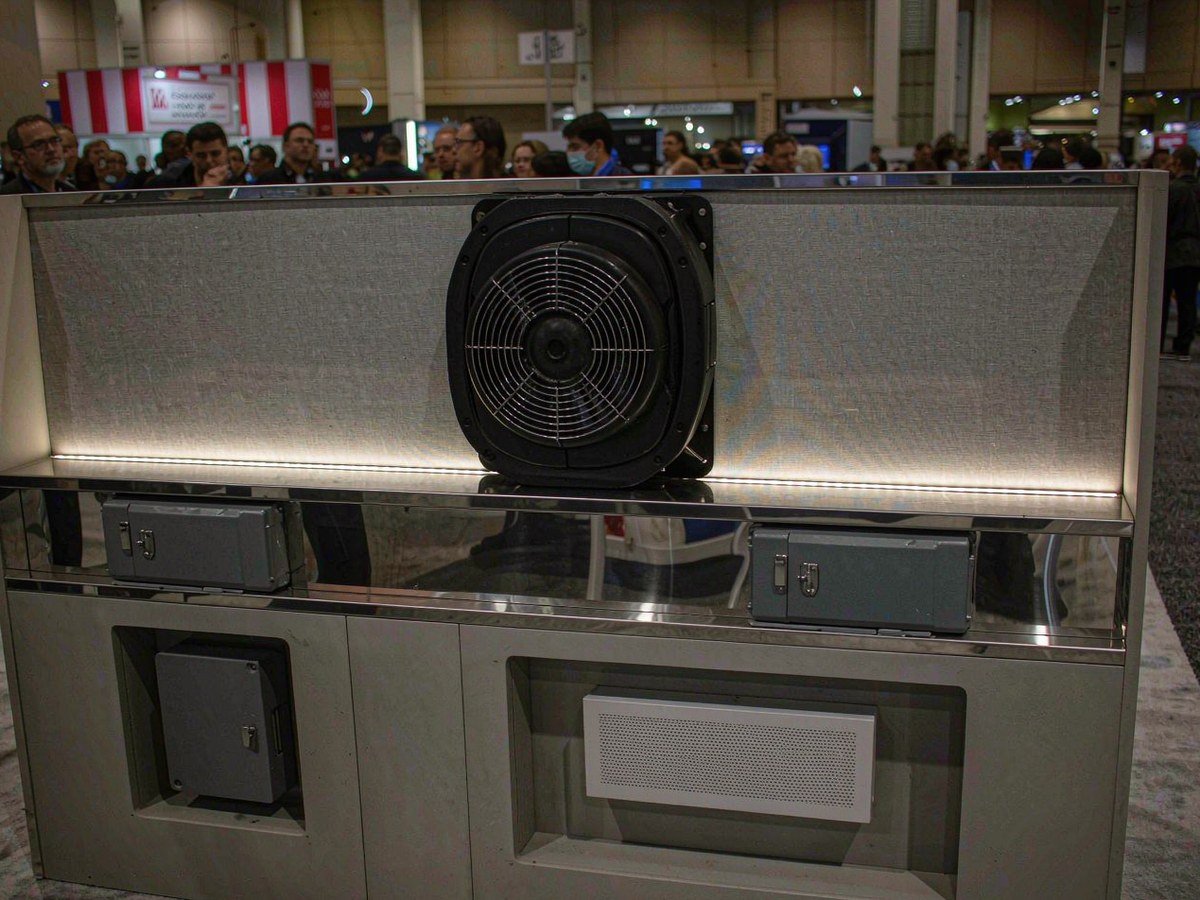
Show the installed context, product interface or finish relationship. Keep inspection and service sides accessible, place approved technical information close to the physical item and reserve detailed specification questions for the right product specialist.
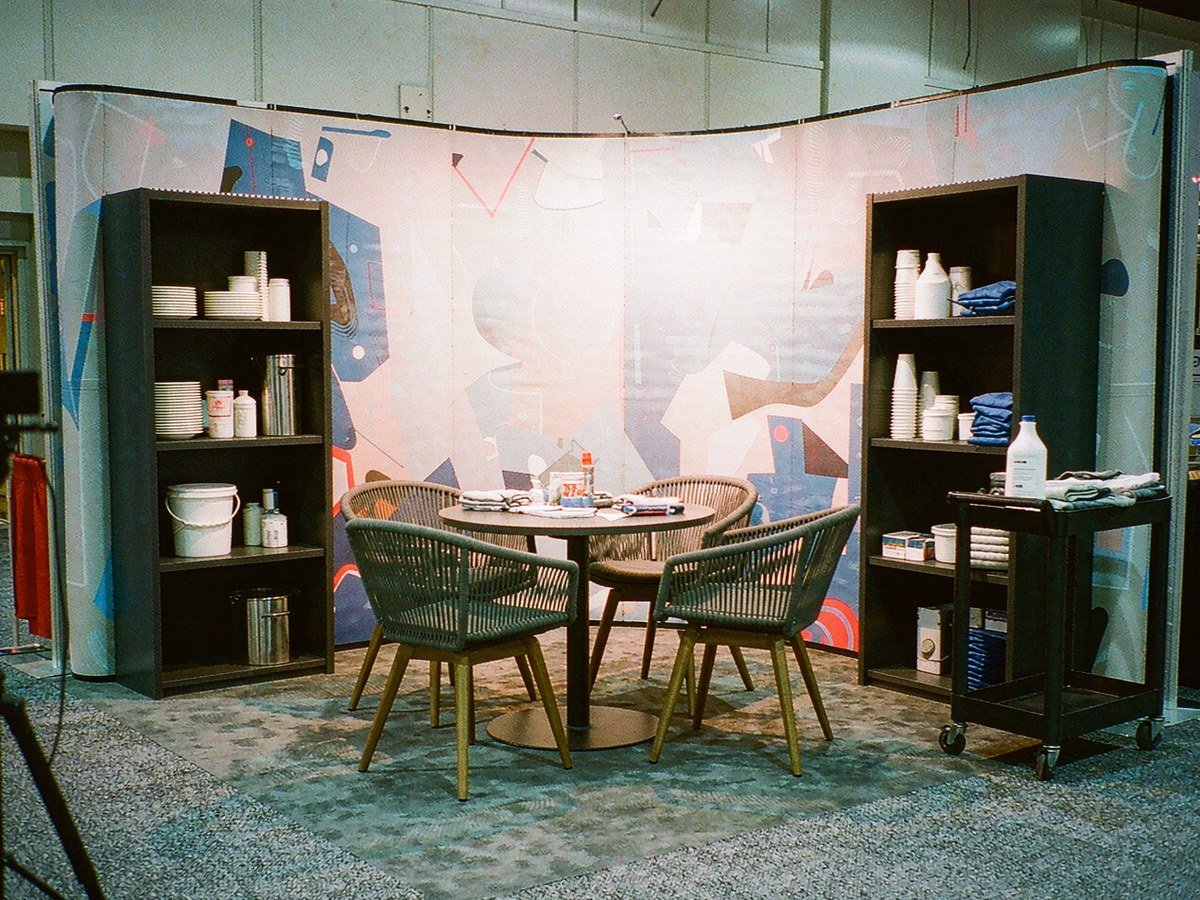
Connect food, beverage, retail, wellness, entertainment or onboard-service products to the guest or crew moment they change. Plan safe sample handling, replenishment, cleaning, demonstrations and any required approvals from the current event documents.
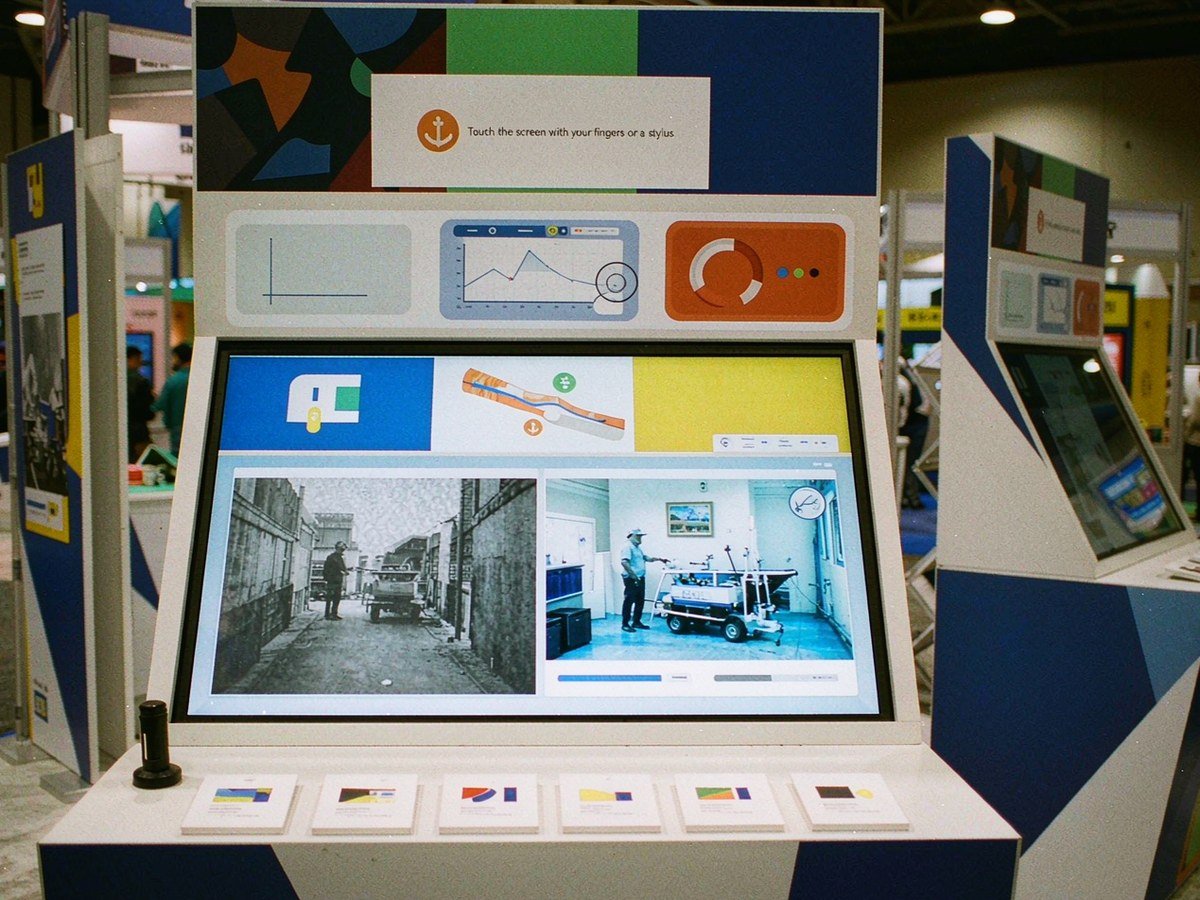
Frame software, communication, logistics, environmental, public-health or safety systems around one operational task. Define what the visitor will see, which device or connection it needs and what evidence the exhibitor is authorized to discuss.
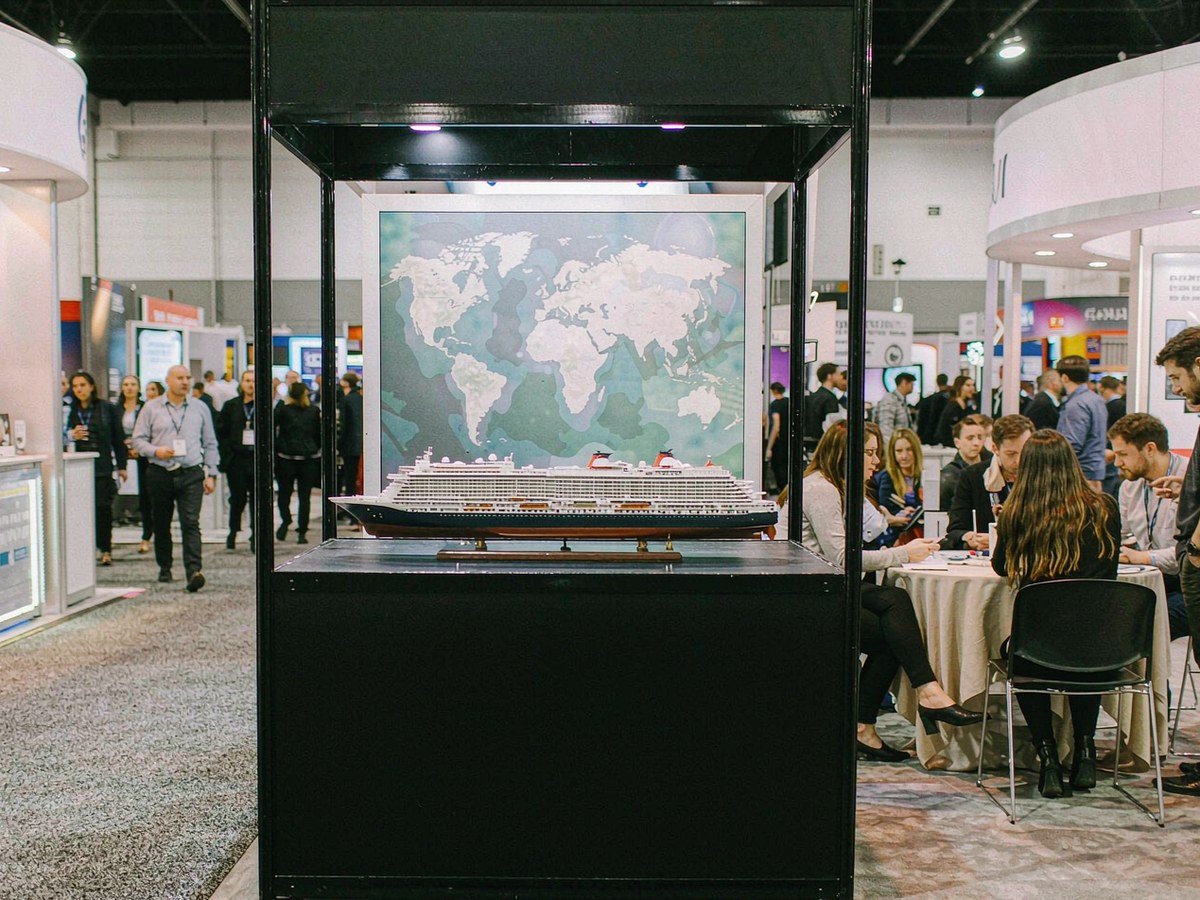
Move from a strong place image to the call, itinerary, facility, passenger or operating question a cruise-line contact needs to explore. Maps, models and partner positions should support a real meeting rather than compete as unrelated destination decoration.
Assign Every Product Zone to a Buyer, Host and Follow-Up
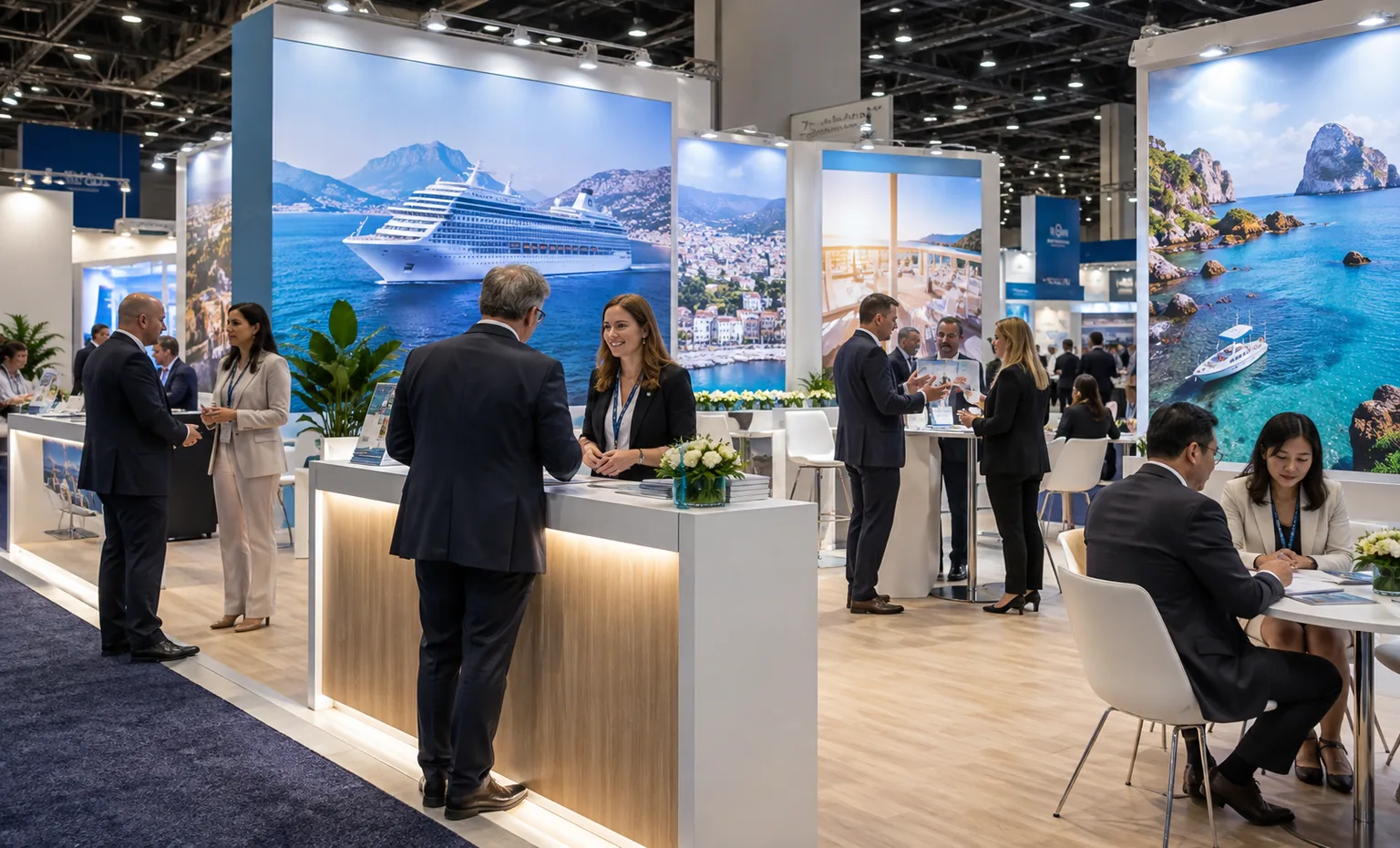
When several divisions, regions or approved partners share a stand, equal wall space does not create a useful meeting plan. Record the offer in each zone, the cruise-line role it serves, the specialist who owns the conversation and the information needed afterward. Use one shared orientation point, then place product and meeting positions where the handoff is clear. This keeps the brand together while preventing qualified visitors from circulating between unstaffed displays.
Design the Demonstration for the Tenth Buyer, Not Only the First
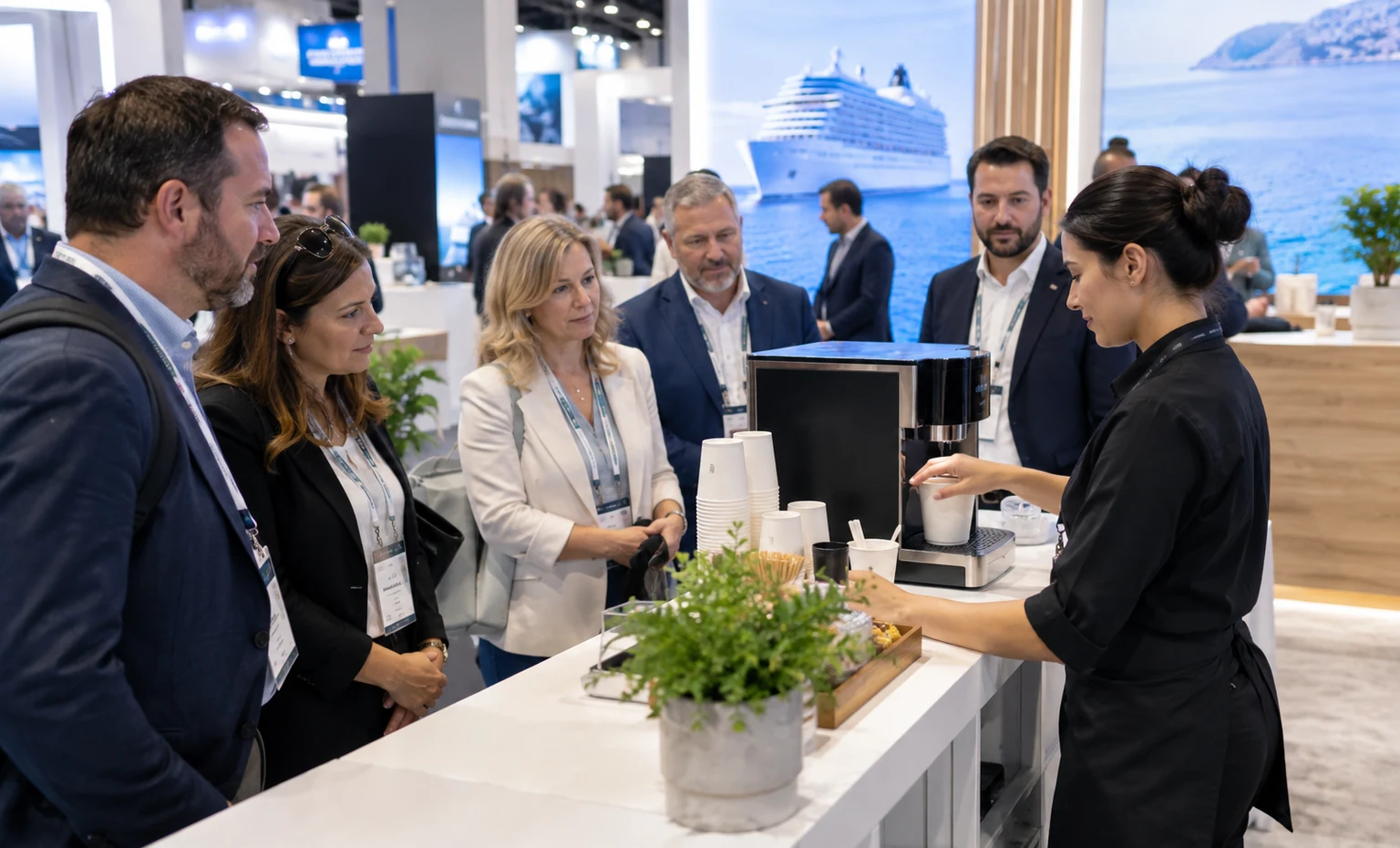
A software screen, control, hospitality device or moving product must be repeatable after hours of use. Define the visitor action, operator position, observation side, duration, reset step and fallback before approving the counter. Then record power, internet, AV, cable, sound, heat, liquid, battery and supervision needs for current-event review. Service access and backup equipment belong beside the demonstration, not in a route that staff or visitors must cross.
Make Material and Finish Samples Easy to Compare and Trace
Interior, furnishing, amenity and hotel-operations buyers may need to touch several versions before asking for a specification or sample set. Label every approved item with its product name, onboard use and relevant comparison point, then keep reserve pieces out of sight but easy to replenish. Neutral task lighting and a clear work surface help buyers compare texture, color and assembly details. The next action should identify the selected sample instead of relying on memory after the show.

Review the Cruise Display and the Exhibit Build in One 3D Direction
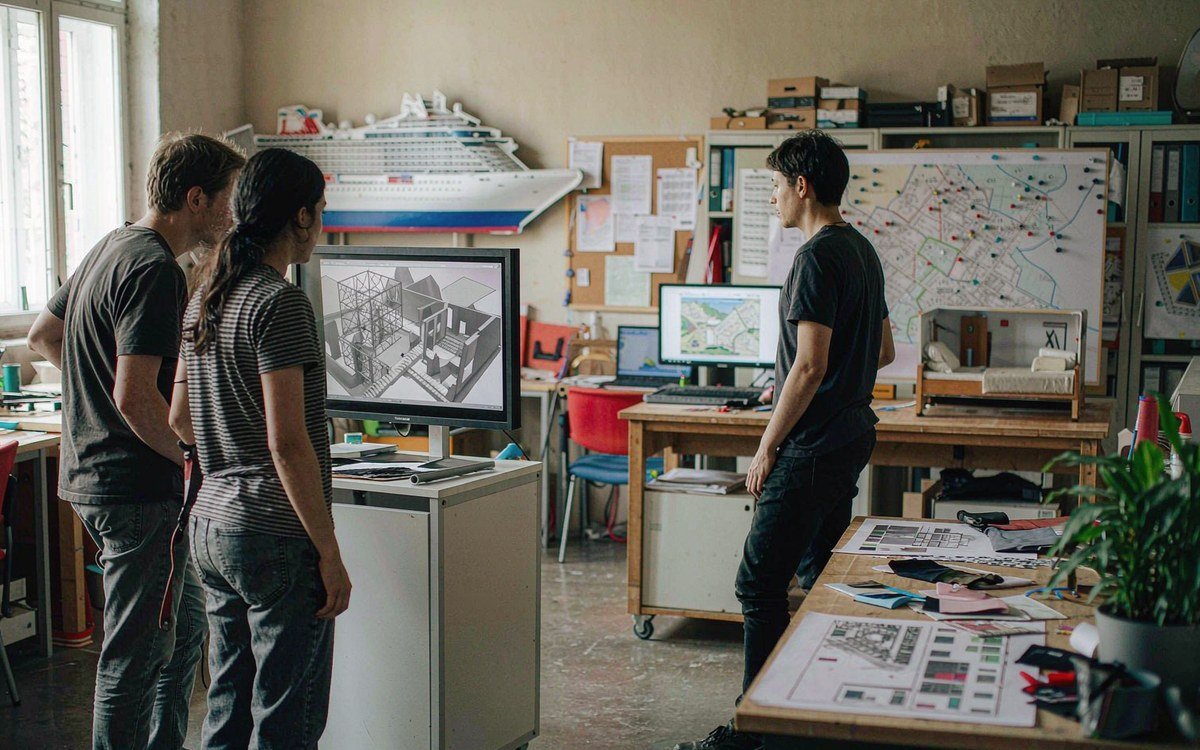
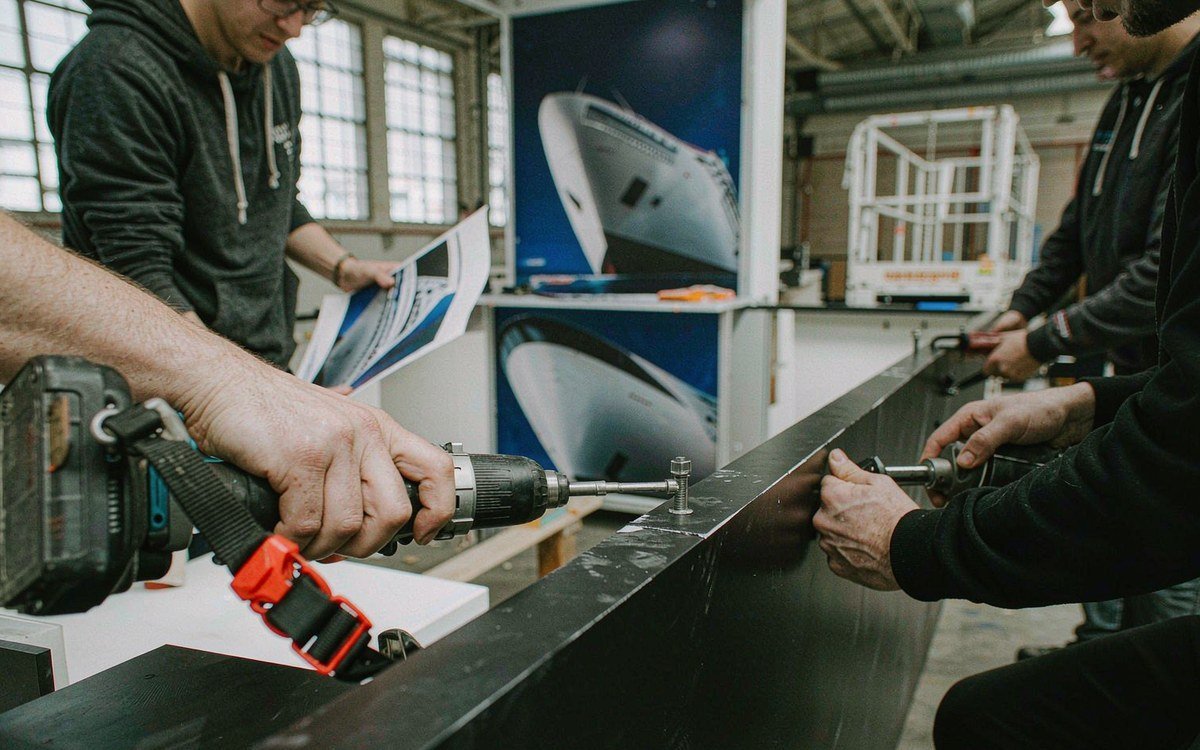
King’s value is shown through project outputs that your product, event and procurement teams can check before approval.
Turn Current Seatrade Requirements into Controlled Project Outputs
Use these controls after the initial brief to convert the accepted stand record, current Exhibitor Resource Centre/Manual and venue documents into five project outputs. These records govern execution while the proposal process remains focused on project decisions, design review and commercial scope.
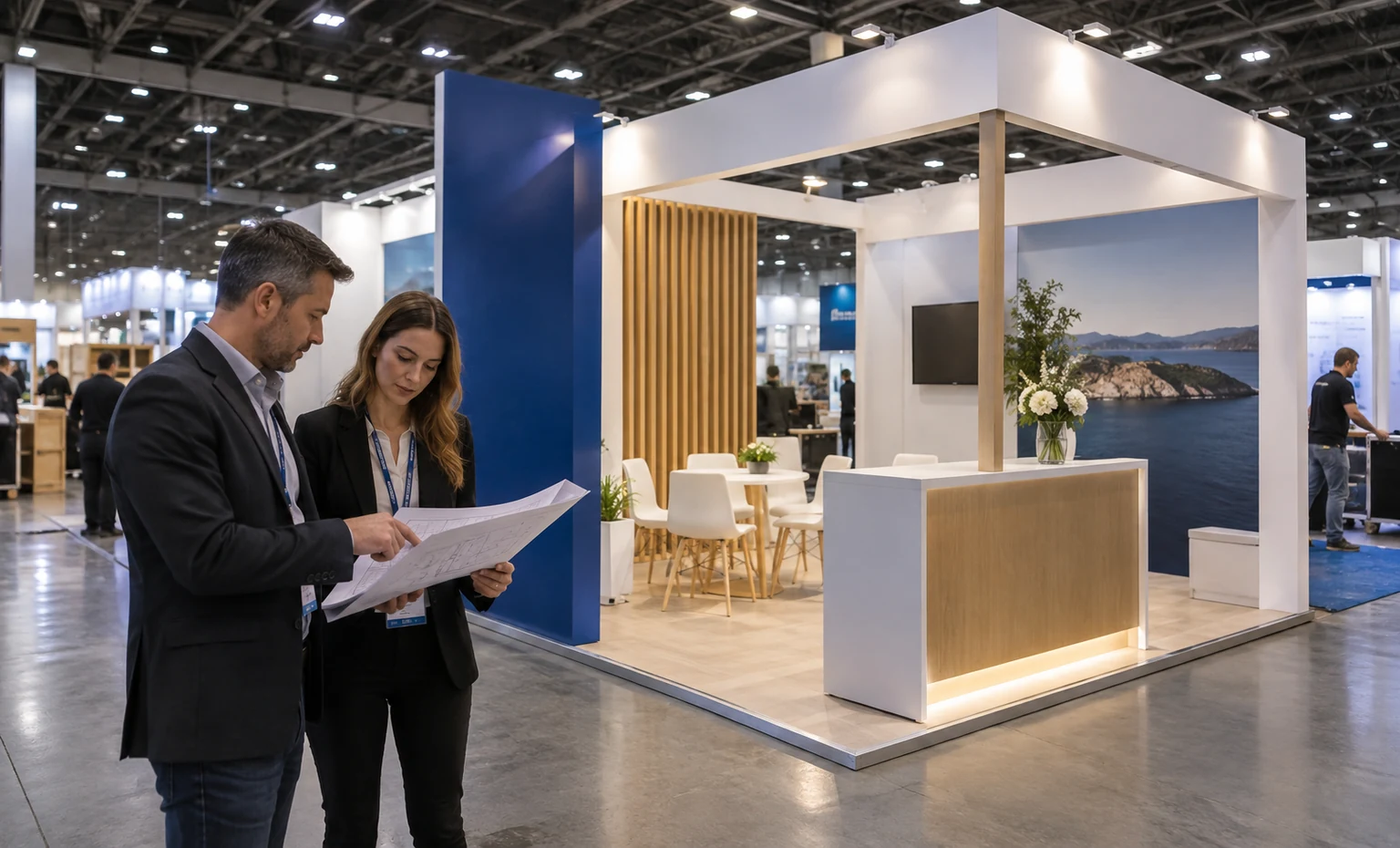
Action: Check the edition, hall, stand number, dimensions, open sides, stand type or pavilion assignment and every included element against the accepted contract and current portal record.Control: Do not replace, duplicate or omit an organizer-provided item on the basis of an earlier floor plan or package description.Output: Approved stand baseline for design and commercial scope.

Action: Reconcile proposed rental components, flooring, furniture, equipment, lighting and custom work with the current Better Stands target and design-submission instructions.Control: Use the active edition documents and organizer response; an older badge, checklist or approval does not control the current submission.Output: Design-submission record with unresolved requirements and owners named.

Action: Record every working product, screen, sound or lighting element, food or beverage activity, hospitality or wellness experience, liquid, moving part, battery, photography plan and distributed material.Control: Tie each activity to its operating condition, required permission and responsible party before it is activated onsite.Output: Approved-activity matrix for design, service orders and onsite use.
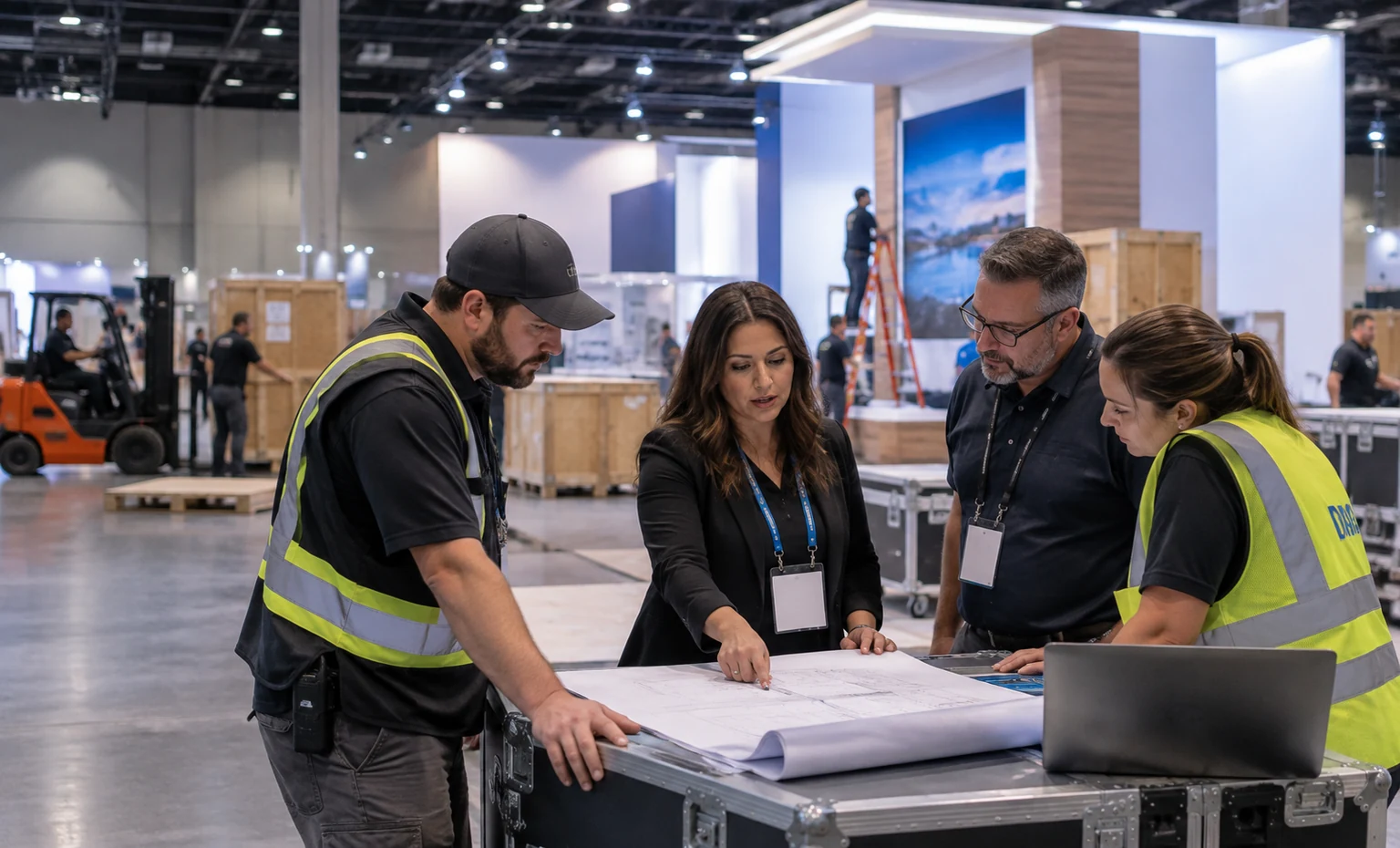
Action: Assign carrier shipping, freight receipt, material handling, empty storage, installation, dismantling and any exhibitor-appointed-contractor authorization to named parties.Control: Keep carrier shipping separate from material handling and use the current manual and accepted provider instructions for each handoff.Output: Freight and labor responsibility sheet with no unowned handoff.
Action: Transfer final connection points, loads, locations and timing needs into the authorized orders for electrical, internet, audiovisual, rigging and other venue-controlled services.Control: Use the current organizer or venue channel. King is responsible only for coordination or interface work expressly accepted in its proposal.Output: Service-order schedule aligned with the approved layout and named owners.

Build the Seatrade Exhibit Proposal from the Stand and Product Evidence
What You Provide: Edition, signed stand or pavilion assignment, hall, number, dimensions, open sides, included items and current exhibitor documents.What We Do: Separate the confirmed space and organizer-provided elements from the exhibit work requested from King.
What You Provide: Product families, onboard or shoreside applications, approved claims, target cruise-line roles, meeting types, departments or partners and desired follow-up.What We Do: Map each offer to a visible proof point, conversation owner and visitor action.
What You Provide: Product, sample, model and equipment dimensions/weights; operating state; access; support; power; network; AV; sound; liquids; storage; shipping and approval needs.What We Do: Place the confirmed display envelopes and technical interfaces into the layout before selecting surrounding elements.
What You Provide: Brand assets, approved images/video, message priorities, staff count, accessibility needs and consolidated feedback from one approval contact.What We Do: Develop the proposed rental structure, graphics, product stations, meetings, circulation and storage for review.
What You Provide: Budget, requested King services, client-supplied assets and the party responsible for organizer/venue orders and submissions.What We Do: Issue an itemized King proposal with inclusions, exclusions, dependencies and unresolved third-party work.
Send the edition, assigned stand, dimensions, open sides, stand type and included items; current exhibitor documents; products, samples and equipment; buyer and meeting plan; technical and storage needs; brand files; budget; and the work you want King to quote. These inputs allow the 3D direction and proposal to use the actual assignment rather than a guessed footprint.
Yes, when the actual item, operating state and current approvals support the plan. Provide dimensions, weight, support, access, operator and visitor positions, duration, reset method, power, network, AV, sound, heat, liquids, moving parts and supervision needs. The active exhibitor and venue documents determine controlled services and permissions; King does not approve the activity on the organizer’s behalf.
Yes. First identify each division or partner, its product, target buyer, staff owner, meeting requirement, graphic rights and follow-up responsibility. King can place those confirmed roles into one 3D direction. Participation and shared-stand permission still come from the relevant contract and current organizer rules, not from the exhibit layout.
No. The stand contract and exhibitor participation come from the organizer. King’s written proposal states which rental components, graphics, selected custom interfaces and project support it offers. Material handling, utilities, labor, internet, AV, rigging and other official or venue-controlled services remain separate unless a specific coordination task is expressly included.
Rental and reusable components can form the starting point, but the active Seatrade documents set the required level, evidence and design-submission process. King can show the proposed structure, flooring, furniture, equipment, lighting and selected custom work in the project record. The exhibitor and responsible providers must confirm that the final submission meets the current edition’s requirements.
Start once the stand assignment and current exhibitor documents are available, especially when products, custom interfaces, graphics, demonstrations, partner approvals or controlled services require coordination. Send the organizer’s actual milestones with the brief. King will assess the requested scope and open decisions instead of promising a fixed lead time without the project record.