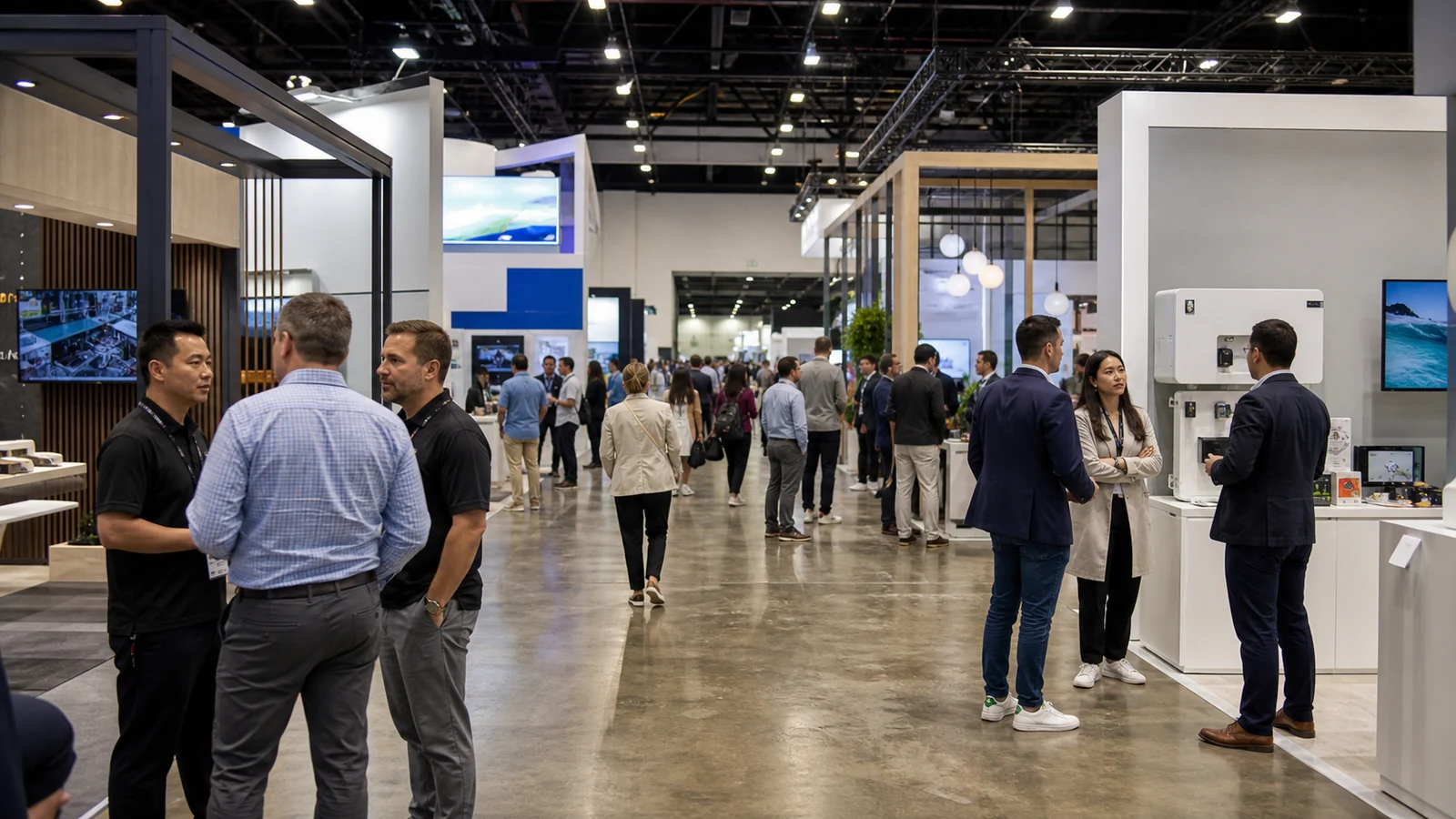
If you run a luxury vintage boutique, finding Salon du Vintage Miami on an event calendar raises a practical question: can you take your stock there and sell? The Miami event has an official record, but the material currently available does not establish a confirmed upcoming edition.
As checked on September 8, 2026, the detailed official listing still describes December 12–14, 2025. Before you reserve inventory or arrange travel, you need to distinguish that event from the newer dates circulating online. Here is what the sources establish, what the show’s luxury focus means for your selection, and what to ask before applying.
What do the current sources confirm?
The organizer’s Miami page names the event Salon du Vintage Ultimate Luxury Miami and gives December 12–14, 2025. Bal Harbour Village’s event listing also lists the same dates and Bal Harbour Waterfront Park. These are records for the 2025 edition, not a schedule you can carry forward.
A search result for an official Miami 2026 page advertises December 10–13, 2026. However, that page returned “404 Not Found” when checked. The organizer’s current show calendar lists Toulouse, Paris and Orléans as its upcoming editions, without a Miami entry. Its current stand application page also does not list Miami among the displayed editions.
That conflict leaves the next Miami edition unverified. It does not establish that the event has been canceled. For your planning, keep it as a possibility requiring a fresh reply from the organizer; do not treat the indexed dates as a confirmed booking opportunity.
What kind of event is Salon du Vintage Miami?
The documented Miami edition was promoted as a luxury vintage fashion fair for shopping and collecting. Bal Harbour’s description emphasizes couture and pieces from fashion houses such as Chanel, Dior and Hermès, presented for fashion enthusiasts and collectors. That gives you a more useful starting point than the broad “vintage objects and clothing” label used in some directories. The emphasis was on selected pieces that visitors could discover and shop for. Source: Bal Harbour Village’s Miami event description.
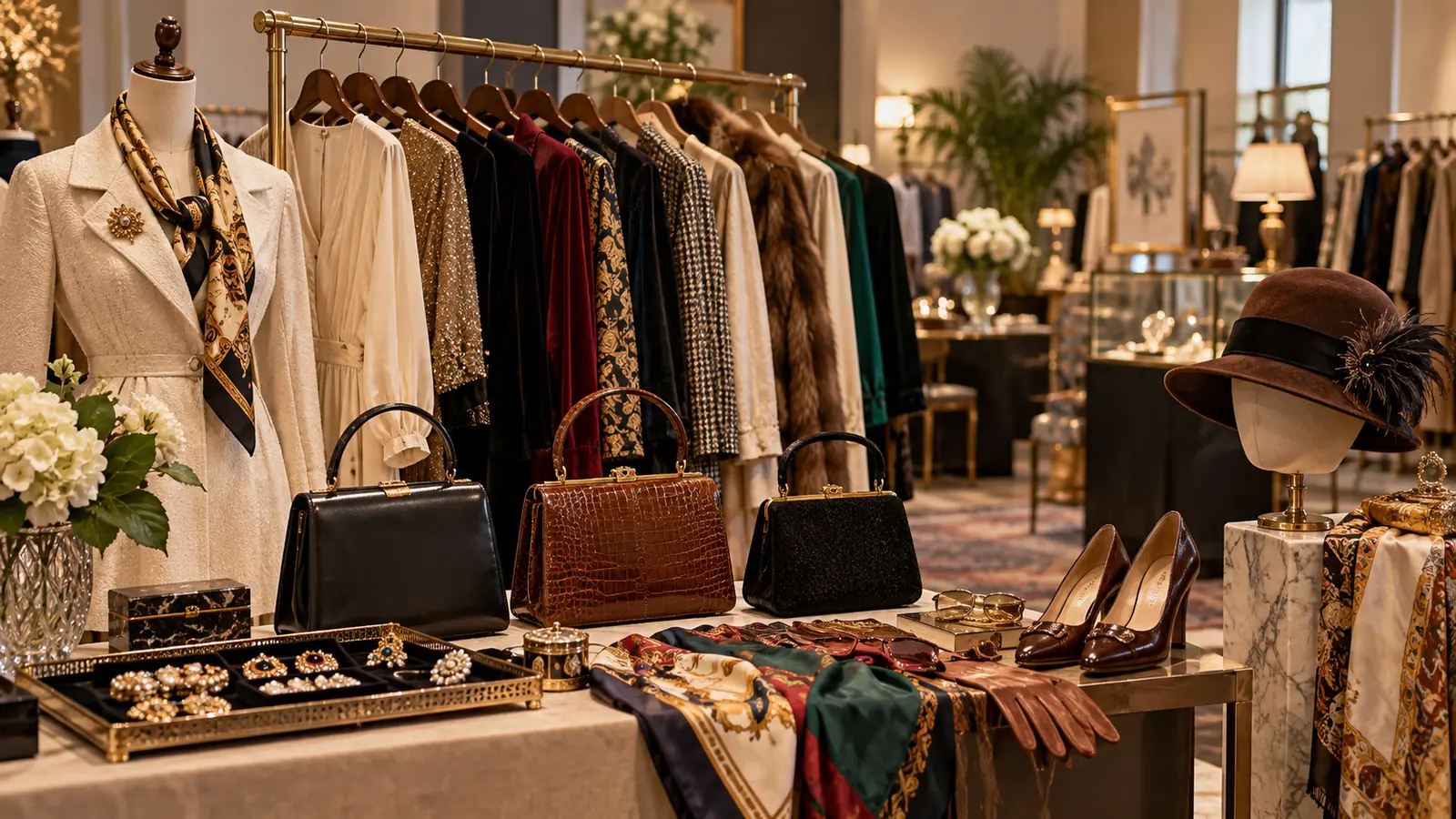
The Miami exhibitor invitation sought luxury vintage boutiques, fashion and accessory sellers, and specialists in vintage watches and jewelry. If those categories describe your stock, there is a reason to investigate a future edition. If your business depends on selling new production in bulk to retail buyers, this historical description gives you no basis to expect the purchasing format you need. That is a judgment about fit, not a claim that wholesale conversations are prohibited. Source: organizer’s Miami exhibitor invitation.
For your boutique, the useful question is whether your strongest pieces belong in that specific luxury selection. The broader Salon du Vintage network covers other vintage categories, but another city’s mix cannot establish what Miami will accept. Get the Miami selection criteria before deciding which stock to set aside.
How should you interpret the Bal Harbour venue information?
Both official records place the 2025 edition at Bal Harbour Waterfront Park, 18 Bal Bay Drive, Bal Harbour, FL 33154. The Miami name therefore should not lead you to plan around Miami Beach Convention Center. The park address is historical location evidence; a future edition needs its own venue confirmation. Source: Bal Harbour Village.
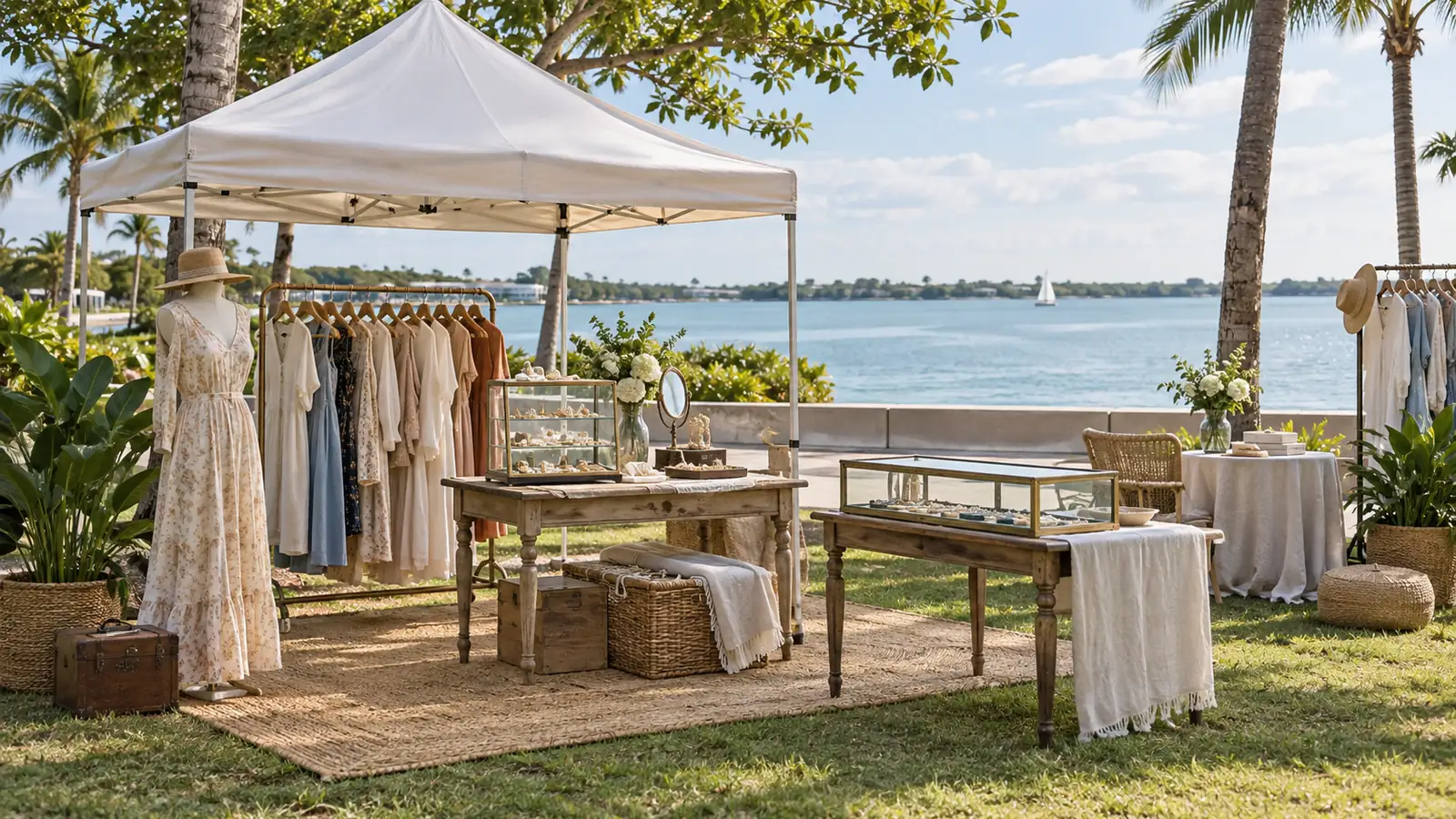
The surviving pages also need care even when you read them as history. The organizer lists a Friday opening at 6 p.m.; the Village lists 7 p.m. That discrepancy is another reason not to reuse the old timetable. Neither the old hours nor an old admission price tells you the next edition’s access arrangements or exhibitor charges.
A waterfront park name alone also tells you little about an individual sales space. Before commissioning a display, you would need the organizer to identify the actual enclosure, usable dimensions, lighting provision and rules for fixtures. A garment rail, a glass case and a conversation counter need different space. Treat those as questions for the eventual exhibitor documents, rather than features already included with a Miami stand.
What should you ask the organizer before applying?

The network’s stand application page describes a review of your profile followed by access to stand selection and reservation. It explicitly distinguishes an application from a final reservation. Because Miami is not among the editions currently displayed, that general process does not prove Miami applications are open.
If the organizer confirms an edition and invites your application, ask for the space charge, what comes with the stand and the relevant setup instructions together. Only then can you decide whether the sales area suits your collection and whether the proposed display is worth developing. Published network-wide audience claims would not answer that question or establish Miami buyer numbers.
What overall support can KingExhibits provide?
Turn confirmed dimensions into a workable plan
KingExhibits can use your confirmed footprint, access limits and display rules to discuss a layout with clear zones for garments, cases, checkout and conversation. That keeps the design tied to the space you actually receive.
Match the display to the pieces you are selling
A rail for clothing, a locked case for watches or jewelry, and a surface for accessories have different visibility and security needs. Share the product mix before choosing fixtures so the plan reflects how customers will inspect and buy.
Keep the plan within the evidence
Because the next Miami edition is not currently verified, treat any layout as a planning draft. Confirm the year, venue, usable area, lighting and rules first; then send those documents for a more precise discussion.
Two practical topics worth applying before a vintage show
How should you price and explain vintage pieces?
The Vintage Fashion Guild’s pricing overview identifies condition, provenance, label, design and rarity as factors that can change value. Give each high-value piece a short condition note, measured dimensions, era or label information you can support, and a visible price. That lets a shopper compare pieces without asking you to rebuild the story from memory.
How should you merchandise a vintage booth?
The Vintage Seeker’s booth-merchandising guide emphasizes that a display helps shoppers decide where to look. Create one focal grouping, keep related pieces together, and leave enough space for a customer to handle an item safely. Test the sightline from the aisle before ordering fixtures; an attractive arrangement that hides the price or blocks access is not helping the sale.
How should you prepare stock while the Miami edition is still unconfirmed?
Separate planning stock from committed stock. Put the pieces you would genuinely take to a luxury vintage fair into a short-list, but do not remove them from other sales channels or book transport until the organizer confirms the edition in writing. For each shortlisted piece, record condition, measurements, label or provenance evidence, acquisition cost and your minimum acceptable price. That file lets you answer an application request quickly and exposes gaps before you spend on a display.
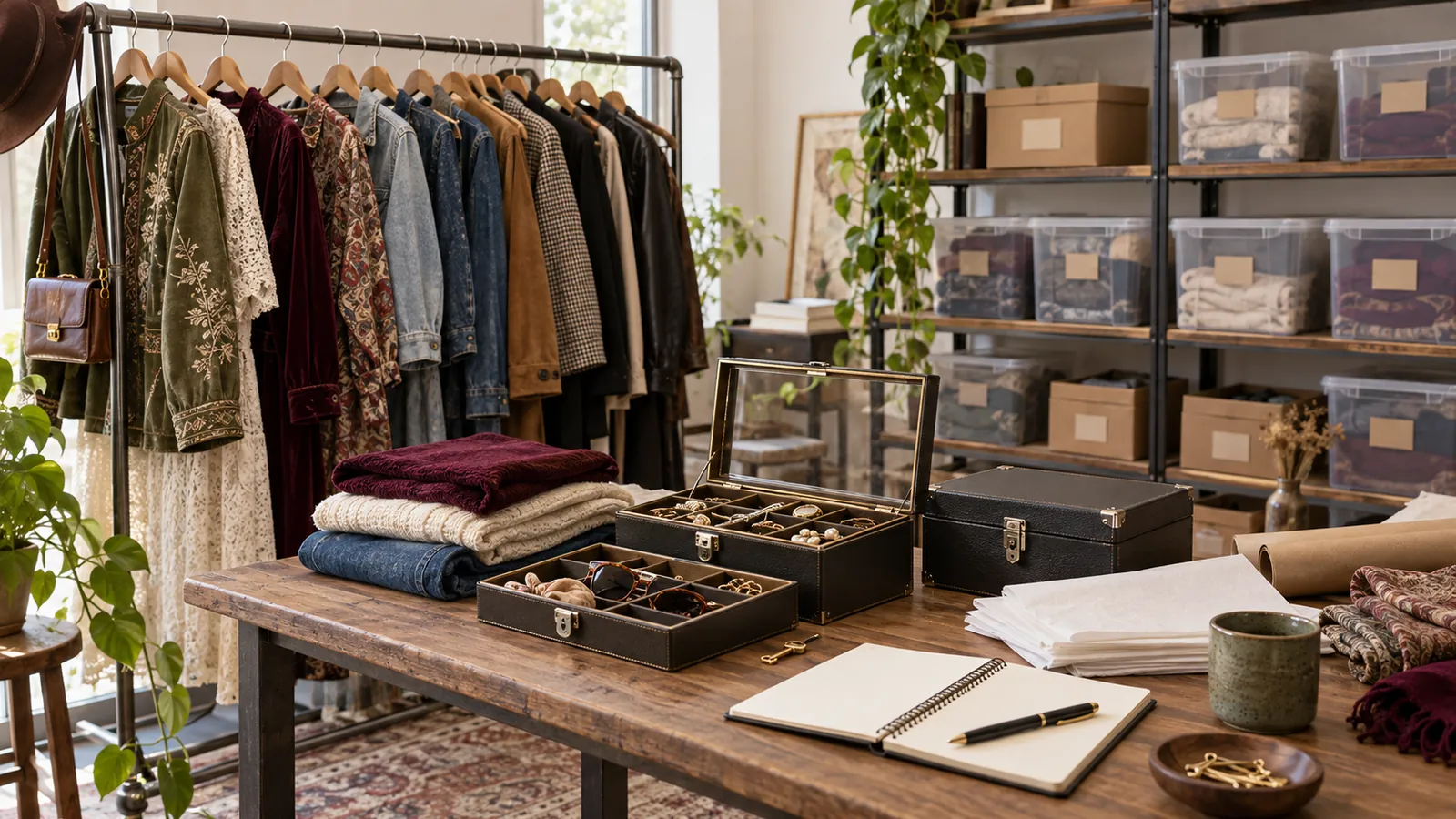
Use three practical groups: hero pieces that attract the first stop, mid-priced pieces that give a visitor a realistic purchase option, and smaller accessories that can support a second sale. The proportions should follow your actual inventory; do not buy generic stock just to make a booth look full. Mark any item that needs a lockable case, special insurance, delicate handling or a private conversation. These notes help the organizer understand your offer and help your team decide what can be shown openly.
If a Miami date is confirmed later, request the edition-specific rules before finalizing the list. Check whether the venue permits the display height, lighting, garment rails, cases and packaging you have planned. Keep a version of the inventory that can be reduced if the confirmed footprint is smaller than expected. This protects cash and keeps an unverified event from dictating stock decisions too early.
How can you protect valuable pieces and follow up after a sale?
For high-value vintage goods, assign one person to watch the display while another handles a payment or a detailed conversation. Use cases or controlled access for pieces that should not be handled without assistance, and label condition issues before a customer asks. Keep a simple item number on the price card, receipt and inventory sheet so your team can match the sold piece to its records.

Capture follow-up permission at the point of sale rather than collecting contacts casually. Ask whether the customer wants notice of similar pieces, then record the preferred channel and the item category they selected. After the event, send a short message that refers to the purchase or stated interest, includes care or delivery information, and gives a clear opt-out. This turns a one-day conversation into a useful relationship without claiming that the show itself provides a buyer list.
Frequently Asked Questions
Do the fashion-house names mean those brands exhibit directly?
No such conclusion follows from the historical description. It identifies the labels associated with the vintage pieces being offered, rather than providing a list of corporate exhibitors. If you want to meet a particular dealer or brand representative, you need an edition-specific exhibitor list. Source: organizer’s Miami description.
Does a marketplace seller account reserve a stand?
You should not treat it as a reservation. The current site provides a separate exhibitor application and booking process. An online seller profile can describe your business, but you still need confirmation for the particular physical event and allocated space. Source: official stand booking process.
Should your first application show every piece you own?
Start with a representative selection that makes your specialty clear. The current general form allows a description, website or Instagram reference, and photographs. If invited to apply for Miami, show the kinds of pieces you propose to sell and ask whether the organizer needs a fuller inventory. Source: official exhibitor application form.
Does the current Miami information publish an exhibitor fee or floor plan?
No. The available official pages identify the historical 2025 edition, while the indexed 2026 page could not be retrieved and the current calendar does not list Miami. Ask for a Miami-specific fee schedule, usable dimensions and floor plan before treating the event as open for applications.
Has the organizer announced a 2027 Miami edition?
No. The current show calendar lists other cities and does not provide a 2027 Miami date. Keep 2027 out of your budget and title until the organizer publishes a Miami-specific announcement or confirms it in writing.
Final Thoughts
Salon du Vintage Miami may suit a boutique with authenticated, well-presented luxury vintage pieces, but the next edition still needs direct confirmation. Treat the 2025 pages as historical evidence and the unavailable 2026 page as an unresolved lead. Ask the organizer for the year, dates, venue, application status, eligible categories, fees, usable dimensions, lighting rules and any buyer information before committing stock or travel. Once those facts are in writing, compare the expected sales conversation with your collection and staffing capacity. If the offer is a fit, share the confirmed documents and product mix with KingExhibits to discuss a display plan that protects the pieces and makes inspection easy.