
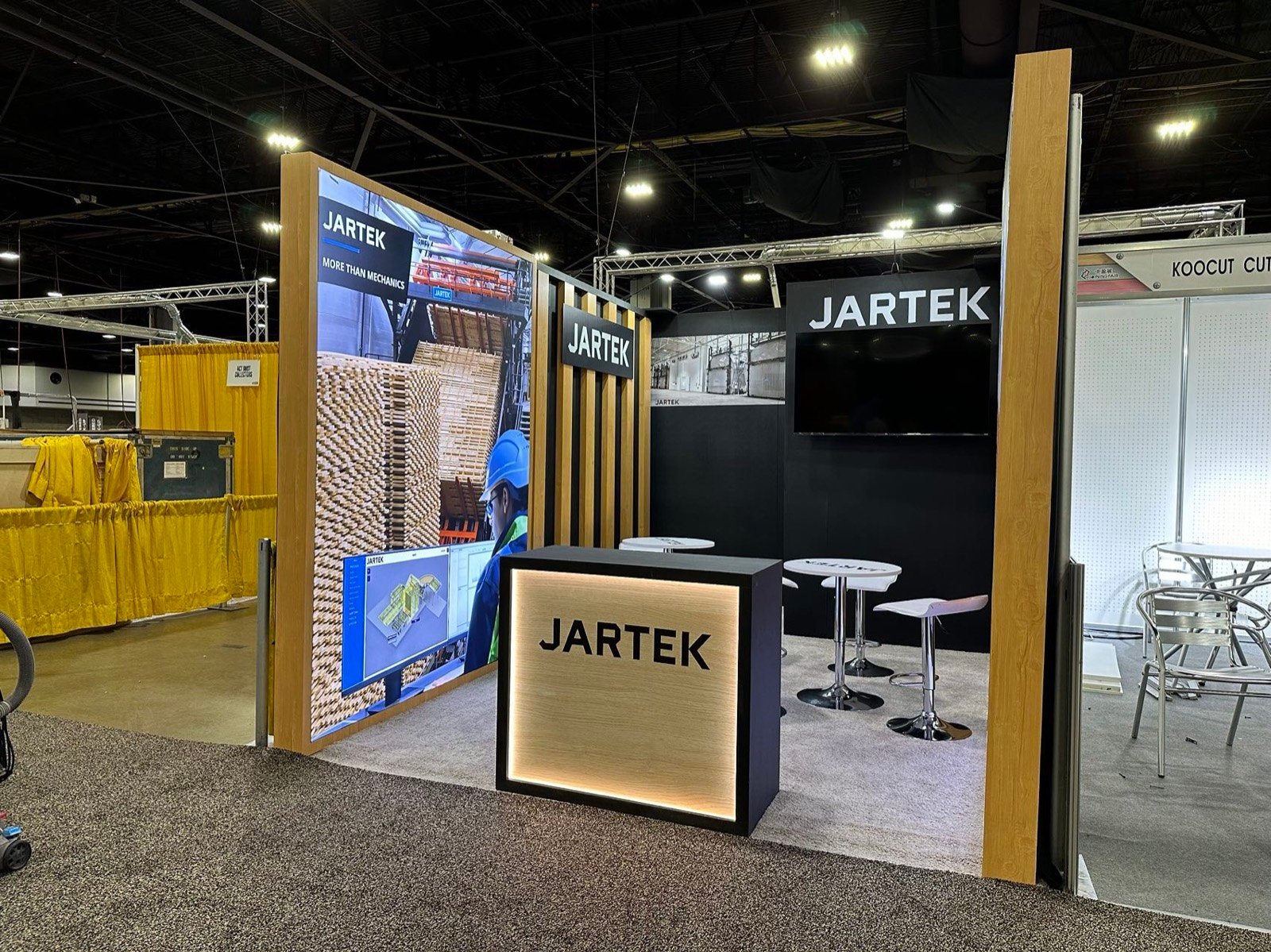

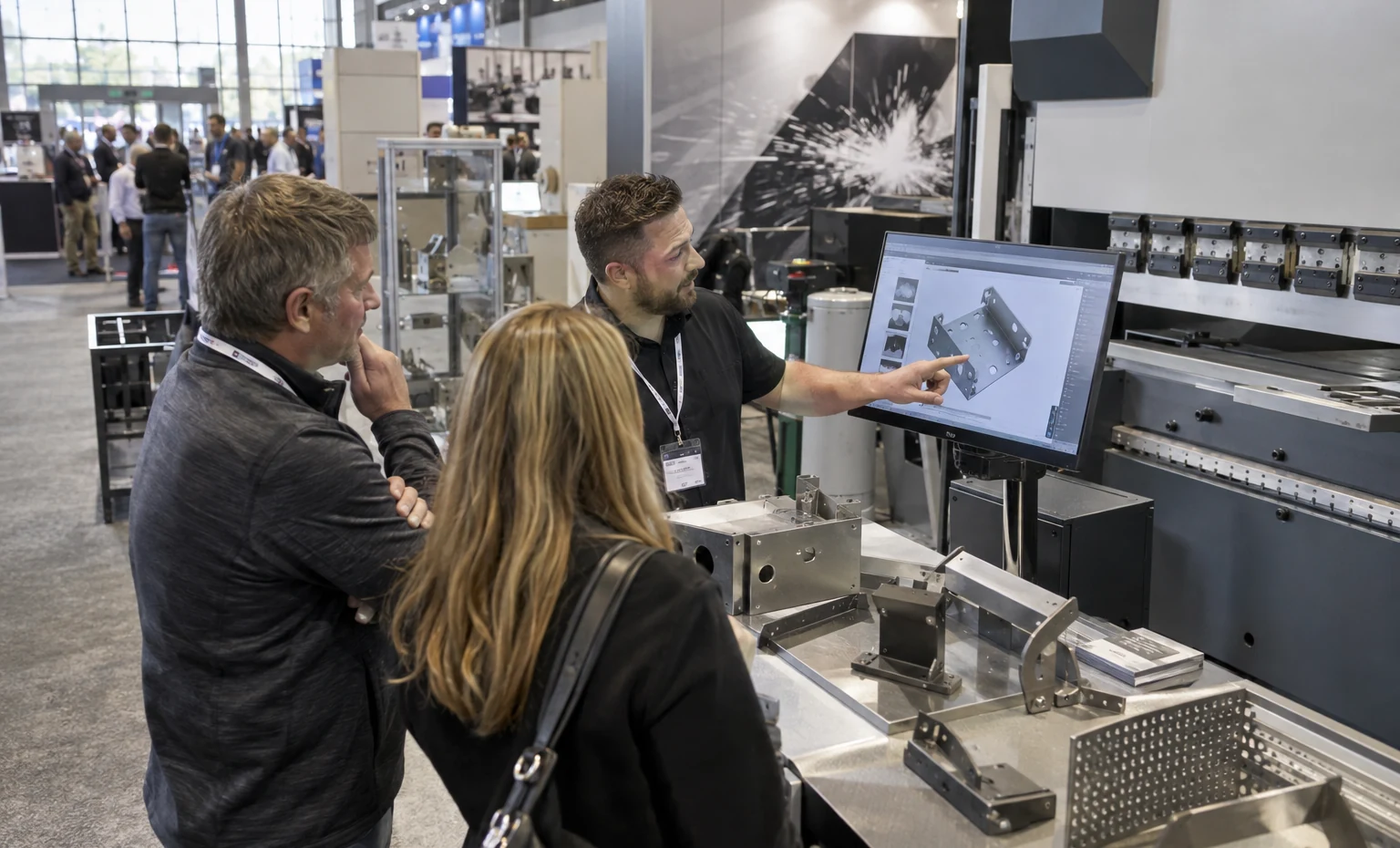
Keep the weld, cut, bend, coat, inspection or automated movement visible from a controlled viewing position.

Place finished parts, joints, edges, coatings or inspection records where visitors can compare the outcome after the demonstration.

Use diagrams, screens and technical conversations to connect the exhibit to floor space, utilities, throughput, integration and service.

Give qualified buyers a place to discuss samples, applications, specifications and the next engineering or commercial review.
Sell the Cut, Joint, Bend or Finish—not Just the Machine Around It
FABTECH buyers usually arrive with a production problem in mind. They want to see whether a system can produce the edge, joint, surface, tolerance, changeover or workflow their operation requires. Large equipment attracts attention, but attention becomes a serious conversation only when the exhibit makes the result easy to inspect and the application easy to discuss.
Begin with the proof. For a live process, define what moves, what changes, what the visitor can safely see and which sample comes out at the end. For a static machine, show the working side, controls, tooling, access points and representative parts. For consumables, gases, software, automation or finishing systems, connect the product to a familiar shop task rather than surrounding it with broad corporate claims.
King Exhibits turns that sales plan into a FABTECH booth design. The proposal can include rental walls, towers, illuminated graphics, counters, screens, controlled sample displays, storage and meeting areas. Selected machine surrounds, product supports or protective exhibit features can be quoted after dimensions and intended use are confirmed. Packing, freight coordination and installation or dismantling are included only when named in the accepted quotation.
The booth plan must also respect the current edition’s machinery, robot, laser, fire-safety and special-demonstration requirements. Bottled gases, electrical, plumbing, machinery handling, material handling, rigging, internet and other official services remain subject to the organizer, venue and current vendors. Those items should appear beside the exhibit scope during planning so that a late service decision does not force the sales layout to change onsite.
Choose the Exhibit Story That Matches the Sale

Give the operator a defined working area and give visitors a protected place to watch. The booth graphics should name the problem and key process step, while the machine, robot or tool produces the proof. Position the resulting part close enough for inspection without sending visitors back through the operating zone.
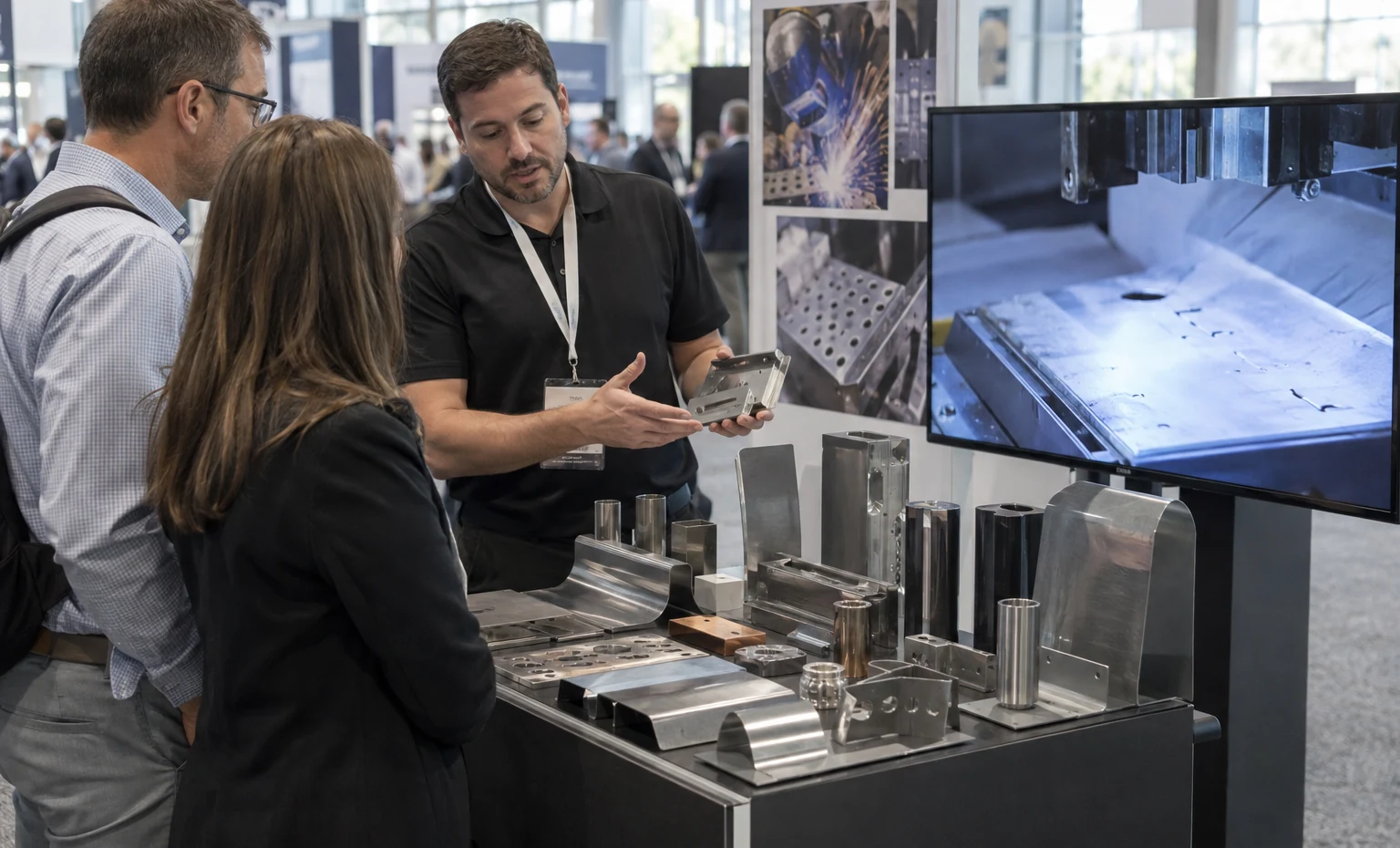
Some equipment is too large, too complex or unsuitable to run on the show floor. A disciplined sample display can still sell the capability. Group parts by material, thickness, process or finish; label the relevant difference; then provide drawings, videos or measurement data that connect each sample to the production method.
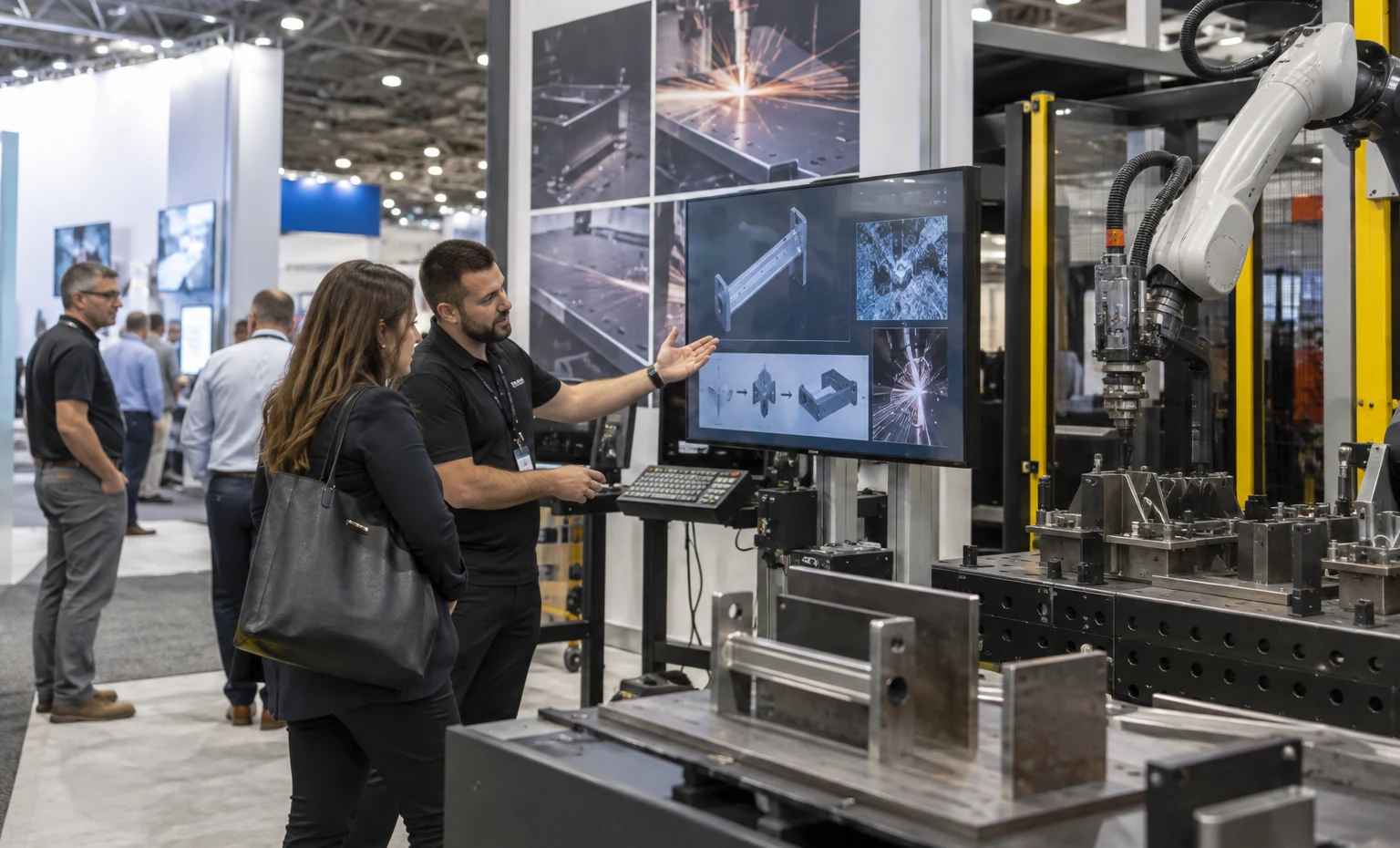
Robots, controls, software and connected systems need a beginning and an end. Show where data or material enters, what decision or movement changes, and where the benefit appears. Screens, process diagrams and a short presenter path should support the same explanation instead of competing for attention.
Turn Finished Parts into Sales Evidence
Do not spread samples across the booth as decoration. Group them around the question a fabricator will ask: material, thickness, joint, edge, finish, repeatability or application. Keep the labels short, then place the drawing, measurement or process video nearby for buyers who need detail. King Exhibits can build the quoted sample supports and graphics around confirmed sizes and weights. The exhibitor remains responsible for performance claims and for identifying samples that require security or special handling.

Protect the Working Side of the Machine
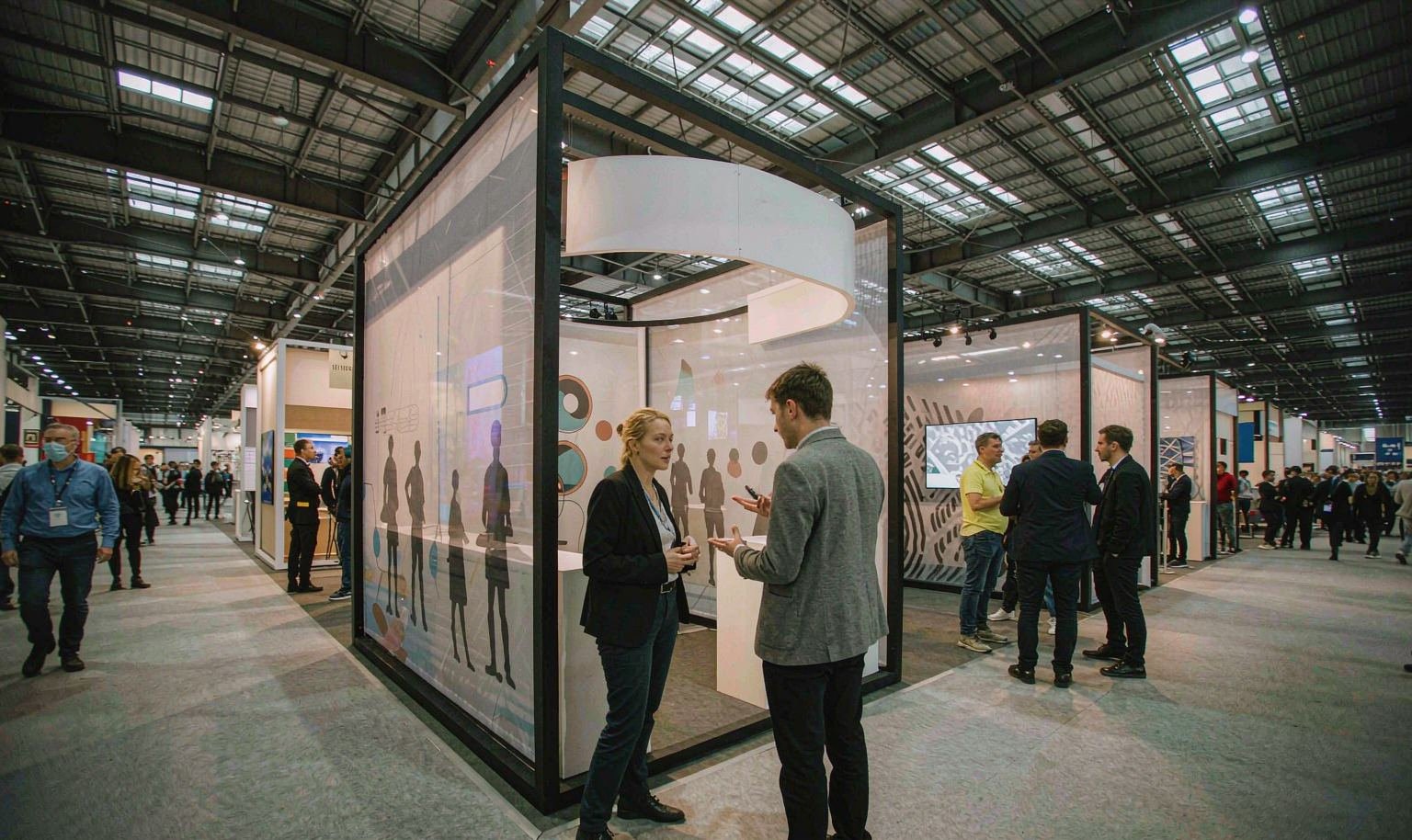
Shipping dimensions are not enough for booth design. Mark doors, controls, guarding, moving assemblies, tool changes, loading and unloading, operator position, maintenance access and the sides buyers need to see. That working envelope should be locked before counters, walls or storage are placed. King Exhibits then fits the rental architecture and visitor route around it. The machine supplier must confirm operating clearances, anchoring, weight and the approved method for demonstration at the assigned show.
Resolve Process Services Before the Booth Goes to Production
Welding, cutting, finishing, laser and robotic demonstrations can depend on power, compressed air, bottled gases, ventilation, plumbing, barriers, fire review or a special permit. List each requirement beside the equipment position and identify who supplies, orders, approves and tests it. King Exhibits can coordinate the booth-side interfaces stated in the proposal; current FABTECH and venue rules govern the actual services and permissions. Early answers protect the layout, production release and installation sequence from avoidable changes.

One Approved Plan from Machine Position to Packed Booth

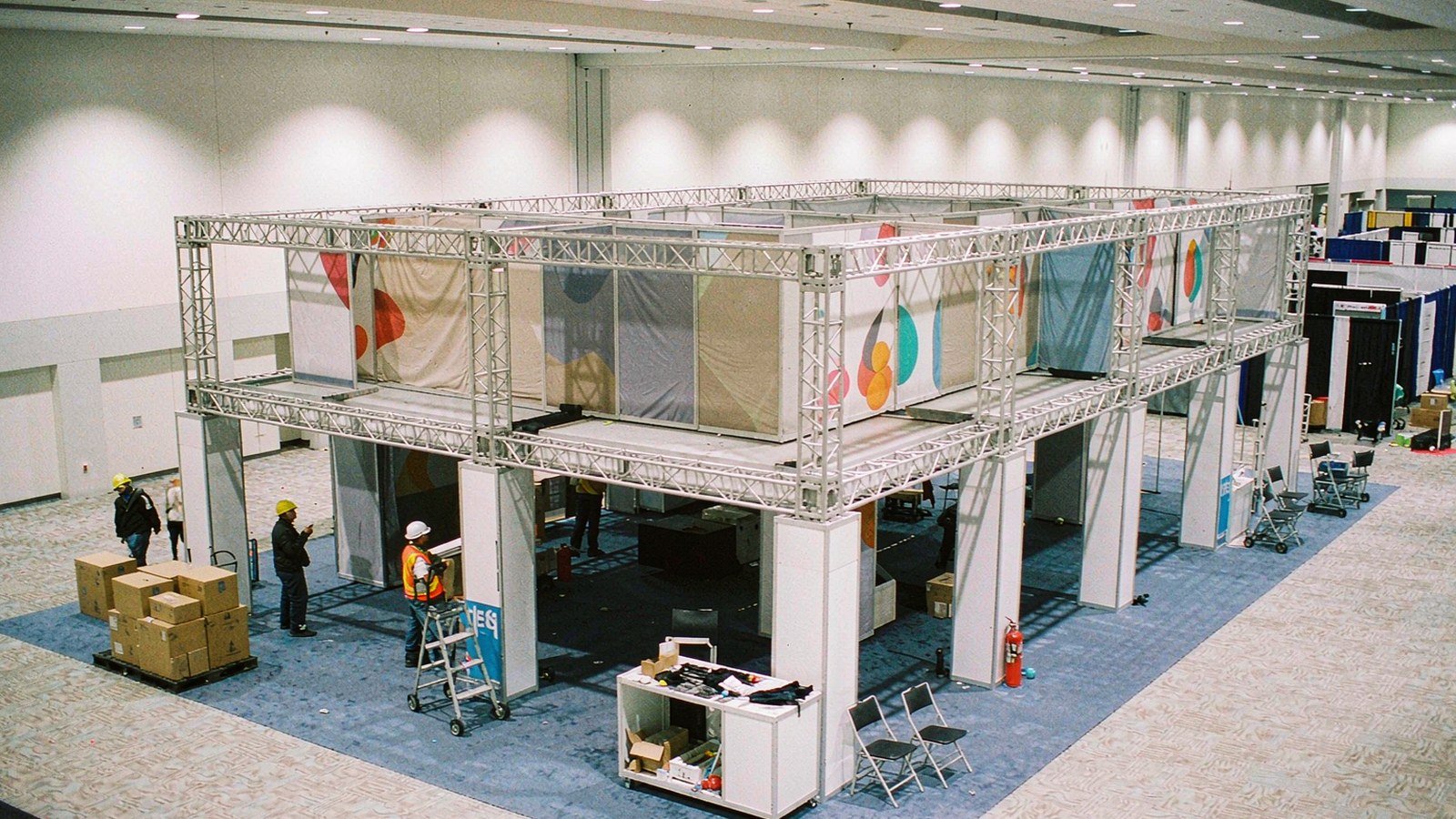
Metalworking exhibits often arrive from several owners: the machine ships from one location, samples from another, graphics from marketing and service orders from the event team. King Exhibits brings the buyer-facing booth elements into one reviewable plan. The drawing identifies the machine, open sides, viewer positions, samples, screens, graphics, counters, storage and meeting areas together, so an engineering change can be checked against the sales layout before production.
The accepted quotation defines which rental, printed, selected custom, packing, freight-coordination and I&D items King will deliver. A separate interface list keeps machinery handling, utilities, gases, rigging, internet, permits and other official show services visible to the correct owner. That clarity gives marketing, engineering, procurement and the onsite lead the same working version of the project.
Build the FABTECH Exhibit from the Sales Proof Outward
What You Provide: Target application, buyer, machine or process, sample, approved technical claims and the next discussion your team wants.
What We Do: We identify what the exhibit must show, what it should explain and where the visitor should go next.
What You Provide: Installed dimensions, weight, controls, openings, moving areas, operator, loading, utilities, samples and proposed operating method.
What We Do: We place the equipment, viewing position, sample handoff and sales space before shaping the rental architecture.
What You Provide: Current exhibitor manual, booth assignment, EAC information, service contacts and requirements for power, air, gases, exhaust, rigging, handling, internet or permits.
What We Do: We show the booth interfaces and responsibility boundaries in the project record and adjust the design before release.
What You Provide: Final equipment plan, artwork, sample list, accepted quote, carrier information, show orders and onsite decision-maker.
What We Do: We prepare the approved King assets, coordinate the accepted freight and I&D scope, and hand over the booth for equipment commissioning and content setup.
Yes, after the process and current show requirements are confirmed. Provide the operating method, equipment envelope, operator position, material flow, by-products, noise, light, gases, ventilation, utilities and visitor controls. The booth design can then protect the working zone while keeping the demonstration and finished result visible.
These services follow the current FABTECH exhibitor manual and the appointed venue or official-provider program. King can identify interfaces and coordinate agreed tasks in the proposal, but the actual service orders, approvals and onsite work remain with the parties authorized for that edition.
Yes. The booth can use working-side access, components, sample parts, screens and technical graphics to explain the process without a live cycle. Provide installed dimensions, weight, placement method and the sides buyers need to inspect so the floor plan and material-handling discussion use the same equipment information.
Organize them around a buyer question rather than filling a shelf. Confirm the size, weight, value, handling method and approved claim for each part. The exhibit can then use open comparison surfaces, secured mounts or staff-assisted access and connect each sample to the relevant machine, material or process.
Rental walls, graphics, counters and display elements may be reusable, but the next booth assignment, venue rules, service providers, utilities, rigging, freight route and demonstration approvals must be checked again. Reuse should preserve the sales story while rebuilding the venue-specific operating plan.
Send the booth size and location, product and buyer objective, machine drawings and weights, demonstration method, utilities, samples, graphics, screens, meetings, storage, freight origin, requested installation support and the current exhibitor information available to your team.
Booth Sizes for FABTECH Exhibitors
-
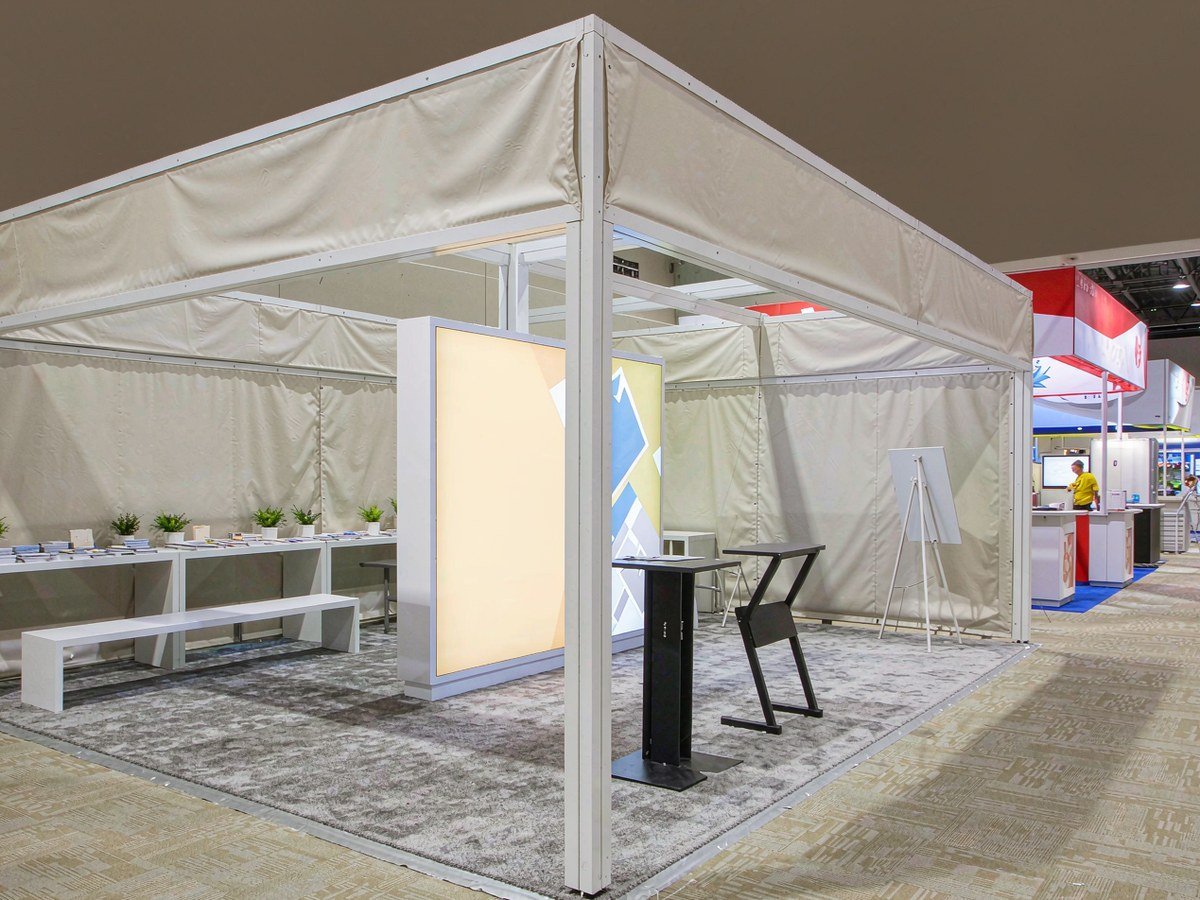
For one focused machine or process with controlled viewing, samples and a technical meeting area.
-

For a larger operating cell, several products or separate demonstration and engineering conversations.
-
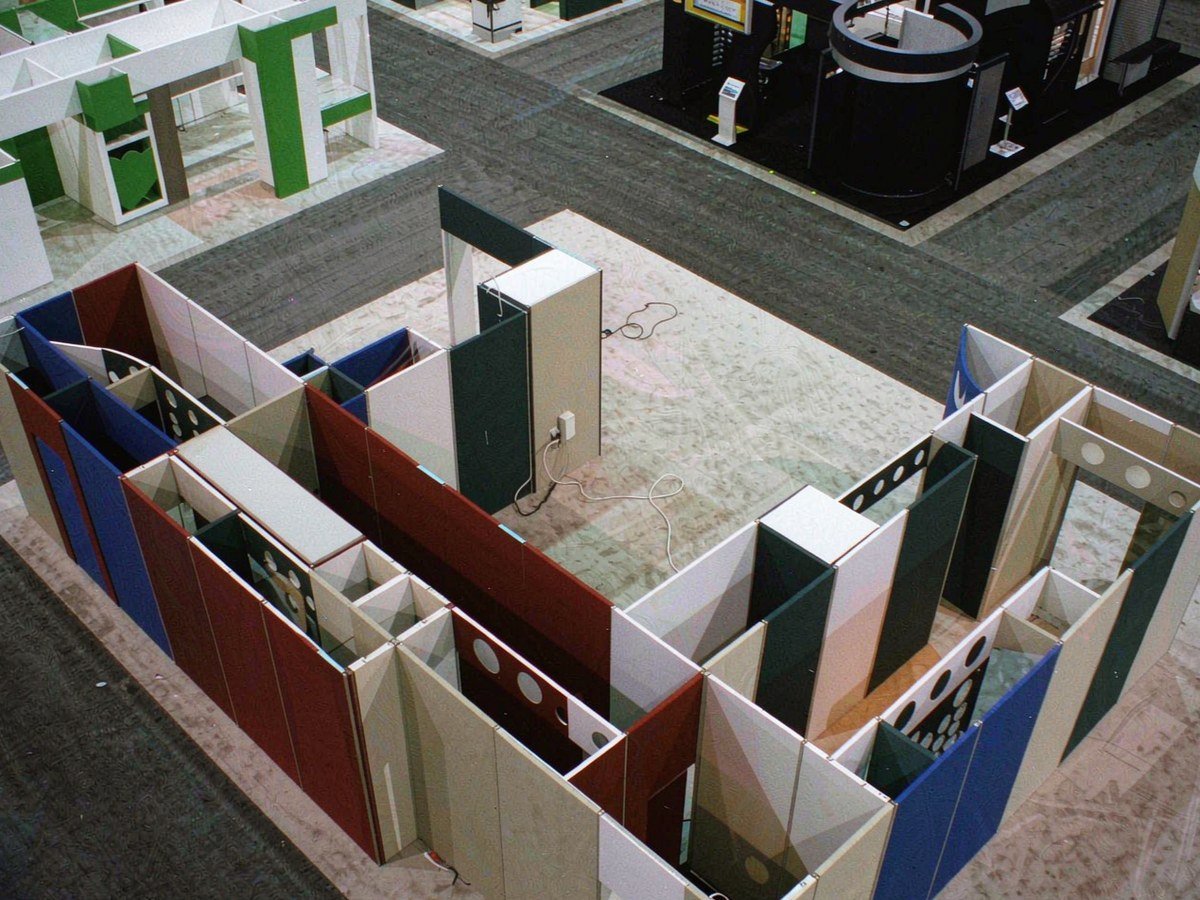
For multiple technologies, scheduled demonstrations, broader sample proof and distributor or plant-team meetings.