
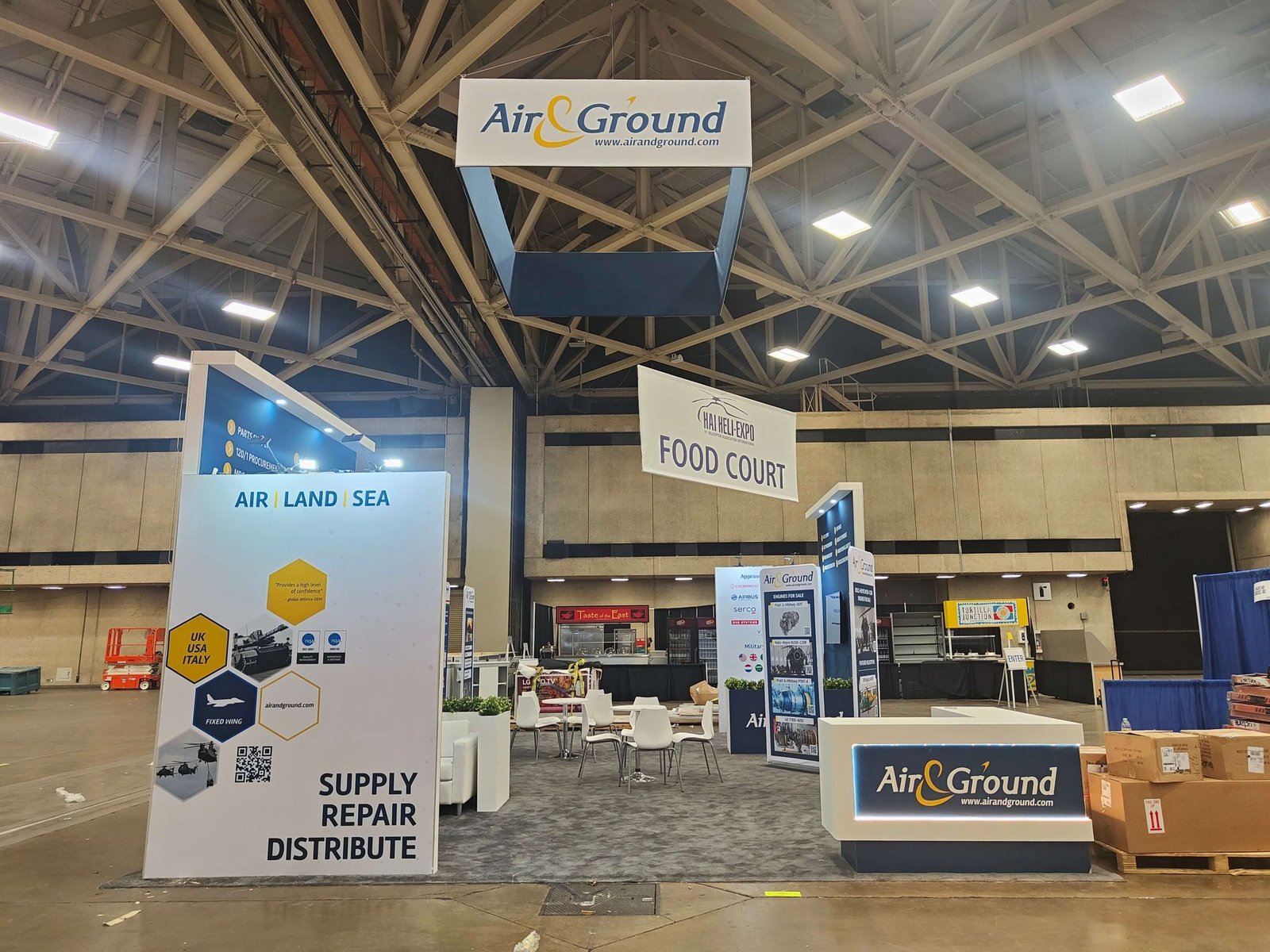


Match the APEX EXPO Exhibit to What Buyers Must Evaluate
PCBs, Components, Materials or Small Samples
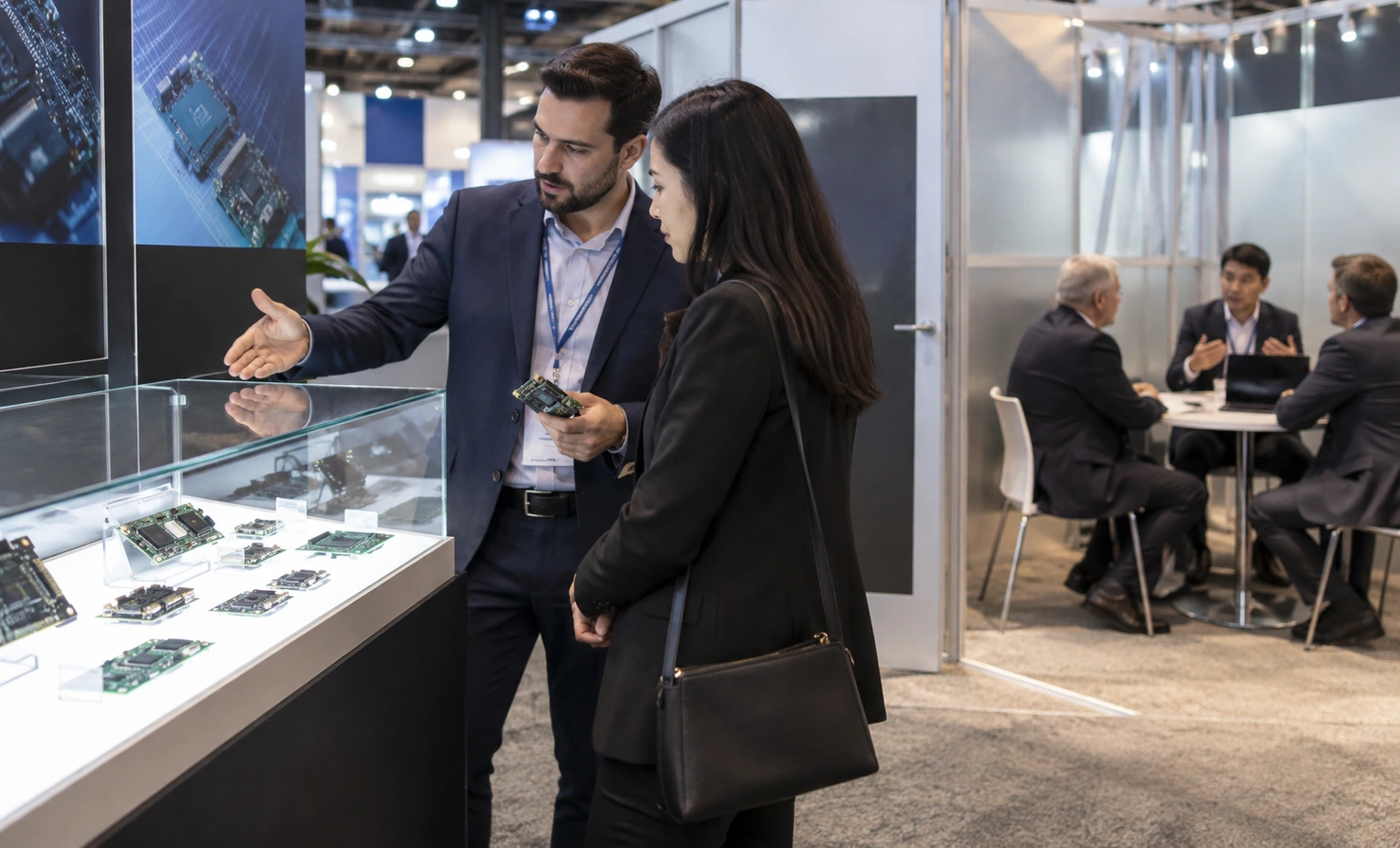
Confirm size, orientation, comparison point, lighting, labels, handling and replenishment. Use a lit display, magnified visual, application graphic and protected sample storage.
Assembly, Fabrication or Process Equipment
Confirm dimensions, weight, support points, operating side, utilities, movement, noise and technician position. Preserve the equipment interface, service clearance, cable route, operator space and a contained viewing line.
Inspection, Test or Measurement Workflow
Confirm the device under test, controls, result screen, test sequence, approved accuracy claims and fallback. Provide a guided demo point, shared result display, sample handoff and space for deeper technical discussion.
Design, Data or Manufacturing Software
Confirm the user task, screen count, control device, network dependency, confidential-data limits and backup. Provide a visible workflow, operator position, local fallback and a separate detailed-review area.
Inputs Before Exhibit Design
Your team confirms all product, equipment and operating data. King uses approved inputs to plan the physical exhibit interfaces named in the proposal.
Design from the APEX or EXPO Assignment, Not a Generic Tech Booth
APEX EXPO brings together OEMs, EMS providers, PCB manufacturers, designers, equipment makers, materials suppliers and test specialists. The current rules distinguish electronics assembly exhibitors in the APEX area from bare board manufacturing suppliers in the EXPO area. Your assigned area and booth configuration therefore come before towers, screens or demo stations.King can translate the confirmed product flow into a rental exhibit and coordinate quoted interfaces. Show Management, the venue and designated providers control space, approvals, official services and regulated work. Those responsibilities remain separate unless the accepted proposal names a specific coordination task.
Build the Conversation Around the Visitor’s Technical Question
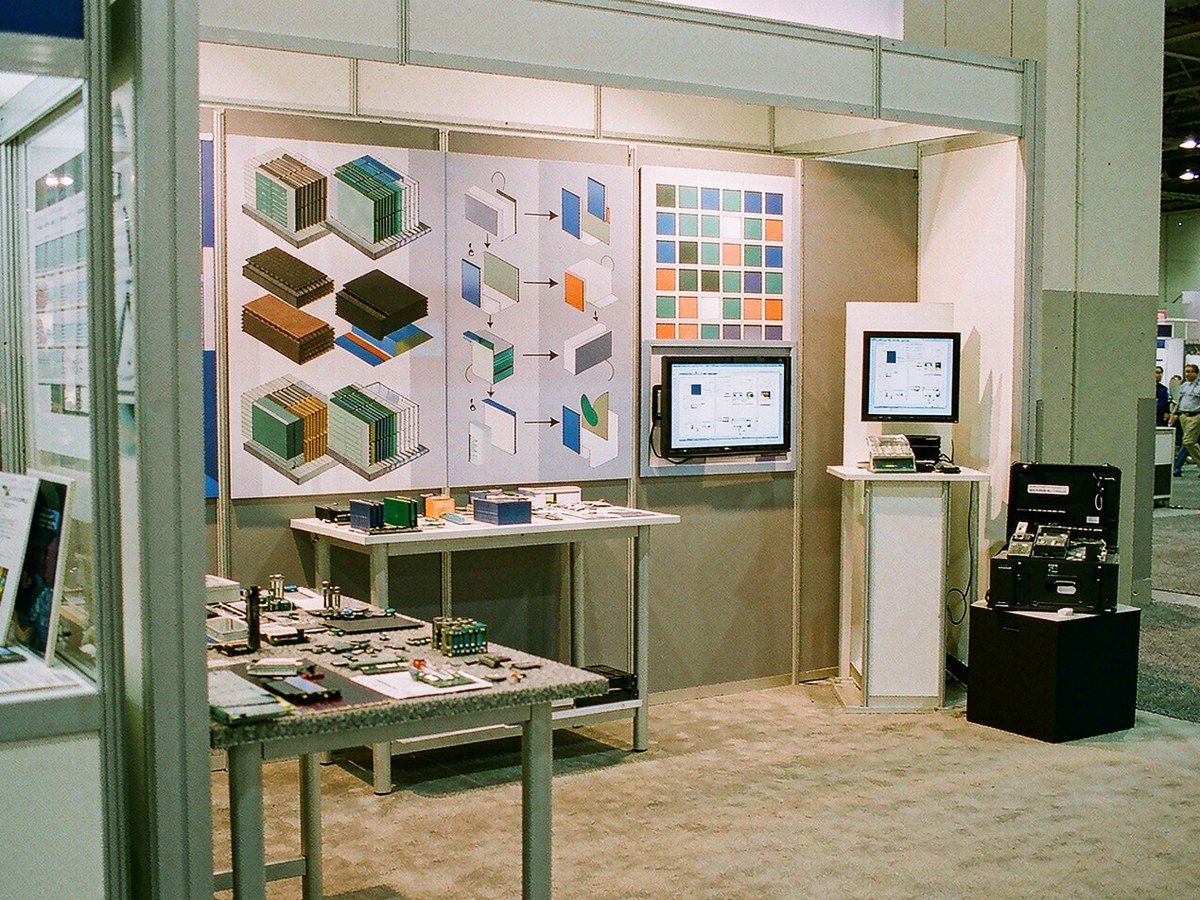
Help visitors compare board structure, materials, manufacturing choices and application fit using approved samples and readable layer or process graphics.
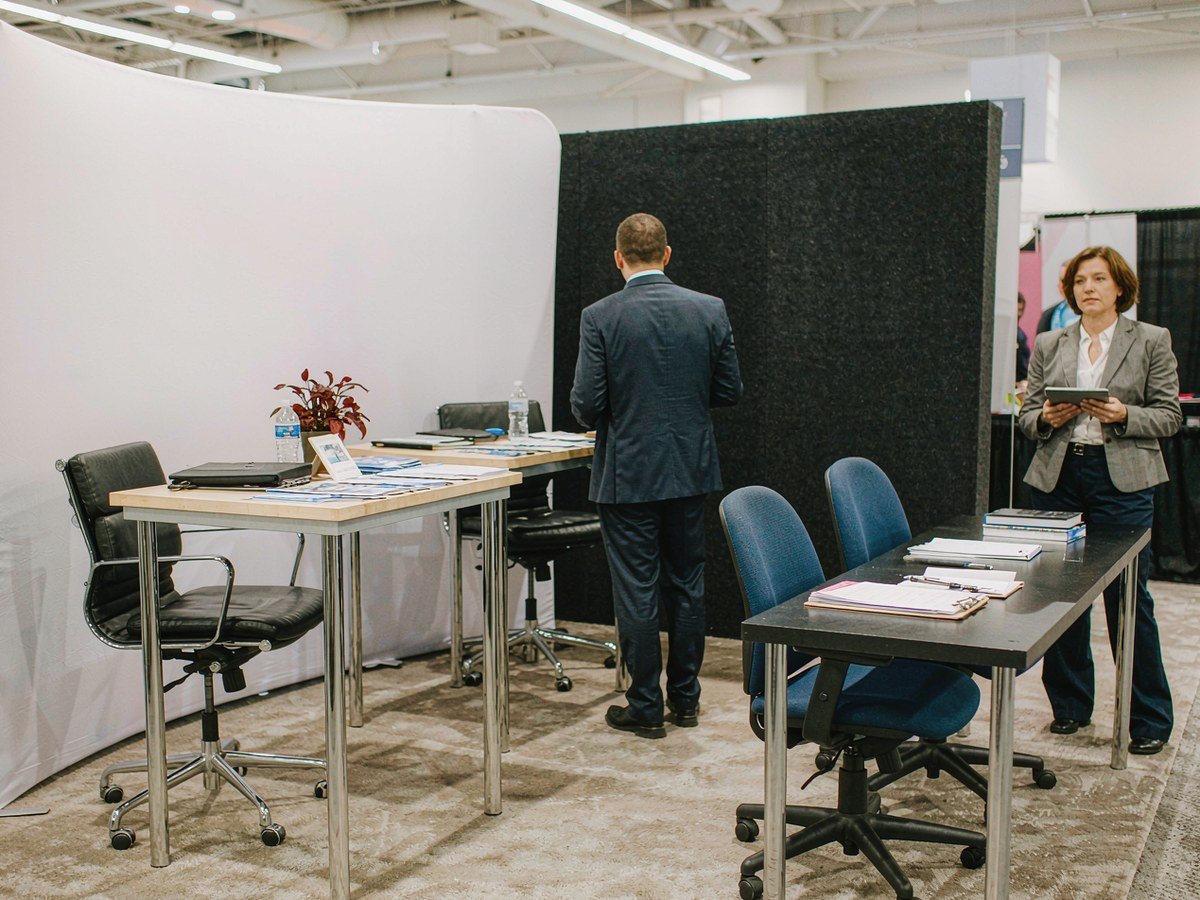
Connect assembly capability, quality controls, production workflows and supply responsibility to the type of program the buyer needs to discuss.
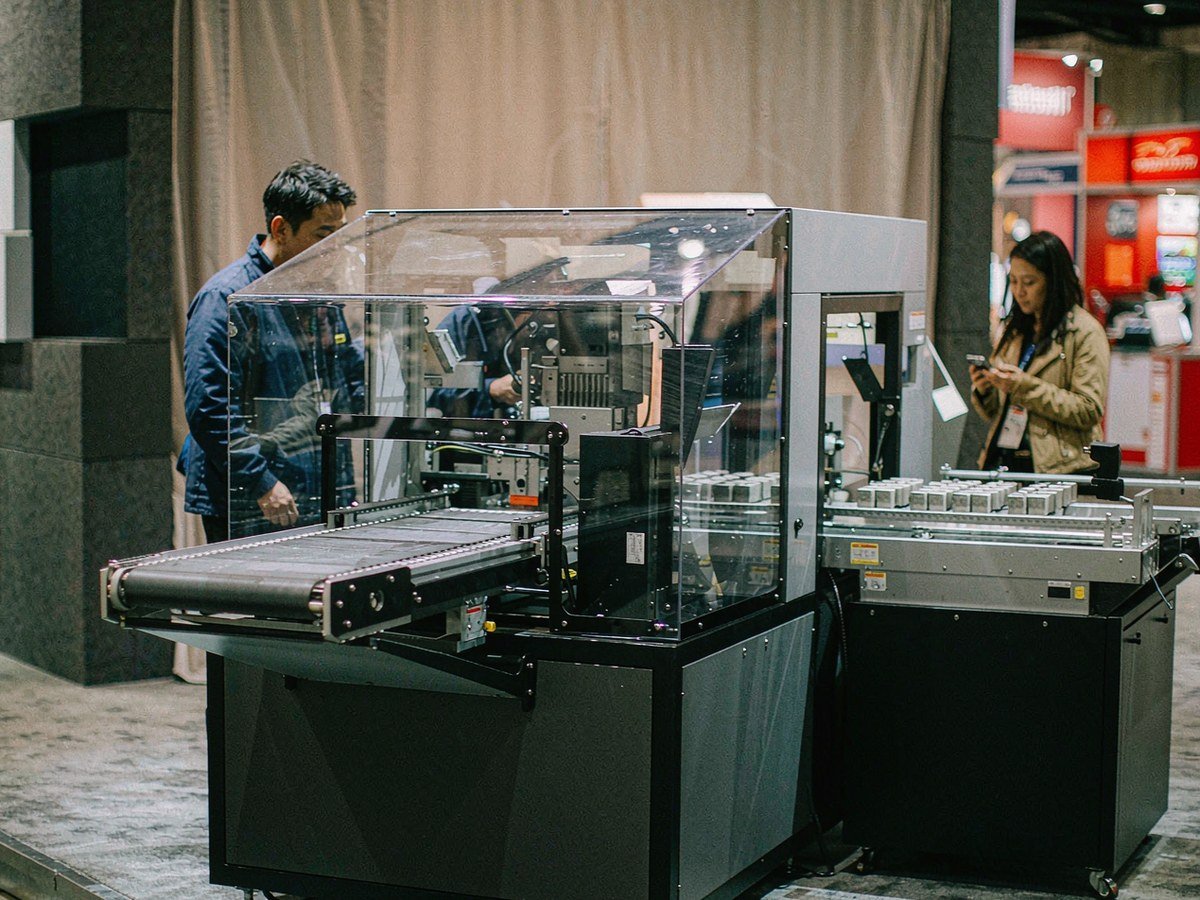
Show what enters the machine, what happens inside the process and what output or operating improvement the visitor can inspect.
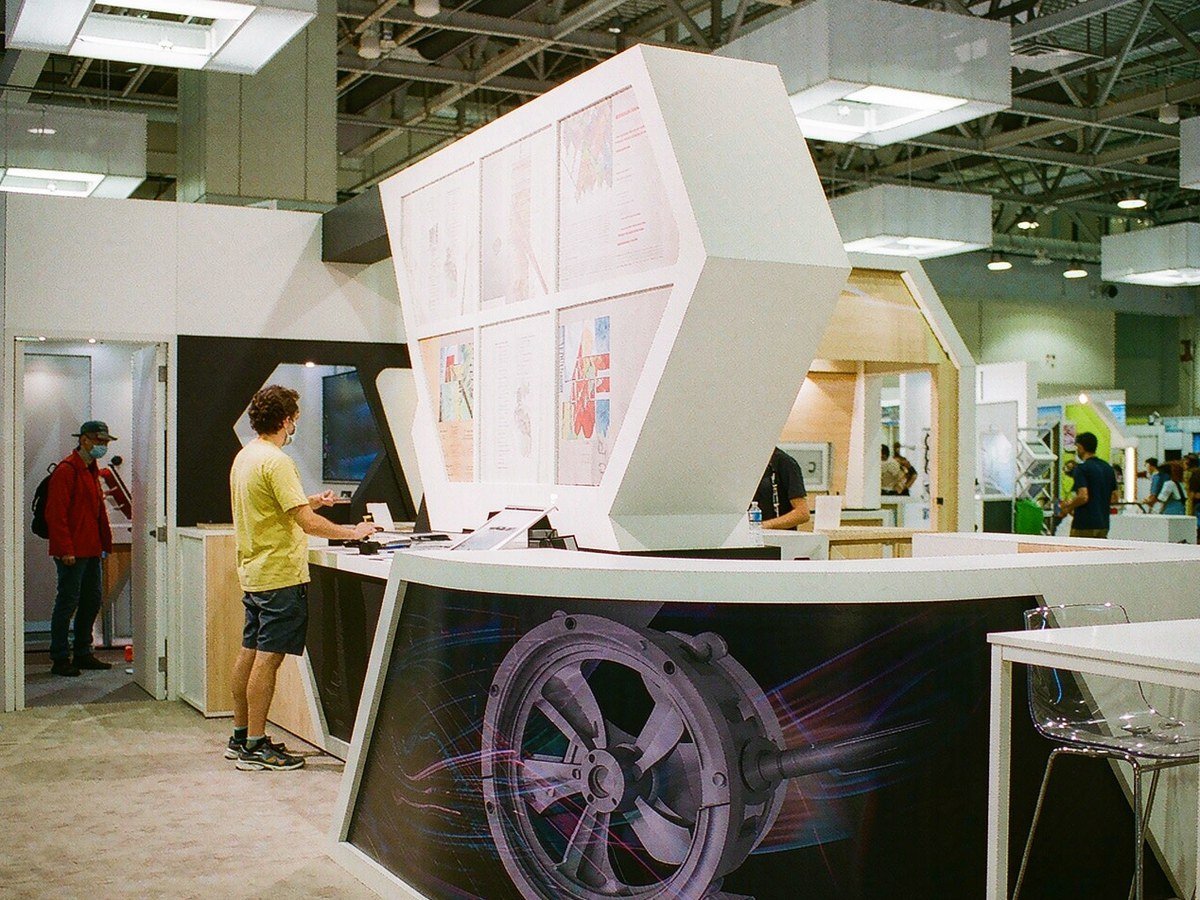
Link the material to its process step, handling condition, technical data and approved performance statement without turning the booth into a wall of charts.
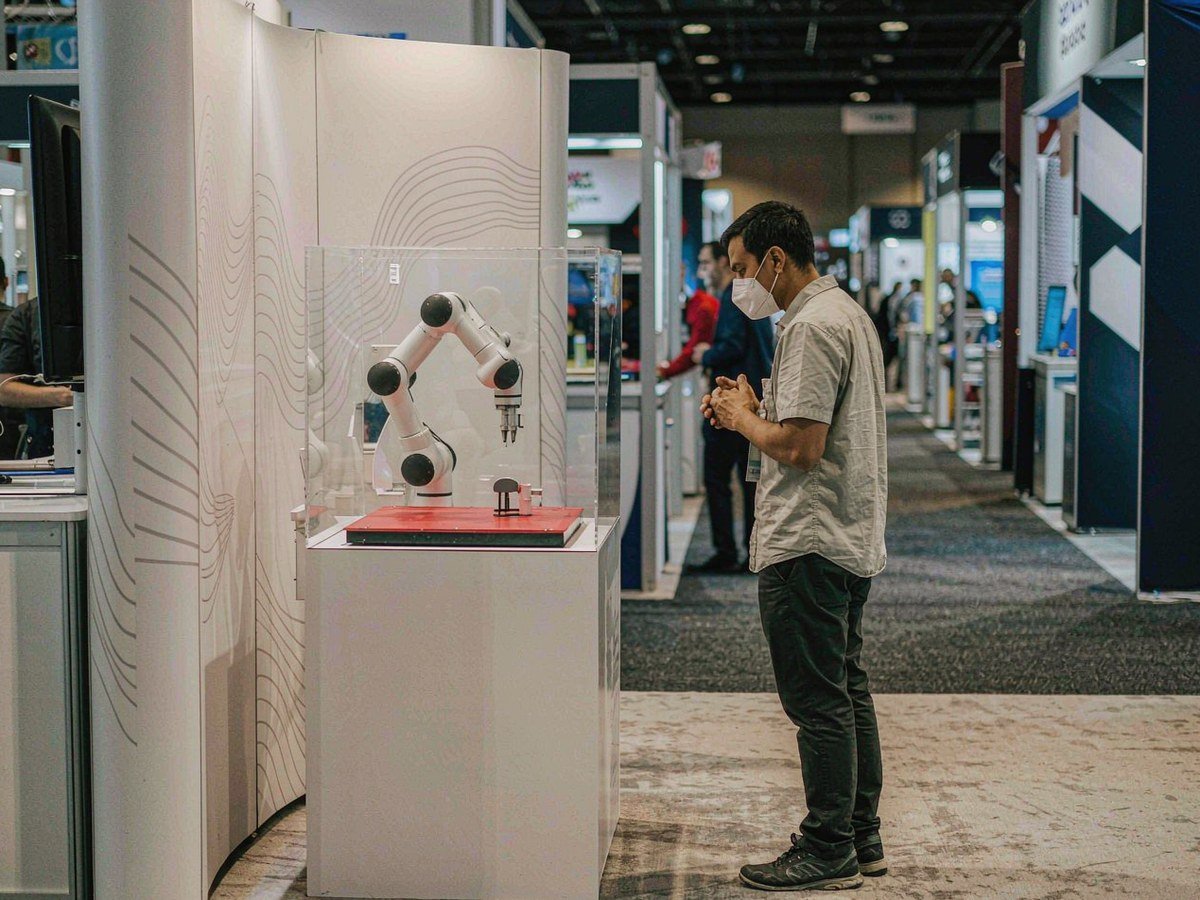
Let the visitor follow the sample, measurement, result and next technical question in one short demonstration.
Turn the Manufacturing Sequence into a Visitor Route
Begin with the board, assembly or production problem the visitor recognizes. Place the relevant sample, material, machine or test result next, then lead into specifications and an engineer-led discussion. King can position cases, graphics, screens, counters and meeting furniture around that sequence. Your product team supplies the approved process language and claims, so the exhibit explains where the offer fits without inventing performance, yield, reliability or certification evidence.


Reserve the Operator, Queue and Safety Space Together
An equipment footprint is only the starting dimension. Add the control position, service side, sample handoff, visitor viewing line, cable route and any required setback or barrier before approving the floor plan. Current APEX EXPO rules keep presentations and queues inside the contracted space and call for added care around moving machinery. King can plan the physical arrangement; the exhibitor and responsible providers confirm operation, safeguards, utilities and required approvals.
Keep Sensitive Boards and Data Under Your Team’s Control
Decide which samples, images, measurements and customer applications may be visible from the aisle. Public displays can use approved boards, enlarged details and simplified process graphics, while controlled prototypes or data stay in locked storage or a staffed discussion area. King can include those physical zones in the 3D direction, but your company defines access, content and handling. This preserves a useful technical conversation without turning confidential work into open exhibit material.
Review Samples, Equipment and Show Responsibilities in One 3D Direction

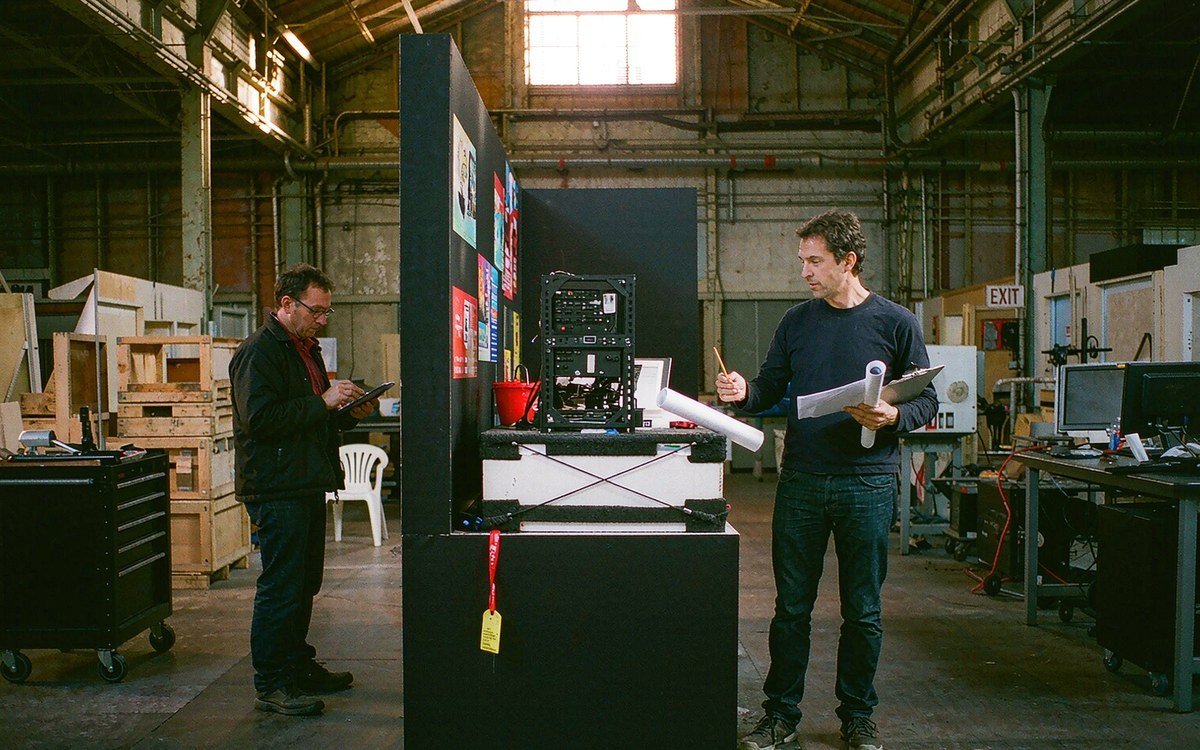
King Exhibits can place the approved samples, equipment, screens, graphics, storage, meetings and service access into one visual plan before rental and selected custom elements are released. Marketing can review the message while engineering checks equipment interfaces and operations reviews packing and onsite access.The itemized proposal then separates King’s exhibit work from exhibitor-supplied products and official services. That shared record gives procurement a defined scope to compare and gives the project team fewer hidden assumptions to discover after the design has been approved.
Close These Inputs Before APEX EXPO Exhibit Production
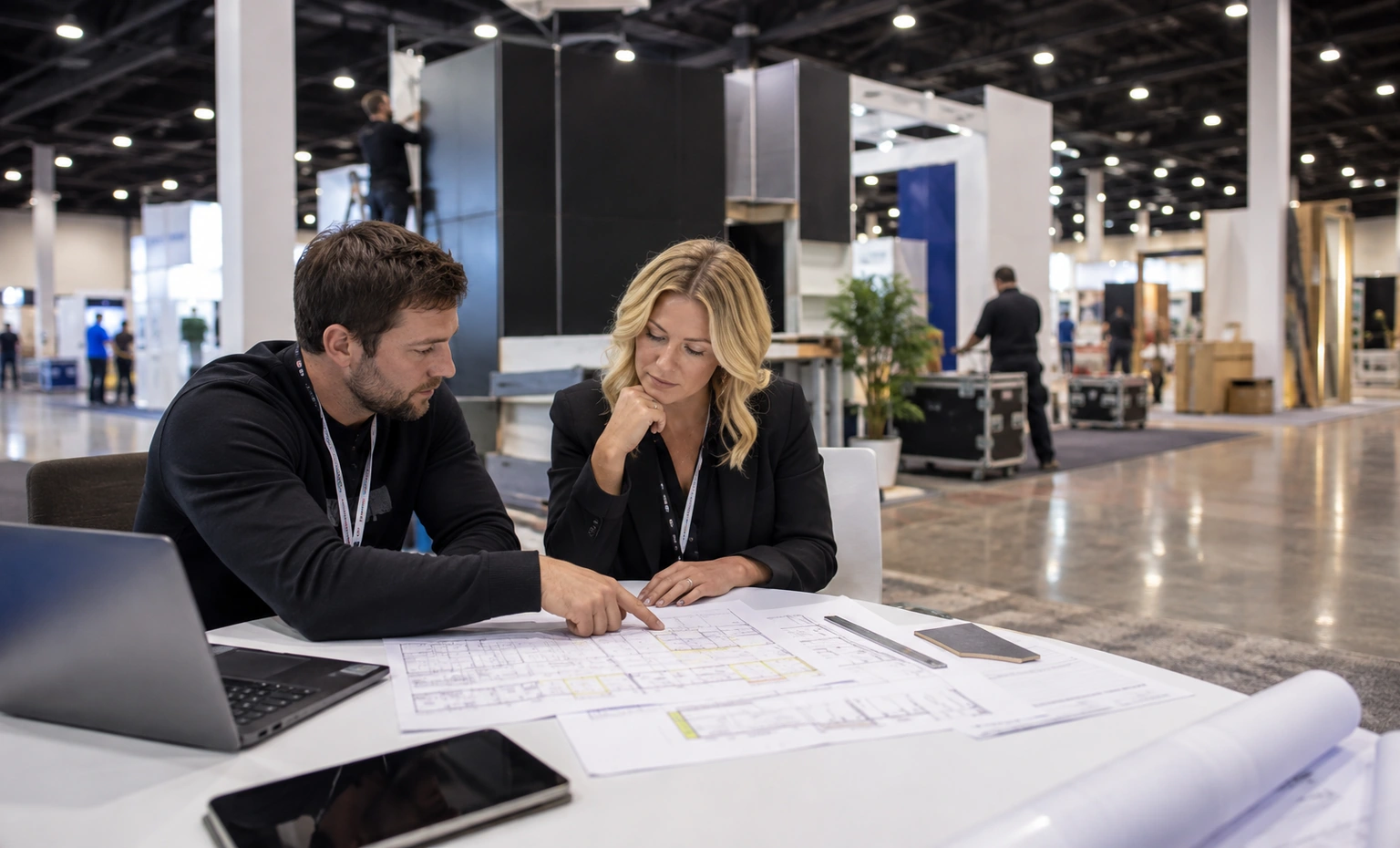
Confirm the show edition, APEX or EXPO area, booth number, size, configuration, neighboring sides, current display rules and approval requirements.
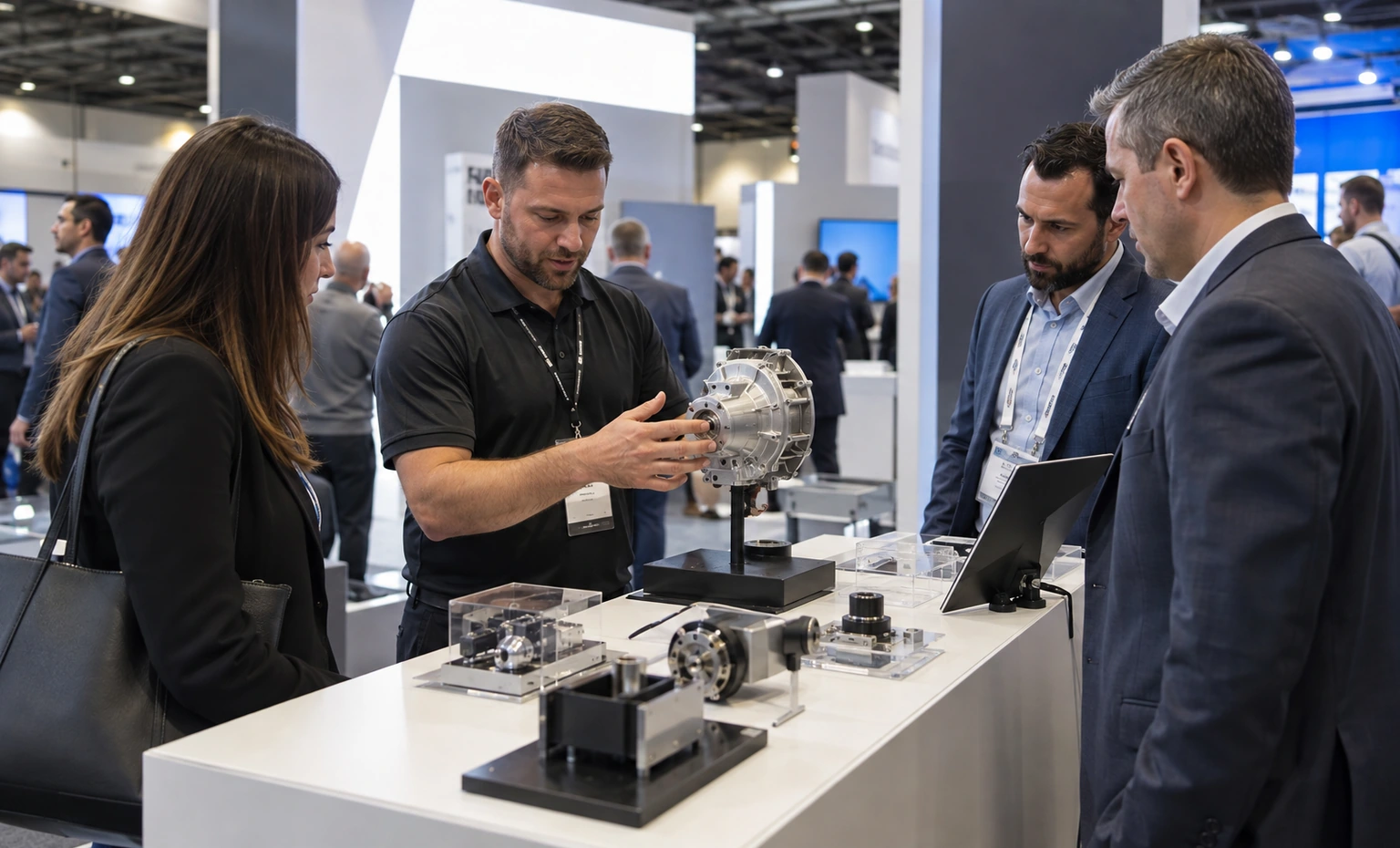
Name every item and provide dimensions, weight, support, operating side, movement, utilities, specialist, sequence, viewing need and fallback.
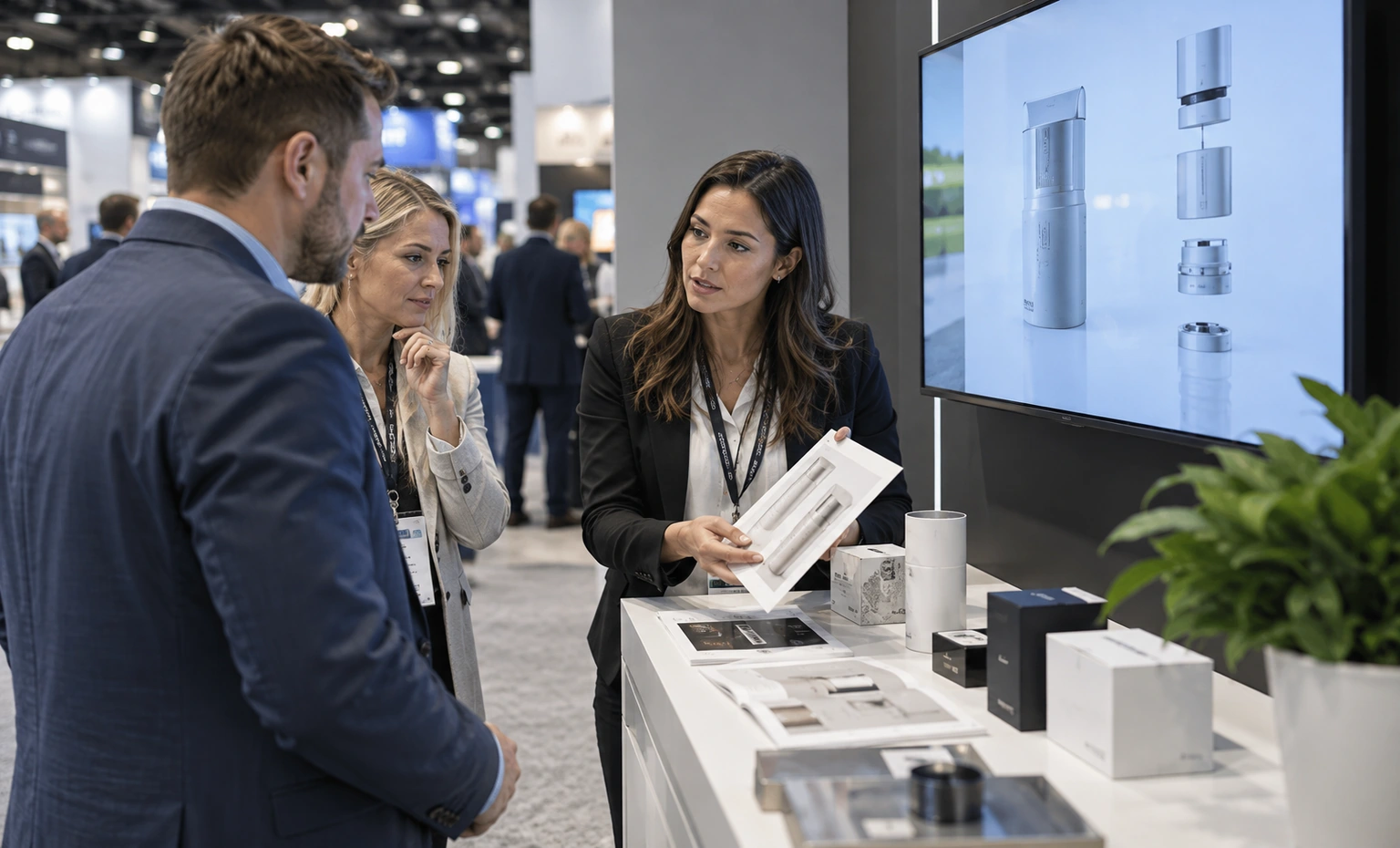
Approve product terminology, manufacturing flow, claims, screen content, sample labels and the material that must remain controlled.

Identify packing owners, shipping route, material handling, official service orders, installation, equipment placement, testing, show support and dismantling responsibility.
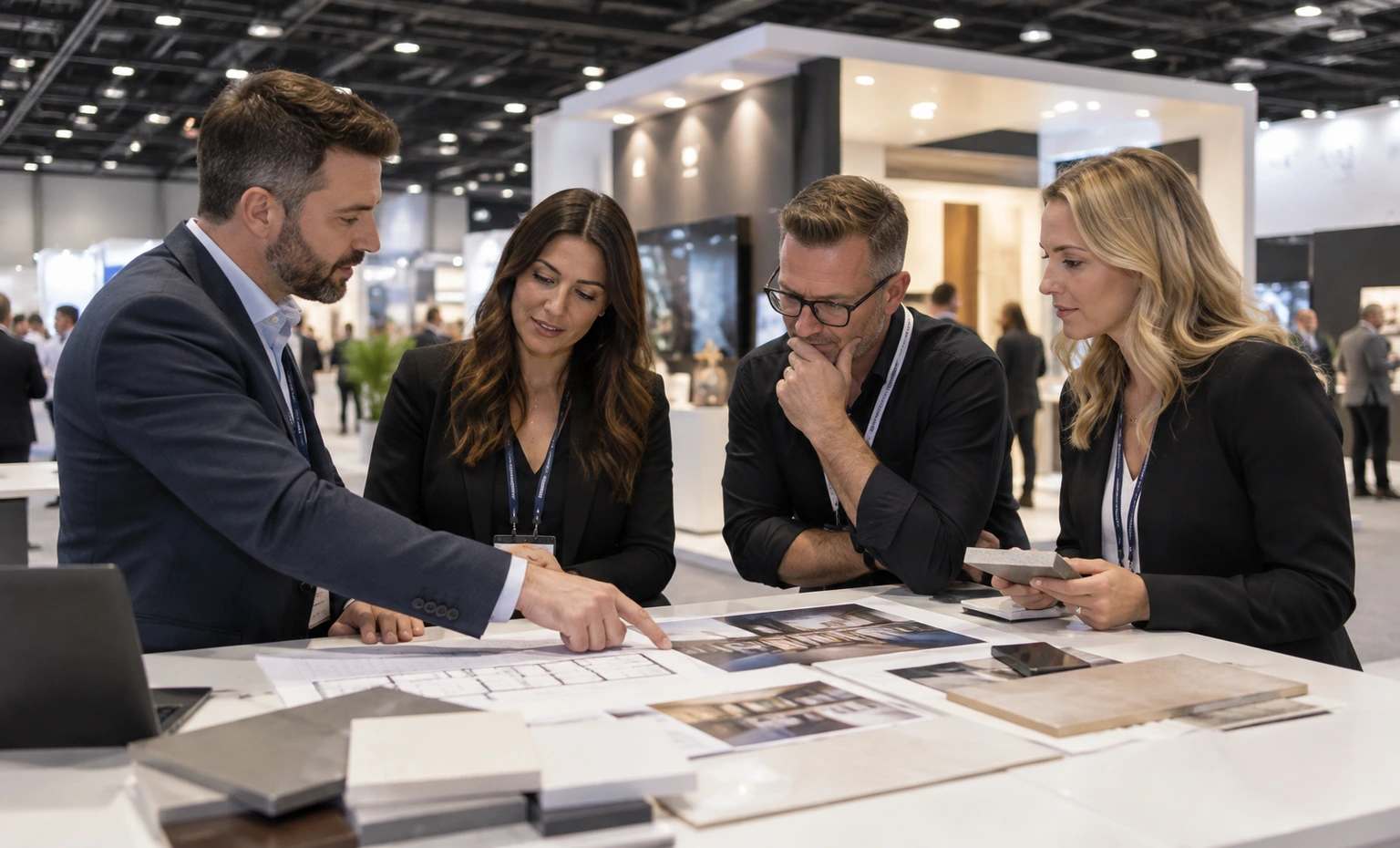
Move from Product Flow to a Defined APEX EXPO Booth Scope
Provide the show edition, APEX or EXPO area, footprint, products, equipment, demos, graphics, meetings, utilities, freight, budget and requested onsite work.
We arrange attention, sample inspection, process explanation, demonstration and specialist follow-up around the real buyer question.
Marketing, engineering and operations check the message, visibility, equipment interfaces, access and responsibility before release.
The proposal identifies the rental/custom exhibit scope, graphics and quoted services while keeping exhibitor and official-provider inputs visible.
Only signed-off dimensions, artwork, equipment labels, sample lists and responsibilities control the build and pack plan.
King handles the exhibit tasks accepted in writing; your specialists control products and demonstrations, and official providers perform their ordered services.
It is for APEX EXPO, the electronics manufacturing event historically identified with IPC. It is not the automotive aftermarket event AAPEX. Confirm the exact event name and edition on your booth assignment before requesting a design.
The current event rules distinguish electronics assembly exhibitors in the APEX area from bare board manufacturing suppliers in the EXPO area. The assigned area helps confirm the audience, product story, floor-plan assumptions and applicable event materials.
Yes, when the actual equipment, booth configuration, current rules, safeguards, utilities and responsible operators support the plan. Send dimensions, weight, movement, operating side, service access, power and other technical inputs before 3D approval.
Not by default. Those services are controlled by the event, venue or designated providers. King coordinates only the interfaces or tasks specifically listed in the accepted proposal; the responsible party and order remain visible.
Yes. The layout can separate approved public samples from locked storage or staffed technical discussion. Your company decides what may be shown, photographed, handled or discussed and provides the final access rules.
Footprint, booth type, structure, equipment interfaces, cases, graphics, lighting, screens, furniture, storage, freight and onsite work affect King’s scope. Official services, approvals and exhibitor equipment are separate unless the proposal expressly includes a coordination item.
Send the show edition, assigned area and booth, size and configuration, products, equipment schedule, demonstrations, screens, graphics, meetings, restricted-content needs, utilities, freight, budget and the onsite tasks you want priced.
Booth Sizes for APEX EXPO Samples, Equipment and Meetings
-
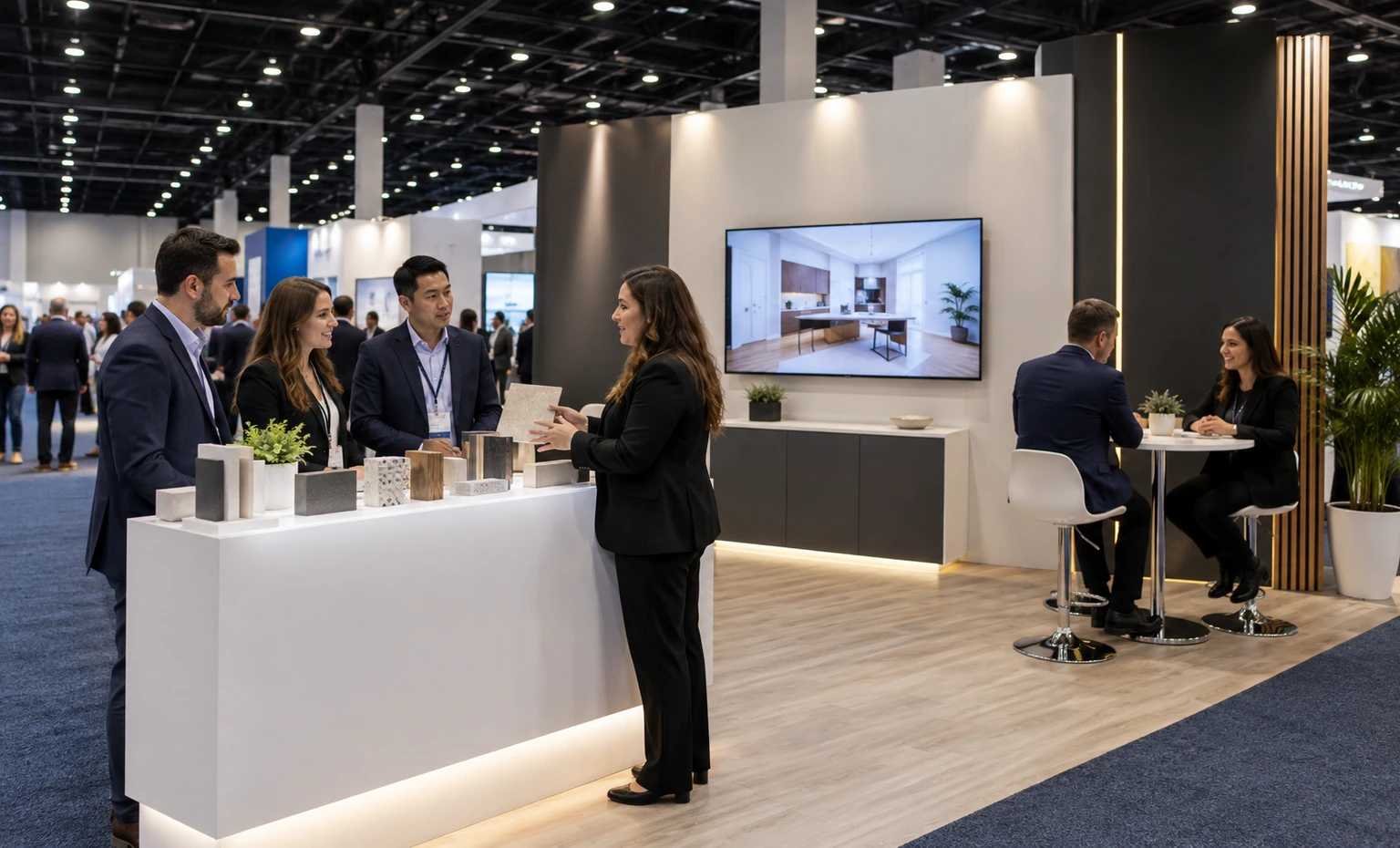
A focused inline footprint can combine a small sample range, one guided demo and a compact follow-up point when height, sightline and service access are planned early.
-
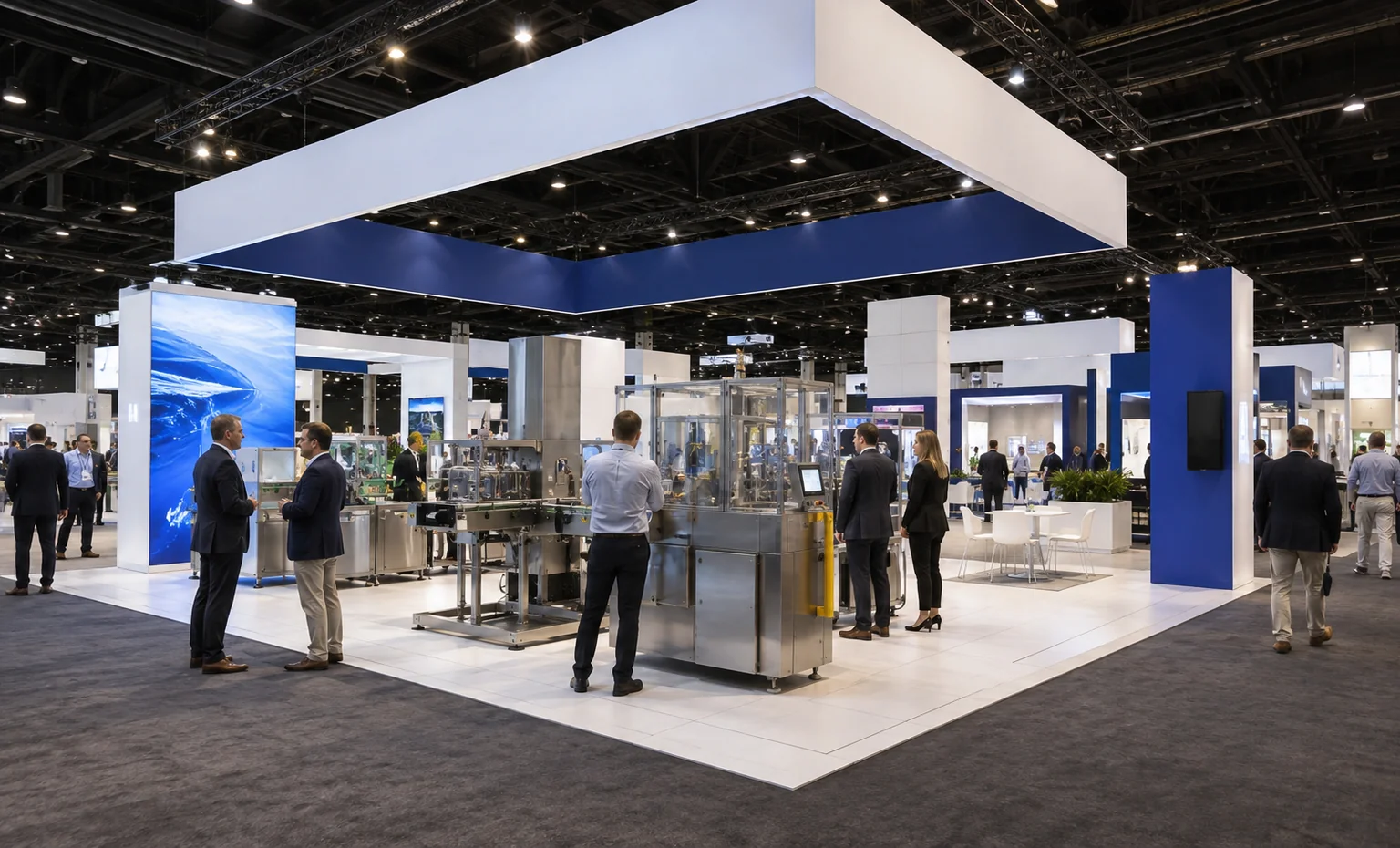
Island access can give equipment or several process steps clearer viewing sides while keeping the operator and storage route inside the footprint.
-
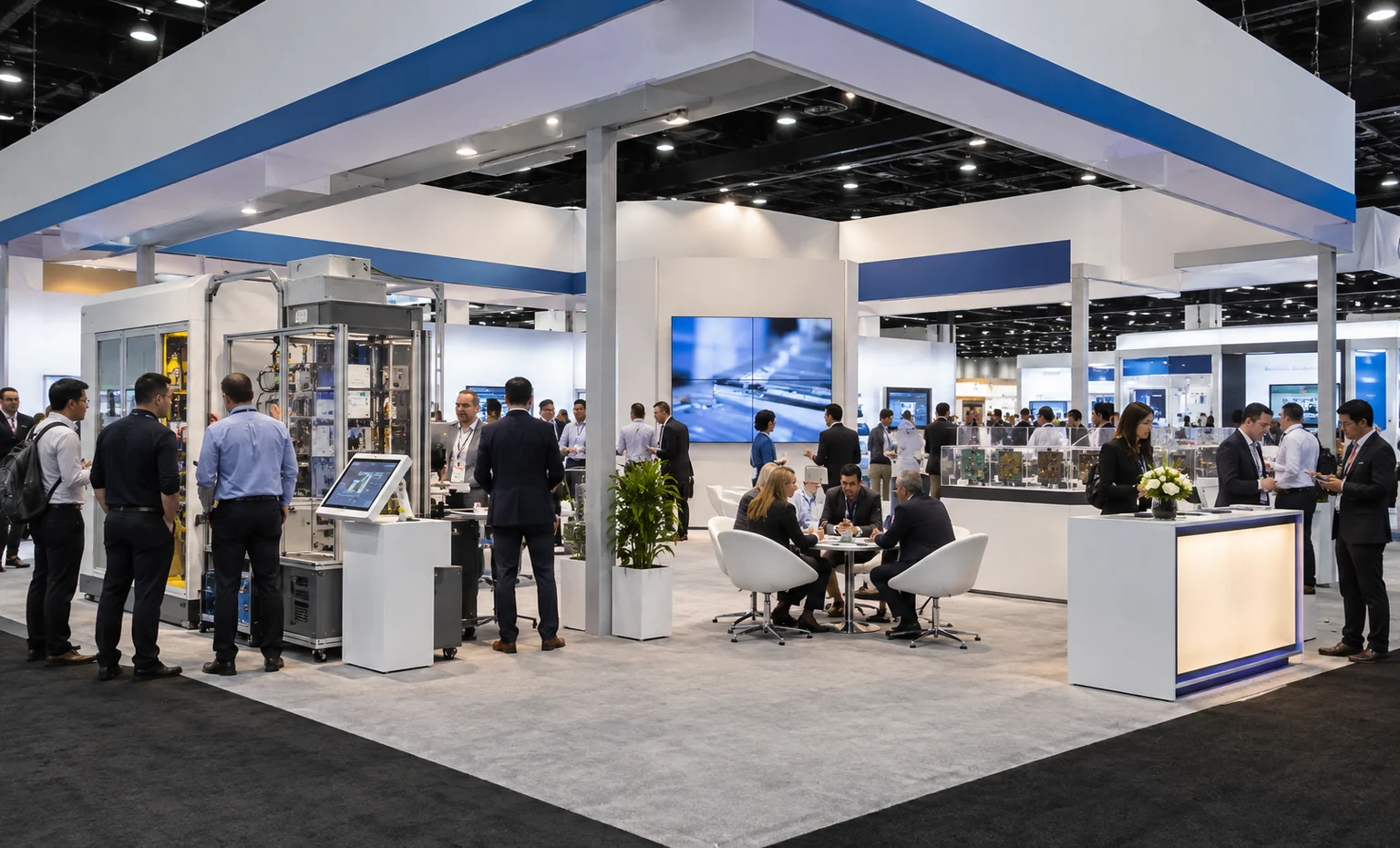
A larger island can separate equipment demonstrations, component or board displays, scheduled engineering discussions and support functions without combining every visitor into one queue.