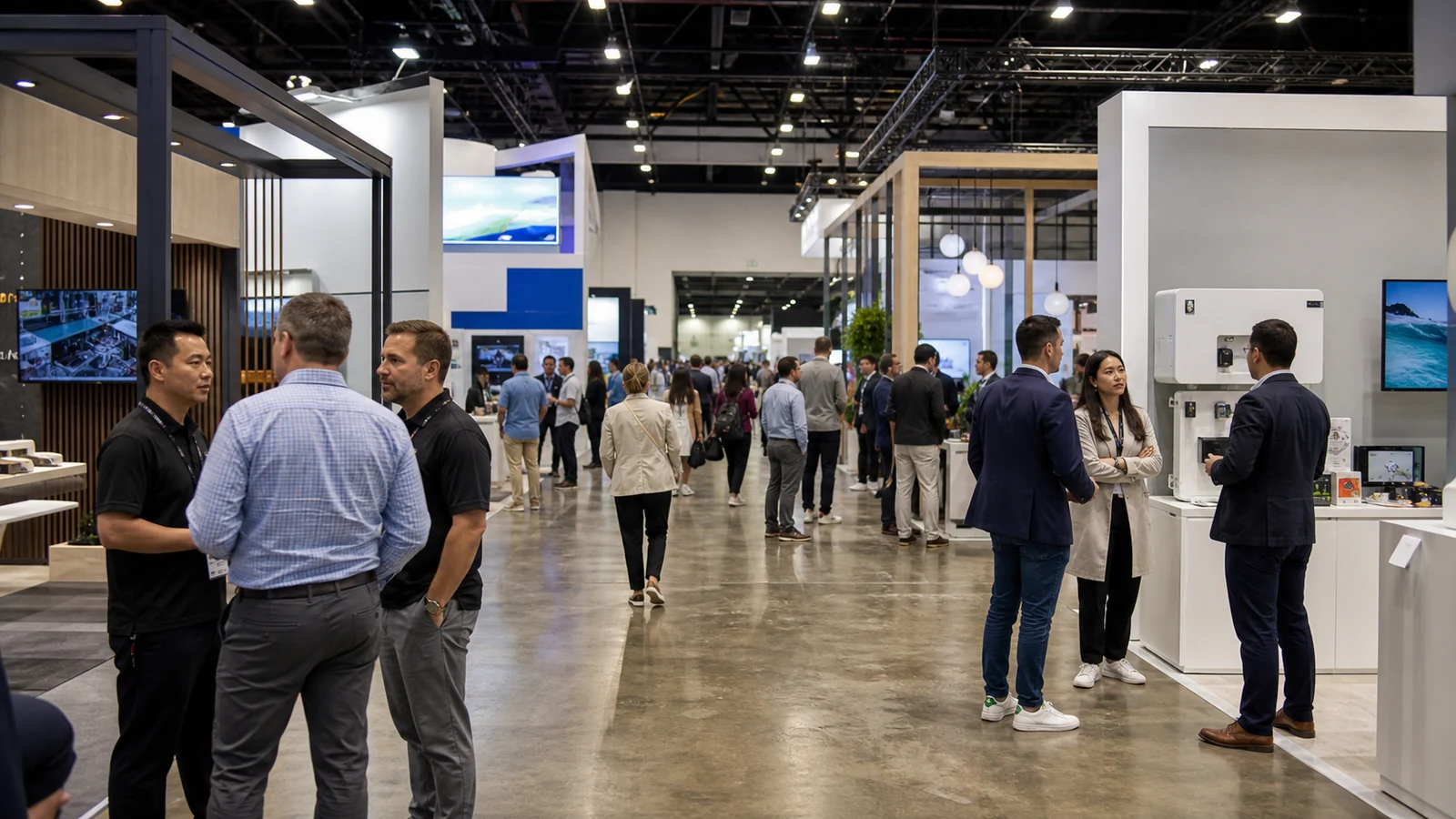
If you sell products for collectors, Wanenmacher’s Tulsa Arms Show deserves a closer look than its enormous table count can provide. The important question is what people come to see, and whether your products belong in that setting. This is a public gun and knife show with a strong collecting tradition, rather than an exhibition organized primarily around wholesale appointments.
The next edition is scheduled for November 14–15, 2026, in Tulsa, Oklahoma. Its history, collector displays and table-based floor help explain how to approach it. For a first visit, these features help you decide whether to observe the event or apply for a table, and what to prepare for either choice.
Tulsa Arms Show dates and location for November 2026
The organizer’s calendar and Expo Square agree on the November weekend. The venue lists SageNet Center, within the Tulsa Fairgrounds complex. Official calendar, Expo Square event listing.
| Detail | November 2026 edition |
|---|---|
| Dates | Saturday, November 14, and Sunday, November 15 |
| Public hours | Saturday, 8 a.m.–6 p.m.; Sunday, 8 a.m.–4 p.m., local time |
| Venue | SageNet Center at Expo Square |
| Address | 4145 East 21st Street, Tulsa, OK 74114 |
Use the full event name when checking your itinerary. A search for a Tulsa gun show can bring up other events, while older Wanenmacher’s documents use different building names. Match the organizer and dates as well as the city. Public opening hours also differ from the time exhibitors can arrive to set up.
The collecting tradition behind Wanenmacher’s
The organizer traces the show to the Indian Territory Gun Collectors Association in 1955. Joe Wanenmacher took responsibility for producing it after becoming the club’s secretary-treasurer in 1968, when it had about 100 tables. Tulsa Arms Collectors Association is the current sponsor. Organizer’s history.
Collector associations have also used Tulsa as a place to gather. The Browning Collectors Association’s summer 2022 newsletter reports on its annual meeting and banquet connected with that spring’s show. It describes members meeting in person and the association’s work at its table. BCA’s 2022 account.
That history helps explain why a collector might value a long conversation about one object more than a broad product presentation. For your company, the useful question is which part of that interest you serve: presenting a collection clearly, organizing related documents, or helping people describe what they own. A general company brochure will not answer those questions on its own.
What gives the exhibits their character?
The organizer describes antique and modern firearms, knives, accessories and some military artifacts. Its current homepage advertises more than 4,200 tables in an eleven-acre hall and highlights Ruger Collectors for November. Those descriptions establish the show’s subject and advertised scale; they are not attendance figures. Current show overview.
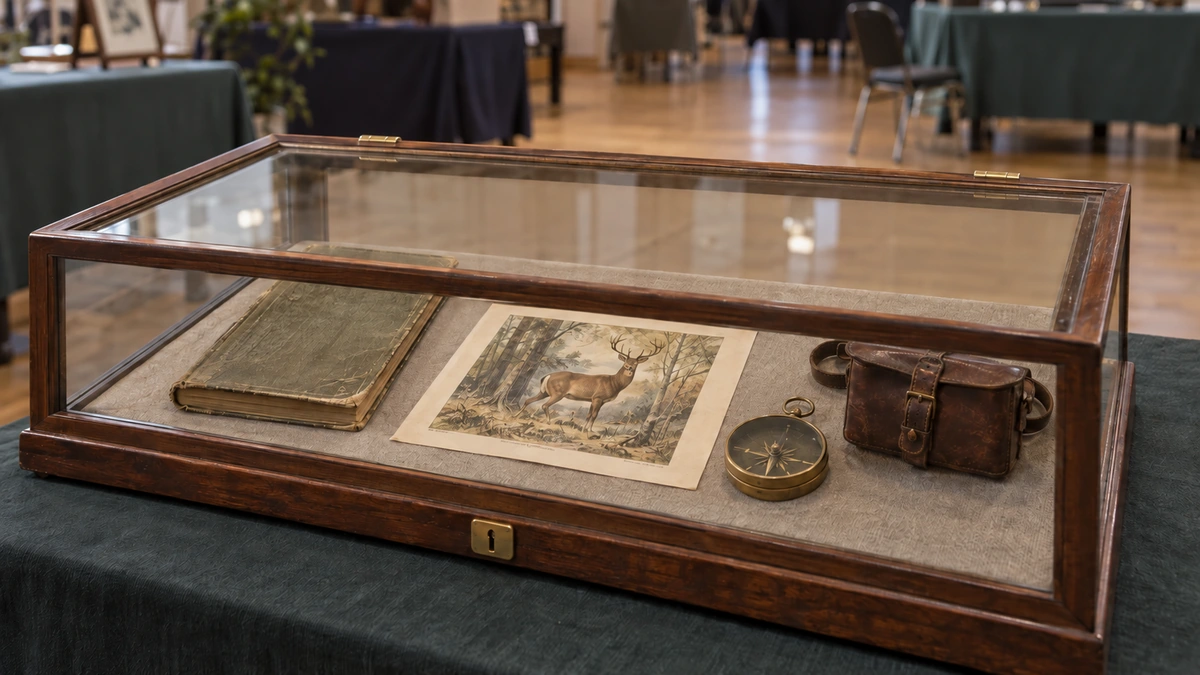
The displays can tell stories beyond the principal object. In its report on the November 2017 Tulsa show, the Ruger Owners & Collectors Society documented a two-table display of company memorabilia, including literature and artwork. Another display compared objects from different eras alongside information about everyday costs in those periods. These historical examples show how documents, captions and context can become part of the exhibit. ROCS’s 2017 display report.
For a display-products business, that suggests useful things to observe. Are labels readable without leaning over a case? Can a visitor connect an object with its accompanying document? Does the arrangement make small pieces easy to distinguish?

How the table format changes the experience
The operator, Tulsa Gun Show, Inc., offers six-foot and eight-foot tables. Its exhibitor page says perimeter tables are six feet and that eight-foot tables often book early. Confirm the allocation available for your edition before sizing a display. Published table information.
This is a different starting point from an open booth floor with room for a reception counter, meeting area and backdrop. Your presentation needs to work at table distance. For an approved display accessory, a clearly explained example may be more useful than trying to present an entire catalog. Leave enough space for someone to see what the example does and ask a question without having to work around unrelated material.
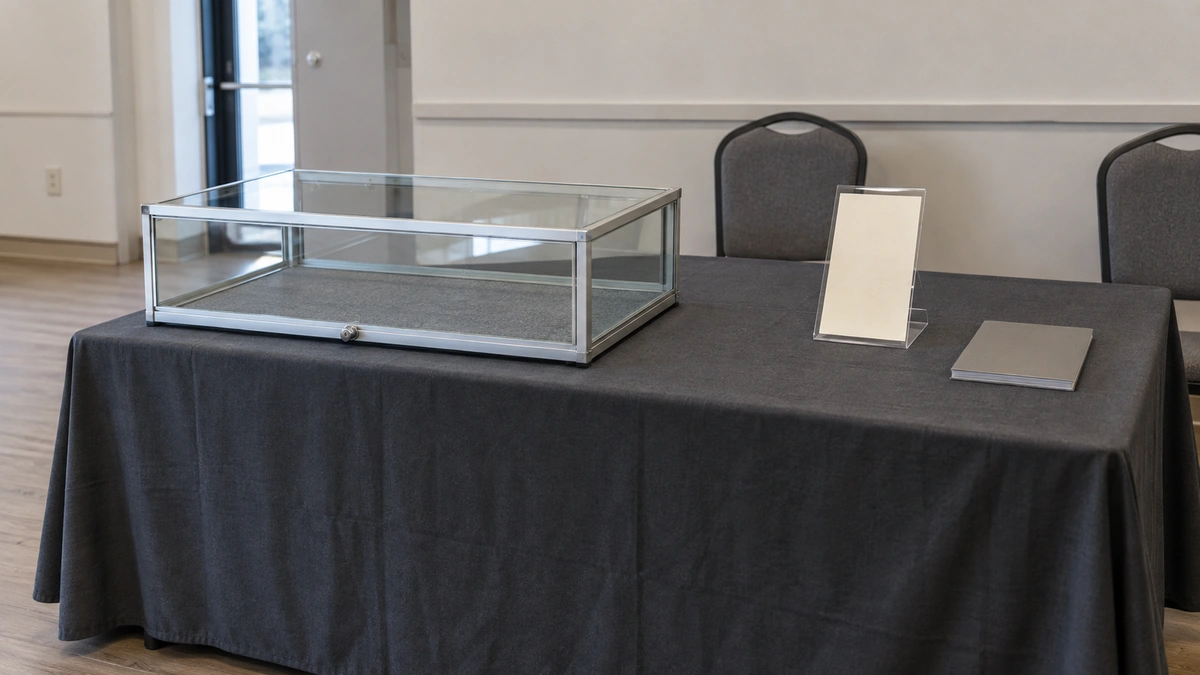
There is also a distinction between exhibiting a collection and presenting merchandise. The organizer’s April 2026 flyer listed collection display tables separately and specified no sales for that category. That is a spring-edition example of how the organizer distinguishes uses, rather than a November booking offer. If you want a display-only presence, ask which category applies before preparing it. April 2026 flyer.
Who you can meet, and what a business visit can achieve
Public admission matters when you assess the audience. Someone can be knowledgeable about a collection without representing a business. The advertised table count should not be treated as the number of independent companies or people able to approve wholesale orders. Public admission information.
For your first visit, separate learning about collectors from developing trade relationships. A conversation about how someone arranges a collection can help you understand product use. A conversation with a specialist retailer may help you understand how that retailer chooses display supplies. Write down which kind of conversation you actually had, so a useful individual comment does not become a claim about the entire market.
If your priority is appointing distributors, identify relevant businesses in advance and check whether they plan to attend. Ask whether a brief business discussion would be welcome and arrange a suitable time. Otherwise, their attention may be on the people already at their tables. The size of the event alone is not a reason to expect an appointment program or a ready-made list of wholesale prospects.
Product eligibility comes before the display plan
The exhibitor page restricts unrelated merchandise, requires prior approval for non-gun tables and excludes tables promoting unrelated businesses. A product that appeals to collectors still needs to fit the organizer’s categories. Official product restrictions.
Send a clear description of your products and intended presentation before commissioning graphics or arranging freight. For example, explain whether you intend to demonstrate a display accessory or present a historical collection; those are different uses of a table. Once accepted, confirm the permitted arrangement in the information supplied with your booking.
Check the document date as well. The rules PDF currently linked from the exhibitor page is headed April 6–7, 2024. Ask for the terms applying to November 2026 instead of building your plans around that older edition. Linked rules PDF, dated 2024.
Preparing for your first Tulsa visit
If you are visiting to assess the event, choose a few questions before arriving. A display supplier might look at how printed material sits beside objects, how exhibitors explain a collection’s theme, and where visitors pause to ask questions. The aim is to return with examples of a presentation problem your company could address.
Plan time for both an initial walk through the hall and a return to the displays most relevant to you. Record enough location detail to find them again. Ask before photographing a display or taking notes during a conversation, and give the exhibitor space to attend to other visitors. A short, specific question about the display is a better opening than an unsolicited presentation about your company.
If your products have been accepted for exhibition, try the proposed arrangement at the confirmed table size before packing. Check that the product, its explanation and any supporting literature can be understood together. Prepare someone on your team to explain the relevant use in plain language. A first-time visitor should not need your full company history to understand why the item is on the table.
FAQs
Final Thoughts
Use your first Tulsa visit to understand collectors’ needs if you are still assessing demand for your display products. Once the organizer has approved your products for exhibition, you can plan their presentation.
If you need to make a sample’s purpose clear within limited table space, KingExhibits can help you design the display layout. Share your confirmed table dimensions and a representative product so we can discuss how the sample and its explanation fit together.