Your processing machine can be packed for Orlando while the exhibit still is not ready. A missing utility order, an unapproved moving envelope, or a freight delivery outside the assigned target can stop a live demonstration before a buyer sees it.
If you are exhibiting at NPE2027 for the first time, this guide shows how to connect an operating machine to the booth, official services, freight schedule, and show-day routine. It also explains what the show covers and how to enter through the official exhibit-space process.
Put the confirmed NPE2027 facts on one project page
NPE: The Plastics Show is owned and produced by the Plastics Industry Association (PLASTICS). The next event runs May 3–7, 2027, at the Orange County Convention Center (OCCC) in Orlando, Florida.
| Project fact | Current official information | Planning consequence |
|---|---|---|
| Exhibit dates | May 3–7, 2027 | Treat the final day as a shorter operating day, not another full day |
| Venue | OCCC, 9800 International Drive, Orlando, Florida | Record the building, hall, booth number, dock route, and service contacts after assignment |
| Exhibit-hall hours | May 3–6, 9:00 a.m.–5:00 p.m. ET; May 7, 9:00 a.m.–3:00 p.m. ET | Build staffing, demo cycles, cleaning, and shutdown around actual hall hours |
| Exhibit halls | West and South Exhibit Halls | Do not plan transport or customer meetings from the venue name alone |
| Organizer’s projected scale | 51,000+ professionals, 2,200+ exhibitors, 130+ countries | A large audience increases choice; it does not guarantee the right people will stop at your booth |
| Organizer | Plastics Industry Association (PLASTICS) | NPE Show Management, not a booth supplier, controls participation and show rules |
The scale figures are the organizer’s projections for the upcoming event, not completed 2027 attendance results. Reopen the official NPE website and show schedule before publication and again before travel because operating details may change.
Check whether your offer belongs in this buying environment
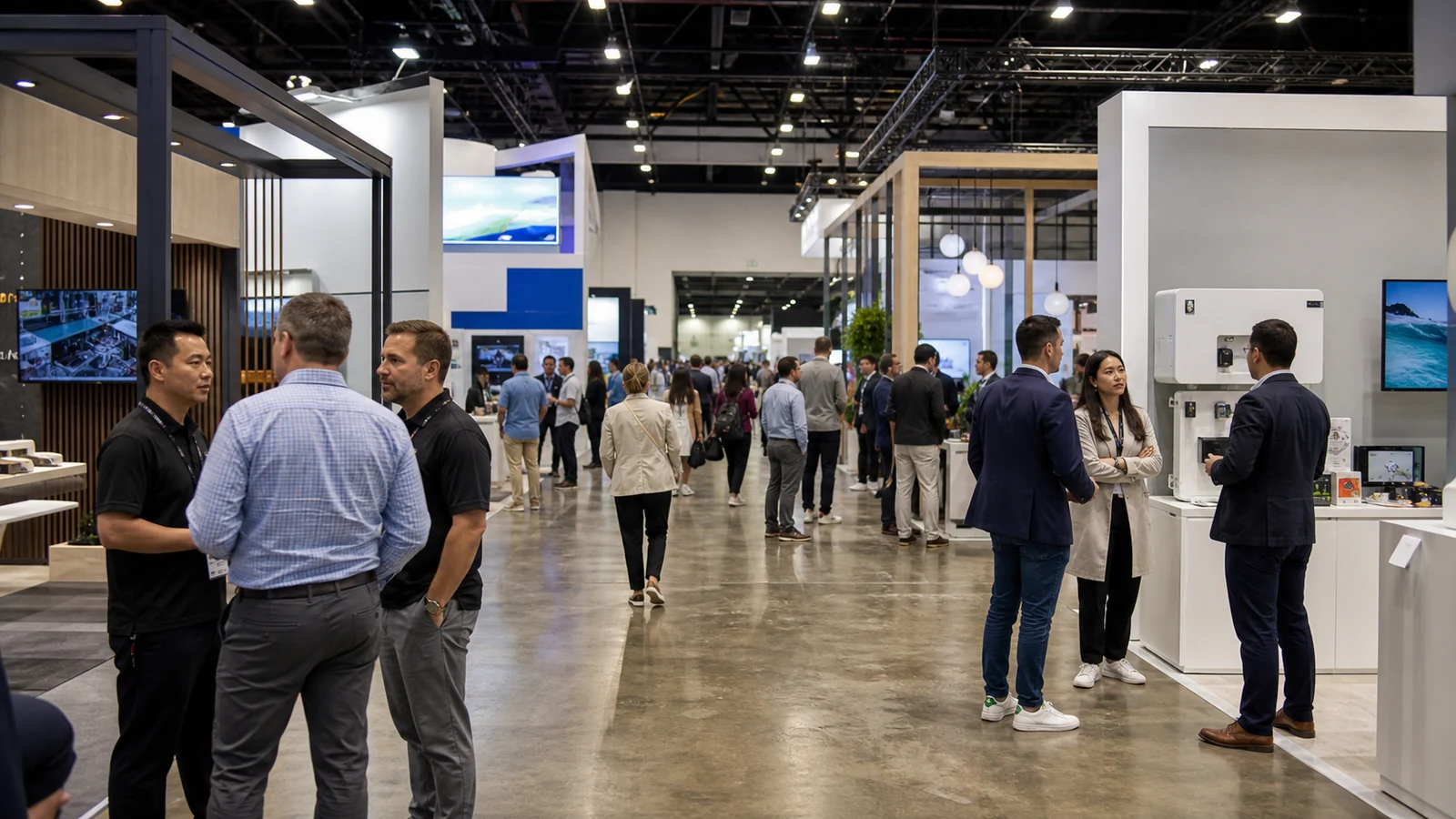
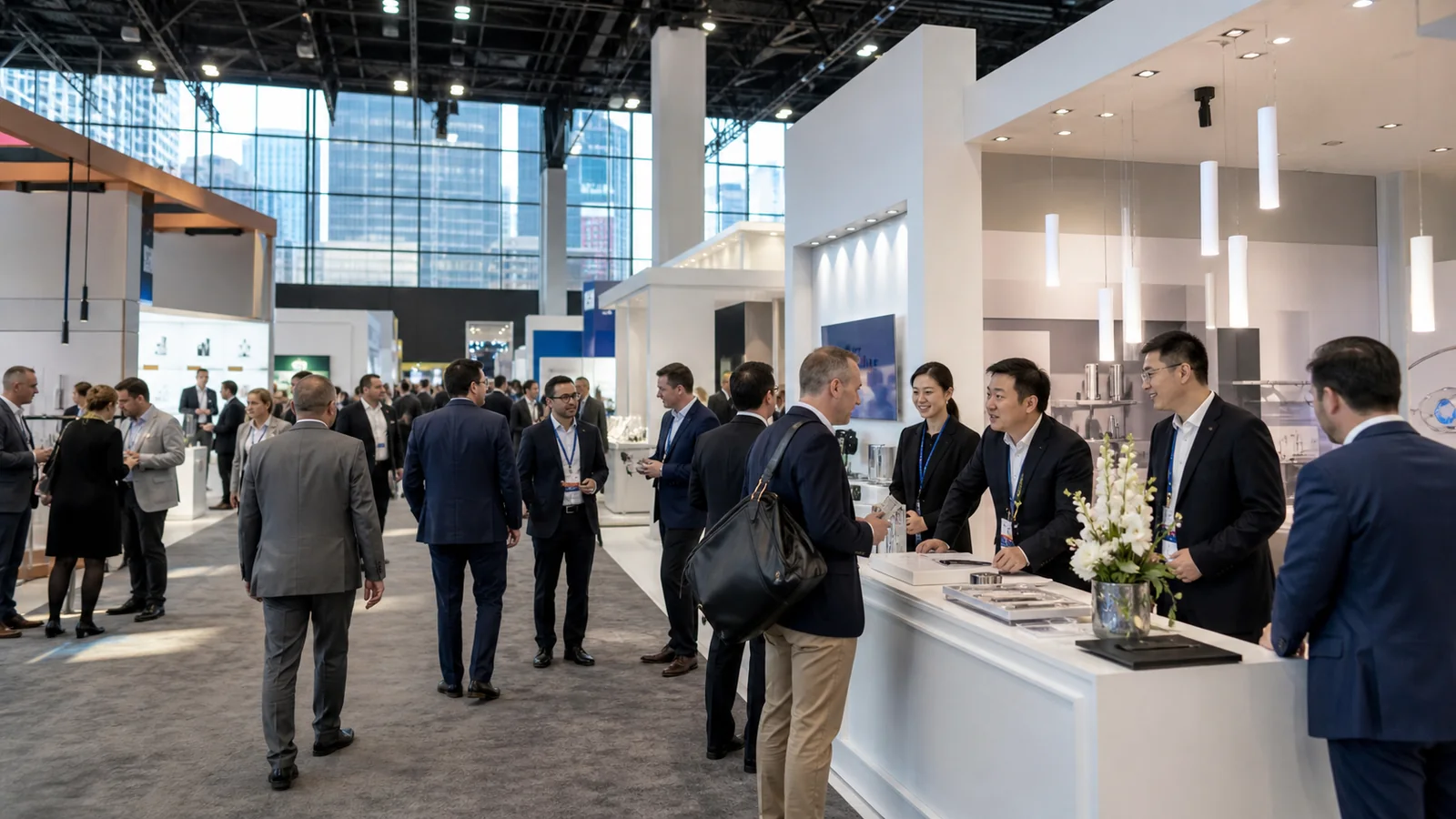
NPE brings much more than finished plastic products into one venue. The official event material covers machinery and robotics, materials, molding and moldmaking, bottling and containers, manufacturing services, recycling, and sustainability. It also connects those capabilities to automotive, medical, packaging, building and construction, and consumer-product applications.
Five current Technology Zones make that breadth easier to navigate: Bottle, Recycling & Sustainability, Materials, Manufacturing Services, and Moldmaking. A zone may improve relevance, but it should not become your strategy by itself. Start with the production problem your best visitor needs to solve.
For example, a molding-machine exhibitor could lead with repeatable cycle control for a defined part and material. A recycling-system company might show how contaminated input becomes a measurable output stream. A materials supplier could make one formulation decision visible through side-by-side samples and processing conditions. Each story gives an engineer or plant leader something specific to evaluate.
The official audience page names engineers, researchers, sales and marketing teams, and executive leadership across the plastics supply chain. That is the event’s total audience, not one booth audience. Before applying, name the role that should stop, the operating problem that person brings, and the proof needed to continue the conversation after the show.
NPE is a weak fit when the team can describe only a broad product family, cannot legally or safely demonstrate the planned claim, or has no clear commercial path for U.S. inquiries. A large show will expose those gaps rather than solve them.
Enter through the official exhibit-space process
Use the official Become an Exhibitor page to start the space application. The page links to the current space rates, application terms, Show Rules and Regulations, space-history policy, Technology Zone descriptions, and the online application. Read those documents before choosing a size or location.

An application is not a lease for a guaranteed booth number. The current terms say Show Management assigns space and may reassign it or alter the layout. Live availability also changes as applications are accepted. Use the current floor plan as a working source, then keep the assigned booth and contract as the project authority.
After acceptance, the primary show contact should establish access to the Exhibitor Resource Center (ERC). The ERC is the operational hub for the NPE2027 Exhibitor Services Manual, directory listing, guest-pass program, housing, and booth-personnel registration. Give access to the people who own orders and deadlines, while keeping one person accountable for the master schedule.
Create a simple control log with four fields for every obligation: owner, official source, due date, and proof of completion. “The contractor is handling it” is not a useful status when no one can show the approved drawing or order confirmation.
Freeze the machine brief before the booth drawing
A live-equipment exhibit should begin with a machine brief, not a rendering. Record every unit that will cross the dock, including auxiliary equipment and demonstration materials.
For each item, document:
- packed and operating dimensions, weight, and center-of-gravity information available from the equipment team;
- final operating position, service-clearance area, moving envelope, operator position, and guarded visitor boundary;
- electrical load and connection, plus any water, drainage, compressed air, gas, data, exhaust, cooling, or rigging requirement;
- process material, hydraulic oil, consumables, samples, scrap, heat, fumes, noise, and cleaning method;
- delivery sequence, lifting points, installation labor, commissioning time, shutdown steps, and outbound plan.
These inputs change the floor plan. A robot arc may consume the aisle-facing space intended for visitors. A chiller or dryer can move a meeting area. Power and compressed-air drops may need to enter from locations that furniture would otherwise cover. If the machine brief changes after drawings and orders are submitted, reopen every dependent decision.
The current NPE2027 Show Rules place responsibility for machinery and robot safety on the exhibitor. They require equipment with moving or potentially dangerous parts to be properly protected; machinery must be set back at least one foot from aisles, and nothing may extend beyond the assigned exhibit space. Treat these as minimum show rules, not a substitute for your company’s engineering risk assessment or formal approval.
Build the exhibit around approvals and official service boundaries
The current Show Rules require the NPE2027 Booth Design Approval Form and complete booth drawings, including hanging elements, by March 5, 2027. Hanging signs and elements also require prior approval. Drawings should therefore show the real machinery, safeguards, operating clearances, utilities, graphics, and any overhead elements—not a simplified marketing footprint.

The rules and current exhibitor resources also separate service responsibilities. Freeman is the general contractor and the exclusive provider of on-site material handling. OCCC is the exclusive provider of electrical service. Current OCCC materials also cover venue-controlled services such as rigging and utilities. Use the ERC order pages to identify the provider for each service instead of assuming one supplier controls everything.
Floor covering is mandatory across all purchased exhibit space. Exhibitors may bring their own, but it must cover the full area. For a machine booth, installation sequence matters: flooring that arrives after heavy equipment can create avoidable lifting, labor, or schedule problems.
Build one dependency table before placing orders:
| Decision | Required input | Confirm with | Evidence to retain |
|---|---|---|---|
| Booth drawing | Assigned space, machine brief, visitor boundary | Show Management and applicable review contacts | Submitted drawing, approval, revision number |
| Electrical and utilities | Equipment loads, connector details, drop points | OCCC/current official provider | Order confirmation and service plan |
| Material handling | Crated weight, shipment route, target, carrier | Freeman/current ERC instructions | Shipping labels, weight documents, target confirmation |
| Installation labor | Build scope, equipment sequence, qualified company staff | Freeman and current labor rules | Labor order and crew schedule |
| Internet or data | Demo dependency, bandwidth, device count | Provider shown in ERC | Order and tested backup plan |
| Demonstration safety | Motion, heat, pressure, material, noise, public access | Internal safety/engineering team and required show/venue approvers | Risk review, operating procedure, training record |
Prices and discount deadlines can differ by service and may change. The public rules provide some fixed obligations, but the current Exhibitor Services Manual and your ERC account should control orders. Do not copy a deadline table from NPE2024 into a 2027 project.
Plan freight from the assigned target, not the event date
The public NPE2027 exhibitor FAQ currently shows a general move-in window from April 22 through May 2, with daily hours and a dark day on April 25. Freight deliveries are targeted by booth, however. Your assigned date and time in the ERC matter more than the outer window.

Turn the target into a backward schedule. The machine’s arrival should allow time for unloading, placement, utilities, commissioning, safety checks, product trials, booth finishing, staff training, and recovery from a failed test. A crate arriving inside the general move-in period can still be off-target for your booth.
The official FAQ defines material handling, often called drayage, as receiving material at the advance warehouse or show site, delivering it to the booth, storing labeled empty containers, returning them after the show, taking outbound material to the dock, and loading it on the outbound carrier. Empty-container return is scheduled and can take several hours. Do not promise a carrier an immediate pickup based only on the 3:00 p.m. hall close on May 7.
International exhibitors need a separate customs and transport workstream. The official exhibitor-education program directs international teams to current shipping guidance and identifies Freeman as the exclusive on-site material-handling provider. Your freight forwarder or customs representative should confirm shipment documents, import method, deadlines, and re-export or disposition plan. Those decisions should then be reconciled with the ERC target and the machine commissioning schedule.
Before dispatch, hold a document review covering the current shipping labels, carrier booking, weight records, packing list, commercial/customs documents, insurance, target confirmation, site contact, and outbound instructions. The event website is not a customs approval source.
Run one demonstration that buyers can evaluate
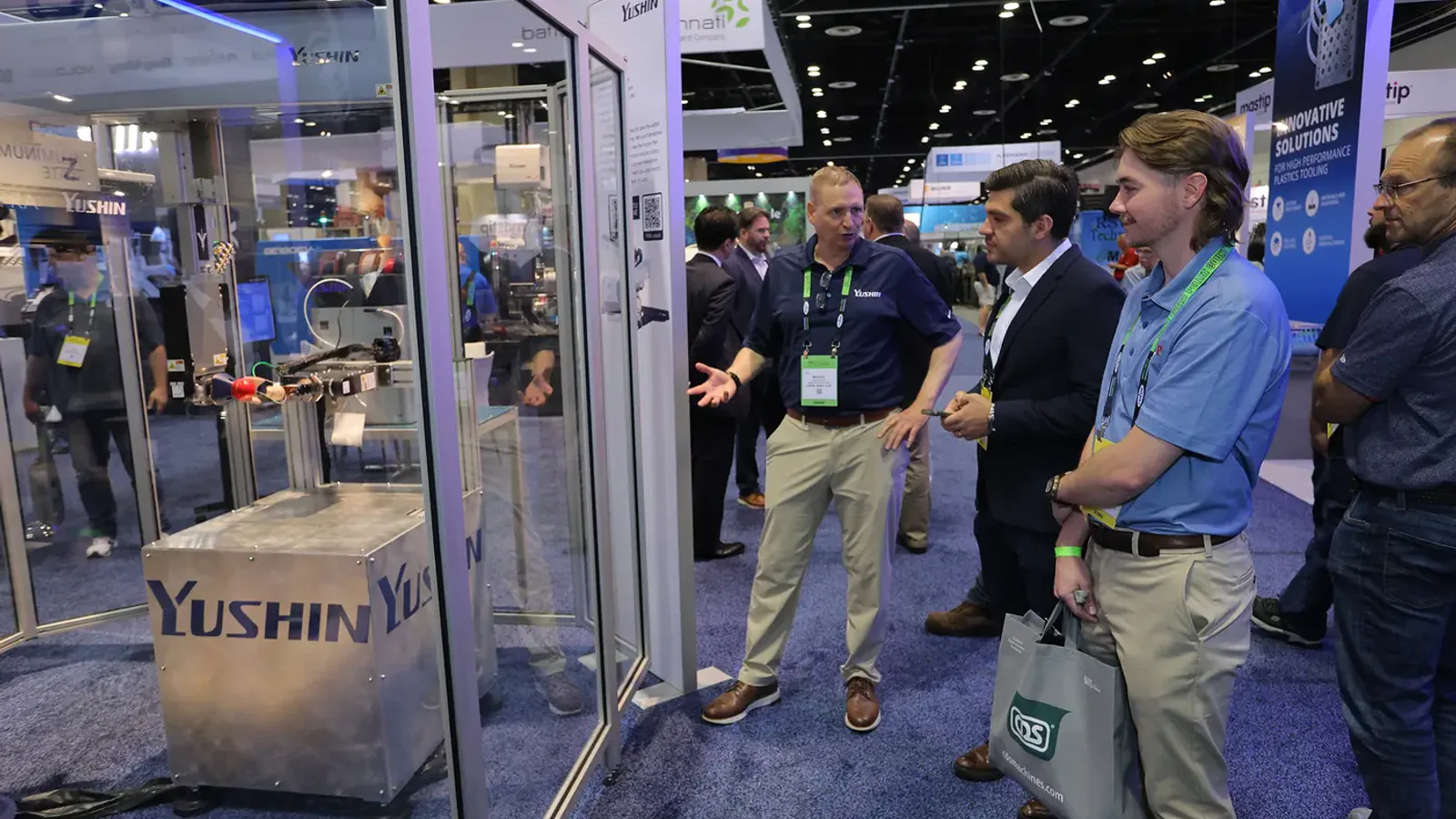
Visitors do not need a continuous performance that hides what the machine is proving. Create a repeatable demonstration cycle with a clear start, observable change, measurable output, and a short reset. The operator should be able to explain the input, process condition, result, and limit without making unsupported production claims.
Protect space for three simultaneous activities: safe machine operation, visitor viewing, and a useful technical conversation. If every visitor must stand in the operating zone to see the result, the layout has failed. If sales staff cannot hear the engineer, the demonstration will generate scans without enough context for follow-up.
Prepare a pause procedure as carefully as the normal cycle. Staff should know who may operate the equipment, how to stop it, what to do with process material and scrap, and whom to call for a utility or safety issue. Record the final run time each day so the team can clean and shut down before hall access ends.
NPE2027 also schedules show-floor education on Packaging, Sustainability, and Innovation stages, alongside features such as Sustainability Park and recycling demonstrations. These programs may help your team learn or create meeting reasons, but they are not the same as the West and South exhibit halls. Check the current show schedule before arranging coverage; do not leave the booth understaffed because an education session was treated as exhibition time.
Use this final readiness check before freight leaves
- The company has an accepted space, an assigned booth, current ERC access, and named owners for official orders.
- The machine brief matches the latest approved booth drawing and service orders.
- Drawings show moving envelopes, guards, operating positions, utilities, hanging elements, and the full purchased boundary.
- Each official service order has a confirmation, provider contact, and installation time.
- The carrier, forwarder, booth team, and machinery team are using the same targeted move-in schedule.
- Commissioning, product trials, safety review, staff training, cleaning, and contingency time fit before opening.
- The demonstration makes one buyer-relevant result visible and does not depend on an unsupported claim.
- Empty storage, shutdown, packing, outbound paperwork, and carrier instructions are decided before show close.
FAQ
Can a company still apply to exhibit at NPE2027?
The official Become an Exhibitor page currently accepts applications and links to the live floor plan. Availability is time-sensitive, so confirm remaining space directly through that official route. Do not design around an unassigned location or assume that a requested booth is guaranteed.

Does every machine booth need the same services?
No. A static machine, a powered but idle display, and a full processing demonstration create different utility, safety, waste, labor, and commissioning needs. Define the planned operating state for every unit, then order only after those inputs have been reconciled with the current rules and provider requirements.
Is the public move-in window enough for booking freight?
No. It shows the overall installation period, while freight is targeted by booth. Use the assigned schedule in the ERC for carrier planning. Confirm whether flooring, utilities, labor, and auxiliary equipment must be in place before the main machine reaches its final position.
Where should an exhibitor look for the latest forms and service deadlines?
Use the Exhibitor Resource Center and the current Exhibitor Services Manual linked there. Keep the public exhibitor FAQ and Show Rules as reference points, but use the order page or form that applies to your booth and service. Save the dated confirmation after submission.
Are education sessions included in the exhibition schedule?
Some show-floor education runs during exhibit-hall hours, but it is a separate program with its own stage locations and timetable. Other special events may also require separate registration or tickets. Use the current official schedule and assign booth coverage before adding sessions to a staff plan.
Final thoughts
The most useful NPE exhibit plan begins with the machine in its real operating state. Once its weight, motion, utilities, material flow, safeguards, staffing, and installation sequence are known, the booth drawing and service orders can support the demonstration instead of fighting it.
Keep the accepted space, approved drawing, current ERC instructions, provider confirmations, and targeted freight schedule in one controlled project file. That gives your team a reliable basis for the next decision even when a public page or service deadline changes.