“Should we ship to the advance warehouse or direct to the show?” is not just a price question. It is a choice between a wider receiving window with another handling step and a tighter arrival window with more dependence on the carrier and move-in schedule.
Use this trade show logistics guide to get your booth and products onto a U.S. show floor—and out again. It will help you choose the route, prepare the shipment, and control the handoffs after the truck arrives.
Shipping and Material Handling Are Different Charges
Shipping is the carrier’s movement of your freight from its origin to the advance warehouse or venue, and later from the venue to the next destination. Material handling—often called drayage—is the on-site movement after the freight reaches the official receiving point. It can include unloading, delivery to the booth, storage and return of empty containers, and reloading after the show.

This distinction explains why paying a carrier does not mean the crates will appear at your booth without another charge. In many U.S. events, the general service contractor is the exclusive material-handling provider. Confirm the event-specific rule in the exhibitor manual.
Compare Advance Warehouse and Direct-to-Show Shipping
| Route | Better fit when | Main trade-off |
|---|---|---|
| Advance warehouse | Freight can ship early; setup must start on time; the carrier cannot reliably hit a narrow target | More handling/storage conditions and a separate warehouse deadline |
| Direct to show | Freight includes machinery or items the warehouse will not accept; timing and driver communication are tightly controlled | Appointment, marshaling, waiting, overtime, or missed-window risk |
Freeman’s international exhibitor guide describes advance warehouse and direct-to-show as the two general routes. It notes that advance receiving may begin up to one month before move-in, but every show sets its own dates and accepted freight types.
Choose advance warehouse when schedule certainty is worth more than avoiding one handling stage. Choose direct delivery when the freight requires it or when you have an experienced exhibition carrier, a confirmed target time, and someone monitoring the truck. Do not assume one route is always cheaper; compare the current rate schedule, timing, special handling, and consequences of delay.
Ask the Warehouse What It Will Not Accept
Advance warehouses often accept crated, boxed, or skidded freight. Loose, pad-wrapped, oversized, heavy, hazardous, refrigerated, or uncrated machinery may be restricted or refused, depending on the show.
Before booking, send the service contractor a written freight description: piece count, packaging type, dimensions, individual and total weight, product type, handling needs, and requested arrival date. A label that says “booth materials” does not tell the receiver whether special equipment is needed.
If you are shipping from outside the United States, also confirm importer of record, customs broker, product documents, temporary-import or duty treatment where applicable, and who pays charges if customs delays the shipment. The show contractor does not automatically become your importer.
Build a Shipment That Can Survive Multiple Handoffs
Design packaging for forklifts, repeated movement, empty-container storage, and the return trip. Secure small parts inside numbered cases; protect corners and graphic faces; mark the lifting direction and center of gravity when needed; and keep keys, tools, and setup instructions where the on-site lead can reach them.
Give every piece a label showing the event, exhibiting company, booth number, receiving address, and piece sequence such as “3 of 8.” Use the exact label and address from the current manual. An old warehouse address or missing booth number can separate one case from the rest of the shipment.
Create a photo inventory before pickup. Record the outside condition, open-case contents, serial numbers for valuable equipment, dimensions, weight, and label on each piece. This helps the booth lead identify what is missing before installers finish the build around it.
Give the Carrier More Than an Address
The driver packet should include the receiving window, appointment or target time, marshaling instructions, commercial-vehicle route, event and booth name, required bill of lading, certified weight ticket, phone numbers, and what to do if delayed.
Convention freight is not a normal dock delivery. A truck may check in away from the building, wait for a call, and then move to an assigned dock. Driver detention rules and service-contractor queues can affect cost. Use a carrier that agrees to communicate during the final approach, not one that only provides a delivery estimate from a dispatch screen.
Control the Paperwork That Drives Handling
Freeman’s freight process guide states that warehouse and show-site shipments need an inbound bill of lading and certified weight tickets. Weight, shipment type, arrival time, packaging, and handling conditions can affect material-handling charges.
Keep one shipment record containing:
- carrier and tracking or PRO number;
- pickup and planned arrival;
- every piece, dimension, and weight;
- certified weight ticket and bill of lading;
- advance-warehouse or direct-to-show labels;
- customs and insurance documents where applicable;
- receiver and on-site contacts;
- photos before pickup and after arrival.
When freight arrives, compare the delivered piece count and condition with this record before accepting that “the shipment is here.”
Plan What Happens Between the Dock and the Booth
Ask when freight is expected at the booth, who may open it, where empty containers go, and how they are requested back after the show. Remove everything needed during show days before empties leave; stored empty cases are usually not available for casual access.
Tie freight delivery to the installation schedule. Flooring, utilities, structure, product positioning, and AV may depend on one another. If a critical crate arrives late, the on-site lead should know which work can continue and which labor call needs to change. The detailed crew sequence and first-open case belong in the installation and dismantling guide.
Set the Return-Freight Plan Early
Outbound freight fails when everyone assumes the return will be arranged later. Book the carrier, confirm the pickup window, prepare destination information, and understand the event’s material handling agreement or outbound paperwork before opening day.
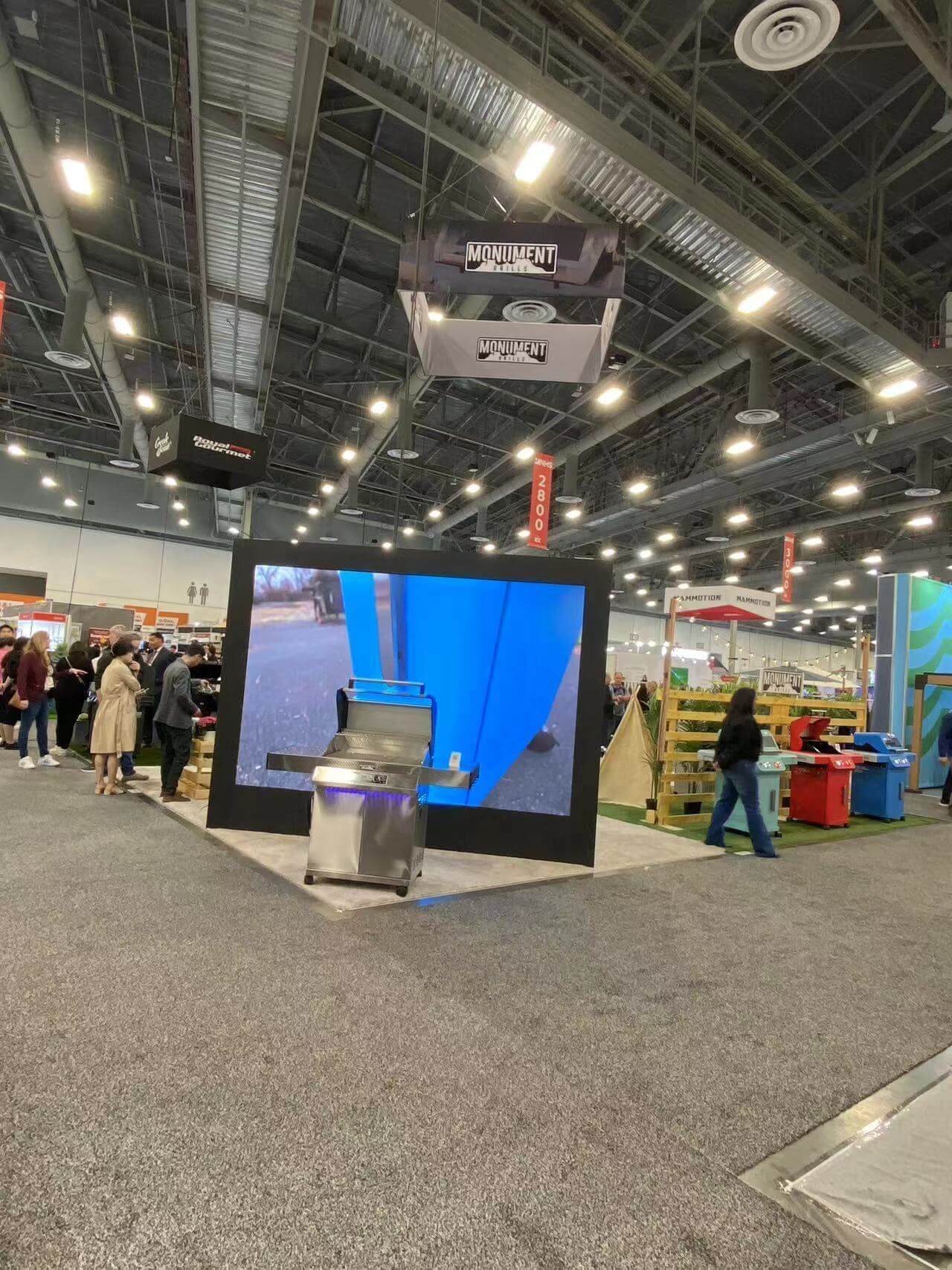
During teardown, count and photograph every piece, pack to the original inventory, remove old labels, apply the new label to each container, and submit the required outbound document. Keep someone who knows the freight onsite until the handoff or release is confirmed.
If the booked carrier does not arrive by the final deadline, the service contractor may reroute the shipment through another carrier. The current event manual explains that process and the exhibitor’s responsibility. Make sure your carrier knows the hard cutoff and has the right pickup reference.
Frequently Asked Questions
What should you do if one crate is missing at the booth?
Compare the delivered pieces with your photo inventory before the build hides the gap. Record the missing piece number, last tracking status, and receiving label, then contact the service desk and carrier with the same information. Decide whether installation can continue without blocking access to the missing crate.
Can I use a parcel carrier for small booth boxes?
Sometimes, but each separately handled box can be charged or misplaced more easily than one consolidated skid or case. Check small-package rules and compare the total handling outcome before sending many individual cartons.
Can booth freight move directly from one trade show to the next?
Yes, if the first show’s release time, the second show’s receiving window, and the driving time leave a realistic buffer. Give the carrier both manuals and confirm who will hold the freight if the second venue is not yet receiving. A schedule that works only when move-out and transit are perfect is not a reliable plan.
Should critical samples travel in the same crate as the booth?
Not if losing that crate would make the booth unable to demonstrate its main claim. Split irreplaceable samples, approved presentation files, and essential small tools when transport and safety rules allow. The goal is not to duplicate everything; it is to avoid one shipment failure stopping the entire booth.
Freight Check Before Pickup
Before pickup, confirm every piece label, count, dimension, weight, receiving window, appointment requirement, contact, and document. Also confirm the return carrier, destination, outbound paperwork, and final pickup deadline. A trade show logistics plan is complete only when the right pieces can reach the correct booth and leave through a confirmed outbound process after the show.