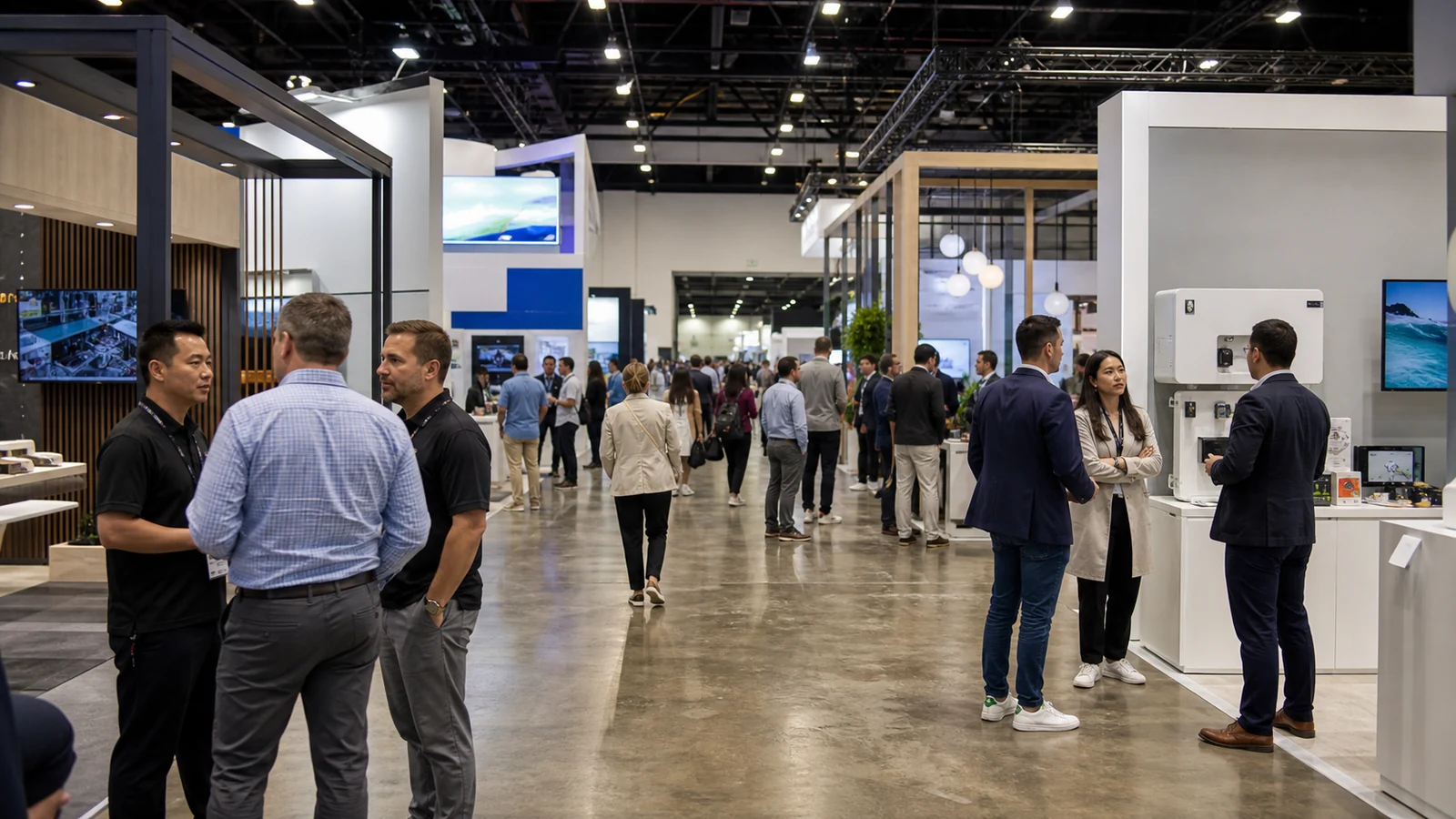
If your company is exhibiting at the Javits Center for the first time, most move-in problems happen at the handoffs. The organizer sets the event schedule, the general service contractor handles show freight, Javits controls venue labor and services, and your exhibit company manages the booth build within those rules. Your plan has to connect them before the truck reaches Manhattan.
This guide helps you turn the exhibitor manual into a working arrival plan. It does not replace the manual for your event, because freight windows, official contractors, labor calls, and order deadlines change from show to show.
Last verified: September 6, 2026. Recheck the current event manual and Javits exhibitor pages before ordering services or dispatching freight.
Know Who Controls Each Part of the Move-In
At Javits, several parties can affect the same booth. The show organizer controls your event rules and schedule. The general service contractor, or GSC, usually manages freight, material handling, rental items, and many show-floor services. Javits provides or coordinates venue services through its exhibitor-services system. If you use your own exhibit company or installation crew, that company may be treated as an exhibitor-appointed contractor, or EAC.
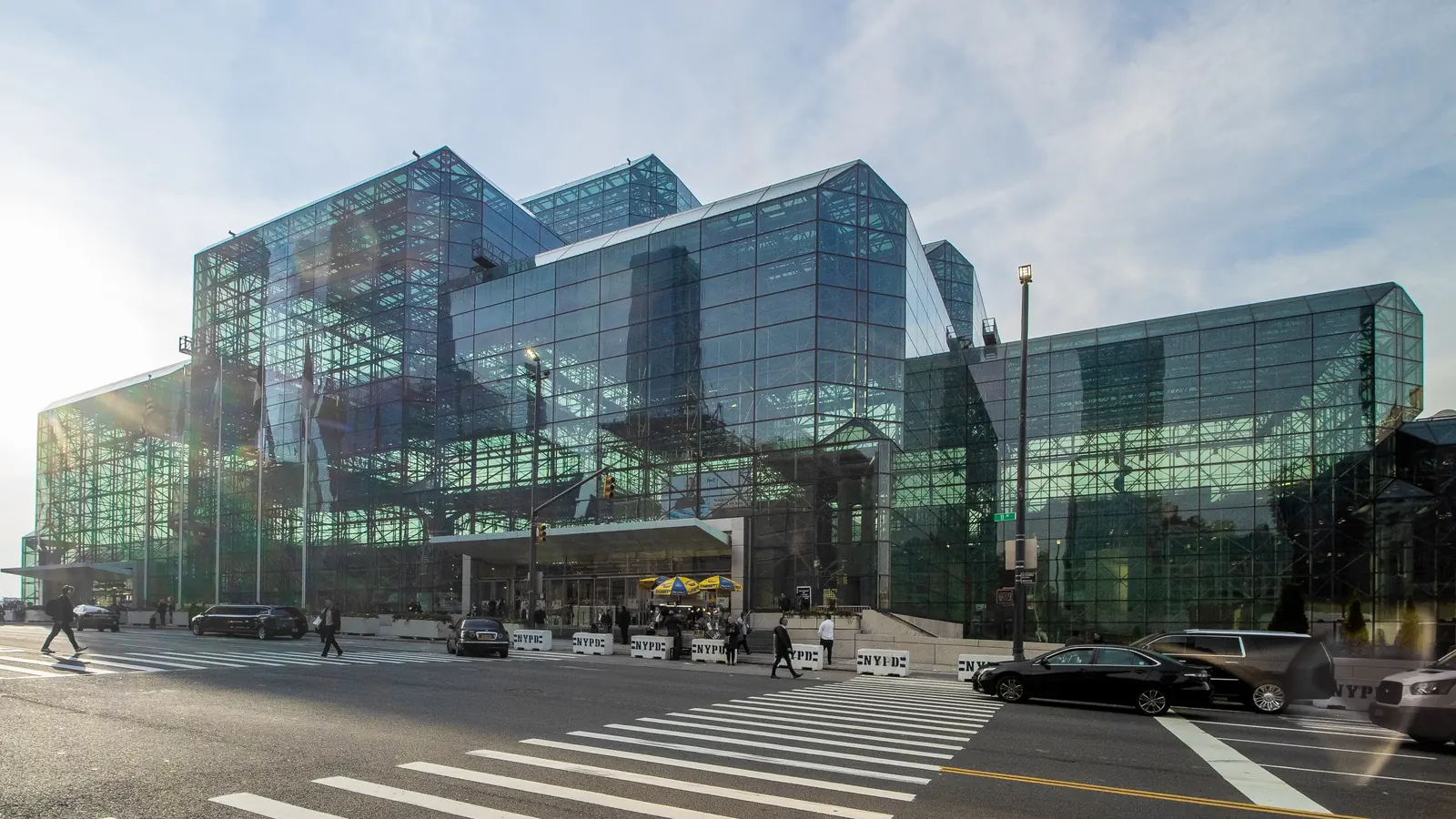
Put the actual name, phone number, email, and after-hours contact for each party on one page. Then assign every order and question to an owner. “The contractor is handling it” is not specific enough when a driver is waiting at a marshaling yard or a technician cannot find the latest floor plan.
| Question | First place to check |
|---|---|
| What day and time can the booth arrive? | Current event manual and GSC shipping instructions |
| Where should advance freight be sent? | GSC advance-warehouse labels and deadline |
| How is direct-to-show freight scheduled? | Javits freight scheduling instructions plus the GSC |
| Who approves an outside installation company? | Organizer/EAC forms in the event manual |
| Where are electricity, internet, plumbing, or rigging ordered? | Current event portal and Javits exhibitor-services information |
| Which crew members need work credentials and when can they enter? | Event manual, organizer instructions, and approved EAC paperwork |
| Who resolves a move-in problem on site? | Exhibitor service desk and the named contractor for that order |
The purpose of this list is not paperwork. It prevents one supplier from assuming another supplier has accepted a shipment, approved a drawing, or scheduled labor.
Choose the Freight Route for the Actual Move-In Window
Do not choose a shipping route only by comparing the line-item freight price. Compare the risk it creates for your installation day.
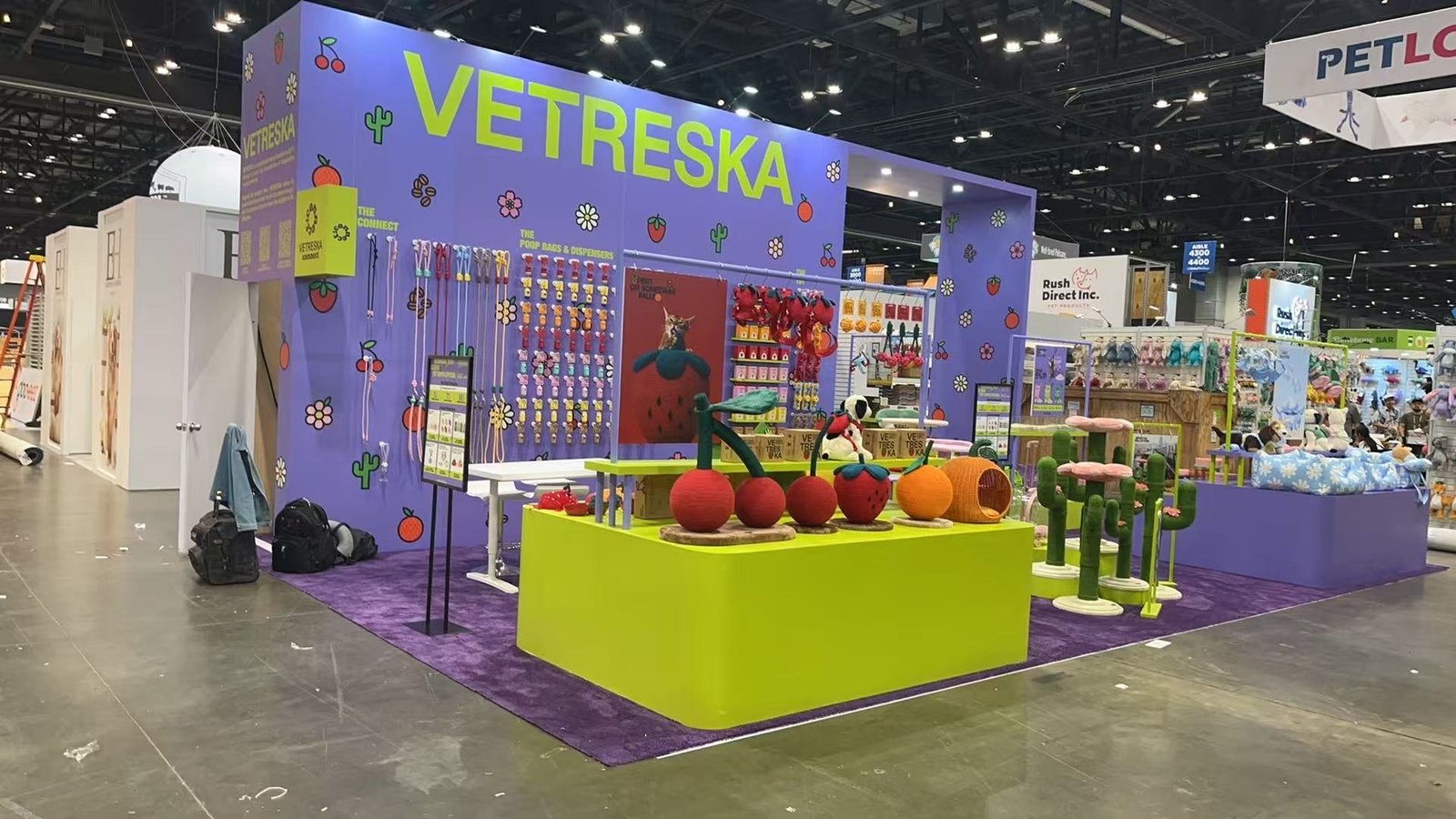
With an advance warehouse, freight reaches the GSC before the event’s direct move-in window and is later moved to your booth. This can give you a wider arrival window and reduce the risk that a delayed truck misses a narrow target time. The trade-off is additional handling and the warehouse’s own receiving dates, labels, limits, and charges.
Direct-to-show shipping can reduce one storage step, but the truck must arrive according to the event’s move-in plan. It may need an appointment, check-in, and waiting time before unloading. This route is easier to justify when the carrier understands convention freight, the booth can tolerate schedule movement, and someone is actively tracking the driver.
The Javits Center freight page states that contractor and exhibitor freight deliveries and collections must be scheduled in advance through its logistics platform. It also describes a truck-marshaling facility with space for more than 200 trucks. That means “the truck has reached New York” is not the same as “the freight is ready at the booth.” Your plan needs the scheduled delivery record, driver instructions, GSC paperwork, and an on-site contact who knows the booth number.
Do Not Treat Hand Carry as a Freight Shortcut
Javits allows limited hand carry, but it is not a way to bypass the freight process for a booth shipment. The current Javits policies say the event sets the hand-carry hours and access points. The person moving the items must be an employee of the exhibiting company and carry identification. The items must be manageable by one person or with an allowed two-wheel cart or baggage cart, and unloading is limited to non-commercial vehicles no larger than a standard van.
The same policy excludes box trucks, commercial vehicles, outside contractors, power tools, ladders, and loads that one person cannot handle from the hand-carry route. A staged vehicle is limited to 45 minutes. Before relying on hand carry, compare the actual cases, vehicle, staff, and event access window with the current rules. If one of those conditions does not fit, book the shipment through the event freight process instead of hoping the curbside plan will be accepted.
Give the Driver a Legal Commercial-Vehicle Route
The Javits freight entrance is at 369 12th Avenue, between West 39th and West 40th Streets. Do not send a commercial driver only the public convention-center address and assume navigation software will choose the correct entrance.
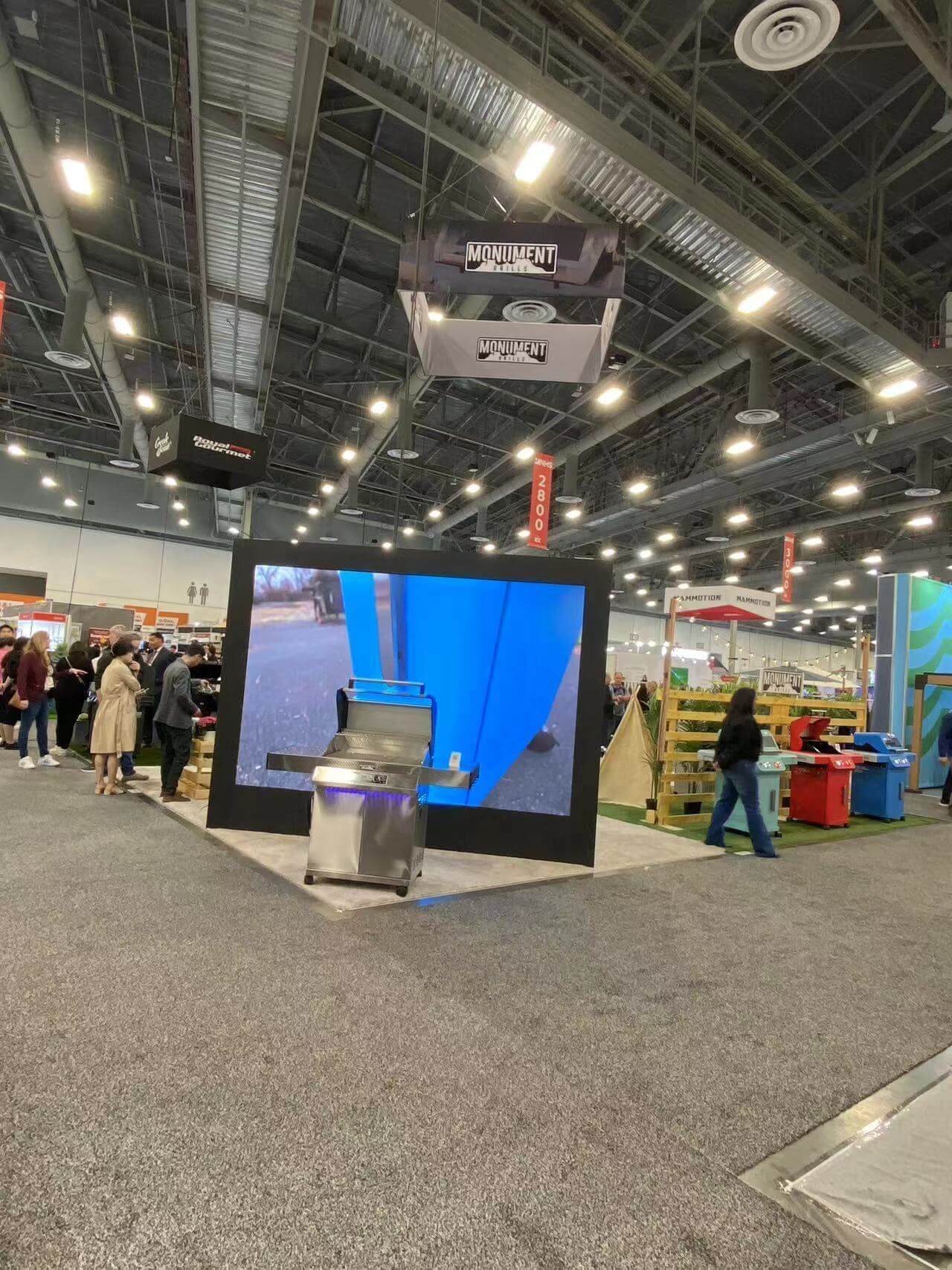
Javits also warns that trucks taller than 12 feet 6 inches will not clear the tunnels and must use a bridge. Commercial vehicles are not permitted on New York parkways. Confirm vehicle height, legal route, appointment information, and the driver’s final check-in instructions before dispatch—not after the truck reaches the city.
For an international exhibitor, this route check belongs beside customs and carrier planning. A shipment that clears customs but reaches Manhattan with the wrong local vehicle or incomplete delivery instructions is still not an installation-ready shipment.
Connect Javits Services to the Booth Schedule
Javits publishes venue policies, but the current event manual tells you which contractor accepts freight, which services are exclusive, what an EAC may perform, and when each crew can work. Confirm those boundaries before telling your internal team that one supplier will handle the entire booth.
Use one approved floor plan for the service orders, with the booth orientation, product footprints, power, internet, plumbing, AV, rigging, and access points clearly marked. The Javits exhibitor resources direct exhibitors to its ordering portal for electrical, internet, plumbing, cleaning, and other venue services. Place each order against the same plan so a revised counter or machine position does not leave the power drop, drain, or network line in the wrong place.
Then connect the labor call to the freight target and utility work. If a machine needs power before your technician can test it, or overhead work must finish before the booth can close, put that dependency on the schedule. The detailed crew sequence belongs in your installation and dismantling plan; for Javits, confirm when each provider can enter the booth and what must be ready before that work starts.
The same principle applies after the show. Follow the event’s empty-container and outbound instructions, keep the booked carrier and pickup reference available, and leave someone onsite until the GSC confirms that the labeled pieces have been accepted for outbound processing. The trade show logistics and shipping guide explains the broader advance-warehouse, material-handling, and return-freight process.
Know What Your Own Booth Contractor Can and Cannot Do
You can appoint your own exhibit company, but that does not mean its traveling crew performs every task inside Javits. The venue’s operating policies say an EAC supplies its own on-site management and hires exhibit-building labor employed by Javits. Javits labor also handles defined work such as freight movement, rigging, electrical connections, and plumbing connections, while exhibitors may perform only the limited tasks listed in the policy.

Before booking crew travel, confirm the organizer’s EAC deadline, required insurance, the contractor’s Javits account status, approved supervisors, work credentials, and every labor order. Ask the booth company to mark each task as managed by our supervisor, performed by Javits labor, or performed by exhibitor staff under an allowed exception. That one-page split is more useful onsite than a proposal that simply says “installation included.”
Frequently Asked Questions
Can the Javits Center receive my booth before the event move-in?
The venue states that it does not accept advance deliveries before the contracted move-in period. Advance freight is normally addressed to the show’s designated warehouse under the GSC’s instructions. Use the labels, receiving dates, and limits in your current event manual rather than shipping early to the building.
Does a Javits freight booking replace the GSC shipping labels and paperwork?
No. The Javits booking controls the vehicle’s arrival, check-in, staging, and dock movement. The GSC’s labels and paperwork identify the event, exhibitor, booth, shipment, and material-handling instructions. Your driver needs both sets of information when the event uses both processes.
What should an overseas exhibitor keep in the on-site operations folder?
Keep the current event manual, booth approval, order confirmations, scaled floor plans, shipment labels, tracking details, and driver and carrier contacts. Also include customs documents where applicable, EAC approval, labor calls, the product packing list, insurance records, and an escalation list. Store an offline copy because the person solving a dock or service-desk problem may not have reliable access to your company drive.
What should you do if the truck cannot arrive during its assigned Javits freight window?
Call the event's freight contact before the driver continues toward Manhattan. Do not assume the dock will take the truck late or that a venue appointment can be moved without the GSC. Confirm whether the shipment should be rescheduled, redirected to the advance warehouse, or held by the carrier, then give the driver one updated instruction with the correct contact and reference number.
Before Your Truck Enters Manhattan
Confirm the truck height, legal route, 369 12th Avenue freight entrance, scheduled delivery record, driver instructions, GSC paperwork, and the person who will answer the phone when the vehicle checks in. Confirm the hand-carry plan or reject it, divide the work between the EAC and Javits labor, and compare every service order with the approved floor plan. Javits explains how the building operates; the event documents tell you when your booth can move and which provider is responsible at each point.