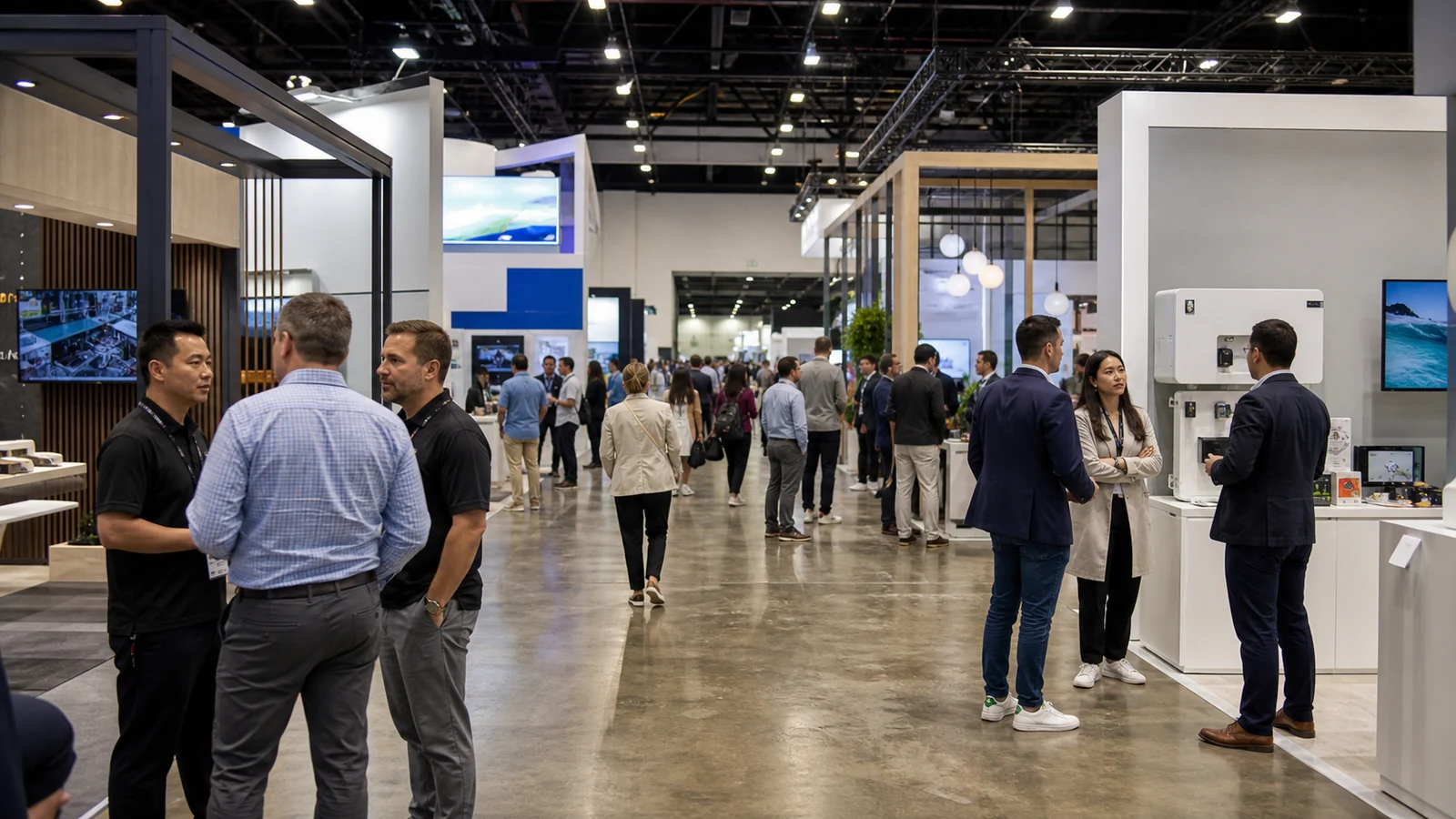
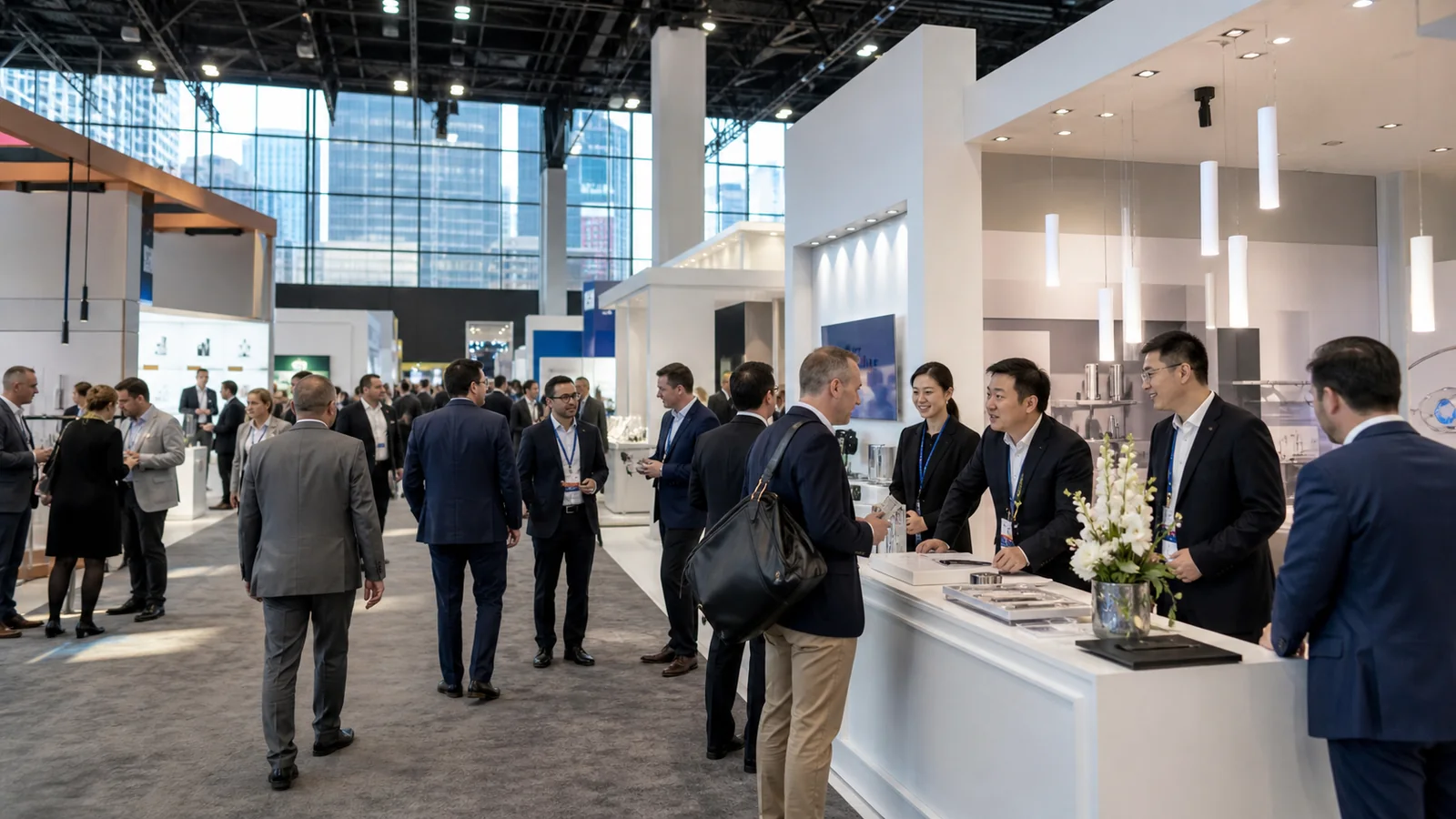
An event can call itself a convention and still have a substantial exhibit floor. Another may use “expo” even though most attendees come for education or association activities. Before reserving space, determine what people will do at the event and where exhibiting fits.
Trade Show vs Convention: A Side-by-Side Comparison
A trade show is primarily organized around an industry exhibition, while a convention brings a defined group together for a broader shared purpose that may include education, meetings, networking, governance, and an exhibit hall. The Events Industry Council definition of a trade show focuses on displaying products or services to members of a common or related industry. The IAEE conference and meeting management workbook describes a convention as a recurring gathering of members or representatives organized around a common purpose.
These definitions are a useful starting point, but organizers do not always use the labels consistently. Compare how the event actually operates.
| Comparison point | Trade show | Convention |
|---|---|---|
| Primary purpose | Bring an industry market together around products, services, suppliers, and business exchange | Bring members, delegates, professionals, or an interest-based community together around a shared program |
| Why the audience attends | Discover solutions, compare options, see demonstrations, meet suppliers, and build industry contacts | Attend sessions, meetings, association activities, networking, community events, and sometimes an exhibition |
| Role of the exhibit hall | Usually a central part of the event | May be a major component, a companion program, or a smaller sponsor area |
| Traffic pattern | Visitor movement is often organized around published exhibit hours and activity across the show floor | Exhibit traffic may be concentrated before sessions, during breaks, receptions, or protected expo periods |
| Best-fit exhibiting objective | Product visibility, live demonstration, solution comparison, channel development, and qualified commercial conversations | Access to a specific community, relationship development, professional visibility, member engagement, and scheduled conversations |
| Booth and message emphasis | Fast recognition, clear product relevance, demonstrations, and efficient visitor qualification | A message connected to the community or program, supported by deeper conversations and meeting coordination |
| Staffing emphasis | People who can engage aisle traffic, qualify interest, explain products, and run demonstrations | People who can cover the exhibit while also joining meetings, sessions, networking, or association activities |
| Useful success measures | Relevant product interactions, qualified conversations, demonstrations, appointments, and agreed follow-up | Meetings with priority contacts, relationship progress, session or community engagement, exhibit conversations, and agreed follow-up |
For an exhibitor, the decisive difference is the exhibit hall’s priority. A show-floor-centered event creates a different opportunity from one where exhibitions compete with a full session program—whatever name the organizer uses.
Which One Should You Exhibit At?
Neither event type is automatically better. Choose the format that brings the right people into the kind of interaction you need.
Choose a Trade Show When Product Discovery and Commercial Conversations Come First
A trade show is usually the stronger fit when visitors come to compare products, watch demonstrations, meet suppliers, or explore solutions. It can support a launch, explain a technical difference, develop channel contacts, or move an existing conversation forward. The label does not guarantee qualified traffic, but the intended interaction is commercial and product-centered.
This format works best when the booth can help someone see, compare, or test something in a short encounter. If the value depends on a long policy discussion or membership context, a busy product floor may attract attention without creating the right conversation.
Choose a Convention When Access to a Specific Community Matters More
A convention can be the better fit when the value lies in reaching a particular association, profession, member group, or established community. It favors relationship development, scheduled meetings, professional visibility, and conversations connected to education or networking. The opportunity weakens if the exhibition sits at the edge of the program rather than inside the community experience.
Here, the booth may be one touchpoint in a longer sequence: a session introduces an issue, a meeting develops it, and the exhibit provides evidence or a practical next step. Continuity across those contacts can matter more than maximizing the number of aisle stops.
When the Event Is a Convention with a Trade Show or Expo
Many events combine a convention or conference with an exhibition. “Expo” often names that exhibition, but not a uniform event type. The Events Industry Council definition of an exhibition centers on displaying products, services, or promotional materials and building business relationships; its weight inside a larger program still varies.
| Your objective | Format that usually fits | Warning sign |
|---|---|---|
| Product discovery or live demonstrations | A trade-show-dominant event | Demonstrations are peripheral to why people attend |
| Access to a defined professional community | A convention with a meaningful exhibition | The booth is disconnected from member activity |
| Planned, deeper conversations | A convention or hybrid event with meeting opportunities | The booth must carry the entire relationship plan |
| Content plus product engagement | A hybrid program linking sessions and exhibits | The team cannot cover both parts of the program |
| Testing an unfamiliar market | Either format, if the audience and interaction fit | Popularity is being used as a substitute for relevance |
Rather than force “expo” into a third category, classify the dominant behavior. When people plan the day around the floor, the event behaves more like a trade show. When the floor fills around sessions, it behaves more like a convention exhibition. That distinction sets realistic expectations before booth design begins.
At a mixed-format event, plan booth coverage, sessions, networking, and appointments as one schedule. Otherwise, the stand may be overstaffed during sessions and short-handed when the expo becomes active.

Do Not Choose Yet When the Event Evidence Is Weak
Pause when the event cannot be understood well enough to compare with another opportunity. Earlier editions provide context, not proof that the same people, program, or exhibition role will return. Do not commit the booth budget, travel, and staffing plan while the offer remains unclear.
Ask the organizer to close material gaps in writing. If two events cannot be compared on the same decision criteria, keep them as candidates rather than choosing on reputation.
What Should You Verify Before Booking Exhibit Space?
Use organizer documents to test the choice made above. This is not a second selection model; it identifies where the evidence should come from and what it must prove. The agenda, exhibitor prospectus, attendee profile, floor plan, registration rules, and package description should answer six questions.
- Who can register and enter the hall? Separate total attendance from the people you need to meet, then check badge and time restrictions.
- Why do they attend? Education, association business, networking, and product sourcing create different reasons to approach a booth.
- When is the exhibition active? Protected hours, competing sessions, meals, receptions, and appointments define the usable interaction window.
- Where does the floor sit within the program? Entrances, session rooms, sponsor areas, and the exhibitor mix reveal whether the hall is central or peripheral.
- What does the package include? Check space, badges, session and networking rights, directory exposure, sponsorship, speaking, meeting options, and restrictions. An exhibitor badge may not include the full convention.
- Is the full commitment justified? Weigh display needs, staff time, travel, services, demonstrations, appointments, and follow-up against a result you can define.
Missing answers are open decisions, not administrative details. Until they are resolved, the event cannot be compared fairly.
How Your Choice Changes the Booth Plan
Once the format is clear, shape the booth around how visitors will arrive and interact. A layout built for continuous aisle traffic should not be copied unchanged into a convention with short, scheduled waves.

Message and Demonstration
At a trade-show-dominant event, the message must work quickly from the aisle: visitors identify the category, see the relevance, and decide whether to stop. Demonstrations need a visible position and an efficient next step. At a convention-dominant event, the stand may instead support appointments, deeper explanations, or follow-up from a session. Connect that message to the community—not merely to the word “convention.”
That difference changes the floor plan. A product-led show may give more space to visible demonstrations and fast circulation. A convention exhibit may protect a quieter conversation area, a scheduled meeting point, or content that makes sense after a session.
Staffing and Schedule
Staff the traffic pattern, not the total event duration. Trade shows may require steady floor coverage, demonstration roles, and fast handoffs. A convention expo may concentrate demand around breaks or receptions. For a hybrid program, assign booth coverage, sessions, meetings, technical questions, and information handoffs before the event.
Build the staff plan in time blocks rather than one all-day headcount. Each block should show the expected traffic, the job to be covered, the person responsible, and the handoff when activity moves between the hall and the wider program.
Success Measures
Measure the reason for attending. Product interactions, demonstrations, qualified conversations, appointments, and follow-up suit a show-floor-centered plan. Priority meetings, relationship progress, and community participation may matter more at a convention. One lead-count target cannot describe both. Before design starts, define the audience, desired interaction, and next action so the space, message, and staff work toward the same outcome.
Choose a capture method that matches the measure: demonstration notes, booked meetings, named follow-up owners, or progress against priority contacts. A metric is useful only when the team can record it consistently.
Frequently Asked Questions
Are trade shows always closed to the public?
Not always in everyday event naming. The Events Industry Council definition describes a trade show as an industry event that is not open to the general public, but organizers may use “trade show” more loosely. Check registration eligibility and badge rules for the current event.
Is a convention center the same as a convention?
No. A convention center is a venue, while a convention is an event format. The same venue can host trade shows, conventions, conferences, consumer shows, meetings, and other events.
Does “Annual Meeting & Expo” automatically mean a hybrid event?
No. The name signals meetings plus an exhibition, but not their relative weight. The schedule and exhibitor package should show whether the expo is central or simply a companion program.
Expo vs Exhibition: What Is the Difference for Exhibitors?
The terms often overlap. “Exhibition” describes the product, service, or promotional display component, while “expo” is a flexible organizer label for either a stand-alone floor or an exhibition inside a larger event. For an exhibitor, the useful distinction is whether that floor drives attendance or supports another program.
Convention vs Conference: What Is the Difference for Exhibitors?
A conference usually centers on education, presentations, and discussion. A convention is a broader gathering of members or representatives and may also include association business, networking, and an exhibition. Before exhibiting, determine whether the exhibit hall is integrated with the main program and gives your team access to the people it needs.
Final Thoughts
The event label does not decide where you should exhibit. The deciding factor is whether the format creates the audience interaction your team is prepared to use.
Once the event type is confirmed, convert it into booth requirements: peak traffic pattern, viewing distance, demonstration footprint, meeting needs, staff positions, and follow-up route. Send King Exhibits the organizer documents, floor plan, booth size, priority audience, and interaction goal. The team can turn those inputs into layout and design priorities and discuss a rental scope built around the event you have actually selected.