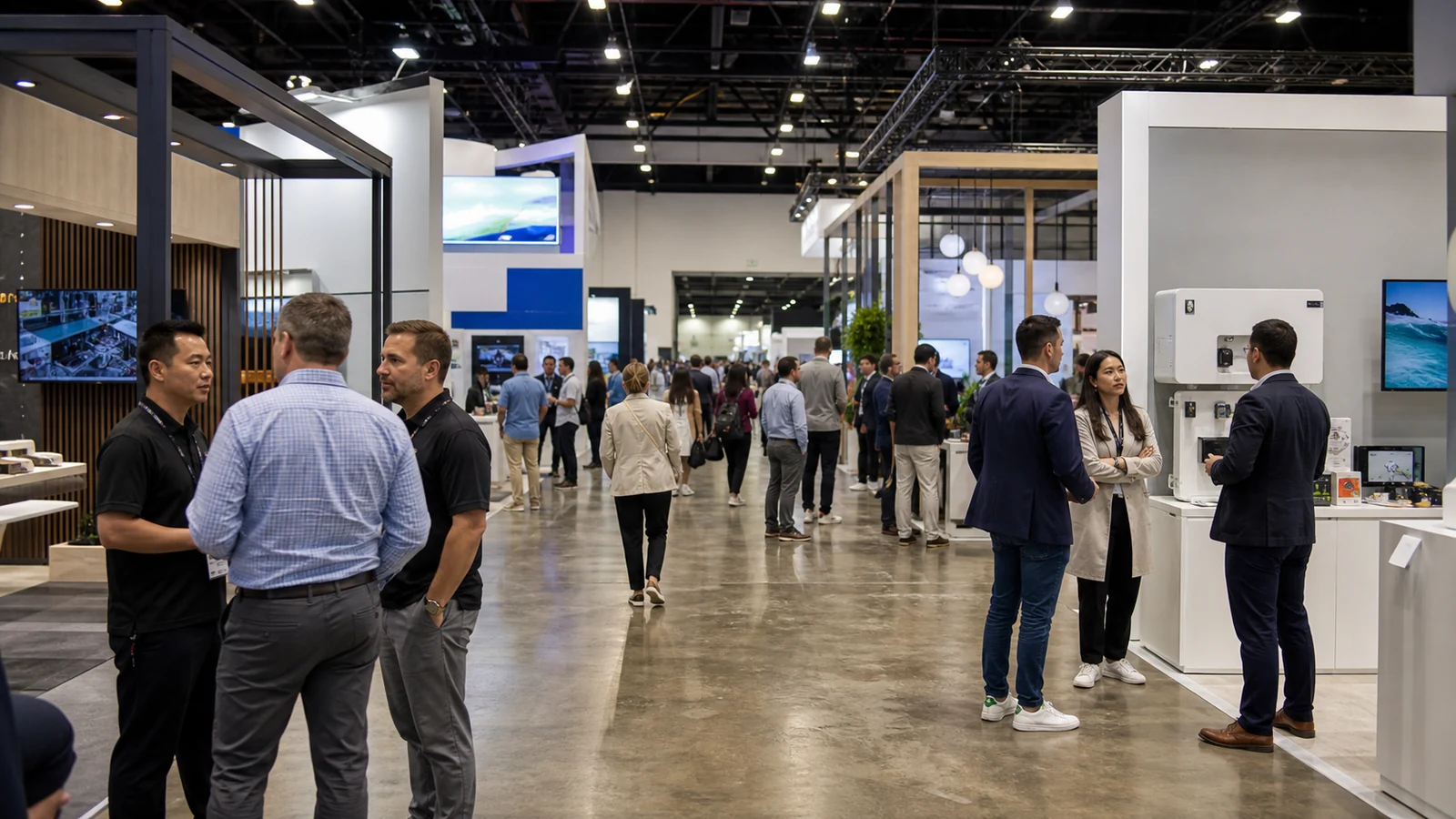
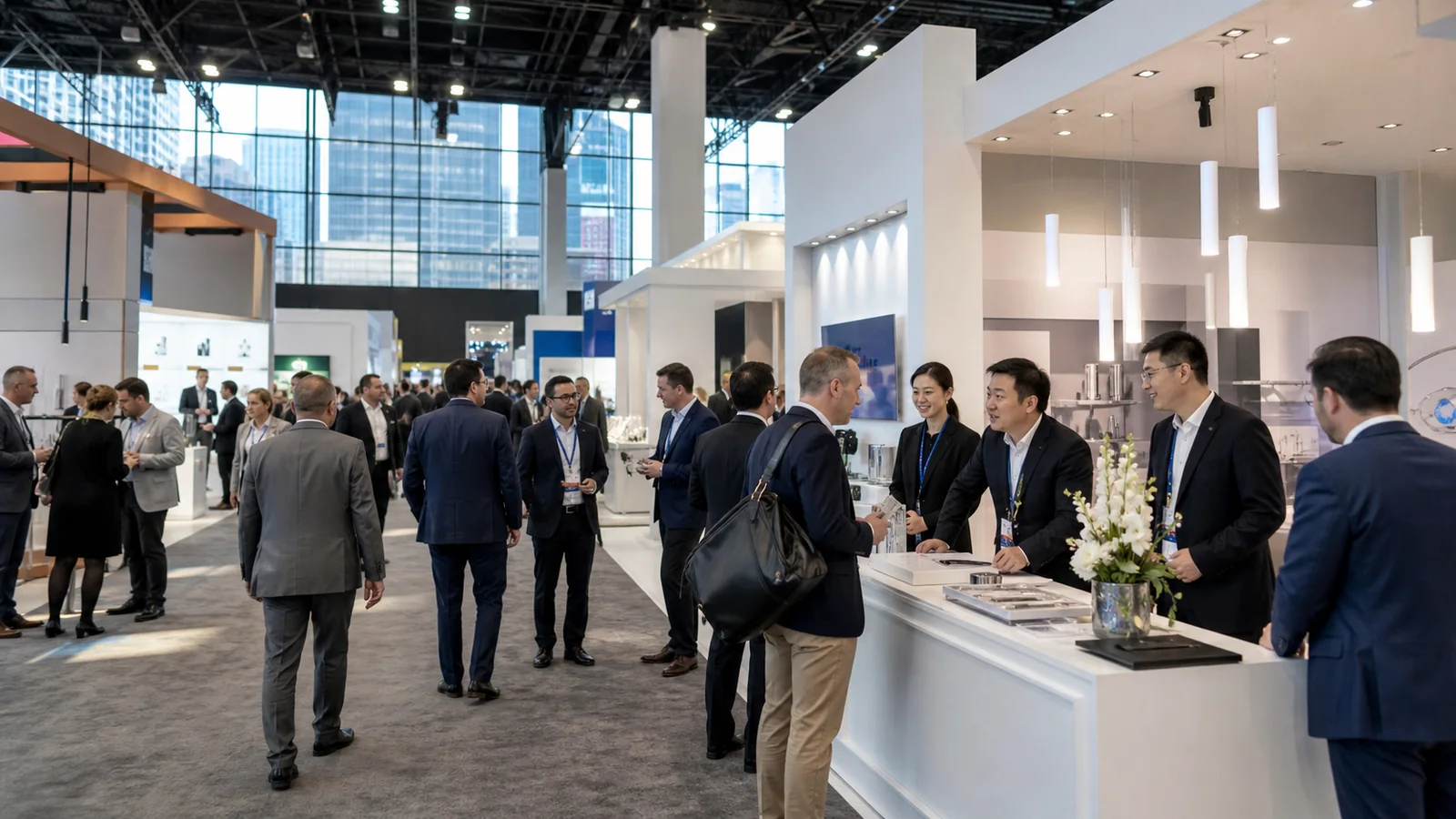
Planning to exhibit at Hydrogen Technology Expo North America? Start with the hydrogen application you want to discuss and the people you need to meet. This guide explains the 2027 Houston event and how to turn those priorities into a useful exhibit.

Hydrogen Technology Expo North America 2027: Dates and New Venue
Hydrogen Technology Expo North America takes place on February 10–11, 2027, at the George R. Brown Convention Center in Houston, Texas. The event combines an exhibition with technical conference content and runs alongside Carbon Capture Technology Expo North America. The official 2027 announcement confirms the move from the NRG Center.
| Planning fact | Confirmed information | What it changes for you |
|---|---|---|
| Event dates | February 10–11, 2027 | Plan your attendance around these dates; obtain separate setup and removal instructions. |
| Venue | George R. Brown Convention Center, Houston | Update venue references in your project documents. |
| Co-located event | Carbon Capture Technology Expo North America | Decide whether your message needs to address one application or both. |
| Current edition | 2027 | Check the year attached to each directory, agenda and service document you use. |
The venue change matters before you arrange transport. An old Houston label can still carry the NRG address even when the city and event name look correct. Use the delivery instructions assigned to your contracted space, including the hall, booth number and receiving route. The visitor address alone is not a shipping instruction.
You can use the organizer’s linked 2027 exhibition floor plan to begin comparing space. Before you commit, establish how the available footprint will accommodate your largest exhibit, the people discussing it and any private project review. A larger booth is useful only when you can explain what the additional space lets your team do.
The Hydrogen Supply Chain on the Show Floor
The hydrogen exhibition covers production, storage, distribution, infrastructure and fuel cells. Its official event description also includes materials, components, engineering, testing and development. You do not need to sell a complete hydrogen plant to have a relevant application; you do need to make your part of the system understandable.
Use the following groups to identify the conversations your exhibit should support:
| Area of the hydrogen chain | What you can explain | A useful conversation to prepare for |
|---|---|---|
| Production | Equipment, electrolyzers, process integration and associated systems | Where does your offer fit within the proposed production arrangement? |
| Storage and distribution | Storage equipment, compression, connections, handling and infrastructure | Which interface or operating requirement must the project accommodate? |
| Fuel cells and applications | Cells, stacks, materials, testing and stationary or mobile applications | Which application and development stage does your offer support? |
| Engineering and technical services | Design, development, evaluation and project support | What work can you take responsibility for, and what inputs are needed? |

Keep hydrogen production and hydrogen use distinct in your presentation. An electrolyzer produces hydrogen; a fuel cell serves a different function in an application. You can explain an integrated project, but the display should make those functions easy to distinguish. The U.S. Department of Energy’s electrolysis overview is a useful reference when checking the production language in your graphics.
Which Companies Should Exhibit?
Exhibiting is a stronger choice when you have a defined hydrogen application, people you want to meet and evidence that can move the conversation forward. Set those three points before choosing how much space to take.
Use the event’s product coverage to test the fit with your current work. If your offer concerns a specific hydrogen application and you can discuss its practical requirements, you have a clearer reason to exhibit than a broad interest in clean energy. A component that supports a current integration decision can be as relevant as a complete package; the deciding factor is the conversation you are equipped to have.
For engineering and project development, consider the project responsibility you can take. The event can suit you when your work addresses a particular stage of a hydrogen project and you are ready to discuss that responsibility. General energy-sector interest alone is a weaker reason to commit to a large exhibit.
Visiting first can be the better starting point if you are still choosing which hydrogen application to pursue. You can examine the product mix, arrange a few focused meetings and learn which questions your offer must answer. That gives a later exhibit a clearer purpose.
Before you commit to exhibiting, build a short list of organizations and technical roles you need to reach. Confirm current participation where possible; the event’s broad coverage is not evidence that a particular project team will attend. If your reason for attending depends on one or two unconfirmed meetings, compare that uncertainty with the option of visiting. A booth makes more sense when several relevant conversations can take place around the same application.
For either route, define a practical outcome. You might want to establish an engineering review, discuss a demonstration requirement or identify the next project milestone. Keep the intended follow-up specific enough that your team can recognize a useful conversation. Meeting more people is not, by itself, a reason to expand the booth.

What the Carbon Capture Co-Location Means for Hydrogen Exhibitors
Use the co-location with the carbon capture event to broaden relevant conversations while keeping your hydrogen offer clear. If you support low-carbon hydrogen projects, carbon capture may be part of the project discussion. If you focus on fuel cell components, lead with the hydrogen application your product serves so visitors can quickly judge whether a conversation is relevant.
For valves, compressors or instrumentation offered into both markets, label each application separately and use the specifications approved by your product team for that service. You should make it clear whether a displayed item is being offered for hydrogen production, distribution or a CO₂ process. A general “clean energy” graphic leaves too much for visitors to infer.
Apply that distinction to your layout. Give each application a clear graphic and access to its product information. A shared meeting area works when the same technical team handles both conversations. With separate teams or product lines, identify who handles each application so visitors reach the right person.
Plan the Exhibit Around Your Hydrogen Product
Start your trade show booth design with the application you need to explain, then select a format that makes the relevant evidence visible. A physical sample helps someone inspect a connection or construction detail. A model helps explain a larger arrangement. A recorded demonstration can show an operating sequence when running the equipment on the floor is unnecessary or unsuitable. Label the format clearly so the presentation does not imply more than it demonstrates.
Give each display a clear boundary. A small component needs a system diagram showing where it belongs. For an engineering service, use a process drawing to mark the stage and deliverable your team handles. You do not need the complete catalog on the wall; you need enough context for a relevant visitor to understand the part you can discuss.
Production Equipment and Electrolyzers
For an electrolyzer or production package, put the equipment or model beside a diagram showing the main inputs, outputs and external connections relevant to the discussion. Use that arrangement to distinguish the displayed equipment from project elements outside your offer, then move to selected technical details.
Bring only the operating information your product team can support for the configuration shown. If you present output or efficiency figures, state the conditions and what the figure includes. You avoid an unnecessary misunderstanding when a visitor can see whether a claim concerns one element or a complete package.
You may get more useful discussion from a visible model and a seated drawing review than from a full-size unit that occupies the entire footprint. Choose the full unit when examining its physical arrangement is central to the meeting, and its handling and display requirements can be accommodated.

Storage, Compression and Distribution Components
For a valve, fitting, manifold or compression package, select the item that best explains your intended hydrogen service. You can use a labeled sample to show connections, access and placement within a system. Keep the supporting information close enough that the person discussing the exhibit can refer to it without leaving the conversation.
Support claims about hydrogen compatibility or leak performance with the applicable records and test conditions. An unpressurized sample should be identified as such. You are showing its physical features, not demonstrating its operating performance merely by placing it on a stand.
If the package is too large to bring, use a model or annotated drawing to explain the relevant arrangement. Give attention to viewing height and access around the exhibit. You want a visitor to see the detail being discussed without blocking the aisle or stepping behind the display.
Fuel Cells, Materials and Test Equipment
For fuel cell exhibits, identify whether you are presenting a material, component, stack, system or test method, and name the intended application. Show a sample that represents that work: a material sample needs a labeled indication of where it is used, while a stack or system model needs its main functions explained.
For test equipment, explain what the instrument measures and how the result supports an application or development decision. Distinguish a recorded result, a simulated screen and a live measurement so the display does not imply that the three provide the same evidence.
Keep deeper information available for the next conversation rather than loading every claim onto the main wall. You can reserve one screen or document set for the selected application and keep the first explanation short enough to understand while standing in the aisle.

Preparing for the 2027 Show in Houston
Build your preparation around the current space documents, the exhibit itself and the services needed to place it in the hall. For this edition, the move to George R. Brown makes reusing an old NRG-based plan particularly risky. You can reuse an internal checklist, but update the instructions behind each action.
Start with the space confirmation and floor plan. Record the footprint, open sides and the information the organizer requires for the proposed structure. Then measure the physical exhibits, including packing dimensions and weights. You need those figures to plan supports, handling and storage; a product photograph cannot supply them.
Next, decide which equipment will remain static and which demonstration would need power, gas, pressure or another service. Put that question to the organizer and venue with a description of the actual proposed activity. Obtain the applicable instructions and any required approval before you commit to an operating format.
Arrange installation and dismantling separately from transport to the receiving point. You should know who receives the shipment, who handles the exhibit after arrival and how empty packaging returns for removal. Record the confirmed dates and responsibilities against each handoff. The public exhibition dates do not tell you when a crate must arrive or when your installation can begin.
Prepare the digital content alongside the physical exhibit. If you depend on a remote dashboard, decide what you will show when the connection is unavailable. A clearly identified offline recording can preserve the explanation without pretending to be a live system. Test the sequence with the person who will present it, including how the conversation moves from a screen to a drawing or a meeting.
Match the meeting material to the project stage. A hydrogen production project still at the feasibility stage needs a discussion of the proposed application and overall arrangement. A fuel cell system with an agreed configuration may instead need a decision about a specific component. For the first, bring an application sketch; for the second, bring the relevant interface drawings, specifications or available test records. Establish the meeting’s purpose in advance so you can reserve someone who can explain those details. This keeps the material useful to the decision being discussed.
Finally, assign someone to open each conversation by asking about the application. Identify the technical colleague who can take over when the discussion reaches equipment details, and keep that person’s relevant drawings or records available. Leave enough room beside the exhibit to inspect a sample and a separate place to sit down for a longer drawing review. Plan for both activities instead of filling every available square foot with displays.

Frequently Asked Questions
Is Hydrogen Technology Expo North America free to attend?
The organizer advertises free entry to the exhibition hall. Check the current registration category and what it includes before you book travel. A free exhibition pass should not be treated as an exhibition-space package or assumed to include every conference benefit.
Does one conference pass cover the hydrogen and carbon capture sessions?
The organizer’s About page describes conference-pass access to sessions from both co-located events. You should check the 2027 pass terms and final program before selecting sessions. Historical conference descriptions do not establish every benefit attached to a future ticket category.
How can you apply to speak at the hydrogen conference?
For the Hydrogen Technology Conference, the official conference page directs 2027 speaking requests to hydrogenconference@closerstillmedia.com. Prepare a topic that matches the event’s technical audience and follow the organizer’s submission requirements. A speaking request and an exhibition-space booking are separate arrangements.
Is Hydrogen Americas the same event as Hydrogen Technology Expo North America?
No. Hydrogen Americas Summit & Exhibition is a separate event brand. Its official exhibition page currently lists October 26–27, 2027, in Houston. Check the exact event name and organizer when using calendars, registrations or correspondence, especially because both events use the same city and venue.
Can you use the 2025 exhibitor list to arrange meetings for 2027?
Use it to identify organizations worth researching, then establish their current participation and the right contact. The organizer still links a directory labeled 2025. You should not treat a historical booth number, listing or representative as a confirmed 2027 meeting location or attendance commitment.
Final Thoughts
Turn your Hydrogen Technology Expo North America plan into a booth built around useful technical conversations. KingExhibits is a U.S. trade show booth supplier offering design, fabrication and exhibit support. Send your floor plan, exhibit dimensions, service needs and budget range. We can help define a practical scope for your Houston exhibition and prepare a proposal around your priorities.