


Four Exhibit Directions for Unified Symposium Suppliers
Vineyard Machinery Inspection
Give growers and vineyard managers access to the working side, control point or maintenance feature that supports the equipment claim. The displayed and transport dimensions, weight, tire or floor protection, operating clearance, utilities and approved booth category control the design.
Cellar, Bottling and Laboratory Demonstration
Place one operating sequence where winemakers, winery managers or lab teams can see the input, control and result without surrounding the instrument. Record power, water, compressed air, plumbing, drainage, sound and safety conditions before approving the counter or machine position.
Packaging and Material Comparison
Organize bottles, closures, labels, cartons or processing inputs by a real purchasing decision such as line compatibility, handling, finish or application. Use approved samples and claim evidence; do not let a decorative bottle wall replace the technical comparison.
Software and Professional-Service Consultation
Turn a screen or short diagnostic conversation toward one operating problem, required data and next step. Confirm internet, privacy, audio and screen requirements, then protect a seated or standing discussion point from machinery traffic.
Design the Exhibit from the Approved Product Outward
Unified Symposium exhibitors range across vineyard equipment, cellar and bottling systems, laboratory instruments, packaging, ingredients, software and professional services. That range does not justify an all-purpose booth. The first plan should name the product or service the exhibitor is approved to represent, the operating problem it solves and the proof a buyer can evaluate in the space.The current 2027 terms distinguish standard, peninsula, island and large-machinery exhibits. Standard booths begin as 10×10-foot spaces, sightlines and back-wall height affect the structure, and large machinery brings additional floor-protection, handling and safety questions. Product demonstrations must keep personnel and attendees inside the contracted exhibit area. Potentially dangerous equipment needs a planned setback or barrier, and service access remains subject to the applicable show documents.King Exhibits can translate the confirmed assignment, product envelope and buyer task into a 3D direction, rental architecture, graphics, display supports, storage and discussion areas. Fabrication, transport coordination, installation, dismantling, AV and storage are included only where the accepted proposal names them. Official booth space, approvals, labor, material handling, utilities, internet, catering and other controlled services remain separate unless the responsible party is expressly stated.
Give the Buyer a Product Decision, Not a Catalog Wall
Start with the vineyard, cellar, laboratory, bottling, packaging or commercial step the offer changes. This gives the right visitor a reason to stop.
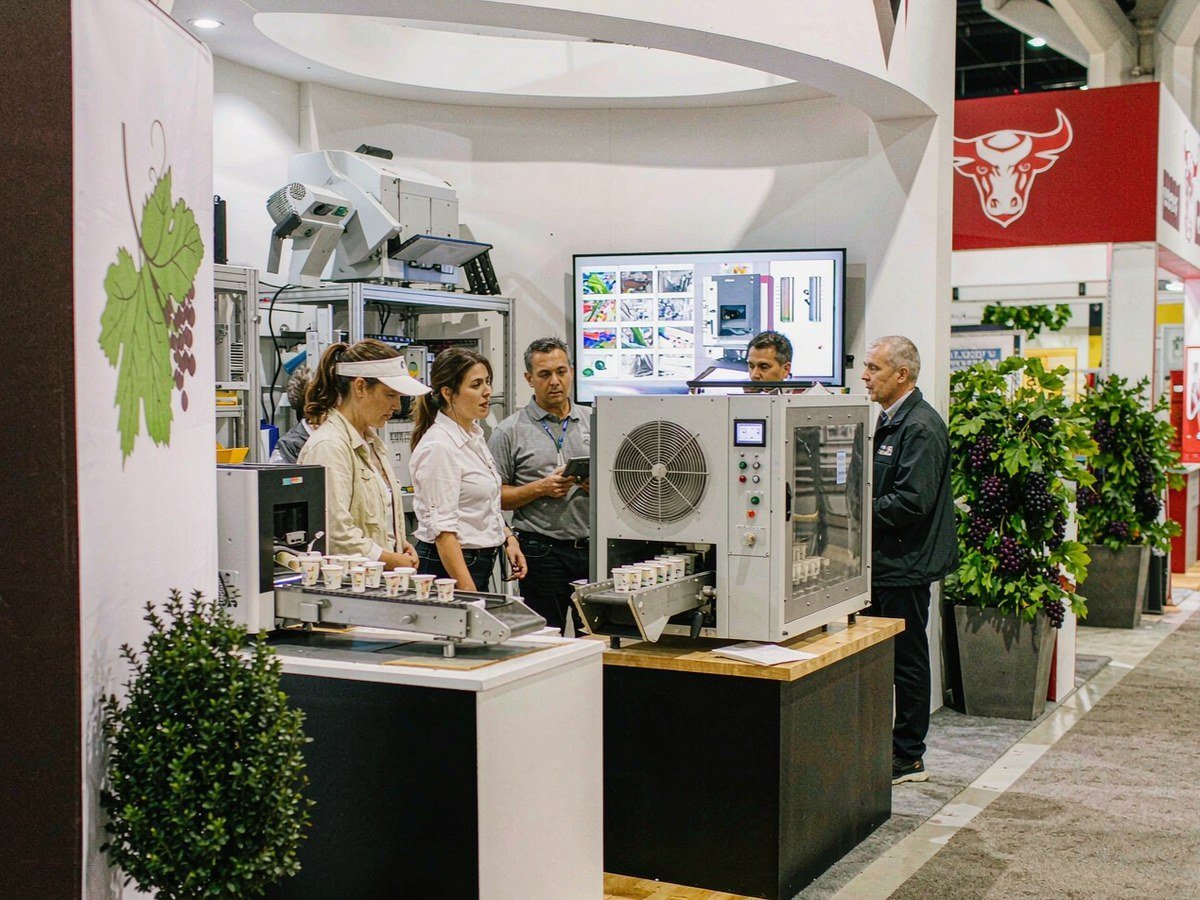
Use the machine feature, sample, control, screen or approved comparison that lets the exhibitor’s team explain why the claim matters in operation.
End at the correct product specialist, site assessment, sample request, technical review or quotation—not at an unqualified badge scan.
Lock the Booth Type Before Approving the Architecture
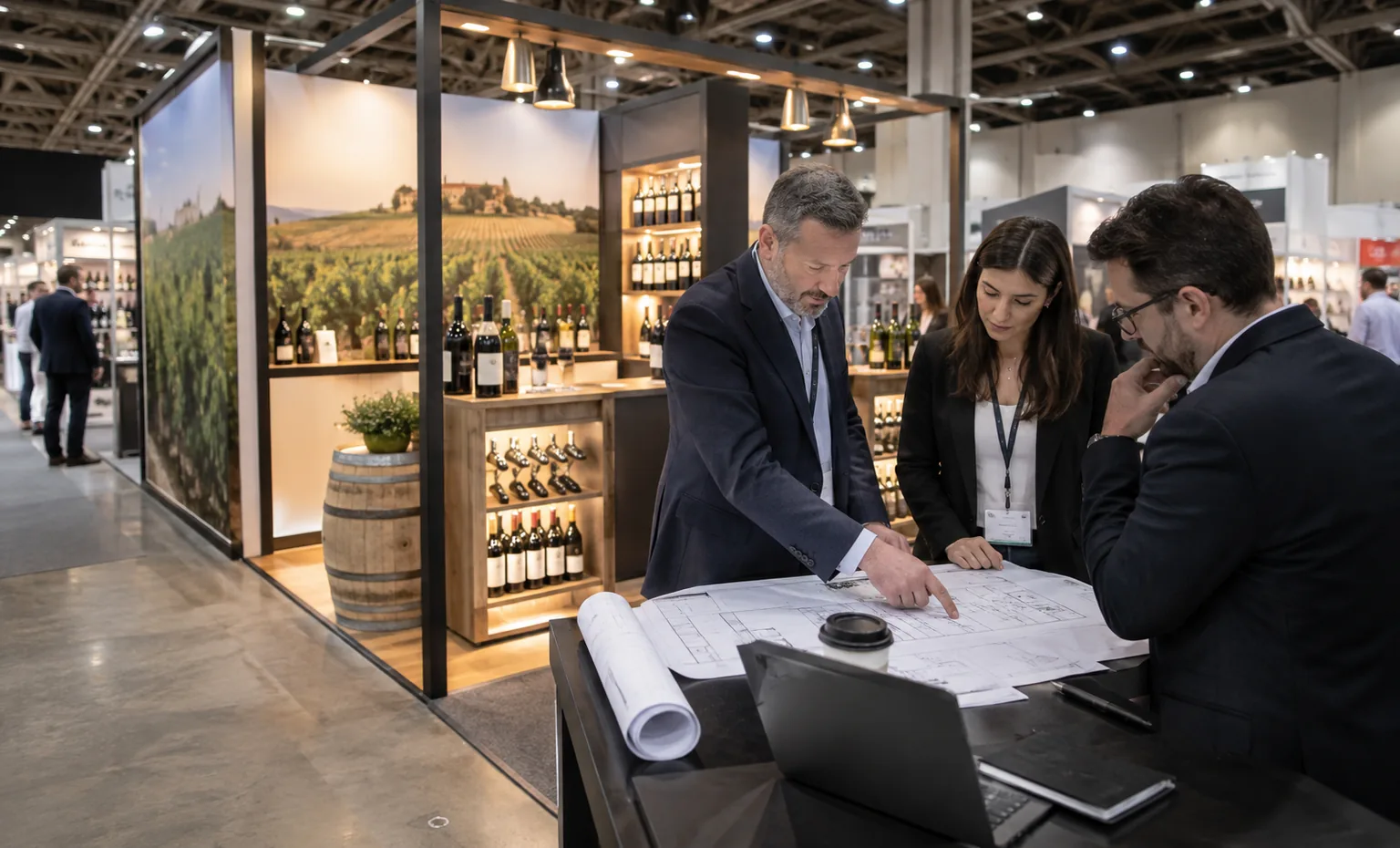
The current terms treat standard, peninsula, island and large-machinery spaces differently. Start with the official assignment, dimensions, open sides and neighboring aisles, then test every wall, sign, light and product against the applicable sightline. A standard booth is not a smaller island, and a machinery area is not a blank floor. This early classification tells the design team where height, access and viewing space can work before rental parts or custom details enter production.
Draw the Equipment Envelope and Demonstration Setback
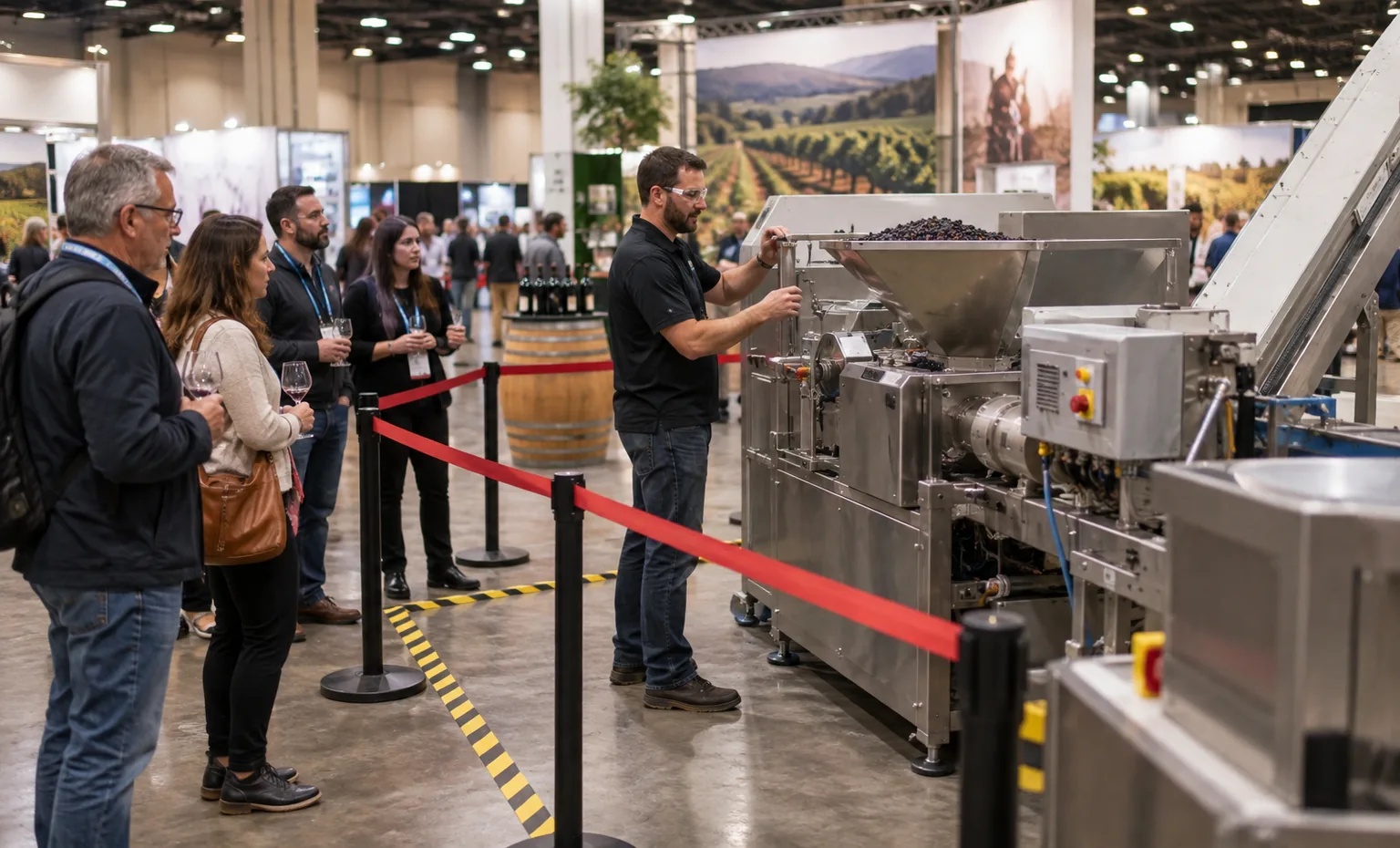
For vineyard, cellar, bottling or laboratory equipment, record both shipping and displayed dimensions, weight, working face, moving parts and required connections. The 2027 terms direct demonstrations to stay inside the contracted space and call for special caution around potentially dangerous equipment, including a three-foot setback and/or hazard barriers as necessary. Put the operator and viewers inside that protected zone, then confirm floor protection, sound, utility, handling and approval needs with current show documents.
Keep Product Display, Wine Service and Official Orders Separate
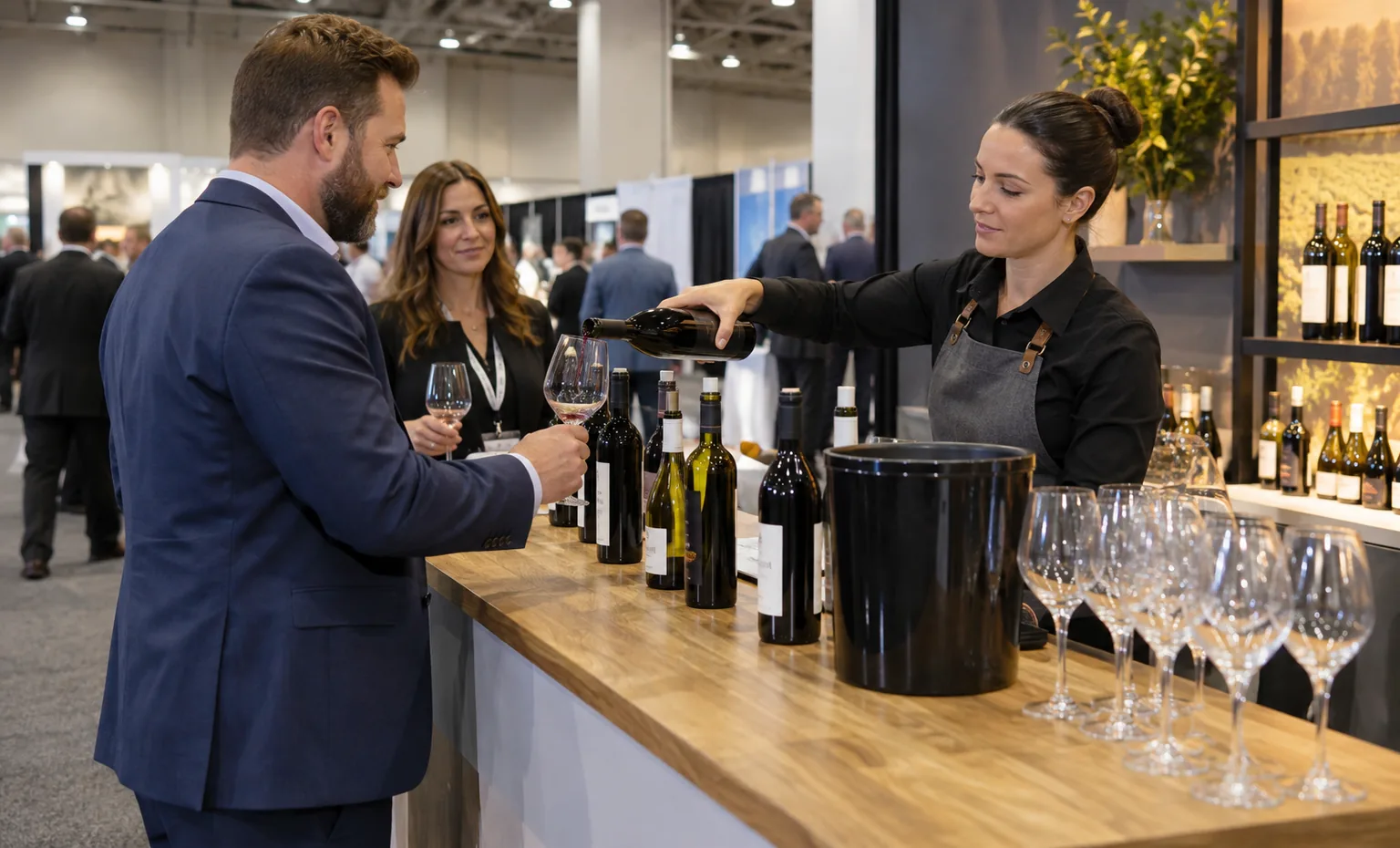
The event name does not make every tasting idea permissible. Current terms distinguish commercially produced wine bottles used for display, limited analytical-equipment samples and alcohol service controlled by catering and licensing conditions. Define the intended activity before designing a bar, sink or hospitality counter. Beside it, assign material handling, labor, electrical, plumbing, internet, AV and catering to the correct provider. King’s written proposal should show its accepted work without suggesting organizer affiliation or automatic inclusion of show-controlled services.
Review the Product, Structure and Responsibility Plan Together
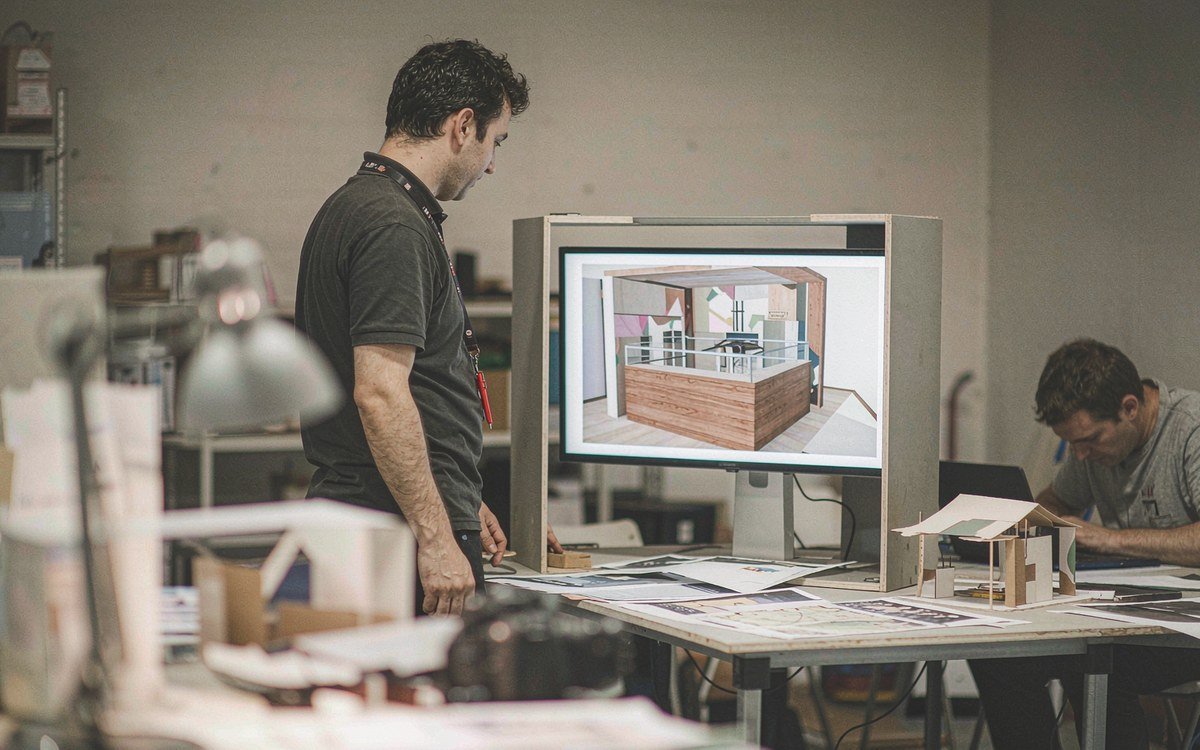
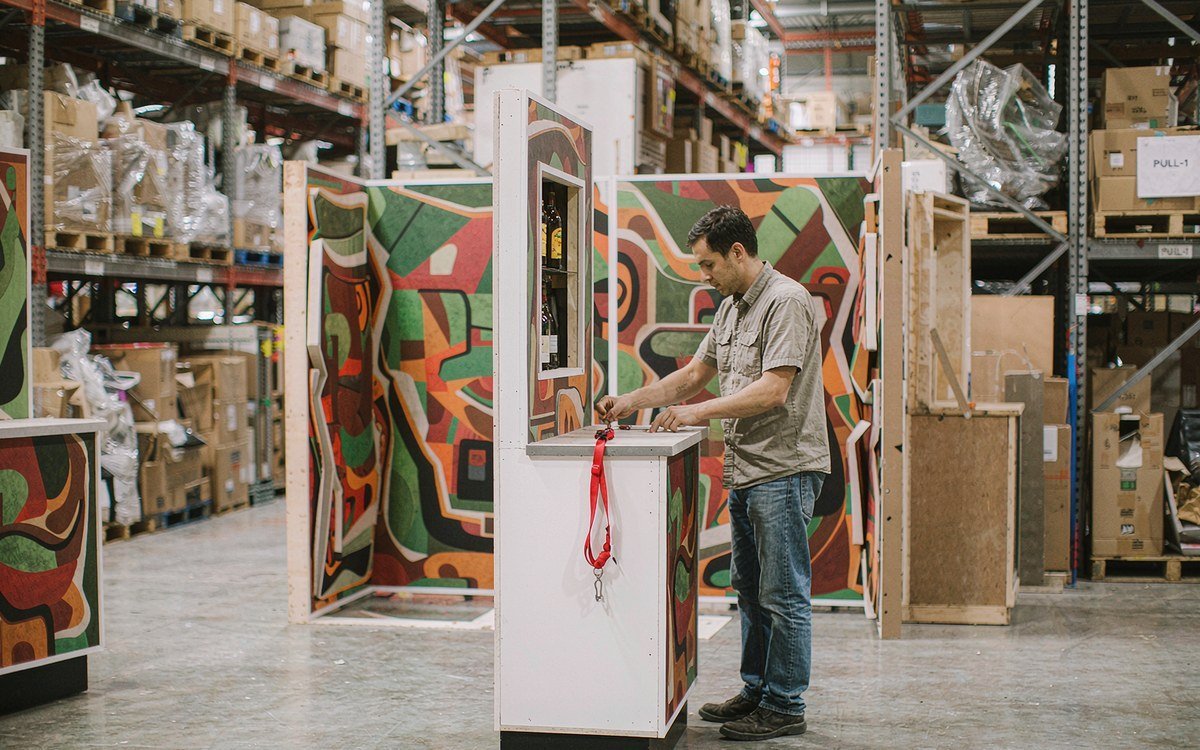
King Exhibits brings the assigned space, display product, buyer task and current official documents into one project record. The 3D direction can show the product envelope, operating face, protected viewer area, graphics, screen, storage and staff positions before approved rental and custom elements move into preparation.The accepted proposal then identifies the design, rental structure, fabrication, graphics, LED/AV, transport, installation, dismantling or storage work King will perform. It also records the items that remain with the exhibitor, organizer, venue, Freeman or another authorized provider. This gives marketing, product, operations, procurement and logistics a common version to review without treating every available service as an automatic bundle.
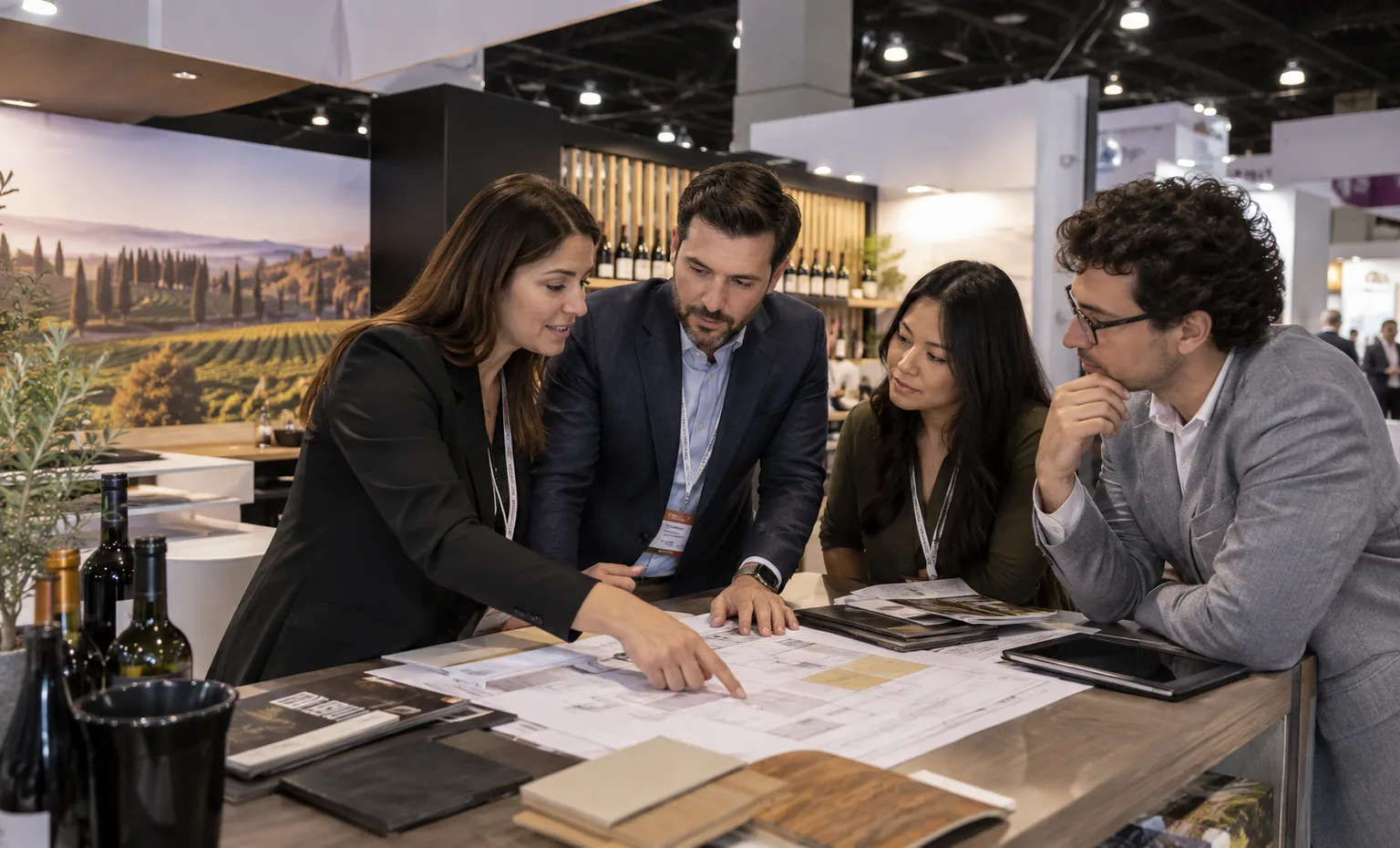
Turn the Exhibitor Assignment into a Buildable Scope
What You Provide: Approved exhibitor products or services, target roles, operating problem, main claim, proof item and desired post-show sales step.What We Do:
What You Provide: Booth assignment and type, open sides, product shipping and display dimensions, weight, operating face, moving parts, viewer position and storage needs.What We Do:
What You Provide: Current exhibitor documents, power, water, air, plumbing, internet, AV, food or beverage activity, material-handling plan and EAC requirements.What We Do:
What You Provide: Final artwork, approved 3D direction, accepted quote, required external orders, shipping contact and show-ready products.What We Do:
No. Unified Wine & Grape Symposium controls exhibitor qualification, offers and booth assignments. Send the confirmed assignment and current exhibitor documents after acceptance so the rental design can follow the correct space.
Potentially. The assigned booth category, equipment dimensions, weight, tires or floor protection, access route, spotting, operating clearance and current approval determine the plan. Large-machinery spaces have separate requirements, so do not approve the exhibit from a brochure dimension alone.
Enough to keep the operator and every viewer inside the contracted space and away from moving or hazardous parts. Current terms call for special caution and describe a three-foot setback and/or hazard barriers as necessary. The equipment risk and show approval control the final distance.
Only if the accepted King proposal expressly includes a named item that King is permitted to coordinate or provide. Current exhibitor resources identify authorized providers, and the applicable service manual will control ordering requirements. Compare the booth quote and external orders together.
That depends on the accepted project scope and completion of the current UW&GS EAC requirements, including the required forms and insurance review. Do not commit field access until the organizer confirms that the submitted EAC documents meet its requirements.
Send the booth assignment and type, approved product range, largest display item, shipping and displayed dimensions, weight, demonstration method, utilities, graphics and screen needs, target buyer, current exhibitor documents, requested field support, budget direction and approval deadline.
Booth Sizes for Unified Symposium Exhibitors
-
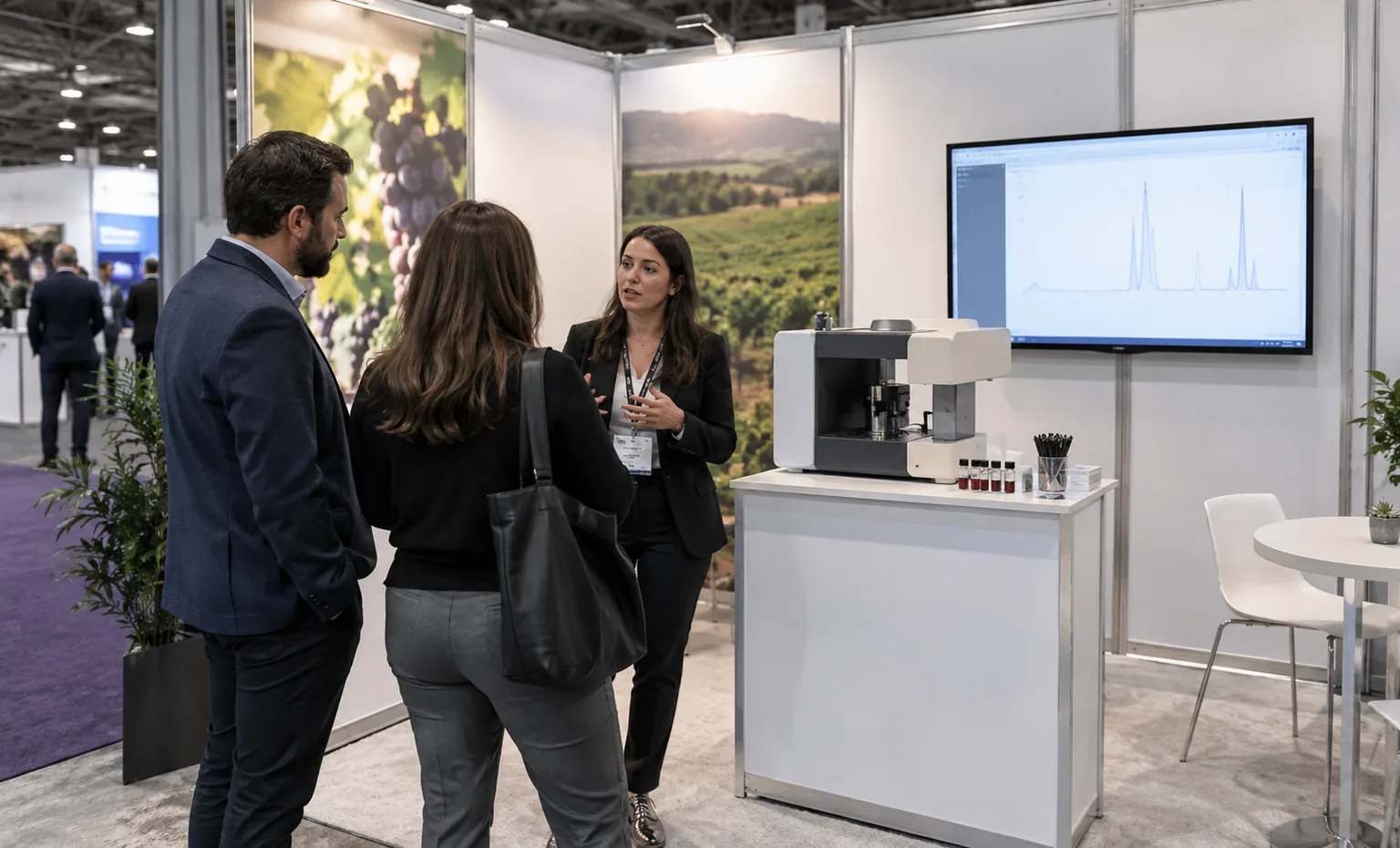
For one compact instrument, packaging comparison, software demonstration or specialist conversation in a standard footprint.
-
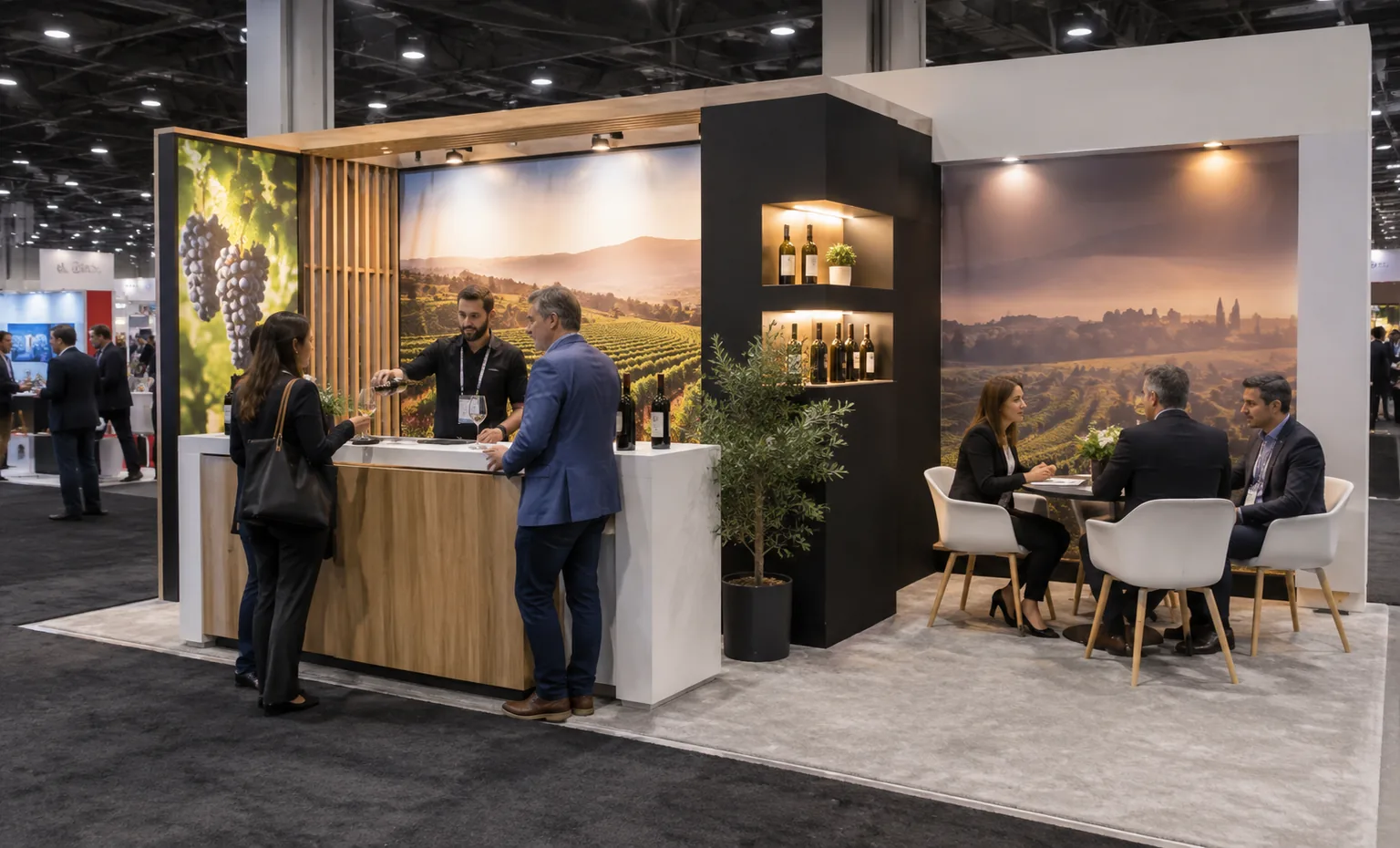
For a longer machine, two related proof stations or separate demonstration and consultation areas in an inline footprint.
-
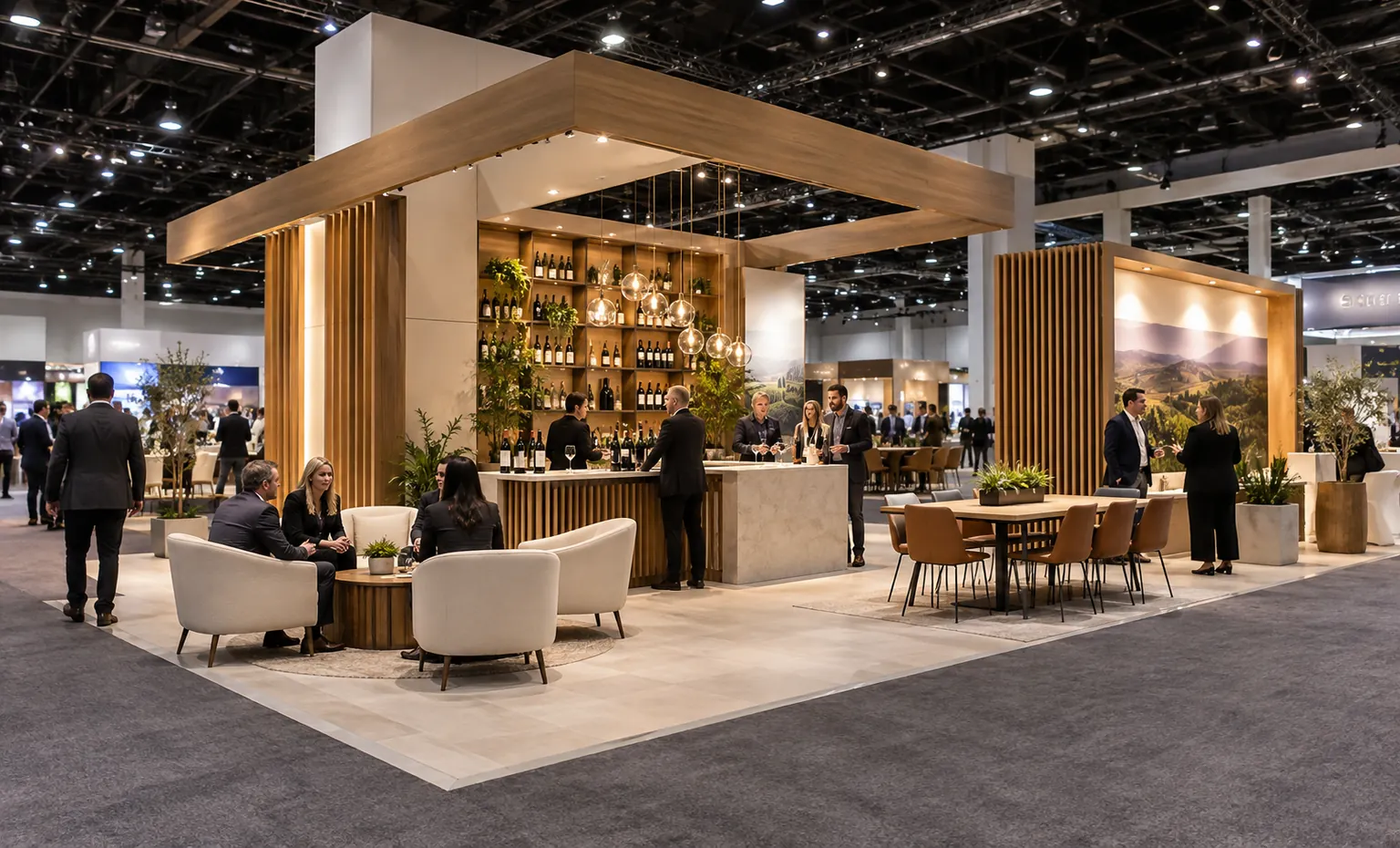
For multiple open sides, a larger equipment envelope or distinct demonstration, meeting and storage zones, subject to the assigned booth type.