


Give Us the Inputs That Control the Miami Beach Booth
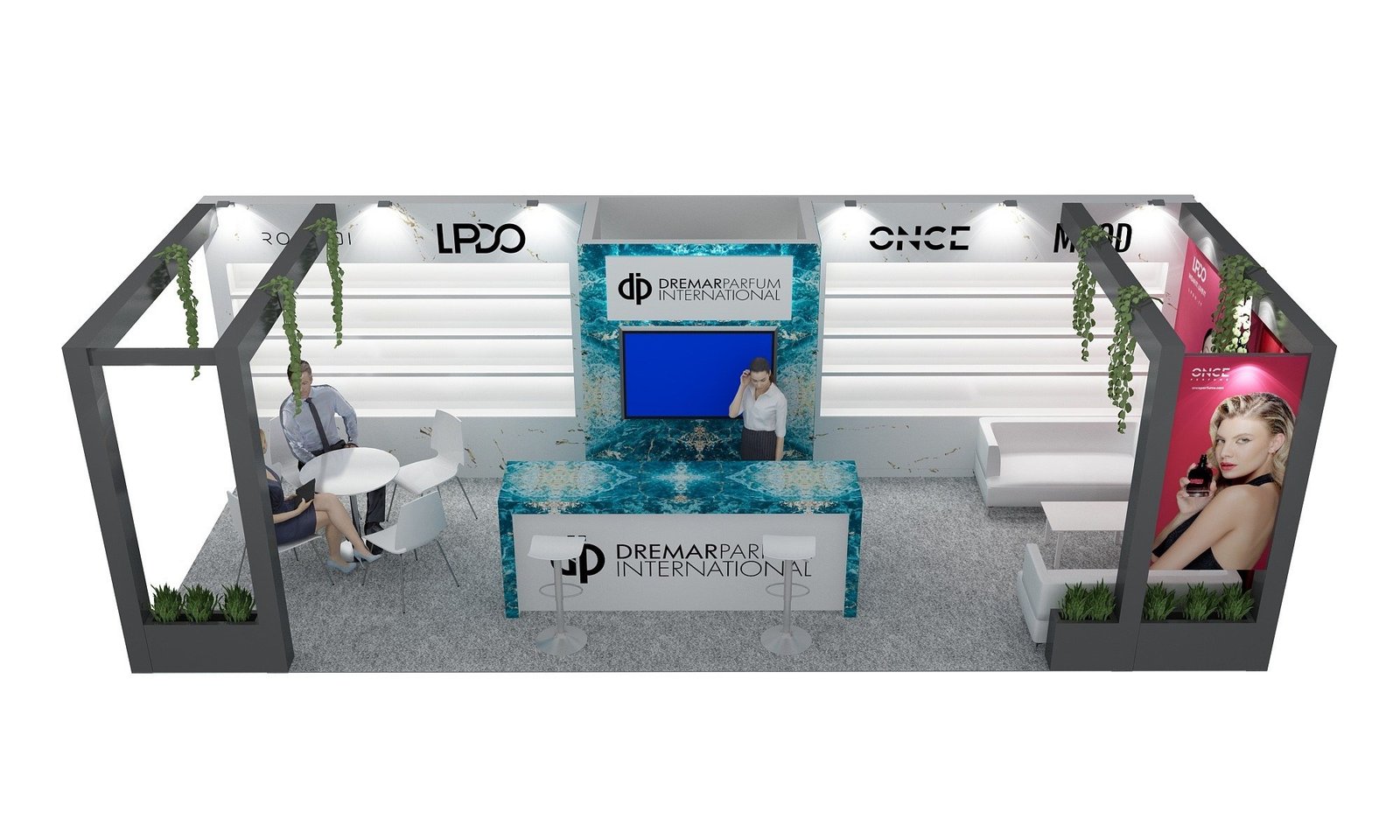
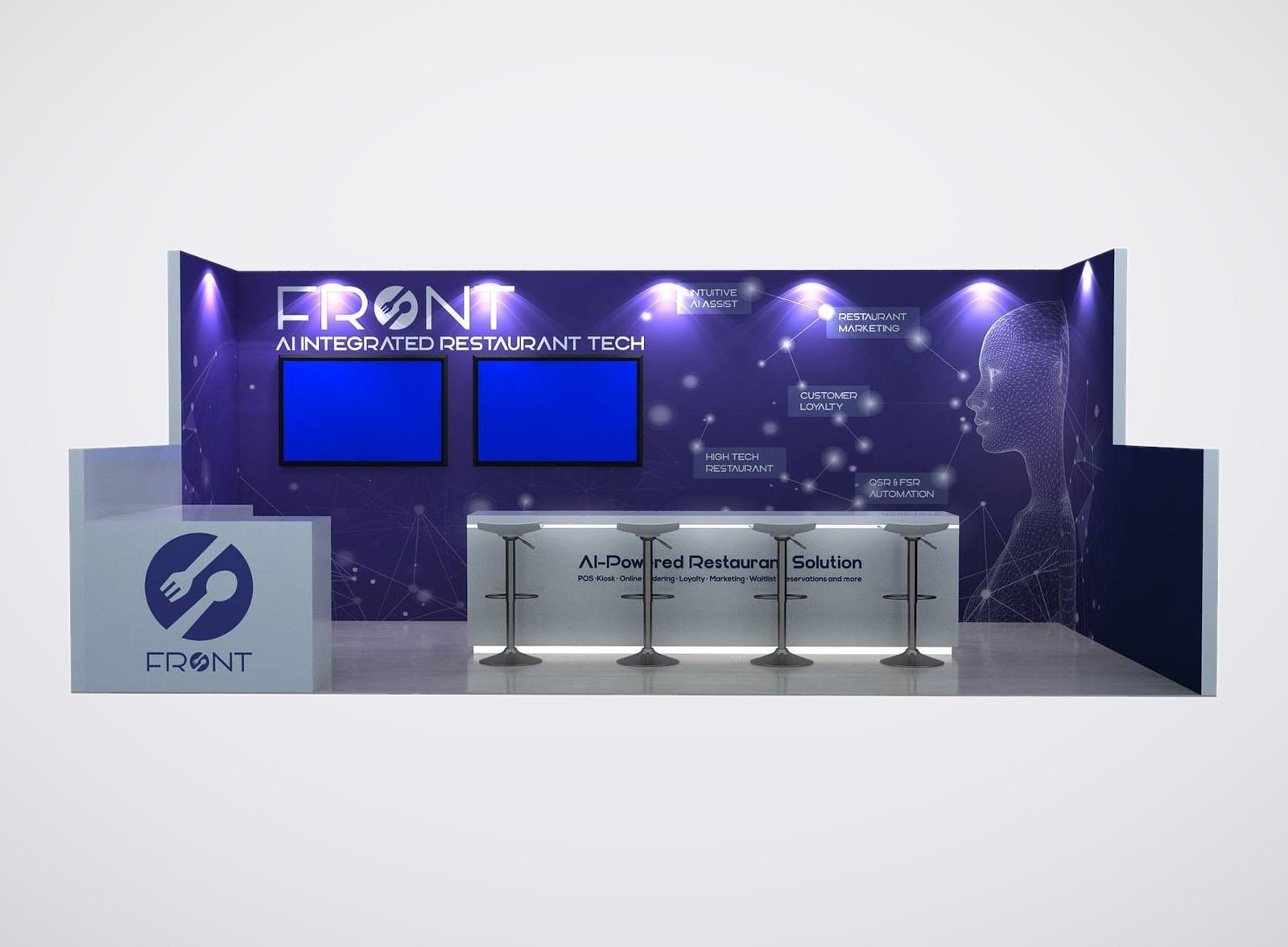
We review six items before the design and quotation move forward:
• Show, venue and assigned booth location
• Footprint, open sides and floor plan
• Products, demonstrations and visitor actions
• Brand files, graphics and screen conten
• Budget range and target approval date
• Freight, installation and dismantling scope
Plan for Miami Beach as Its Own Venue Assignmen
Miami Beach Convention Center is a specific operating destination, not a substitute name for every Miami-area event. Its four flexible exhibit halls provide substantial floor area, while individual shows set their own contractor, delivery, utility and approval procedures. The venue and event packet should appear on the project record before the exhibit is released.This distinction also keeps the page and quote aligned with the exhibitor’s real venue intent. A booth for MBCC is planned against its assigned hall and move-in schedule. A project in downtown Miami, another municipality or a hotel venue needs a separate site plan even when the same rental inventory is used.
Build Visibility for a Large, Design-Conscious Floor
Long aisles and visually polished competitors make message hierarchy essential. The booth should identify the brand and category from a distance, show a useful reason to enter at mid-range and provide detailed proof only after the visitor reaches the product or conversation zone.Architecture can frame those layers without turning the exhibit into an obstacle. Open corners invite traffic. Elevated or illuminated branding improves recognition where permitted. Product displays, demonstrations and hospitality need distinct positions so one activity does not stop another. Every visible surface supports a business decision instead of repeating the logo.
Freeze Utilities Before the Design Becomes Expensive to Change
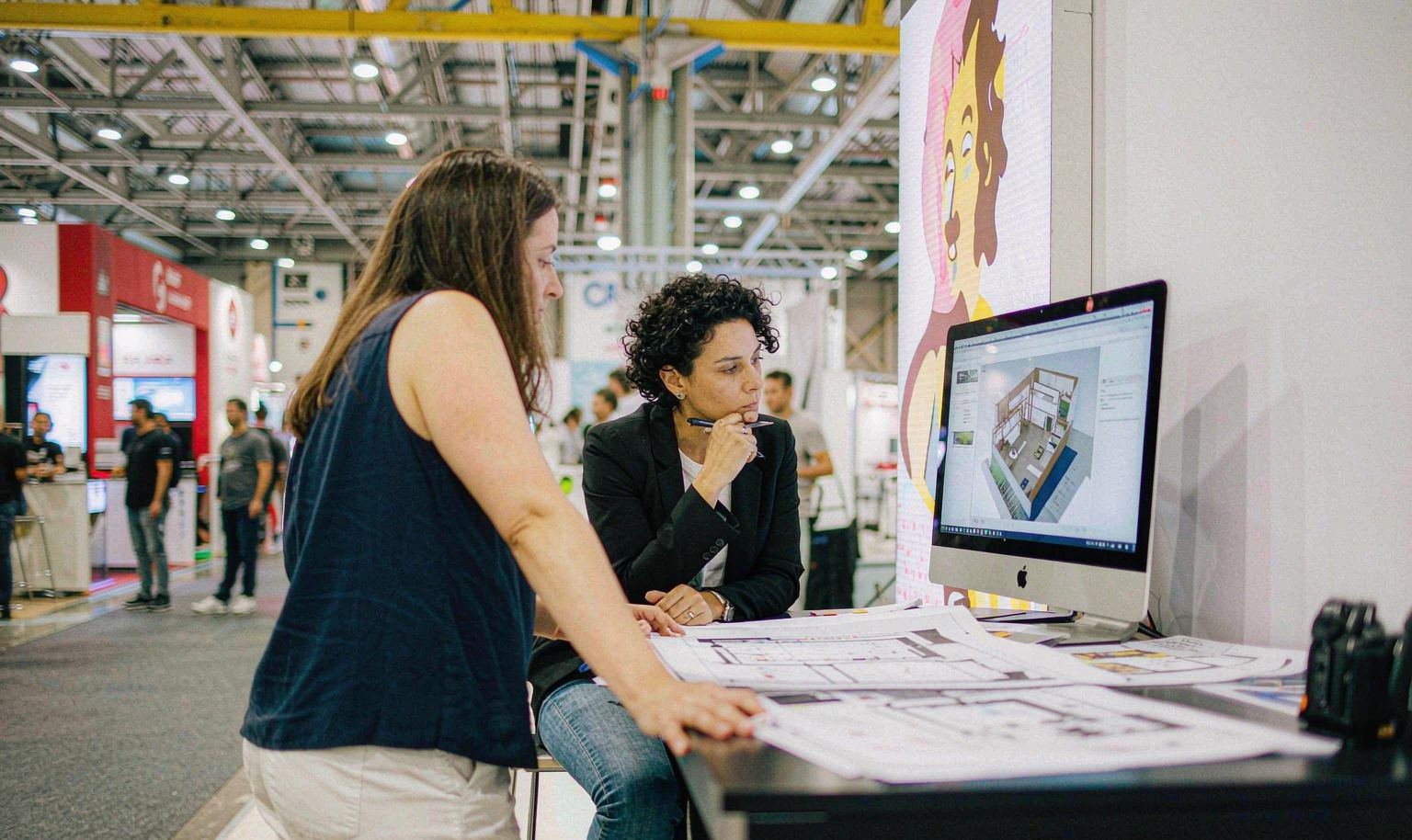
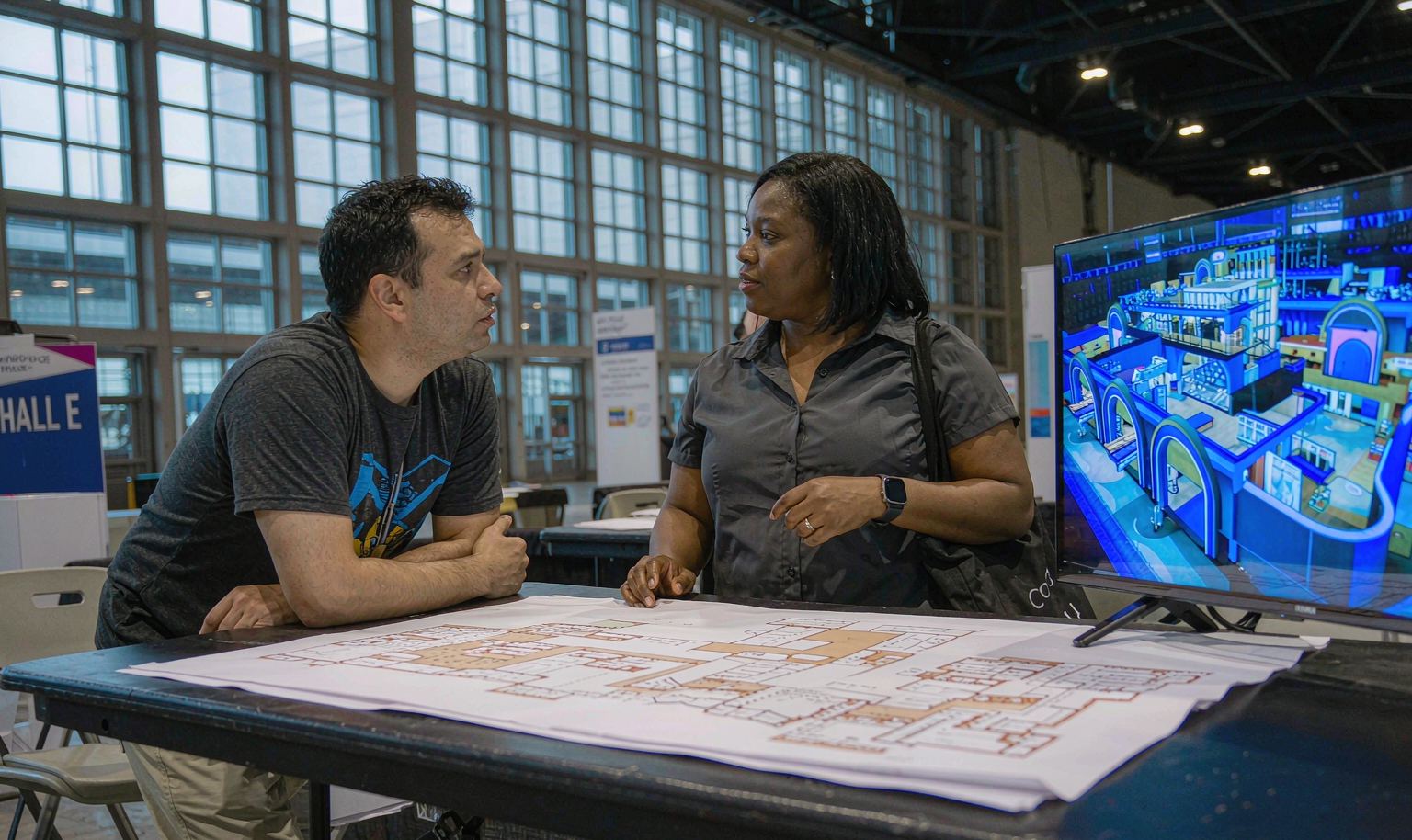
Screens, illuminated graphics, refrigeration, working products and hospitality equipment can affect power, data, plumbing, rigging and floor routing. MBCC lists event services and service providers, but the current show’s official order process controls the final responsibility and deadline.King Exhibits records each powered item on the layout, including location, connection and operating owner. That coordination gives production a stable mounting and cable plan. It also shows the project team when a content or equipment change affects more than one cost category.
Separate Exhibit Production from Show-Ordered Services
A Miami Beach rental package can range from a focused 10×10 inline to a multi-zone island with backlit graphics, presentations, hospitality and private meetings. The right option follows the visitor journey and the contracted hall exposure. Visual scale alone does not determine whether a feature belongs in the booth.The exhibit proposal can cover rental structure, custom graphics, product fixtures, packing, freight coordination and defined installation and dismantle work. Electrical distribution, rigging, internet, material handling and other show services follow the current MBCC and organizer process. Reviewing both groups against one floor plan reveals the actual cost of screens, suspended signs, powered hospitality and product demonstrations before the finished surfaces are released.

Coordinate Freight with the Approved Install Sequence
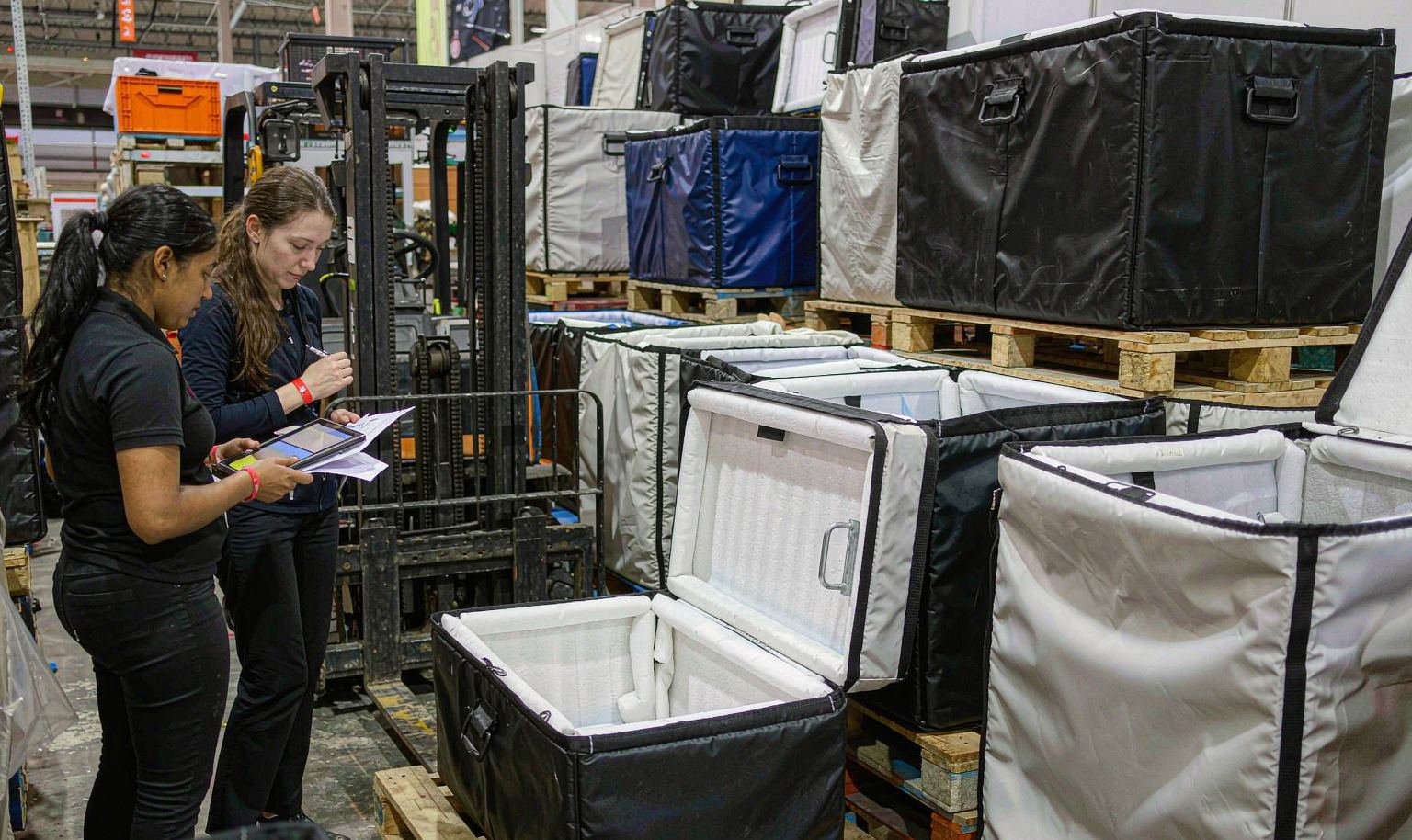
The carrier address alone does not define an MBCC delivery. The live exhibitor manual determines labels, target dates, advance or direct receiving, material handling and pickup. Those instructions belong in the shipment record; an earlier Miami event is not a valid substitute.Crates and cartons are labeled to match the component list. Structural pieces arrive in build order, while graphics, media and client products remain identifiable. During staging, our team reviews graphic orientation, fixture fit and product interfaces so the on-site crew receives a plan that corresponds to the packed pieces.
What Shapes the Miami Beach Quote
The proposal should describe the opening-ready condition and assign responsibility for rental components, custom work, venue services, freight, installation and customer-supplied materials. That makes supplier comparisons more useful than a single unexplained total.
• Hall, booth number, dimensions and open sides
• Required height, overhead elements and approval status
• Product, demonstration and hospitality requirements
• Screens, lighting, power, data and plumbing needs
• Graphic sizes, content status and brand files
• Official service kit, freight dates and installation window

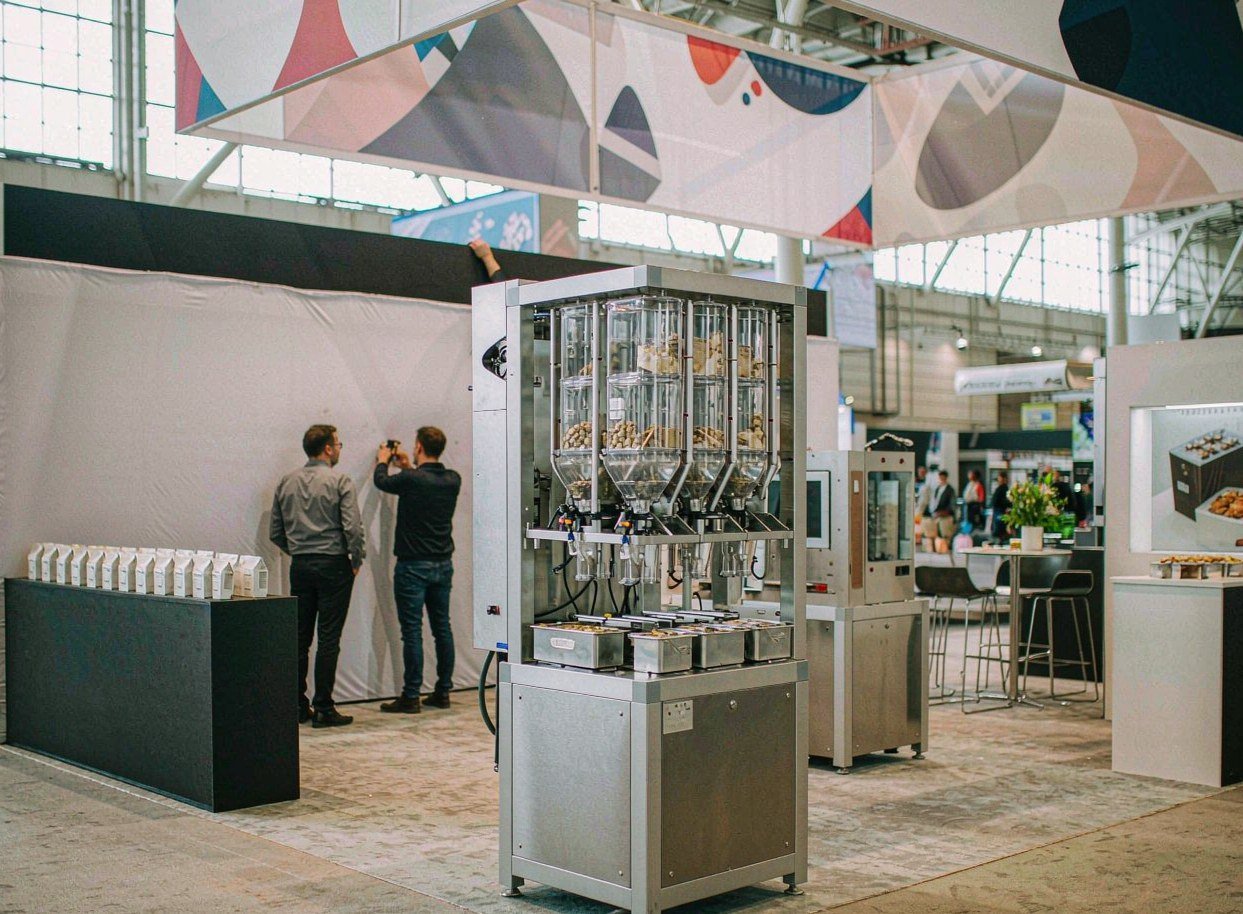
Senzani — 20×30 Exhibit at PACK EXPO 2025
This completed project gives teams planning Miami Beach a verified reference for exhibit scale, product presentation and visitor access. The verified project record identifies Senzani, a 20×30 footprint and PACK EXPO 2025. For the Miami Beach brief, use the example to discuss the level of finish, product visibility and production scope needed for the new booth. The layout will still be rebuilt around the assigned space and its current operating requirements; the example demonstrates capability and is not presented as a local installation.
Keep Design, Production and Field Scope Connected
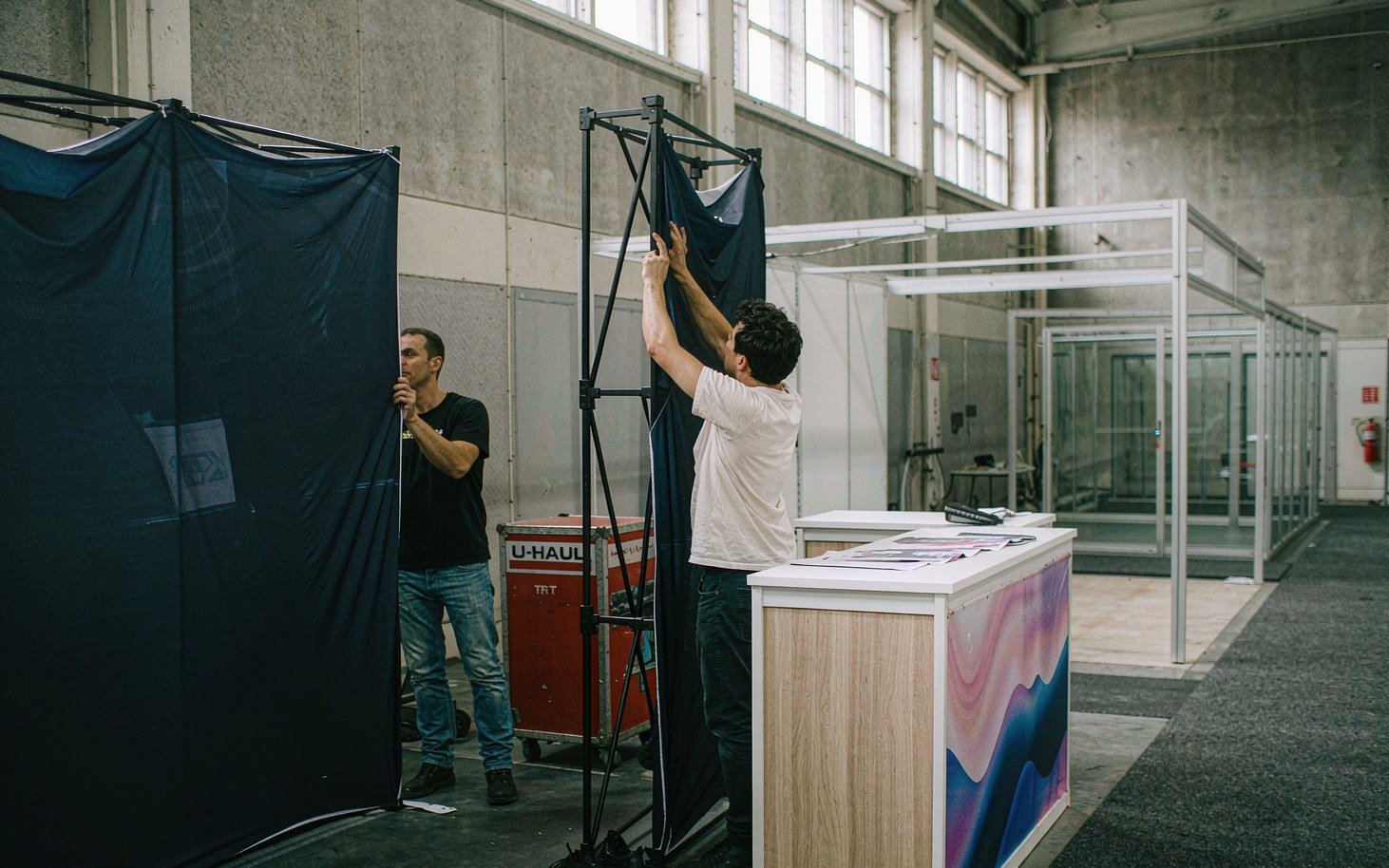
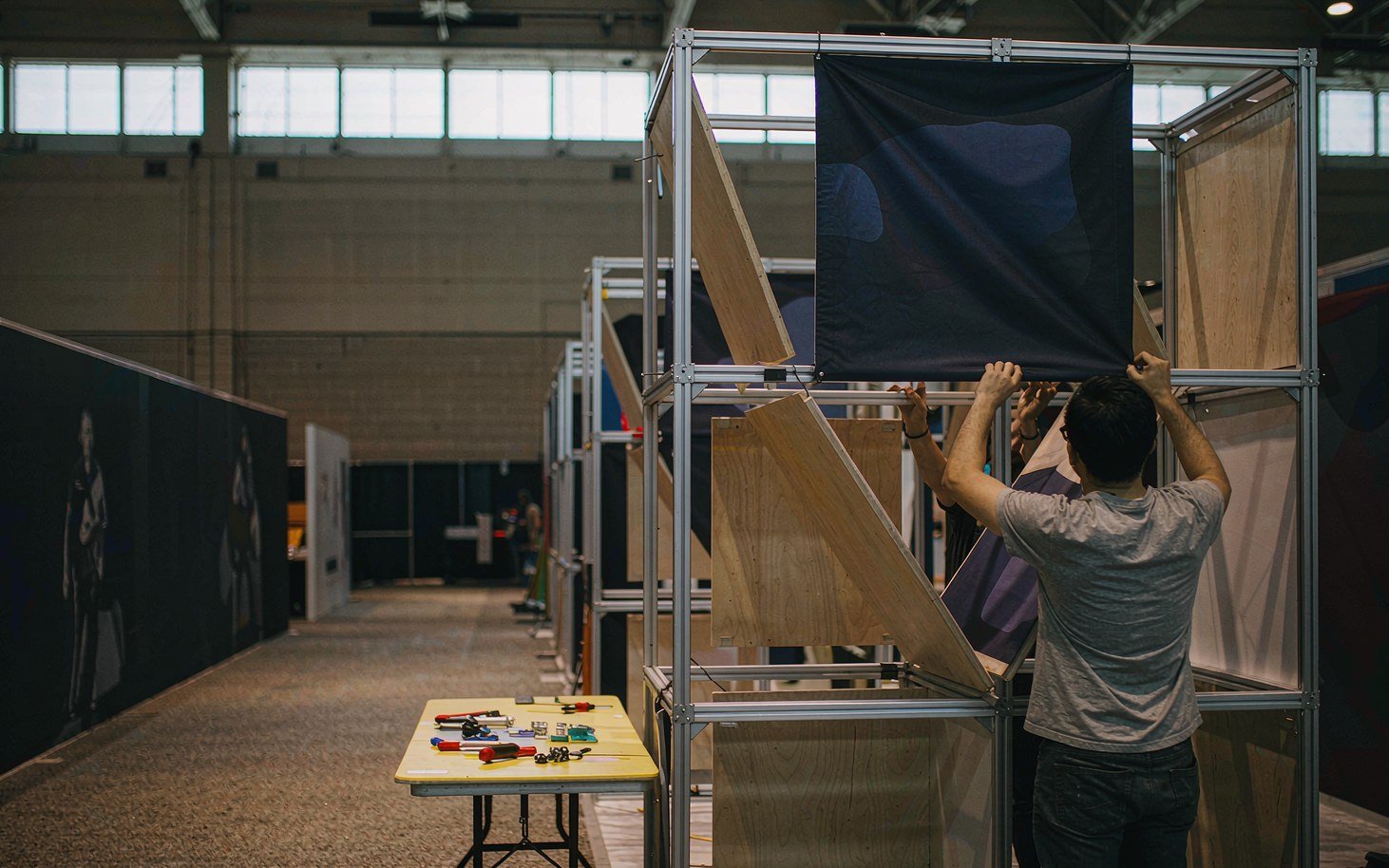
For Miami Beach, the approved design should stay connected to the pieces that are produced, packed and installed. King Exhibits has supported U.S. exhibit projects since 2008. Our Las Vegas-based production support connects 3D visualization with rental preparation, custom graphics, CNC work and wood fabrication. When the project scope calls for it, key components can be assembled and checked before packing. The production record carries the approved local freight, service and reuse decisions into packing and field instructions. Freight and the floor work accepted in the quotation then follow that written scope.

How the Miami Beach Booth Moves from Brief to Show Floor
Each stage turns customer information into a defined project output.
You provide the event, assigned venue, booth location and floor plan, footprint, products, budget and deadline. We identify missing organizer and technical information. The output is one usable Miami Beach project brief.
We use the confirmed Miami Beach operating brief to shape visitor flow, product placement, services and structure. You review the 3D direction and functional fit. The output is an approved layout basis.
You approve dimensions, artwork and final product information. We carry the approved Miami Beach freight and service assumptions into rental preparation, fabrication, graphics and packing. The output is a production record.
You confirm the current organizer instructions, carrier plan and authorized floor contacts. We coordinate the freight and field work accepted for Miami Beach. The output assigns installation, dismantling and outbound responsibilities before dispatch.
Yes. Miami Beach Convention Center has its own address, halls and operating instructions. A broader Miami page may cover other venues; each confirmed assignment needs its own delivery and service plan. King Exhibits uses the current Miami Beach show, assigned space and visitor goal to turn that decision into a buildable exhibit plan.
Often. The design must be checked against the new footprint, height rules, utilities, graphics, product mix and service schedule before compatible components are released. King Exhibits uses the current Miami Beach show, assigned space and visitor goal to turn that decision into a buildable exhibit plan. This lets procurement compare the exhibit scope with official show charges before approval.
Standard inline rentals, modular peninsula layouts and larger custom island exhibits can be developed. The hall, footprint, open sides, functions and current rules determine the useful format. Use the current floor plan and organizer documents to confirm the second setting before the structure, shipment or service orders are released. This lets procurement compare the exhibit scope with official show charges before approval.
Venue or show-ordered utilities, rigging, internet, material handling and other official services may be separate. The responsibility schedule should identify every item before approval. Review that scope beside the organizer, carrier and official-service charges so procurement can see the complete project budget before approval. This lets procurement compare the exhibit scope with official show charges before approval.