
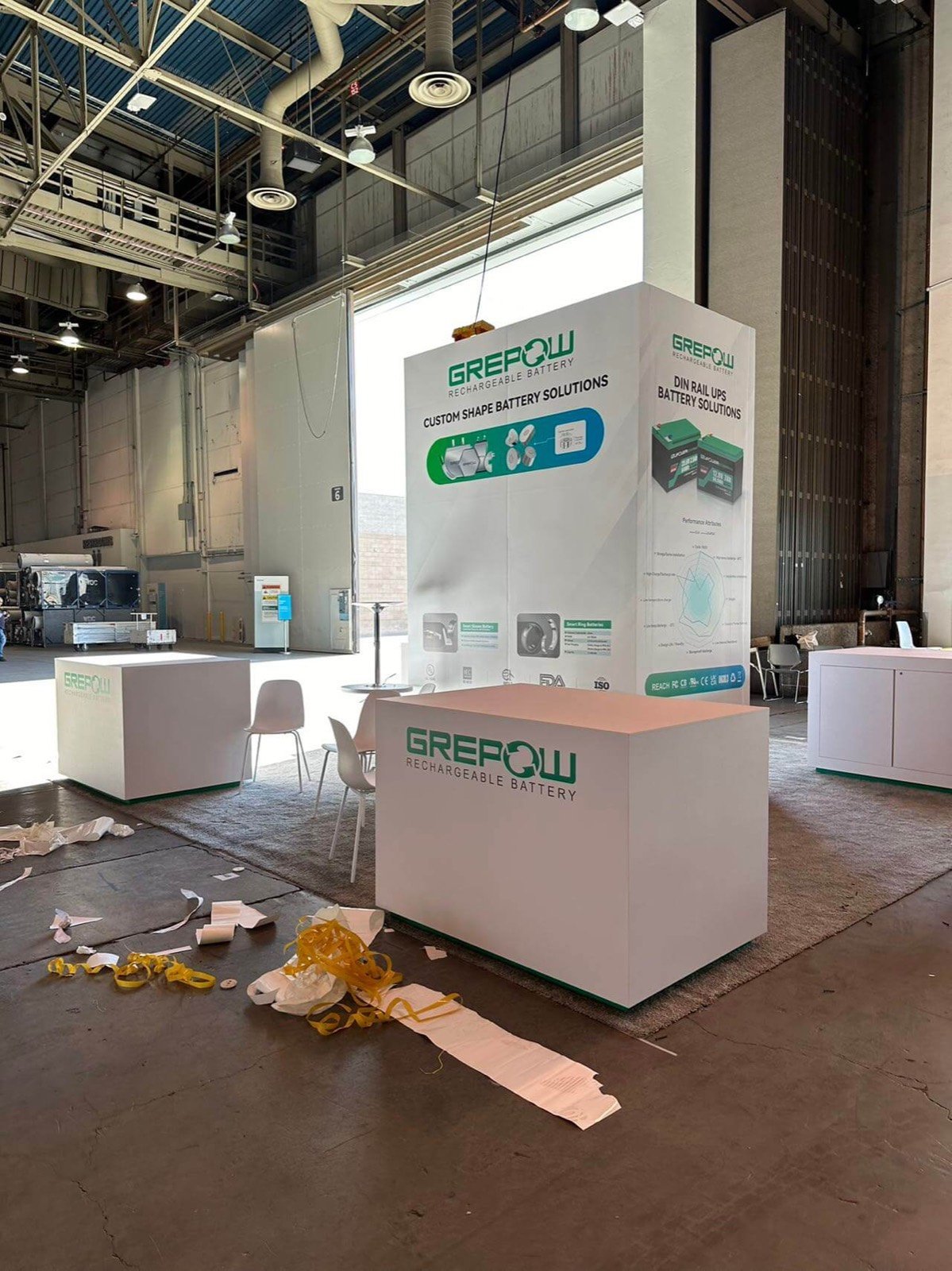


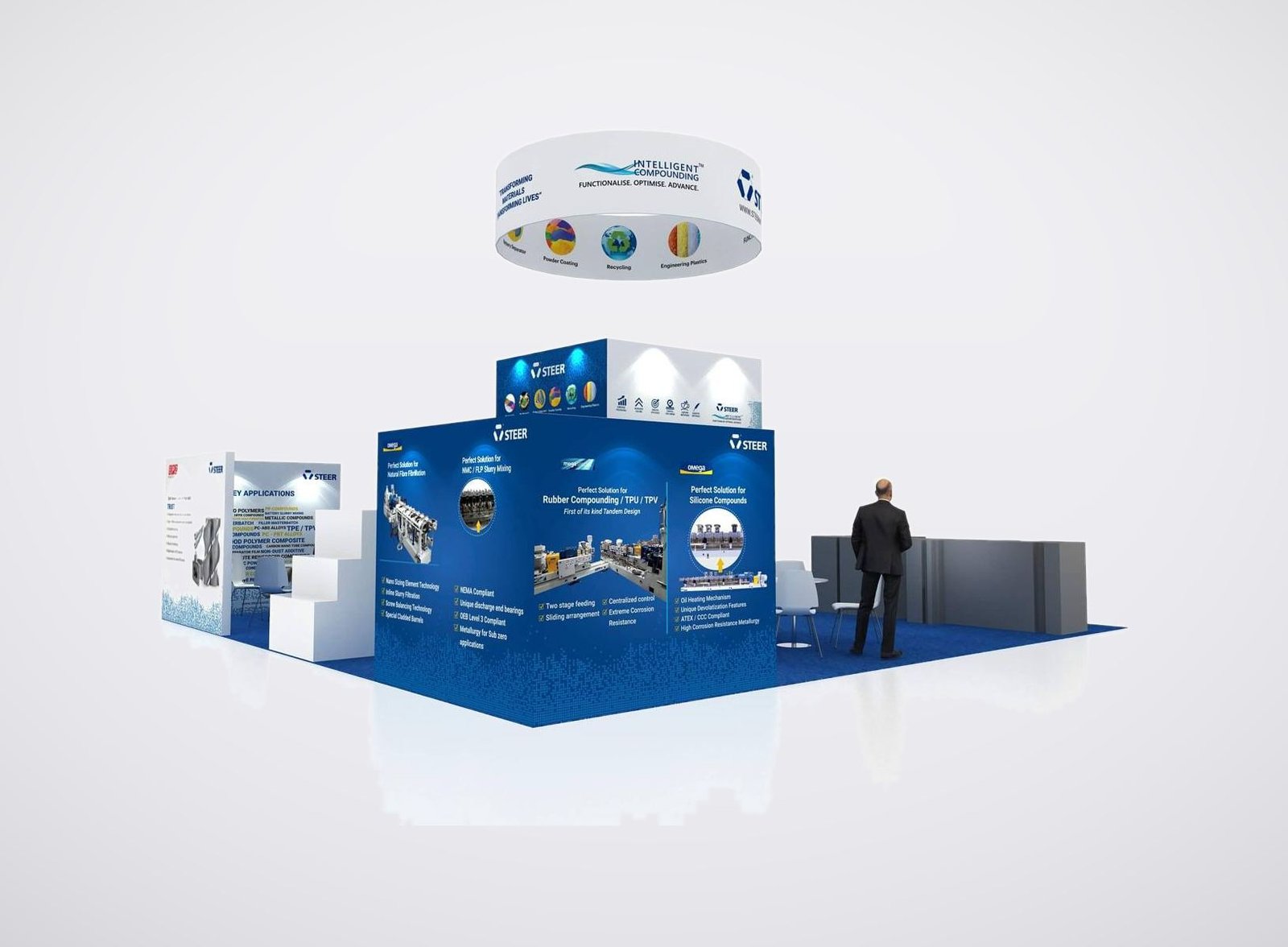
Choose the Battery Exhibit Format from What Buyers Must Evaluate
Materials, Cells and Component Samples
Organize powders, foils, separators, electrodes, cells, busbars, connectors, seals, thermal materials and enclosure details by the technical decision they support. Confirm sample state, quantity, dimensions, handling and approved labels before selecting shelves, cases, lighting or storage. The display should help a buyer compare relevant evidence without implying performance that the sample alone cannot prove.
Modules, Packs and EV-System Hardware
Start with the displayed envelope, weight, support points, access panels, connector side, cooling interfaces and the views required for discussion. A pack or vehicle component can anchor the exhibit, but walls, counters and screens must not hide the construction or service features the product team came to explain.
Manufacturing, Inspection and Test Equipment
Record both shipping and operating conditions. Doors, guarding, fixtures, load stations, cameras, robots, operator positions, sample flow and maintenance access can occupy more space than the machine base. Decide whether the unit is static, powered or demonstrating a controlled sequence before the surrounding rental booth is approved.
A Battery Show Exhibit Built Around an Engineering Decision
Visitors at The Battery Show Detroit include design and application engineers, R&D teams, manufacturing and operations leaders, quality specialists, executives and purchasing decision-makers. They may be comparing materials, checking a component interface, evaluating a production step, reviewing test evidence or deciding which supplier deserves a plant-level conversation. A useful booth lets each person recognize the product’s role before asking for the technical detail.That requires a different plan from a generic technology display. A cell sample needs context about where it enters the system. A pack needs clear inspection and service sides. Production or test equipment needs an operating envelope, utilities and a safe viewer position. Software needs a defined task and a physical or process reference. Approved data belongs close to the item it explains, not on an unrelated screen across the booth.King Exhibits brings the confirmed products, equipment positions, graphics, screens, storage and meeting needs into one 3D direction. The accepted proposal can include rental walls, towers, lightboxes, counters, flooring, lighting, furniture, branded graphics and selected display details, plus the delivery or onsite support specifically listed in the scope.Products, technical operation and performance claims remain the exhibitor’s responsibility unless the written agreement assigns a defined task elsewhere. Material handling, rigging, power, data, labor, freight and other controlled services must follow the current organizer, venue and official-provider process. The booth plan identifies those interfaces without presenting King Exhibits as the show organizer or official contractor.
Organize the Booth by the Decision Your Buyer Is Making

Connect material or component samples to the cell function, process step or approved measurement they affect. Use controlled lighting and concise labels for physical differences; use charts only for claims the exhibitor is prepared to support. Reserve staff-side storage for replacement samples and technical documents.
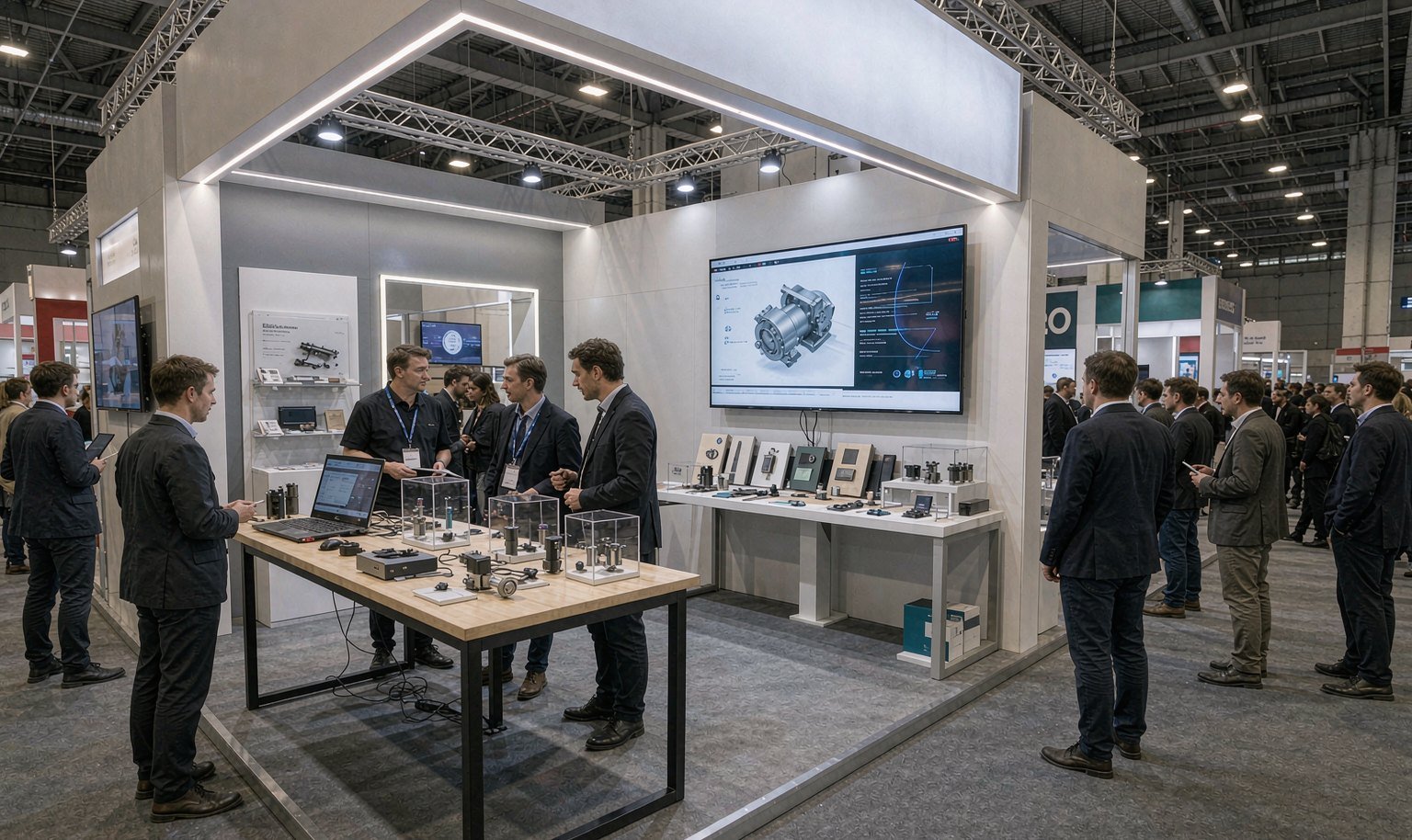
Let buyers trace the relationship between cell format, module architecture, enclosure, interconnects, sensing, cooling and pack integration. Full hardware, cutaways and connection details can share one explanation when their scale and access needs are known before the fixtures are designed.
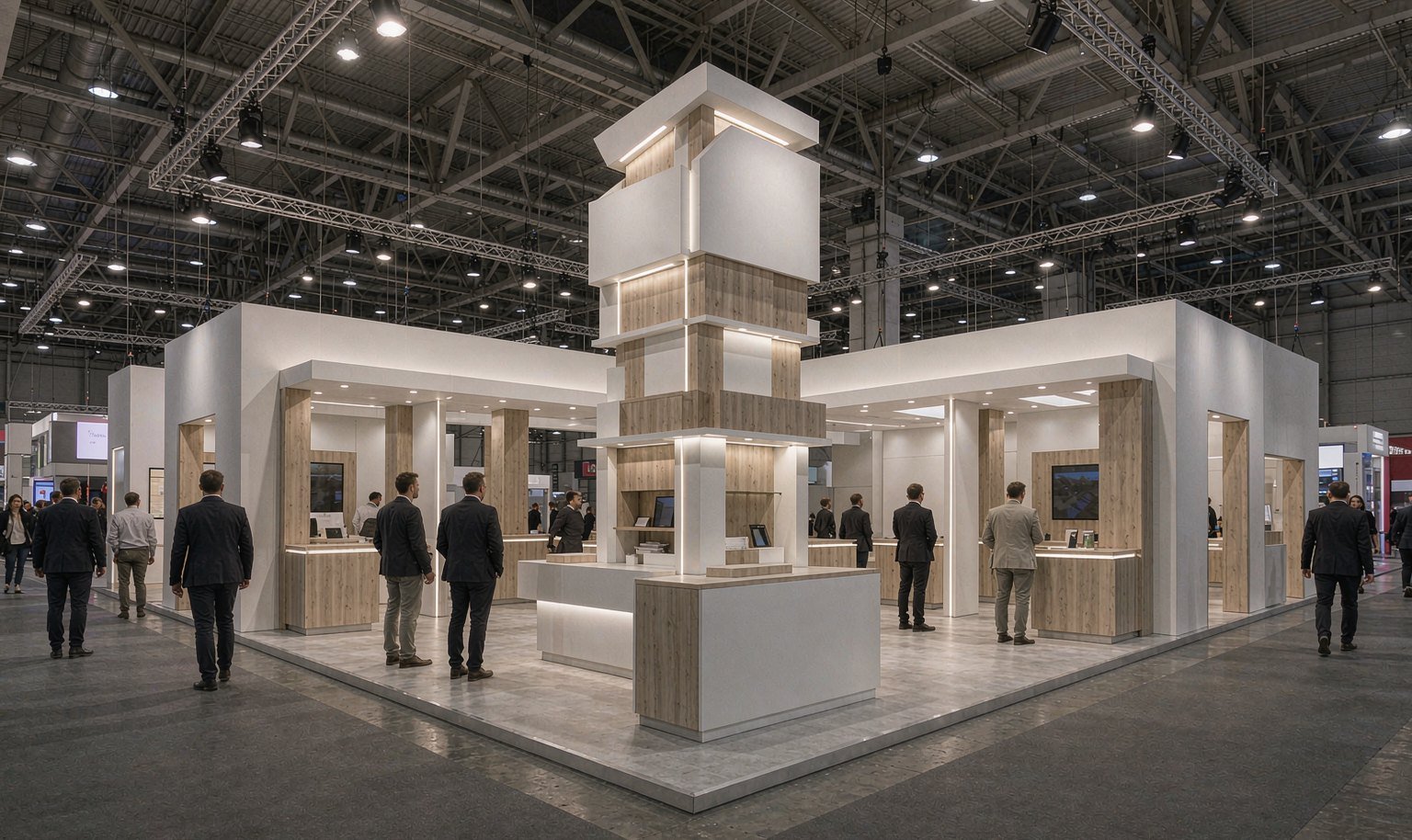
Show the infeed, operation and output that matter to the buyer rather than surrounding a machine with decorative walls. The plan should preserve guarding, doors, load/unload positions, operator access and a clear viewer line. Nearby graphics or screens can carry process stages, compatible formats and approved production evidence.
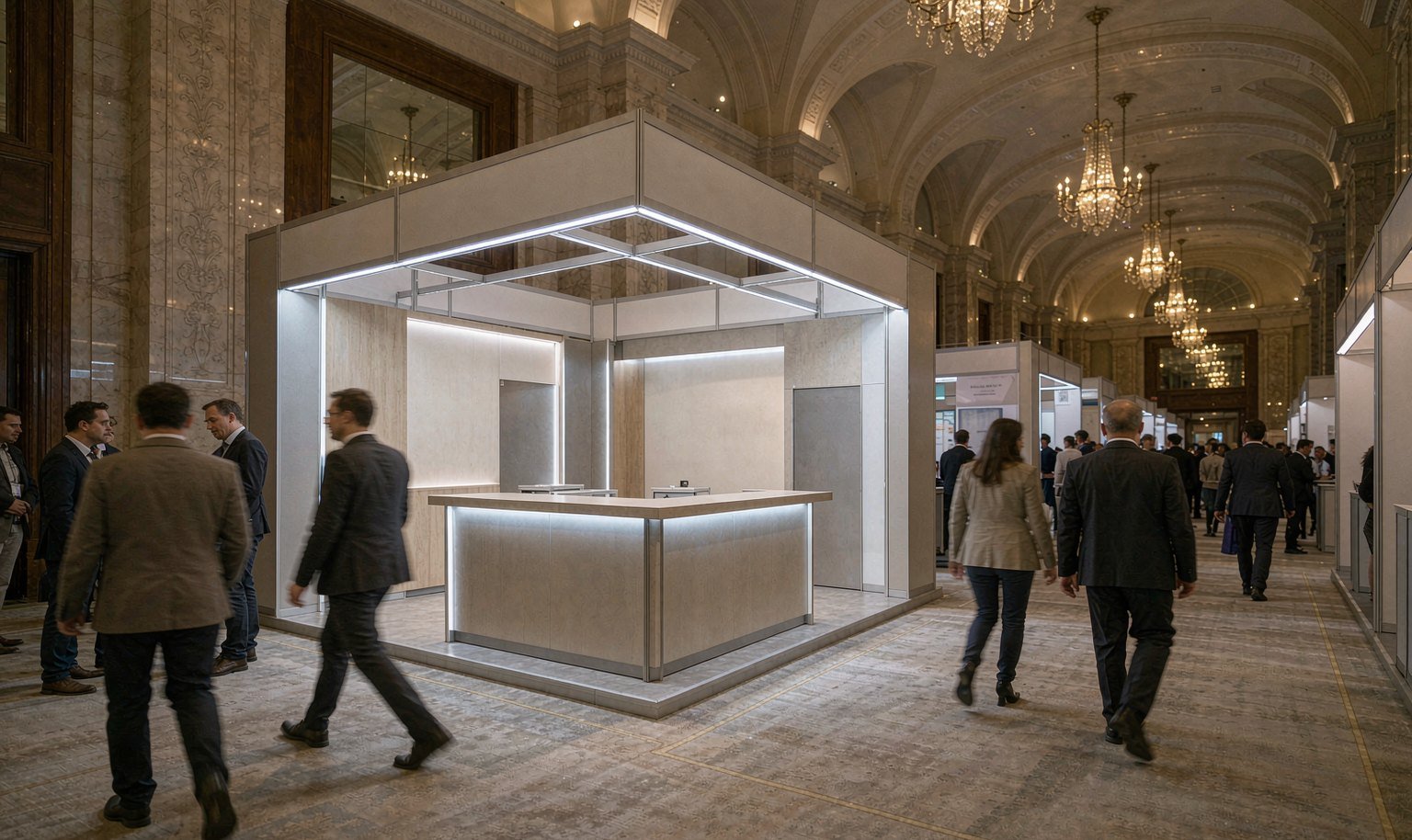
Give the instrument or inspection system a real specimen and a defined question. A guided screen can show a scan, measurement, defect, cycle or result while the physical setup shows how the sample is presented. Keep unsupported accuracy, throughput and defect-detection claims out of the exhibit content.

Use a pack detail, cooling component, sensor, control unit, power-electronics assembly or system model to ground the explanation. Screens should demonstrate one operating or diagnostic task. The design can support the conversation, while the exhibitor owns technical validation, live connections and approved claims.
Connect the Specimen to the Result
A material sample, cell, connector or thermal component becomes useful evidence when the visitor can see what decision it changes. Put the specimen beside the relevant process, interface or approved measurement, then let staff explain the conditions behind the result. King Exhibits can plan the quoted casework, lighting, graphics and screen position around that sequence. Your technical team supplies the sample identity, test conditions and claims it is prepared to defend.
Design from the Operating Envelope, Not the Shipping Footprint
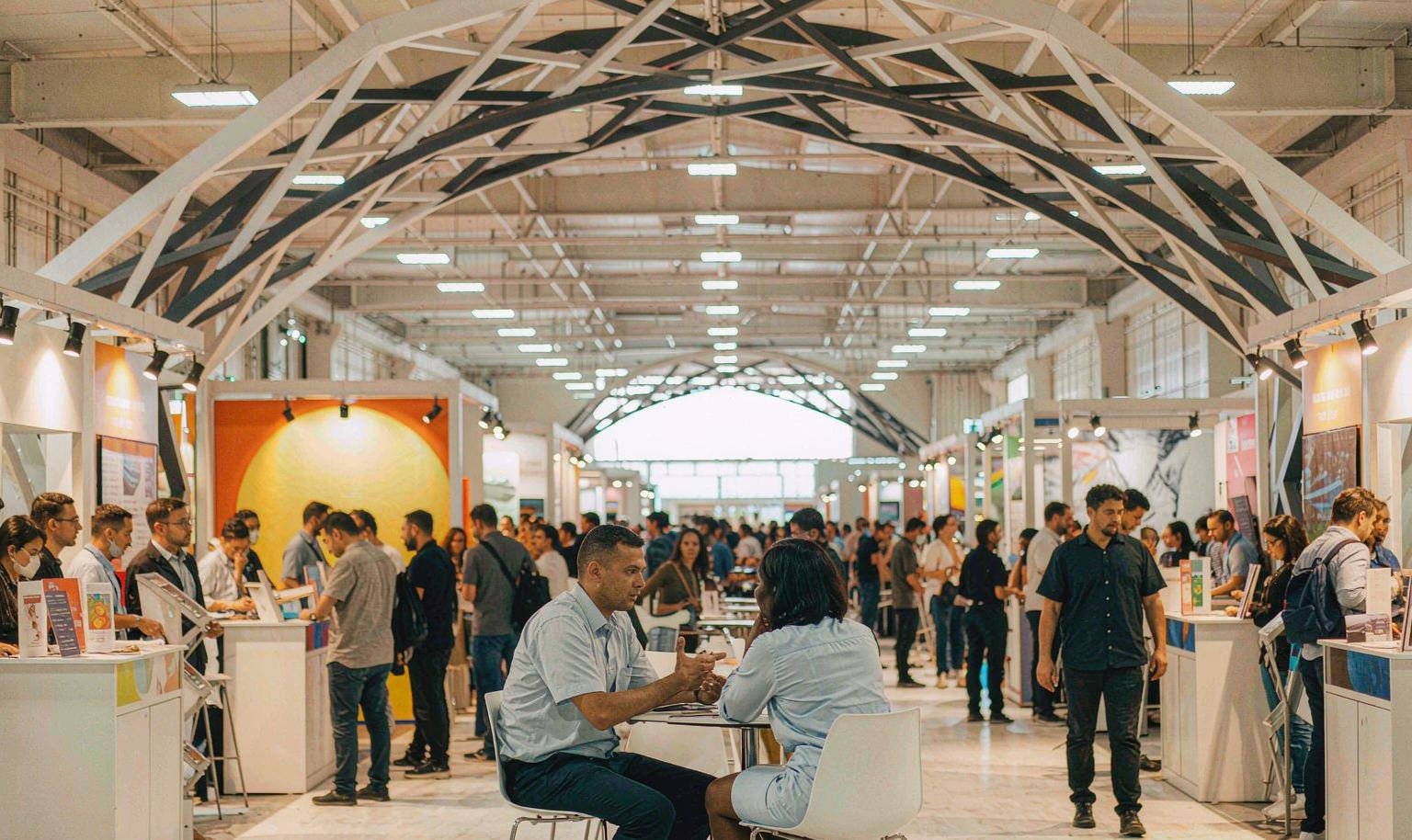
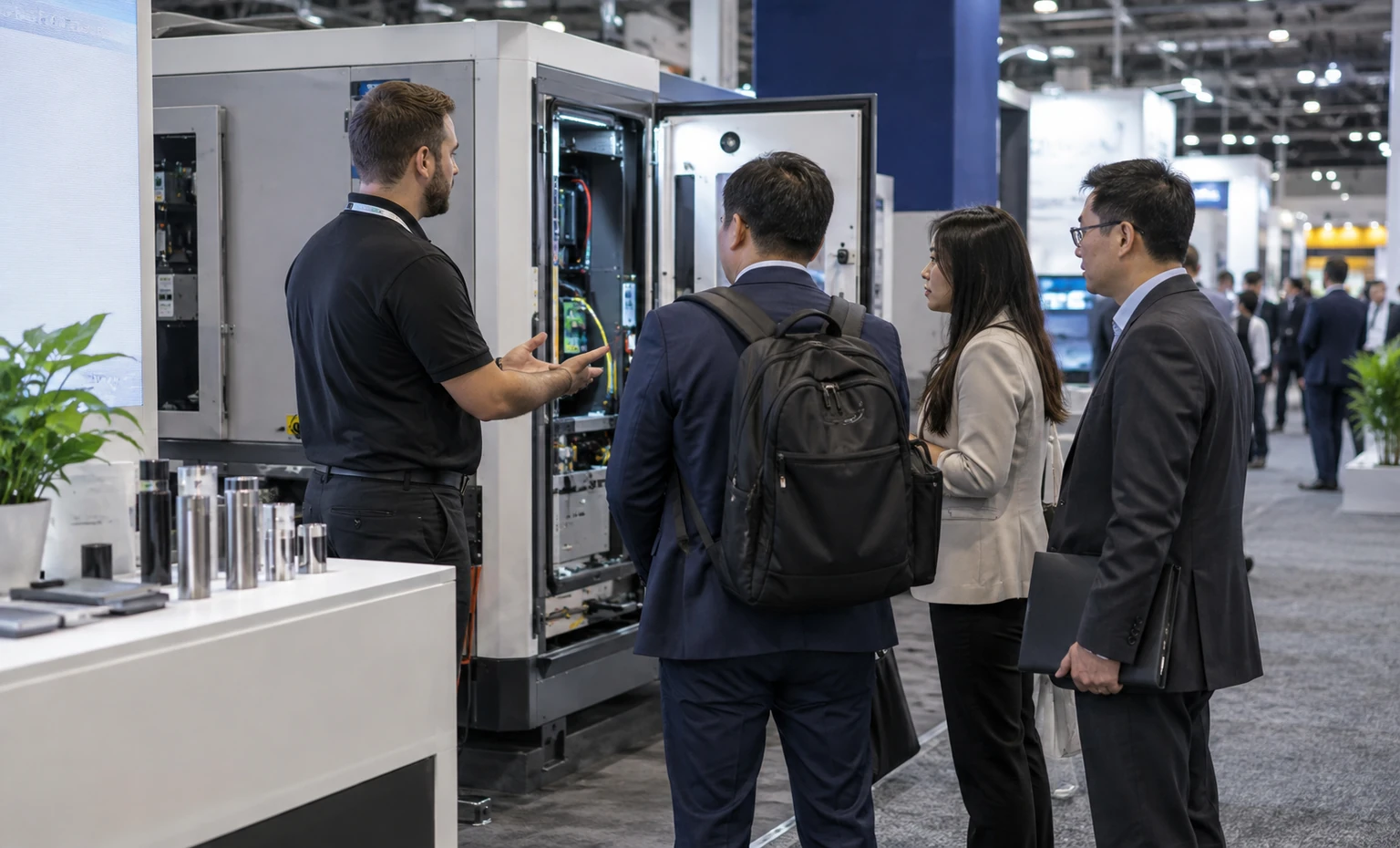
A crated machine dimension does not show where an operator stands, a guard opens, a sample enters or a technician reaches a service panel. Record those positions before walls, counters or meeting furniture are fixed. The 3D exhibit direction can then keep rental elements outside the working area and place visitors on a useful viewing side. Current handling, utility, safety and demonstration requirements still govern the final operating method.
Decide What Is Live, Static and Ready as Backup
Separate attention value from technical risk. A working demonstration may help when the approved operation is repeatable and supervised; a static product, cutaway, recorded sequence or retained sample may explain the same decision more reliably. Define battery chemistry and state, stored energy, heat, ventilation, motion, charging or discharging, barriers, shutdown and technical ownership early. The booth can support the approved method without promising that a proposed operation will be permitted.
Review the Product, Booth and Responsibility List Together
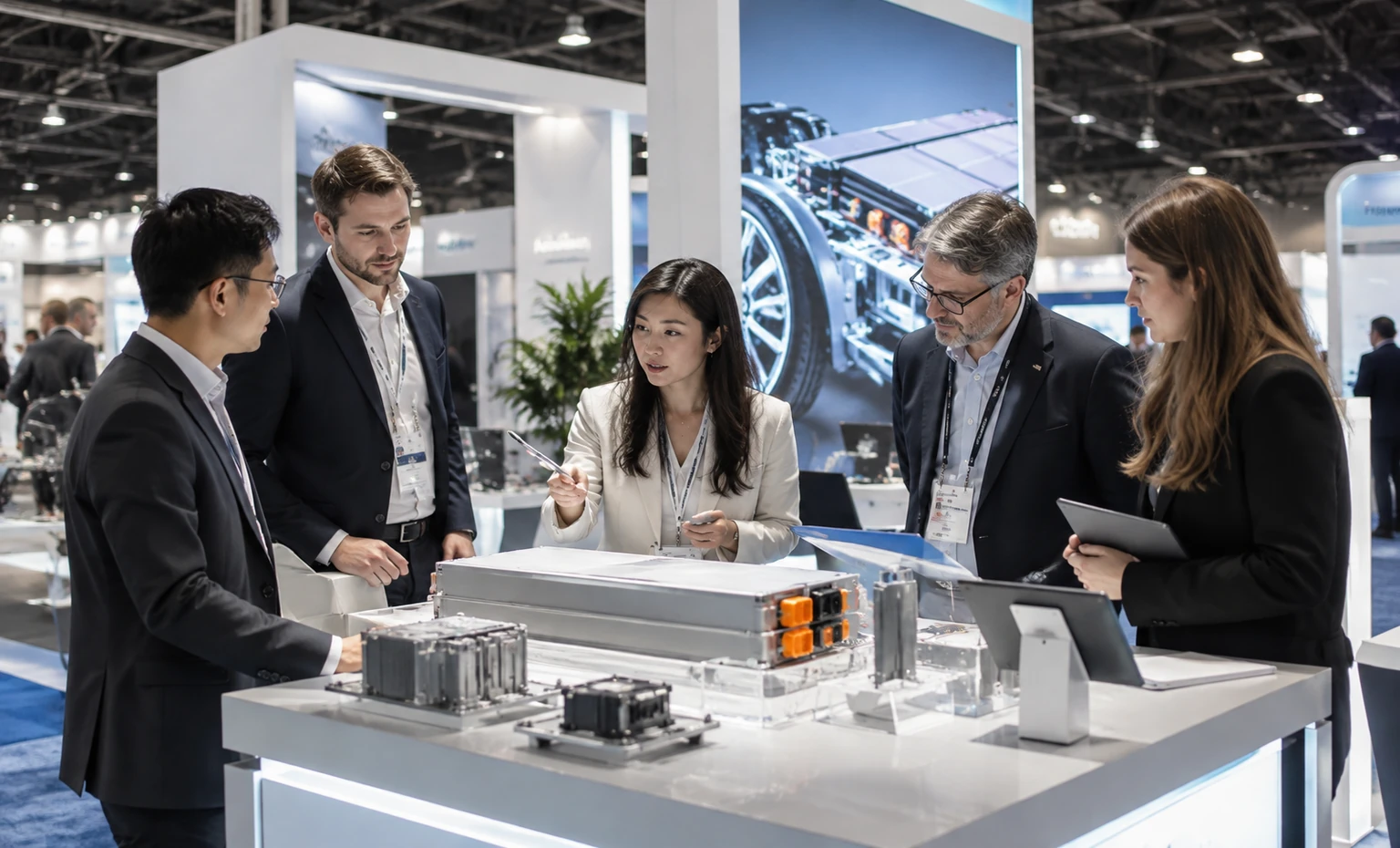
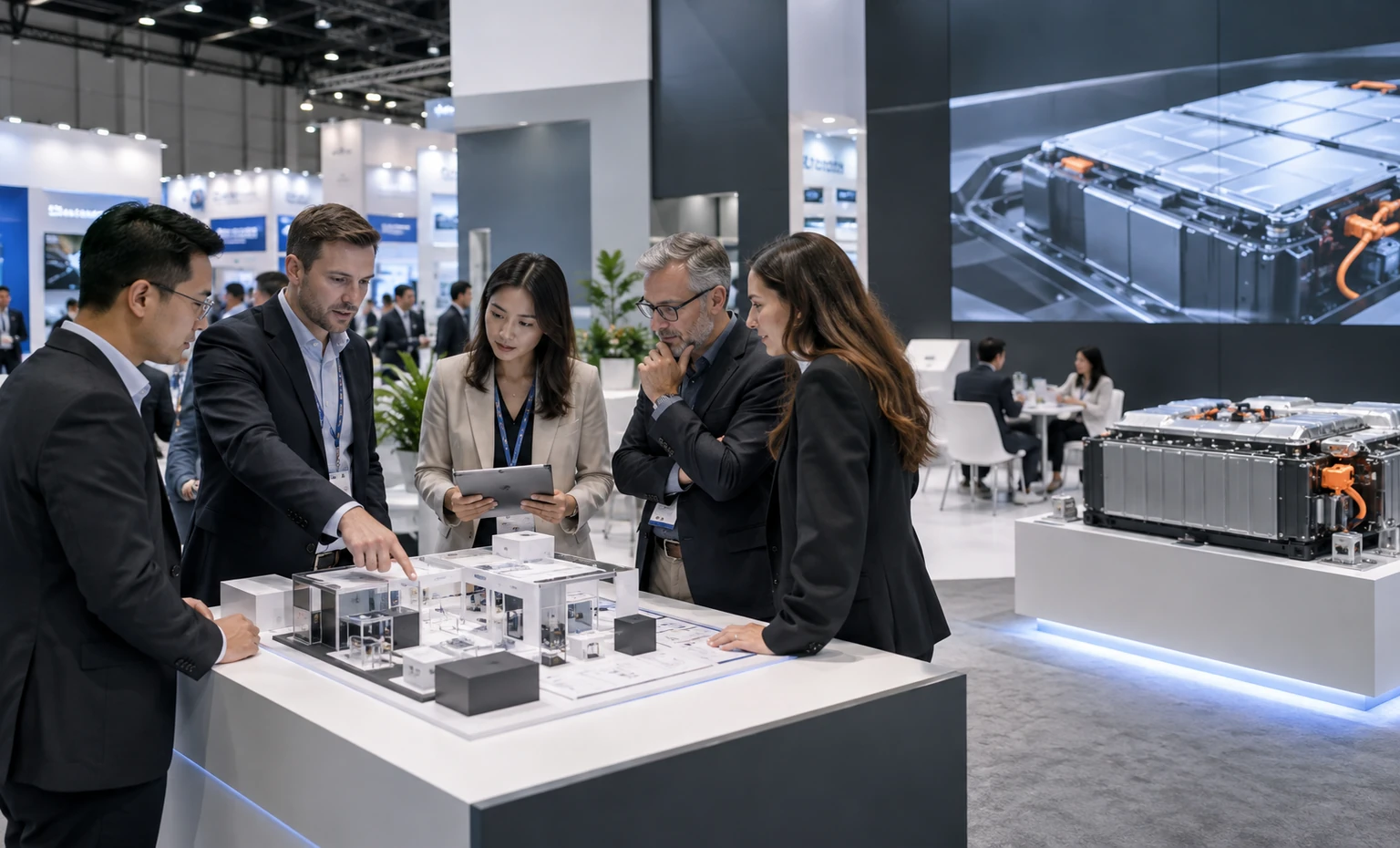
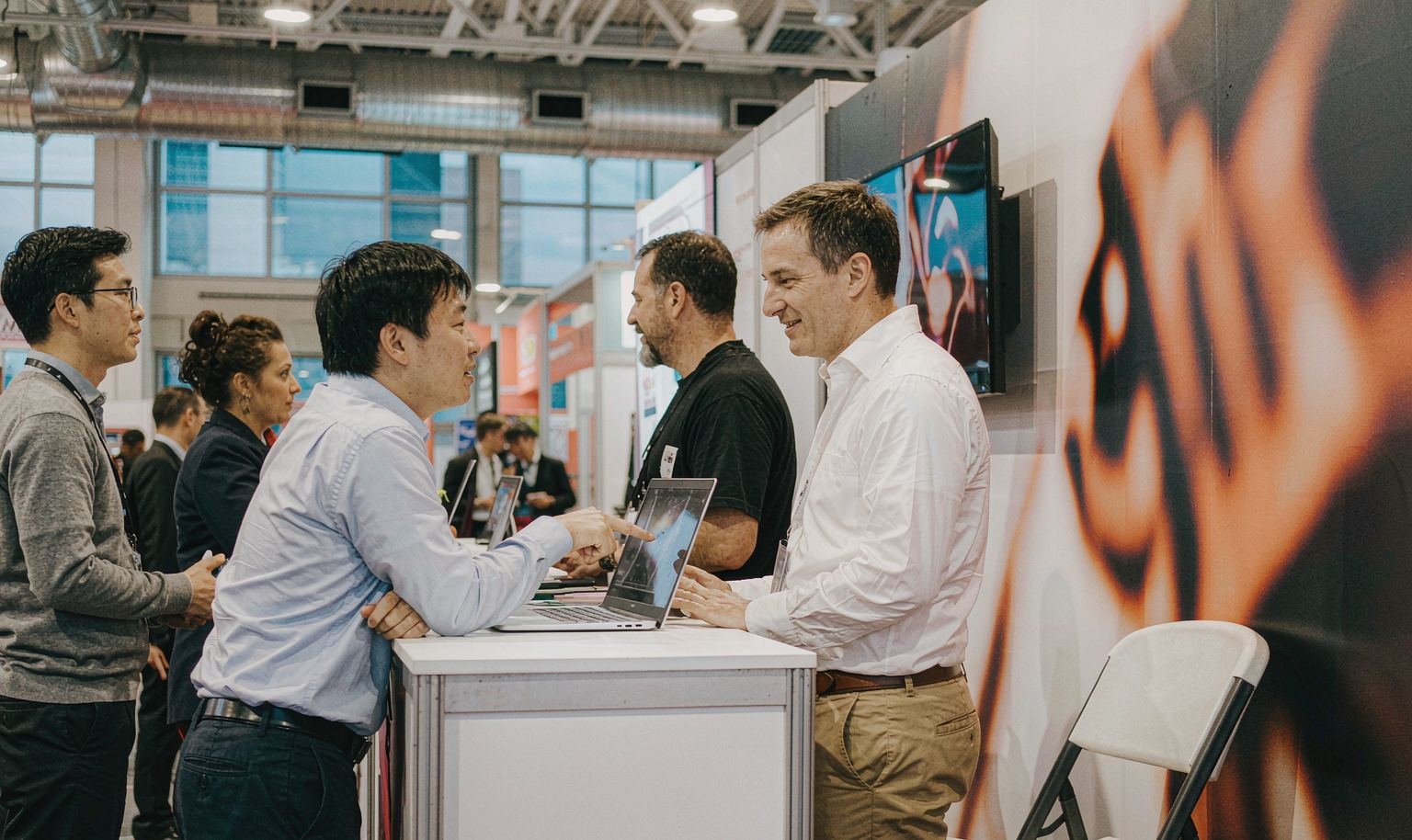
King Exhibits uses the confirmed product and event brief to develop one 3D exhibit direction. Materials and components receive the right display height and lighting. Packs and machines receive defined footprints and access sides. Screens, approved technical graphics, storage and meeting areas are placed around the way visitors and staff will actually use them. Marketing can review the message while product, engineering and operations teams check the interfaces.The written proposal identifies the rental structure, branded surfaces, display details and requested project services included in King’s scope. Exhibitor-supplied products, operating equipment, technical content and specialist work remain separately named. Organizer-, venue- or official-provider services also stay visible. Procurement can compare the proposed booth against the real responsibility list instead of relying on an undefined package.If a standard rental element does not fit the product, confirmed dimensions, weight, support points and access can be used to evaluate a quoted base, surround, opening, shelf or work surface. No product interface is treated as final until the exhibitor approves the underlying data and the current show method is checked.
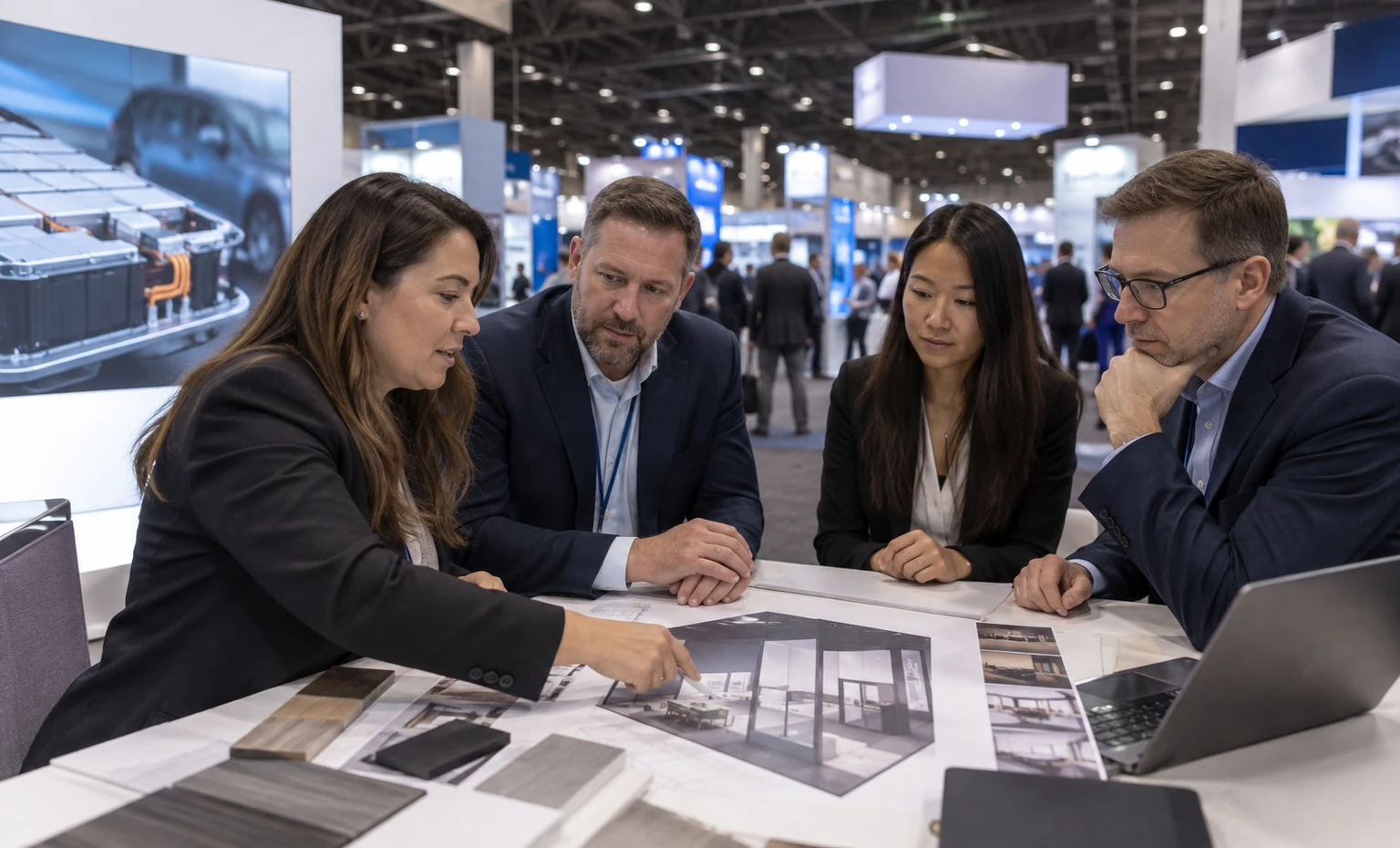
Move from Battery Product List to Booth Proposal
What You Provide: Priority buyers, product or process, approved claims, launch or sales goal and the decision visitors should make next.What We Do:
What You Provide: Product list, display and shipping dimensions, weight, support, access, handling, sample quantities, operating state, utility needs, screen/data requirements and technical owner.What We Do:
What You Provide: Booth assignment, open sides, brand files, team size, meeting schedule, privacy, budget, freight plan and the services you want King Exhibits to price.What We Do:
What You Provide: Approved design and artwork, accepted proposal, current exhibitor manual or portal information, shipping details, official orders and onsite contacts.What We Do:
Yes, when the actual product state and display method are confirmed. Send chemistry, quantity, dimensions, weight, stored-energy information, terminals, support points, access, handling, security and whether the item is live, de-energized, a cutaway or a representative sample. King Exhibits can plan quoted exhibit supports around approved information; the current event and authorized providers determine controlled handling, utilities and operation.
Only when the proposed operation meets current show and venue requirements. Provide transport and operating dimensions, guarding, doors, operator and service areas, specimen flow, motion, heat, exhaust, power, air, data, consumables, noise, waste, shutdown and supervision. The booth design can reserve the approved working zone; it does not replace technical approval or official service orders.
Choose the buyer question first. Put the relevant cell, component or specimen beside one approved result, then use a guided screen for conditions, comparisons or deeper records. Your technical team should approve the test method, units and claim. King Exhibits can position the physical display, graphic and screen so the evidence reads as one explanation.
Use the most credible approved alternative: a de-energized product, cutaway, representative sample, recorded test, retained output, thermal or inspection image, or an interactive software sequence with a local backup. The display should state what visitors are seeing and avoid implying that a recorded or simulated result is happening live.
Cost depends on the booth footprint, rental architecture, branded surfaces, lighting, screens, product supports, custom details, equipment interfaces, storage, meeting space, packing, transport and field services requested. Material handling, rigging, utilities, internet, labor and other controlled services may be ordered or invoiced separately, so the proposal should show which party prices and owns each part.
Often, but not by changing the event name on the graphics. Recheck the footprint, product launch, equipment state, buyer task, venue, official services and current rules. Rental walls, lightboxes, counters and meeting elements may be reconfigured when the next event is known early enough; product-specific supports and technical interfaces require a fresh review.
Send the event edition, booth number, footprint and open sides; priority buyers; product, sample and equipment list; dimensions, weight and access; demo state and utilities; approved content; screens; storage; meeting schedule; brand files; freight plan; budget; timeline; and the exhibit services you want King Exhibits to quote.
Booth Sizes for Battery Hardware, Demos and Engineering Meetings
-
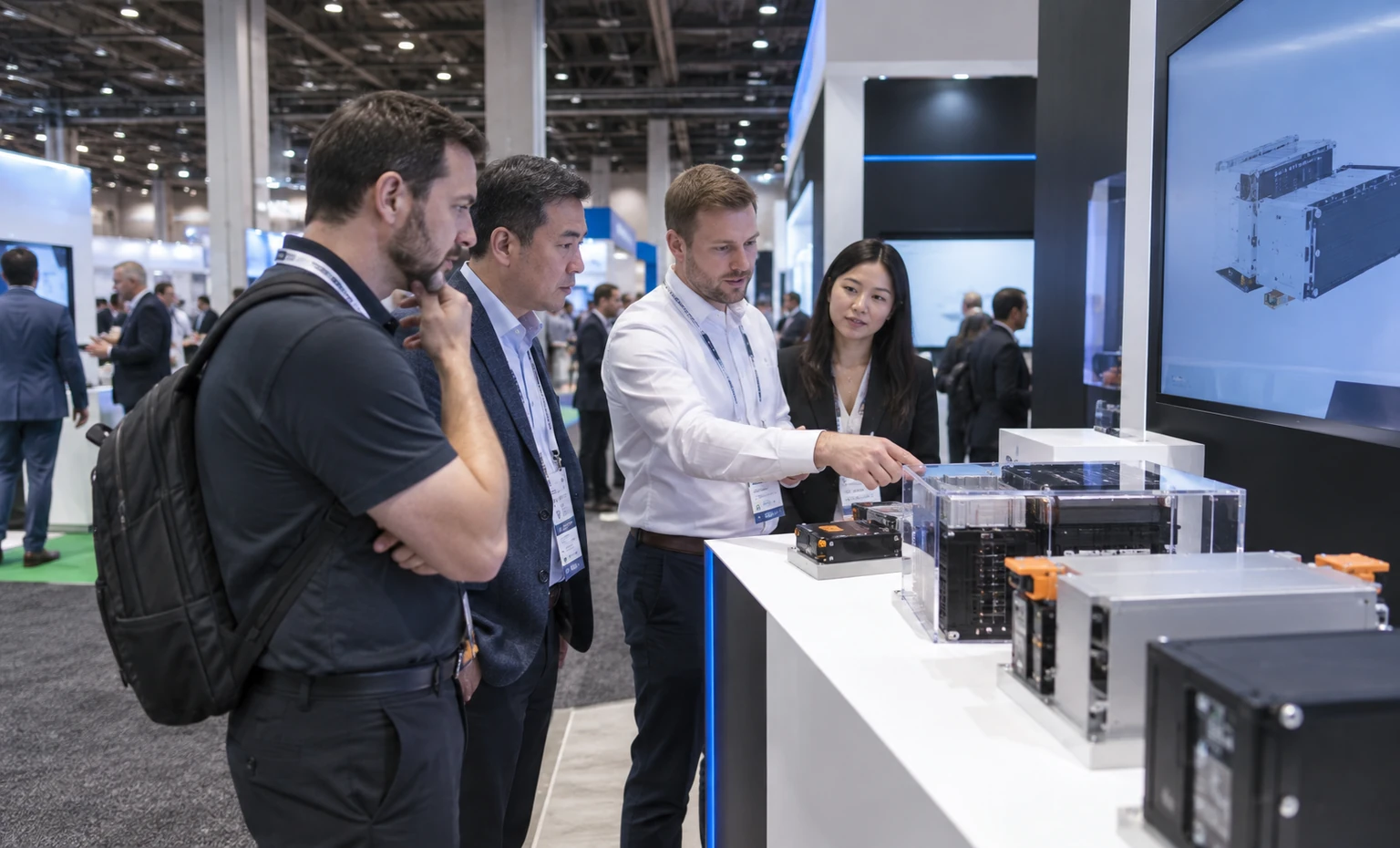
A focused footprint for one product family, component comparison, guided test screen or compact equipment display with direct technical conversations.
-
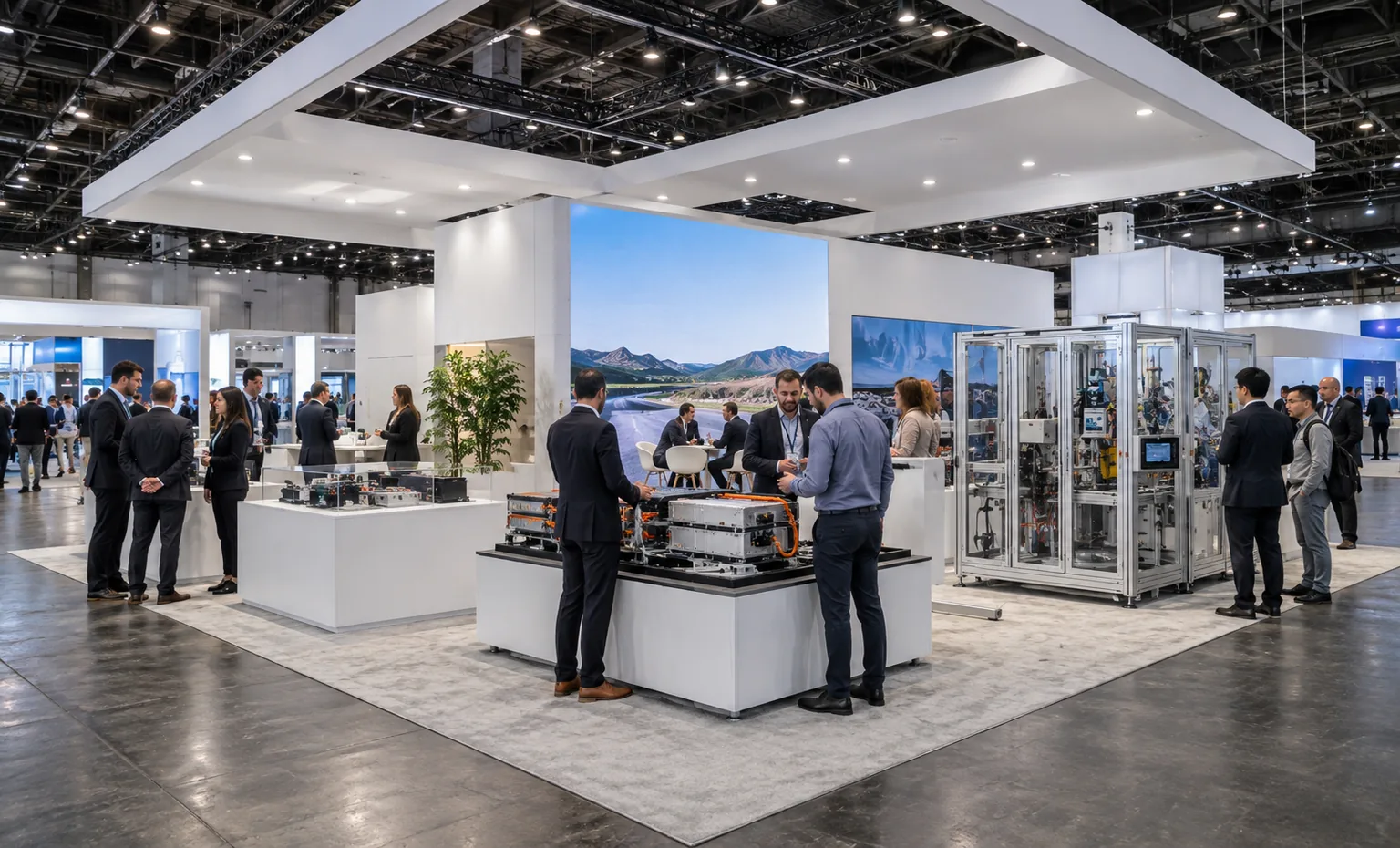
An open island for a pack, equipment cell or several proof stations, with access from multiple aisles and room to separate a demonstration from seated follow-up.
-
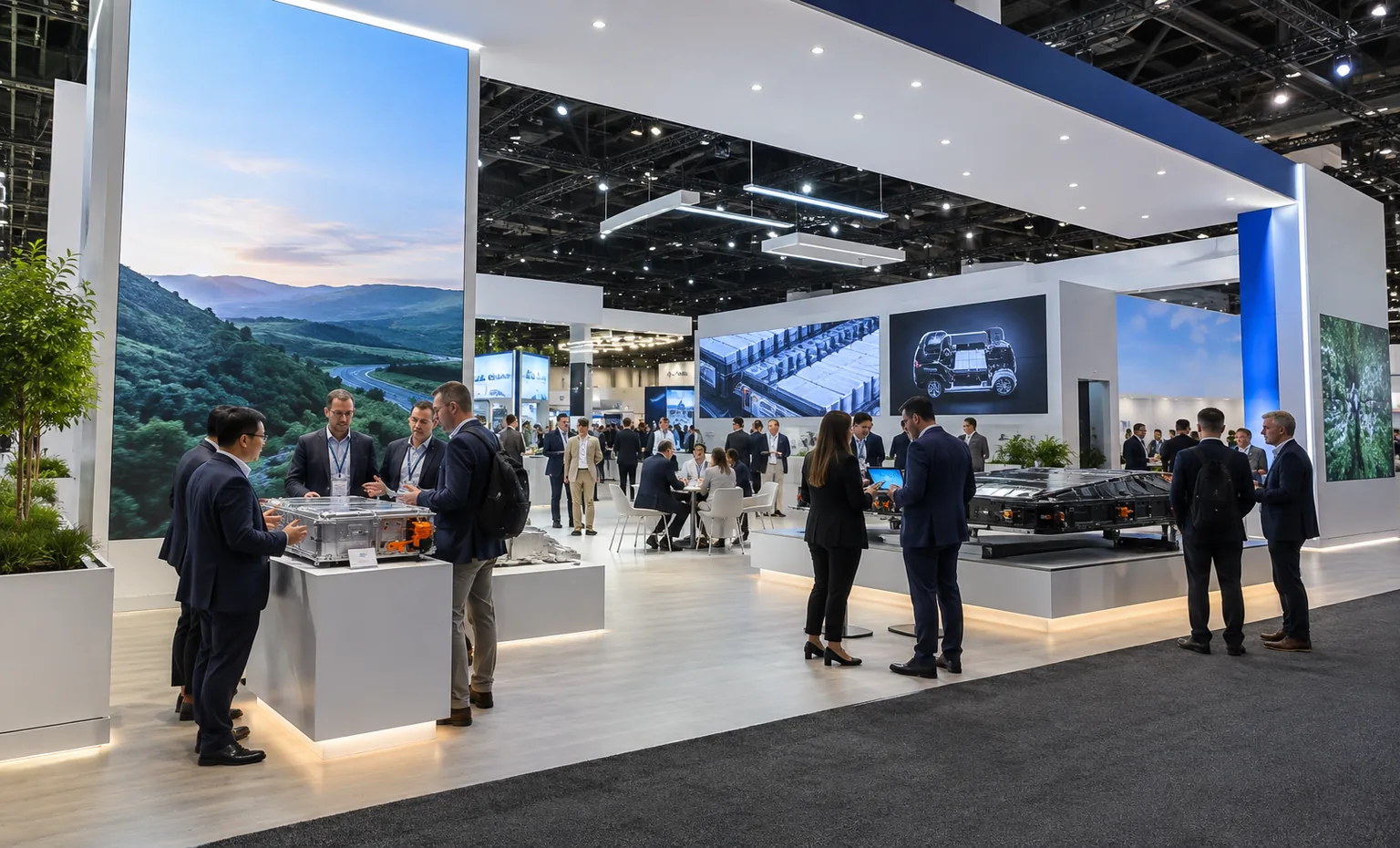
Useful when the team needs larger equipment, several battery-system stories, substantial storage and scheduled engineering, sourcing or partnership meetings.