


Choose the Exhibit Format from What Your Company Supplies
Ingredient, Flavor or Formulation Display
Start with the finished application or formulation problem, then reveal the ingredient and supporting evidence. Samples, prototypes, sensory comparisons or product formats need clear labels and a controlled service point. Technical sheets and deeper substantiation should remain available without covering the brand message. Share handling conditions, sample volume, storage, refrigeration or heating, utensils, waste, approved claims and the specialists who will answer formulation questions.
Contract Manufacturing and Product-Development Exhibit
Contract manufacturers and formulation partners sell a pathway from concept to production rather than one object on a shelf. Organize the booth around the product categories, dosage or delivery formats, development stages and commercial questions the exhibitor is prepared to discuss. Finished samples can make capabilities tangible, while a meeting area supports conversations about formulation, testing, packaging, scale-up, qualification and next-step information under the exhibitor’s approved scope.
Packaging, Equipment, Laboratory or Service Booth
Physical packaging, machinery, instruments and analytical services require different proof. A package can be handled and compared; equipment may need clearances, power, ventilation, access and a safe operator side; a laboratory service may need a sample journey, method overview and report example. The layout should show the actual object or workflow first, then give technical and purchasing teams a place to discuss compatibility, validation, lead times and quotation inputs.
A SupplySide Exhibit Built for Evidence and Partnership Discussions
SupplySide Global, formerly SupplySide West, connects ingredient suppliers, contract manufacturers, packaging and labeling companies, equipment providers, laboratories and other solution partners with professionals in R&D, product development, QA/QC, purchasing, supply chain, marketing and processing. Those visitors arrive with different questions, but they share one need: understand whether an offer belongs in a current product, pipeline or supplier review.The booth should therefore lead with an application and a decision, not a wall of technical language. A new ingredient may need an application sample, an approved benefit statement and accessible substantiation. A contract manufacturer needs to make formats and development support understandable without claiming unverified capabilities. Packaging and equipment suppliers need scale, handling and compatibility cues. Testing and regulatory services need a clear process and example output that the exhibitor is allowed to show.King Exhibits brings the aisle message, sample or demonstration, equipment, graphics, technical discussion, storage and staff movement into one 3D plan. Rental walls, towers, illuminated branding, counters, flooring, lighting and furnishings form the exhibit structure. Confirmed dimensions can guide quoted shelves, product supports, counter openings, equipment surrounds or access panels when standard components do not fit the working display.The accepted proposal defines King’s work. Product claims, technical content, samples, preparation, equipment operation and required approvals remain with the exhibitor unless a specific responsibility is written into the scope. Material handling, electrical, plumbing, internet, cleaning, catering, labor and other official services may be controlled or billed by the event, venue or appointed providers. Making those interfaces visible early keeps a strong concept from hiding an incomplete operating plan.
Build the Booth Around the Buyer's Next Decision

Use a finished application, prototype, package, process output or concise problem statement to help visitors qualify the offer quickly. The main graphic should name the market or formulation job in language the exhibitor has approved, while the physical sample gives the claim something concrete to reference.
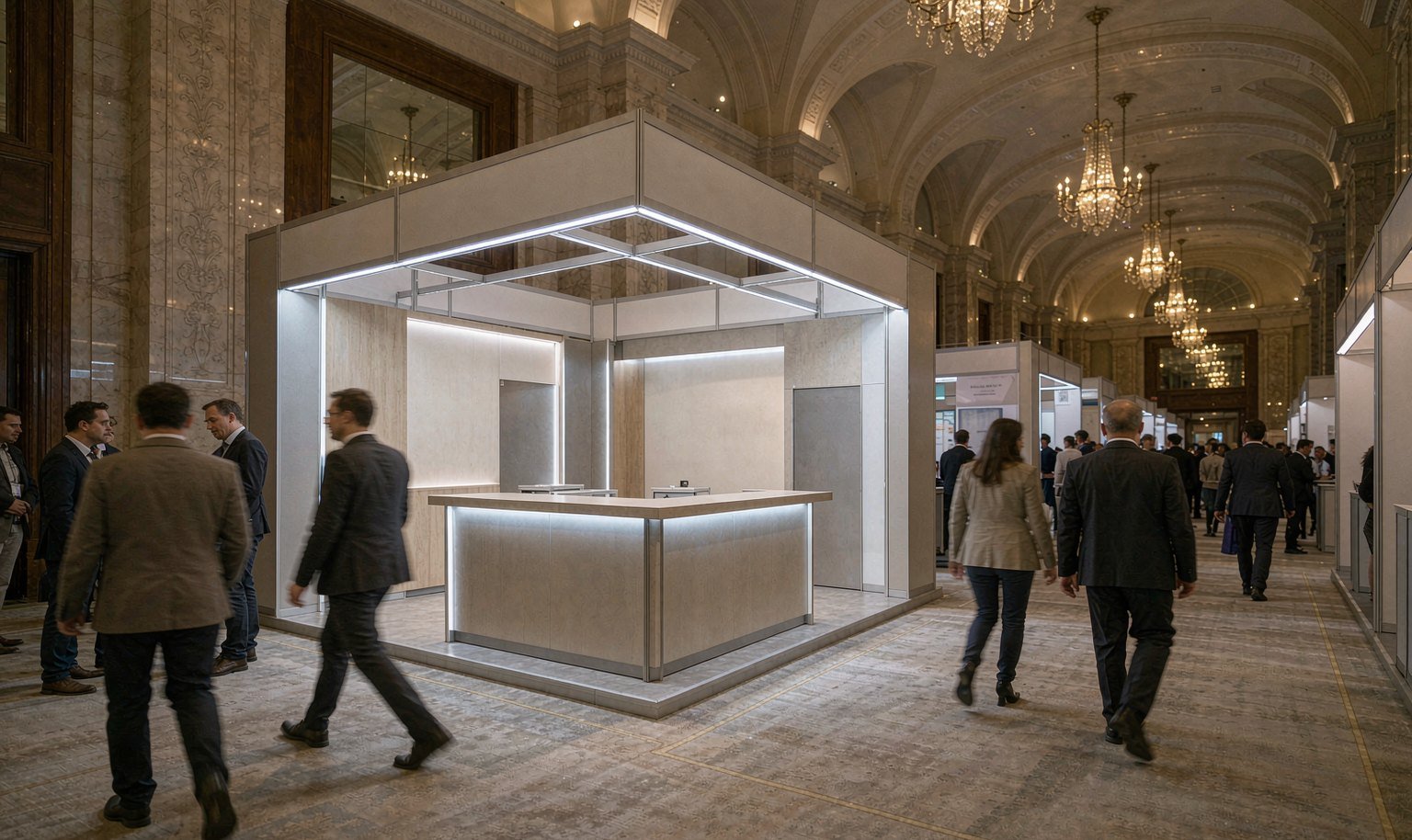
Keep specifications, study summaries, test methods, certificates or regulatory context organized for the specialist who asks. The exhibit should not turn every document into an aisle graphic. A clear proof path lets the marketing message remain readable while technical staff can reach the deeper material needed for a serious discussion.
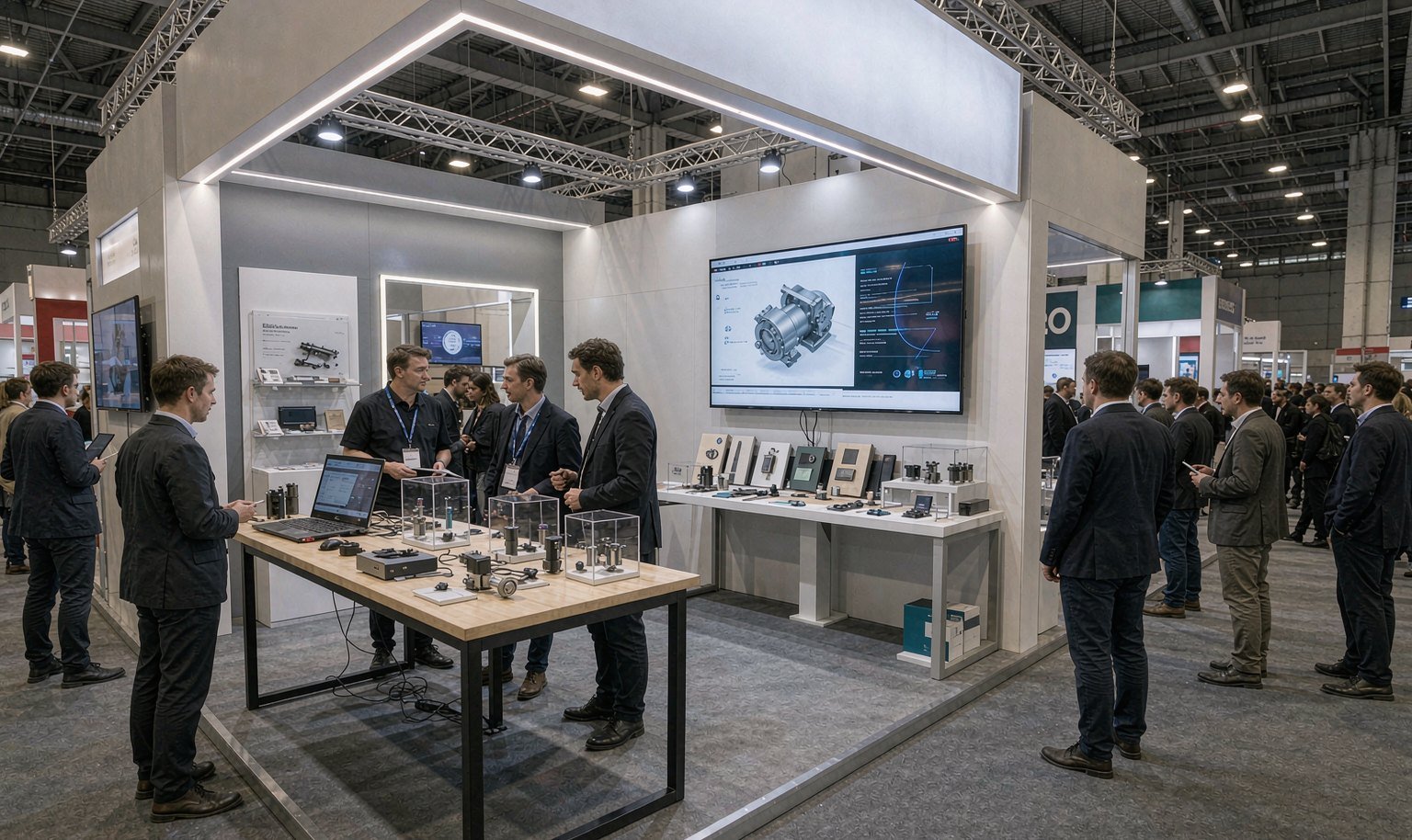
Plan the sample or demonstration around the question being tested: taste, texture, stability, delivery format, package fit, equipment operation, analytical method or production route. Label comparison samples clearly and give staff the tools, stock and reset access to run the interaction consistently within the booth.

Qualified conversations may lead to a formulation brief, sample request, technical review, supplier qualification, manufacturing discussion or quotation. Place a table or semi-private meeting point where product, scientific and commercial staff can review the relevant information without blocking the public demonstration.
Give Every Claim a Visible Path to Evidence
Lead with the application your visitor recognizes, then connect it to the ingredient, process or service behind the result. Keep the aisle statement short and place approved specifications, study summaries, test information or certificates where a technical buyer can reach them with staff guidance. This hierarchy helps marketing attract the right people without forcing R&D and QA/QC teams to search through decorative copy for the evidence they need.

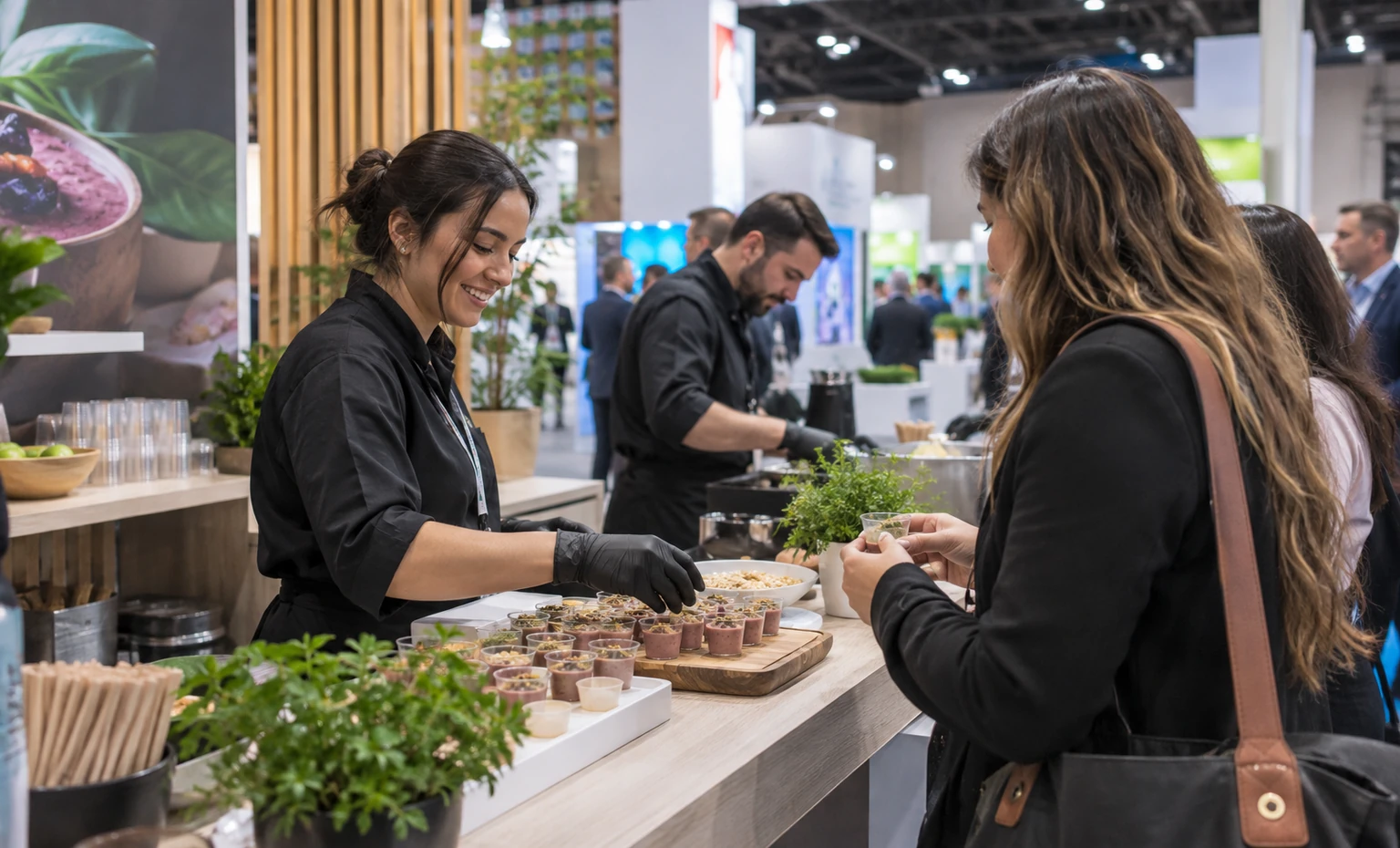
Design the Application Sample as a Working Station
Map the full sample or demonstration sequence before choosing the counter. Record product preparation, portions, equipment, water, power, temperatures, utensils, labeling, replenishment, cleaning, waste and staff handoff. Keep the interaction inside the contracted footprint and preserve a clear visitor edge. King Exhibits can use the confirmed routine and dimensions to plan quoted counter openings, storage and access instead of leaving operational gaps for move-in day.
Make Space for the Formulation and Sourcing Questions
A quick application sample may establish relevance, but it rarely answers compatibility, substantiation, testing, supply, scale-up or commercial questions. Position a focused meeting point beyond the busiest display edge and keep the right specialist and supporting material nearby. R&D, QA/QC and purchasing visitors can move into a useful review while the front of the booth continues qualifying new contacts. The layout should support that handoff without creating a closed room by default.

Review the Technical Display and Exhibit Scope in One 3D Plan
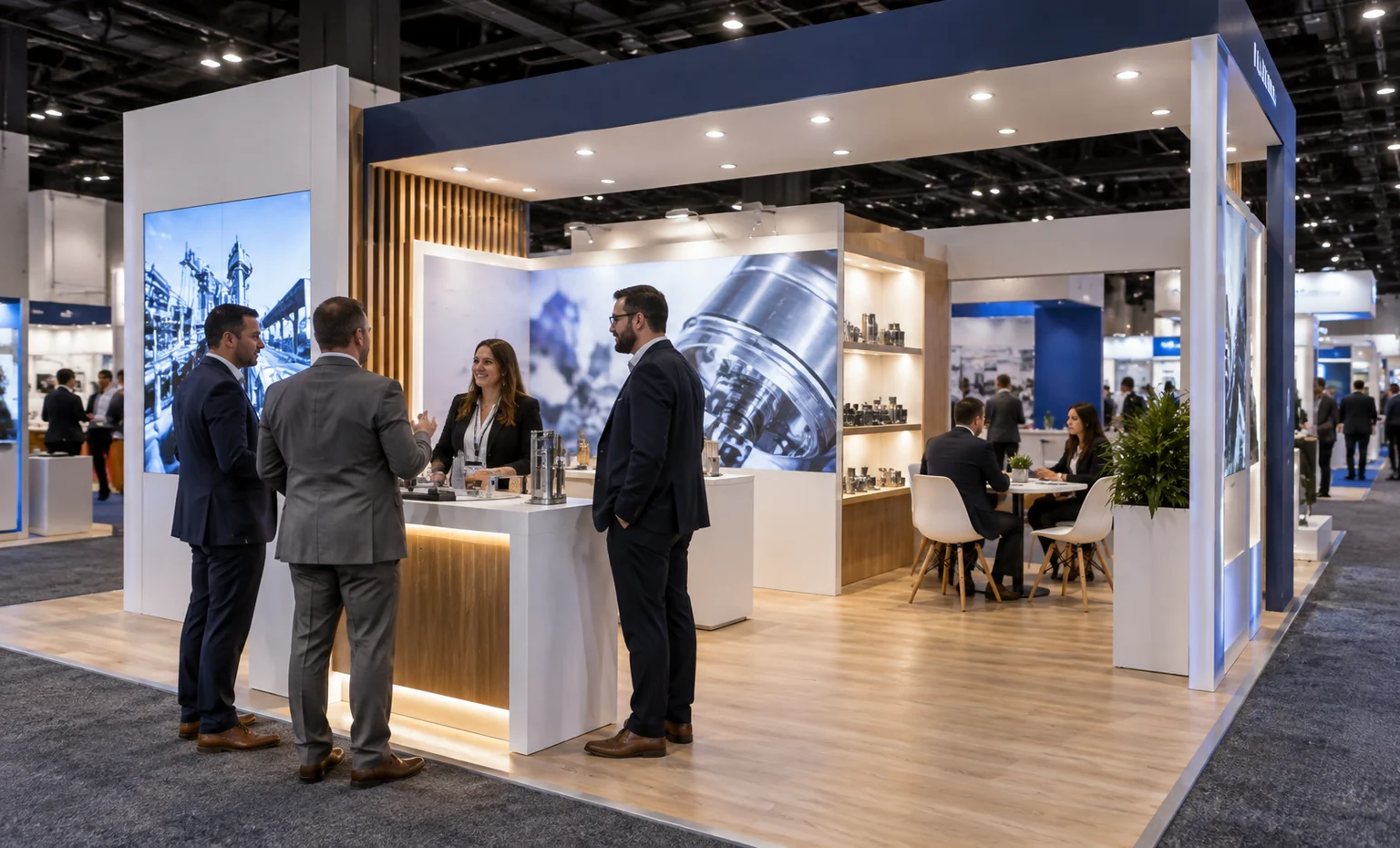
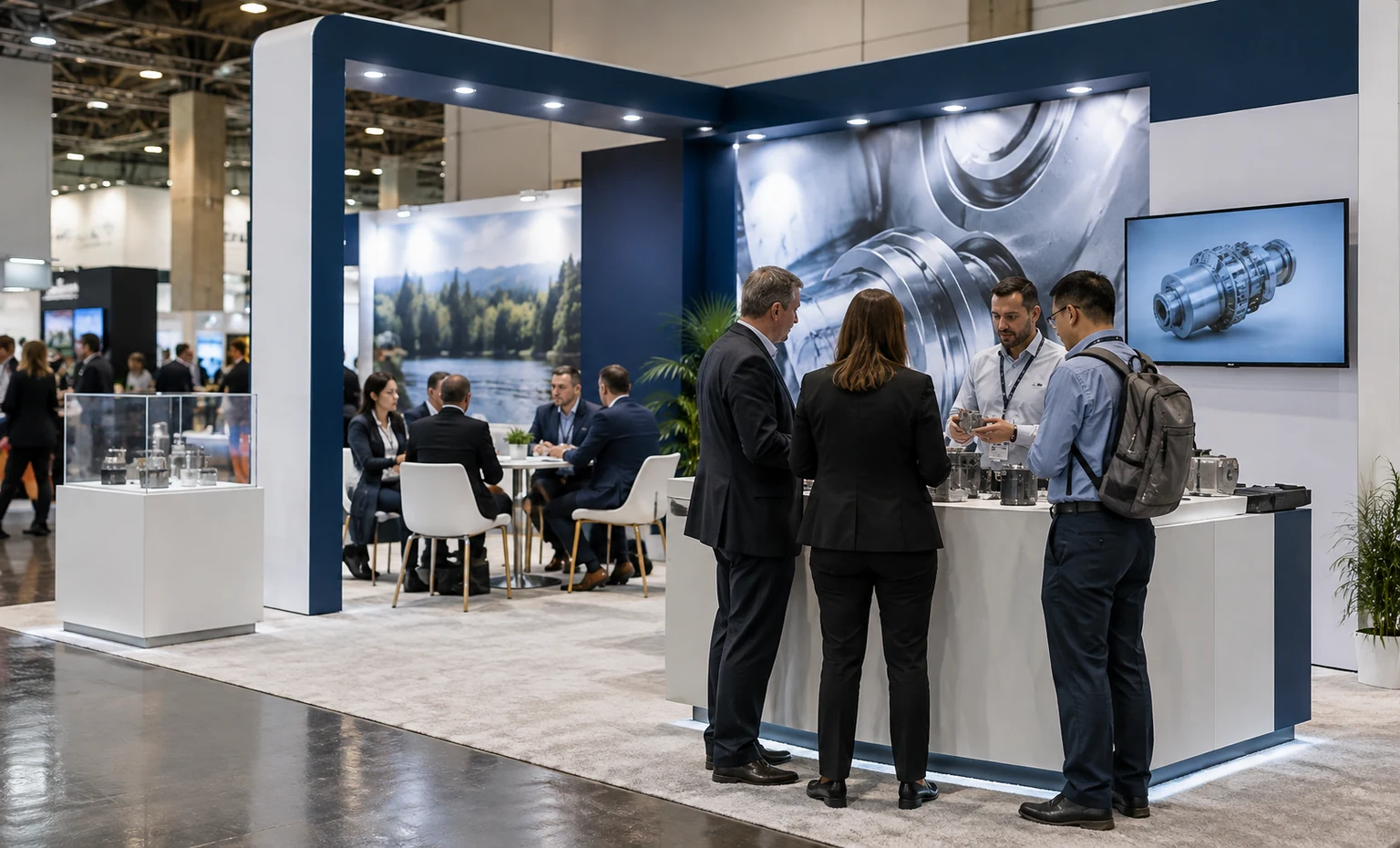
King Exhibits starts with what the visitor must see, sample, operate or discuss. Our 3D presentation places the product or application, technical graphics, working counter, equipment, storage, staff positions and meeting area inside the assigned footprint. Marketing, technical sales, operations and procurement can review the same exhibit before graphics and components are released.Rental architecture provides the main structure while custom graphics make the offer recognizable. Once product and equipment dimensions are confirmed, CNC and wood-fabrication capability can support quoted shelves, supports, openings, surrounds or branded details that the display requires. Graphic surfaces remain tied to the approved artwork list, helping the team review both message and placement.Pre-build and quality-control activities are applied according to the project scope. Components can then be prepared, packed and connected to the transportation, installation and dismantling responsibilities included in the accepted proposal. Official show services and exhibitor-controlled product operations remain separately assigned, so the quotation describes an executable scope rather than an undefined bundle.
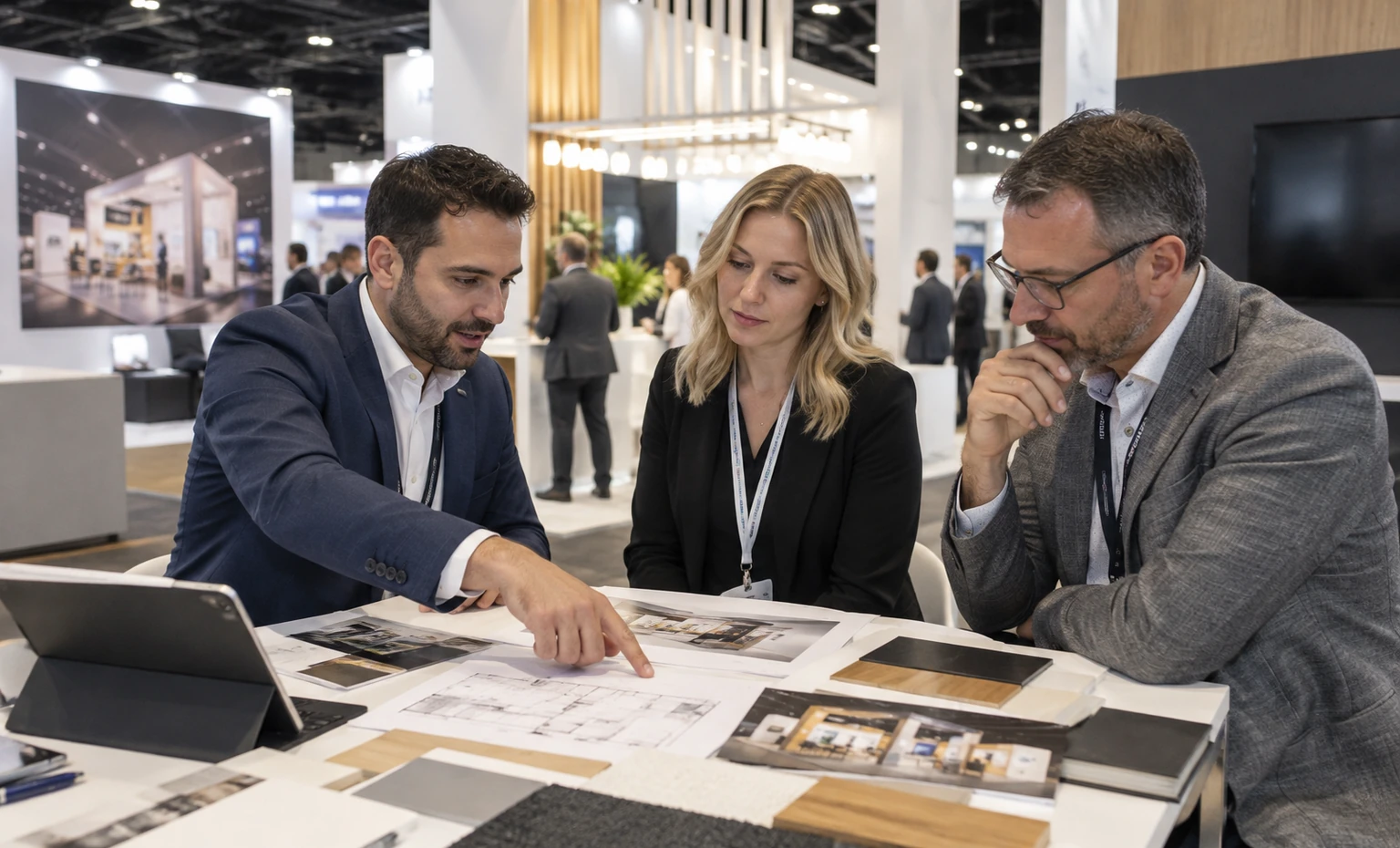
Move from SupplySide Brief to an Approved Exhibit Scope
What You Provide: Current event edition, booth number and level, footprint, open sides, priority buyer, product or service, application and desired next step.What We Do:
What You Provide: Samples, product dimensions, handling conditions, equipment, utilities, storage, approved claims, technical files and demonstration routine.What We Do:
What You Provide: Brand files, artwork, meeting schedule, furnishings, budget, freight plan and the exhibit or show-floor services you want priced.What We Do:
What You Provide: Final design and artwork approvals, accepted scope, current ESK and booth-approval decisions, official orders, shipment details and onsite contacts.What We Do:
Yes. The organizer currently refers to SupplySide Global as formerly SupplySide West. This page keeps the legacy phrase because exhibitors still use it when searching for booth-rental help. Confirm the active event name, dates, venue, floor plan and Exhibitor Service Kit again before artwork or service orders are released.
Yes. Send the ingredient or formulation, target applications, sample formats, approved claims, evidence, handling conditions and the buyer action you want. We can plan the rental structure, application display, graphics, working counter, storage and meeting area around those inputs. Product claims and technical content remain subject to your approval and current show requirements.
Provide the product categories and formats you are prepared to discuss, representative finished samples, approved capability language, development or qualification stages, packaging examples, meeting goals and any information that must remain confidential. The booth should make the pathway understandable without publishing unverified capacity, certification, minimum-order, lead-time or performance claims.
Yes, when the proposed operation meets the current event, venue and applicable requirements. Provide the product, preparation and serving method, volume, temperatures, equipment model, dimensions, weight, ventilation, power, water or drainage, stock, cleaning, waste and staff routine. The accepted quotation must state which exhibit interfaces and services King is providing.
Use only language and supporting material your company has approved for the current product, application and market. SupplySide’s current compliance program applies to materials displayed at the event. King Exhibits can produce graphics from approved artwork, but the exhibitor remains responsible for technical and legal review unless a different written responsibility is agreed.
The footprint, booth type, rental structure, custom fixtures, graphics, lighting, flooring, samples, equipment interfaces, storage, meetings, packing, freight and I&D scope affect the exhibit quotation. Material handling, utilities, internet, cleaning, plumbing, catering, labor and other official services may be separate. Send the current booth assignment and requested responsibility list for a scoped comparison.
The current SupplySide Global floor plan uses two exhibit levels. The confirmed level and booth location help the project team review orientation, arrival planning and current service information against the correct floor plan. Floor assignments and show procedures can change, so the active ESK and organizer materials control the final plan.
Send the event edition, booth number, level, size and open sides; product or service; application samples or demo; equipment and utilities; approved claims and artwork; storage, meetings, schedule, budget, freight plan and the responsibilities you expect our quotation to cover. Those inputs will guide a 3D direction and defined proposal.