
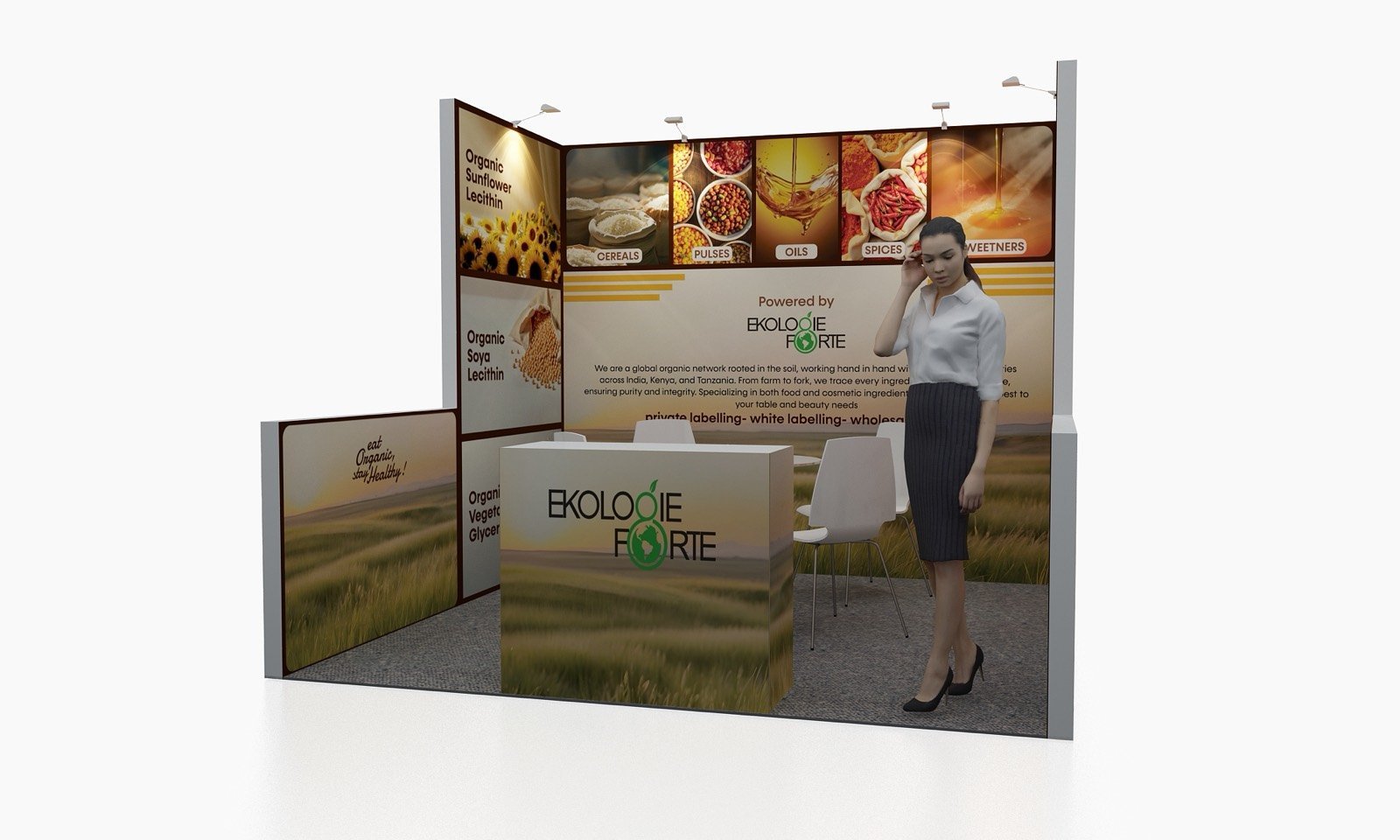

Give molding, extrusion, compounding, auxiliary, automation or recycling equipment the access required for placement, operation, service and viewing. The rental structure should frame the machine without reducing technician clearance.

Organize resin, compound, additive, color, film, sheet or finished-part samples by application and performance question. Good lighting and touchable displays help technical buyers compare what is being offered.

Use a simple stage diagram, sample progression or video to explain how input becomes output. Keep the sequence close to the related machine or material display.

Group parts or materials around automotive, packaging, medical, electronics, building or consumer uses so visitors can identify relevance before discussing specifications.
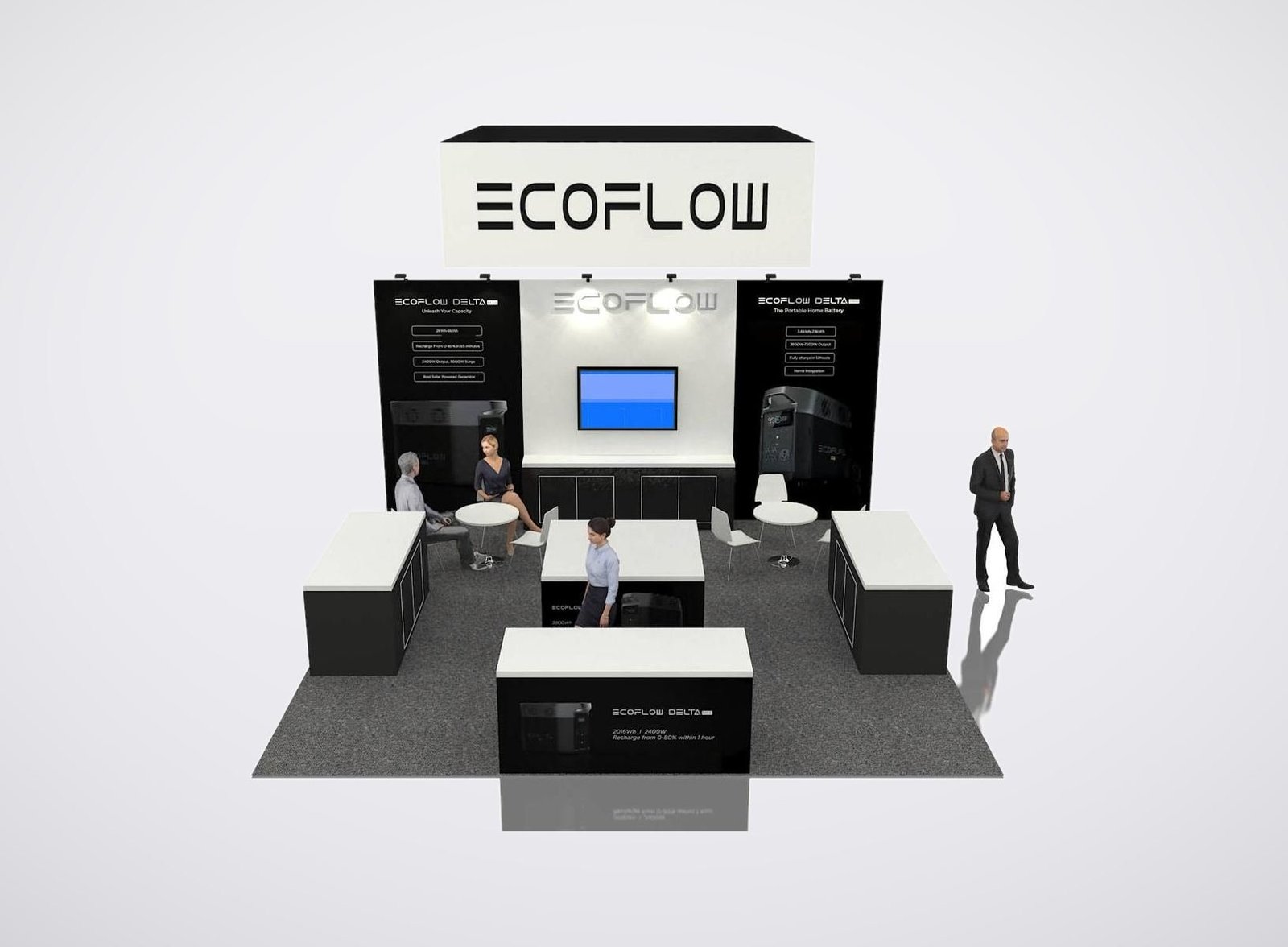
Decide Whether the Exhibit Starts with the Machine or the Material
The exhibit plan starts with six inputs that determine what should lead the presentation:
- Machinery, resin, compounds, additives, films, sheets or finished parts
- Equipment dimensions, weight, utilities and service clearance
- Sample groups, applications and performance questions
- Process stages, progression samples, diagrams or video
- Lighting, touch access, labels and protected storage
- Technical explanations, specification reviews and meeting space
Give Technical Buyers a Product They Can Examine
Plastics exhibitions serve processors, converters, manufacturers, engineers, brand owners and suppliers across long production chains. Machinery buyers need to see operation, access and output. Material buyers inspect pellets, color, texture and finished parts. Tooling and automation companies need to show fit within a cell. Recycling suppliers may need to explain both the input stream and the usable output.
King Exhibits plans the rental booth around those physical and technical priorities. Large equipment can anchor the footprint. Sample walls, lighted displays and counters organize materials and finished parts. Process graphics or screens connect the stages. Meeting space allows specifications, trials, supply and project requirements to be discussed away from the crowd.
Performance, recyclability, regulatory, sustainability, capacity, throughput and cost claims must come from approved exhibitor sources. Machinery operation and utilities follow current organizer and venue requirements.
Use Samples to Complete the Machinery Story
Running equipment attracts attention, but visitors still need to understand what entered the process and what came out. Display approved raw material, intermediate and finished examples near the machine. Label the application and process stage in plain language. If the machine cannot operate at the show, a sample sequence and concise video can still explain its job.
Material suppliers can reverse this logic. Start with the finished application, then use samples and graphics to show formulation, processing route or available variants. The booth becomes easier to navigate because every sample belongs to a visible technical question.
Record the Full Operating Envelope of the Machine
Catalog dimensions rarely include feeders, guards, discharge, controls, doors, cables or technician space. Document the packed size, operating size, weight, support points, movement, heat, noise, utilities and service access before design approval. The plan should also name who ships, places, assembles, connects, commissions and removes the equipment. King Exhibits can coordinate the surrounding rental exhibit and quoted services without hiding specialist machinery responsibilities inside a general booth scope.


Build a Sample Display That Supports Technical Comparison
Pellets, color chips, films, molded parts and cross-sections need different holders and lighting. Group them by application, material family or property instead of filling shelves without hierarchy. Provide room for visitors to handle approved pieces and for staff to replace them during the day. Labels should use substantiated terminology supplied by the exhibitor. This turns the sample wall into a useful starting point for formulation, processing and sourcing discussions.
Large Equipment Is Resolved Before Rental Preparation

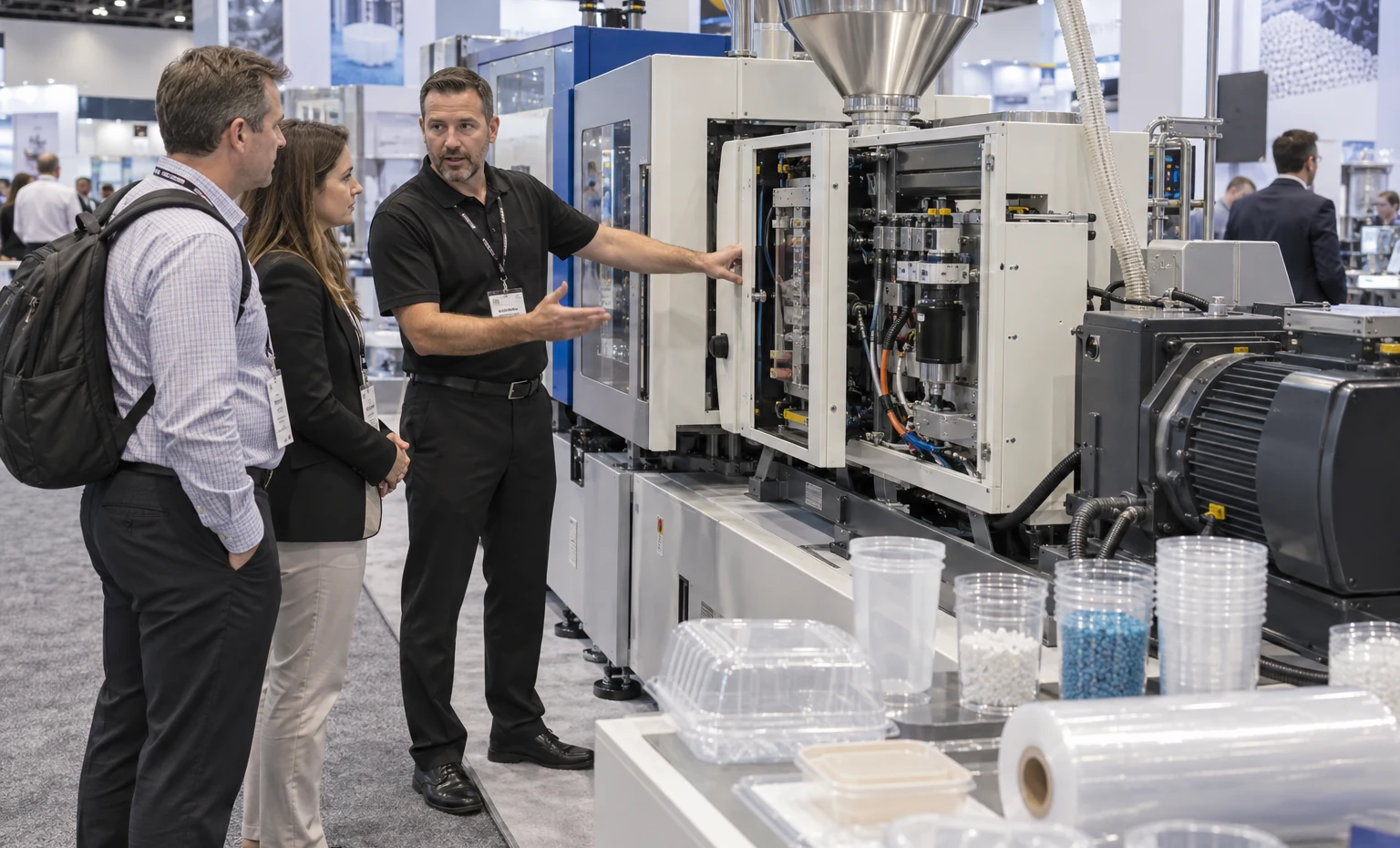
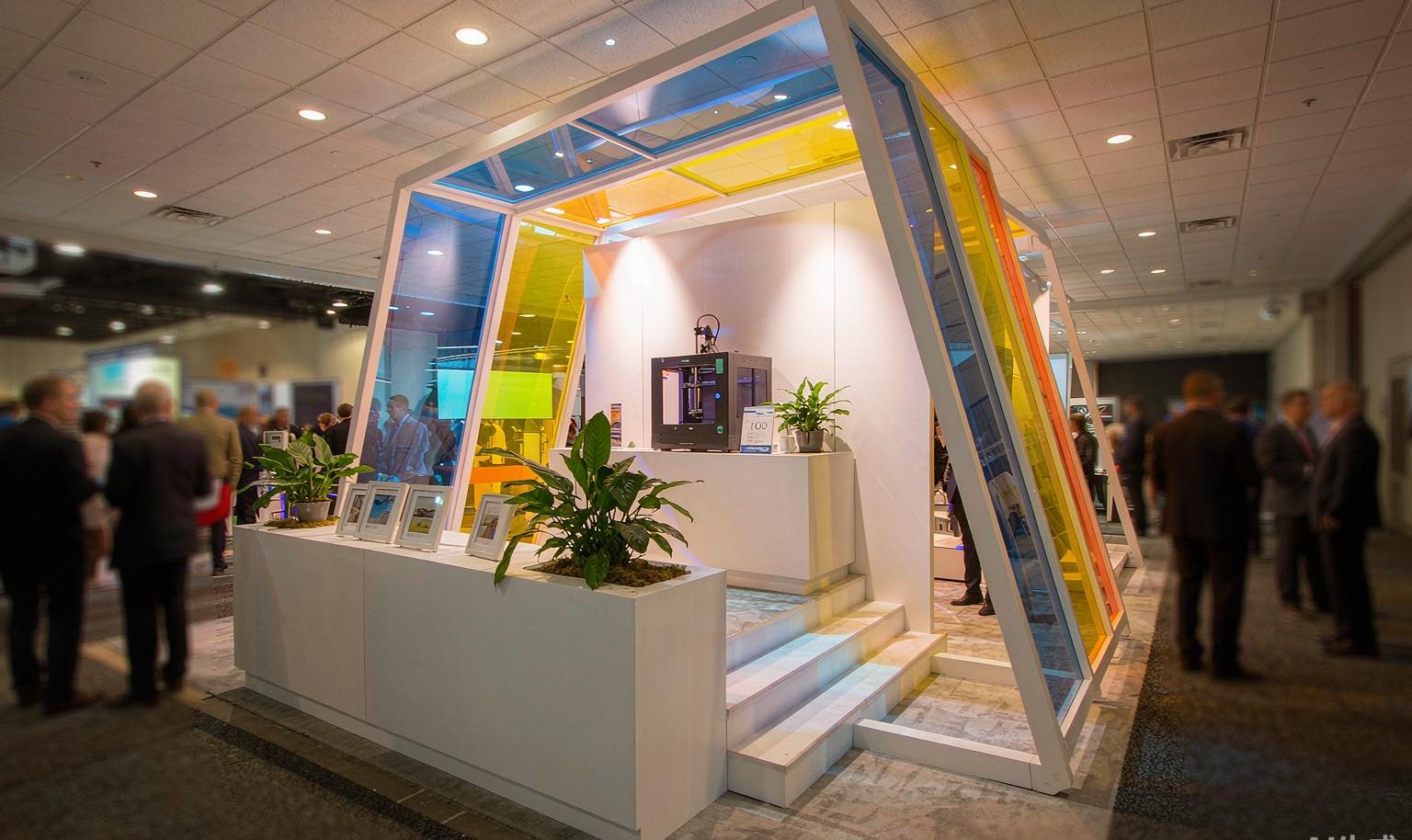
King Exhibits starts with an early review of equipment and technical displays. The 3D plan combines the confirmed machine envelope, samples, process graphics, visitor flow, storage and meeting space in one buildable plan. Selected custom supports or equipment surrounds can be quoted when standard rental elements are not enough.
Approved structures and graphics are prepared and documented for packing. Freight coordination, installation and dismantling can be included in the accepted proposal. Machine transport, rigging, connection, commissioning and operation remain assigned to the responsible exhibitor or specialist provider unless expressly included.
Plastics Events Where We Can Build Your Exhibit
For plastics machinery, resins, molding, extrusion, compounding, recycling and related suppliers. Large operating equipment and wide technical portfolios require early product and utility planning.
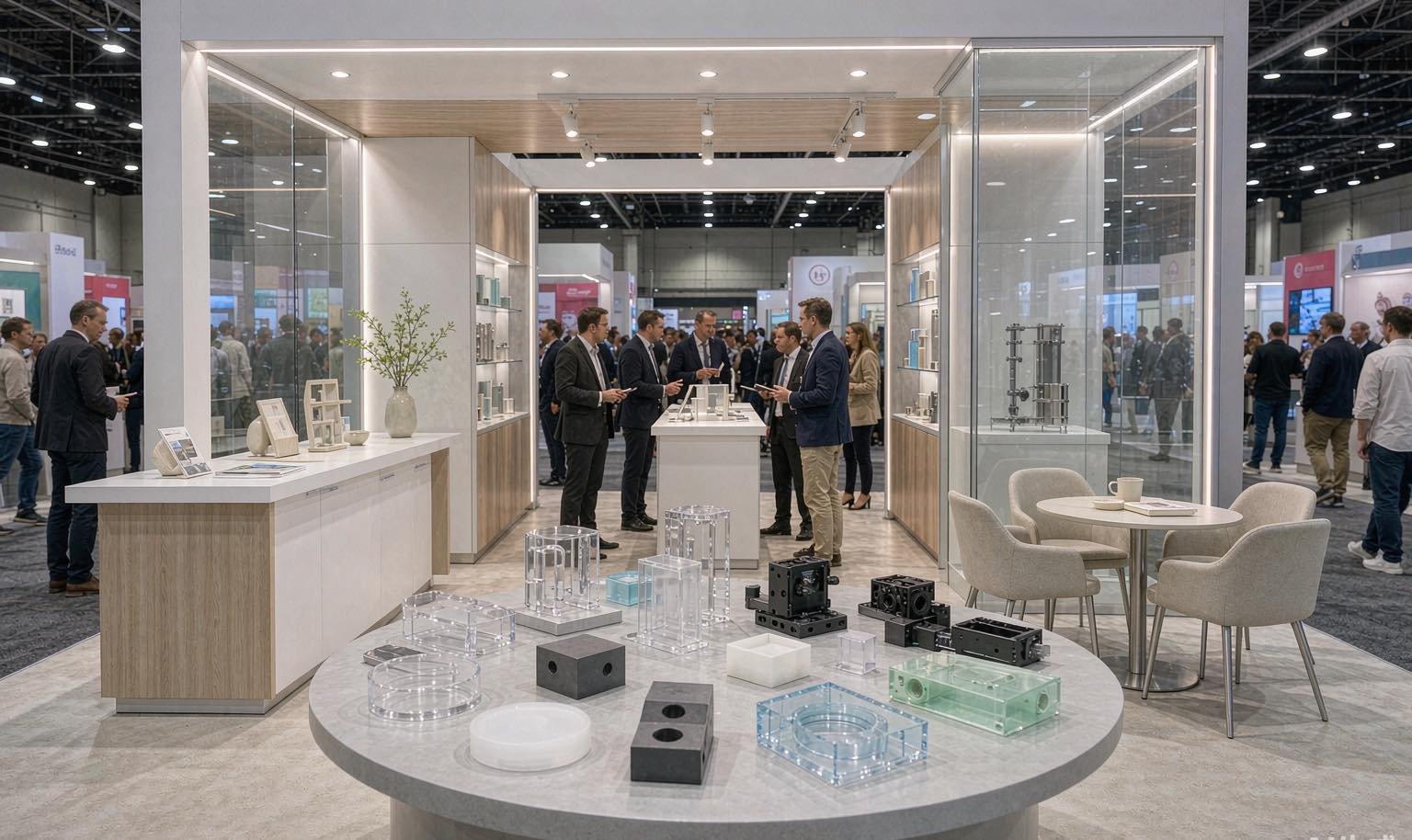
For plastics design, materials, manufacturing and medical-device supply chains. Samples, parts and application stories can be as important as machinery.

For polymer science, materials and plastics technology. Technical content and specialist discussion should guide the display; confirm the current exhibit format.

For compounding, additives, materials and processing equipment. Material comparison and process explanation deserve visible, accessible displays.
Possibly. Operation depends on the machine, materials, guarding, utilities, emissions, heat, noise and current event rules. The exhibitor must provide complete operating information.
Yes. Display supports, lighting, labels, handling and reserve stock can be planned around the confirmed sample types and quantities.
Responsibility depends on the equipment, event and accepted proposal. Identify the shipper, rigger, technician and authorized service providers before final design.
Yes. Physical samples, stage graphics, models and approved video can show input, process and output when live operation is impractical.
Yes, many rental elements can be adapted. Structure, counters, screens and selected displays may carry over, but machinery access, utilities, product samples, graphics and show rules must be reviewed for each event. Plan the second use before the first set of graphics and equipment interfaces is released.
The plastics exhibit brief needs the event, footprint, machinery specifications, utilities, materials, samples, process story, meetings, budget, destination and requested services.
Booth Sizes for Plastics Exhibitors
-

For materials, samples, parts or a compact technical product.
-

For one equipment display, process graphics and buyer meetings.
-
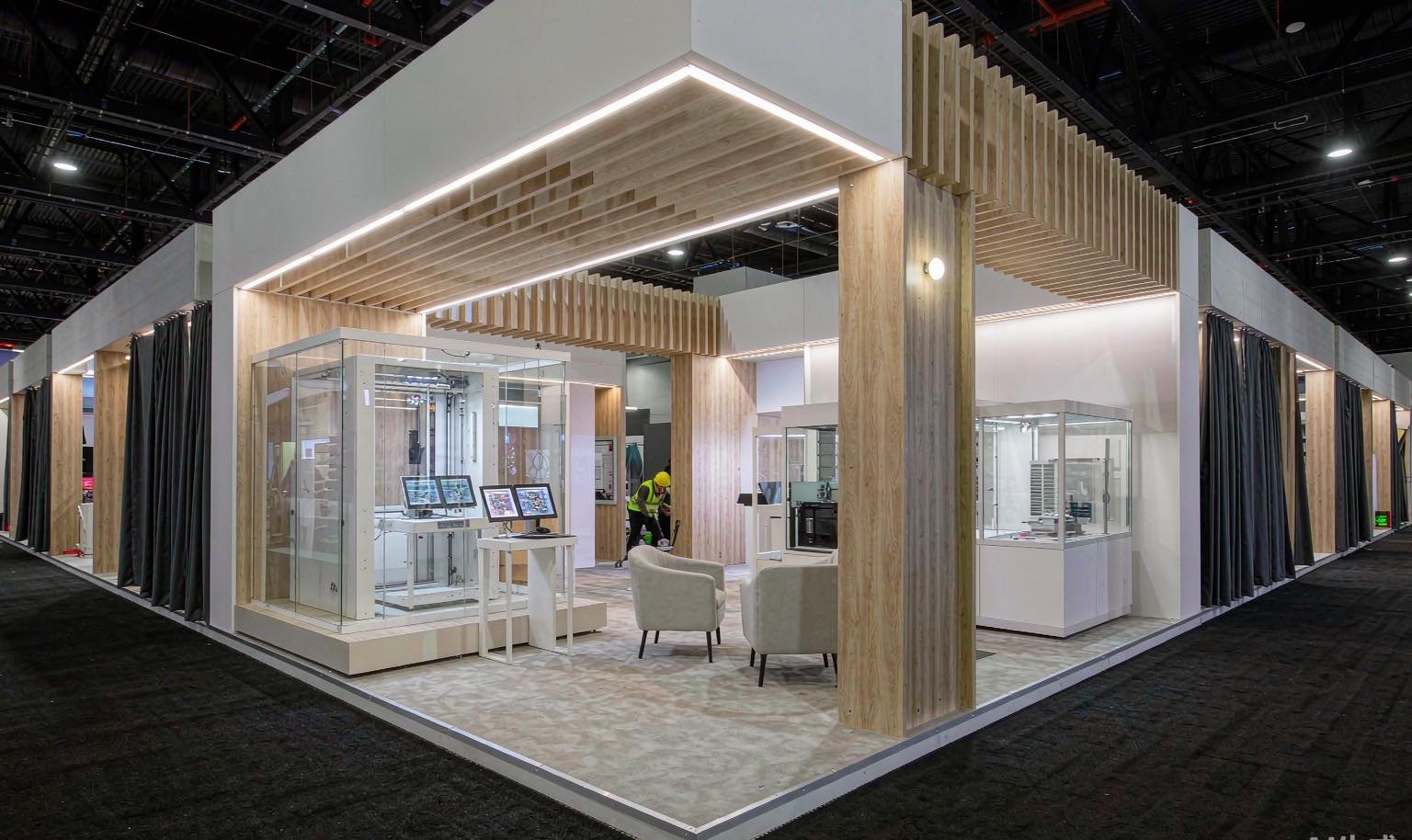
For processing machinery, several applications and technical teams.
-
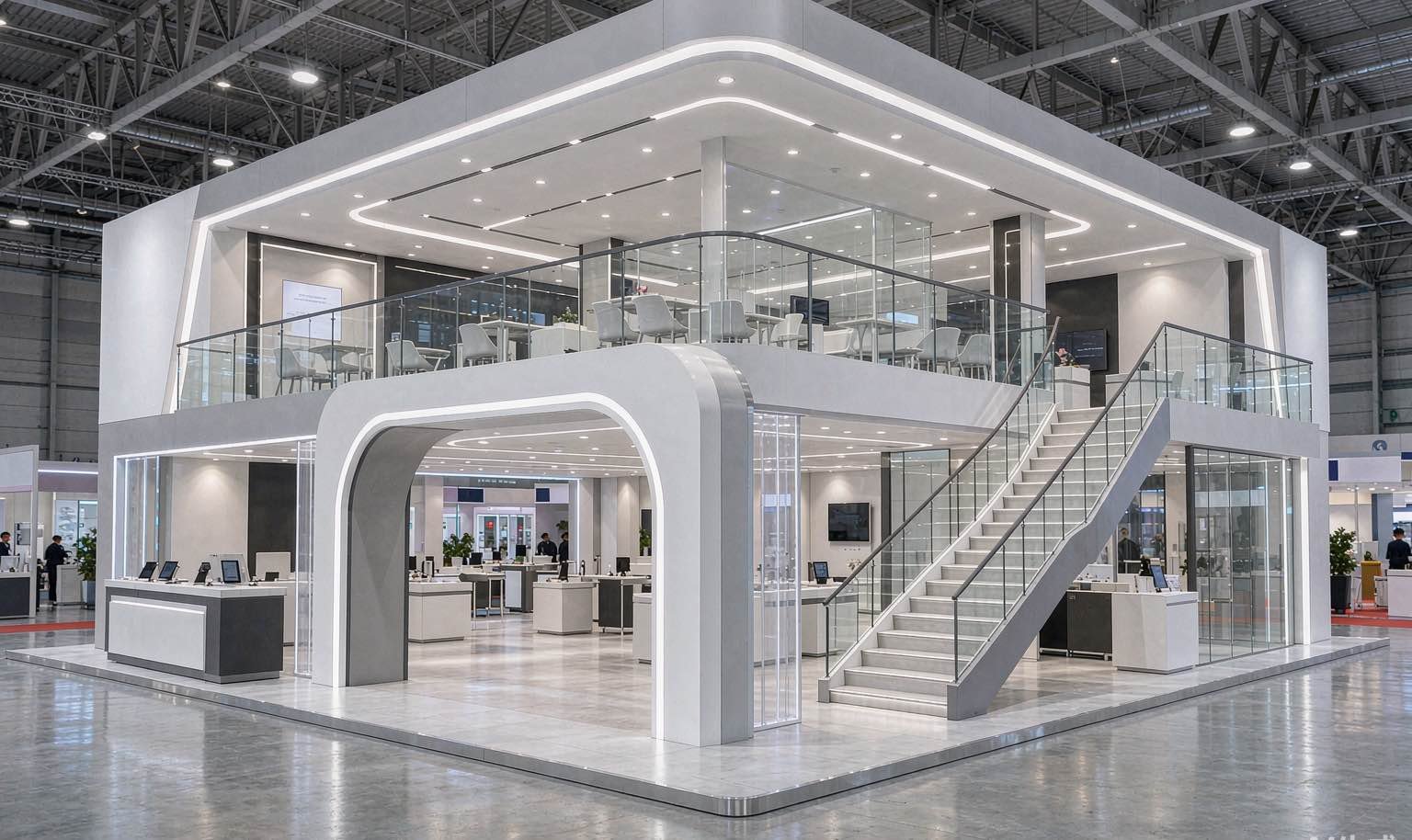
For large equipment, multiple process zones and a broad plastics portfolio.
Plan the Plastics Exhibit Around the Machine, Material or Finished Part
Decide whether the machine, material or finished part leads the plastics exhibit. Equipment drawings, operating envelope, samples, utilities and technical meetings then let King Exhibits connect the process and output in a layout buyers can inspect.