
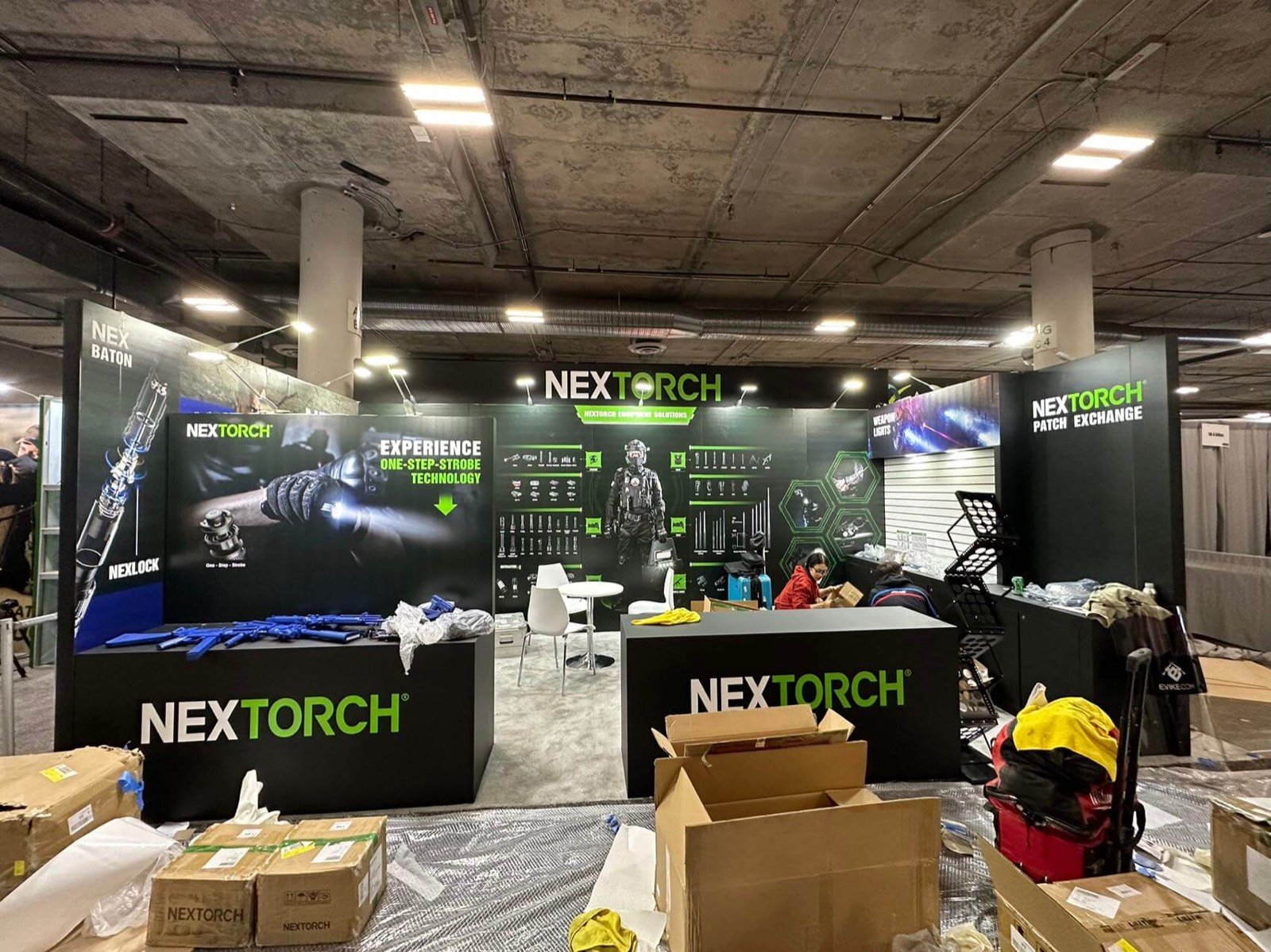


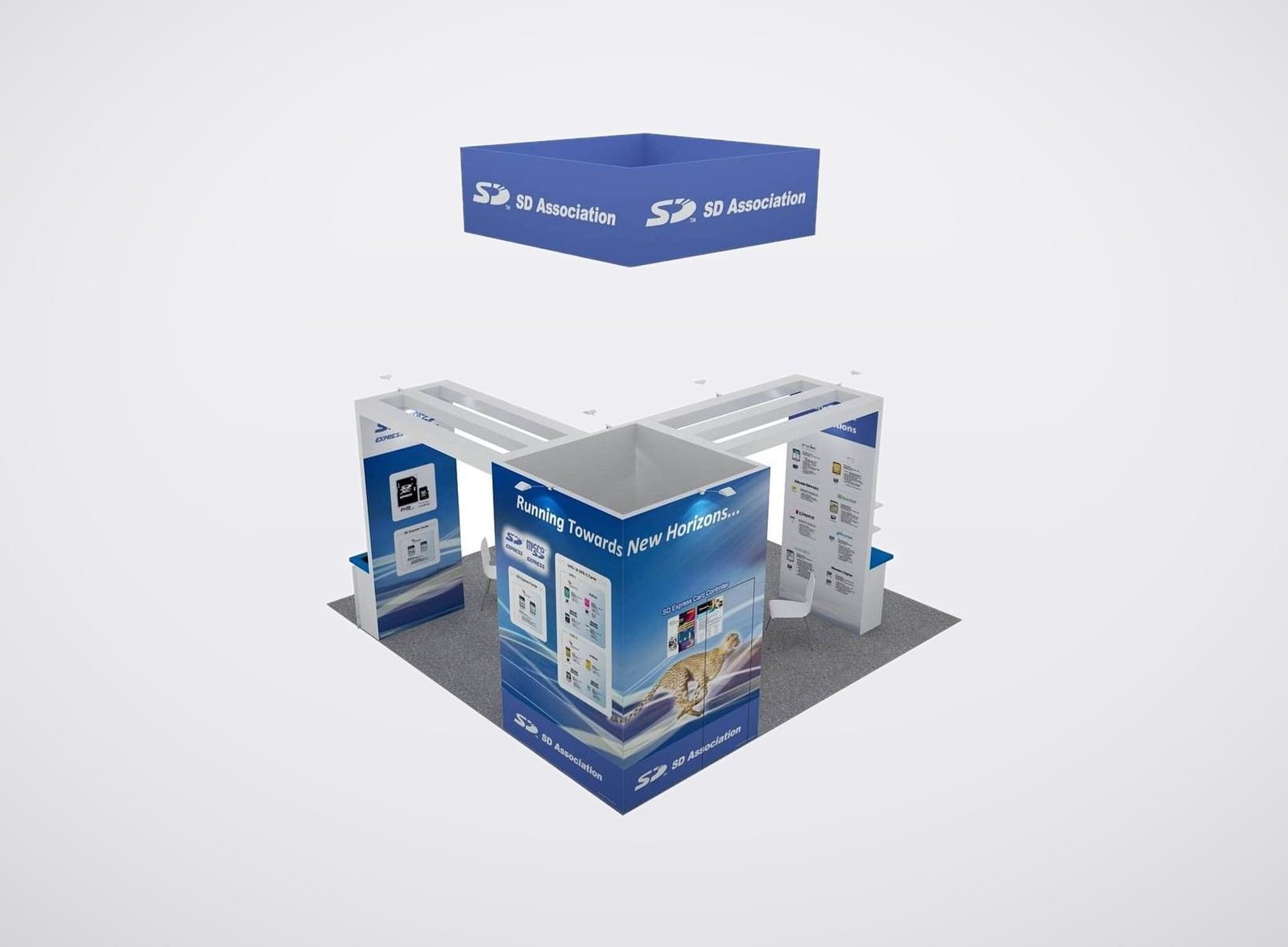
Match the Exhibit Method to the Product Risk
Firearms and Controlled DisplaysPlan supports, access, staff positions, security routines, and overnight handling from the current official firearm and product-display rules—not from a decorative rendering alone.Optics, Accessories, Knives and Small GearMake product differences visible at close range while controlling removal, reset, storage, and the small components needed for comparison.Apparel, Art and Outdoor-Lifestyle ProductsOrganize browsing, sizing, storytelling, and eligible merchandise activity without allowing racks, queues, or packaging to take over the visitor path.Outfitters, Trips and Experience-Led OffersUse destination proof, consultation space, availability information, and a booking handoff that lets a visitor move from inspiration to a qualified conversation.ATVs and Large EquipmentConfirm dimensions, weight, access, floor protection, power, barrier, and movement conditions before the exhibit layout is released.
Build a Member-Facing Exhibit That the Team Can Operate
The NRA Annual Meetings & Exhibits is not simply a row of product displays. Members and families may browse, compare, ask technical questions, purchase eligible merchandise, discuss an outfitted trip, or begin a conversation that must continue after the event. Those actions create different needs for visibility, staffing, transaction space, product control, and follow-up.King Exhibits develops the rental exhibit around the confirmed products, visitor path, graphics, storage, meetings, services, and daily operating routine. We use the same approved product and display record when reviewing the 3D plan, fabrication interfaces, labels, packing, and handoff.The proposal states which design, rental, fabrication, graphic, packing, freight-coordination, and onsite tasks King will perform. Exhibitor eligibility, product claims, official services, venue approvals, firearm handling, security, transactions, and exhibitor-owned equipment remain with the responsible party unless the accepted scope expressly says otherwise.
Give Each Visitor the Evidence Needed for the Next Decision
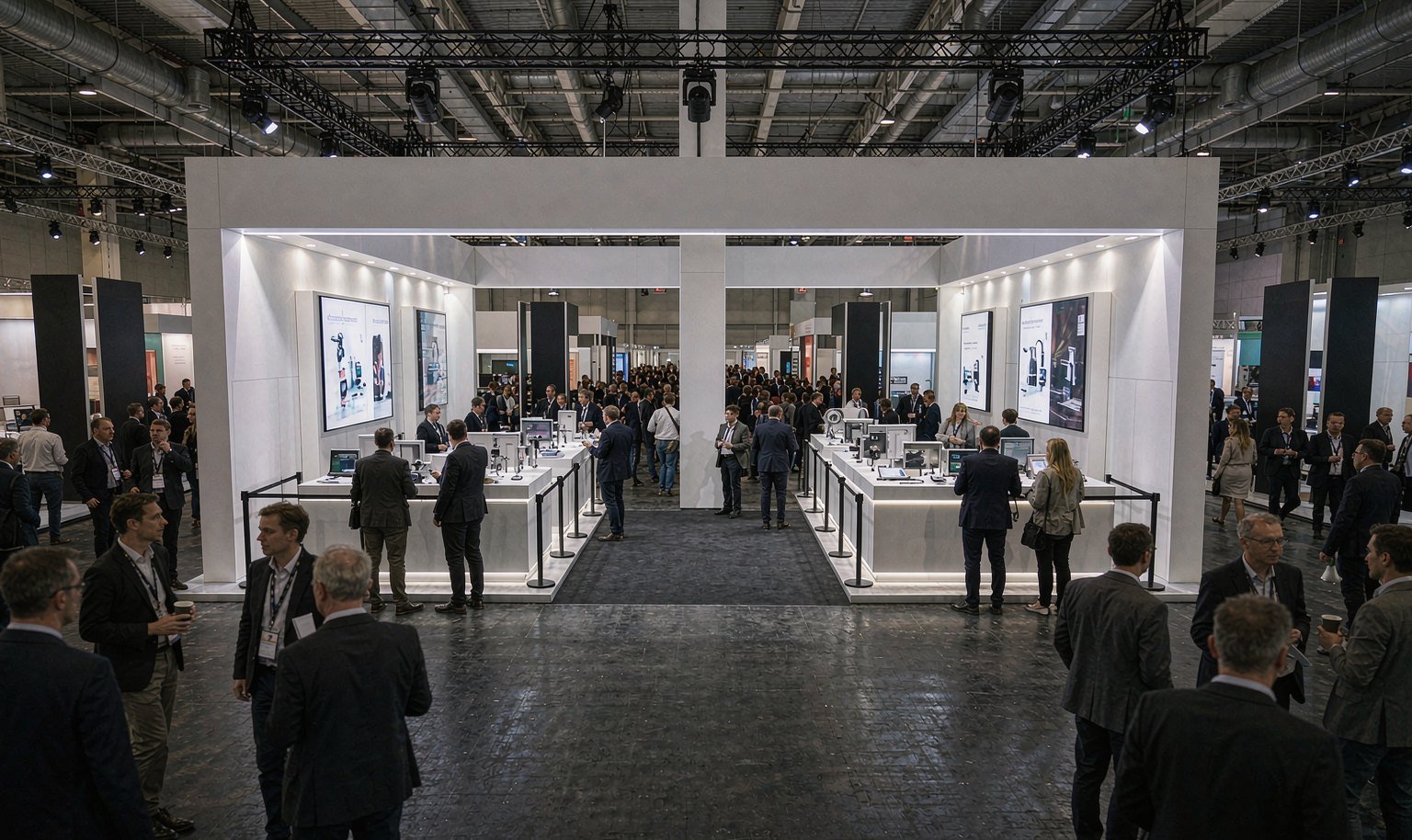
Lead with an understandable use case, then make the right product and staff member easy to find without requiring visitors to decode an industrial catalog.
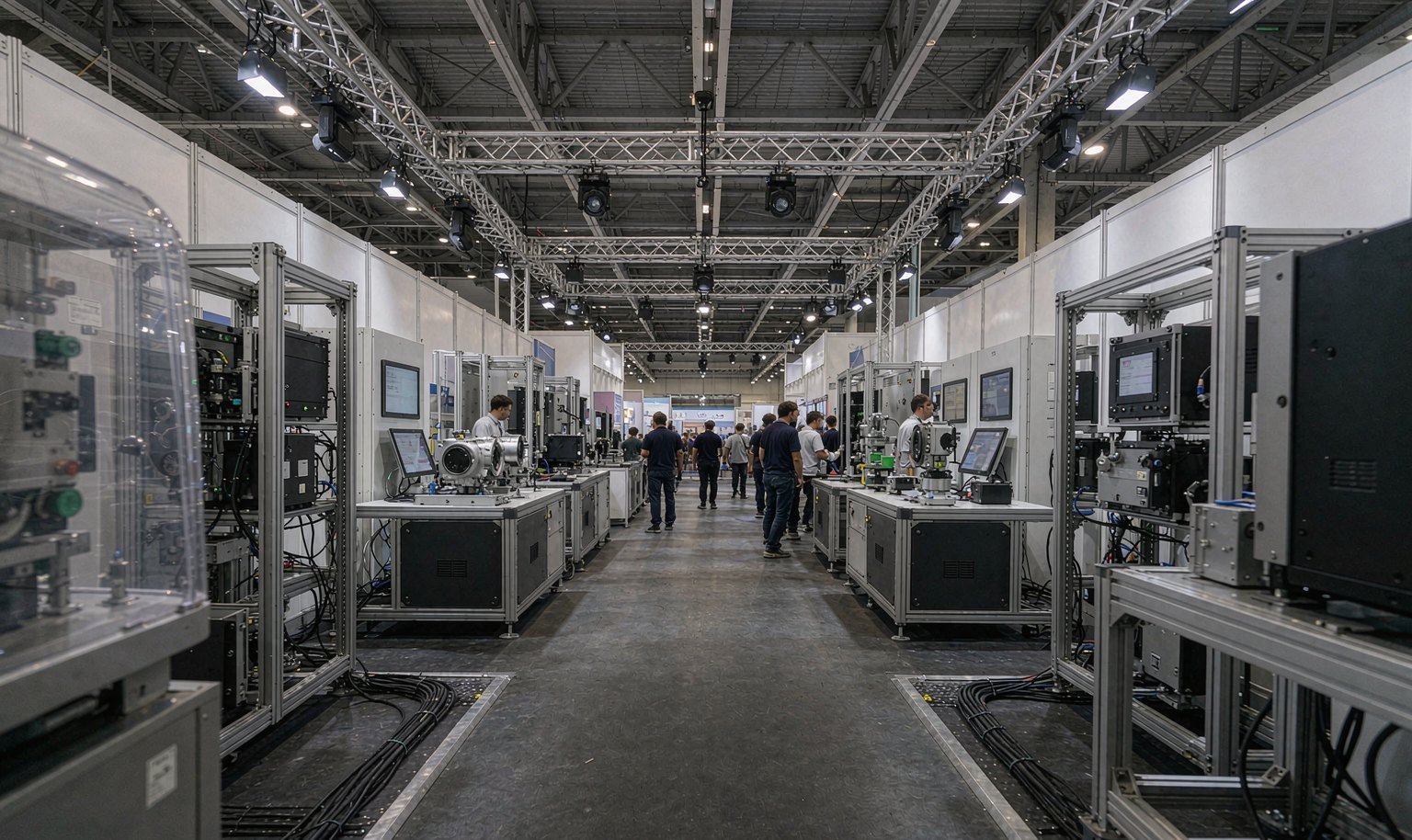
Provide a disciplined comparison point for specifications, fit, compatibility, maintenance, use conditions, and the next technical or dealer conversation.
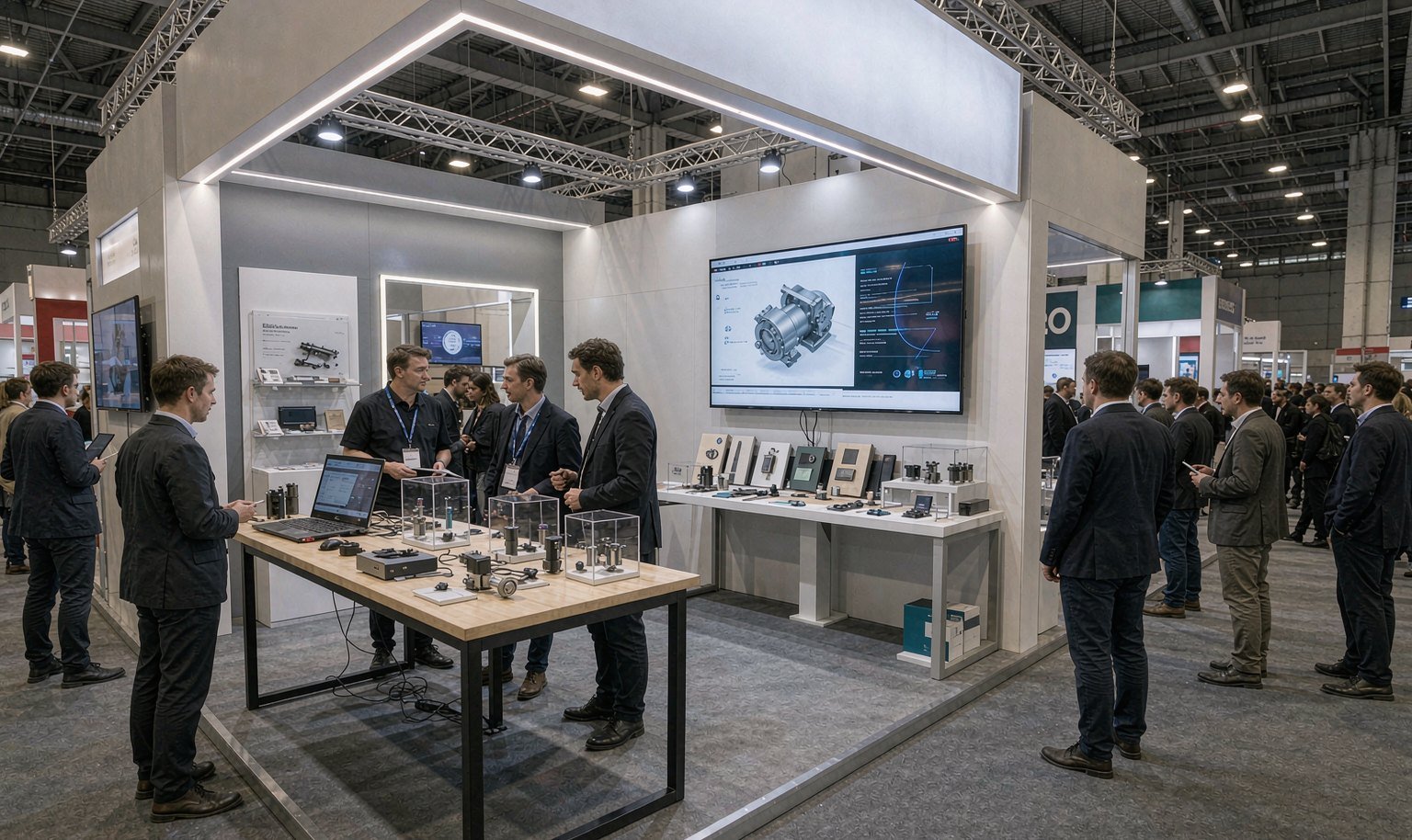
Separate consumer browsing from discussions about assortment, merchandising, availability, channel support, and follow-up responsibilities.
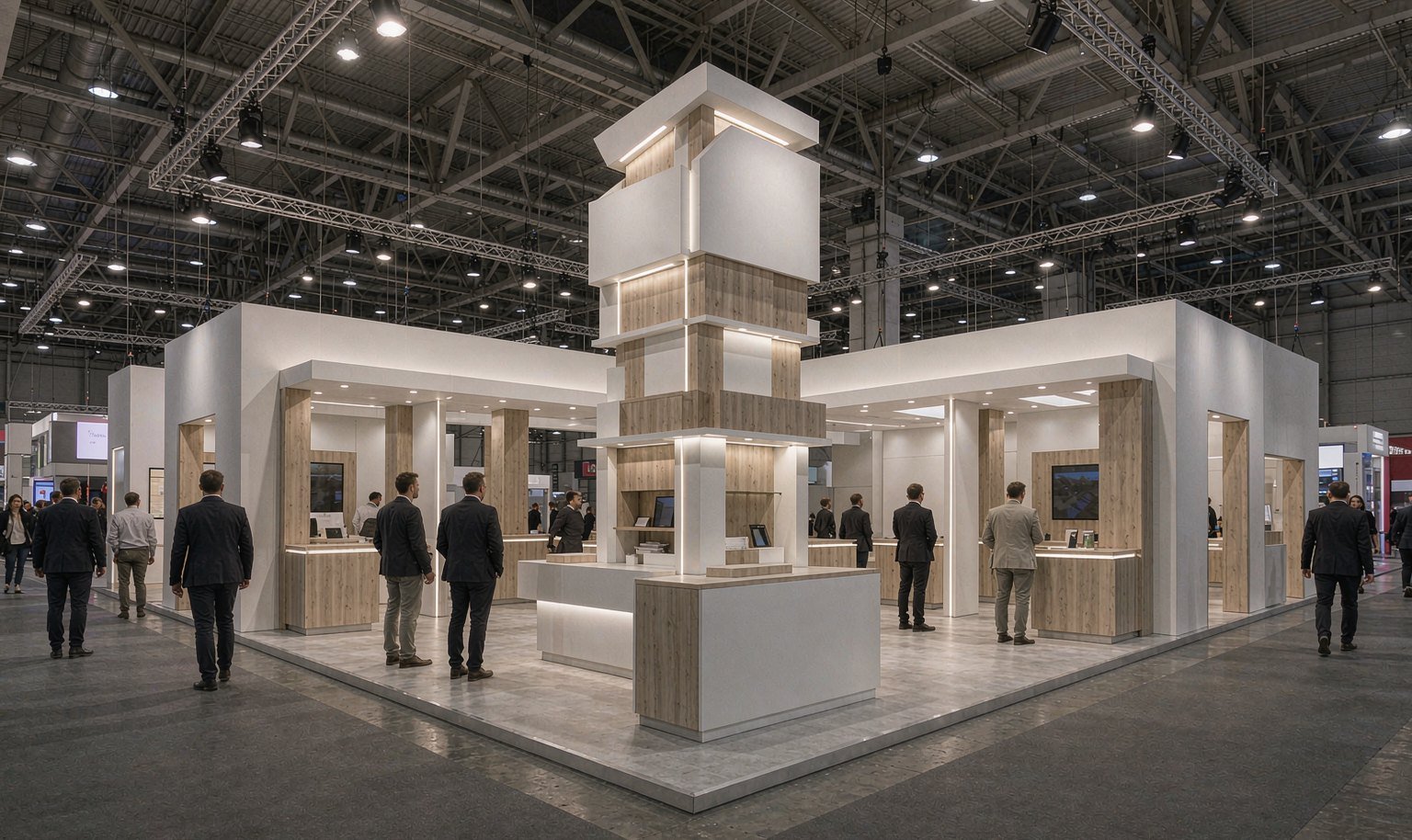
Create a seated or semi-private consultation point for destination, dates, group needs, eligibility, and a documented booking follow-up.
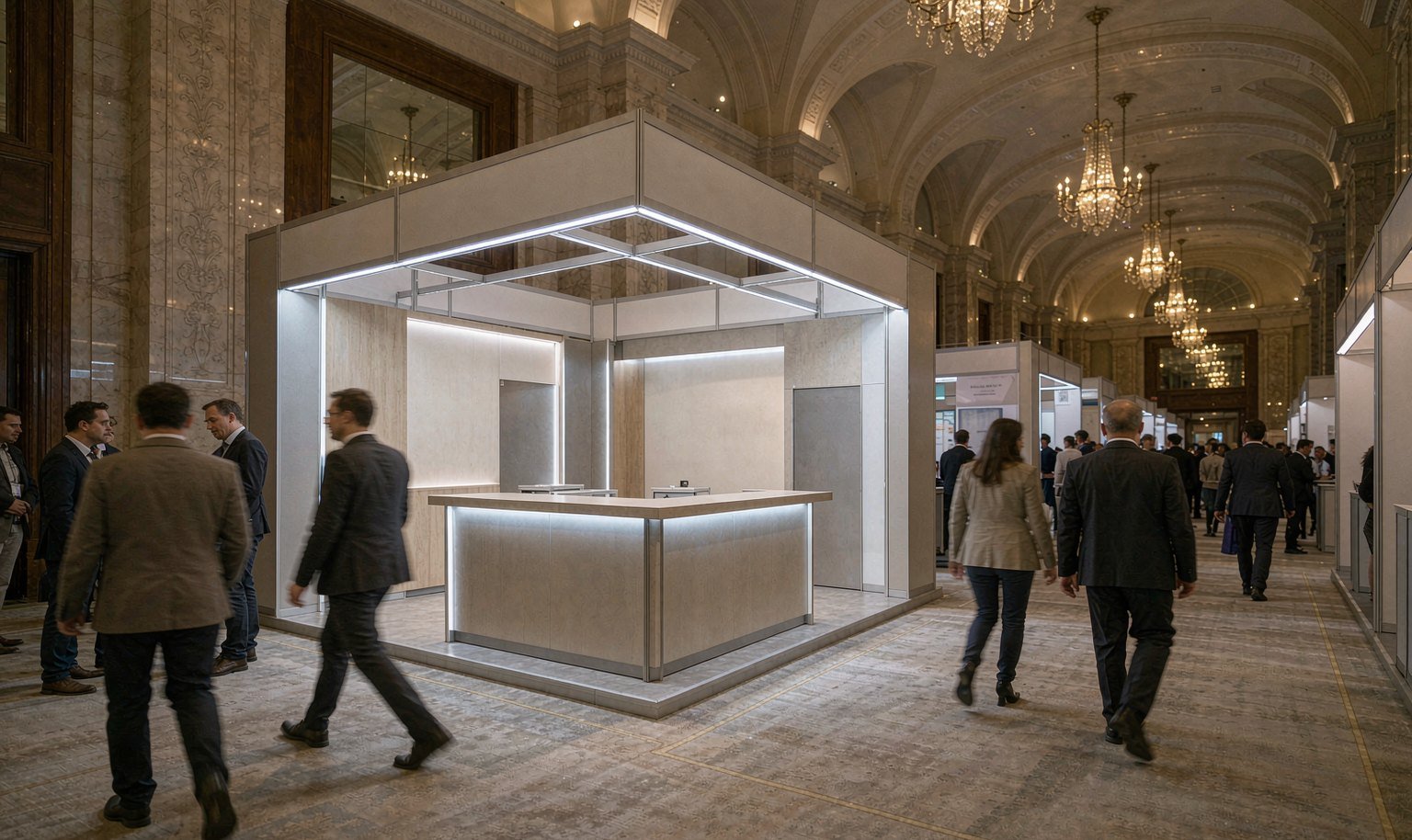
Make the spokesperson, product story, meeting point, and follow-up owner visible without interrupting a product demonstration or checkout queue.
Keep Browsing, Comparison and Transactions from Colliding
Start with the actions visitors can actually take. A discovery display needs fast visual recognition; a comparison needs the product, evidence, and specialist in one controlled place; a permitted purchase or booking needs a queue, payment or consultation method, packaging, and a clear handoff. Give each action a home while keeping one brand story. This prevents product displays, staff conversations, merchandise, and follow-up records from competing for the same counter.
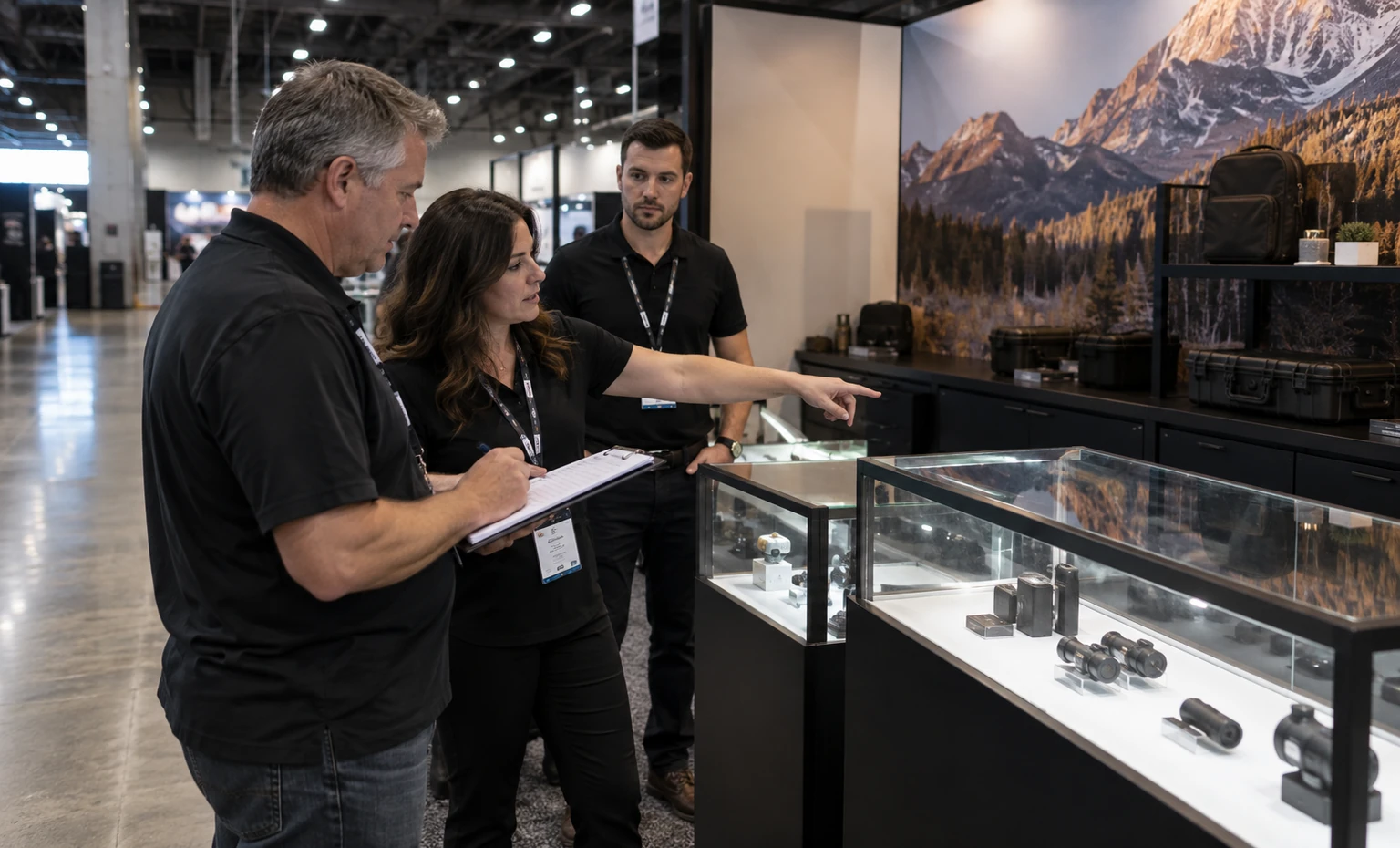
Design the Product-Control Routine Before the Display
Record each controlled product, support, lock or cable method, staff owner, opening check, handling rule, replenishment location, closing count, and overnight route. The exhibit must support that routine instead of hiding it behind attractive walls. Confirm the current organizer rules and the exhibitor’s own security procedure before design release. If a product, demonstration, or transaction cannot be approved, the layout must change rather than treating a rendering as permission.
Choose the Setup Route Before Packing the Exhibit
Compare the actual product and crate plan with the current material-handling options, dock process, qualifying personally operated vehicle conditions, assigned booth package, floor condition, utilities, and move-in schedule. Then identify which party owns each order and handoff. This prevents a small delivery assumption from becoming an onsite delay and keeps optional finish work—such as upgraded flooring or added services—visible in the proposal instead of buried in a general promise.
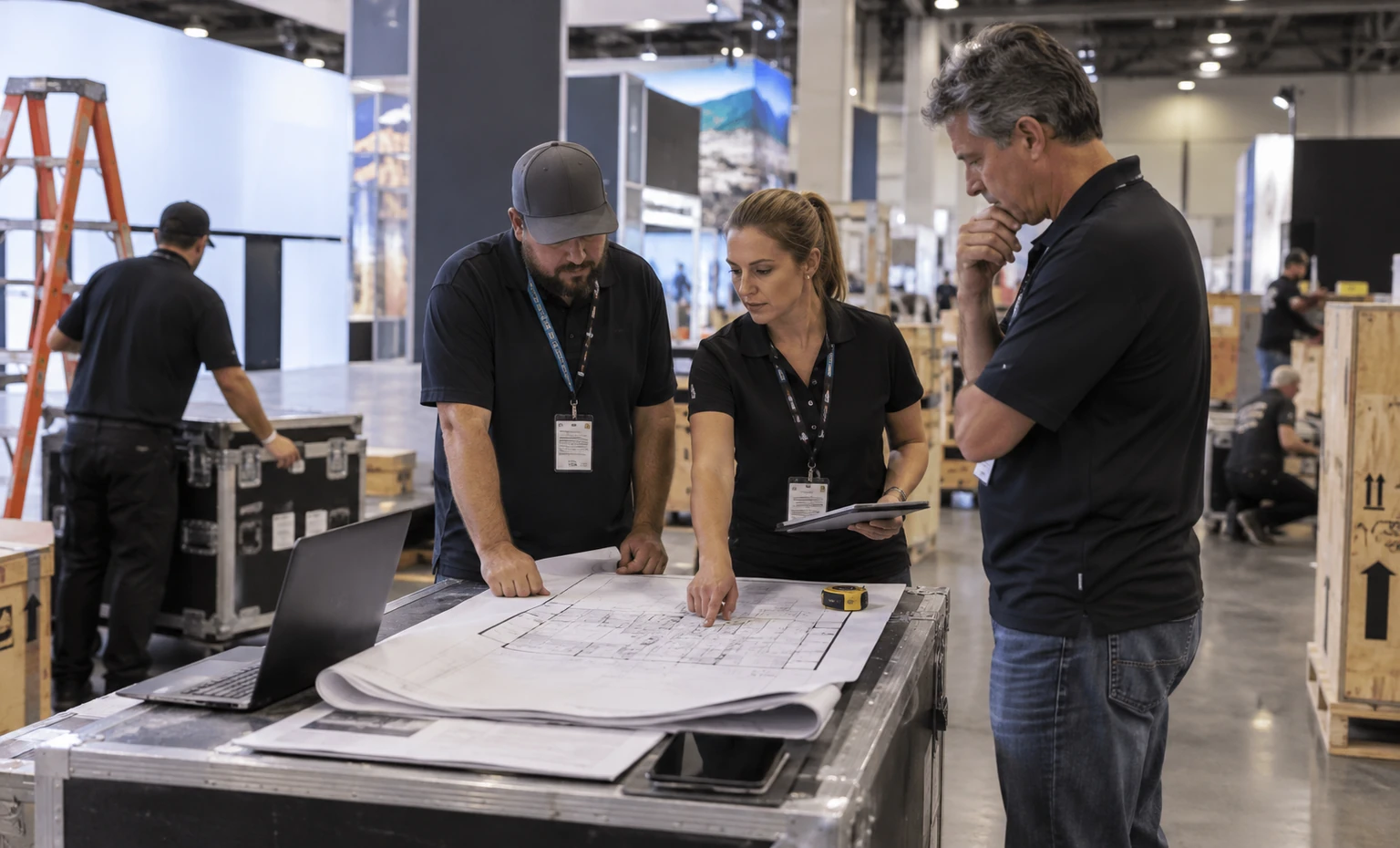
Carry One Approved Display Record from 3D Plan to Pack-Out
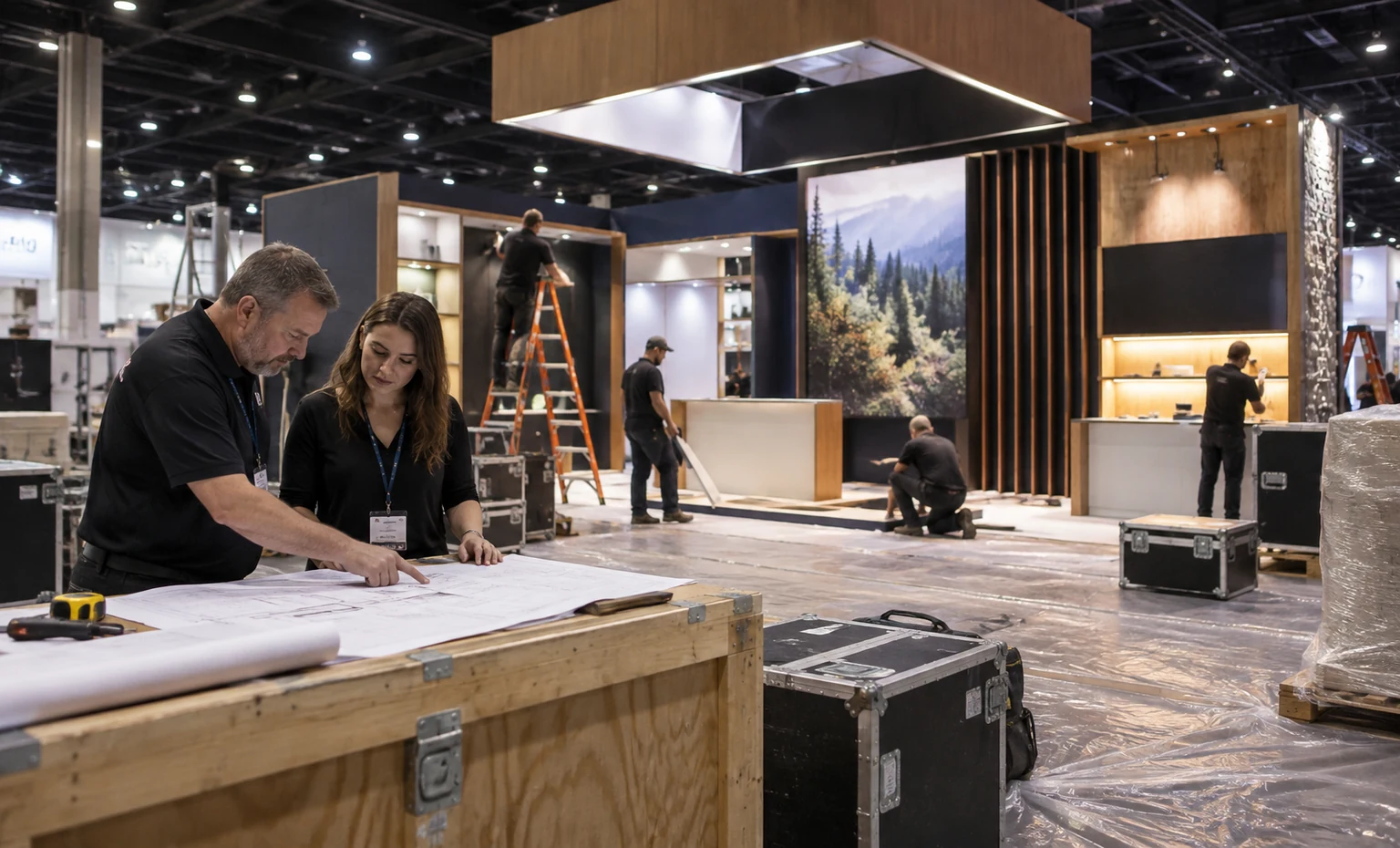

King Exhibits can connect the confirmed product list, visitor actions, security method, graphics, storage, and service boundaries in one project record. The same names and responsibilities can then be checked through design review, fabrication interfaces, packing, and show-floor handoff.Our U.S. fabrication base supports the rental architecture, custom elements, graphics, and product-specific interfaces named in the accepted scope. We identify what King supplies, what the exhibitor supplies, and which official providers or approvals remain outside our direct control.
Verify the Current NRA Event Conditions Before Production
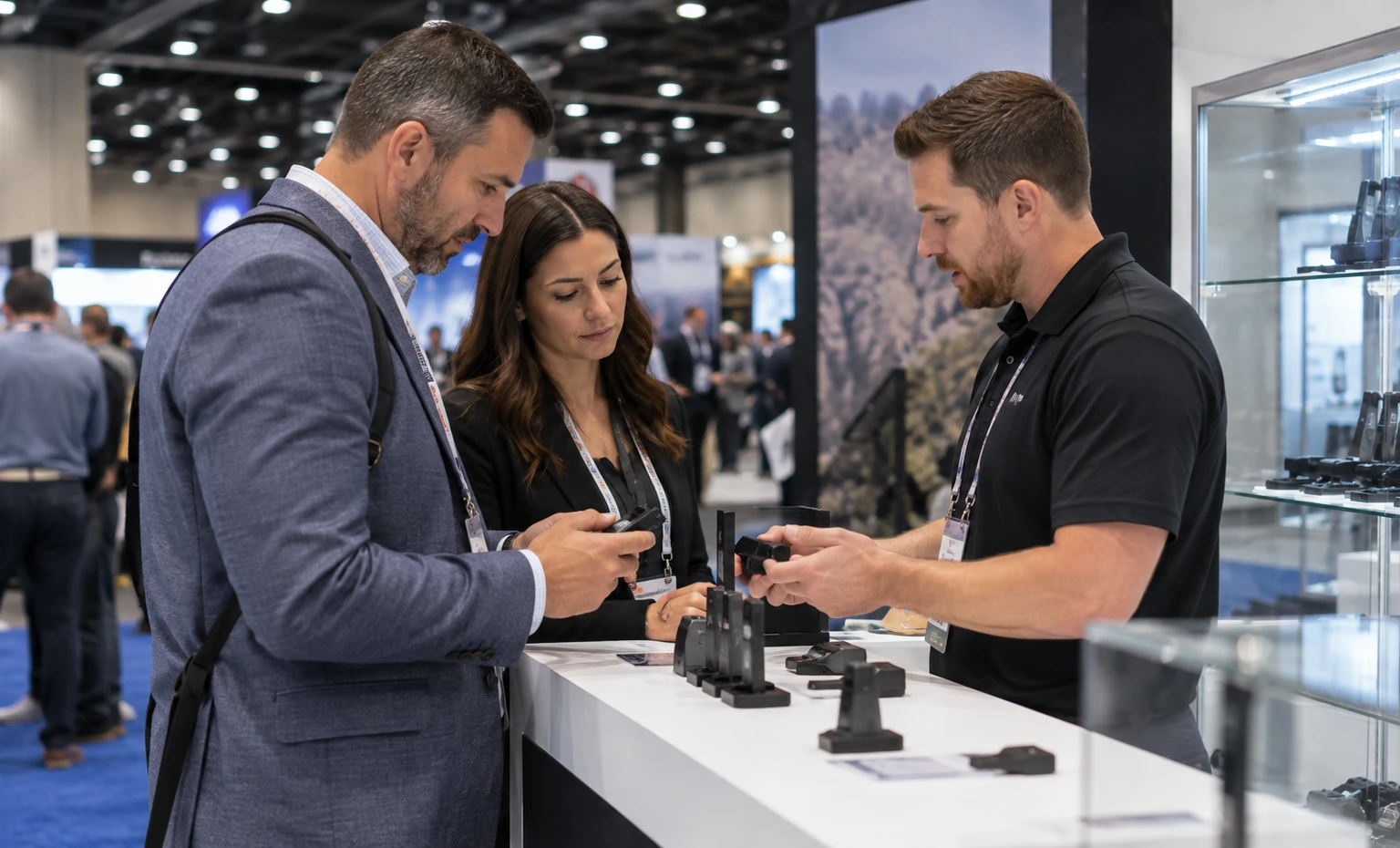
Confirm exhibitor acceptance, approved products, current sales restrictions, booking activity, and any product-specific policy before deciding how visitors will act in the booth.
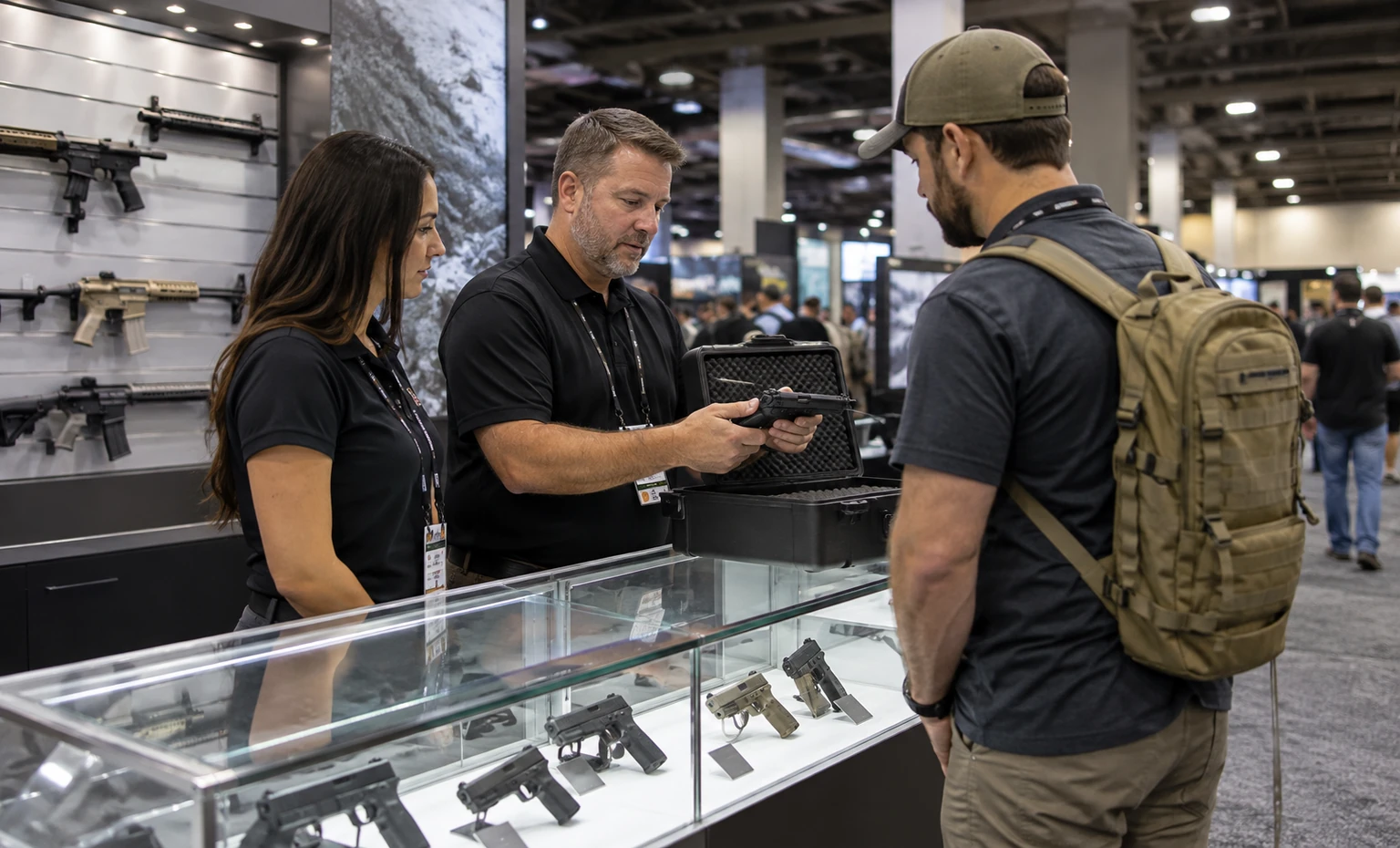
Use the current firearm, product-display, non-lethal, security, and storage rules for the actual product list. A concept drawing is not organizer approval.
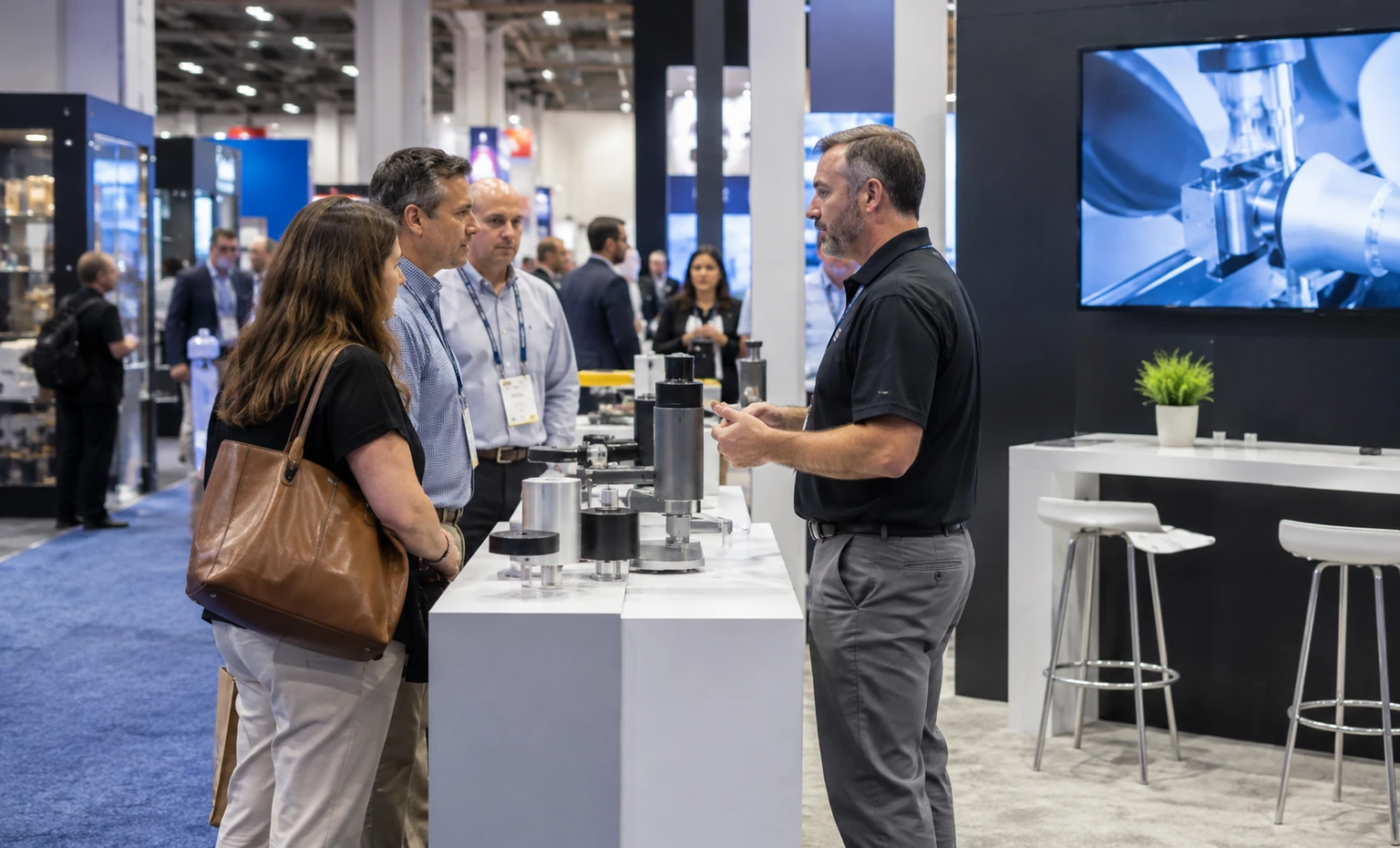
Check the assigned footprint, open sides, height and sightline limits, counters, demonstrations, sound, queues, accessibility, and any required drawings.
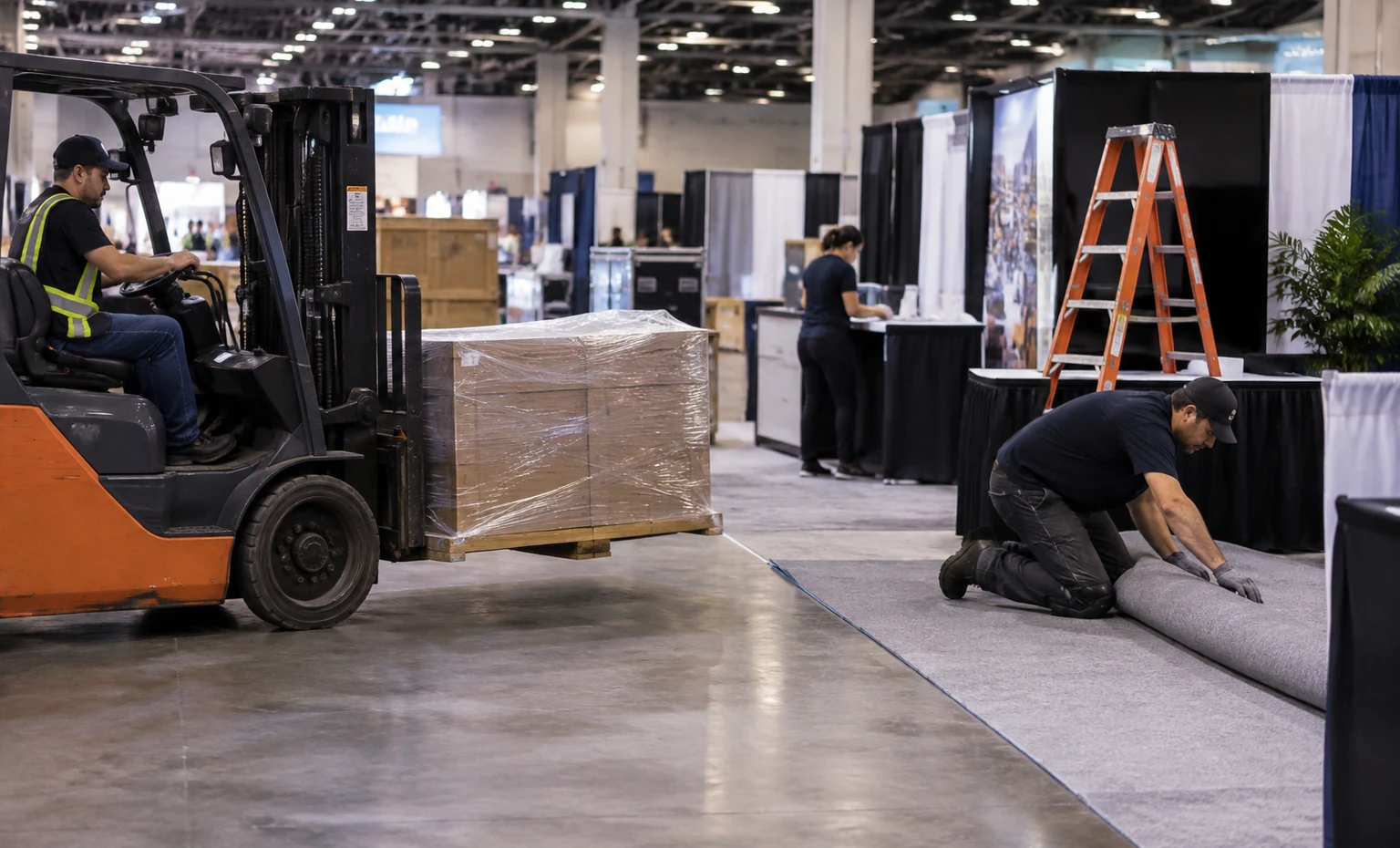
Confirm the current material-handling route, qualifying POV conditions, standard booth package, floor condition, utilities, labor, insurance, deadlines, and responsible official providers.
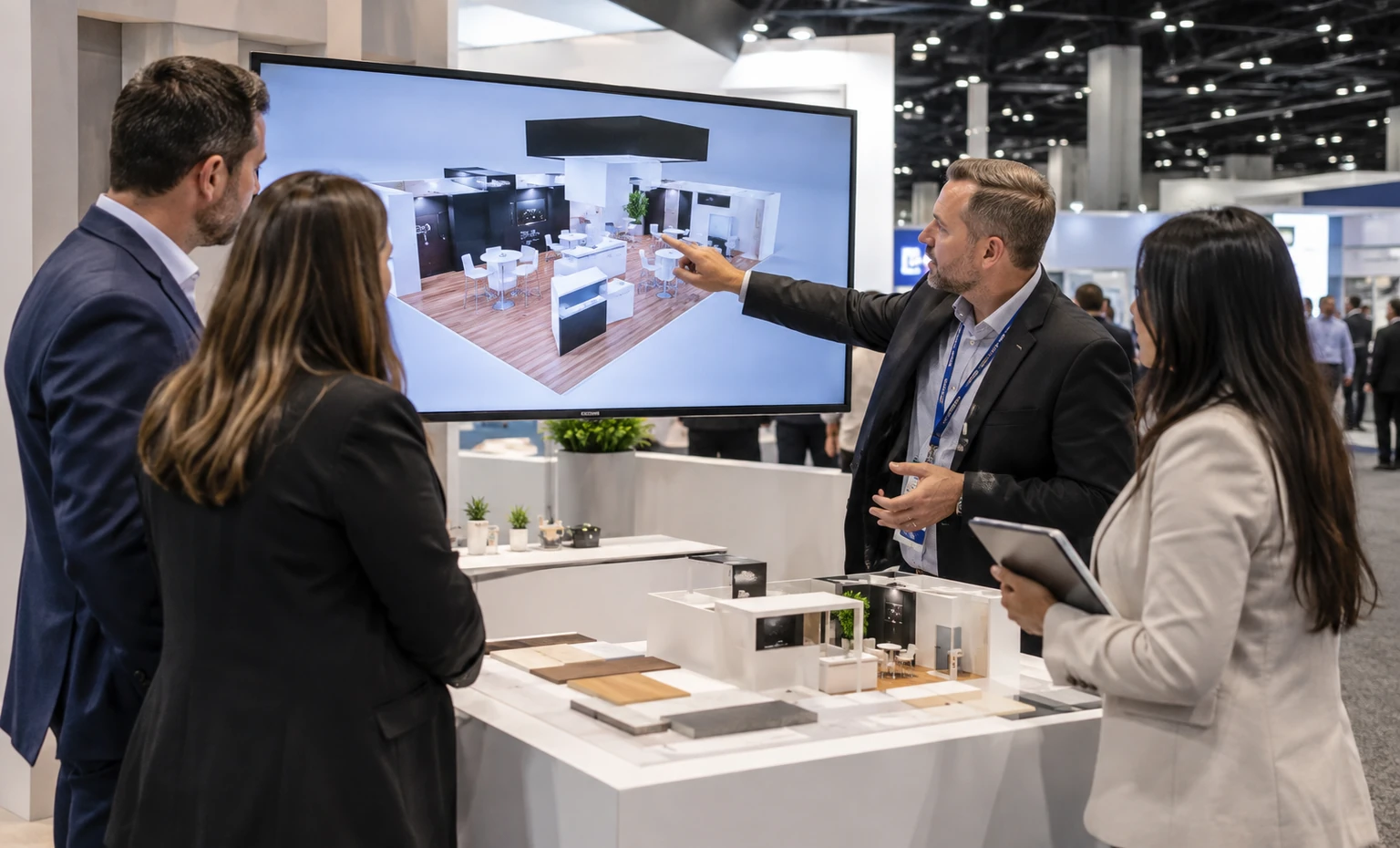
Move from Product List to an Operable Exhibit
Provide the year, assigned space, contract information, product register, visitor groups, intended transactions or bookings, graphics, services, budget, and onsite scope.
Decide what people discover, what they compare with staff, what they may buy or book under current rules, and what must continue after the event.
Record supports, handling boundaries, specialist positions, small-item control, replenishment, closing counts, and the verified overnight method.
Match the NRA Annual Meeting booth design to the exhibitor contract, current official resources, venue conditions, service orders, and required approvals before production release.
Approve visitor flow, product positions, transaction or booking points, storage, graphics, services, exclusions, responsibilities, and schedule.
King checks the quoted rental and custom elements against the approved record and performs only the contracted production and onsite tasks.
Current official event pages list April 23–25, 2027, at the Georgia World Congress Center in Atlanta. Dates and venue assignments can change, so verify the current organizer page and the exhibitor contract before upload and production.
No. This page is for the National Rifle Association Annual Meetings & Exhibits. Use the complete event name in the brief so the venue, audience, products, and official requirements are not confused.
No, according to the current official attendee FAQ: firearm and ammunition sales are not permitted. Other merchandise or booking activity must follow the current event rules and the exhibitor’s approved category. Recheck the current policy before upload and again before the event.
Only when the display follows the current official firearm and product-display rules, the accepted product list, and any required approval. Send the product dimensions, supports, handling method, staff plan, opening and closing checks, and proposed overnight method before design release.
The current public exhibitor FAQ lists hired security, cable or lock methods, and a designated overnight storage option. The responsible exhibitor must choose and verify the current permitted method; our proposal records only the exhibit elements and coordination tasks assigned to King.
Only when the current event conditions and the actual vehicle and load qualify. The current public FAQ describes a vehicle under one ton and a limited unload window, but this is operational information that must be rechecked before freight planning.
The current exhibitor FAQ describes a 10-by-10-foot package with back drape, side drape, aisle carpet, and a booth identification sign, while the facility floor itself is not carpeted. Treat this as current-year planning input, not a permanent inclusion; verify the assigned contract and order forms.
Send the event year, assigned size and open sides, product list, dimensions and weights, intended visitor actions, display and security methods, graphics, screens, power/data, storage, freight plan, budget, schedule, and the onsite services you want quoted.