


Choose the NSC Exhibit Format by What Buyers Must Evaluate
PPE Fit and Product-Range Exhibit
Gloves, footwear, helmets, eyewear, hearing protection, respirators and protective clothing need organized sizing, clean try-on stock, mirrors where appropriate, comparison labels and staff-side replenishment. The display should make compatibility and limitations easier to discuss without presenting fit as a certification result.
Fall-Protection and Rescue-System Exhibit
Harnesses, lanyards, lifelines, anchors and rescue products need space for inspection, connection logic and supervised handling. Any loaded, suspended or elevated demonstration depends on the exact activity, equipment state and current show approval; the booth structure alone does not authorize it.
Detection, Facility and Hazard-Control Exhibit
Monitors, sensors, alarms, guarding, lockout/tagout, traffic control and facility-safety products benefit from a short hazard-to-response sequence. Confirm device dimensions, activation method, light/sound behavior, power, calibration display and reset before the counter or product mount is released.
Safety Software, Training and Wearable-Technology Exhibit
EHS platforms, training programs, VR/AR and connected wearables need role-based screens, a short workflow, controlled audio, reliable power/data and a recorded or local fallback. The next conversation should address deployment, integration, privacy, training and program ownership.
An NSC Safety Congress Booth Built from Hazard to Follow-Up
Safety buyers rarely approve a product because it looks impressive in a display. An EHS director wants to know which risk it controls and how it fits a program. An industrial hygienist or safety specialist looks for limits and evidence. Operations and training teams ask how people use, inspect and maintain it. Procurement needs the scope, implementation path and commercial conversation.The floor plan begins with a station schedule: product, buyer, action, evidence, reset and next conversation. King Exhibits uses that schedule to arrange demonstration points, claim graphics, staff-side stock and meeting space. Rental walls, towers, flooring, counters, lighting and screens can form the main environment. Quoted custom elements can support a specific product, mount or interaction where the supplied dimensions and use conditions are clear.The signed-off proposal is the scope record. It names the exhibit components and King project work being purchased. The exhibitor still owns its product claims and operating instructions; the current event documents govern approvals and official services. Insurance, specialist handling and any customer-run activity stay with the assigned party unless the quotation specifically moves that responsibility.
Give Every Safety Stakeholder the Right Proof
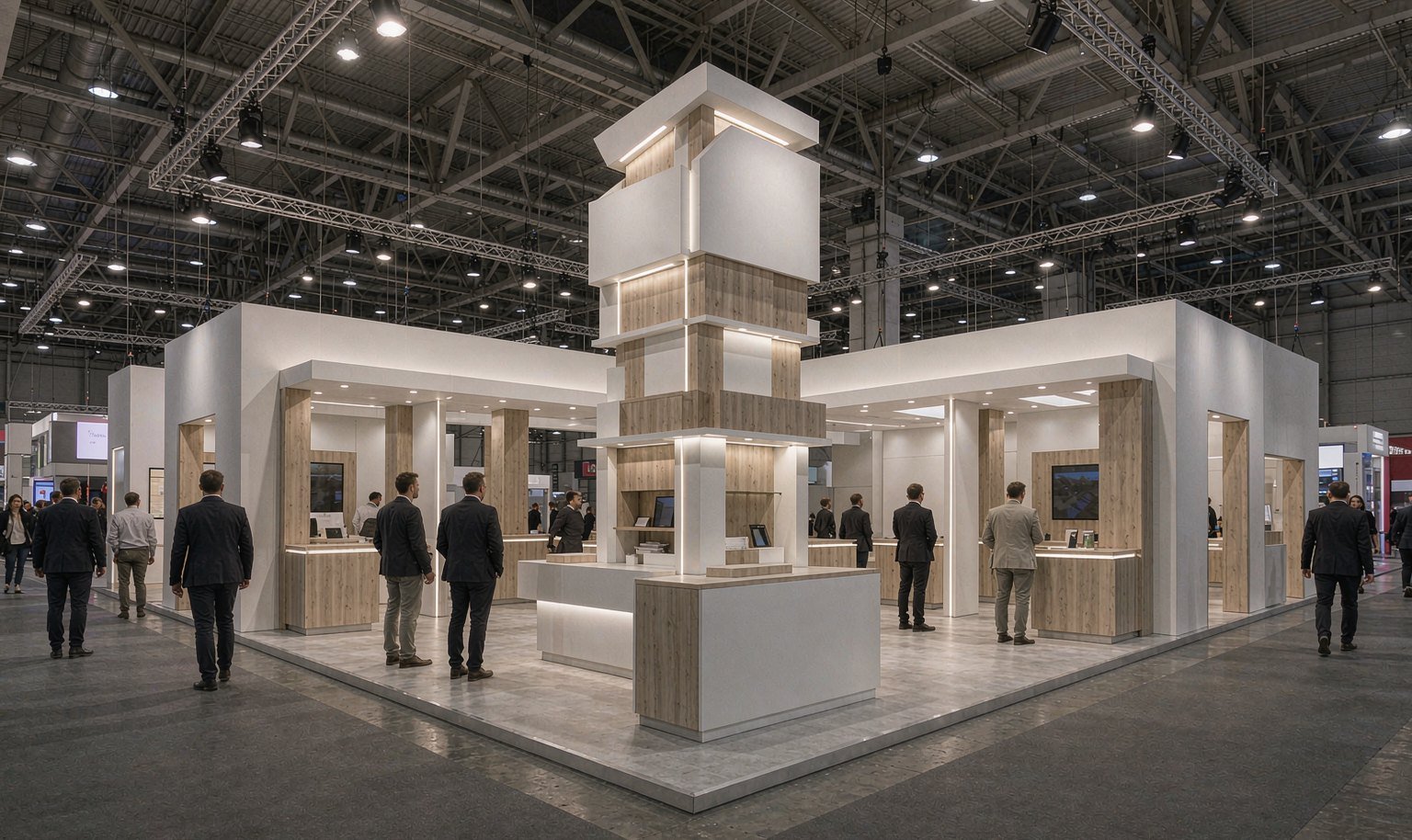
Lead with the workplace problem, the control and the verified result. Make limitations visible so the conversation can move toward a site, workforce or program fit instead of staying at a generic feature list.
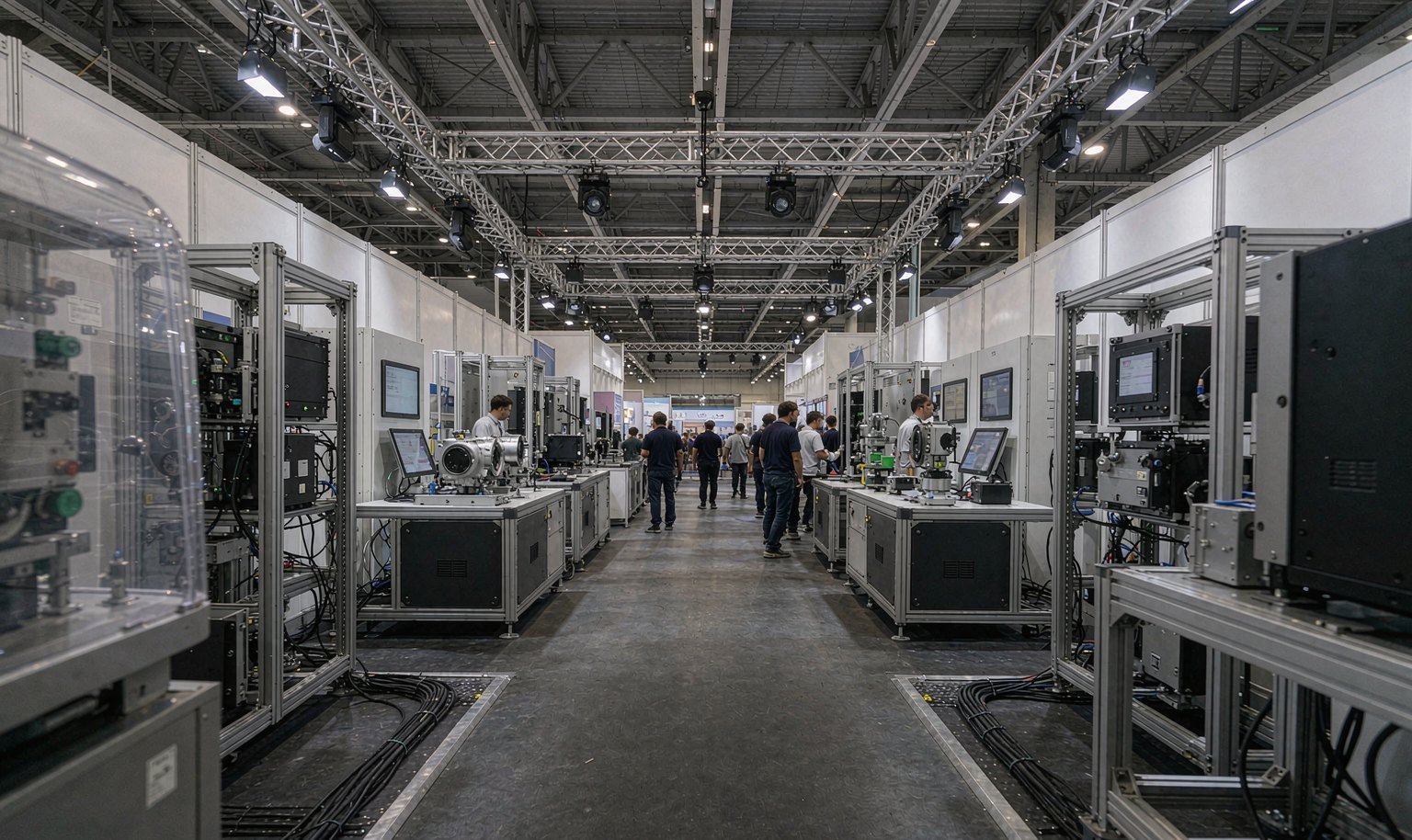
Keep detection range, sampling method, material, standard, compatibility, maintenance and other approved technical evidence close to the relevant product. Give specialists room to explain conditions without blocking the demonstration.
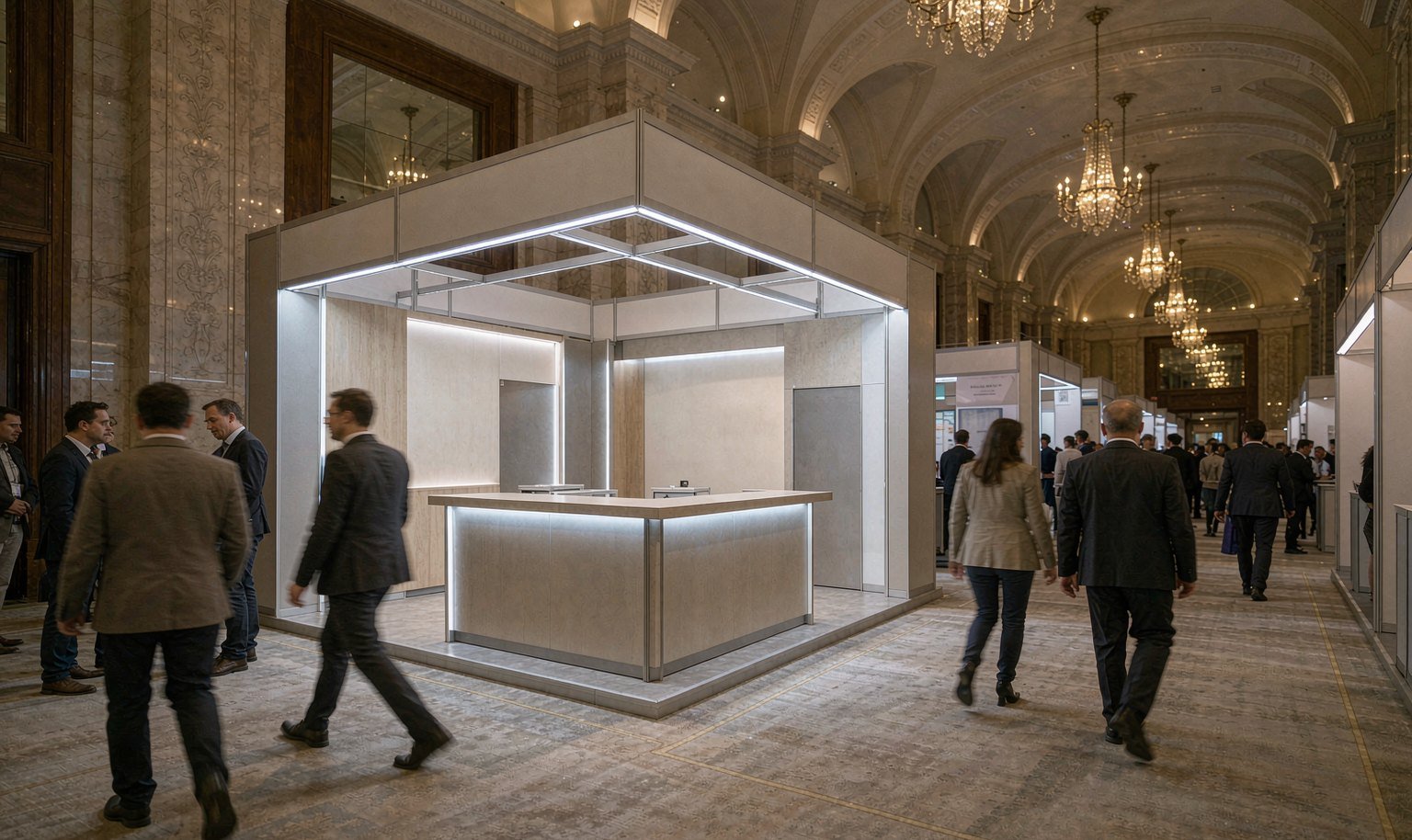
Show the use, inspection, reset, cleaning, storage or training sequence that affects daily adoption. A practical station often reveals more than a wall of product photos.

Provide a table for assortment, rollout, replenishment, integration, pricing and support discussions. The visitor should leave the booth knowing which specialist will continue the conversation and what information comes next.
Keep the Safety Demonstration Inside the Booth
Run a five-minute tabletop rehearsal of the safety station. Mark the controlled product state, staff handoff, visitor movement, observer boundary and return point. Substitute a static, de-energized or simulated condition whenever active operation lacks approval. Everyone watching must fit within the rented footprint. Walking that miniature route before production reveals pinch points, loose cables, aisle spillover and supervision gaps while the layout can still be changed.

Put Verified Evidence at the Point of Comparison
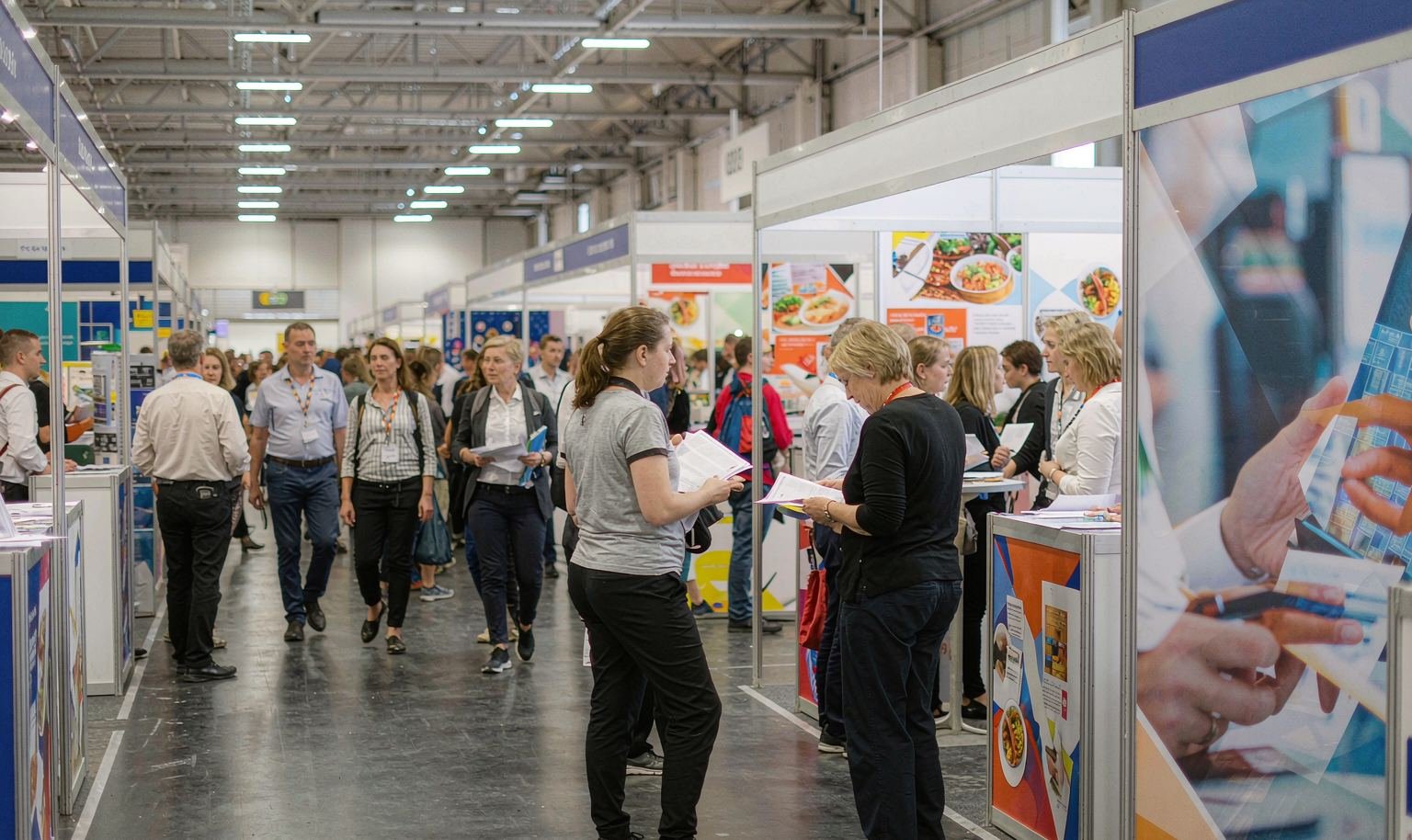
Connect each product claim to the exact model, condition and approved source. A glove display may need material and size information; a detector station may need range, calibration and response details; a training platform may need the workflow and reporting output. Keep limitations visible and remove unsupported compliance language. The booth should help a qualified buyer examine evidence and ask better questions, not suggest that the display itself certifies a product or workplace.
Design the Daily Replenishment Before Adding Storage
Estimate one show day’s try-on stock, samples, batteries, wipes, replacement devices and literature, then assign a staff-side location to each item. Separate clean stock, used products, charging and waste. Keep the reset route out of the visitor path and plan how reserve material reaches the booth under the current event rules. This avoids turning the exhibit into a storeroom while keeping fit checks and demonstrations ready through busy periods.

Review the Product, Visitor Action and Booth Scope in One 3D Plan


King Exhibits can place the confirmed product envelope, visitor position, viewing area, evidence panel, utility point, reset stock and meeting destination into the 3D booth review. Your marketing, product, safety and exhibit teams can then examine the same operating plan before rental components, custom details and graphics are released.The same station register follows the project from design review into the quotation. Each line connects a product or conversation to its rental pieces, quoted custom work, graphics and King task. A companion ownership column assigns claim approval, product operation, event submissions, utilities, material handling and specialist work. The exhibit manager can review the cost and operating plan together without assuming that unlisted services are included in the rendering.
Close the NSC Exhibitor Requirements Before Production Release
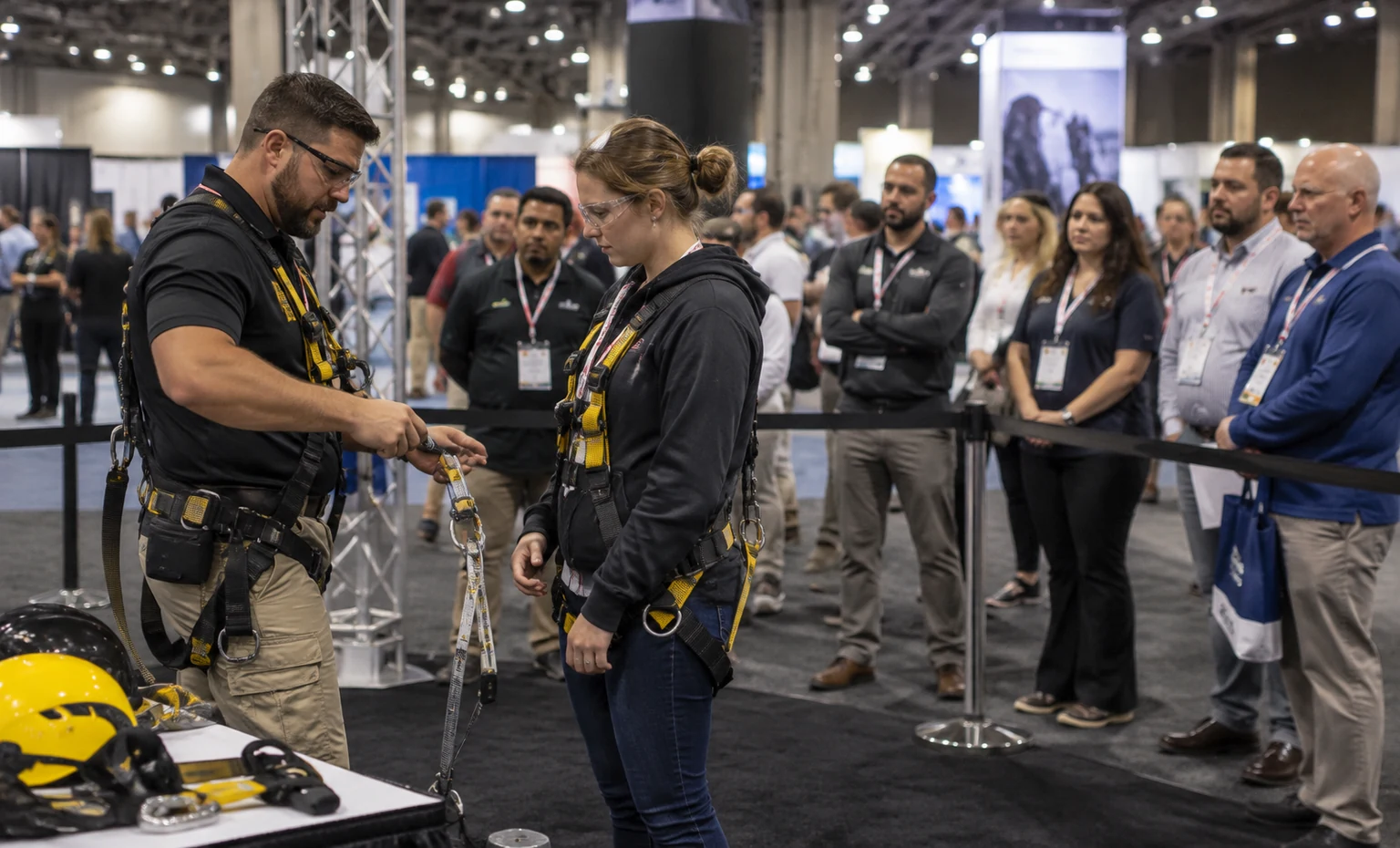
Confirm the exact visitor action, equipment state, supervisor, audience position and reset. Use the active NSC rules and obtain required approval for any activity outside standard industry procedures.
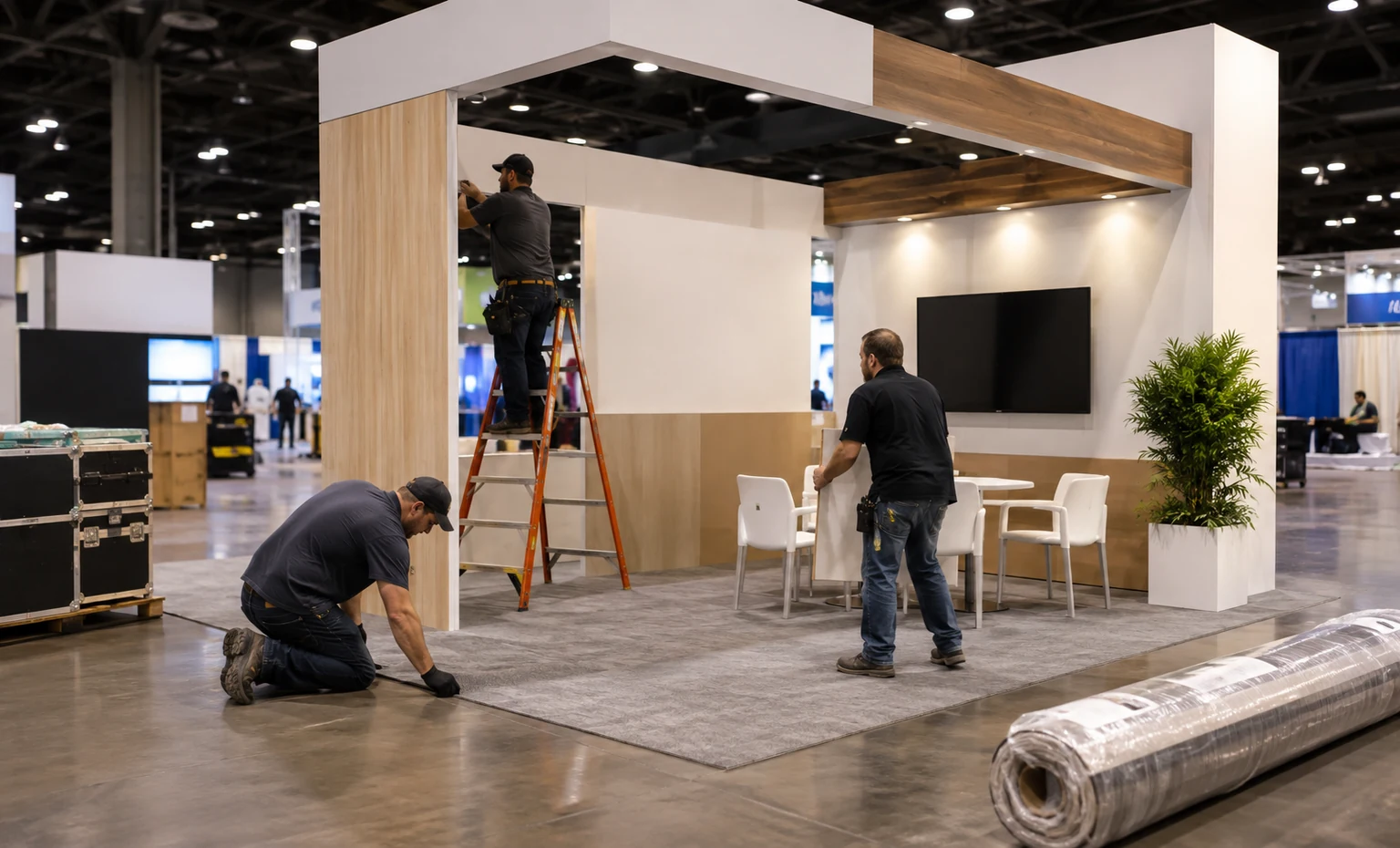
Check the assigned booth type, open sides, height, drawn-plan submission, full floor covering, fire-safe materials and clear-aisle requirements before the structure and finishes are released.
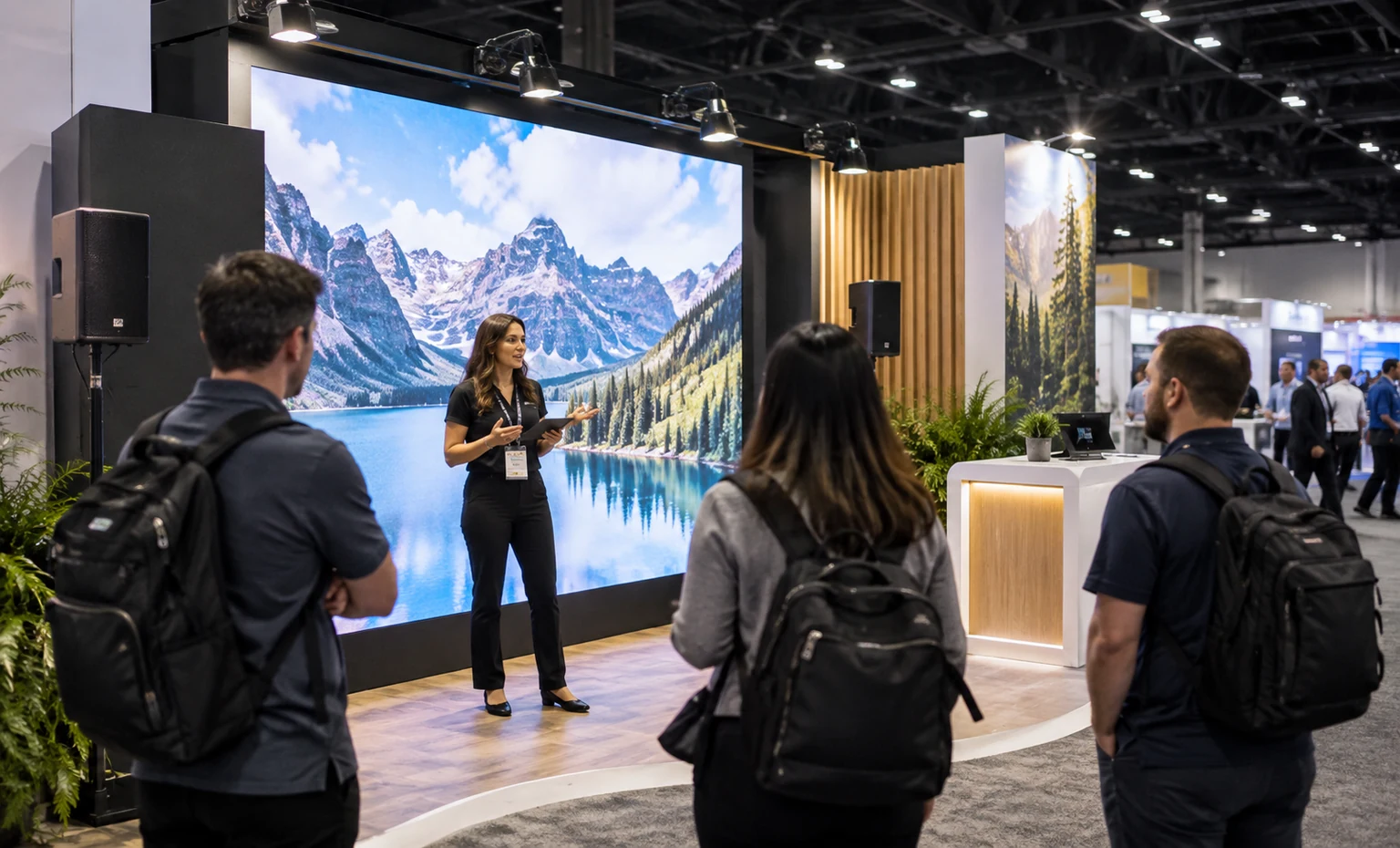
Record every screen, speaker, light and effect. Direct sound and attention into the booth, protect neighboring exhibitors and complete current approval or service orders where required.
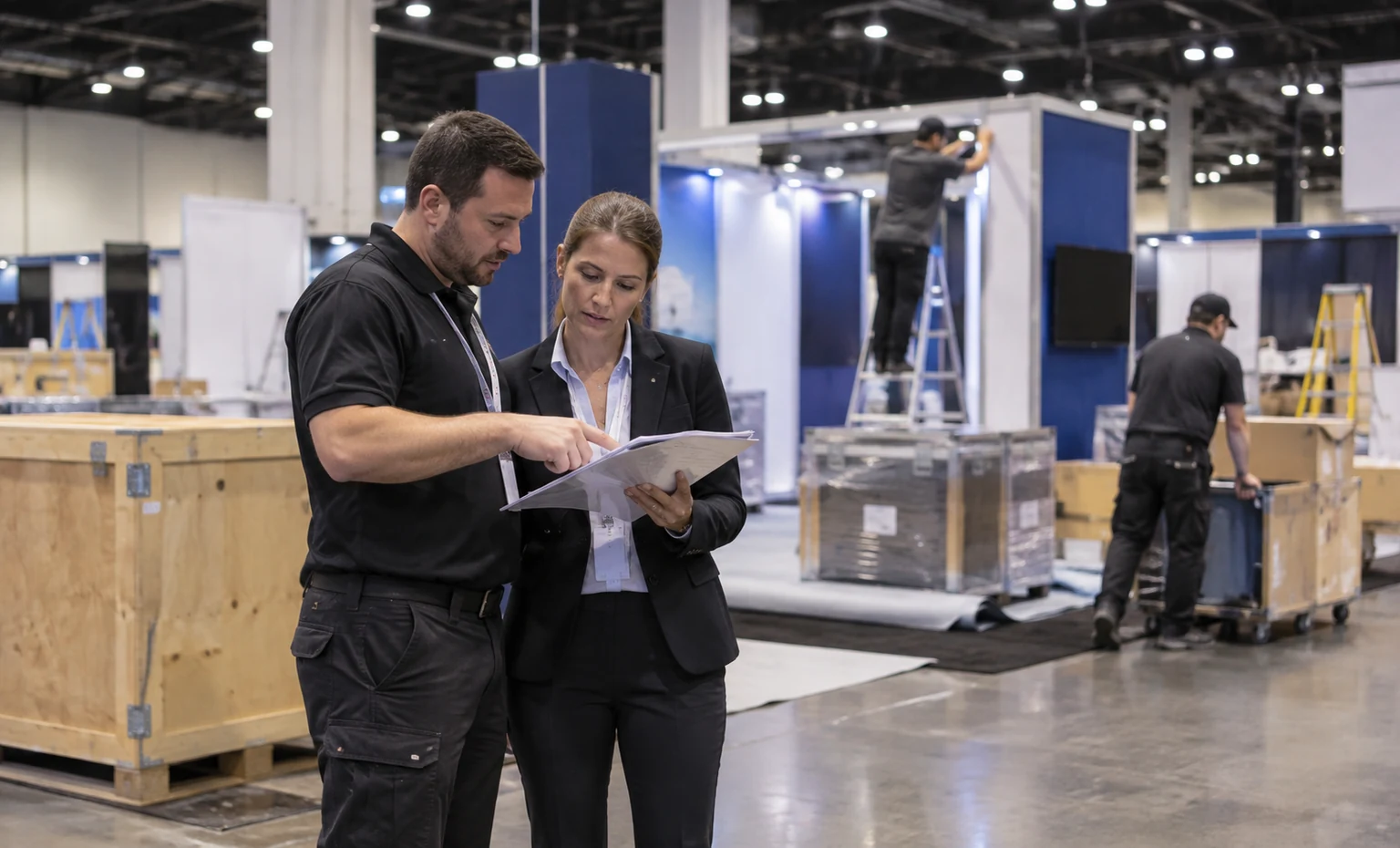
Assign exhibit freight, product freight, material handling, labor, third-party contractor documentation, insurance and official services from the active exhibitor manual instead of assuming they are included in the rental.
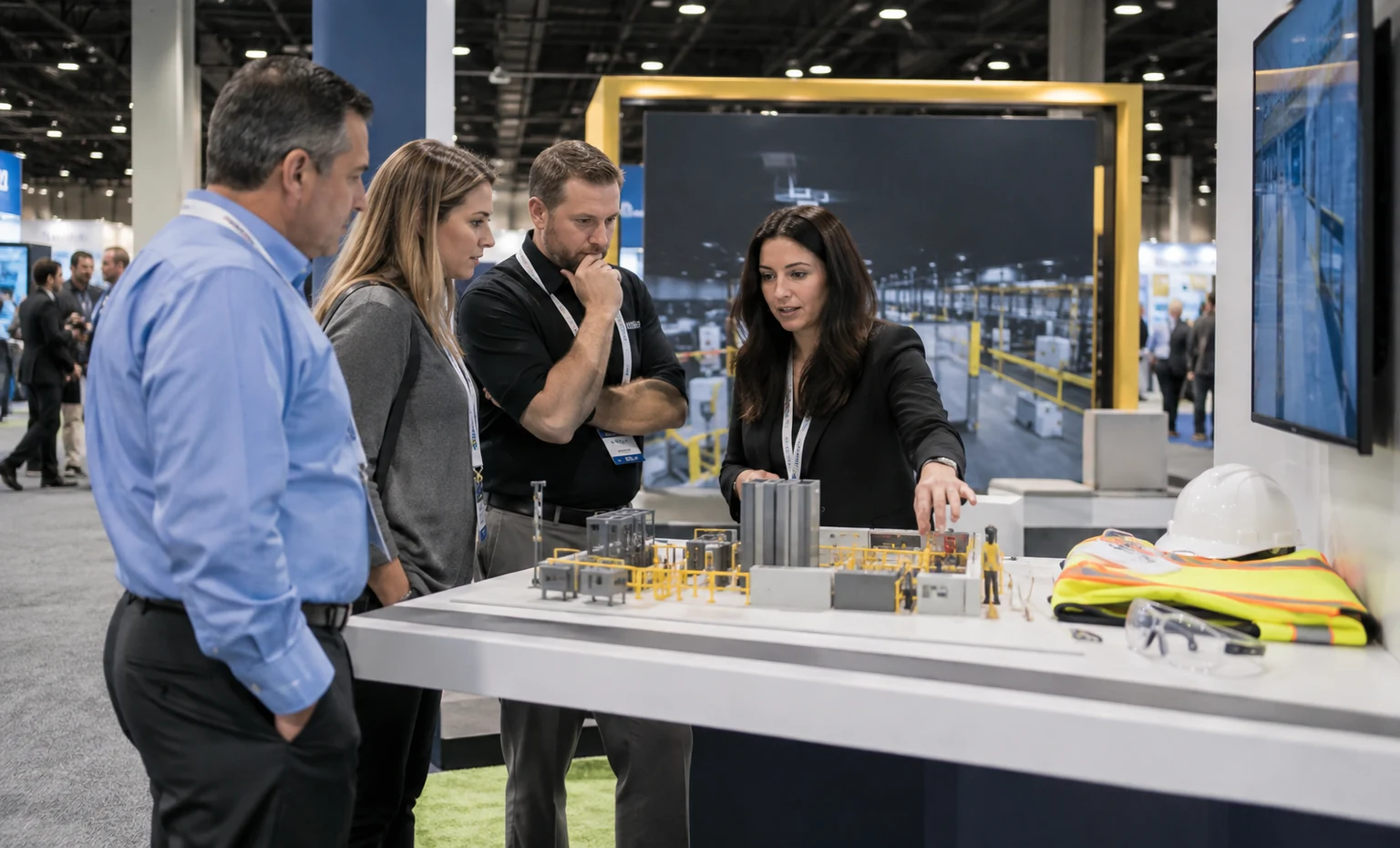
From Safety-Product Brief to an NSC Exhibit Proposal
Begin with the active edition and assigned footprint. Add open sides, products and dimensions, approved claims, staff roles, meeting priorities, budget, freight method and the work to be priced.
For each station, state the workplace risk, control, visitor action, viewing group, evidence, specialist and next conversation.
Confirm equipment state, supervision, reset, power/data, sound, storage and which current approvals or official services apply.
Review the layout, elevations, rental components, quoted custom details, graphics, interfaces and each party’s responsibilities.
Close the product dimensions and approved messaging. Each quoted booth part and graphic is then identified by the safety station it serves.
On the show floor, King completes only the installation or support tasks named in the agreement. The exhibitor operates its products and demonstrations, while designated providers perform their separately assigned services.
It can, but the activity must be defined before the display is designed. Identify the exact model, its operating condition, what the visitor will do, who supervises and how the product resets. The final setup must also satisfy the active NSC requirements and keep observers inside the booth.
The booth can support inspection, connection explanation and approved supervised interaction. Do not assume that suspension, loading, elevated work or an active rescue scenario is allowed. Define the equipment state and obtain any required organizer, venue or specialist approval before the design is released.
King can plan the physical demo environment: screen positions, wearable or headset storage, counters, cable paths and service points. Your technical team supplies the approved data, software environment, privacy controls, device-reset routine and offline fallback so the station can be tested as one complete experience.
No. The booth can present verified product specifications, standards, certifications, test information and limitations supplied and approved by your team. Product compliance, workplace suitability and safety-program decisions remain with the qualified parties responsible for them.
They are included only if the approved scope names them. Treat event or venue charges, freight handling, power, network, labor, insurance, permits and specialist work as separate lines until the proposal and active exhibitor manual assign each one.
Prepare one station list covering the assigned space, products and dimensions, visitor actions, approved claims, screens and utilities, daily stock and reset, meetings and graphics. Add the budget, freight method and onsite work to be quoted. That is enough to begin the 3D direction and responsibility review.