


Inputs for a Minneapolis Exhibi
Send the product appearance standard with the hall plan:
• Event, hall, booth and current manual
• Products, finishes and critical viewing conditions
• Brand colors, graphics and approved references
• Screens, cameras and demonstration lighting
• Power, rigging, freight and service requirements
• Budget, approvals and requested King scope
Make the Product Look Like the Product Buyers Will Receive
Minneapolis Convention Center provides more than 480,000 square feet of exhibit space across five halls. Hall A and the domed Halls B through E have different visual character, and the venue describes programmable dome lighting in the upper halls. For products where color, texture or screen content influences the buying decision, booth lighting cannot be an afterthought. King Exhibits identifies the critical view, sets a neutral or purposeful background and places product, graphic and screen lighting around it. Samples used for comparison receive consistent conditions. The event’s hall-lighting plan and authorized service process are confirmed before release. Buyers can discuss the real finish or image with more confidence, and procurement can see why each lighting element exists.
Define the Product View That Must Stay Accurate
List the finish, texture, printed color, indicator, image or surface a buyer must judge. Choose the viewing distance and decide whether the product should be compared under neutral light or a defined use environment. King Exhibits can build the product support, background and fixture position around that standard. Decorative light remains secondary. The booth then helps the buyer evaluate the offer rather than creating an attractive color cast that changes the product.
Test Brand Graphics against the Hall Ambience
A brand color approved on a monitor may shift when printed, illuminated and surrounded by event lighting. Use physical references and evaluate the graphic material, light temperature and adjacent colors together. King Exhibits can prepare graphic sizes and lighting relationships through the production record. If the organizer uses colored dome lighting, confirm the schedule and assess likely effects without assuming the exhibitor controls it. Strong recognition comes from controlled contrast, not simply more brightness.
Make Screens and Physical Products Agree
Screens often appear brighter, cooler or more saturated than the product beside them. Match the content background, screen angle and brightness to the physical comparison a buyer is meant to make. Avoid placing a reflective sample where the display produces glare. King Exhibits can position screens, lighting and product supports together. The exhibitor supplies final content and color references, while the authorized providers deliver the power, internet, rigging or AV services assigned to them.
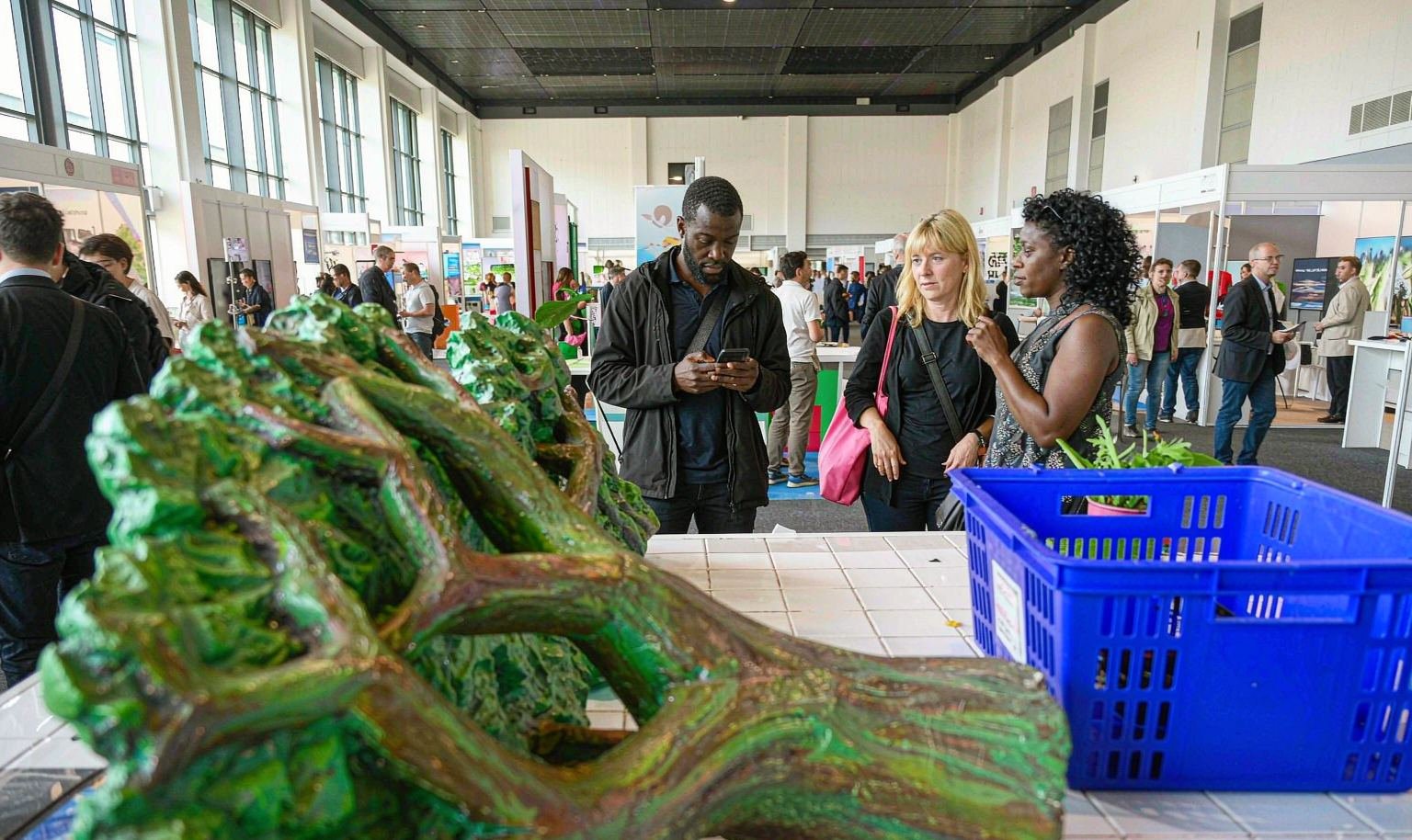
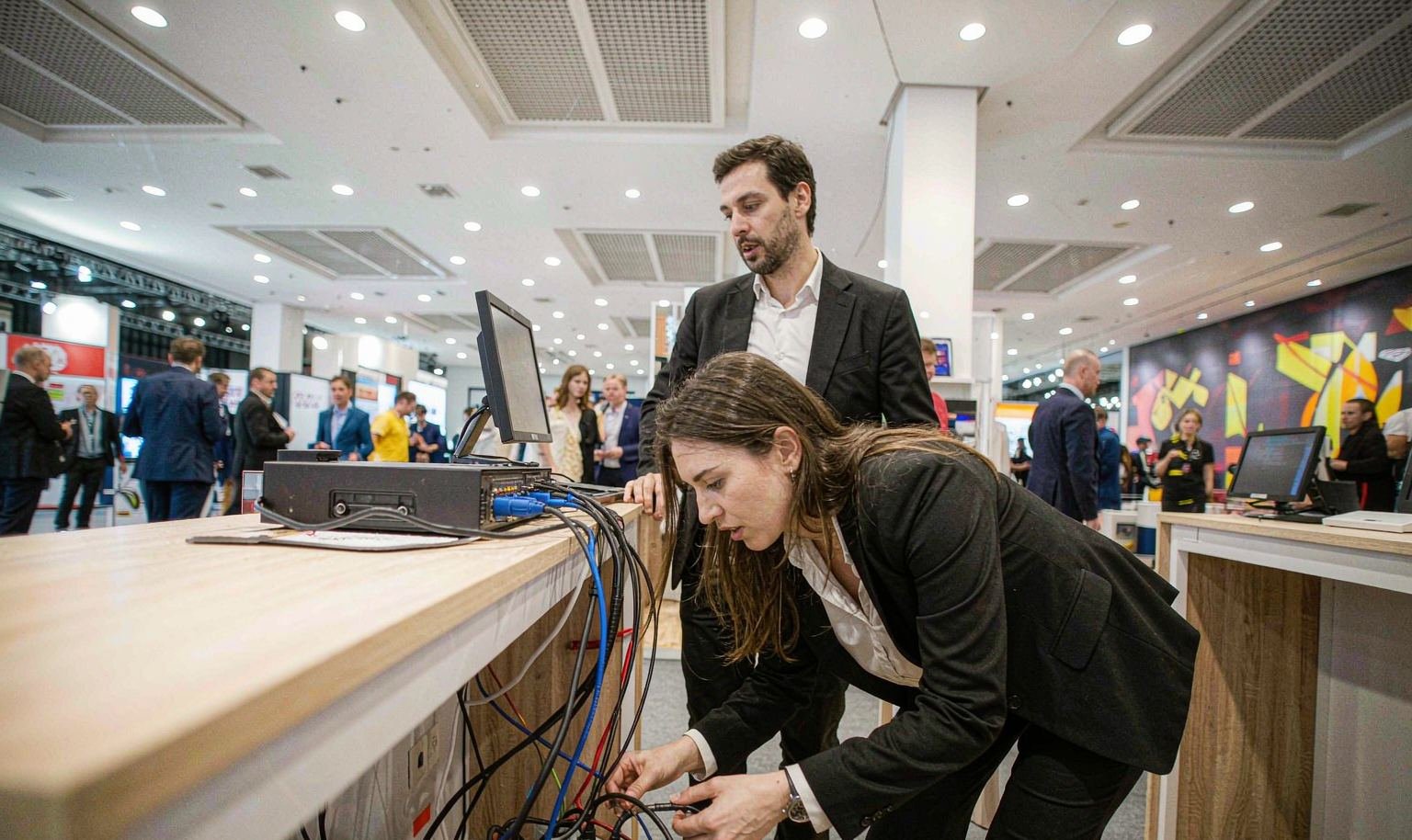
Confirm the Hall before Reusing the Lighting Package
Minneapolis Hall A is on the lower level and differs from Halls B through E, which occupy level one beneath the venue’s domes. A fixture count or hanging plan from one hall should not be copied automatically to another. Check ceiling, ambient light, rigging, power and booth orientation for the current assignment. King Exhibits can reuse suitable assets after those conditions are known, protecting reuse value without preserving an outdated visual assumption.
STEER — 30×30 Exhibit at NPE 2024
STEER’s completed 30×30 exhibit is a verified King Exhibits reference for combining product visibility, branded architecture and buyer conversation. It was delivered for NPE 2024 in Orlando, not at Minneapolis Convention Center. Buyers can use it to assess graphic hierarchy and production finish. A Minneapolis project would receive its own hall, lighting, color, service and reuse plan under the accepted written scope.

Graphics, Product Supports and Lighting Positions Can Be Reviewed Together
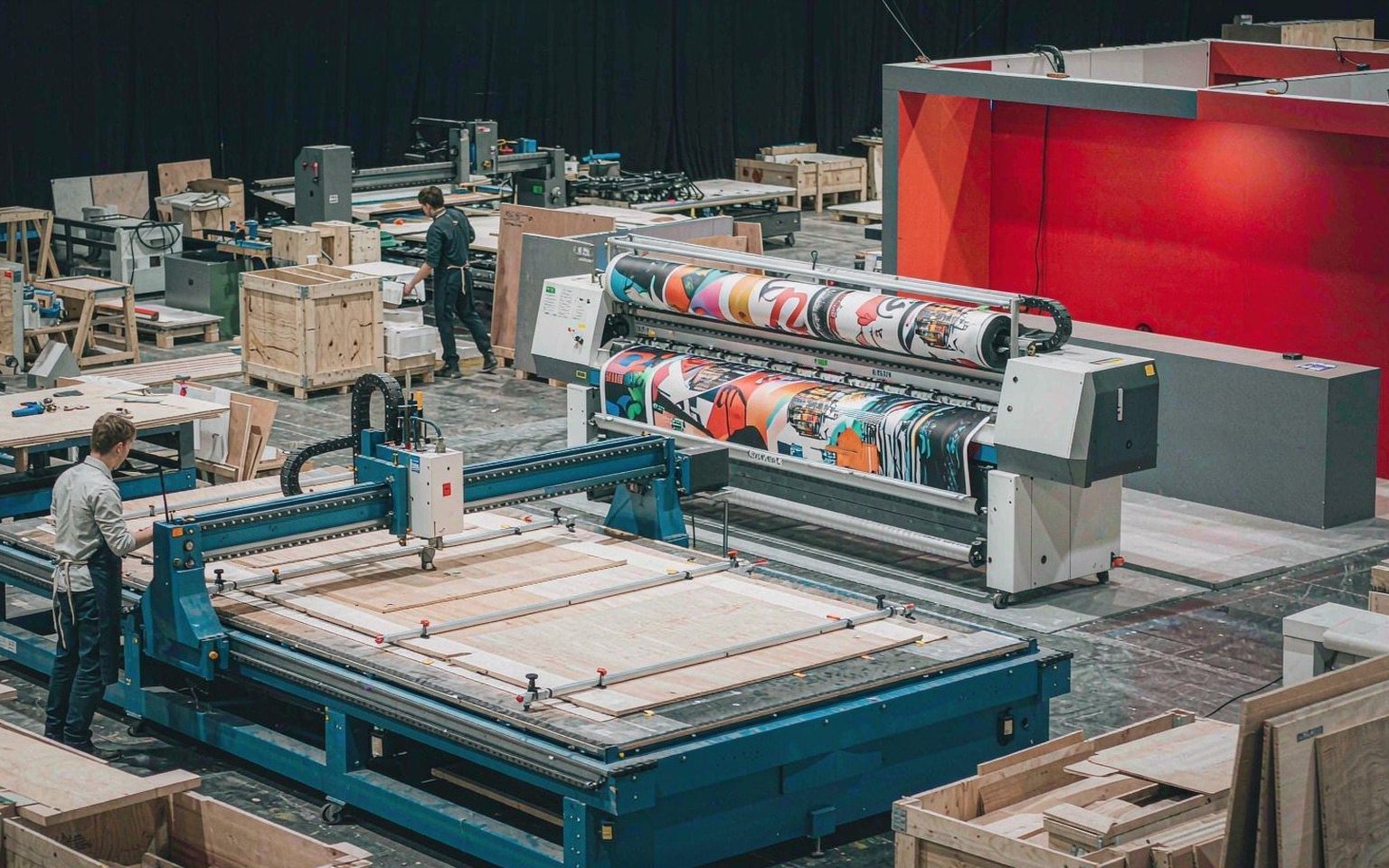

King Exhibits has supported U.S. exhibit projects since 2008. Las Vegas-based production support combines 3D design, rental preparation, custom graphics, CNC work and wood fabrication. Product backgrounds, printed graphics, fixture positions, screen mounts and sample supports can therefore be coordinated in one model. Important assemblies may be checked before packing when included in scope. Freight coordination, installation and dismantling, audiovisual support and storage apply only when accepted in writing. MCC utilities, internet, rigging, hall lighting and event production remain with the designated providers and organizer.
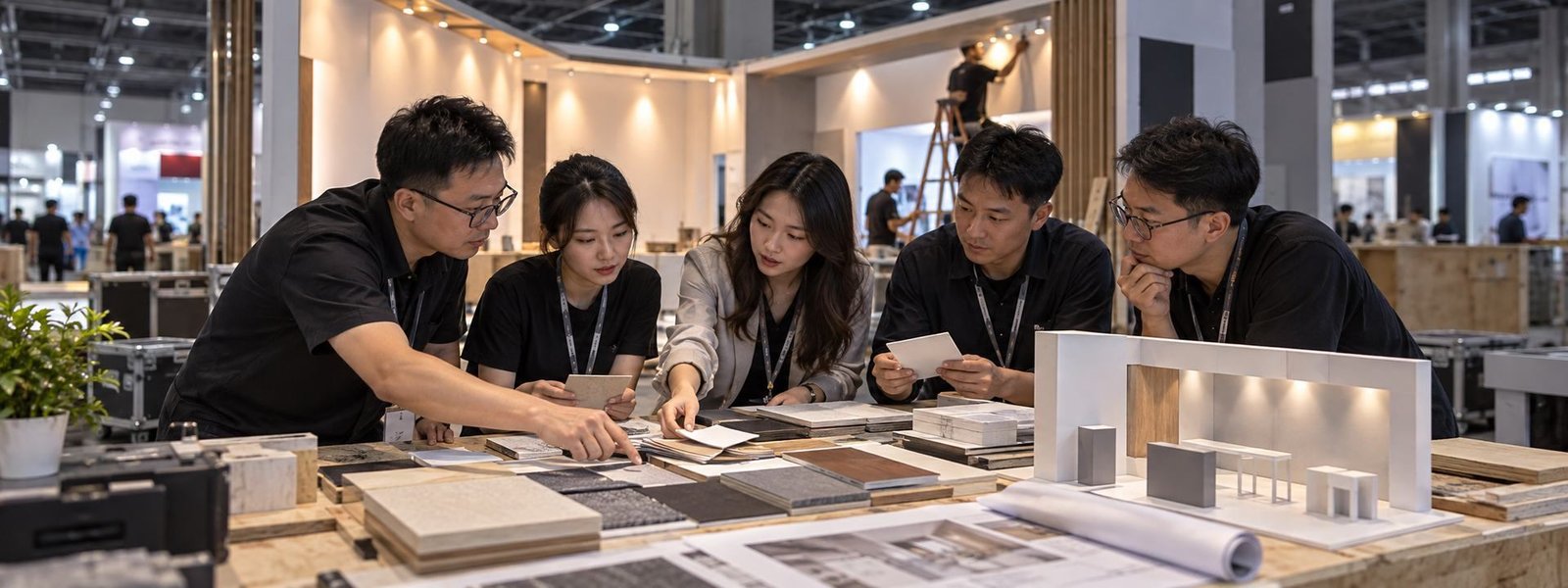
Build the Minneapolis Booth around a Credible Product View
The visual system earns trust when physical products, graphics and screens tell the same story.
Choose critical products, finishes, references, viewing distance and comparison method.
Develop background, graphics, product light, screens, glare control and circulation.
Verify assignment, ambient lighting, rigging, power, services and schedule.
Release drawings, graphics, fixtures, content interfaces, assets and written scope.
Yes. The venue describes Hall A on the lower level with a different industrial character, while Halls B through E occupy level one beneath programmable LED-lit domes. The event controls how those systems are used. Confirm the hall and lighting plan before choosing fixtures or approving colors. King Exhibits can develop the booth’s product and graphic lighting around the verified ambient conditions.
Provide physical color or material references and identify what the buyer must judge. Evaluate printed graphics, light temperature, adjacent colors, screen content and reflective surfaces together. A render alone is not a color guarantee. King Exhibits can coordinate the physical display and specified graphic files, while final appearance also depends on supplied product variation, output profiles, venue light, installed fixtures and authorized on-site adjustments.
MCC directs exhibitors to its online service system for facility services, while internet and other items may involve named providers. The current organizer kit determines deadlines and responsibilities. King Exhibits can identify power, gas, water, drainage, rigging and network locations within accepted drawings. The venue or authorized provider prices, installs and verifies each service, and the exhibitor supplies equipment specifications and operating requirements.
Send the event, hall, booth number, current manual, products, finishes, physical color references, buyer roles, graphics, screens, content, demonstrations, existing assets, lighting goals, power, internet, rigging, freight, budget and approval date. Identify any appearance that must remain accurate. King Exhibits will develop the buyer-facing exhibit and record venue, organizer or provider dependencies that require separate confirmation or ordering.