


Inputs for a Javits Center Exhibi
Send the buyer goal and asset plan together:
• Event, hall, booth and current show ki
• Products, buyers and intended conversations
• Existing assets and next-show requirements
• Environmental claims and evidence standards
• Graphics, packing and disposition options
• Budget, approvals and requested service scope
Make the Sustainability Story Specific Enough to Trus
A sustainable booth is not created by adding green graphics to an ordinary production plan. King Exhibits begins with the commercial job, then asks which assets can be rented, reused, reconfigured or packed for a confirmed next show without weakening product presentation. Graphics are sized for their useful life. Custom work earns its material through a buyer task or a planned second use. Before move-out, each item receives a destination: return, storage, client shipment, approved donation, recycling or disposal. Javits programs may support parts of that closeout, but current event arrangements control participation. The result gives buyers a credible story and gives procurement a record it can review after the event.
Write the Claim after Choosing the Evidence
Decide exactly what the company can prove: rented structure, reused components, reduced single-use graphics, documented return shipping or participation in an approved donation program. Avoid claims such as “zero waste” unless the full project supports them. King Exhibits can record the choices within its accepted exhibit scope and keep the public message aligned with those facts. The buyer sees a responsible brand that speaks precisely, while procurement avoids turning an ambitious environmental theme into an unsupported marketing statement.

Give Every Reusable Component a Confirmed Second Job
List the next event, likely footprint, brand requirements and product changes before approving the current component set. A wall that can technically be reused may still fail when the next hall, message or product differs. King Exhibits can design adaptable rental architecture, removable graphics and custom details around the known second use. The record distinguishes pieces planned for reuse from pieces merely kept. This makes future value visible to procurement and reduces the chance that stored assets become an expensive collection of incompatible parts.
Keep Product Proof Strong while Reducing Material
The most responsible choice is not always the smallest booth. Remove material where it does not help a buyer recognize, inspect, compare or discuss the product. Preserve structure where it improves safety, access, reuse or the quality of the sales interaction. King Exhibits can use lighting, graphic hierarchy, open sightlines and a focused product fixture to create presence without adding decorative layers. The environmental decision and the commercial decision become the same edit: keep what serves the buyer and eliminate what does not.

Decide the Destination before Move-Out Begins
Create an item-level closeout list for structures, graphics, products, furniture, literature, samples and packing. Assign return shipping, client pickup, storage, approved donation, recycling or disposal together with the responsible party. JavitsCares may accept qualifying exhibit materials through event arrangements, but availability and acceptance must be confirmed. King Exhibits can align its packed assets and accepted support with the approved plan. After the show, procurement can compare intended and actual outcomes instead of relying on an unverified sustainability estimate.
STEER — 30×30 Exhibit at NPE 2024
STEER’s completed 30×30 exhibit is a verified King Exhibits reference for open product presentation, branded architecture and buyer conversation. It was delivered for NPE 2024 in Orlando, not at Javits Center. Buyers can use it to assess production finish and component relationships. A New York project would receive its own reuse, material, closeout, hall and provider plan based on the current event and accepted written scope.

Design and Production Records Support Responsible Reuse

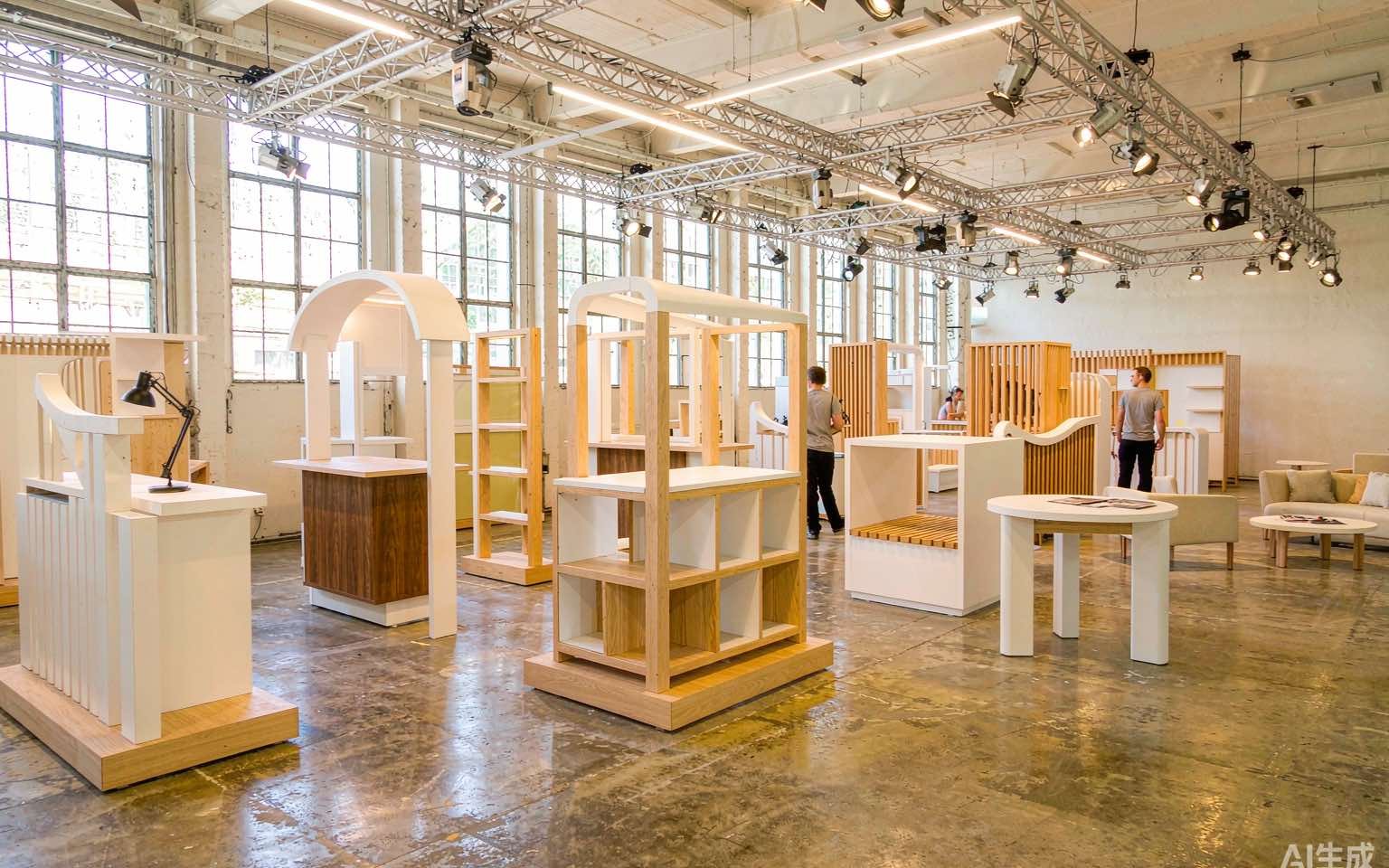
King Exhibits has supported U.S. exhibit projects since 2008. Las Vegas-based production support combines 3D design, rental preparation, custom graphics, CNC work and wood fabrication. Those capabilities allow reusable components, replaceable graphics, custom product supports and packing needs to be considered in one approved system. Important assemblies may be checked before packing when included in scope. Freight coordination, installation and dismantling, audiovisual support and storage apply only when accepted in writing. Environmental outcomes, venue programs and third-party recovery work are reported only when documented.
Design the Buyer Experience and the Asset Afterlife Together
Every material choice needs a commercial job now and a documented destination after the show.
Identify the recognition, product proof, conversations and next action the booth must support.
Review rental, reuse, custom, graphic and packing choices against the next confirmed use.
Align public statements, deliverables, responsibilities, budget, venue services and closeout destinations.
Prepare and deliver accepted work, then capture what returned, stored, donated, recycled or discarded.
Use only a claim supported by the actual project. Rental structure, reused assets, replaceable graphics, documented return shipping or verified recovery may provide evidence, but none automatically proves a broad claim such as zero waste. Define the statement with your sustainability and legal teams. King Exhibits can document choices within its accepted scope and avoid presenting venue-level achievements as if they were outcomes created by the exhibitor’s booth.
Javits Center describes JavitsCares as a program that diverts qualifying leftover exhibit materials to local nonprofits. Acceptance, timing, categories and event participation must be confirmed before the show. Do not treat donation as a guaranteed disposal route. Create backup destinations for every item. King Exhibits can align assets it controls with an approved closeout plan when included in scope, while the venue and recipient organizations make final acceptance decisions.
Javits Center identifies union-represented carpenters, electricians, plumbers, freight handlers and cleaning crews and provides an exhibitor ordering portal for building services. The current show also names its general service contractor and may impose additional requirements. King Exhibits can define booth-side needs and accepted coordination. The proposal should identify who orders, installs and pays for freight, labor, electrical, internet, plumbing, rigging, cleaning and outbound work.
Send the event, hall, booth, current manual, buyer goals, products, existing exhibit assets, next-show plans, environmental claims, graphics, utilities, storage, staff count, budget and approval date. Include the closeout options and any freight, installation, dismantling or storage support you want evaluated. King Exhibits will develop the buyer-facing exhibit, reuse logic and accepted scope without inventing unverified sustainability outcomes.