

Choose What the Booth Needs to Prove
Machinery in Motion
Material and Finish Library
Hardware and Component Assembly
Show How the Product Changes the Finished Work
IWF buyers compare more than individual machines or components. They want to know what reaches the end of the line, how the result looks and feels, what the process requires and whether the solution fits their shop. A machine demonstration without the finished part leaves the value unfinished. A wall of attractive samples without material or process context creates the opposite problem.Plan one continuous explanation. Start with the material, component or production problem. Show the working step or the product’s position in the assembly. Put the finished door, panel, edge, surface or component close enough for inspection. Then give the applications or sales specialist room to discuss footprint, labor, changeover, dust, integration, service and the buyer’s own product mix.King Exhibits turns that sequence into an IWF booth design. The proposal can include rental walls, towers, graphics, lighting, screens, sample supports, counters, storage and meeting areas. Selected full-size displays or machine surrounds can be quoted after dimensions, weights and intended use are confirmed. Packing, freight coordination and installation or dismantling are included only when named in the accepted quotation.IWF and the Georgia World Congress Center apply current requirements to operating machinery, moving parts, dust collection, guarding, spraying, display approval, freight and official services. We place the booth-side interfaces in the plan, while the exhibitor, organizer, venue and authorized providers retain their technical, safety and onsite responsibilities.
Let the Buyer Follow the Work from Input to Specification
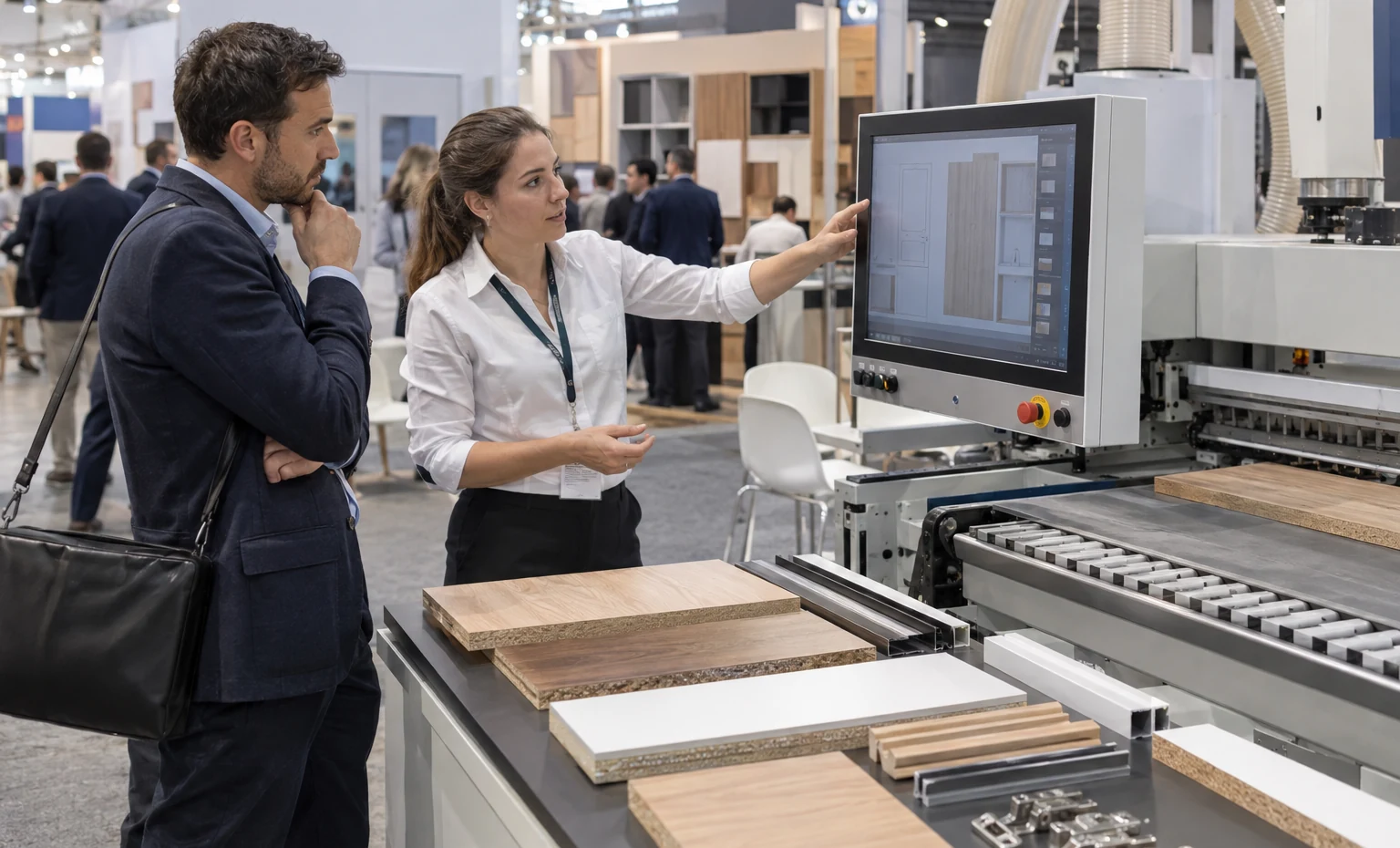
Identify the board, panel, profile, hardware, coating or data that enters the process. Give the visitor a recognizable starting point instead of beginning with a machine name alone.

Keep the cutting, shaping, joining, finishing, handling or digital decision visible from the approved viewing area. Use one short graphic to explain what changes at this stage.
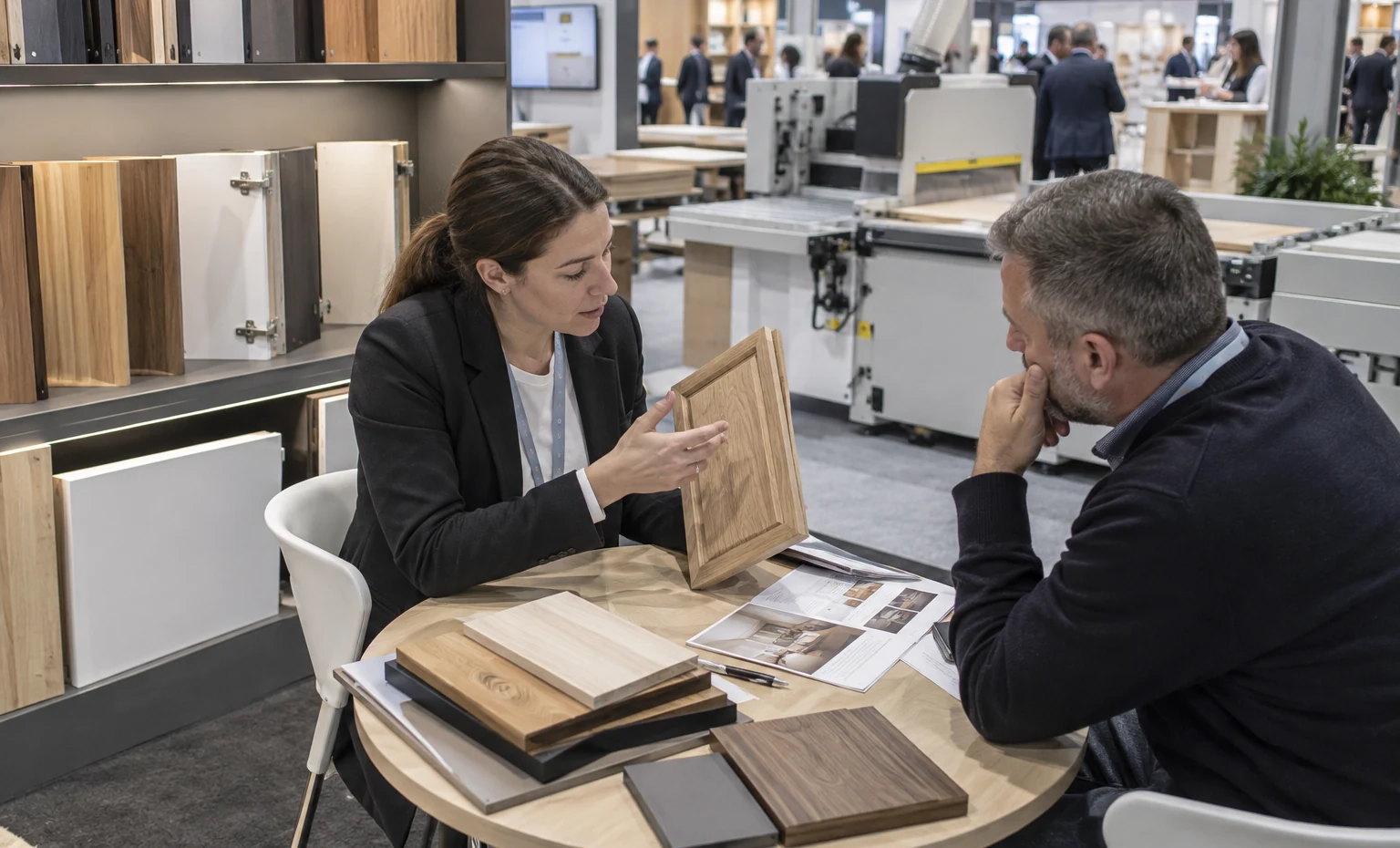
Place the finished part, surface, joint or assembly where buyers can see and handle it as permitted. Comparison samples should reveal a specific difference, not simply fill a shelf.
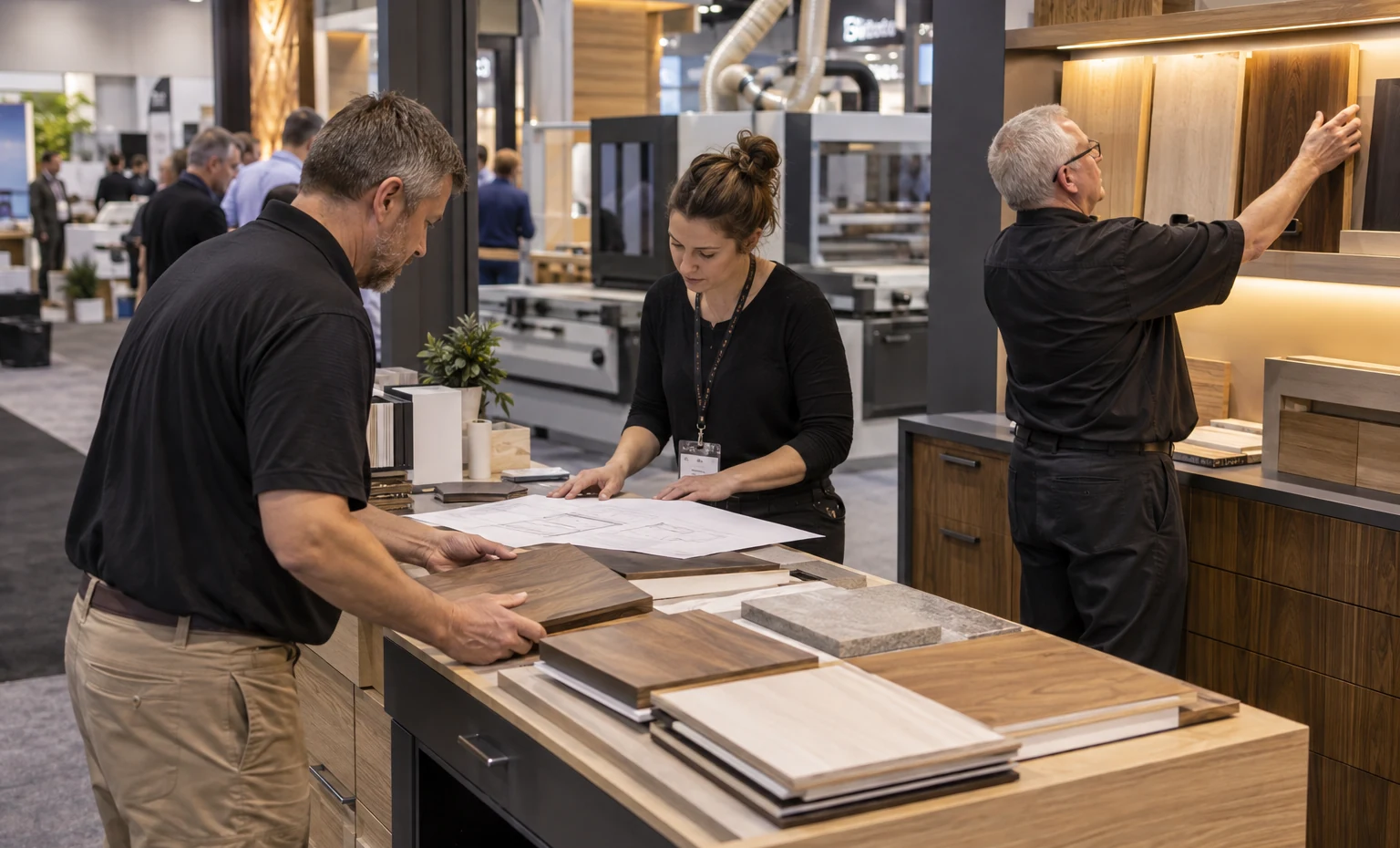
Provide the drawings, options and staff space needed to discuss material, dimensions, production fit, service and the next sample or technical review.
Draw Every Moving and Dust-Producing Area
Mark material feed, outfeed, sliding arms, fences, doors, tooling access, waste, dust connection, guarding and the operator before the rental walls or counters are fixed. Current IWF rules keep machine movement and access inside the booth and require appropriate safety controls. King Exhibits plans the quoted structure and visitor route around the approved machine zone. The equipment supplier remains responsible for accurate dimensions, operating instructions, dust requirements and the authorized demonstration method.
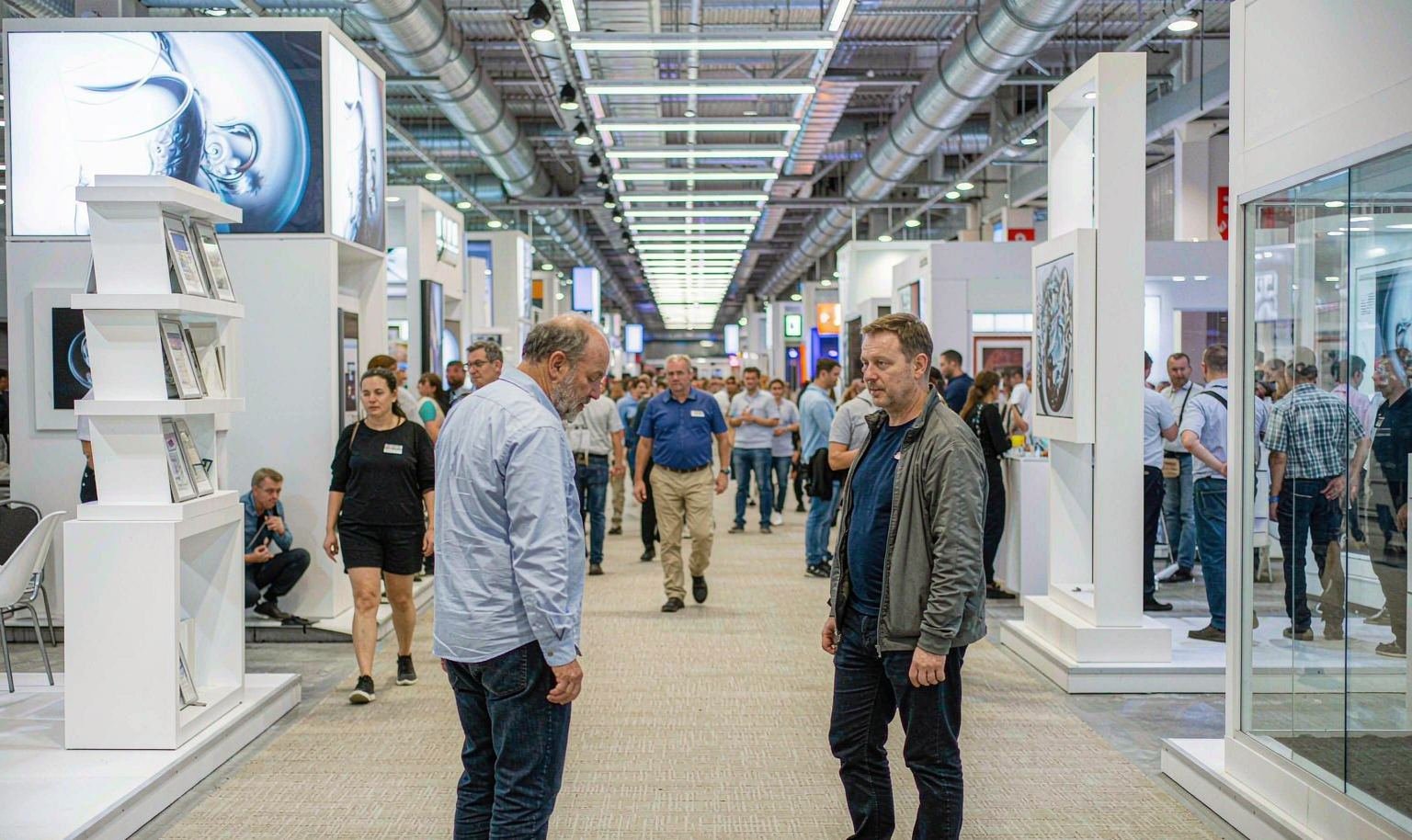
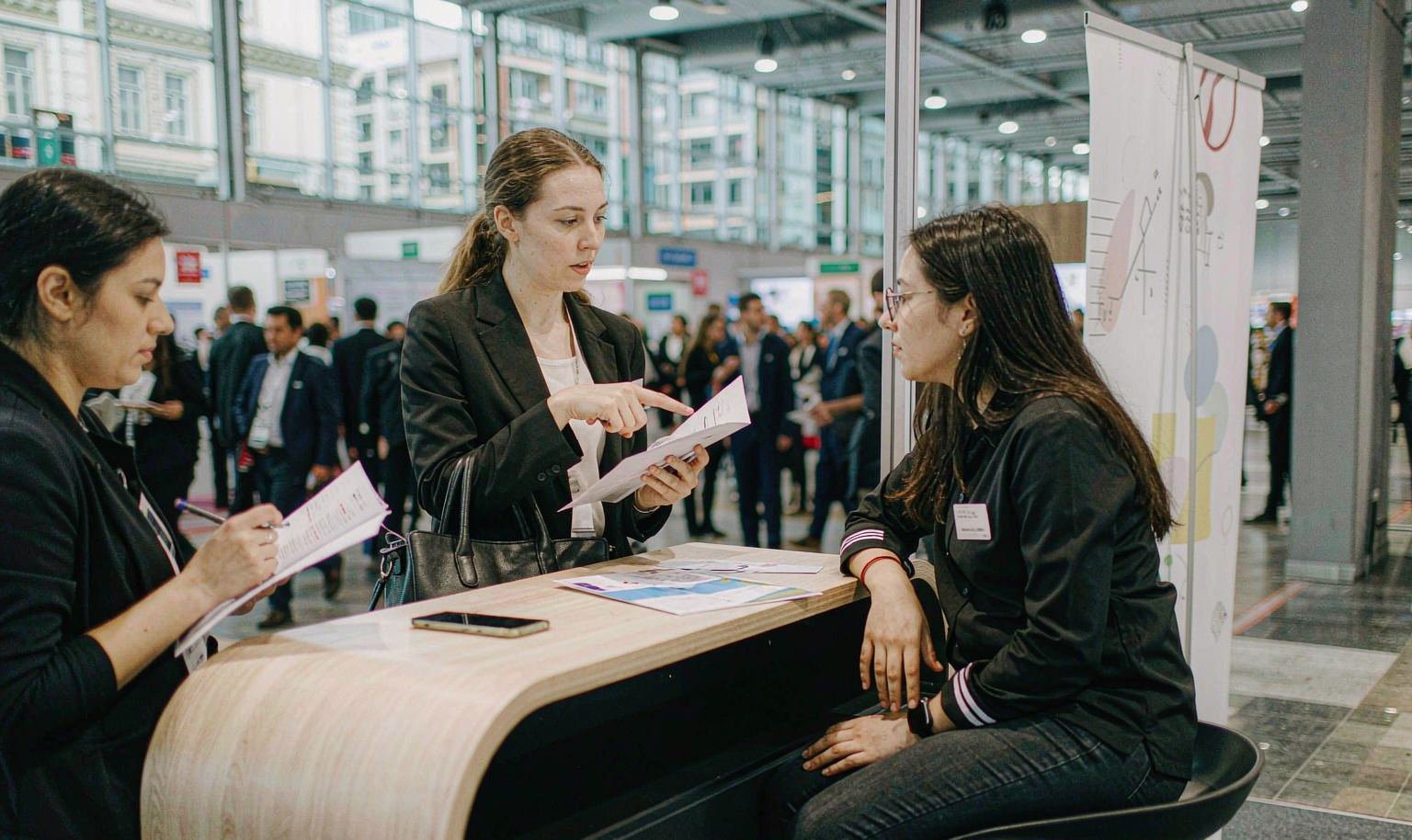
Make Surface and Material Differences Easy to Compare
Group doors, panels, veneers, laminates, edges, coatings or components by a real choice: substrate, color, texture, process, application or assembly. Keep comparison samples under the same lighting and add only the information needed to start the technical discussion. King Exhibits can quote supports and graphics around confirmed dimensions, weights and access. The exhibitor supplies accurate material and performance claims and identifies samples that require staff handling, security or special mounting.
Match the Shipment to the Assigned Freight Schedule
Separate machinery, exhibit crates, samples, graphics and service equipment before the carrier plan is released. Record piece counts, weights, origins and the order in which the booth and machines must be placed. IWF publishes assigned freight information and current marshalling instructions through its exhibitor resources. King’s packing record covers the booth assets in our scope; the machine and product shippers provide their own accurate data. Reconcile both records before move-in appointments and official handling orders are finalized.

Keep the Machine, Samples and Graphics on One Approved Plan
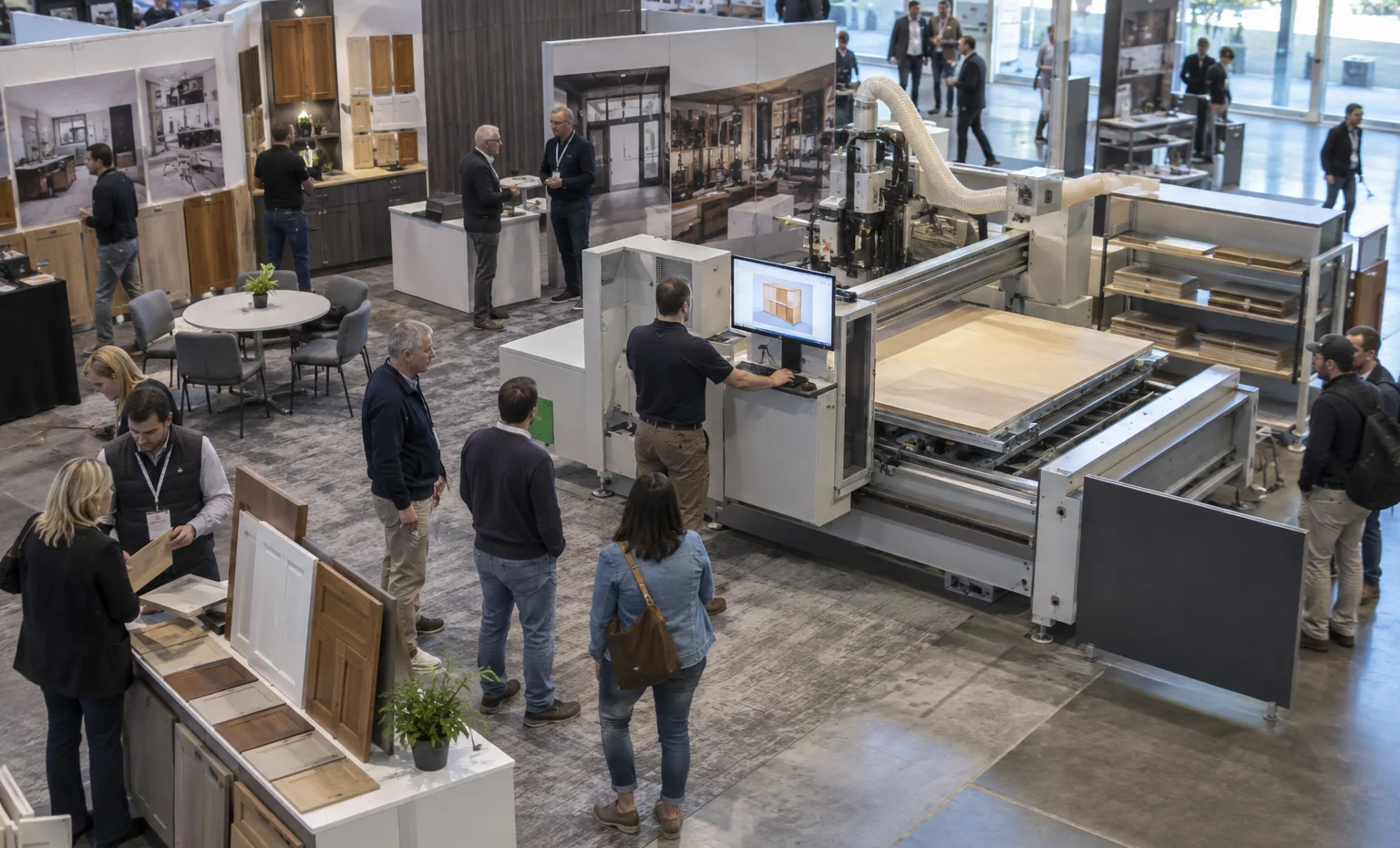
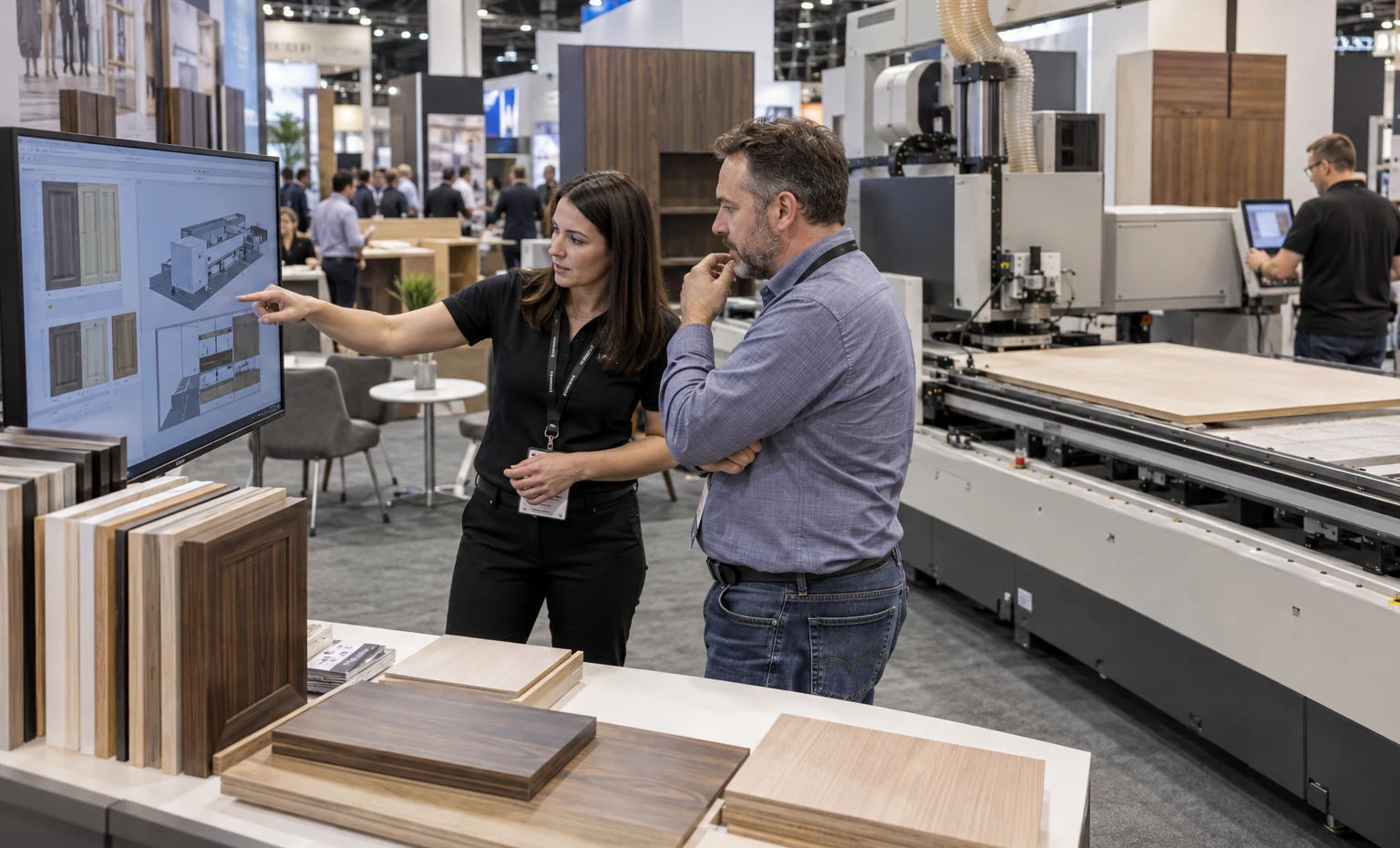
The approved exhibit plan can identify the machinery, moving and loading areas, visitor position, sample display, graphics, screens, counters, storage and meeting areas together. A change to a door size, machine length or sample weight can then be checked against the booth components before production begins.King Exhibits prepares the rental, printed and selected custom assets named in the quotation and connects them to the production and packing record. The exhibitor and official teams retain separate ownership of machine operation, dust collection, spraying, utilities, rigging, drayage and approvals. Marketing, engineering, procurement and the onsite lead still work from the same layout, reducing the chance that one team approves a version another team cannot use.
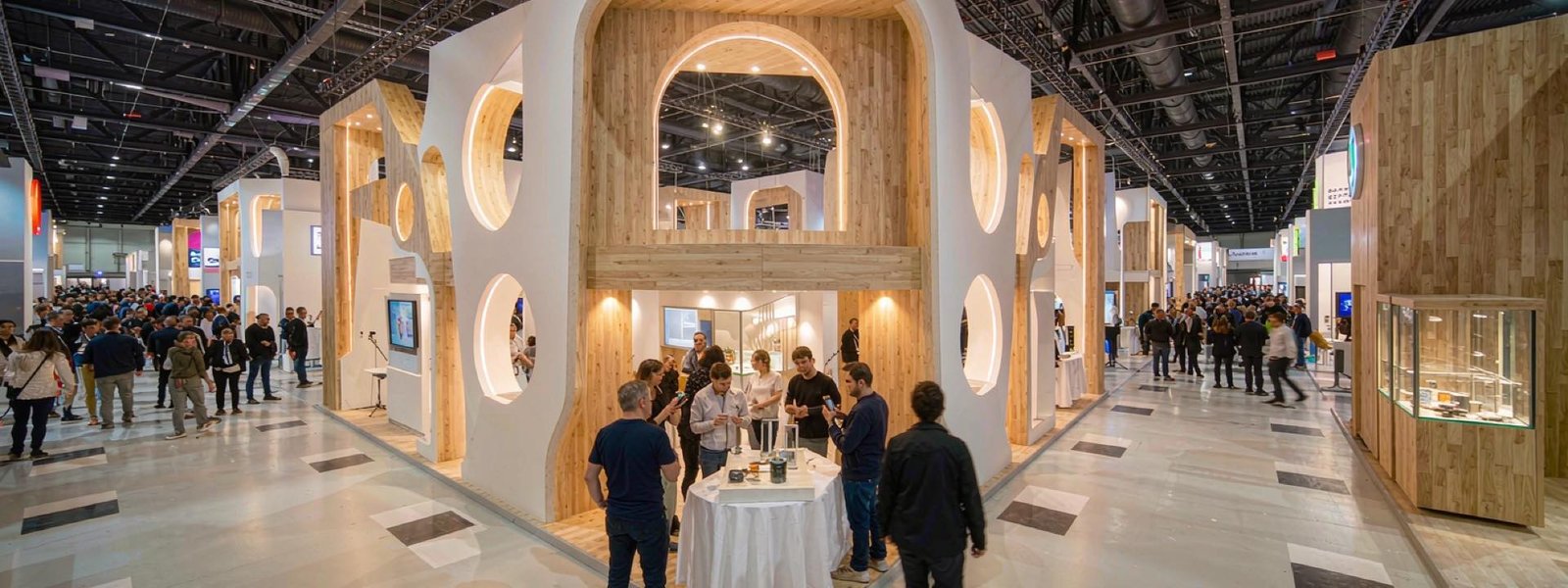
Build the IWF Booth Backward from the Finished Result
What You Provide: Target buyer, finished part or surface, machine/component, approved claim and next technical or sales action.What We Do: We define the process, comparison and conversation the exhibit must support.
What You Provide: Installed dimensions, weights, moving zones, feed/outfeed, operator, dust, utilities, samples, screens and storage.What We Do: We position the working proof and develop the rental structure, graphics and buyer route around it.
What You Provide: Current ERC information, assigned freight schedule, EAC, handling, rigging, electrical, compressed air, spraying or other service requirements.What We Do: We show the booth interfaces, identify conflicts and define the quoted King scope before release.
What You Provide: Approved design, final artwork, accepted quotation, machine shipment, sample list, carrier details and onsite authority.What We Do: We prepare the King assets in scope, coordinate accepted freight and I&D tasks, and hand over the booth for machine commissioning, sample placement and sales content.
Yes. Provide installed dimensions, moving areas, feed and outfeed, operator position, guarding, dust removal, utilities, waste, noise and the approved demonstration method. The booth can then provide a controlled visitor view without placing walls or counters inside the machine’s working area.
The current IWF exhibitor program identifies the authorized providers and ordering rules. King can plan the booth interfaces and coordinate agreed tasks, while the actual service order and onsite work follow the organizer, venue and official-contractor requirements.
Only after the proposed material and method are reviewed under the current IWF spraying, ventilation, fire and venue requirements. Submit the necessary information early. A video, cured sample sequence or static finish comparison may provide a simpler sales alternative when live application is not approved.
Send dimensions, weights, handling and access requirements. The exhibit can use quoted supports or supervised displays that keep samples stable and comparable. The product owner must confirm the sample and mounting method are suitable for public display.
Machinery and exhibit assets may need to arrive and be placed in a planned sequence. Accurate piece counts, weights and shipment owners help the carrier, official handling team and installer work from the same booth and equipment plan.
Send the booth assignment, product and buyer objective, machinery or sample list, dimensions and weights, demonstration method, dust and utilities, graphics, screens, storage, meetings, shipment origins and requested installation support.
Booth Sizes for IWF Exhibitors
-
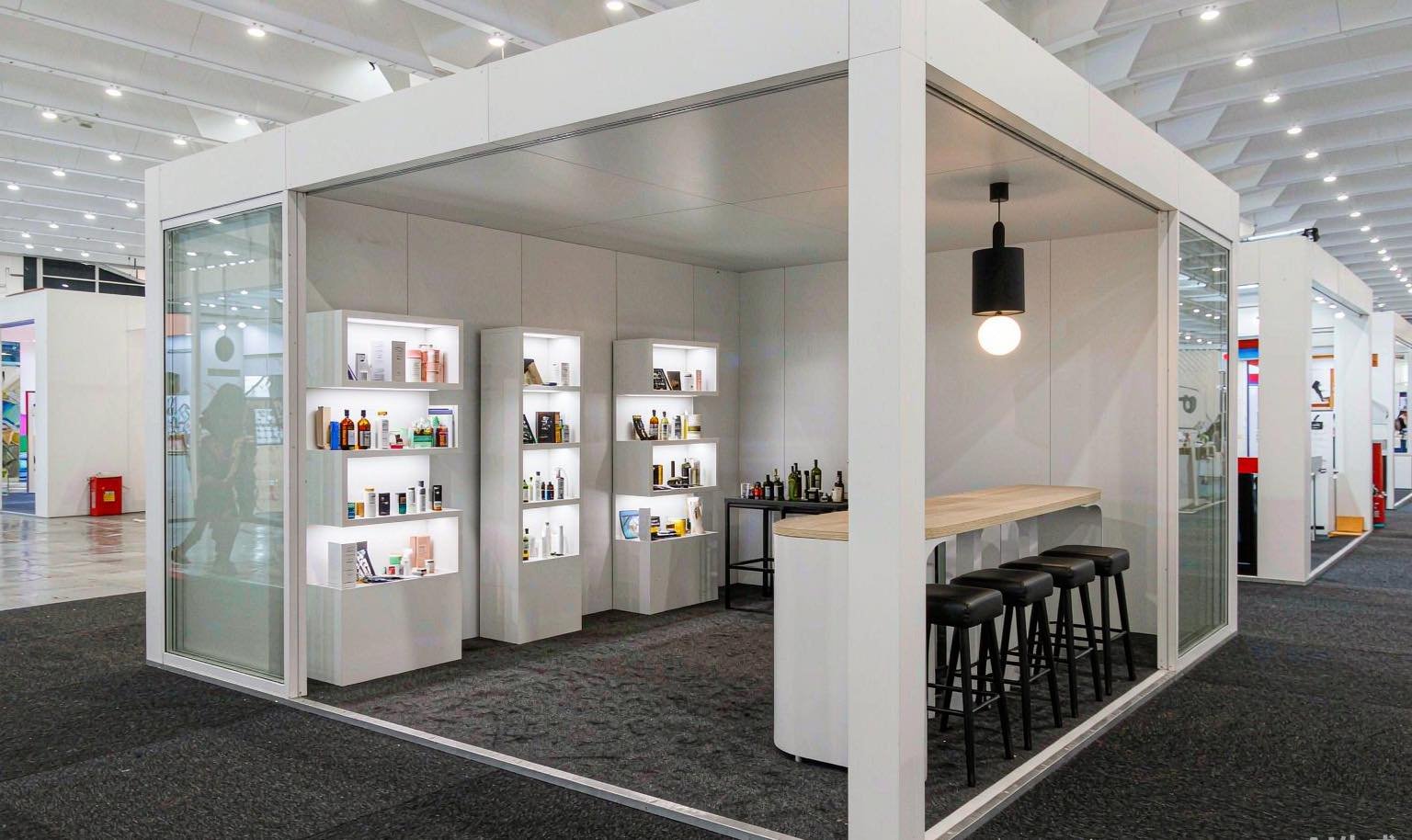
For a focused machine, material line or component demonstration with direct buyer access.
-
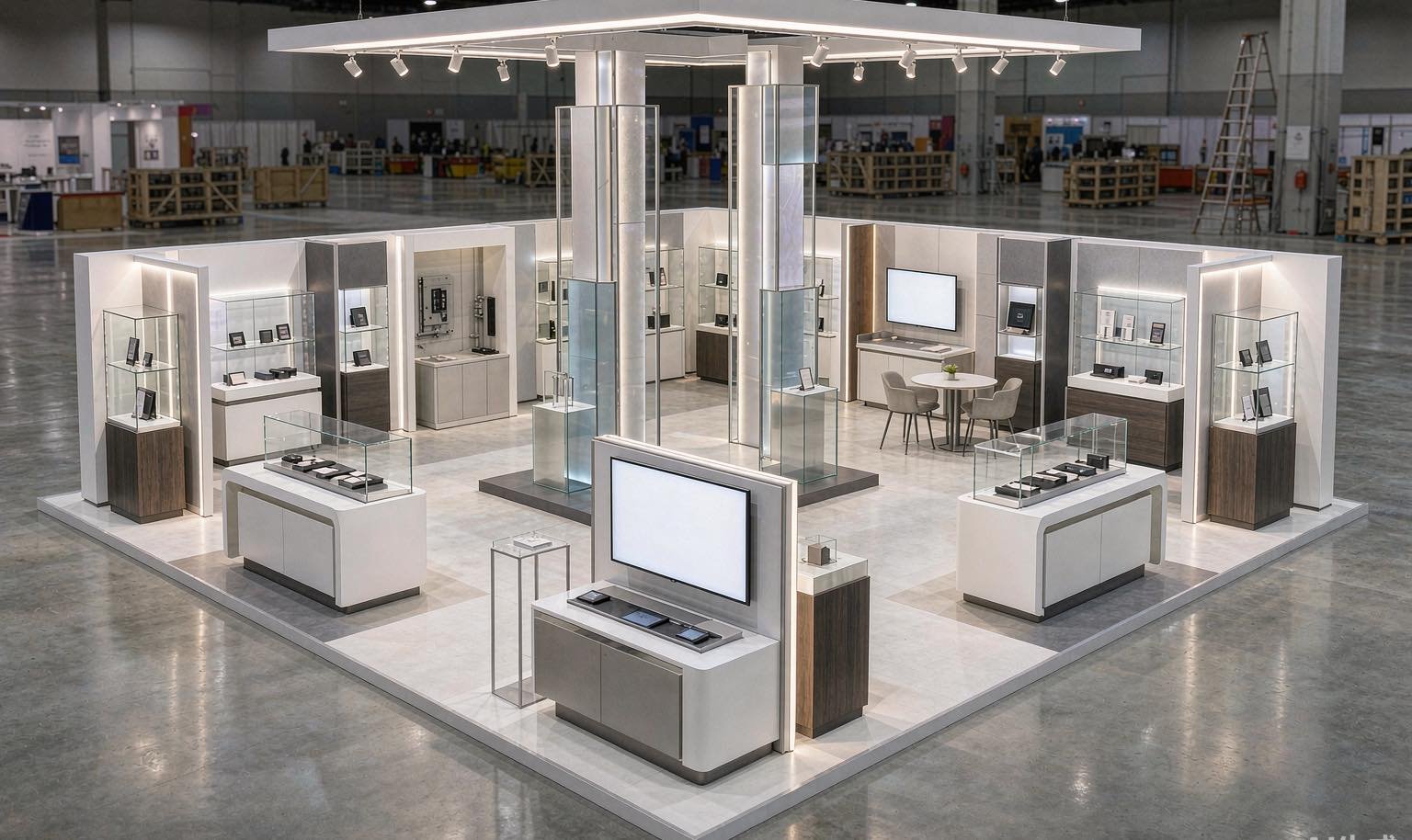
For open sample discovery, a process or screen station and a central discussion point.
-
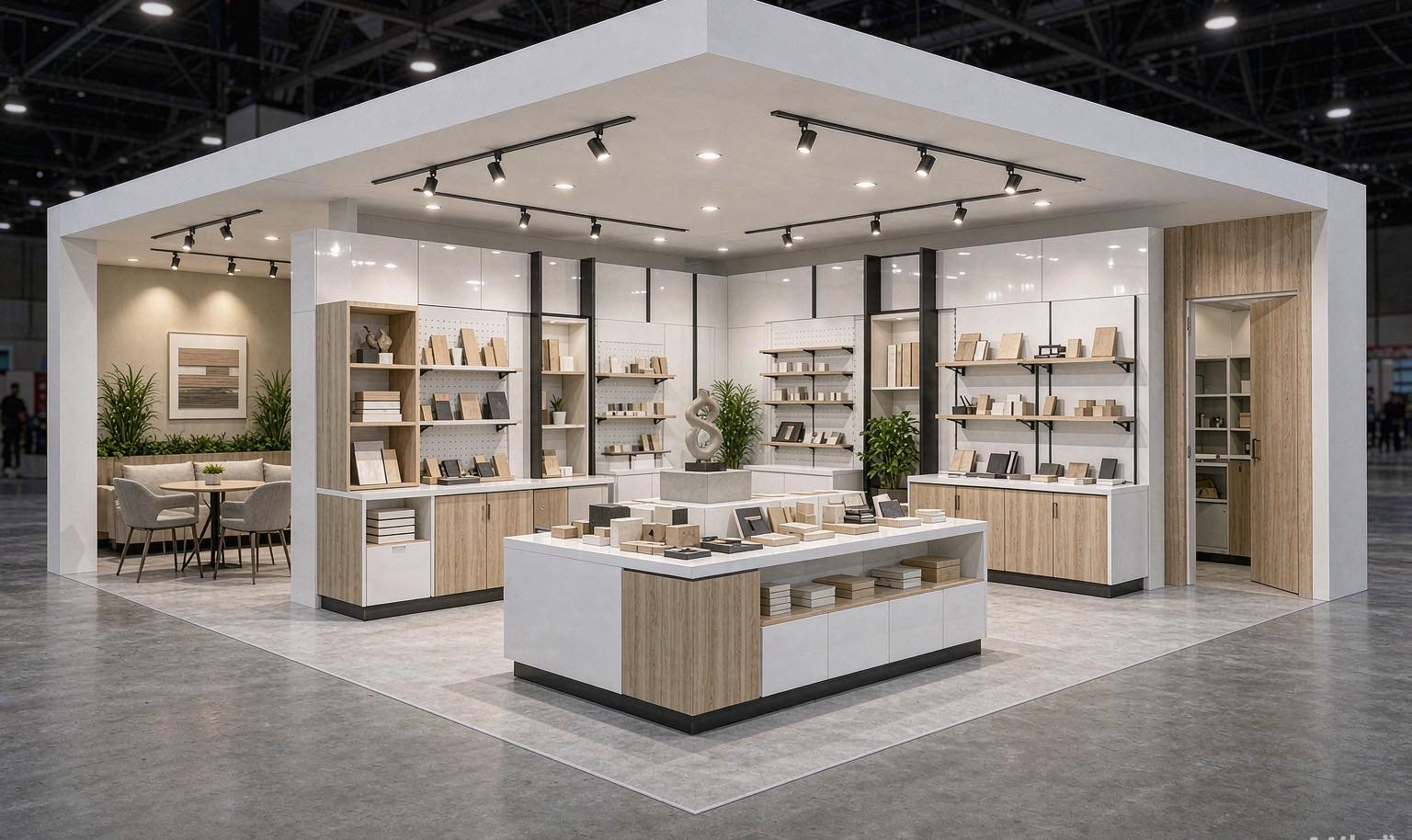
For larger product ranges, full-size samples or separate demonstration and meeting areas.